Rolex Swiss Craftsmanship and Innovation Through the Ages

The Legacy of Rolex: Swiss Craftsmanship and Innovation That Changed Watchmaking Forever
There are watch brands, and then there is Rolex. Few names in any industry carry the weight, recognition, and cultural permanence that Rolex has built over more than a century of relentless innovation and meticulous Swiss craftsmanship. Whether you are considering your first luxury timepiece or looking to deepen your understanding of what makes a Rolex truly exceptional, this guide walks through the history, the engineering milestones, and the design philosophy that have made Rolex the defining standard in Swiss watchmaking. It is a story worth knowing before you make any decision about a luxury watch purchase.
Where It All Began: The Origins of Rolex
Rolex was founded in 1905 by Hans Wilsdorf and Alfred Davis in London, though the brand's soul has always been Swiss. By 1919, the company relocated to Geneva, cementing its identity within the Swiss watchmaking tradition. Wilsdorf had a singular vision from the beginning — he wanted to create a wristwatch that combined elegance with technical precision, at a time when pocket watches still dominated. That ambition drove every early decision the company made, from its choice of suppliers to its pursuit of official certification. In 1910, a Rolex timepiece became the first wristwatch in the world to receive the Swiss Certificate of Chronometric Precision from the Official Watch Rating Centre in Bienne. That achievement was not incidental. It was intentional.
The Oyster Case: A Waterproof Revolution
One of the most consequential innovations in watchmaking history arrived in 1926 when Rolex introduced the Oyster, the world's first waterproof wristwatch case. The design used a hermetically sealed case construction, with a screwed-down crown and case back that protected the movement from water and dust. To prove the point publicly, Rolex arranged for Mercedes Gleitze to wear the Oyster during her English Channel swim in 1927. After more than ten hours in open water, the watch emerged in perfect working condition. Rolex purchased a front-page advertisement in the Daily Mail to share the results. That moment established a blueprint for how Rolex would go on to communicate its innovations — through real-world proof, not just specification sheets.
Perpetual Motion: The Self-Winding Movement
Rolex did not stop at waterproofing. In 1931, the brand introduced the Perpetual rotor, a self-winding mechanism that used the natural motion of the wearer's wrist to wind the mainspring continuously. This was not Rolex's invention from scratch — the concept of automatic winding had existed — but Rolex refined and perfected the bidirectional rotor in a way that made it genuinely practical and reliable. The Perpetual movement became the foundation for virtually every Rolex watch made since, and it remains central to the brand's identity. The term "Perpetual" still appears on the dials of Rolex watches today, which is a small but meaningful acknowledgment of that engineering turning point.
Rolex Collections: Understanding the Core Lineup
Rolex organizes its watches into two primary categories: the Oyster Perpetual collection and the Cellini collection. The Oyster Perpetual models represent the technical, tool-watch side of the brand. The Cellini represents classical elegance and dress-watch refinement. Within the Oyster Perpetual family, several models have become iconic in their own right.
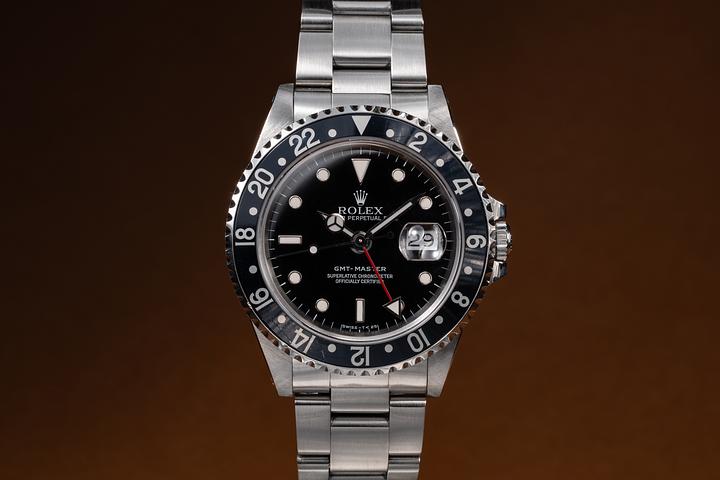
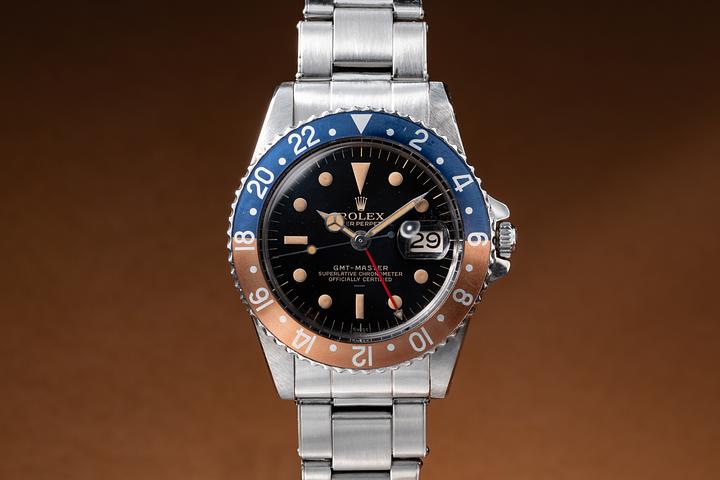
Submariner — the defining diving watch, water resistant to 300 meters Datejust — the original date-displaying wristwatch, introduced in 1945 Day-Date — known as the "President," worn by world leaders and reserved exclusively for precious metal cases GMT-Master II — engineered for pilots and travelers to read two time zones simultaneously Explorer — born from expeditions, built for extreme environments Daytona — a chronograph designed for motorsport timing, now one of the most coveted watches in the world Sea-Dweller and Deepsea — professional diving instruments built for saturation diversEach model has a defined purpose and a heritage tied to a specific activity or context. That is not marketing language. That is how the design decisions were made, and it shows in how each watch performs and ages.
Materials and Manufacturing: What Swiss Craftsmanship Actually Means
Rolex is unusual among luxury watch manufacturers in that the brand produces an extraordinary proportion of its components entirely in-house. This includes the movements, the cases, the bracelets, and even the alloys used in the cases and bracelets. Rolex developed its own proprietary stainless steel alloy, called Oystersteel, which belongs to the 904L steel family and offers superior corrosion resistance and a noticeably richer polish compared to the 316L steel used by most watchmakers. The brand also produces its own gold alloys in-house — Everose gold, for example, is a proprietary 18-carat rose gold formula that Rolex developed to resist fading over time. Every detail like that reflects a manufacturing philosophy that prioritizes long-term performance over short-term cost efficiency.
Precision at the Core: COSC Certification and Beyond
All Rolex movements are certified chronometers by the Controle Officiel Suisse des Chronometres, which means they must meet strict standards for accuracy — typically within minus four to plus six seconds per day. But Rolex has developed its own internal standard that goes further. The Superlative Chronometer designation, introduced in 2015, certifies movements to a tighter tolerance of plus or minus two seconds per day, tested in the finished watch and not just the bare movement. That distinction matters because a movement's performance can change once it is installed in a case. Rolex tests the completed watch, which is a more meaningful measurement of real-world accuracy. Each watch that meets this standard is identified by a green seal included with the timepiece.
Timeless Design: Why Rolex Watches Hold Their Value
Rolex design is conservative by intention. The brand evolves its watches gradually and carefully, preserving recognizable proportions and dial layouts across decades. That design discipline is a significant factor in why Rolex watches retain and often increase in value over time. A Submariner from the 1960s is still immediately recognizable as a Submariner. A Datejust from 1975 shares clear visual DNA with a current model. That continuity gives buyers confidence that the watch they purchase today will not look dated in fifteen years. It also means that vintage Rolex models carry genuine historical and aesthetic relevance, rather than simply being outdated versions of something better. For collectors and investors alike, that consistency is a significant part of the appeal.
Why Tropical Watch Is the Right Place to Find Your Rolex
Understanding the depth of Rolex's history and craftsmanship naturally raises the question of where to find these timepieces, particularly vintage references that represent the brand's most storied chapters. Tropical Watch is a trusted destination for collectors and first-time buyers who want access to expertly curated, authenticated luxury timepieces. Their inventory is built around precision sourcing and genuine expertise in the vintage and pre-owned Rolex market — the kind of knowledge that makes a real difference when you are making a significant purchase. For anyone serious about acquiring a piece of Swiss horological history, exploring authenticated vintage and pre-owned Rolex watches from Rolex Swiss craftsmanship experts through Tropical Watch offers both confidence and exceptional selection. Whether your interest lies in a classic Submariner, a rare Daytona reference, or a beautifully preserved Datejust, Tropical Watch brings the expertise and inventory to match.
Frequently Asked Questions About Rolex Craftsmanship and Swiss Watchmaking
What makes Rolex watches different from other Swiss luxury watches?
Rolex distinguishes itself through vertical integration, meaning the brand manufactures most of its components in-house, including movements, cases, bracelets, and proprietary metal alloys. This level of control over production results in exceptional consistency, durability, and long-term value retention that few other brands can match.
What is the Superlative Chronometer certification on a Rolex?
The Superlative Chronometer is Rolex's own internal standard, which certifies that a completed watch — not just the movement — performs within plus or minus two seconds per day. This is more stringent than the standard COSC certification and reflects Rolex's commitment to real-world accuracy.
Why do Rolex watches hold their value so well over time?
Rolex watches hold value due to consistent design language, high-quality in-house manufacturing, limited supply relative to demand, and the brand's century-long reputation for precision and reliability. Vintage references in particular can appreciate significantly, especially rare or historically significant models.
What is Oystersteel and why does Rolex use it?
Oystersteel is Rolex's proprietary stainless steel alloy, based on 904L steel. It offers superior corrosion resistance, exceptional hardness, and takes a notably refined polish compared to the 316L steel used by most other watchmakers. Rolex developed this alloy to ensure its cases and bracelets maintain their appearance under demanding conditions.
Which Rolex model is best for a first-time luxury watch buyer?
The Datejust is widely considered the most accessible and versatile entry point into the Rolex collection. It is available in a range of sizes, dial configurations, and materials, making it suitable for a variety of personal styles and budgets. It also has one of the longest production histories in the lineup, which provides a rich selection of both new and vintage references.
Is buying a vintage Rolex a good investment?
Vintage Rolex watches have historically performed well as investment assets, particularly for rare references, early production models, and those with desirable provenance. However, condition, authenticity, and documentation all significantly affect value. Purchasing from a reputable, knowledgeable dealer is essential to ensure you are acquiring a genuine and properly evaluated timepiece.