Omega Seamaster History: The Complete Guide to an Icon
The Omega Seamaster: A Complete History of One of the Most Iconic Dive Watches Ever Made
Few watches carry the kind of weight that the Omega Seamaster does. It has been worn by naval officers, explored the ocean floor, appeared in some of the most iconic films ever made, and sat on the wrist of one of fiction's most recognizable spies. That is a lot for any timepiece to live up to, and the Seamaster has managed all of it without losing an ounce of credibility. If you are curious about where this watch came from, what made it significant, and why it still matters today, this is the full picture.
Where It All Began: The Origins of the Seamaster in 1948
The Omega Seamaster was introduced in 1948 to commemorate the brand's 100th anniversary. The timing was deliberate. Omega had supplied watches to the British military during World War II, and the postwar consumer was increasingly interested in watches that could actually do something. The original Seamaster was marketed as a water-resistant dress watch suitable for everyday professional use. It was not yet the deep-dive instrument it would eventually become, but the DNA was already there. The case design featured sealed caseback construction that offered meaningful protection against moisture, which was genuinely novel at the time. This was a watch that acknowledged the real world its wearer was living in, not just the ballroom.
The 1950s and 1960s: Building a Reputation for Water Resistance
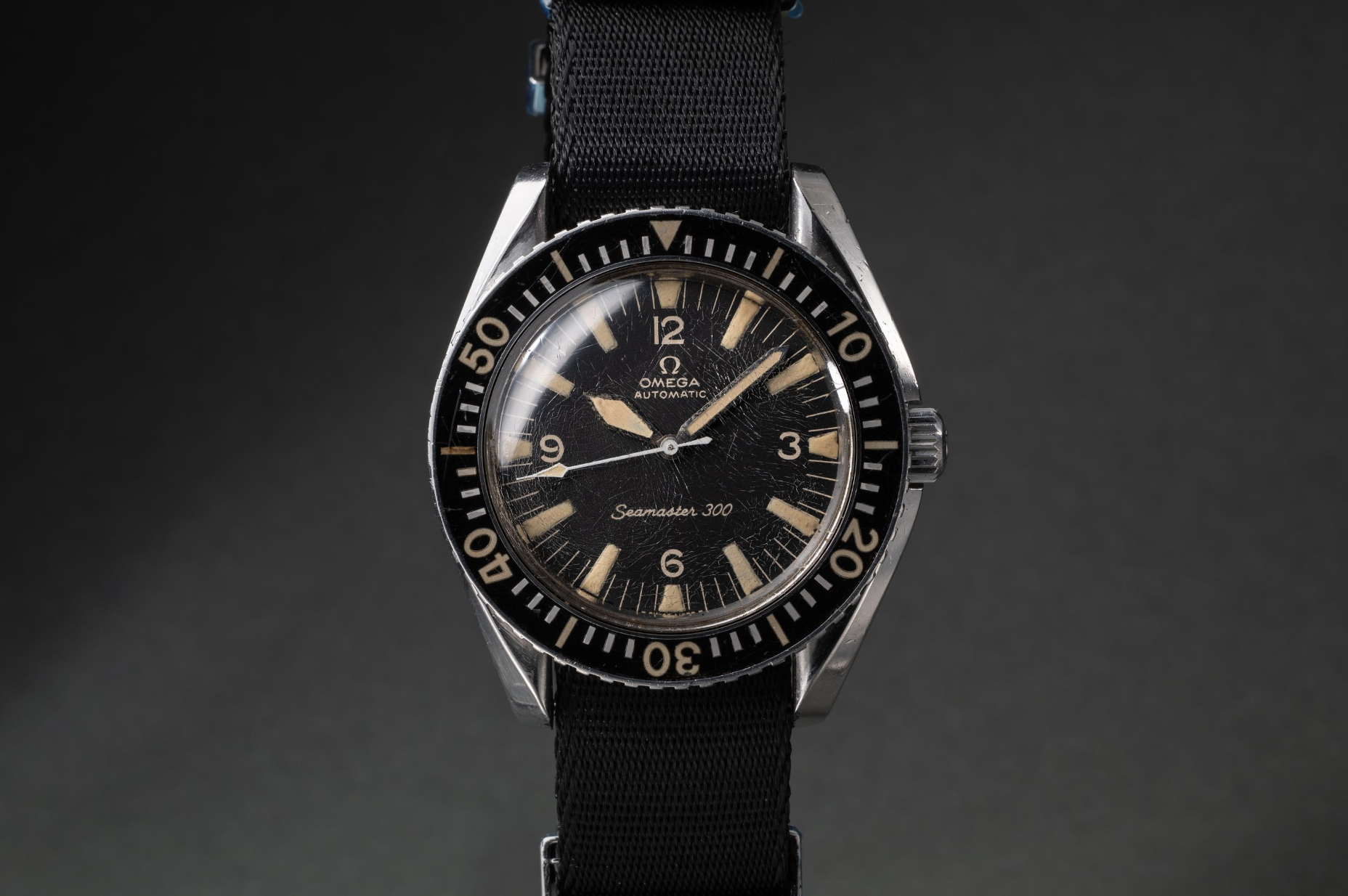
Through the 1950s, Omega continued refining the Seamaster line with a steady focus on improving water resistance and reliability. The watches from this era began to look more purposeful, with broader lugs, cleaner dials, and movements that were becoming increasingly respected within the industry. By the early 1960s, the Seamaster 300 had arrived, and that changed everything. The reference 165.014, commonly known as the Seamaster 300, was a proper tool watch built for divers. It offered 300 meters of water resistance, a unidirectional rotating bezel for tracking dive time, and high-contrast dial legibility. Omega had officially entered the professional dive watch category and was competing directly with Rolex and Blancpain for serious attention. What made these watches compelling was not just the specs. The construction felt honest, the movements were excellent, and the design was clean without being cold.
The 1970s: Navigating the Quartz Crisis
The 1970s were complicated for the entire Swiss watch industry, and Omega was not immune. The quartz crisis, triggered largely by the introduction of Japanese quartz technology, disrupted decades of established manufacturing. Omega released quartz-driven versions of the Seamaster during this period, as did virtually every major Swiss house. The Seamaster line continued but became somewhat diluted by the need to compete across multiple price points. Some collectors today find certain references from this decade less compelling than the mechanical pieces that preceded or followed them. That said, this era still produced interesting watches, and the brand never abandoned its core identity entirely. It was a period of recalibration rather than collapse, and in hindsight, it helped define what the brand would choose to emphasize when mechanical watchmaking made its comeback in the 1980s and 1990s.
The 1990s Revival: James Bond and the Seamaster Professional
If you ask most people when they first became aware of the Omega Seamaster, the answer is almost certainly the 1990s. In 1995, Omega became the official watch partner of the James Bond film franchise, and Pierce Brosnan's portrayal of the character introduced the Seamaster Professional 300M to a global audience. The reference worn in GoldenEye was the 2541.80, featuring the now-iconic blue wave dial, helium escape valve, and rotating ceramic-style bezel. The watch became a cultural object almost overnight. Beyond the Bond effect, the 300M was genuinely good. It featured a co-axial escapement in later iterations, was rated to 300 meters, and offered a modern aesthetic that balanced sport and sophistication. The 1990s revival was not a marketing stunt layered over a mediocre product. The watch could stand on its own, and that mattered enormously for long-term credibility.
The Seamaster Planet Ocean: Raising the Technical Bar
In 2005, Omega introduced the Seamaster Planet Ocean, and the message was clear. This was the brand staking its claim as a serious technical manufacturer in the professional dive watch space. The Planet Ocean came with significantly greater water resistance, reaching 600 meters in its standard configuration and later extending to 6,000 meters in the Ultra Deep variant. The case diameter started at 42mm and offered a more assertive, contemporary presence on the wrist. The Planet Ocean became the choice for buyers who wanted a dive watch with genuine depth credentials and a modern execution. It complemented the 300M rather than replacing it, and over time it developed its own following, particularly among collectors who appreciated its robust proportions and in-house movements.
Key Seamaster References Worth Knowing
The Seamaster family is broad, and understanding which references matter helps buyers and enthusiasts navigate the catalog with confidence. Here are some of the most historically and collectorially significant models:
- Seamaster 300 Ref. 165.014 (1963) - the original professional diver that established the line's tool watch credentials
- Seamaster Professional 300M (1993) - the modern icon made famous through the Bond franchise
- Seamaster Diver 300M Co-Axial (2018) - the current generation with the Master Chronometer movement
- Seamaster Planet Ocean 600M - Omega's answer to the deep-dive market
- Seamaster Aqua Terra - the dress-sport crossover that brought the Seamaster aesthetic into formal settings
Each of these references tells a different part of the same story. The Seamaster was never a single watch. It was a philosophy applied across a range of tools built for real use in the world.
Omega Seamaster Movements: What Powers These Watches
Movement quality is one of the most compelling arguments for the Seamaster line. Omega has consistently invested in its in-house calibers, and the Seamaster has benefited from some of the brand's most significant technical achievements. The introduction of the co-axial escapement, developed by independent watchmaker George Daniels and adopted by Omega in 1999, reduced friction in the escapement and improved long-term accuracy. The Master Chronometer certification, introduced in collaboration with METAS in 2015, set a new standard for precision testing, requiring watches to perform within zero to five seconds per day across magnetic fields of up to 15,000 gauss. For a buyer considering a luxury watch as a long-term investment in both craftsmanship and reliability, these specifications are genuinely meaningful, not just marketing language.
Why the Seamaster Remains Relevant in the Modern Luxury Watch Market
The Seamaster has survived quartz disruption, shifting consumer preferences, and constant competition from prestigious rivals because it has always been grounded in function. It was not invented as a fashion statement. It was built to perform, and it has never stopped performing. In the current market, where transparency and provenance matter more than ever to informed buyers, the Seamaster's clear historical trajectory makes it easy to research, easy to authenticate, and easy to appreciate. Modern versions sit at accessible price points compared to many Swiss competitors while delivering certified movement performance. Vintage examples carry the added appeal of mechanical history without the extreme premiums associated with comparable Rolex pieces. For collectors new to luxury watches, the Seamaster often serves as an intelligent and emotionally satisfying starting point.
Discover Iconic Timepieces at Tropical Watch
Understanding the history of a watch like the Omega Seamaster naturally leads to a deeper appreciation for what it means to own an exceptional timepiece. Whether your interest lies in vintage mechanical history or certified modern horology, finding the right source for your purchase matters as much as finding the right watch. If you are ready to explore a curated selection of investment-worthy timepieces, browsing the collection at Tropical Watch, trusted dealers of collectible and vintage luxury watches is an excellent next step. The team brings both depth of knowledge and genuine passion to every transaction, making the experience of acquiring a serious watch feel exactly like it should.
Frequently Asked Questions About the Omega Seamaster
When was the Omega Seamaster first introduced?
The Omega Seamaster was first introduced in 1948 to mark the brand's centenary. It was initially positioned as a water-resistant everyday watch rather than a professional dive instrument.
What makes the Seamaster 300M so collectible?
The Seamaster Professional 300M became iconic largely through its association with the James Bond franchise beginning in 1995. Beyond its cultural visibility, it offers a well-engineered movement, 300 meters of water resistance, and a design that has aged exceptionally well.
What is the difference between the Seamaster 300M and the Planet Ocean?
The Seamaster 300M is a sport-elegant diver rated to 300 meters, known for its wave-pattern dial and relatively versatile wearability. The Planet Ocean is a more purpose-built professional dive watch offering 600 meters of water resistance and a larger, more robust case profile.
Is the Omega Seamaster a good investment?
Vintage Seamaster references, particularly examples from the 1960s and early 1990s in excellent condition, have demonstrated meaningful value appreciation. Certified modern references also hold value well. As with any luxury watch, condition, provenance, and reference rarity all affect long-term investment potential.
What is Master Chronometer certification on a Seamaster?
Master Chronometer is a certification developed by Omega in partnership with the Swiss Federal Institute of Metrology, known as METAS. It requires a watch to maintain accuracy between zero and five seconds per day and to function correctly in magnetic fields up to 15,000 gauss, among other performance criteria.
How do I identify a genuine vintage Omega Seamaster?
Authenticating a vintage Seamaster involves verifying the case reference number, serial number, dial printing consistency, movement caliber, and caseback engravings against documented historical records. Purchasing from a reputable dealer with established authentication expertise is strongly recommended.








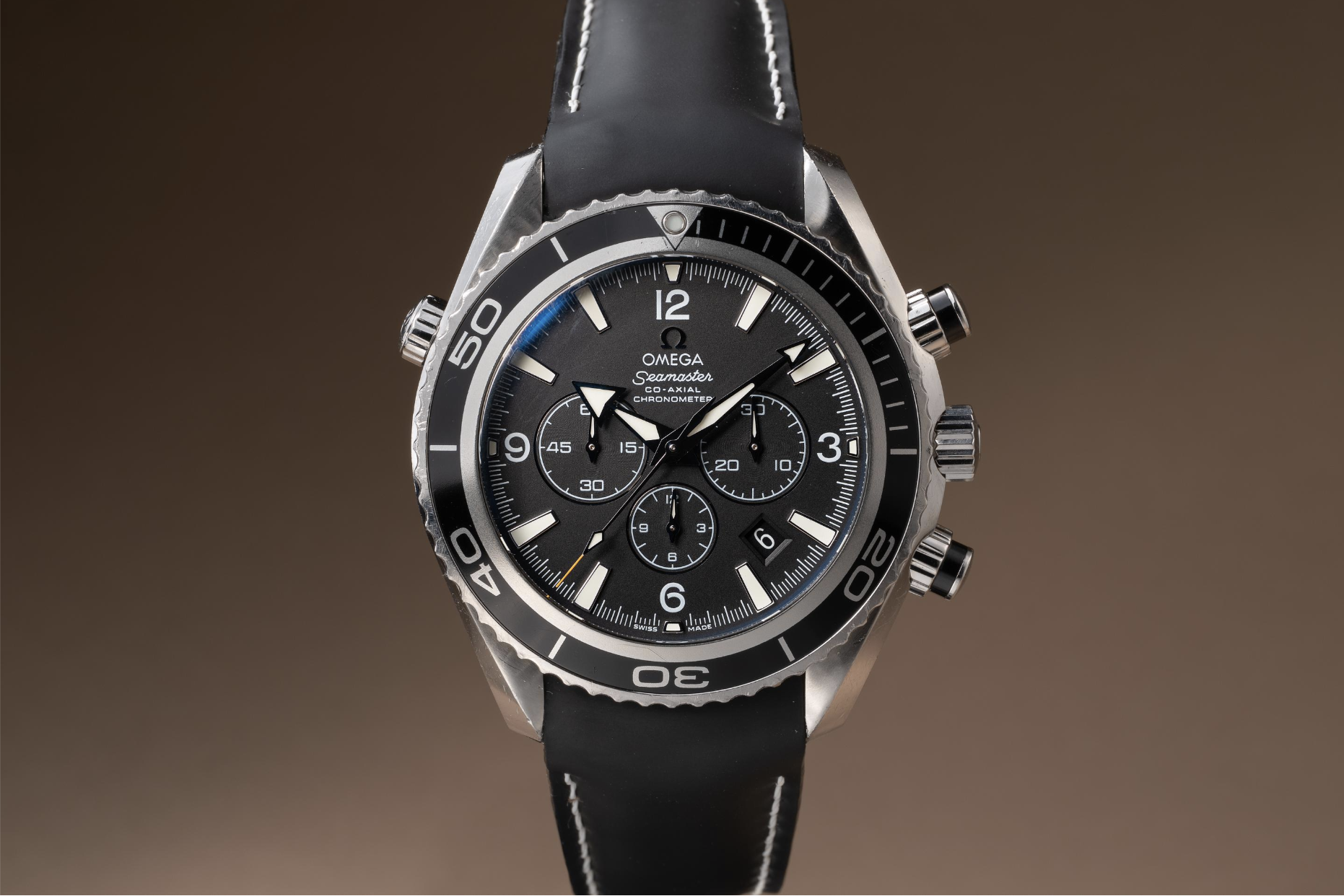




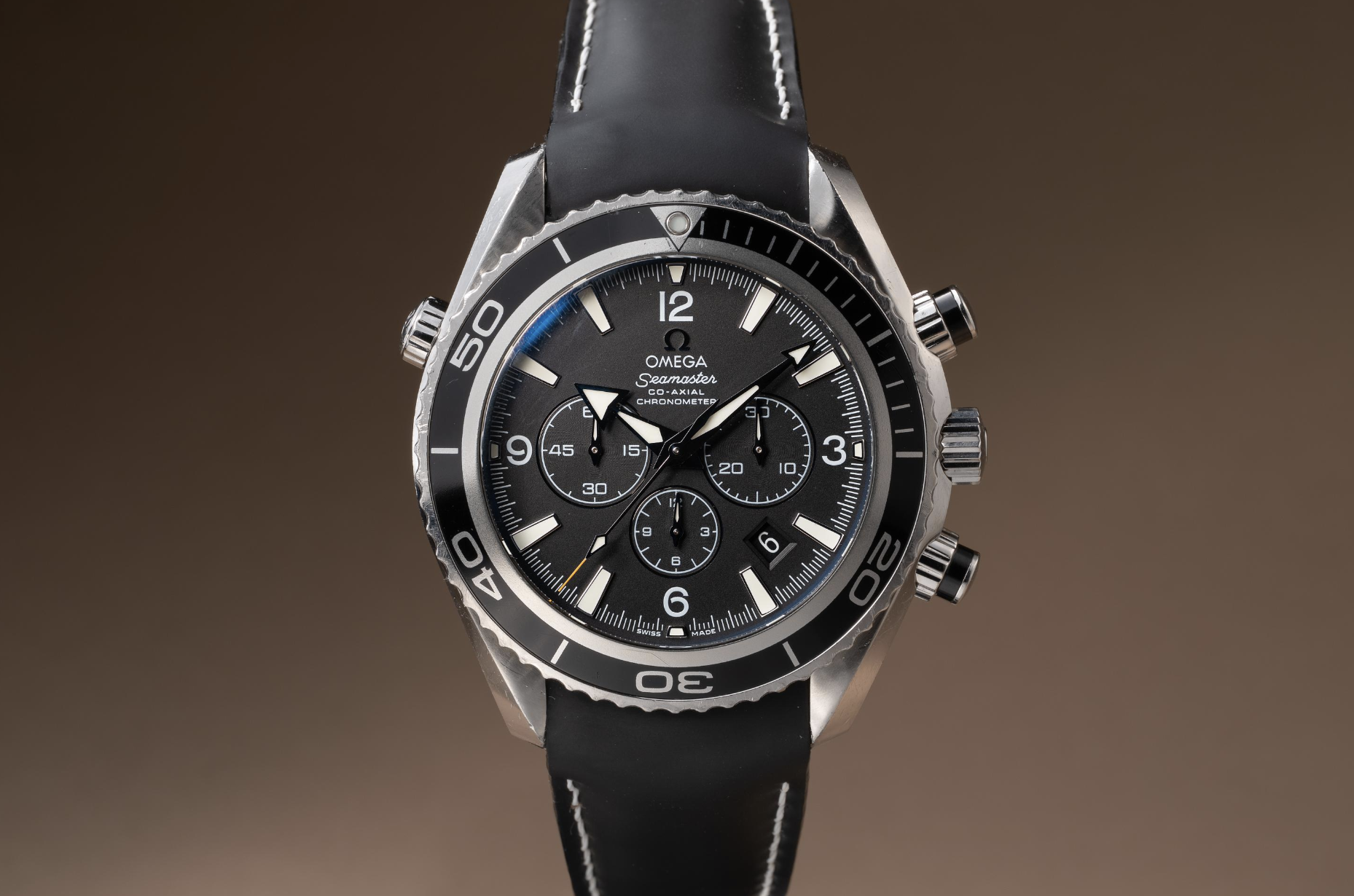









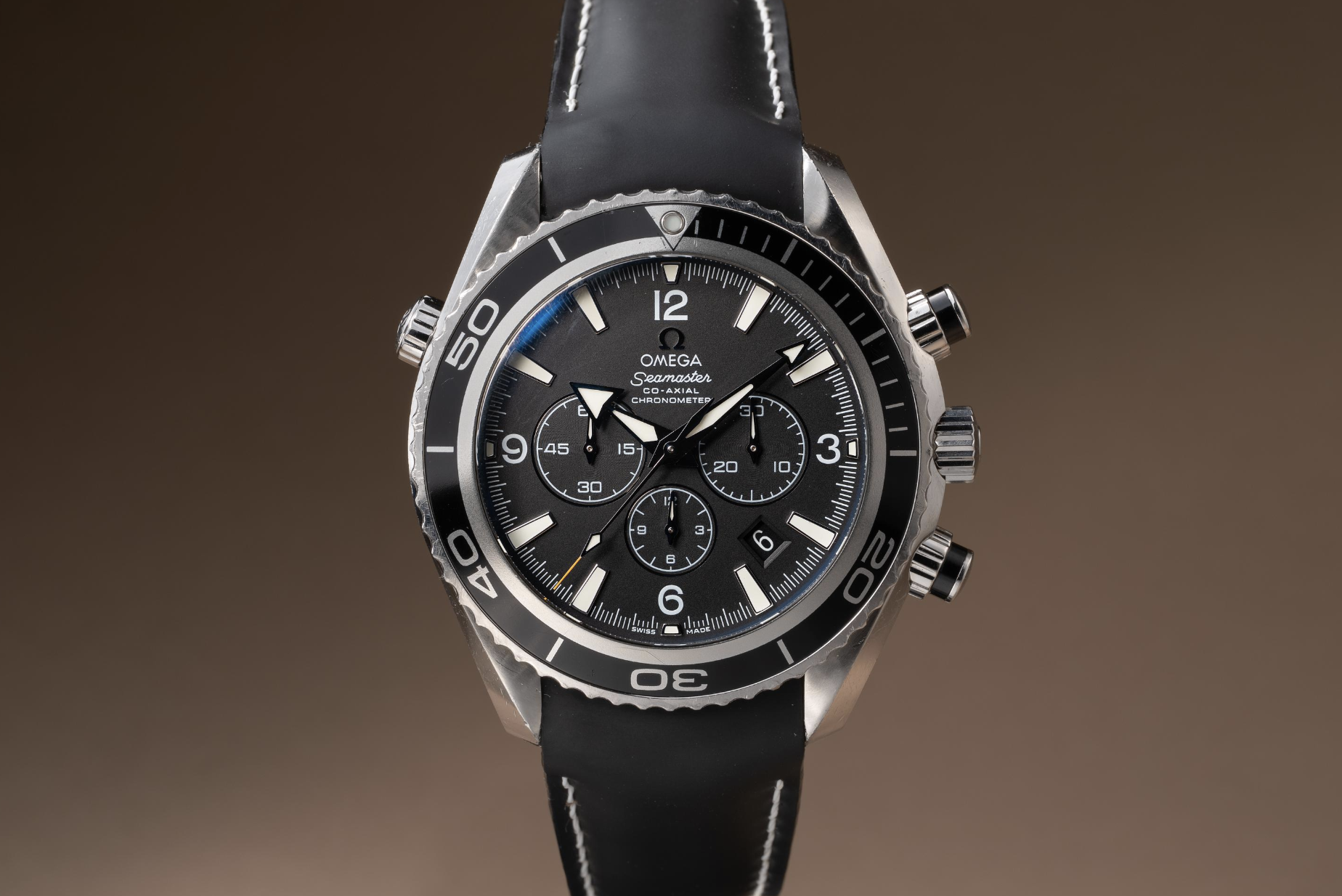












Table of Contents
Get More from the Journal