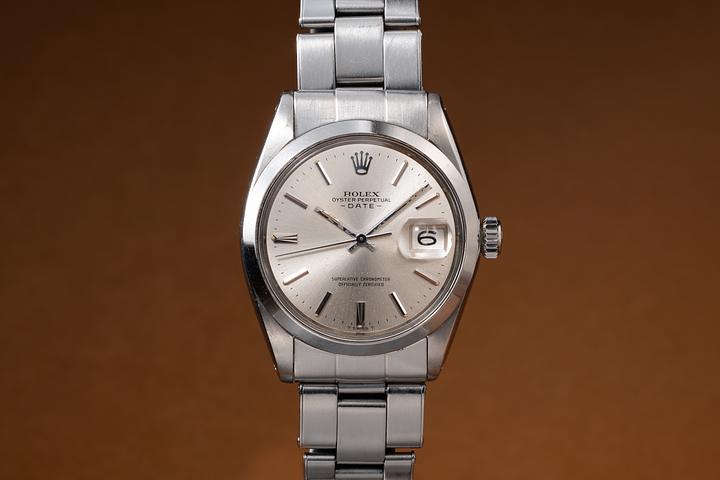
Rolex Air-King: Precision, Heritage, and Timeless Innovation

The Rolex Air-King: Precision, Heritage, and Timeless Innovation
There are watches that tell time, and then there are watches that tell a story. The Rolex Air-King sits firmly in the second category. Born from the golden age of aviation and refined over decades of meticulous engineering, this is a timepiece that carries real weight — not just on the wrist, but in the broader narrative of watchmaking history. If you have been curious about what makes the Air-King such a compelling choice, or simply want to understand what separates it from the rest of the Rolex catalog, this breakdown covers everything worth knowing.
A Brief History of the Rolex Air-King
The Air-King traces its origins back to the 1940s, a period when aviation was rapidly evolving and pilots were pushing the boundaries of speed, altitude, and endurance. Rolex developed the Oyster family of aviation watches in collaboration with British pilots during World War II, and the Air-King emerged as a tribute to those aviators who relied on precise timekeeping in the cockpit. The name itself was not arbitrary — it was a direct nod to the brave pilots who had mastered the skies. Over the decades that followed, the Air-King maintained a consistent identity: clean, readable, and dependable. It was not trying to be the flashiest watch in the room. It was built to perform.
What Makes the Air-King Unique Within the Rolex Lineup
Rolex produces some of the most iconic watches ever made — the Submariner, the Datejust, the GMT-Master II — and the Air-King holds its own in that distinguished company. What sets it apart is its singular focus on clarity and function. The current reference, the 116900 and later the 126900, features a 40mm Oystersteel case with a distinctive black dial that incorporates both Arabic numerals and a combination of index styles. The large numerals at 3, 6, and 9 are a direct callback to aviation instrument panels where instant readability could quite literally be a matter of life and death. That design philosophy, functional purpose expressed through elegant form, is what gives the Air-King its enduring relevance.
The Engineering Behind the Dial
A lot of people look at the Air-King dial and feel a certain tension in the layout — the oversized Arabic numerals, the Mercedes hands, the contrasting minute track. It is bold in a way that feels slightly unexpected from a brand known for restraint. But that tension is intentional. The dial is engineered for legibility under pressure, and every element has a reason to be there. The green Rolex crown logo and green "Air-King" text on the current reference add a visual anchor that ties the watch to its heritage without leaning too heavily on nostalgia. Underneath the dial, the calibre 3230 movement powers the watch with a 70-hour power reserve, a Chronergy escapement, and Rolex's own Superlative Chronometer certification, which guarantees accuracy to plus or minus two seconds per day.
Stainless Steel, Oystersteel, and Why the Material Matters
The Air-King is produced exclusively in Oystersteel, which is Rolex's proprietary designation for 904L stainless steel. This is a higher grade of steel than the 316L commonly used in the watch industry, offering superior resistance to corrosion and a more refined surface finish. In practical terms, it means the watch holds its polish longer, develops a more refined luster over time, and holds up against the kind of daily wear that a tool watch should expect. The Oyster bracelet, which comes standard on the Air-King, is finished with a combination of polished center links and brushed outer links, giving the watch a balance of dress and sport aesthetics that works across a variety of settings.
Vintage Rolex Air-King: A Collector's Perspective
For those drawn to the world of vintage Rolex collecting, the Air-King offers a fascinating range of references to explore. Early models from the 1950s and 1960s featured smaller case sizes, typically around 34mm, with a variety of dial configurations including the Air-King Date and Air-King Precision variants. The vintage market for Air-King references has grown considerably as collectors recognize the model's historical significance and relative accessibility compared to the Submariner or Daytona. Tropical dials — those vintage examples that have aged with unusual patina due to material composition and UV exposure — are particularly sought after among serious collectors. Key vintage Air-King references worth knowing include: Reference 5500, produced from the late 1950s through the 1980s Reference 14000 and 14010, introduced in the 1990s with updated case profiles Reference 114200, a transitional reference before the modern era Reference 116900, the first modern reference with the distinctive bold dial layout Reference 126900, the current production model featuring calibre 3230
How to Authenticate a Rolex Air-King
Whether buying new or exploring the pre-owned market, authentication is non-negotiable. Rolex produces its watches to exceptionally tight tolerances, and counterfeiters have become increasingly sophisticated over the years. That said, there are consistent markers of authenticity that experienced buyers look for. The cyclops lens over the date window is present on some references but notably absent on the Air-King, which does not include a date complication — so any Air-King displaying a cyclops lens should raise immediate red flags. The crown at 3 o'clock should display the Rolex coronet with clean, precise engraving. The caseback of an authentic Air-King is plain and solid — no exhibition caseback, no engravings beyond the reference and serial numbers. The movement, when serviced by an authorized dealer, should show the hallmarks of Rolex's in-house calibres. When in doubt, purchase through a trusted, established dealer with a verifiable track record in luxury and vintage timepieces.
Who Should Consider the Rolex Air-King Today
The Air-King appeals to a specific kind of buyer — someone who appreciates history, values function, and wants a watch that does not demand attention but certainly receives it. It is not the most complicated watch in the Rolex catalog, and that is exactly the point. For the modern explorer, the frequent traveler, or the collector building a foundational Rolex collection, the Air-King represents a compelling entry point. It is also, frankly, one of the more attainable Rolex references on the secondary market compared to sport models that carry significant premiums. The combination of iconic design, aviation heritage, and precise mechanical engineering makes it a watch that rewards both the wearer and the observer.
Caring for Your Rolex Air-King
Rolex builds its watches to last generations, but longevity requires reasonable care. The Air-King carries a water resistance rating of 100 meters thanks to its Oyster case construction, which means it can handle daily splashes and even recreational swimming without concern. However, servicing intervals matter. Rolex recommends a complete service approximately every ten years, though many collectors choose to service their watches more frequently depending on wear patterns. When storing the Air-King for extended periods, a watch winder set to the appropriate rotation direction and frequency helps maintain the movement's lubrication and accuracy. Avoid exposing the watch to strong magnetic fields — while the calibre 3230 incorporates a paramagnetic Chronergy escapement, prolonged exposure to magnets can still affect performance.
Why Tropical Watch Is the Right Source for Your Rolex Air-King Journey
Finding the right Rolex Air-King, whether a current production model or a carefully preserved vintage reference, requires more than a quick online search. It requires access, expertise, and trust. Tropical Watch has built its reputation precisely on those three things. Specializing in rare and collectible timepieces, Tropical Watch offers buyers a curated selection that reflects a genuine understanding of what makes each reference valuable, both historically and on the current market. If you are looking to explore vintage and pre-owned Rolex Air-King watches for sale, the team at Tropical Watch brings the kind of hands-on knowledge that simply cannot be replicated by a generic marketplace. Every piece is assessed with a collector's eye and a dealer's accountability, which means you are not just buying a watch — you are buying confidence in the purchase itself.
Frequently Asked Questions About the Rolex Air-King
What is the current Rolex Air-King reference?
The current production Rolex Air-King is reference 126900, introduced in 2022. It features a 40mm Oystersteel case, a black dial with bold Arabic numerals, and is powered by the calibre 3230 movement with a 70-hour power reserve.
Does the Rolex Air-King have a date function?
No, the Rolex Air-King does not include a date complication. It is a time-only watch, displaying hours, minutes, and seconds. This absence of a date window is a defining characteristic of the modern Air-King references.
Is the Rolex Air-King a good investment watch?
The Air-King has shown steady value retention, particularly in vintage references and well-preserved examples. While it does not command the same premiums as the Submariner or Daytona on the secondary market, it offers solid long-term value and growing collector interest, especially in early references with original dials.
What is the water resistance of the Rolex Air-King?
The Rolex Air-King is water resistant to 100 meters, or approximately 330 feet. This is made possible by the Oyster case construction, which includes a screw-down crown and a solid caseback that creates a hermetic seal.
How do I tell if a vintage Rolex Air-King is authentic?
Authentication of a vintage Air-King involves examining the dial printing quality, crown engravings, movement serial numbers, case construction, and bracelet finishing. A solid, plain caseback and in-house movement with correct calibre markings for the reference period are key indicators. Purchasing from a reputable specialist dealer significantly reduces authentication risk.
How often should a Rolex Air-King be serviced?
Rolex recommends servicing its watches approximately every ten years under normal wearing conditions. However, if the watch is worn daily or exposed to particularly demanding environments, more frequent servicing may be advisable to maintain optimal performance and protect the movement's longevity.