Omega Technical Innovations That Redefined Watchmaking

Omega Technical Innovations That Redefined Watchmaking
Omega Technical Innovations: How a Swiss Legend Redefined Watchmaking

There are Swiss watchmakers, and then there is Omega. For well over a century, Omega has occupied a very specific position in the luxury watch world, one where engineering ambition and refined aesthetics meet in a way that actually makes sense. The brand is not simply producing beautiful objects. It is, and has been for a long time, pushing the boundaries of what a mechanical or electronic watch can actually do. If you have ever wondered why collectors, astronauts, and divers consistently return to Omega, the answer almost always comes back to innovation. Real, measurable, technical innovation that changed the industry in ways still felt today.

A Brief Foundation: Where the Technical Story Begins

Omega was founded in 1848 by Louis Brandt in La Chaux-de-Fonds, Switzerland. By the late 1800s, the company had already earned a reputation for precision timekeeping, winning timing contracts for international sports events and eventually becoming the official timekeeper of the Olympic Games starting in 1932. That relationship with precision is not a marketing afterthought. It is baked into the company's identity and directly informed the technical path it would take throughout the twentieth century and beyond. The brand's name, Omega, derived from the last letter of the Greek alphabet, was intended to signal the ultimate in watchmaking achievement. That ambition shaped everything that followed.

The Co-Axial Escapement: A Mechanical Revolution

One of the most significant technical contributions Omega has made to modern horology is the co-axial escapement. Developed by British watchmaker George Daniels over decades of independent research, the co-axial escapement was a fundamental departure from the lever escapement that had dominated mechanical watchmaking for roughly 250 years. Omega acquired the rights to this mechanism and introduced it commercially in 1999 with the calibre 2500. What makes this innovation so consequential is the way it transmits energy. Traditional lever escapements rely heavily on sliding friction between components, which accelerates wear and requires more frequent lubrication. The co-axial escapement uses a largely impulse-based transfer of energy with significantly reduced sliding contact, meaning less friction, less wear, and longer intervals between servicing. For collectors and long-term owners, that translates directly to lower maintenance costs and better long-term mechanical performance. It is the kind of advancement that sounds technical in description but has very practical, real-world implications.

Master Chronometer Certification: Raising the Standard

In 2015, Omega introduced the Master Chronometer certification in collaboration with METAS, the Swiss Federal Institute of Metrology. This certification raised the bar significantly beyond the traditional COSC chronometer standard, which had been the industry benchmark for decades. To receive Master Chronometer status, a movement must pass eight different tests over ten days, covering accuracy, water resistance, antimagnetic performance, and power reserve. The antimagnetic element is particularly noteworthy. Standard watches can be disrupted by magnetic fields measured at around 60 gauss. A Master Chronometer-certified Omega movement must remain accurate when exposed to magnetic fields of up to 15,000 gauss. In practical terms, this means the watch can sit next to a phone, a bag clasp, or any number of everyday magnetic sources without losing time. That is not a trivial feature. It is a meaningful quality-of-life improvement for anyone who actually wears their watch daily.

Silicon and Antimagnetic Technology

The push toward antimagnetic performance did not stop at certification standards. Omega has invested considerably in materials science, particularly in the use of silicon components within movements. Silicon is naturally antimagnetic and extremely lightweight, which makes it well-suited for delicate hairsprings, a component that is especially vulnerable to magnetic interference in traditional alloy forms. The brand's use of silicon hairsprings in various calibres has contributed directly to the improved magnetic resistance seen across its current lineup. This is not a feature borrowed from another industry. It is a precision application of material science to a problem that has existed in mechanical watchmaking for as long as watches have been worn near anything magnetic.

Omega in Space: The Speedmaster and NASA's Demands

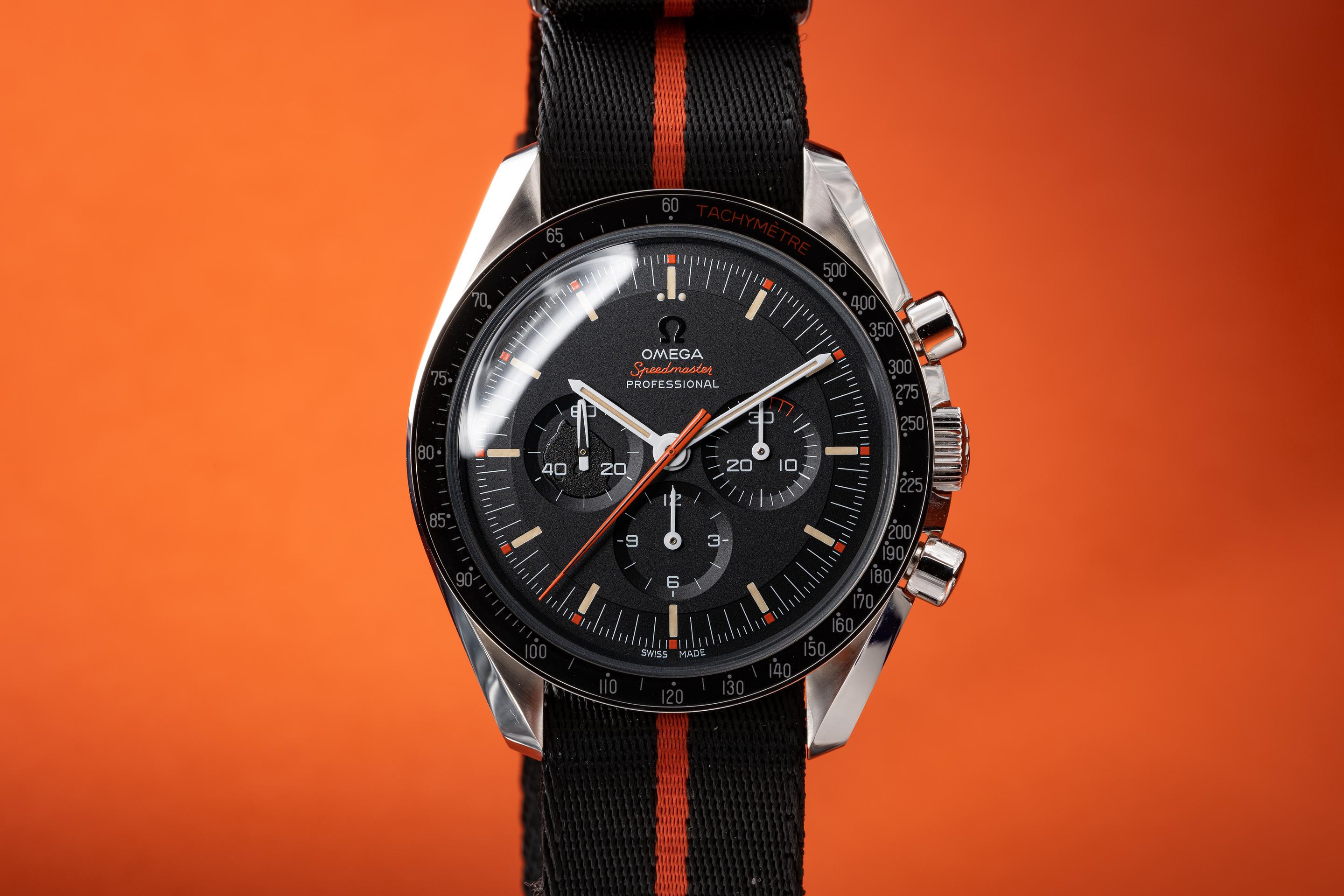
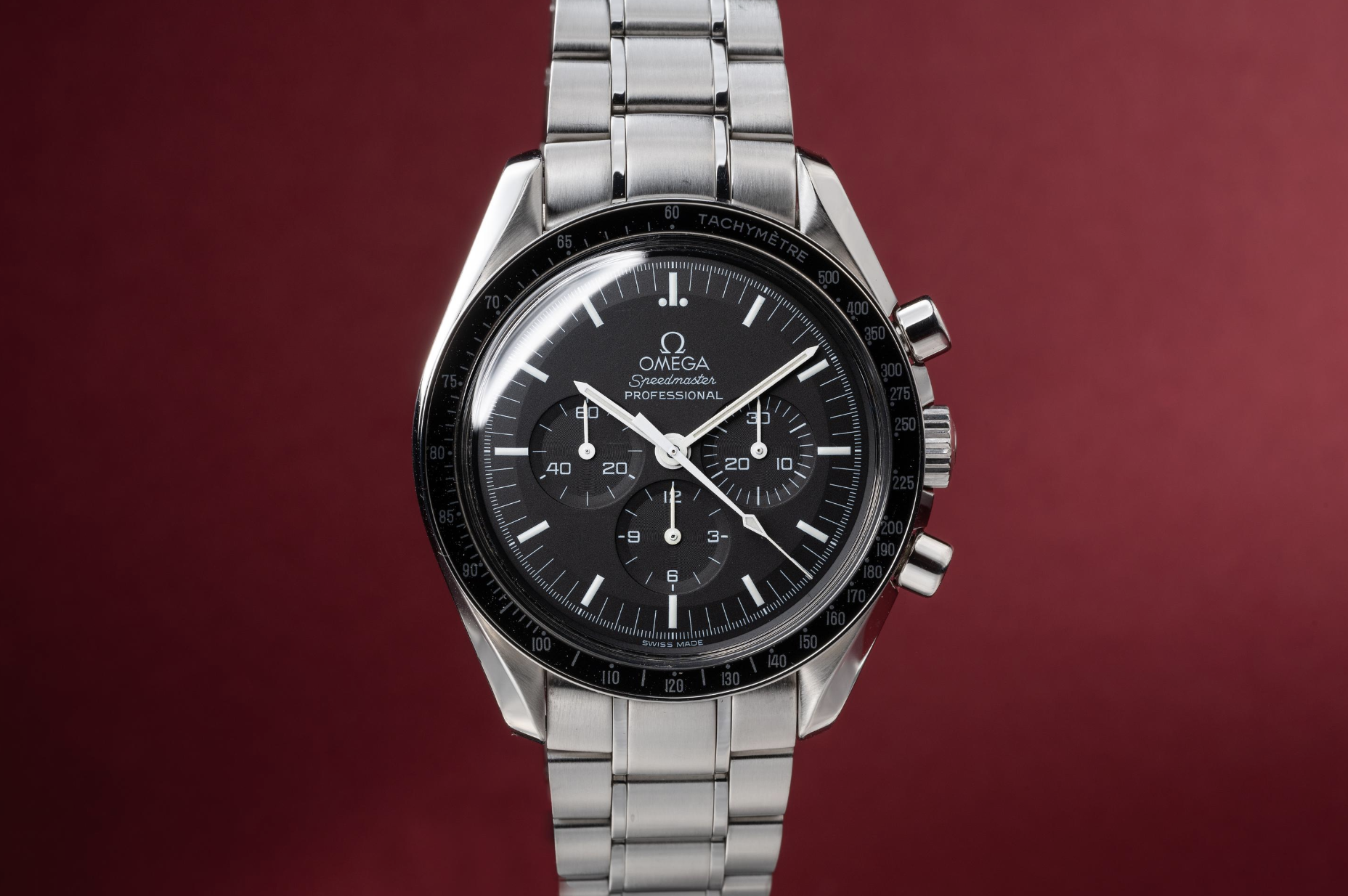
Any honest discussion of Omega's technical achievements has to include the Speedmaster and its relationship with NASA. In 1965, after rigorous testing against several competing watches, NASA selected the Omega Speedmaster as the official watch for its astronauts. The tests were genuinely demanding, covering extreme temperatures ranging from well below freezing to over 90 degrees Celsius, high humidity, high and low pressure, oxygen atmosphere exposure, shock, vibration, and acceleration. The Speedmaster passed every test. It subsequently accompanied astronauts on every crewed NASA mission, including the Apollo 11 moon landing in 1969 and, critically, the Apollo 13 mission in 1970, where astronauts used the watch to manually time a critical engine burn that helped return the crew safely to Earth. The Speedmaster's qualification was not about branding. It was about a mechanical instrument performing reliably in the most hostile environment a human being can be placed in.

Seamaster and Deep-Sea Engineering

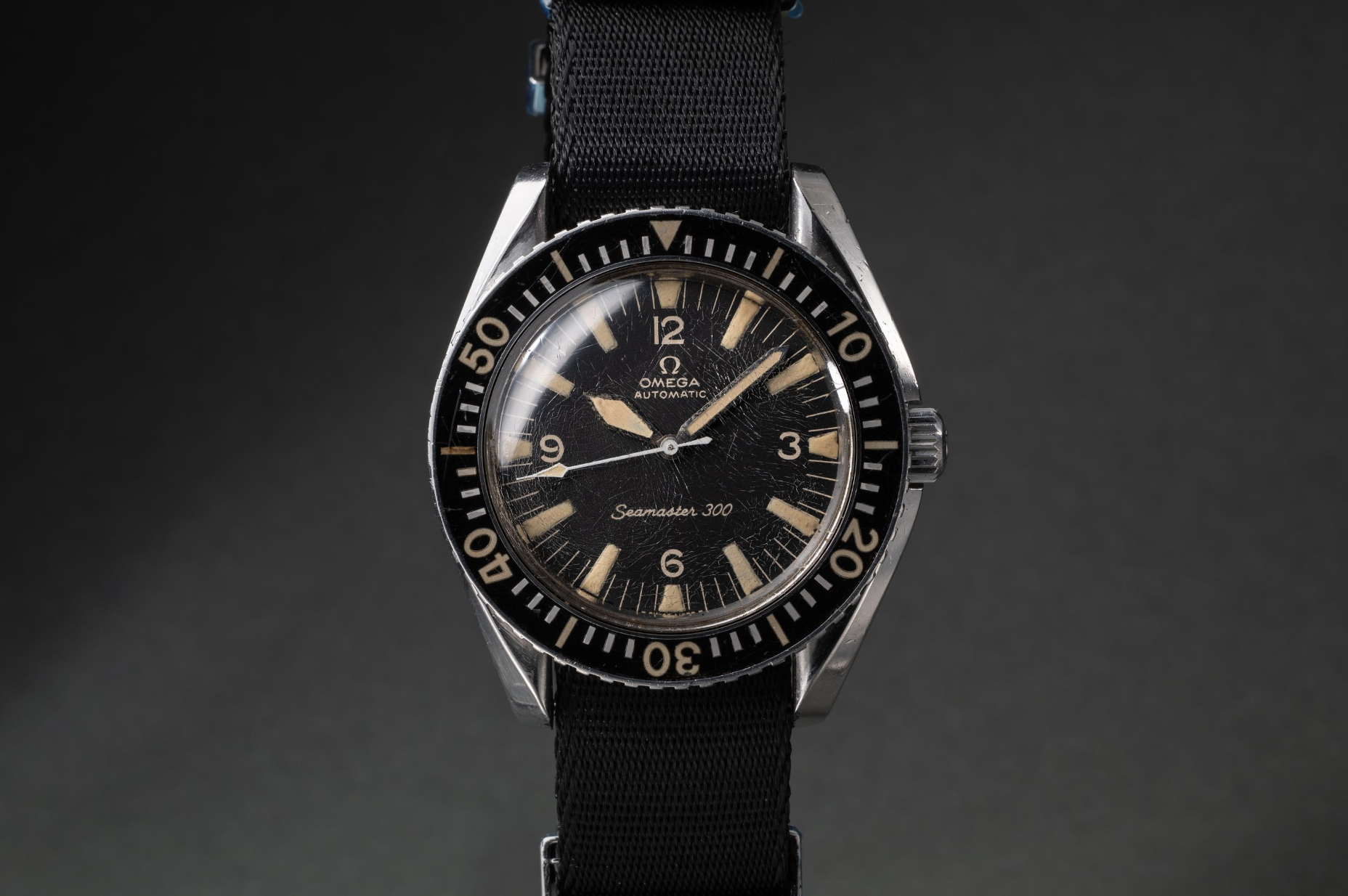
While the Speedmaster earned its reputation in space, the Seamaster line built its legacy beneath the ocean's surface. Omega has a long history of developing watches for professional divers, and the technical development within the Seamaster collection reflects that commitment. The Planet Ocean models, for instance, are rated to 600 meters water resistance, while the Ultra Deep, developed in partnership with explorer Victor Vescovo's record-breaking Mariana Trench dive in 2019, achieved water resistance to 6,000 meters. That dive reached a depth of approximately 10,928 meters, the deepest point on Earth. The watch survived. Engineering a case to withstand the pressure at such depth requires sophisticated understanding of materials, gasket design, and structural integrity under conditions that most engineering contexts will never approximate.

The Calibres That Define the Modern Era

Omega's in-house movements have evolved considerably over the past two decades. The calibre 8500, introduced in 2007, was a landmark for the brand because it was the first truly in-house co-axial movement, developed entirely within Omega's own manufacture in Biel, Switzerland. It featured twin barrels for extended power reserve and a free-sprung balance wheel for improved regulation stability. Subsequent calibres built on this foundation, with each generation refining magnetic resistance, power reserve, and manufacturing precision. The calibre 9900 family brought co-axial technology to chronograph movements, maintaining the same performance standards in a significantly more complex mechanical architecture. These movements are what justify the Master Chronometer certification. They are not just meeting the standard. They are the reason the standard was developed.

Why Tropical Watch Is Your Destination for Exceptional Timepieces

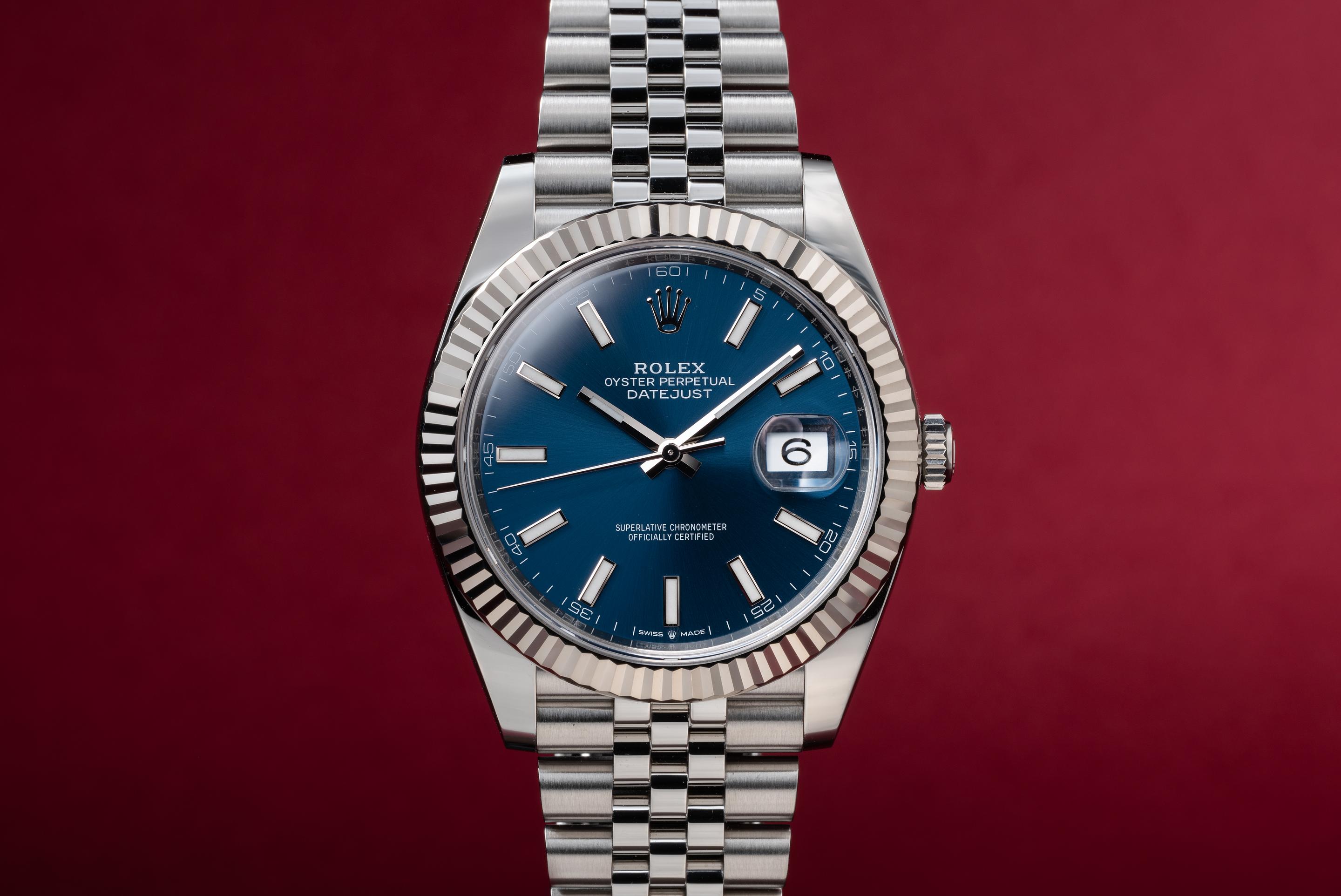
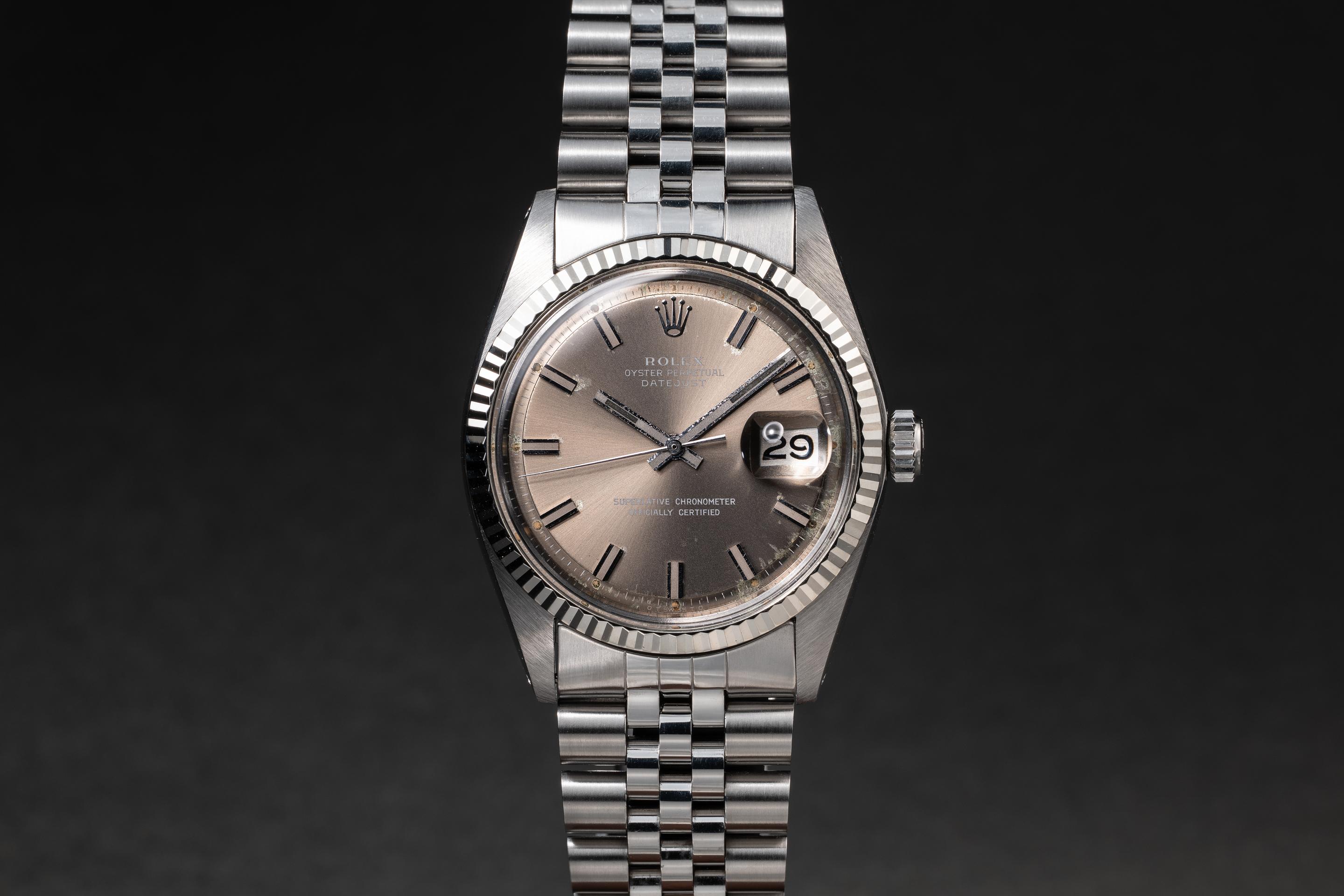
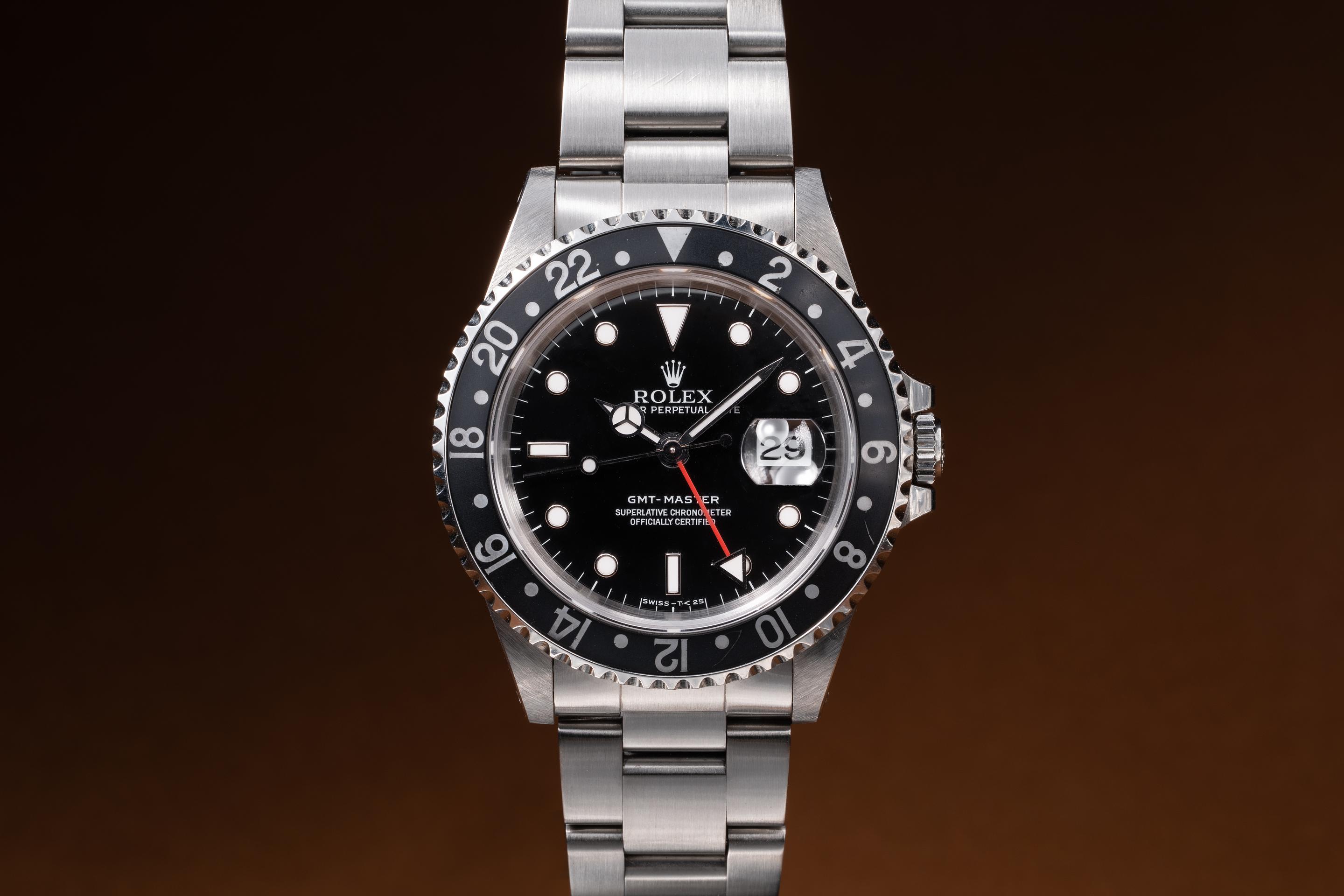
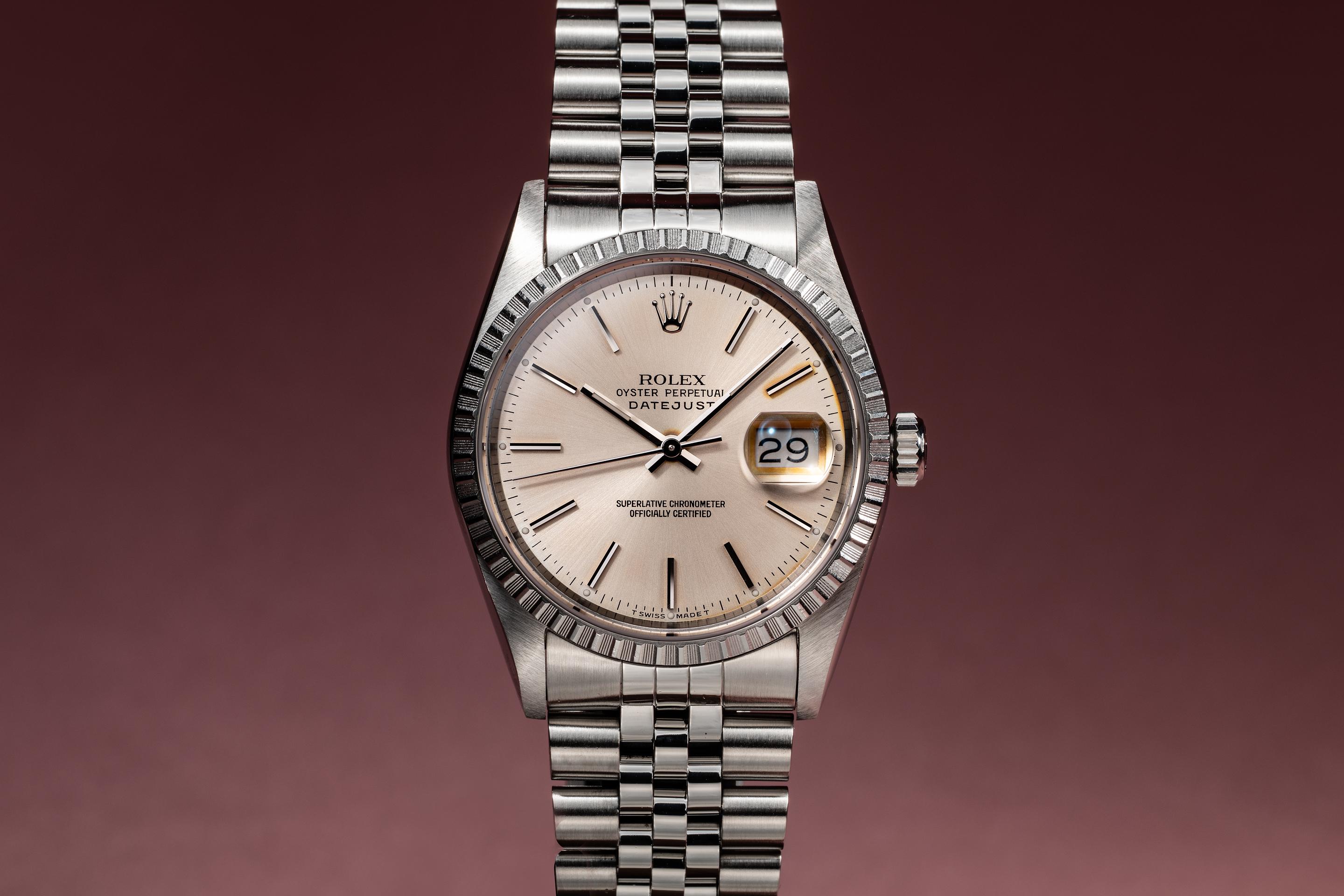
Understanding what makes a watch technically significant is one part of the equation. Finding the right piece, whether a contemporary Omega or a rare vintage Rolex, is another matter entirely, and that is where having a trusted source matters enormously. Tropical Watch has built a reputation as one of the most respected destinations for serious collectors seeking authenticated, expertly curated luxury and vintage timepieces. If you are someone who appreciates the depth of engineering behind watches like the ones described in this article and wants to apply that same discernment to a purchase, exploring the collection at Tropical Watch, where authenticated luxury and vintage Rolex watches meet serious collectors is a genuinely worthwhile step. The expertise behind each listing reflects the kind of careful, informed approach that collectors at every level deserve.

Frequently Asked Questions About Omega Technical Innovations

What is the co-axial escapement and why does it matter?

The co-axial escapement is a mechanical component developed by George Daniels and commercialized by Omega beginning in 1999. It reduces friction within the movement compared to traditional lever escapements, which means less wear over time and longer intervals between required servicing. It represents one of the most significant mechanical watchmaking advancements in over two centuries.

What does Master Chronometer certification mean?

Master Chronometer is a certification issued by METAS, the Swiss Federal Institute of Metrology, for Omega movements that pass a rigorous ten-day, eight-test evaluation. Certified movements must maintain accuracy within negative 0 to positive 5 seconds per day and resist magnetic fields of up to 15,000 gauss, among other performance requirements.

Why was the Omega Speedmaster selected by NASA?

NASA selected the Speedmaster in 1965 following a battery of tests that evaluated performance under extreme temperature, pressure, humidity, vibration, shock, and acceleration conditions. The Speedmaster was the only watch to pass every test, making it the official watch for all crewed NASA missions including the Apollo moon landings.

How antimagnetic are current Omega watches?

Models carrying Master Chronometer certification are tested to withstand magnetic fields of up to 15,000 gauss. This is dramatically higher than the 60-gauss threshold of traditional COSC-certified chronometers and ensures the watch performs accurately in everyday environments where magnetic interference is common.

What role does silicon play in Omega movements?

Silicon is used in certain Omega hairsprings because it is naturally antimagnetic, corrosion-resistant, and lightweight. These properties make it an effective material for improving the accuracy and magnetic resistance of the movement, particularly in the balance spring, which is one of the most critical and vulnerable components in a mechanical watch.

Are Omega technical innovations relevant to vintage watch collecting?

Yes, in a specific and historically meaningful way. Vintage Omega models, particularly early Speedmasters and Seamasters, carry documented technical histories that directly influenced modern watchmaking. Understanding the evolution of Omega's engineering helps collectors identify significant references, assess originality, and appreciate why certain models command sustained collector interest.

The History of Cartier Watches: Icons, Legacy & Craft
Rolex Bubbleback History and Legacy in Automatic Watchmaking
Rolex Milsub 5517: The Iconic Military Submariner Unveiled
Iconic Movie Watches and the Swiss Legacy Behind Them
Decode Your Rolex: Serial Numbers, History, and Hidden Value
Mastering Speed: How the Tachymeter Scale Measures Time
Does Rolex Own Tudor? A Look at the Legendary Watch Duo
Omega Speedmaster 1969 Price and Legacy of the Moonwatch
Rolex COMEX Watch History and Rarity of a Deep-Sea Icon
Paul Newman Daytona: The Rolex That Redefined Collecting
Rolex Milsub 5513: The Legendary Tool Watch Uncovered
Inside the Domino’s Rolex: Where Fast Food Meets Fine Time
Rolex GMT-Master: The Astronaut’s Choice for Dual Time Precision
Rolex Service Cost Breakdown: What to Expect and Why It Matters
Rolex GMT-Master: The Astronaut’s Choice for Dual Time Precision
How to Change the Date on a Rolex Without Messing It Up
Celebrities and Rolex: Timepieces That Tell More Than Time
Why the Poor Man’s Rolex Is Actually a Smart Watch Move
Should You Insure Your Rolex Watch? Smart Protection Tips
Why Rolex Is So Popular in the Swiss Watch World
Why Rolex Sports Watches Feature Iconic Mercedes Hands
Rolex Daytona and Le Mans: A Legacy of Speed and Precision
Rolex Submariner Lug Width Explained: Fit, Style, Legacy
How Many Rolex Watches Are Made Each Year Really
How to Set the Time on a Rolex Without Messing It Up
Rolex Daytona 6239: The Chronograph That Changed the Game
Why the Rolex Daytona Is the Most Wanted Watch Alive
Rolex John Mayer Daytona: Green Dial Gold Icon Explained
Timeless Style: Female Celebrities Who Love Their Rolex
Is a Rolex Watch Worth It? Investment Value Explained
Rolex Green Sticker Meaning: History, Value, and Collectibility
Rolex Wimbledon Datejust 41: Timeless Style with a Green Edge
Rolex Oysterquartz Day-Date: Bold Design Meets Quartz Legacy
Mother of Pearl Rolex Dials: Elegance in Every Iridescent Glance
Grand Seiko vs Seiko vs Swiss Watches Craftsmanship Showdown
What Is an Automatic Watch and Why It Still Matters Today
Casino Royale’s Omega Seamaster: Bond’s Timeless Wrist Game
Omega Speedmaster Moonwatch: Swiss Craft Meets Space History
Omega x Ultraman: A Legendary Speedmaster Pop-Culture Pairing
How Much Is a Rolex in 2024? Real Talk on Swiss Luxury
Swiss GMT Watches That Master Time Zones in Style
Swiss GMT Watches: Timeless Craft for Global Travelers
Top Swiss Watch Brands That Define Time, Style, and Legacy
John Mayer Daytona Watch: The Gold and Green Grail Rolex
How Much Is a Rolex Watch Really Worth in 2025?
The Rolex Crown Logo and Its Legacy in Swiss Watchmaking
Chronograph Watches Explained: Style, History, and How They Work
Inside a Swiss Watch: Parts, Craft, and Precision Unveiled
Rolex Batman GMT-Master II Review: Style Meets Function
Rolex GMT Batman vs Batwoman: Icon Moves in Black and Blue
Rolex and Wimbledon: A Legacy of Precision and Prestige
Inside the Swiss Watch Legacy: Craft, Time, and Precision
Tom Brady’s Rolex Day-Date 40: Precision Meets Legacy
Where Rolex Watches Are Made: Inside Switzerland’s Finest Craft
Rolex Submariner Ultimate Guide: Dive Into Iconic Timekeeping
Rolex Datejust 31 Review: Timeless Elegance Meets Innovation
Rolex Caliber 655 Guide: Vintage Charm with Mechanical Grit
Rolex Sea-Dweller Review: Dive Deep into Iconic Precision
Who Owns Rolex and Why It’s Unlike Any Other Watch Brand
Rolex Datejust Watch Guide: Swiss Craft Meets Timeless Style
Rolex Watch Service Guide: When, Why, and What to Expect
Why Rolex Is Famous: Swiss Precision Meets Iconic Style
Inside Rolex Watch Repair: Craftsmanship, Precision, Legacy
The Rolex Fix: Keeping Time with Swiss Precision and Care
Rolex Watches and Prices Explained: Luxury, Craft, Legacy
Rolex Serial Number Lookup Guide for Age and Authenticity
Rolex Bracelet Types Explained: Craft, Legacy, and Innovation
Rolex Watch Prices Explained: Models, Features, and Value
Rolex Cosmograph Daytona History and Legacy Explained
How Much Does a Rolex Cost? Pricing Levels and Key Factors
Rolex Daytona History and Innovation in Swiss Watchmaking
How to Change the Time on a Rolex Watch with Precision
Rolex Watch Sizes Guide: History, Purpose, and Precision
Rolex GMT-Master History and Legacy of an Iconic Timepiece
Where Rolex Watches Are Made: Inside Swiss Manufacturing Mastery
Rolex Oyster Perpetual Datejust: A Legacy of Timeless Precision
Rolex and the Swiss Watch Legacy: Precision That Endures
Rolex Datejust: A Timeless Icon of Swiss Watchmaking Excellence
Ladies Diamond Rolex Watches: Iconic Craftsmanship and Elegance
Rolex Watch Prices in 2025: What Drives the Cost
Why Rolex Watches Are So Expensive: Craftsmanship and Prestige
Men with Rolex: Timeless Craftsmanship Meets Enduring Prestige
Gold Rolex Legacy: Swiss Craftsmanship and Iconic Design
Rolex Dive Watch Excellence Redefines the Depths of Timekeeping
Rolex GMT-Master History and Evolution of an Iconic Timepiece
Rolex Oyster Case: A Legacy of Waterproof Innovation Since 1926
Rolex GMT-Master II: A Legacy of Precision and Prestige
Rolex Bracelets: Timeless Design Meets Swiss Precision
Rolex Tiffany Blue Dial: Rarity, Design, and Collector Appeal
Where Rolex Watches Are Made: Inside the Swiss Craftsmanship
Rolex Datejust History and Innovation in Swiss Watchmaking
Rolex U Serial Numbers Explained: History, Value, and Legacy
Rolex GMT-Master II Review: Dual-Time Precision Refined
Rolex Datejust Watch History, Innovation, and Timeless Design
Rolex Air-King: Precision, Heritage, and Timeless Innovation
Rolex Explorer Watch History and Legacy of Swiss Precision
Rolex Swiss Craftsmanship and Innovation Through the Ages
Journey Through Rolex: Icons of Time, Craft, and Precision
Rolex Serial Number Guide: Authenticate and Date Your Watch
Rolex Watch Prices Explained: Cost, Value, and Market Demand
Rolex Celebration Dial: Bold Craft Meets Timeless Precision
Previous Item
Previous
Next Item
Next

Shop Watches