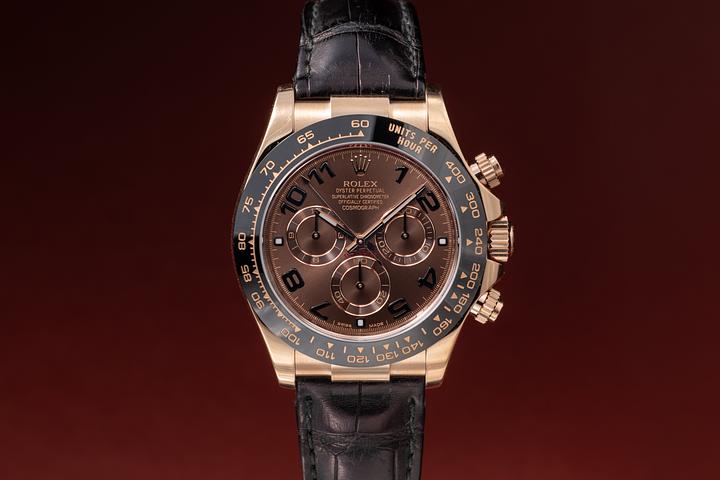
Rolex Perpetual Movement: What It Means and Why It Matters

What Is a Rolex Perpetual Movement and Why Does It Matter?
If you have spent any time researching Rolex watches, you have almost certainly come across the word perpetual. It appears on dials, in product descriptions, and throughout the brand's official literature. But what does it actually mean, and why has it been such a defining part of Rolex's identity for nearly a century? Understanding the perpetual movement is essentially understanding the foundation of what makes a Rolex tick, literally and historically. This is one of those concepts that sounds technical at first but becomes genuinely fascinating once you see what went into making it work.
The Origins of the Perpetual Rolex Movement
The story starts in 1931, which is when Rolex introduced what it called the Perpetual rotor. This was a self-winding mechanism that used a freely rotating, 360-degree oscillating weight to wind the mainspring automatically through the natural motion of the wearer's wrist. Before this, self-winding watches existed but relied on half-rotation rotors, which were limited in efficiency. Rolex's perpetual rotor could spin in a full circle, capturing energy from movement in any direction. The practical result was a watch that stayed wound during normal daily wear without ever needing to be manually wound. Hans Wilsdorf, the founder of Rolex, recognized almost immediately that this was not just a technical upgrade. It was a defining statement about what a wristwatch could be. The name perpetual was chosen deliberately, suggesting motion without end, a watch that sustains itself.
How the Perpetual Mechanism Actually Works
At the heart of every Rolex Oyster Perpetual calibre is a rotor, a semi-circular or full-rotation weight made from a dense material, typically an alloy or in some cases a precious metal depending on the movement grade. As the wearer moves their wrist throughout the day, the rotor spins. That rotational energy is transferred through a series of gears and a reversing mechanism, which converts motion in either direction into a unidirectional winding action that tensions the mainspring. The mainspring stores that energy and releases it slowly and consistently to power the escapement, the balance wheel, and ultimately the hands and any complications on the dial. What makes the perpetual system so elegant is the reversing mechanism. Without it, only half the rotor's movement would generate useful energy. With it, every rotation, clockwise or counterclockwise, contributes to the power reserve. Modern Rolex movements can achieve power reserves ranging from approximately 48 hours to 70 hours or more depending on the calibre.
Why Rolex Made Perpetual a Brand Identity
It was not just clever engineering. Rolex understood that the perpetual concept was marketable precisely because it connected to something emotionally resonant. A watch that never needs winding, that keeps going as long as you wear it, that kind of language speaks to reliability, longevity, and trust. These are values Rolex has built its entire brand around. The word Perpetual appears on virtually every Rolex dial today as part of the Oyster Perpetual designation. Even in models where the full family name differs, such as the Submariner, Daytona, or Datejust, the perpetual rotor remains central to the movement inside. It is one of the most consistent threads running through the brand's entire catalog from the mid-twentieth century to the present day.
Calibre Evolution: From the Original to Modern Movements
Rolex has continuously refined the perpetual mechanism across decades of calibre development. The early calibres from the 1930s and 1940s were groundbreaking but relatively simple by today's standards. Through the following decades, Rolex introduced innovations including the Parachrom hairspring, which offers greater resistance to shocks and magnetic fields, and the Chronergy escapement, a redesigned lever and escape wheel system that improves energy efficiency by approximately 15 percent compared to traditional lever escapements. The Syloxi hairspring appeared in specific calibres used in the Lady-Datejust, demonstrating that these improvements were applied across the catalog and not just flagship models. Each generation of perpetual calibre reflects improvements in accuracy, durability, shock resistance, and power reserve. Rolex manufactures all of its movements in-house at its facility in Bienne, Switzerland, which means every perpetual calibre is designed, built, and regulated entirely under Rolex's own quality standards.
Perpetual Movements and COSC Certification
Many Rolex movements are certified as chronometers by the Controle Officiel Suisse des Chronometres, commonly referred to as COSC. To earn this certification, a movement must be tested over 16 days across five positions and three temperatures and must achieve a rate precision of negative 4 to positive 6 seconds per day. Rolex has gone further in recent decades by developing its own in-house standard through its Superlative Chronometer certification, which demands accuracy of plus or minus 2 seconds per day after the watch is fully assembled. This is a tighter standard than COSC requires, and it reflects how seriously Rolex takes precision in its perpetual movements. When you see the Superlative Chronometer designation on a Rolex caseback or in its documentation, that tells you the entire assembled watch, not just the movement in isolation, has been tested and verified to that standard.
Vintage Rolex and the Perpetual Rotor Through the Decades
For collectors of vintage Rolex watches, the perpetual movement is not just a technical detail. It is a reference point for dating, identifying, and evaluating examples. Different calibres were used in specific references during specific production periods, which means that a knowledgeable buyer can use the calibre number and rotor style to help authenticate a watch and understand its production timeline. Early perpetual rotors were sometimes made of gold or gold-plated metals and had a distinctly different weight and appearance compared to later examples. Transition periods in calibre production often coincide with changes in case design, dial generation, and bracelet style, all of which contribute to the layered storytelling that makes vintage Rolex collecting so absorbing. Understanding the perpetual movement is genuinely useful if you are building a collection or evaluating a specific reference.
What to Look for When Evaluating a Perpetual Movement
Whether you are purchasing a modern Rolex or a vintage example, the condition and function of the perpetual movement deserves close attention. A healthy perpetual movement should wind smoothly and consistently, keep accurate time within its rated tolerance, and exhibit no unusual sounds or resistance during winding or setting. For vintage watches, service history matters significantly. A well-maintained perpetual calibre from the 1960s or 1970s can still perform admirably if it has been properly cleaned and oiled at appropriate service intervals. Key considerations when evaluating any Rolex perpetual movement include:
- Accuracy relative to stated specifications for the calibre
- Evidence of recent professional servicing
- Condition of the rotor, which should spin freely without grinding or resistance
- Originality of components, particularly important in vintage examples
- Matching calibre number to the known production period for that reference
Why Tropical Watch Is the Right Source for Rolex Perpetual Expertise
When it comes to finding, evaluating, and acquiring Rolex watches built around the perpetual movement, especially rare and vintage references, the quality of your source matters enormously. Tropical Watch has built a reputation as a trusted destination for serious collectors who understand what they are looking at and want to work with specialists who share that level of engagement. Whether you are searching for a specific vintage calibre, a transitional reference, or simply a well-preserved example of a classic Oyster Perpetual, the depth of knowledge at Tropical Watch is genuinely hard to match. Collectors looking for vintage Rolex watches with authenticated perpetual movements will find that the team brings both technical expertise and a genuine passion for the subject, making the process of buying or selling far more informed than a typical transaction. This is the kind of context that turns a watch purchase into a considered decision rather than a guessing game.
Frequently Asked Questions About the Rolex Perpetual Movement
What does perpetual mean on a Rolex watch?
Perpetual refers to Rolex's self-winding rotor mechanism, introduced in 1931, which automatically winds the mainspring through the natural movement of the wearer's wrist. It is a foundational feature of nearly every Rolex watch produced since that era.
Do all Rolex watches have a perpetual movement?
Almost all modern Rolex watches include a perpetual self-winding movement. The designation appears on the dial of Oyster Perpetual models and is inherent in the calibres used across the broader Rolex catalog including the Submariner, Daytona, and Datejust families.
How long does a Rolex perpetual movement last without wearing the watch?
Most current Rolex calibres offer a power reserve between 48 and 70 hours depending on the specific movement. After that period without wrist movement or manual winding, the watch will stop and require either manual winding or wearing to resume function.
How accurate is a Rolex perpetual movement?
Rolex Superlative Chronometer certified movements are rated to plus or minus 2 seconds per day after full assembly testing. This exceeds the COSC chronometer standard and represents one of the tighter accuracy specifications in mainstream Swiss watchmaking.
Does a vintage Rolex perpetual movement need to be serviced?
Yes. Rolex recommends servicing approximately every 10 years for modern watches, though vintage movements may benefit from more frequent attention depending on age and usage history. A properly serviced vintage perpetual calibre can still perform very accurately.
Can you manually wind a Rolex with a perpetual movement?
Yes. Despite being self-winding, Rolex perpetual movements can be manually wound via the crown. This is particularly useful after a watch has stopped or when it has not been worn for an extended period and the power reserve has depleted.








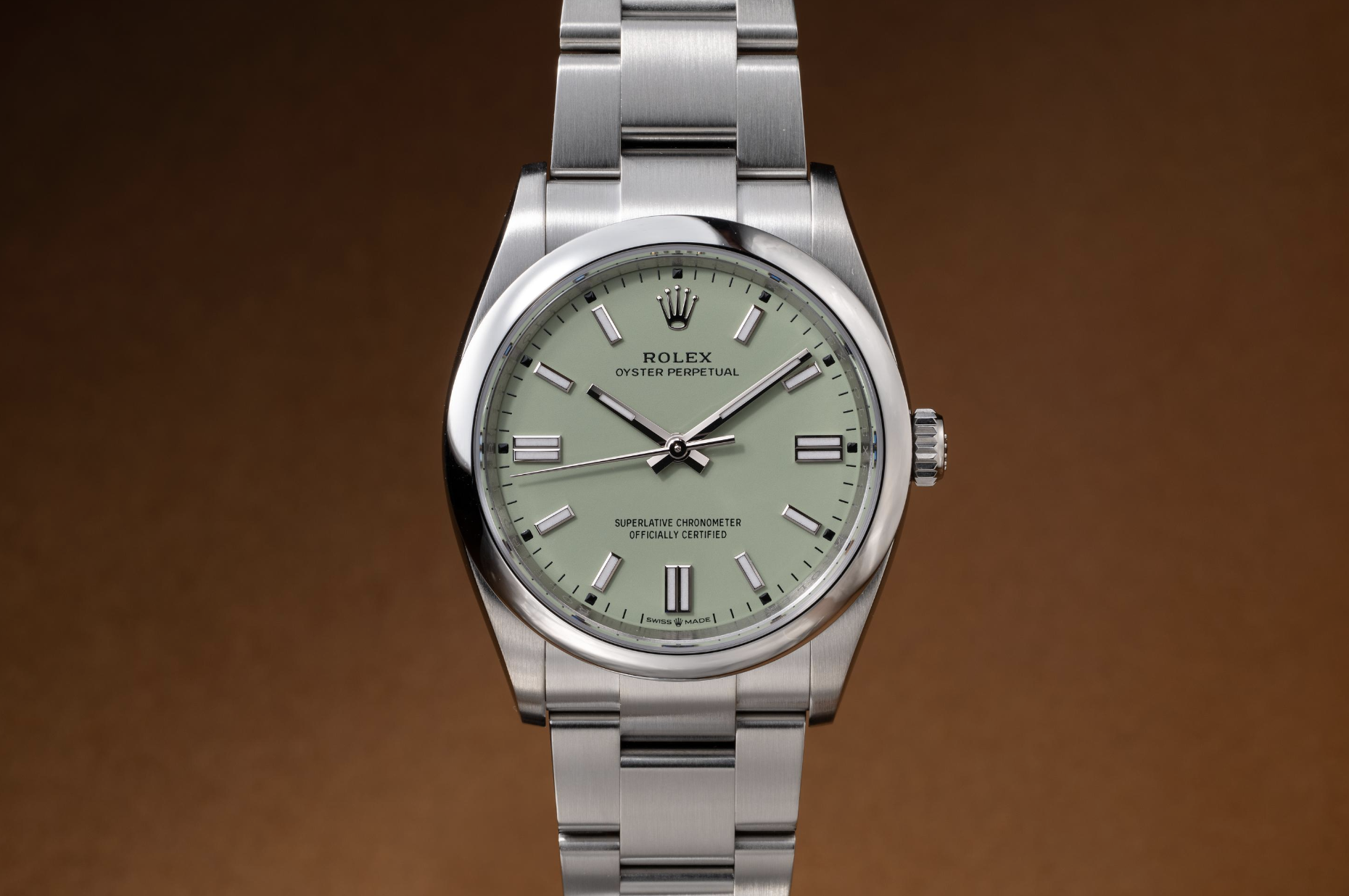


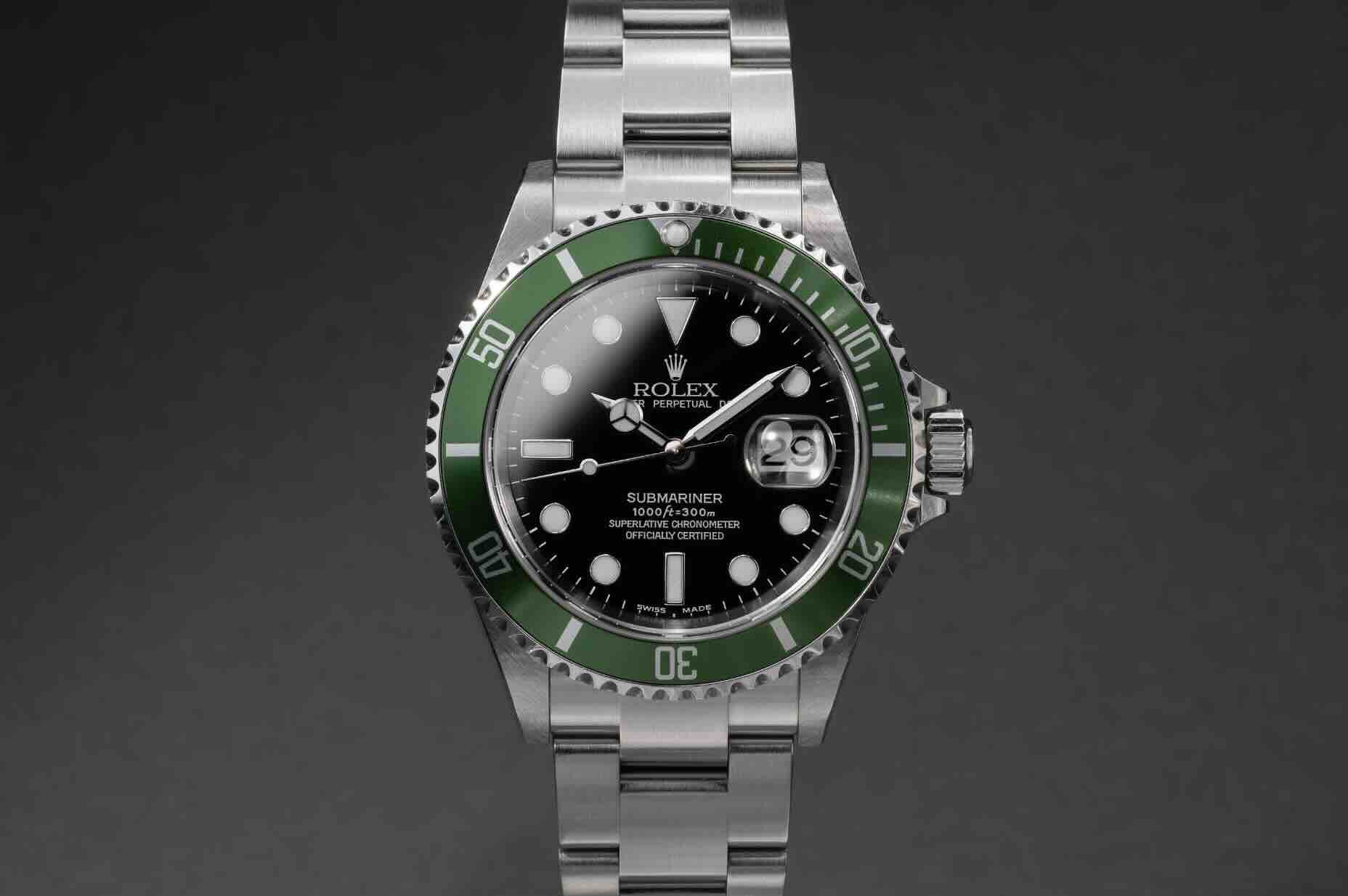


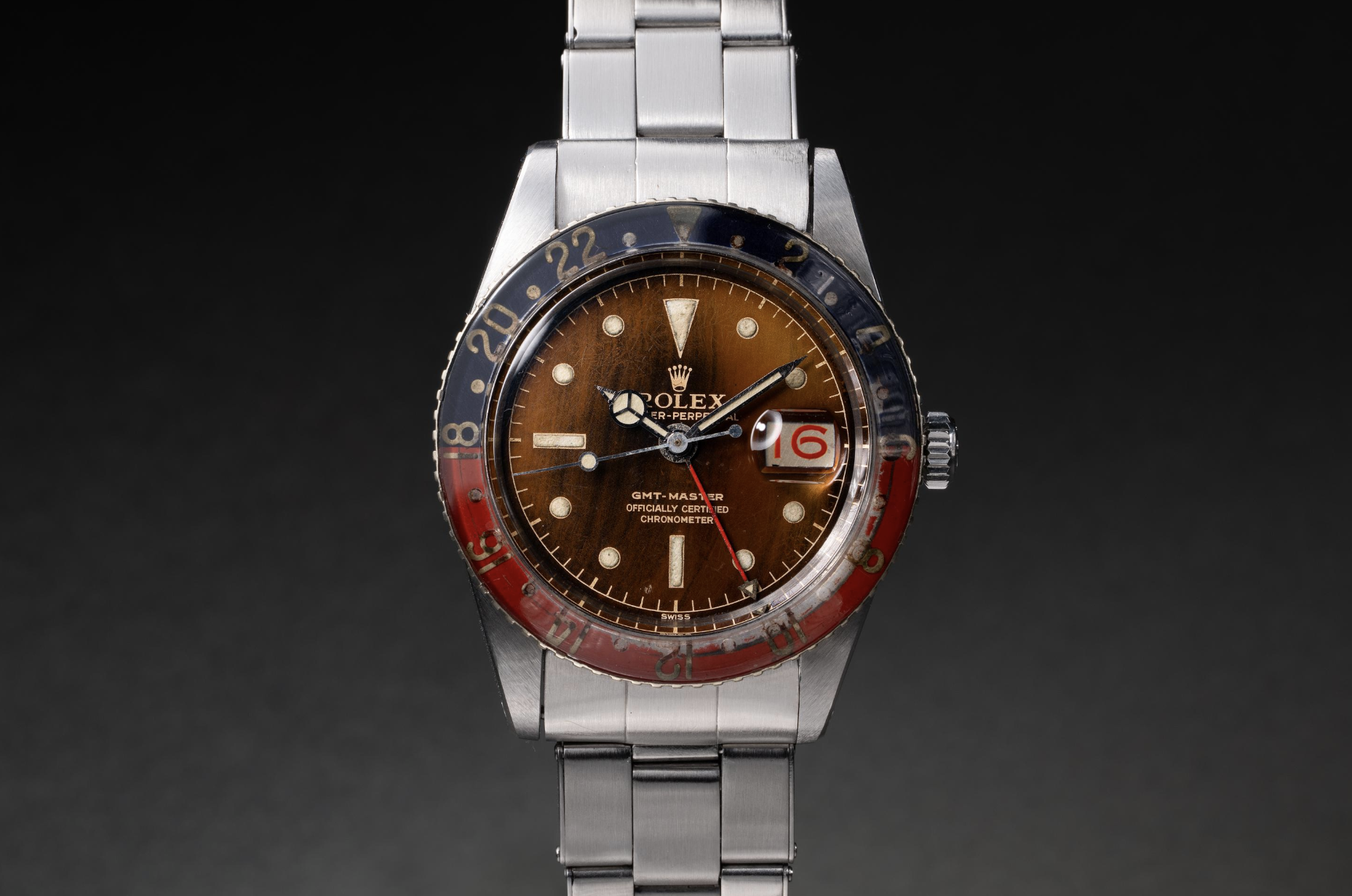




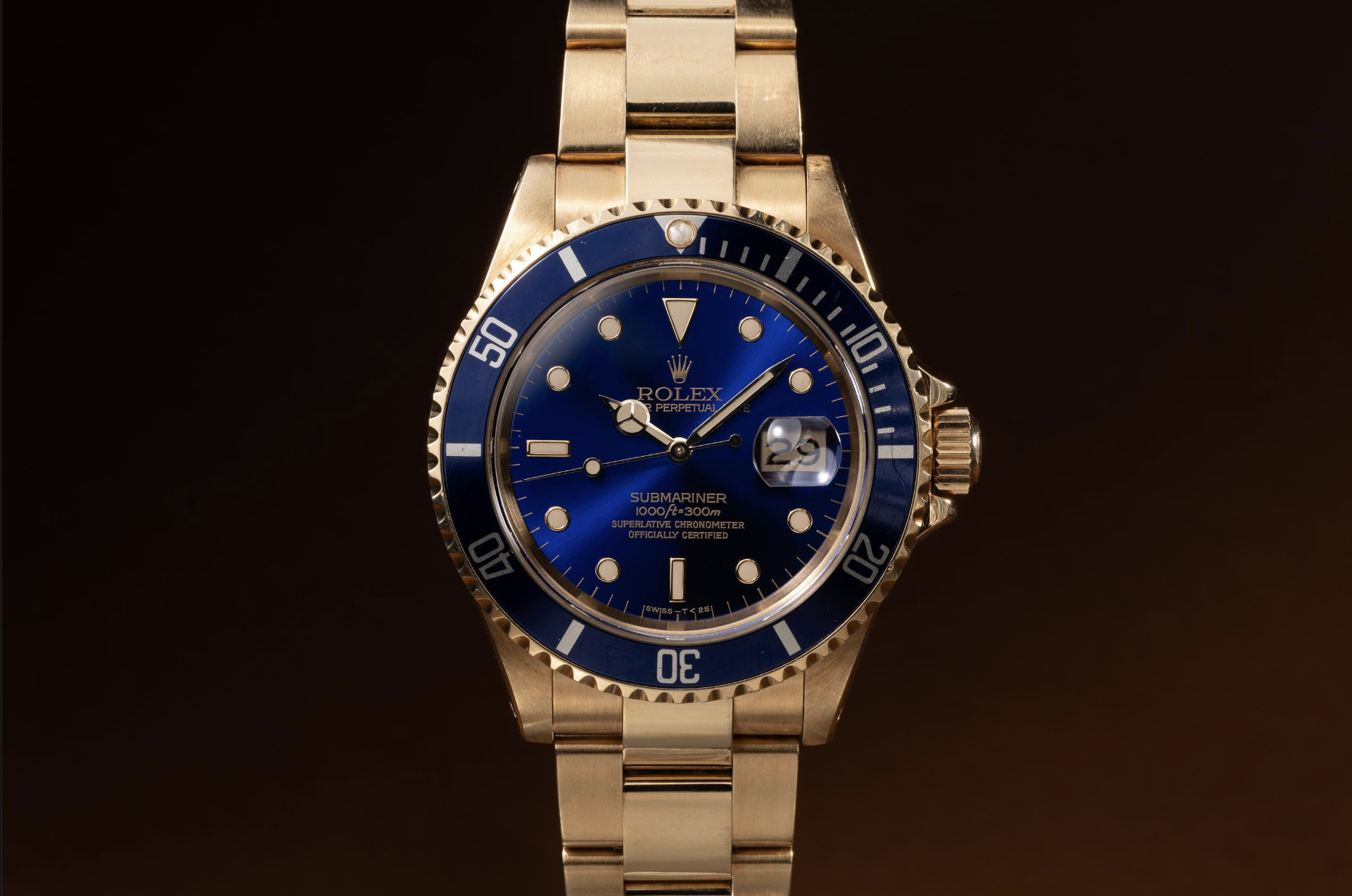





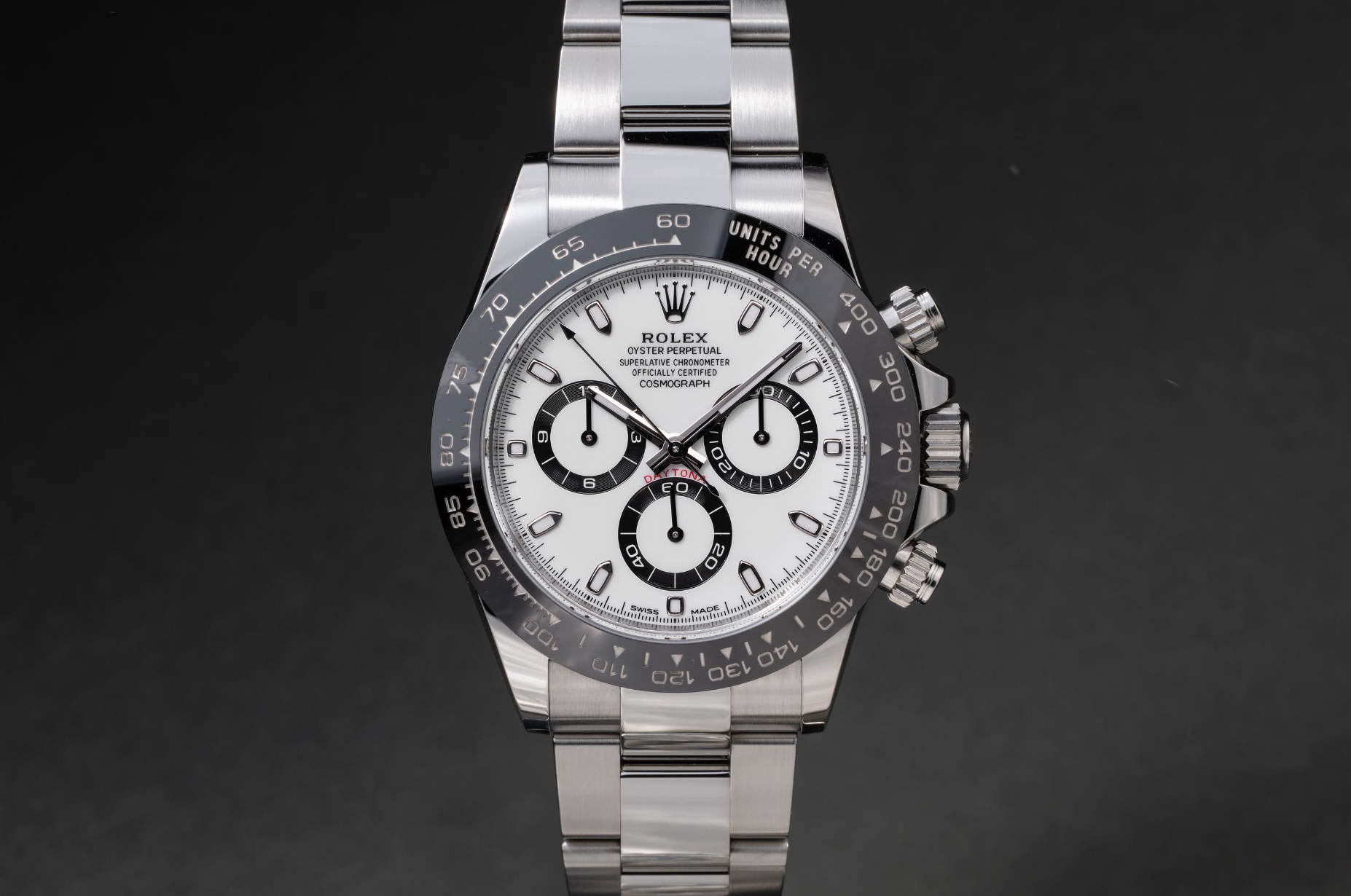




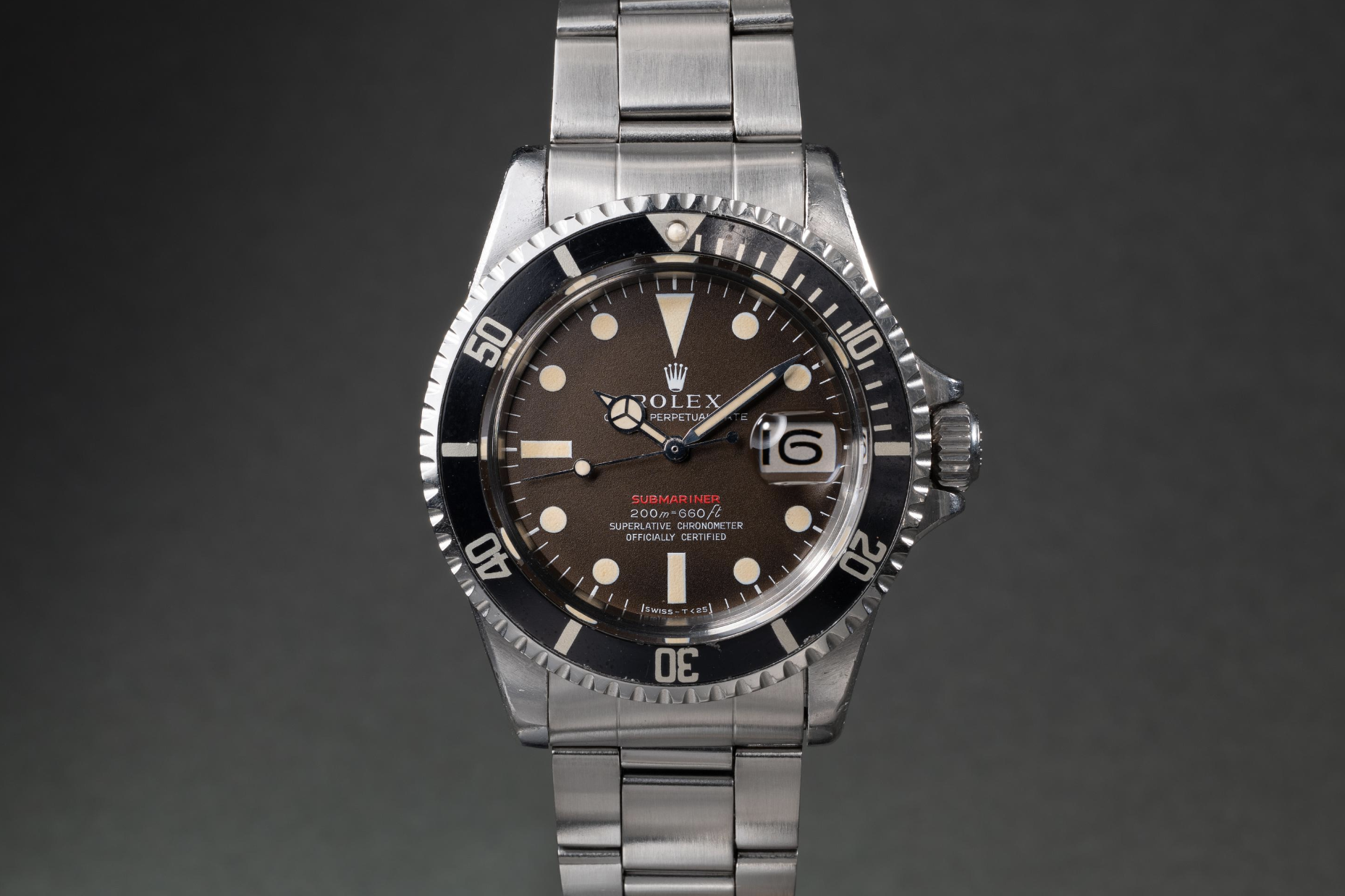


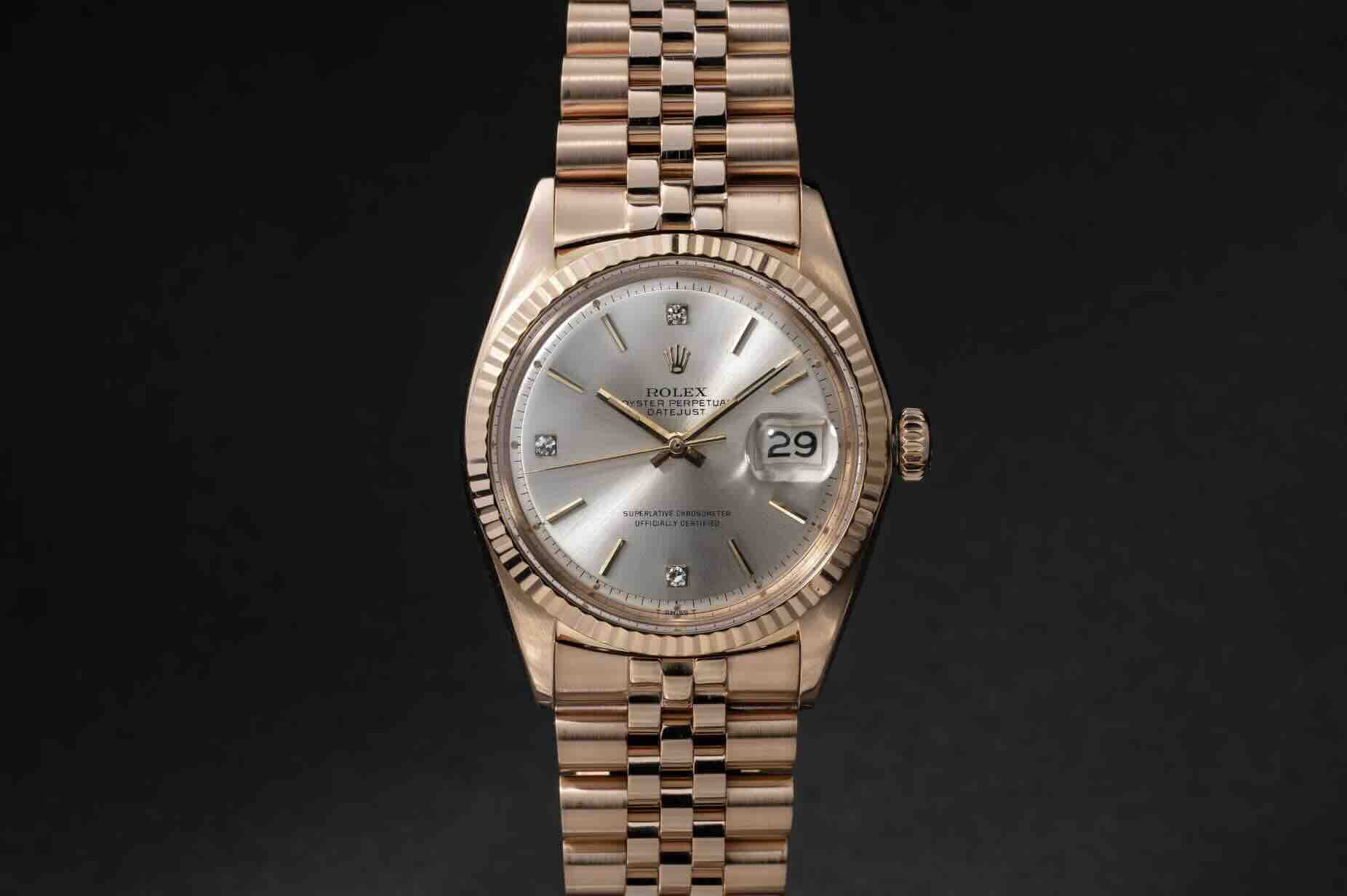





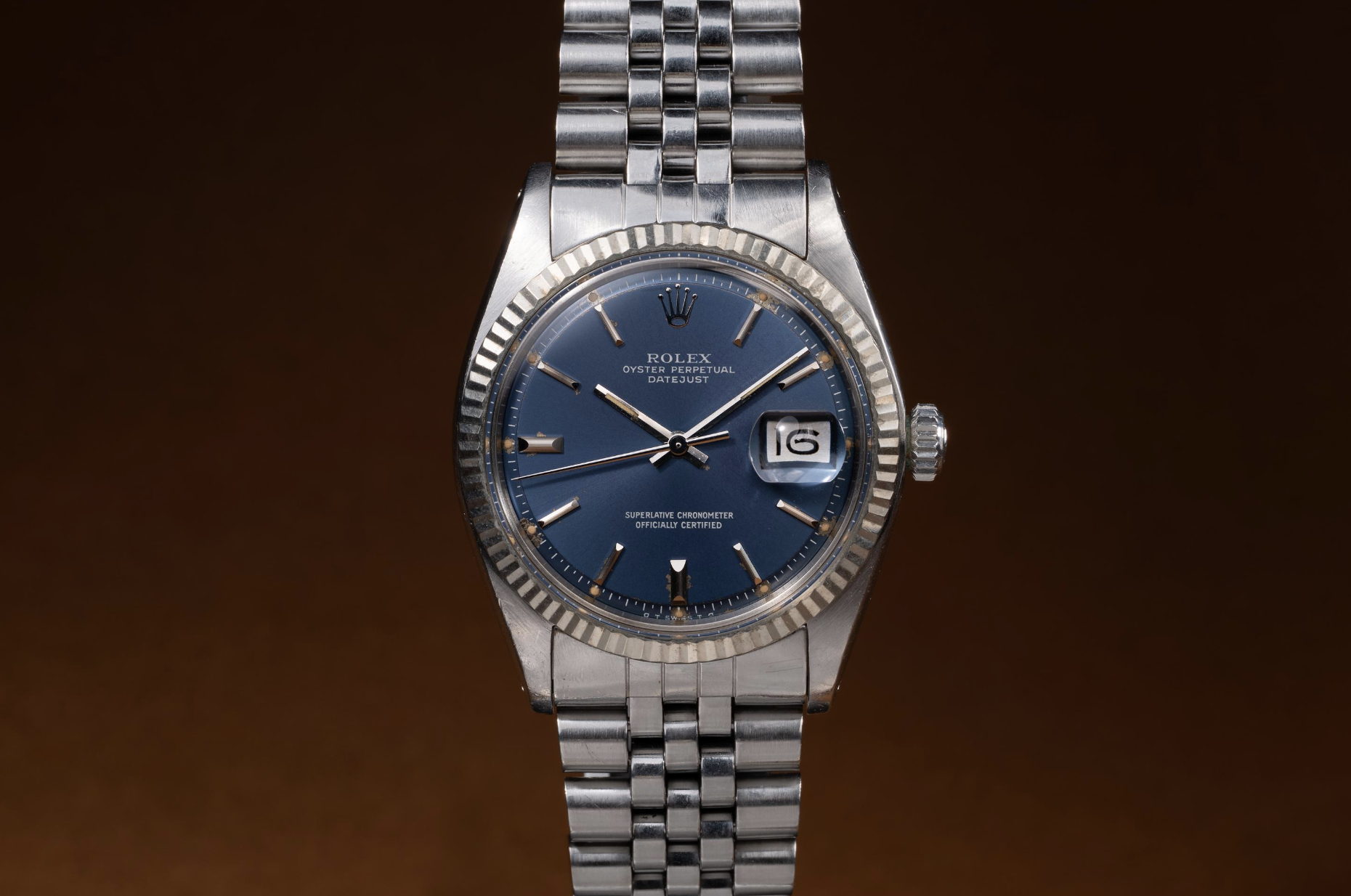
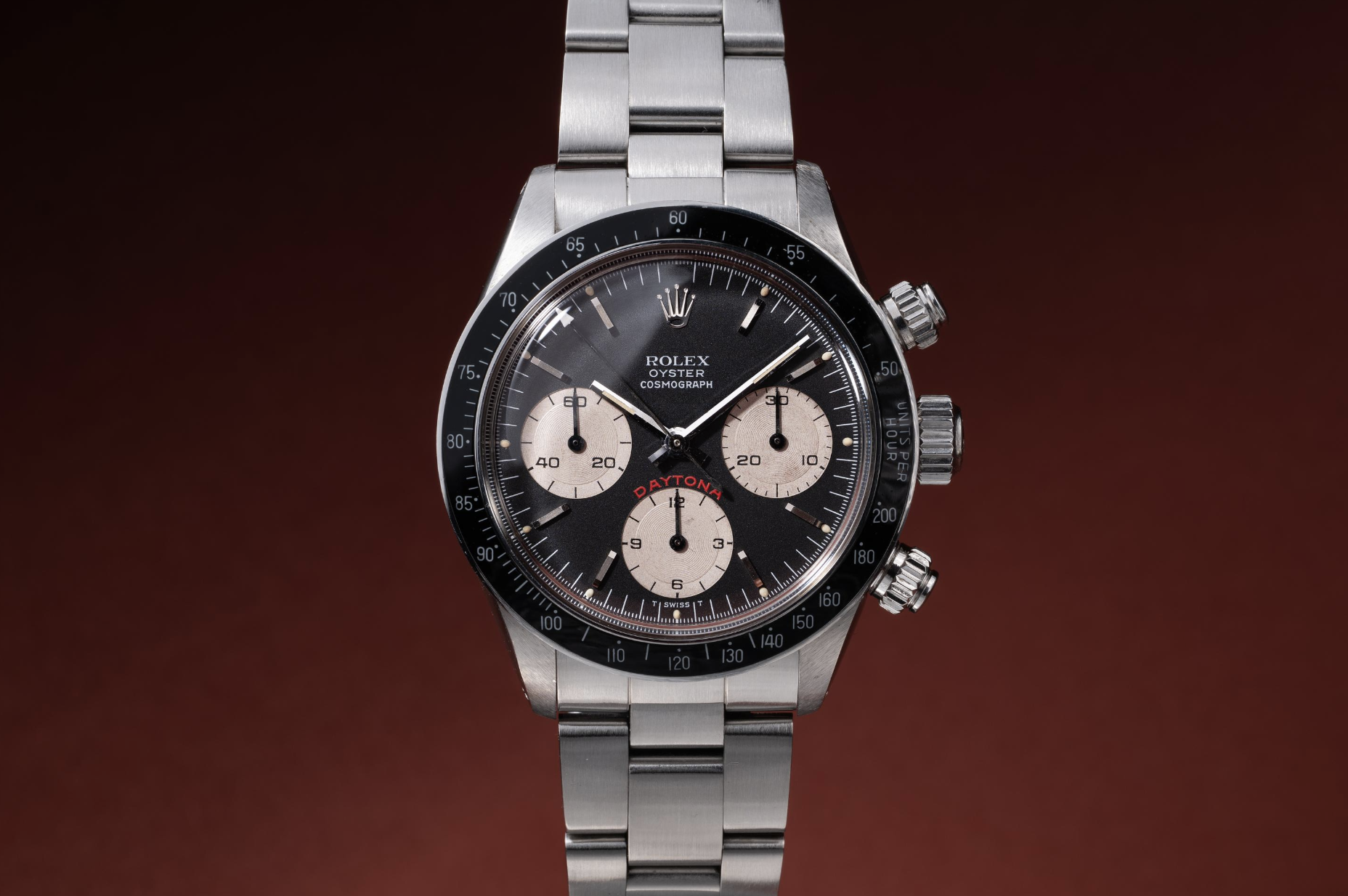
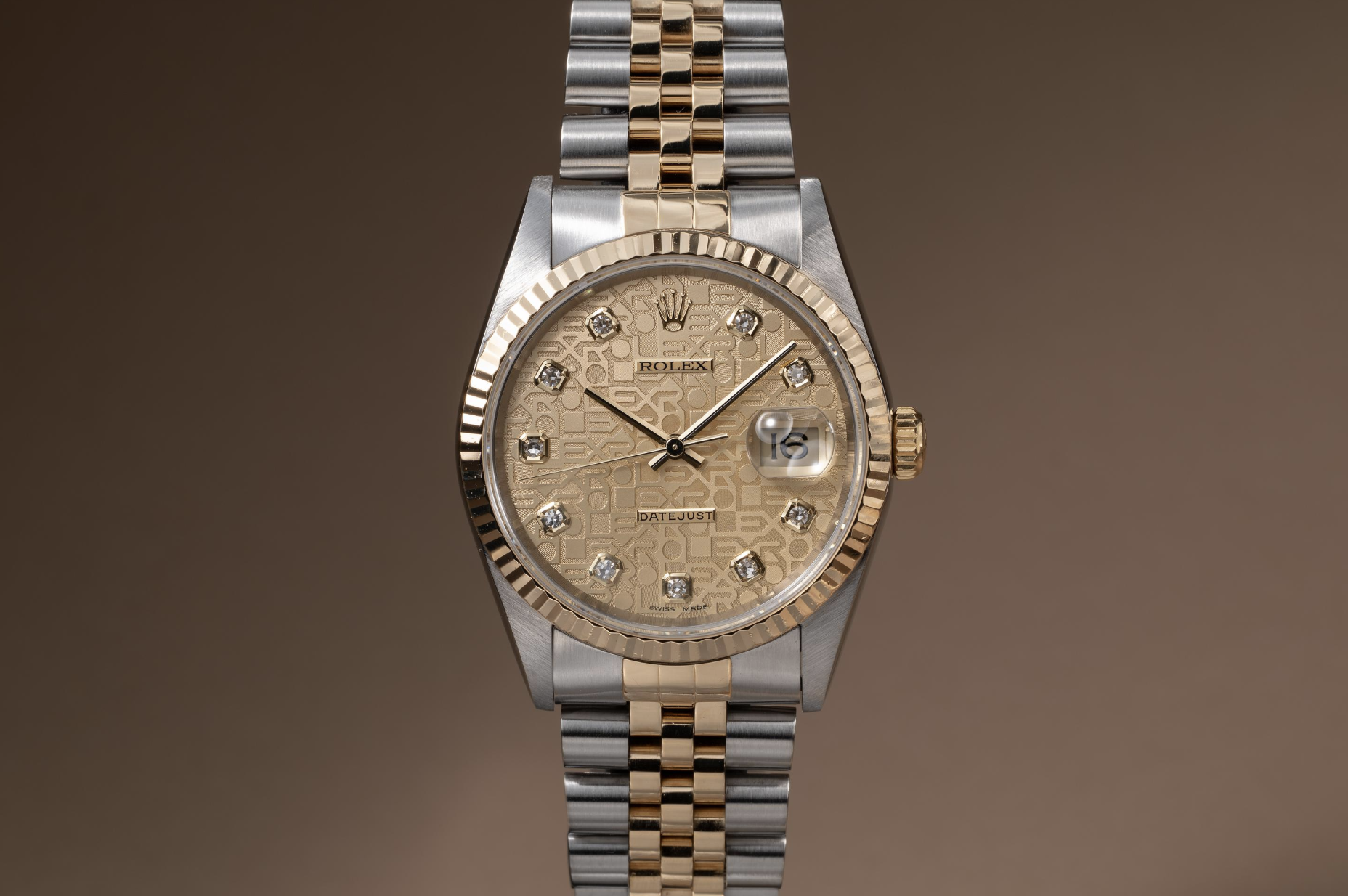
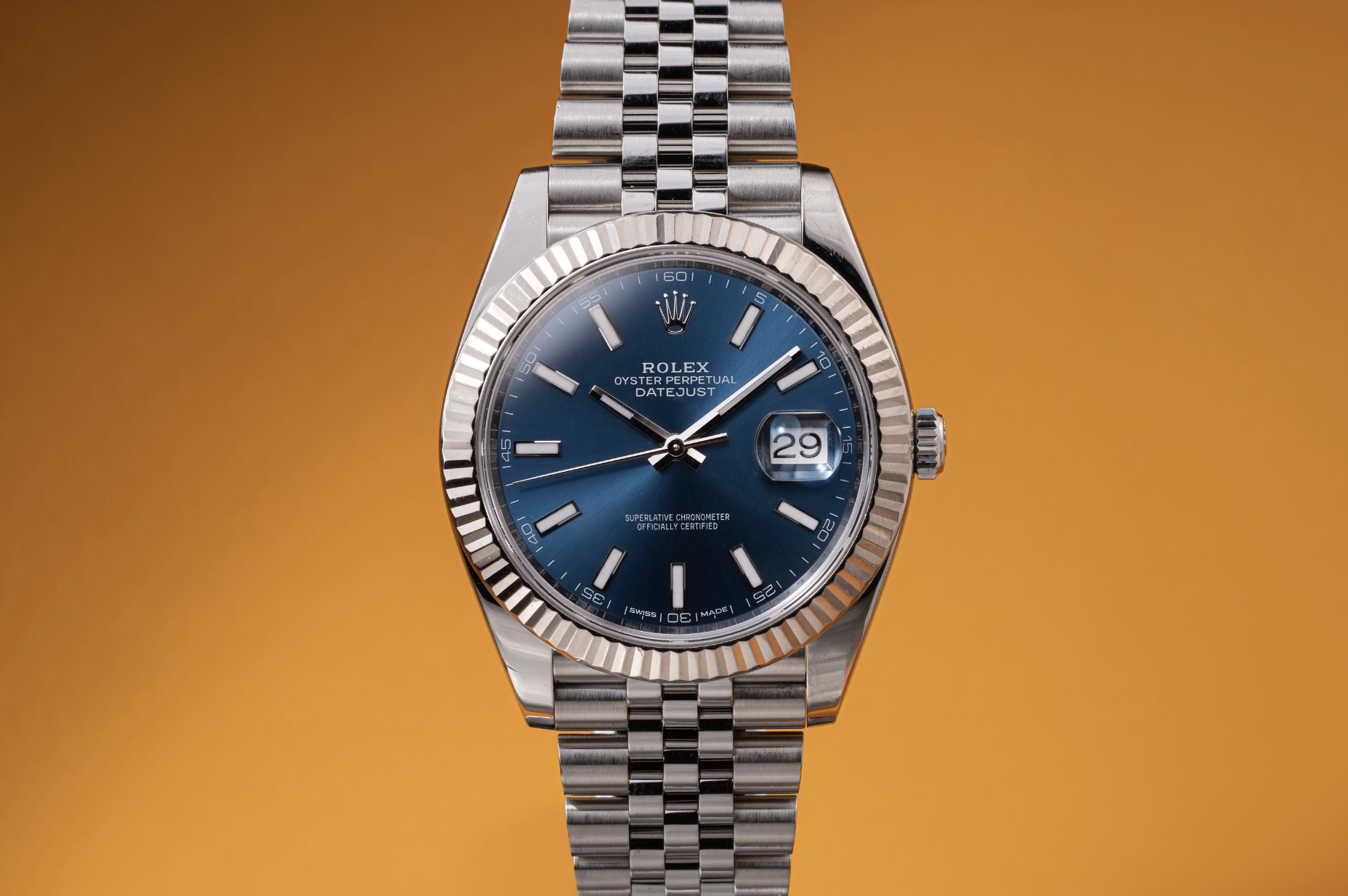
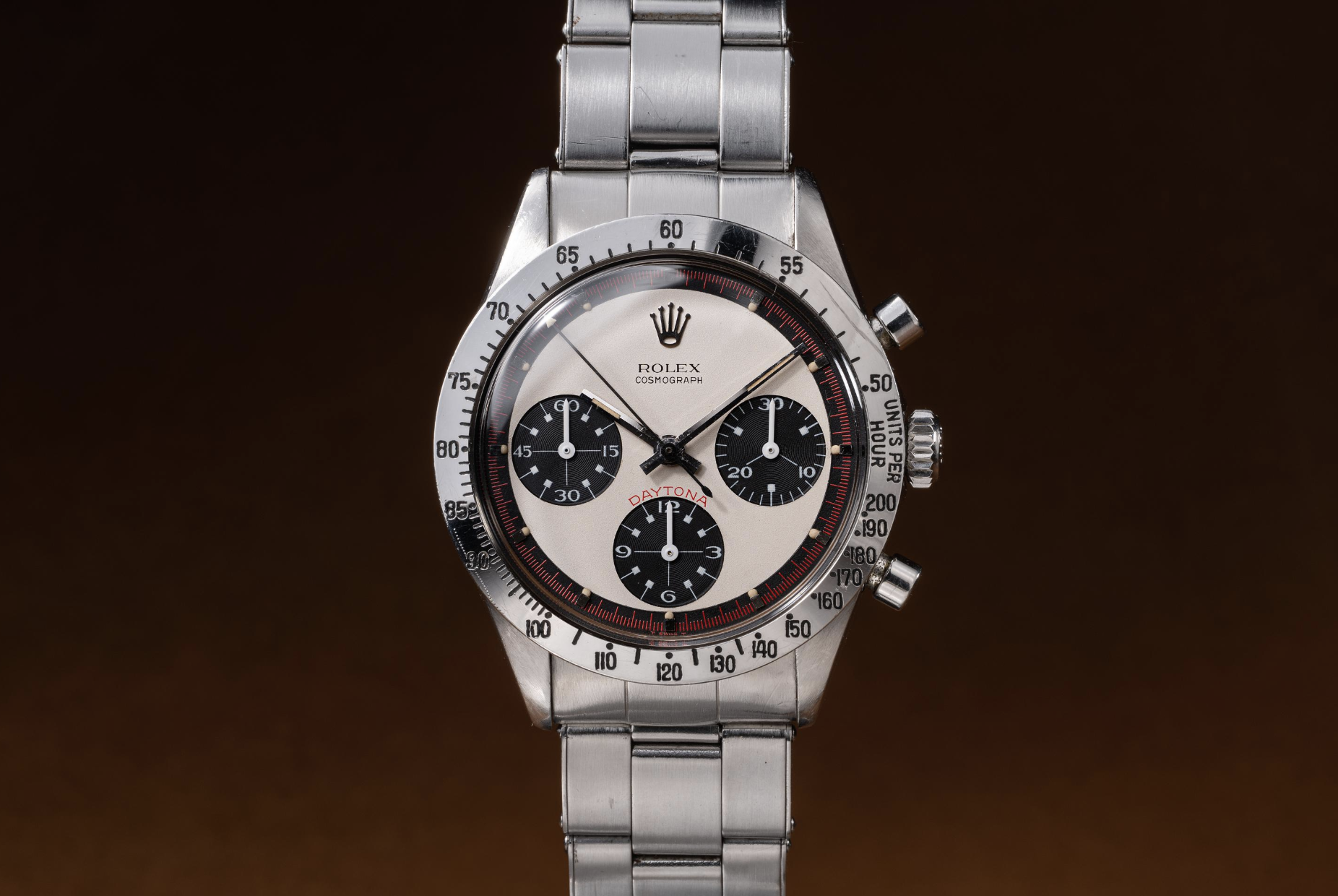


Table of Contents
Get More from the Journal