Best First Omega Watch: Your Complete Buying Guide
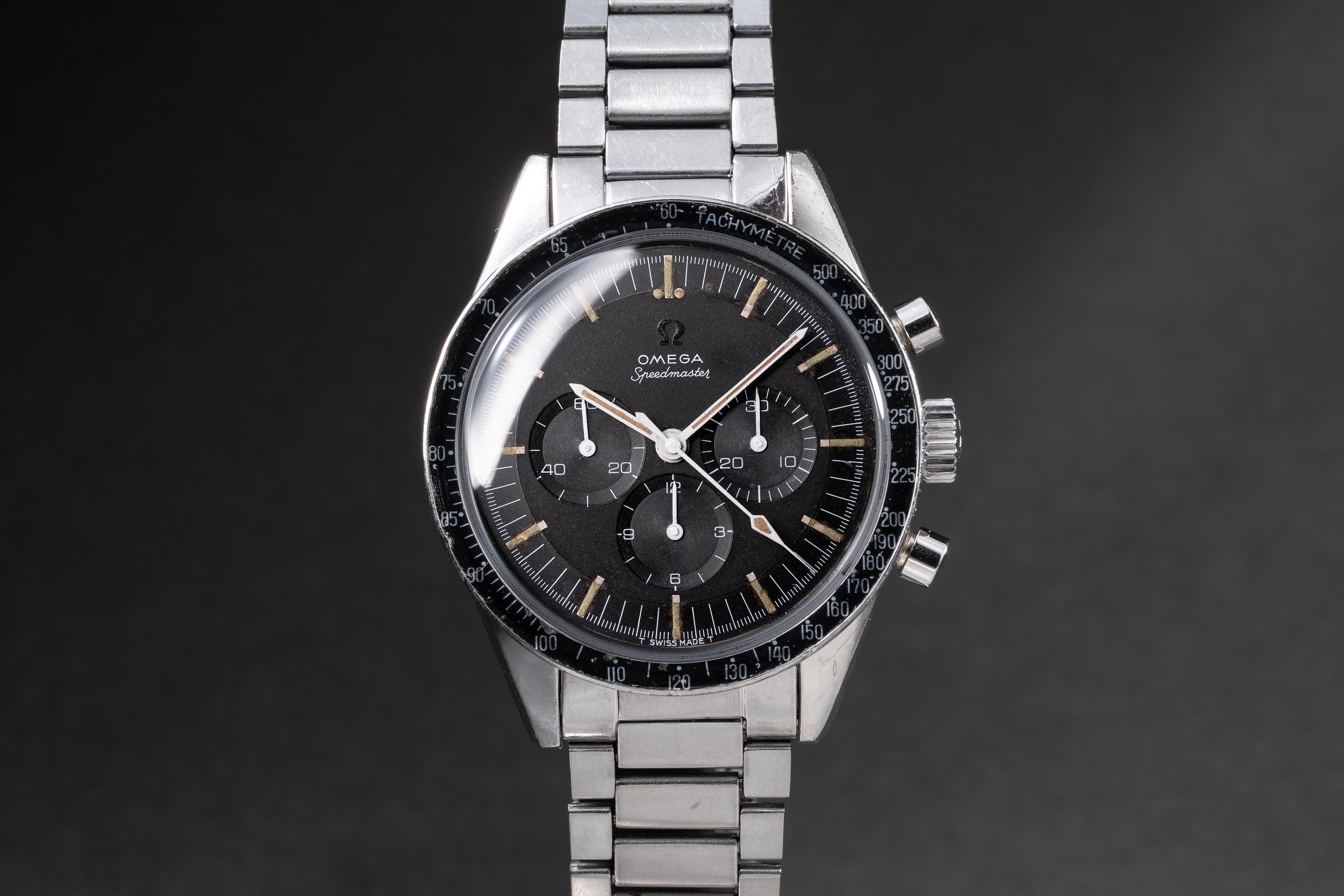
Your First Omega Watch: Everything You Need to Know Before You Buy
So you have decided that your first luxury watch should be an Omega. That is a genuinely great call. Omega sits at a fascinating crossroads in the watch world, respected by collectors, worn by astronauts, and somehow still accessible enough that a first-time buyer does not need to sell a car to get into one. But the catalog is wide, the history is deep, and the options can feel overwhelming if you are walking in without a map. This guide exists to be that map.
Why Omega Is the Right Starting Point for Luxury Watch Buyers
Founded in 1848 in La Chaux-de-Fonds, Switzerland, Omega has over 175 years of horological history behind it. That is not marketing copy, that is a track record. The brand supplied watches to the British military during both World Wars, became the official timekeeper of the Olympic Games, and in 1969, a Speedmaster Professional landed on the Moon strapped to the wrist of Buzz Aldrin. The Seamaster has spent decades as a tool watch trusted by professional divers. These are not fictional associations built for advertising. They are documented history. For a first-time luxury watch buyer, that heritage matters because it tells you the purchase has substance behind it, not just polish.
Understanding the Major Omega Collections
Omega organizes its watches into a few core families. Knowing the difference between them helps you narrow down what actually suits your life and how you plan to wear the watch.
- The Speedmaster is the most iconic Omega ever made. Originally launched in 1957 as a racing chronograph, it became the watch NASA selected for all manned space missions. The Speedmaster Professional Moonwatch is still hand-wound, still uses a hesalite crystal on the classic version, and still looks almost exactly as it did in 1969. It is a watch with a story that never gets old.
- The Seamaster is the dive watch family. The Seamaster Diver 300M and the Aqua Terra are the two you will encounter most. The former is rated to 300 meters and has a wave-patterned dial that has become immediately recognizable. The latter is a more versatile daily wearer, water-resistant and refined without leaning too sporty.
- The Constellation was Omega's answer to dress watches and has been around since 1952. It tends to read as more formal, with integrated bracelets on some models and a quieter overall presence.
- The De Ville collection is where Omega goes fully dressed. These are movement-forward watches, often featuring the co-axial escapement prominently, and they suit business or formal occasions without much effort.
What Makes Omega Movements Special
One of the things that genuinely sets Omega apart technically is the co-axial escapement, developed by watchmaker George Daniels and adopted by Omega in 1999. Traditional lever escapements require more frequent lubrication, which means more service intervals. The co-axial design reduces friction in the escapement, meaning the movement runs longer between services and maintains accuracy more consistently over time. Omega later developed the Master Chronometer standard, which certifies their movements to METAS standards, the Swiss Federal Institute of Metrology. A Master Chronometer-certified watch must meet eight tests, including resistance to magnetic fields up to 15,000 gauss. For a daily wearer living around phones, laptops, and airport security, that matters more than most buyers realize until they own a watch that handles it without issue.
What Is a Realistic Budget for a First Omega?
New Omega watches start around $2,500 to $3,000 for entry-level Seamaster and Constellation models and move upward from there. The Speedmaster Professional Moonwatch in stainless steel sits around $6,000 to $7,000 new. Precious metal versions, limited editions, and co-axial Master Chronometer models can push well past $10,000. The pre-owned market changes the equation considerably. A vintage Speedmaster or Seamaster in good condition can often be found for significantly less than its modern counterpart, and in many cases carries more character, provenance, and collector interest. If budget is a constraint, the pre-owned route is not settling. In the watch world, it is often the smarter play.
Best First Omega Watches Worth Serious Consideration
If you are looking for the clearest path to a first Omega that you will not outgrow, these are the models that consistently earn that recommendation.
- Speedmaster Professional Moonwatch: The benchmark. Hand-wound, historically significant, and universally respected across every segment of watch collecting.
- Seamaster Diver 300M: Versatile enough for daily wear, tough enough for water activities, and iconic enough to hold its own in any room.
- Seamaster Aqua Terra: The best Omega for someone who wants luxury watch presence without committing to a sport watch identity.
- De Ville Tresor: A refined choice for buyers who want to wear something quieter and more classically elegant.
- Planet Ocean 600M: For the buyer who wants a serious dive watch with a larger case presence and more aggressive aesthetic.
How to Choose Between New and Pre-Owned
Buying new from an authorized dealer means a manufacturer warranty, a pristine condition, and full documentation. Buying pre-owned means access to discontinued references, vintage models that no longer exist in current production, and often better value per dollar. The pre-owned market for Omega is robust, but it requires some care. Confirm the seller's reputation, ask for service history when available, verify serial numbers against known production records, and be cautious of prices that seem too good. A trusted specialist dealer in the pre-owned and vintage space is generally a safer entry point than a private sale, especially for a first purchase.
What to Look For When Buying Your First Omega
Whether new or pre-owned, a few factors consistently separate a great purchase from a regrettable one. Condition is obvious, but originality is equally important. Refinished dials, replaced hands, or non-original bracelets affect both value and authenticity. Box and papers are not mandatory for enjoyment, but they support resale value and confirm provenance. For vintage pieces specifically, understanding which generation or reference you are buying makes a meaningful difference, since certain Speedmaster references are considerably rarer and more desirable than others. Take your time. A watch like this is not a decision that benefits from rushing.
Why Tropical Watch Is the Right Place to Find Your First Omega
If you are entering the world of luxury watches with genuine curiosity and a real budget, the dealer you work with matters as much as the watch you choose. Tropical Watch specializes in pre-owned and vintage luxury timepieces, with a depth of knowledge that covers Omega extensively. Whether you are looking for a vintage Speedmaster with documented NASA-era character or a pre-owned Seamaster at a price that makes the decision easier, the inventory and expertise at Tropical Watch support buyers at every level of experience. For anyone ready to find the best first Omega watch from a trusted vintage luxury watch dealer, Tropical Watch offers the kind of curated selection and honest guidance that makes the process feel exactly as good as the watch on your wrist should.
Frequently Asked Questions About Buying Your First Omega Watch
What is the best Omega watch for a first-time buyer?
The Speedmaster Professional Moonwatch and the Seamaster Diver 300M are the most commonly recommended starting points. The Speedmaster offers unmatched historical significance and collector credibility. The Seamaster offers daily versatility with a strong identity. Both hold value well and age gracefully.
Is Omega considered a true luxury watch brand?
Yes. Omega is one of the most established Swiss luxury watch manufacturers in the world, with over 175 years of history, multiple Olympic and space program associations, and movements certified to the highest independent accuracy standards available.
How often does an Omega watch need to be serviced?
Omega recommends servicing their co-axial and Master Chronometer movements every five to ten years depending on usage conditions. Traditional movements without the co-axial escapement typically require service closer to the five-year mark.
Does buying a pre-owned Omega make financial sense?
For many buyers, yes. Pre-owned Omega watches often provide access to discontinued references, better value relative to retail price, and in some cases greater collector interest. Purchasing from a reputable dealer reduces risk considerably.
What is the difference between a Speedmaster and a Seamaster?
The Speedmaster is a chronograph with deep roots in motor racing and space exploration. The Seamaster is a dive watch collection built for water resistance and professional use. Both are iconic, but they serve different aesthetic and functional purposes.
Do Omega watches hold their value over time?
Omega watches generally hold value reasonably well, particularly iconic references like the Speedmaster Professional. Vintage and limited edition models can appreciate significantly. Standard production models may depreciate modestly from retail but stabilize in the pre-owned market.


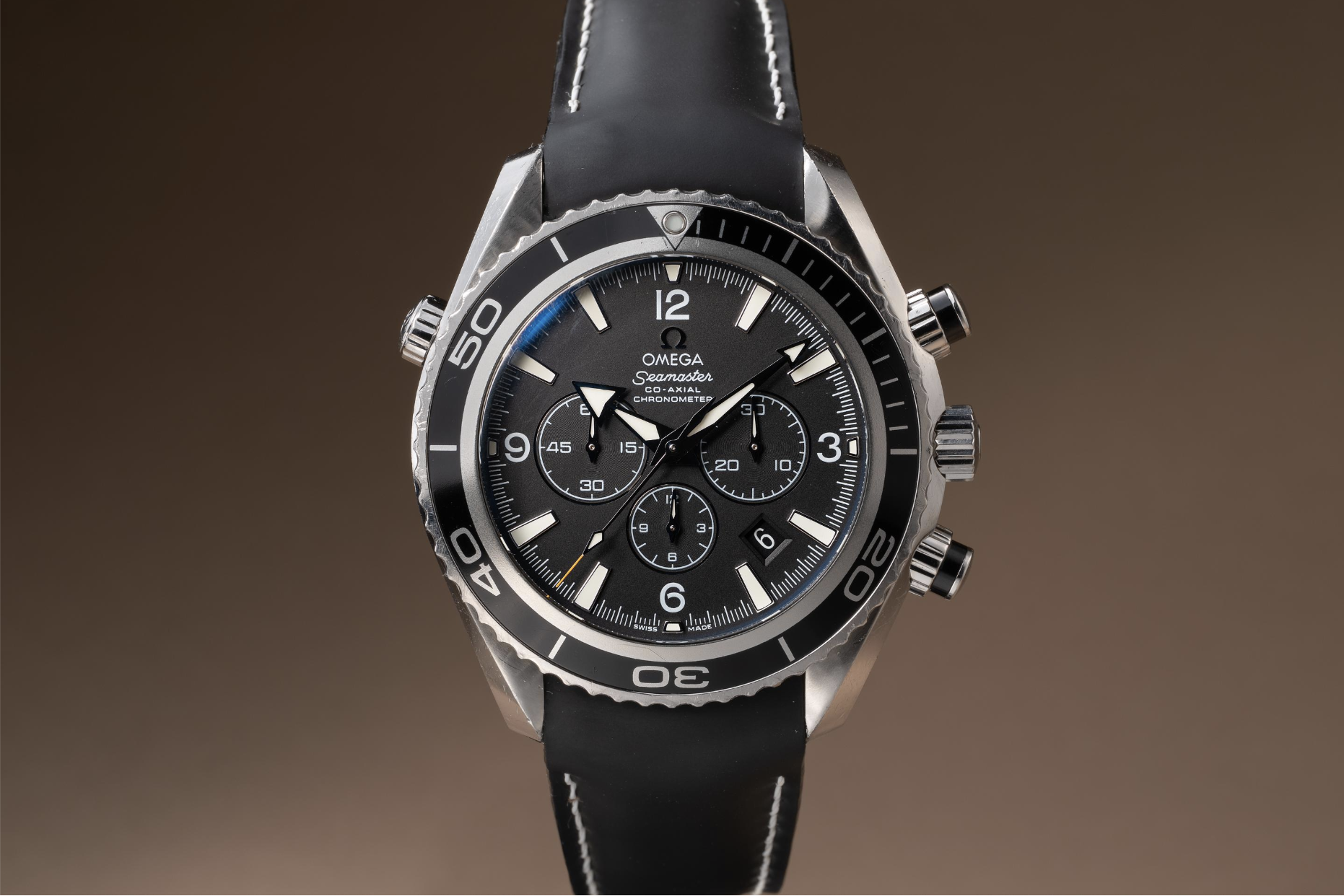

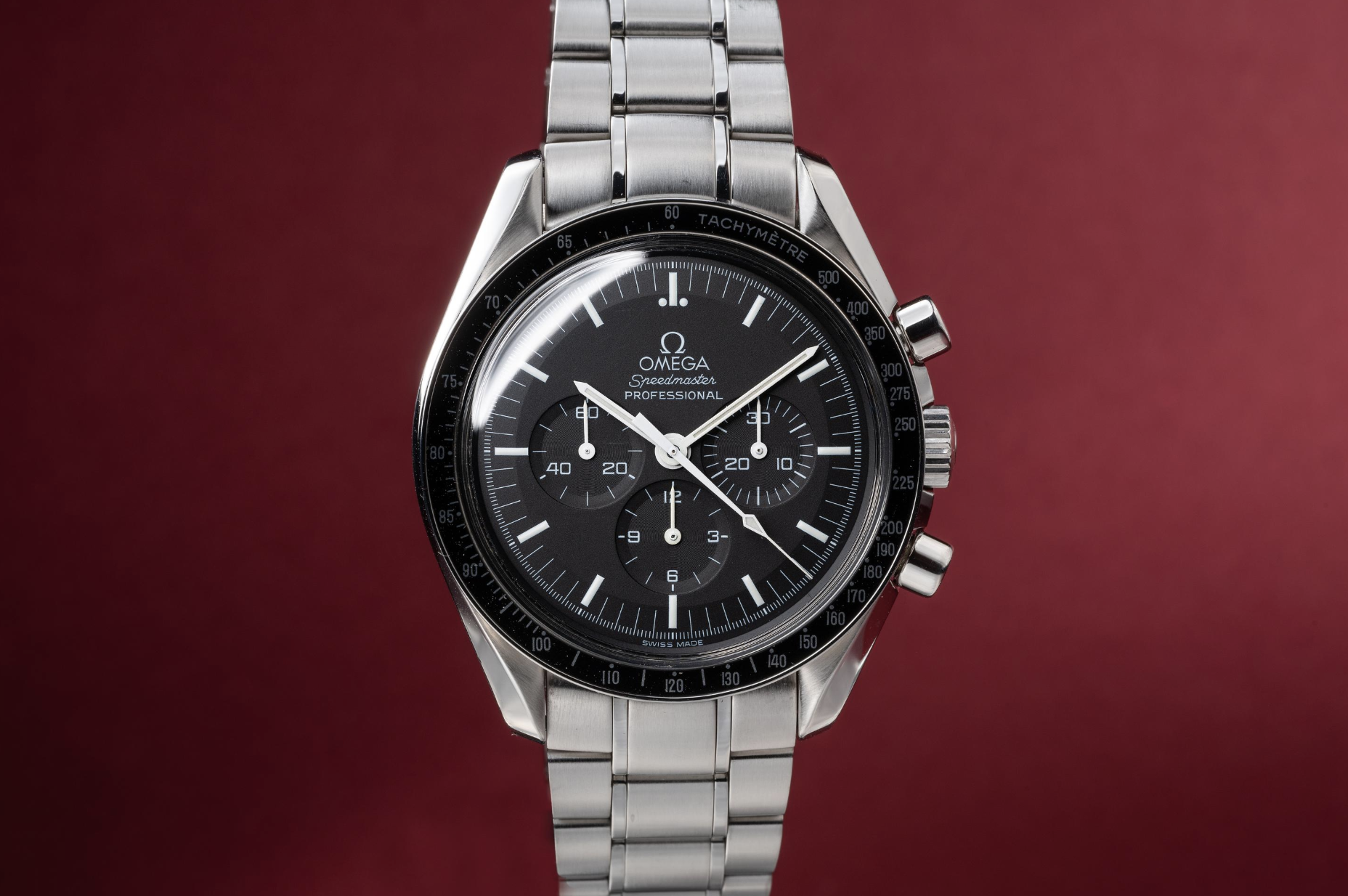












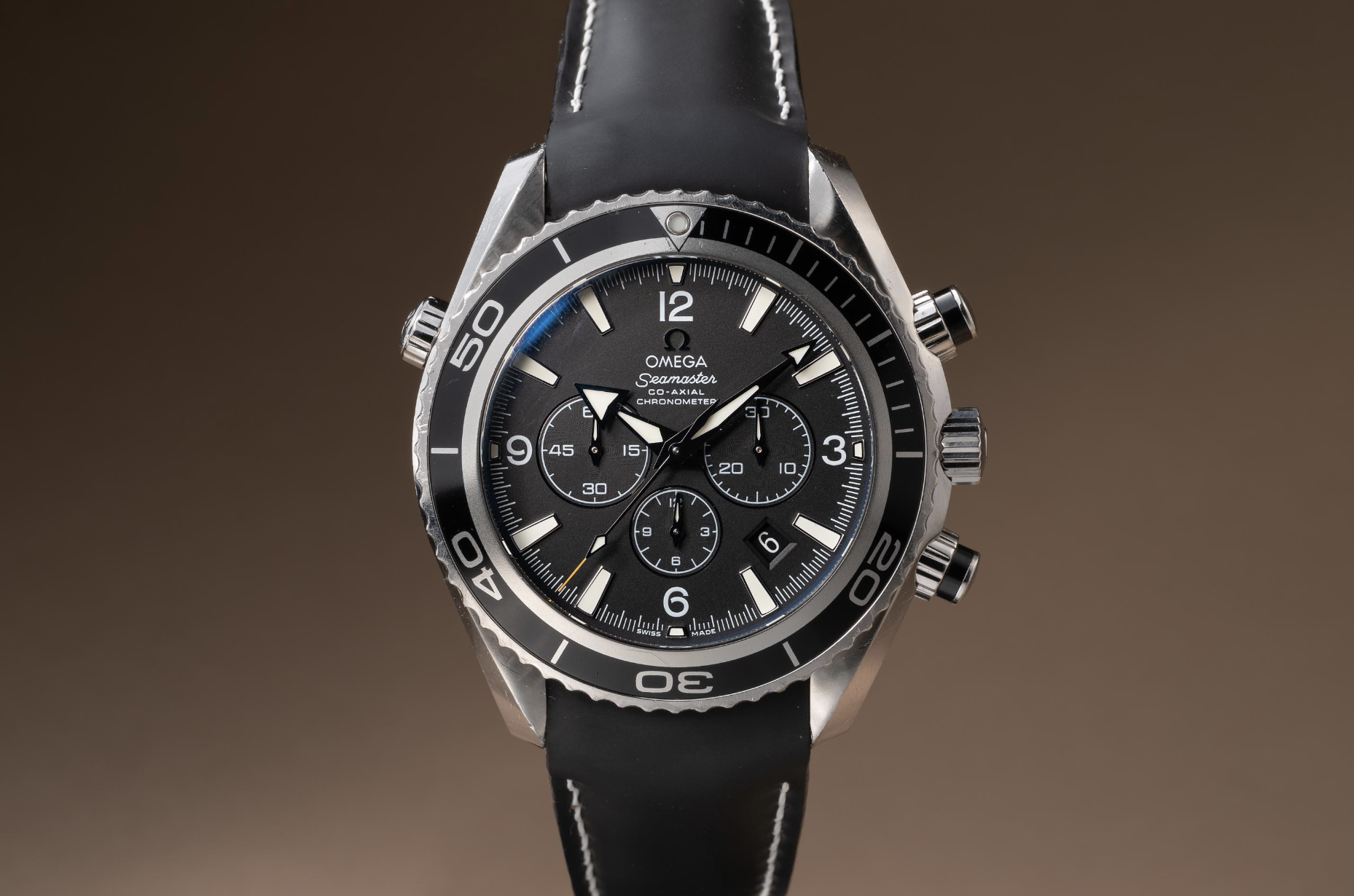






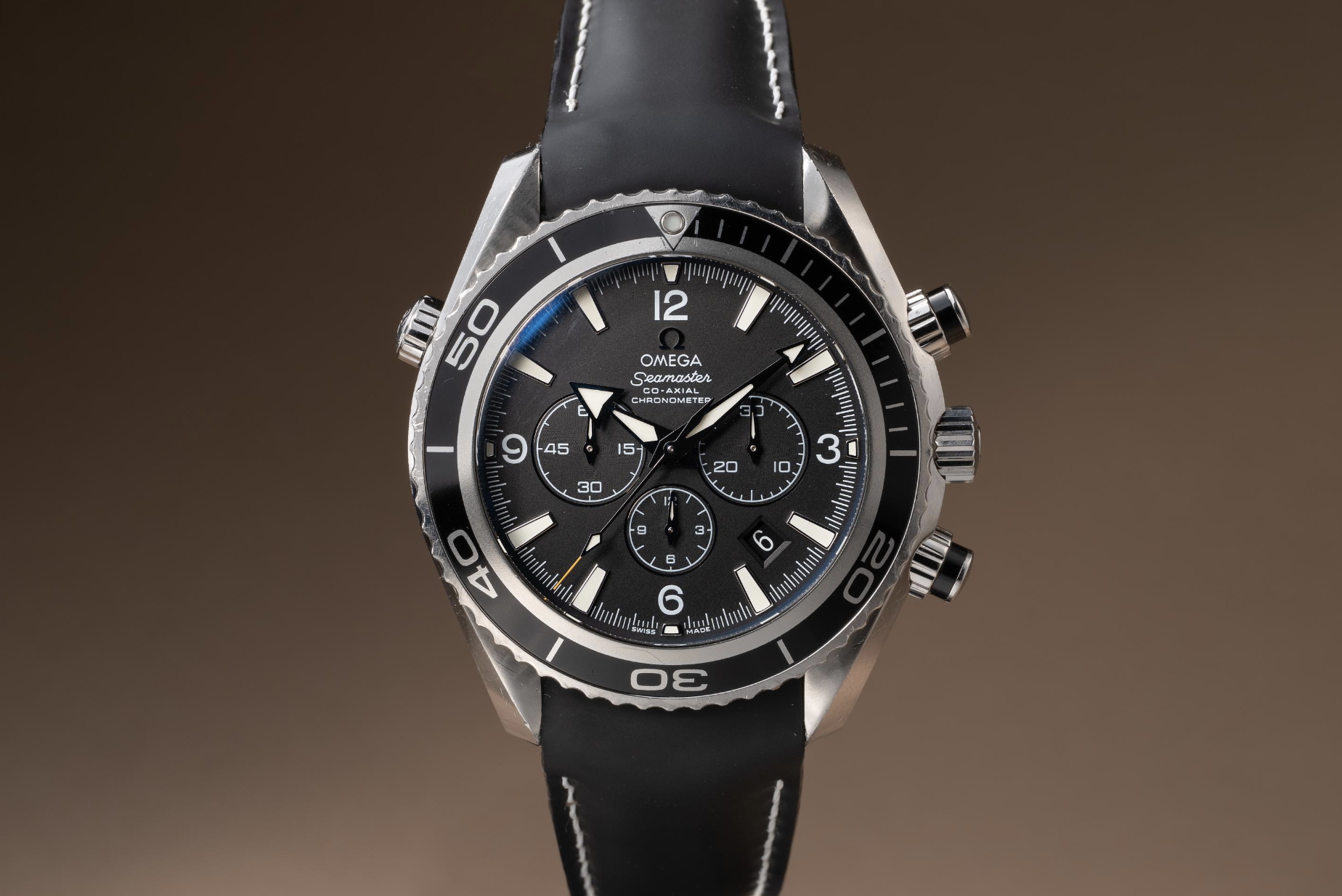



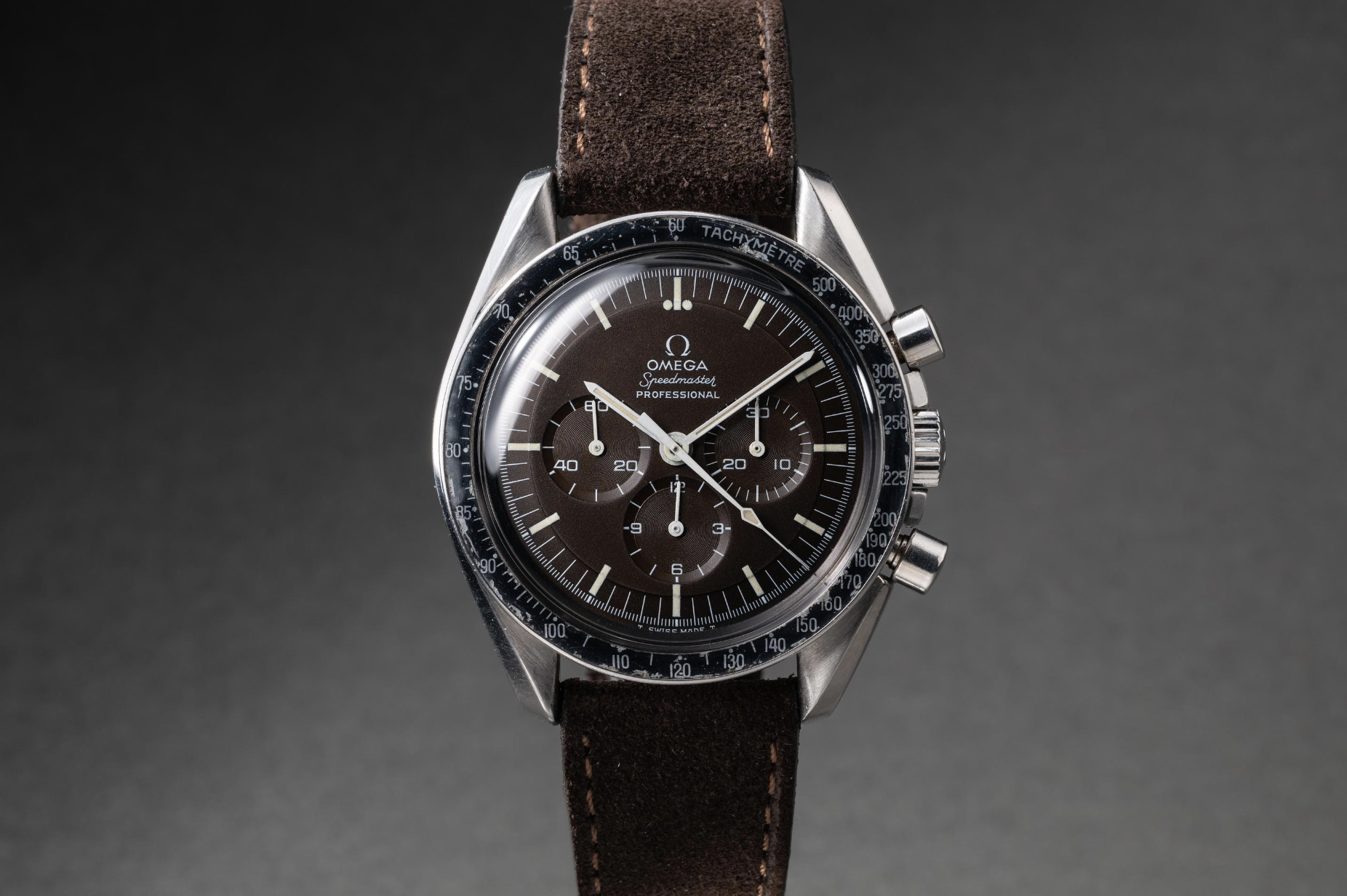

Table of Contents
Get More from the Journal