Iconic Cartier Watches: The Maison's Greatest Timepieces

Iconic Cartier Watches: A Guide to the Maison's Most Celebrated Timepieces
Few names in horology carry the cultural weight that Cartier does. Founded in Paris in 1847 by Louis-Francois Cartier, the maison has spent nearly two centuries perfecting the art of the wristwatch. What makes Cartier particularly fascinating is that the brand was not just a watchmaker. It was, and still is, a jeweler, an artist, and a tastemaker. The watches that came out of Cartier did not simply tell time. They told a story. And somehow, across decades, the designs have managed to feel simultaneously modern and timeless. This guide breaks down the most iconic Cartier watches, what makes each one significant, and how to think about them if you are exploring ownership or investment for the first time.
The History That Built an Icon: How Cartier Became a Watch House
Louis-Francois Cartier passed the business to his son Alfred, who then handed the reins to his three grandsons, each overseeing a flagship location in London, New York, and Paris. It was Louis Cartier, the Parisian grandson, who truly shaped the direction of the watch collections. He believed the wristwatch was not just functional hardware. It was a design object. His collaboration with aviator Alberto Santos-Dumont in 1904 produced what many historians consider one of the first practical wristwatches ever designed for a man. That commission became the Santos, and it launched a tradition of designing watches for people with a life to live. The Tank came next, in 1917, inspired by the overhead view of military tanks crossing the Western Front. From that point forward, Cartier had a design language that was entirely its own: geometric, refined, and rooted in narrative.
The Cartier Santos: Where It All Began
The Santos is arguably the most historically significant watch in the Cartier catalog. As mentioned, it originated from a real-world problem. Alberto Santos-Dumont needed both hands free while piloting, so Louis Cartier designed a watch that could be worn on the wrist rather than kept in a pocket. The exposed screws on the bezel, the square case, the integrated bracelet. These are design elements that have never really left the Santos across more than a century of production. The modern Santos de Cartier, reintroduced with notable enthusiasm in 2018, brought the interchangeable strap system and a slimmer, more refined silhouette. It connects perfectly to its 1904 origins while being genuinely wearable today. For collectors, early Santos models carry real historical appeal, and even contemporary references hold their value reasonably well in the secondary market.
The Cartier Tank: A Design That Refuses to Age
The Tank is perhaps the single most copied watch design in history. When Cartier introduced it in 1917, the rectangular case with side rails extending from the lugs was unlike anything being produced at the time. The flat, almost architectural shape became a symbol of Parisian elegance, and eventually, global sophistication. There are several Tank references worth knowing. The Tank Louis Cartier is the purest original interpretation. The Tank Americaine introduced a curved case for better wrist conformity. The Tank Solo brought the design to a more accessible price point. The Tank Must has experienced a significant resurgence, particularly after appearing on the wrist of celebrities and becoming a cultural touchstone on social media. Andy Warhol famously said he only wore a Cartier Tank. That kind of cultural association is not manufactured. It accumulates over time, and the Tank has earned every bit of it.
The Cartier Ballon Bleu: Modern Elegance in a Round Case
Introduced in 2007, the Ballon Bleu is the newest classic in the Cartier collection, which is a somewhat strange thing to say, but it is accurate. The defining feature is a floating crown protected by a curved arch, creating a smooth, almost bubble-like silhouette. The sapphire cabochon set into the crown adds a signature touch. The Ballon Bleu quickly became one of Cartier's best-selling references globally, appealing to a buyer who wanted the Cartier identity without the hard geometry of the Tank or Santos. It comes in a wide range of sizes, materials, and complications, which makes it accessible at multiple price points. For first-time Cartier buyers, the Ballon Bleu is often the starting point. It is recognizable, versatile, and holds a presence on the wrist that larger sports watches cannot quite replicate in social or formal settings.
The Cartier Pasha: Bold, Unconventional, and Currently Having a Moment
The Pasha de Cartier has had an interesting journey. Originally designed in the 1980s for the Pasha of Marrakech, who wanted a waterproof watch he could wear while swimming, the Pasha introduced a chained crown cap and a round case with a distinctly different character from Cartier's usual geometric sensibility. It was discontinued for a period, then brought back in 2020 with a strong collection of references including skeletonized dials and modern sizing options. The timing worked out well. Collectors had developed a genuine appetite for vintage Pasha references, driving secondary market prices upward, and the relaunch captured that momentum. If you are drawn to Cartier's history but want something with a slightly different personality than the Tank or Santos, the Pasha offers exactly that.
What Makes Cartier Watches Worth Collecting
Cartier occupies a unique position in watchmaking. The brand is not purely a movement manufacturer in the way that some Swiss independents are. Cartier sources and develops movements across a range of references, and since 2010, the in-house Manufacture Cartier calibers have elevated the technical credibility of the collection significantly. But what has always made Cartier compelling is design leadership. Cartier defines trends rather than following them. Here are some factors that make Cartier watches worth serious collector consideration.
- The rectangular case architecture of the Tank remains widely imitated but never duplicated
- Cartier's association with royalty, artists, and cultural figures adds biographical value to many references
- The maison's history with jewelry-grade gem setting is unmatched in watchmaking
- Vintage Cartier references, particularly pre-1980s Tank and Santos pieces, have shown consistent appreciation in secondary markets
- The brand's global recognition means liquidity is generally strong for well-maintained references
How to Identify a Genuine Cartier Watch
Authentication matters enormously with Cartier, especially in the vintage and pre-owned space where demand has elevated prices and, unfortunately, counterfeit activity. Genuine Cartier watches feature several consistent markers across references. The crown sapphire cabochon appears on nearly all models as a signature detail. The caseback will typically display the reference number, serial number, and movement specifications. Cartier's dial printing is exceptionally precise, with the Roman numeral indices on most dress models featuring fine, consistent line weights. The bracelet and clasp engineering is tightly fitted, with no lateral play when properly sized. The movement finish, particularly on manufacture calibers, is clean and well-regulated. When buying pre-owned or vintage Cartier, always request documentation, original box and papers where available, and work with a trusted specialist who can verify the reference history.
Cartier vs. the Field: How It Compares to Other Luxury Watch Brands
Cartier is frequently evaluated against Swiss watchmaking giants like Rolex, Patek Philippe, and Audemars Piguet. The comparison is interesting because Cartier occupies a different creative lane. Rolex is built on precision and heritage sports watchmaking. Patek Philippe is the pinnacle of complication and horological tradition. Cartier is the watch for someone who considers design, cultural history, and aesthetic identity to be the primary values. That is not a lesser consideration. It is simply a different one. In the pre-owned and auction markets, certain Cartier references, particularly rare Tank models, early Santos pieces, and gem-set mystery clocks, achieve extraordinary prices that rival any other house. The brand is serious. The craftsmanship is serious. The resale market reflects that.
Why Tropical Watch Is the Right Destination for Cartier and Vintage Luxury Watches
When you are ready to take the next step, whether that means purchasing your first Cartier, adding to an existing collection, or exploring vintage alternatives from other iconic manufacturers, the source matters as much as the watch itself. Tropical Watch specializes in authenticated, expertly curated luxury timepieces, with particular depth in vintage and collectible references. For collectors interested in the history and design philosophy behind iconic Cartier watches and other investment-grade luxury timepieces, Tropical Watch provides the kind of specialist knowledge and verified inventory that makes the buying experience feel secure rather than stressful. The team understands provenance, market values, and what separates a genuinely exceptional watch from one that merely looks the part. That expertise is not easily found, and it is exactly what informed collectors seek out.
Frequently Asked Questions About Iconic Cartier Watches
What is the most iconic Cartier watch ever made?
The Cartier Tank, introduced in 1917, is widely regarded as the most iconic Cartier watch in history. Its rectangular geometric design has influenced nearly a century of watchmaking and remains in active production today across multiple references.
Are Cartier watches a good investment?
Certain Cartier references hold and appreciate in value, particularly vintage Tank models, early Santos references, and limited editions. Like any luxury watch investment, condition, provenance, and rarity are the primary drivers of value retention.
How can I tell if a Cartier watch is authentic?
Authentic Cartier watches feature a sapphire cabochon crown, precise Roman numeral dial printing, engraved reference and serial numbers on the caseback, and tight bracelet construction. When in doubt, have the piece authenticated by a certified specialist before purchase.
What is the difference between the Cartier Tank and the Cartier Ballon Bleu?
The Tank features a rectangular case with a flat, architectural design rooted in 1917 aesthetics. The Ballon Bleu, introduced in 2007, uses a round case with a distinctive floating crown arch, offering a more contemporary and softer silhouette.
Which Cartier watch is best for a first-time buyer?
The Cartier Ballon Bleu and the Tank Must are both excellent entry points. The Ballon Bleu offers versatility across dress and casual settings, while the Tank Must connects the buyer directly to one of the most storied watch designs in history at a relatively accessible price.
Do Cartier watches hold their value compared to Rolex?
Rolex generally demonstrates stronger consistent appreciation across its core catalog. However, rare and vintage Cartier pieces can command exceptional auction prices. For everyday pre-owned resale, Cartier holds value well, though the consistency varies more by reference than it does with Rolex.





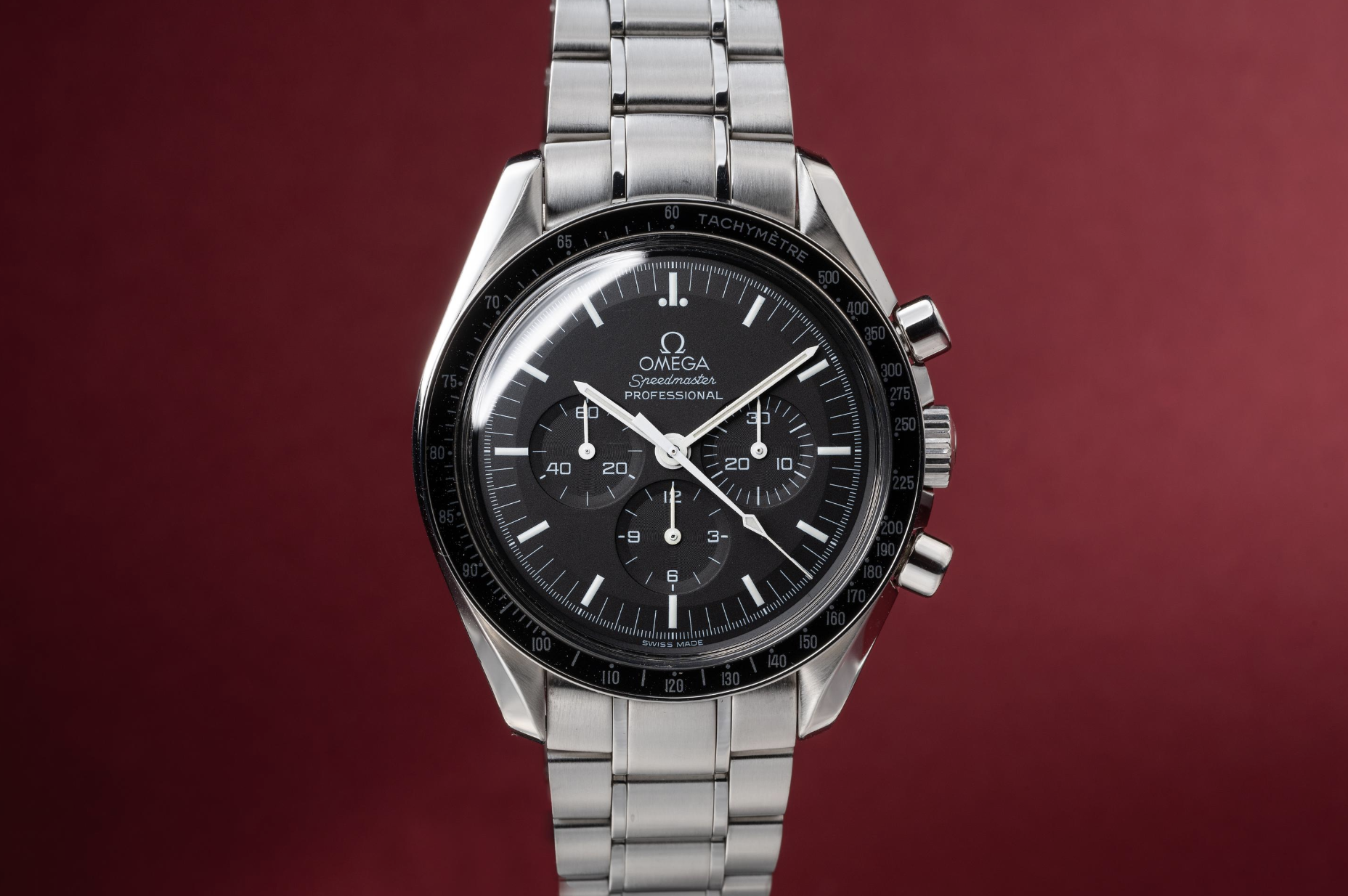


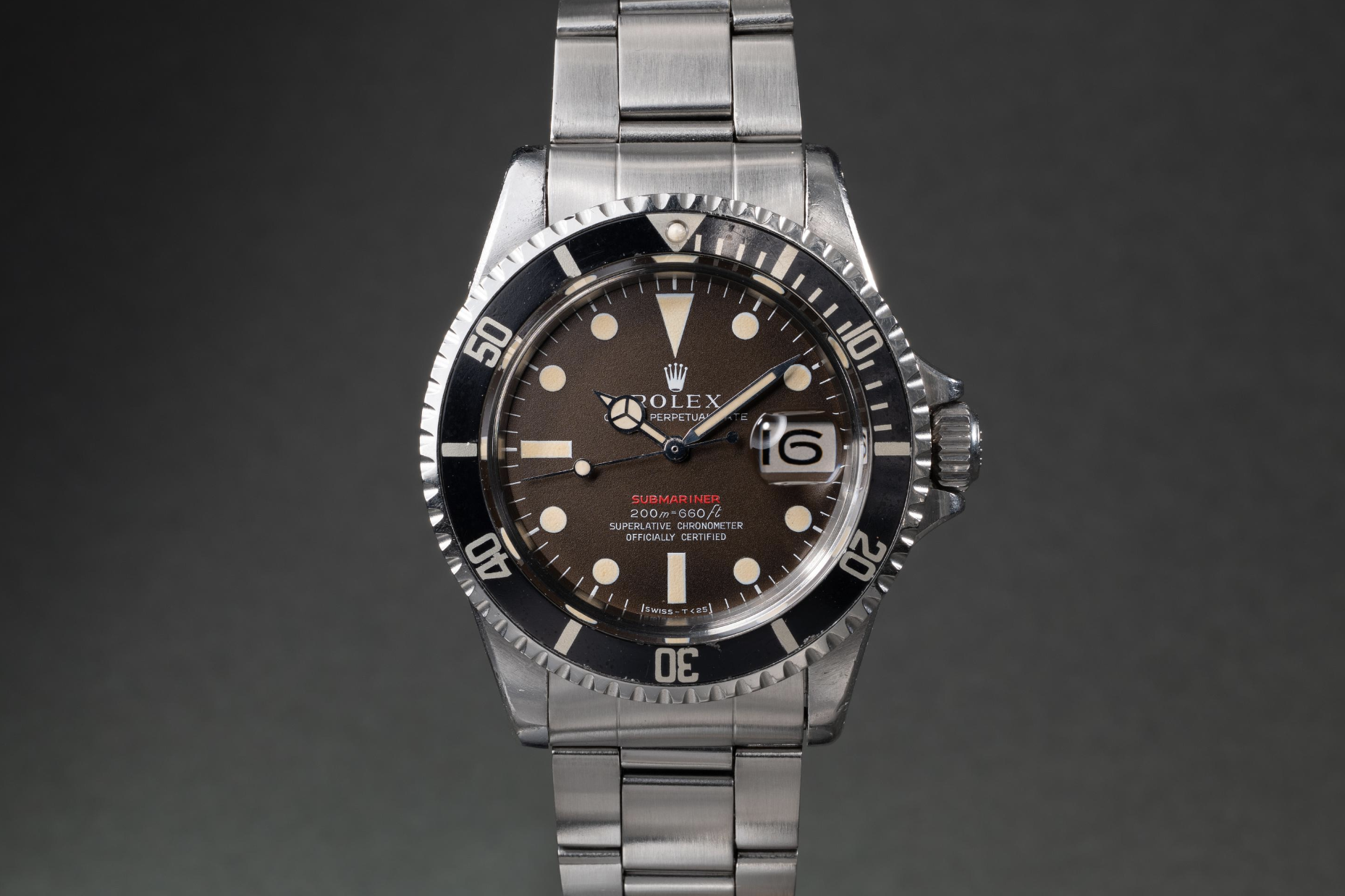


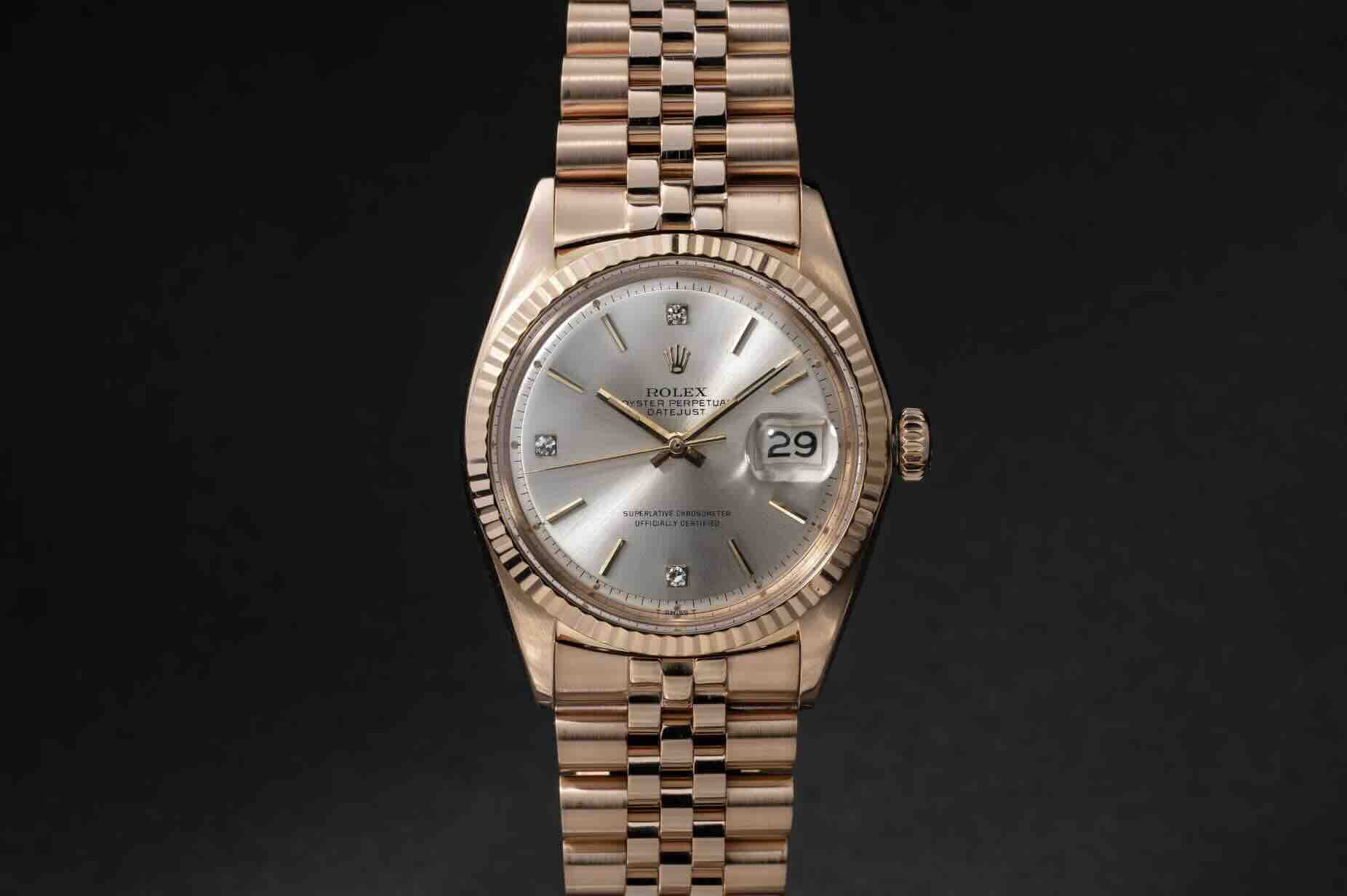


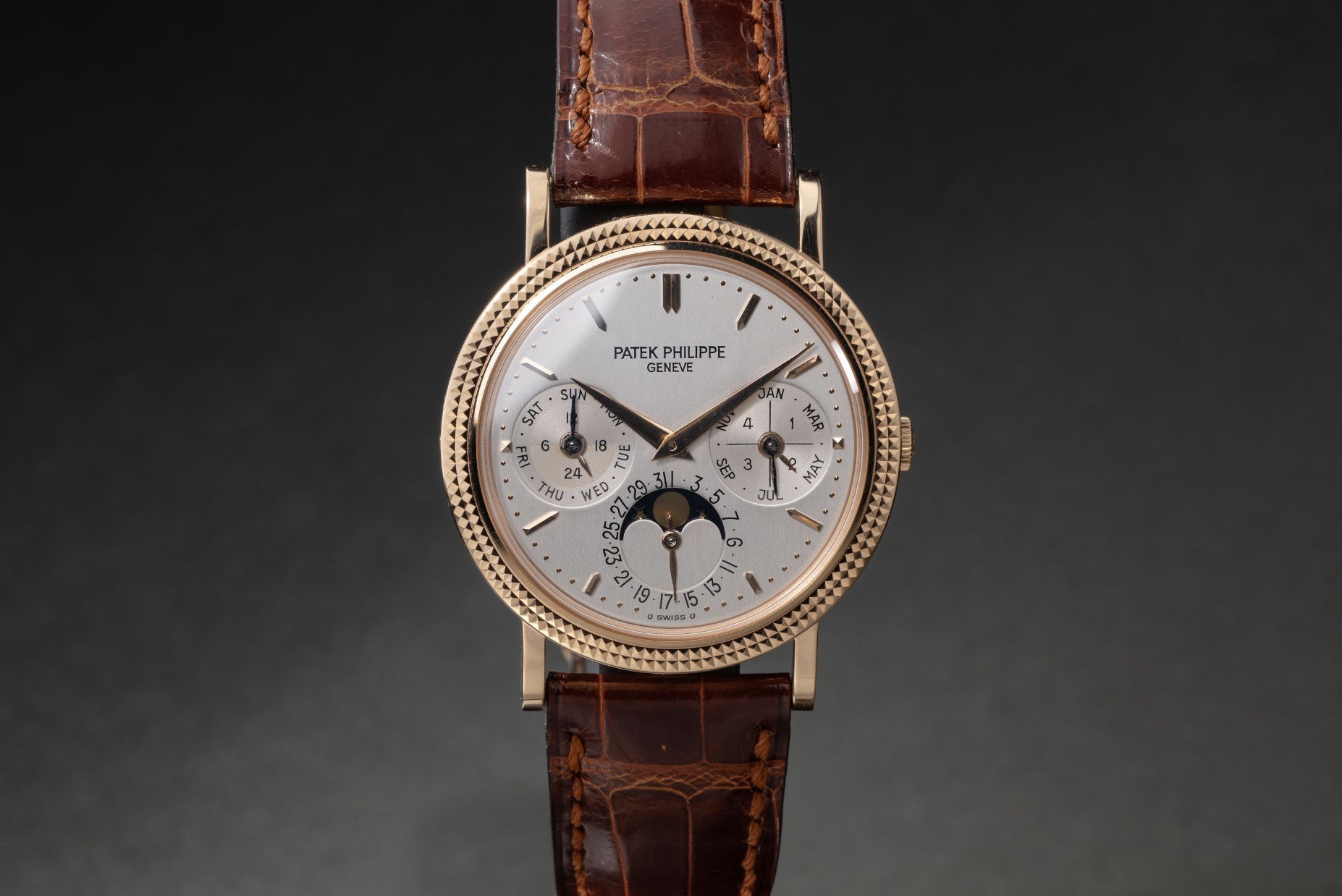




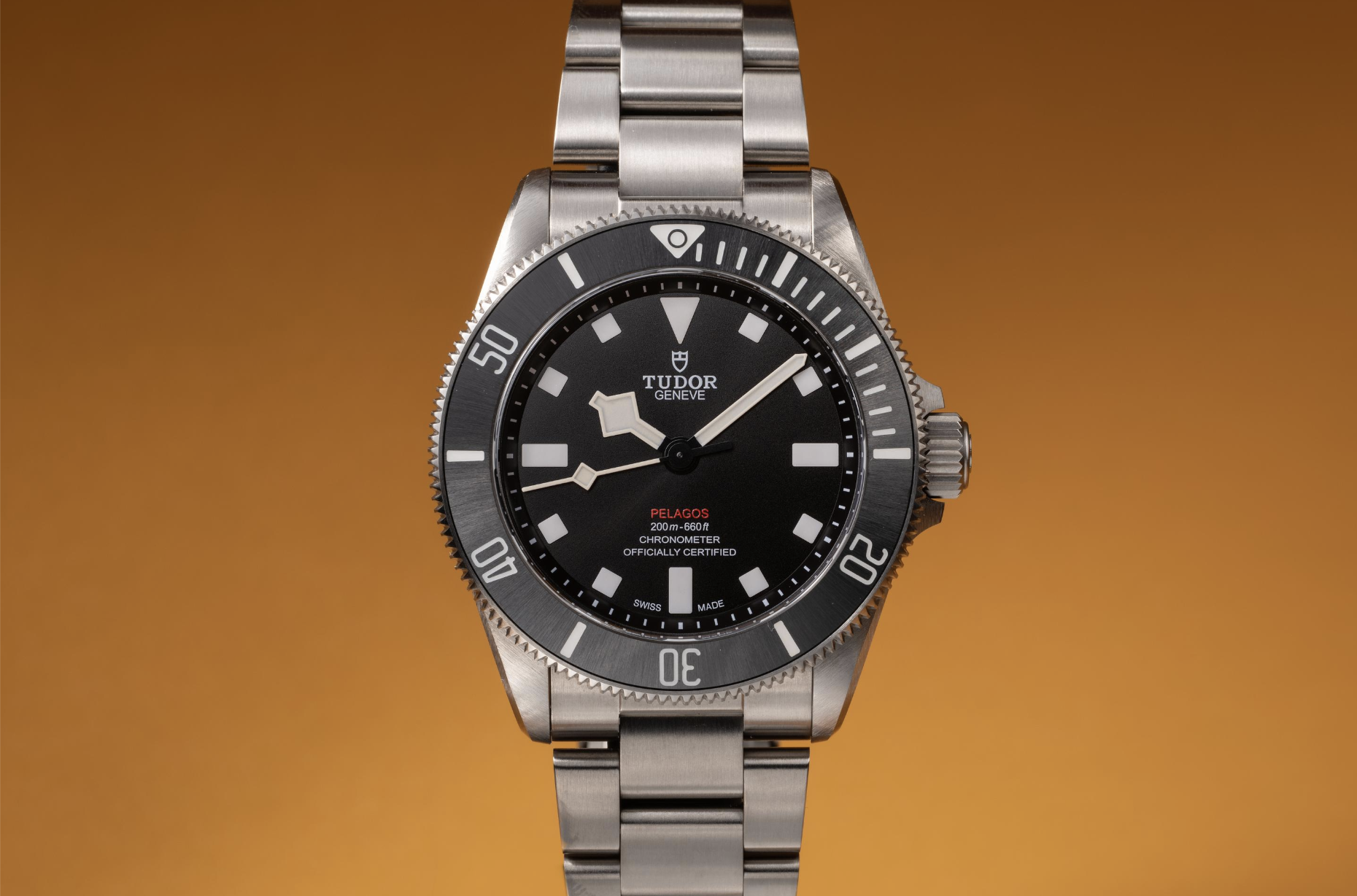
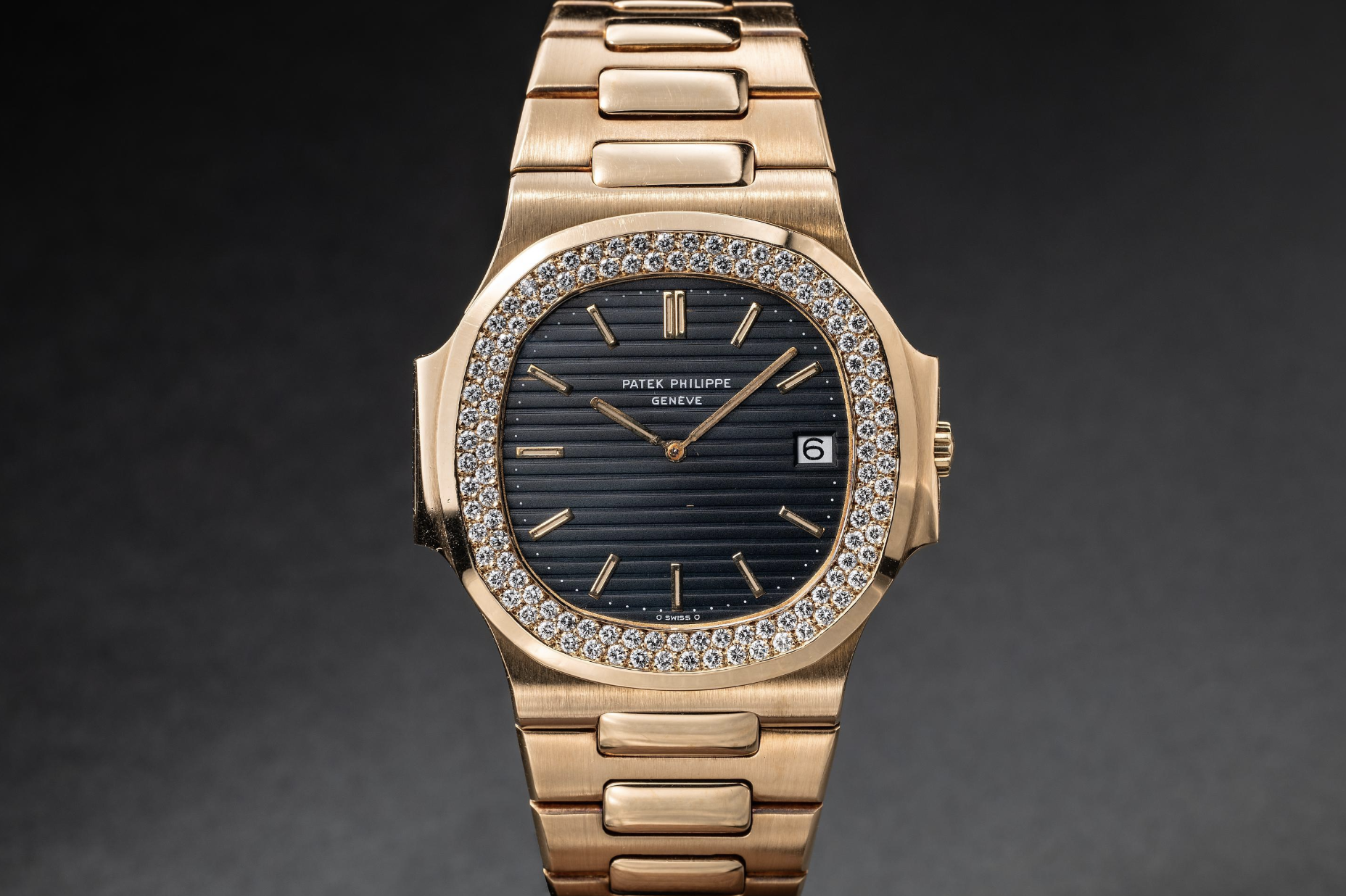

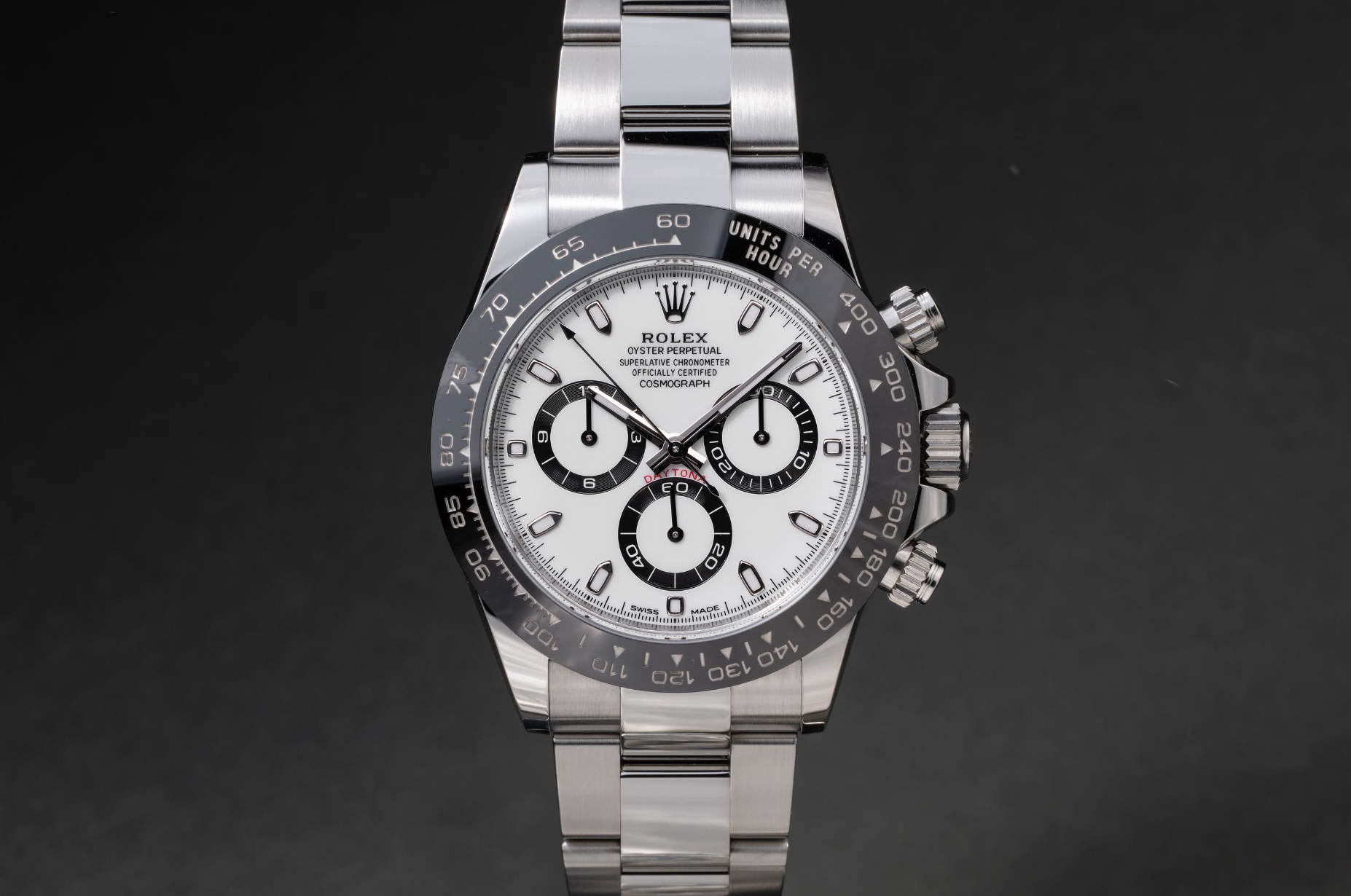

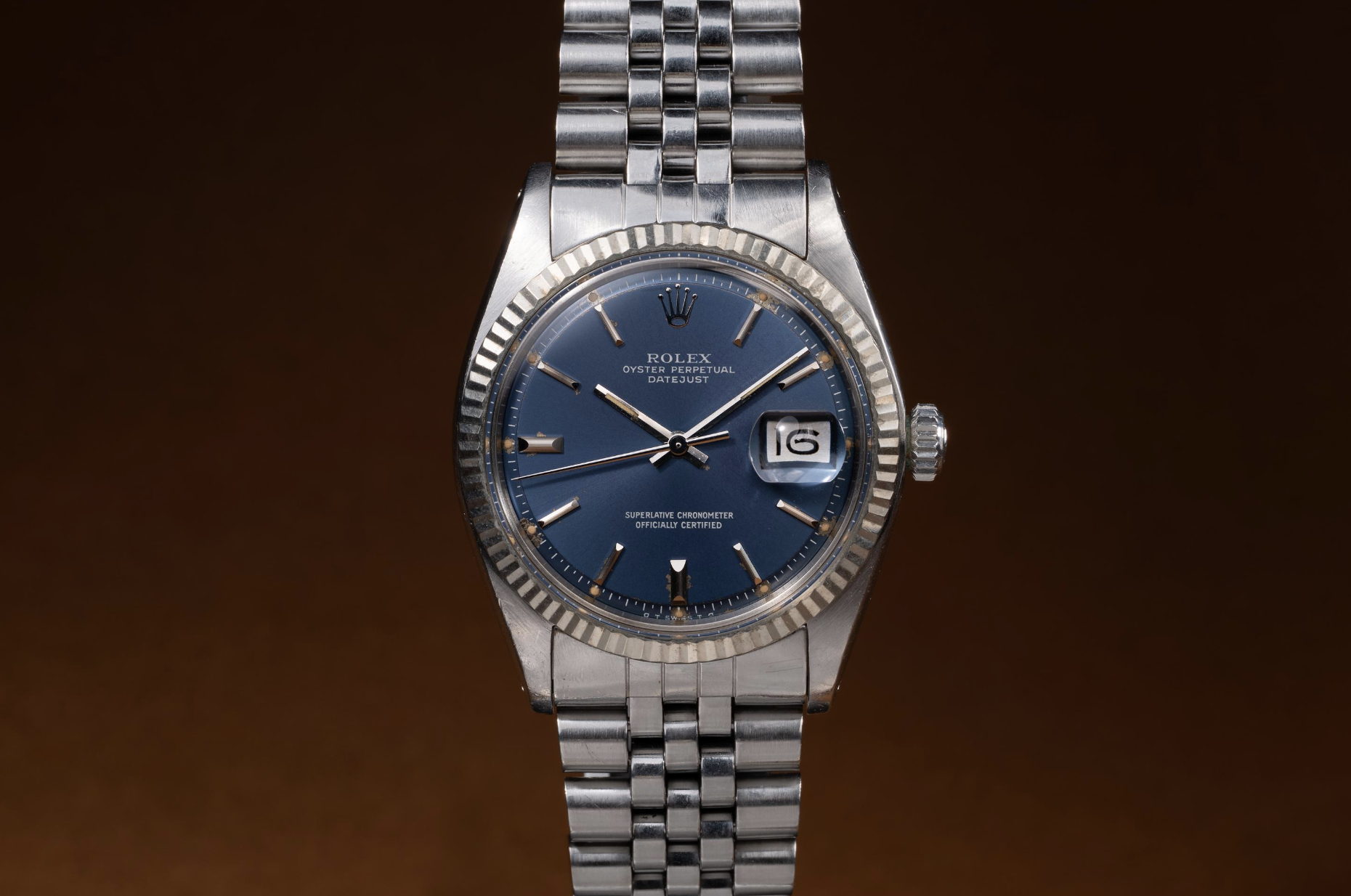
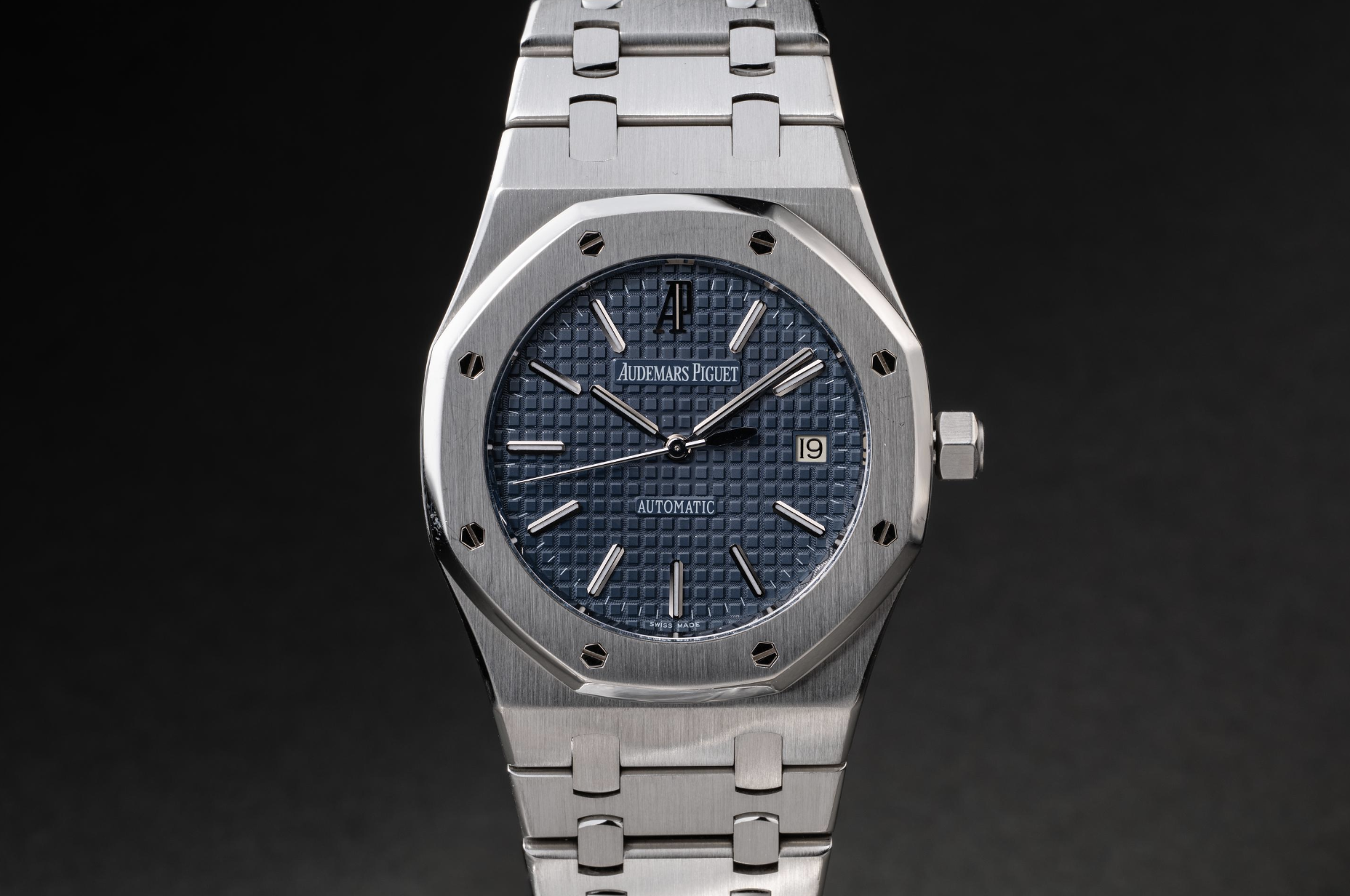
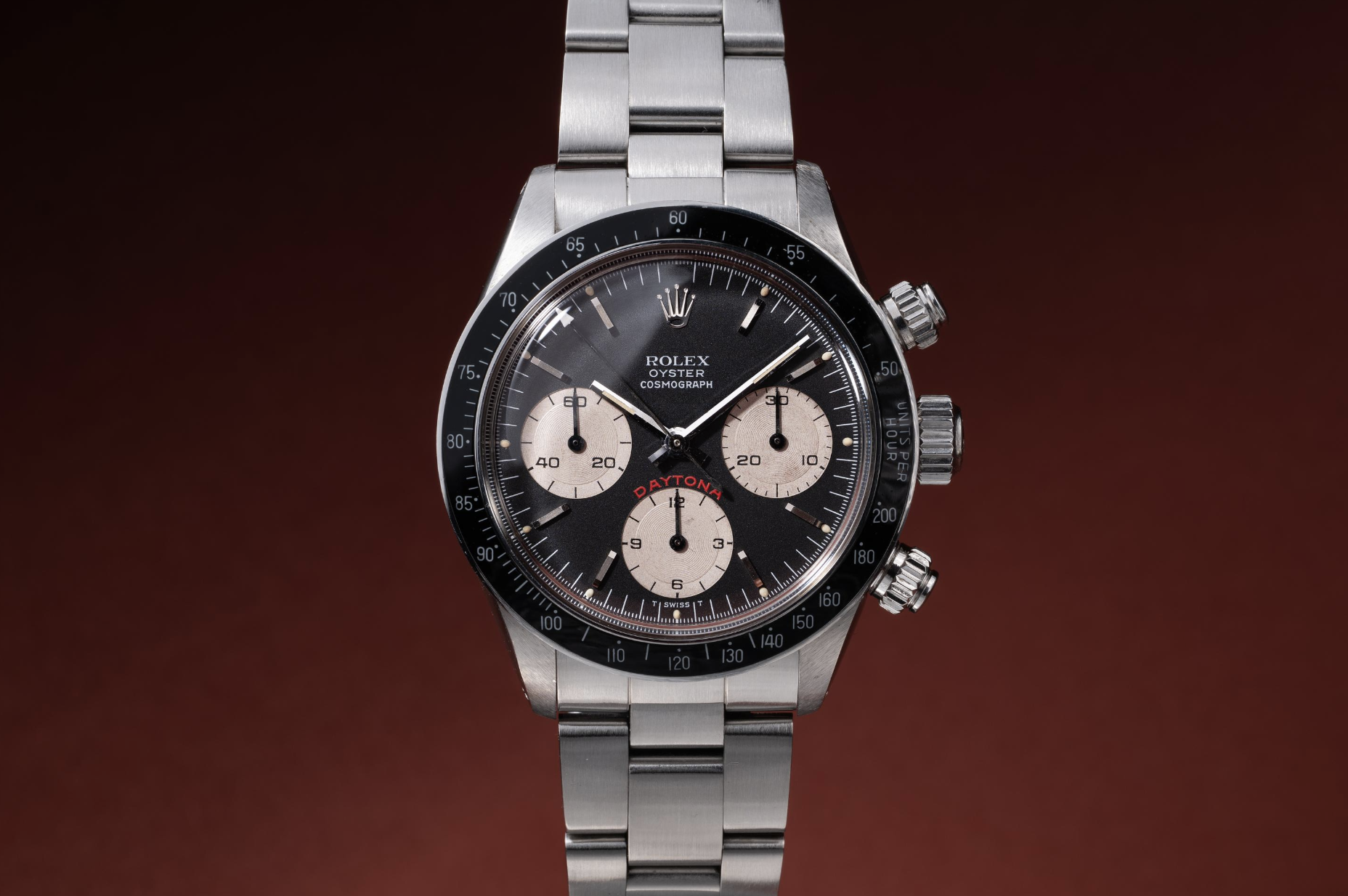
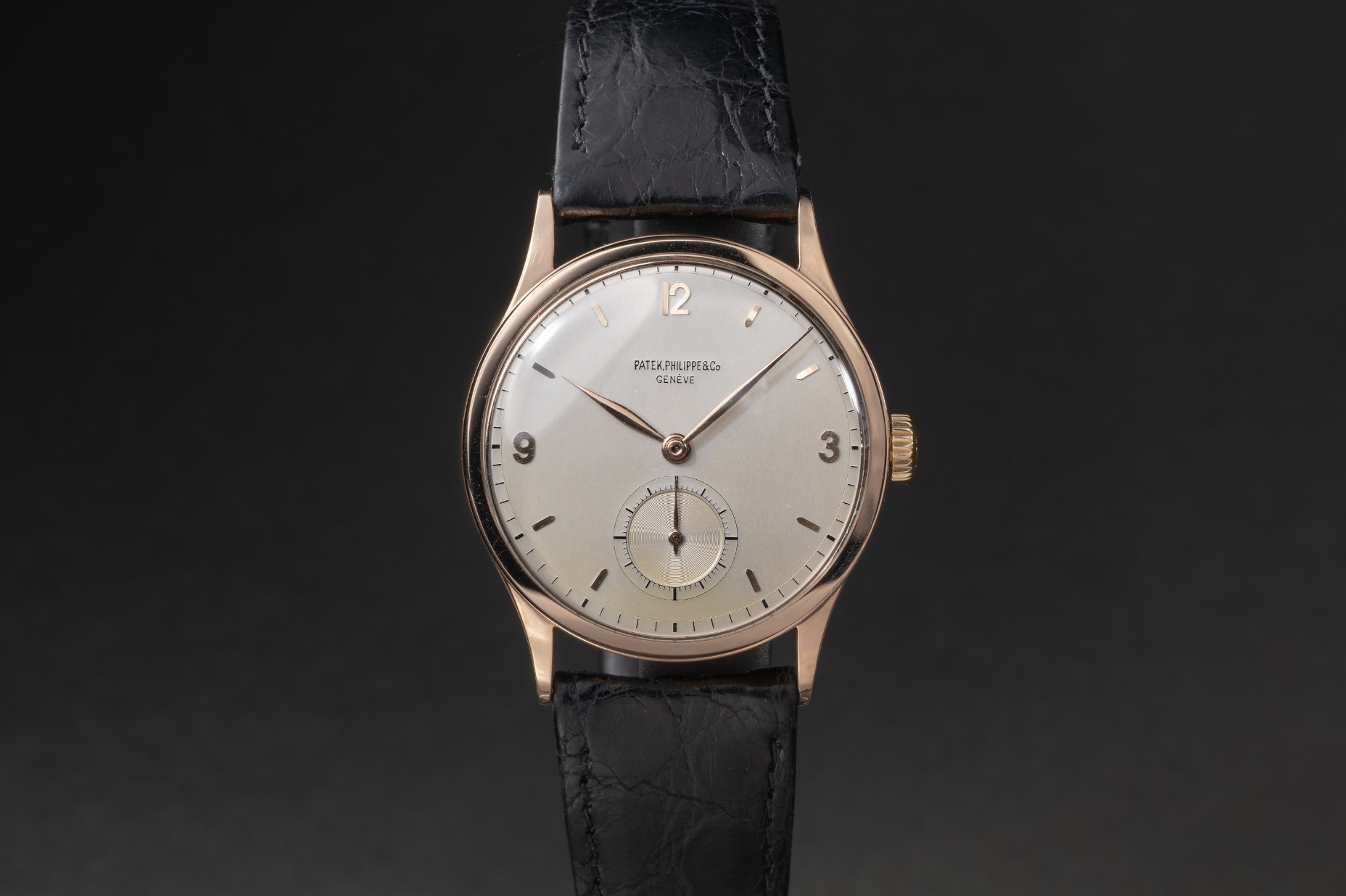
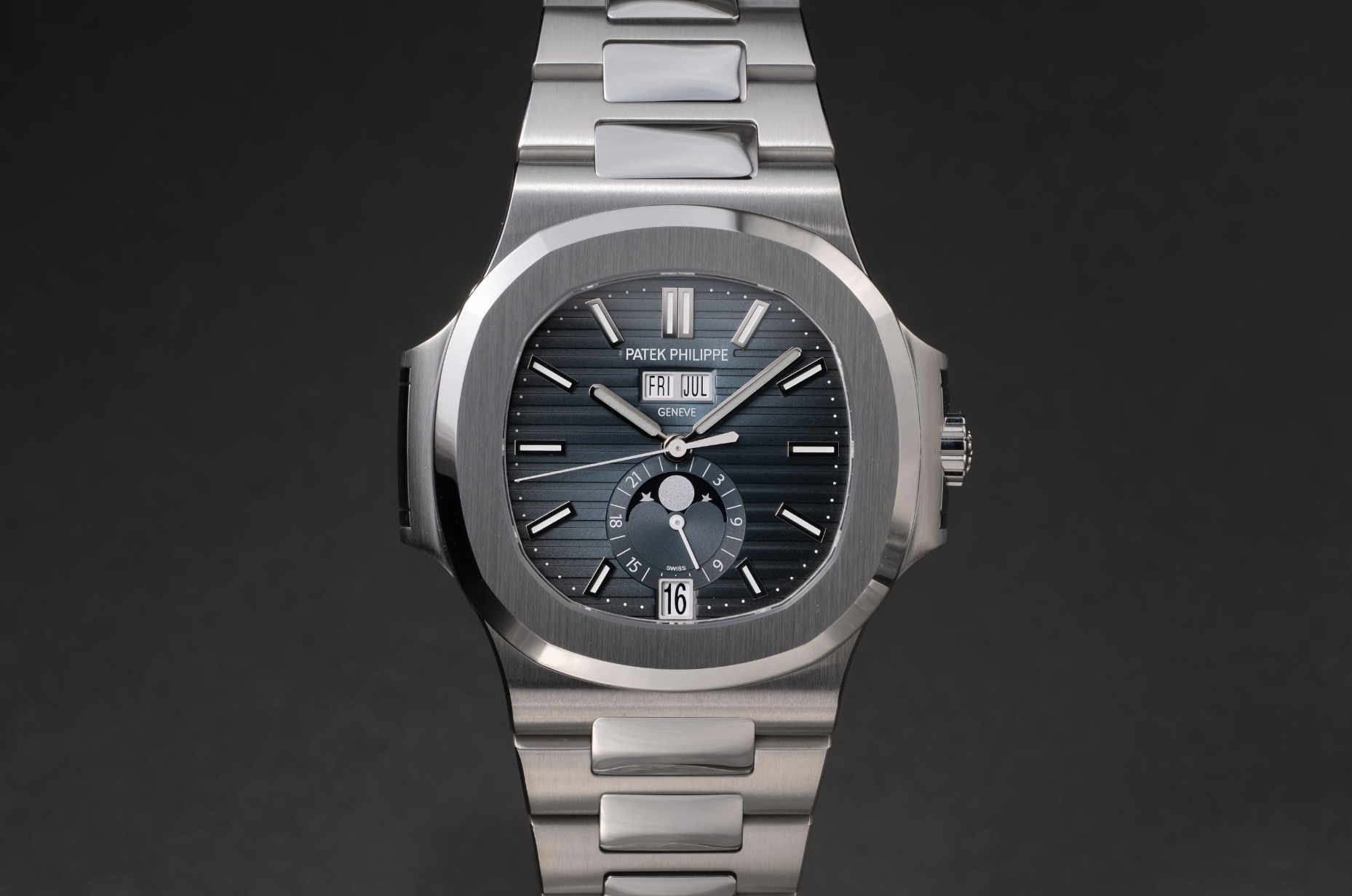
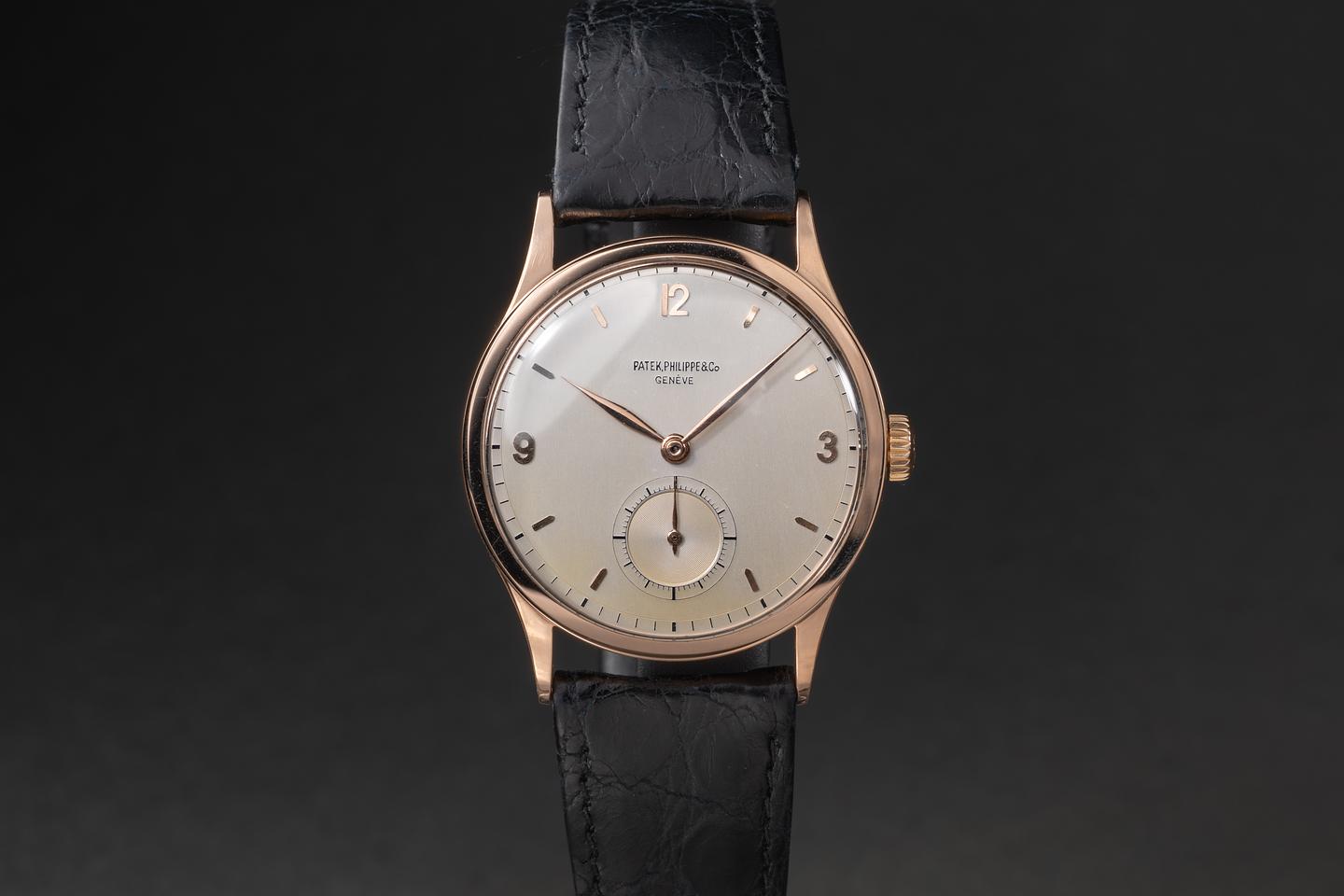
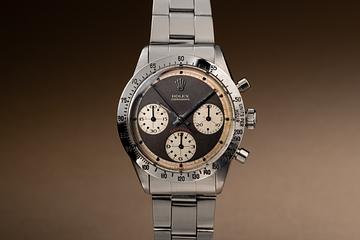


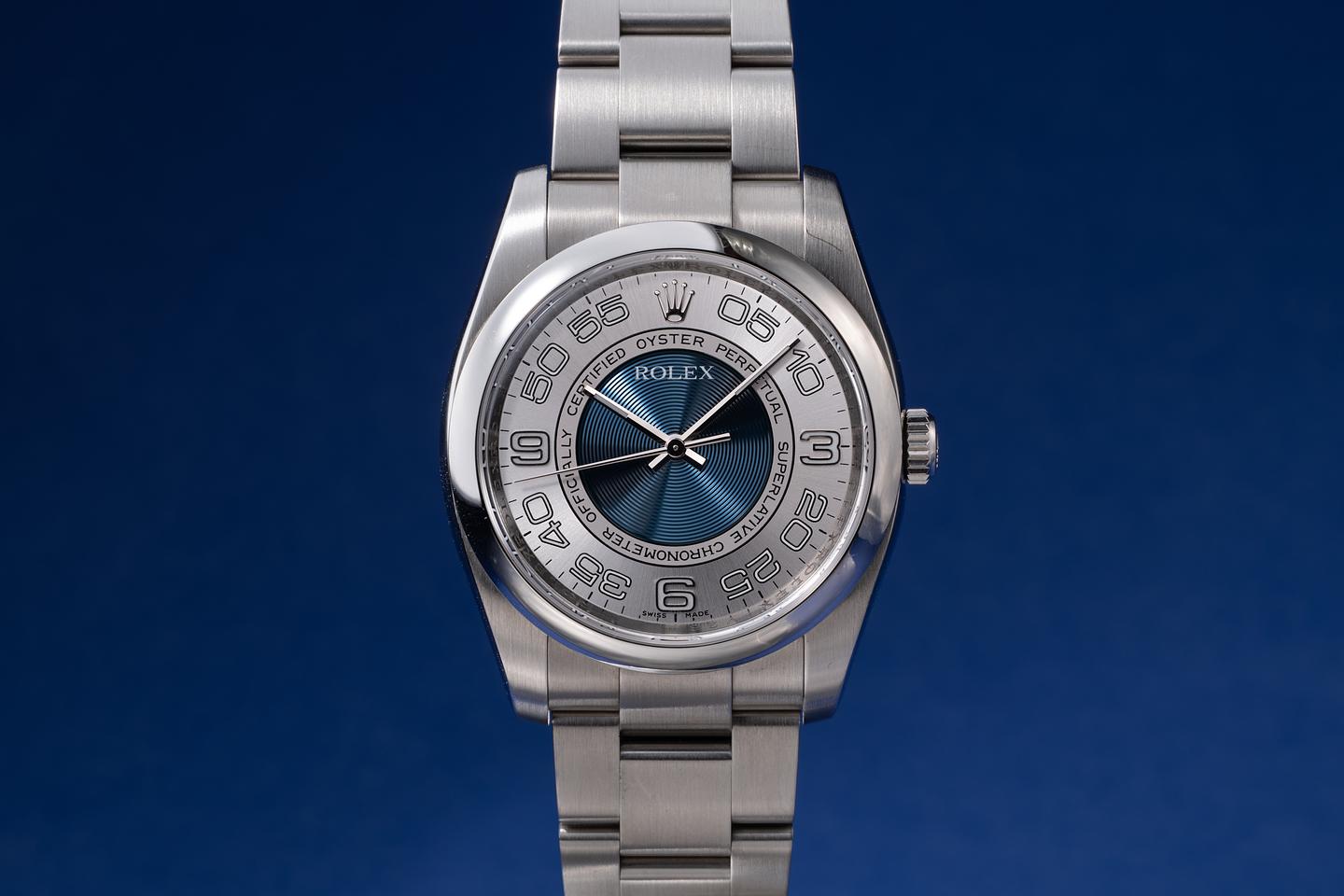

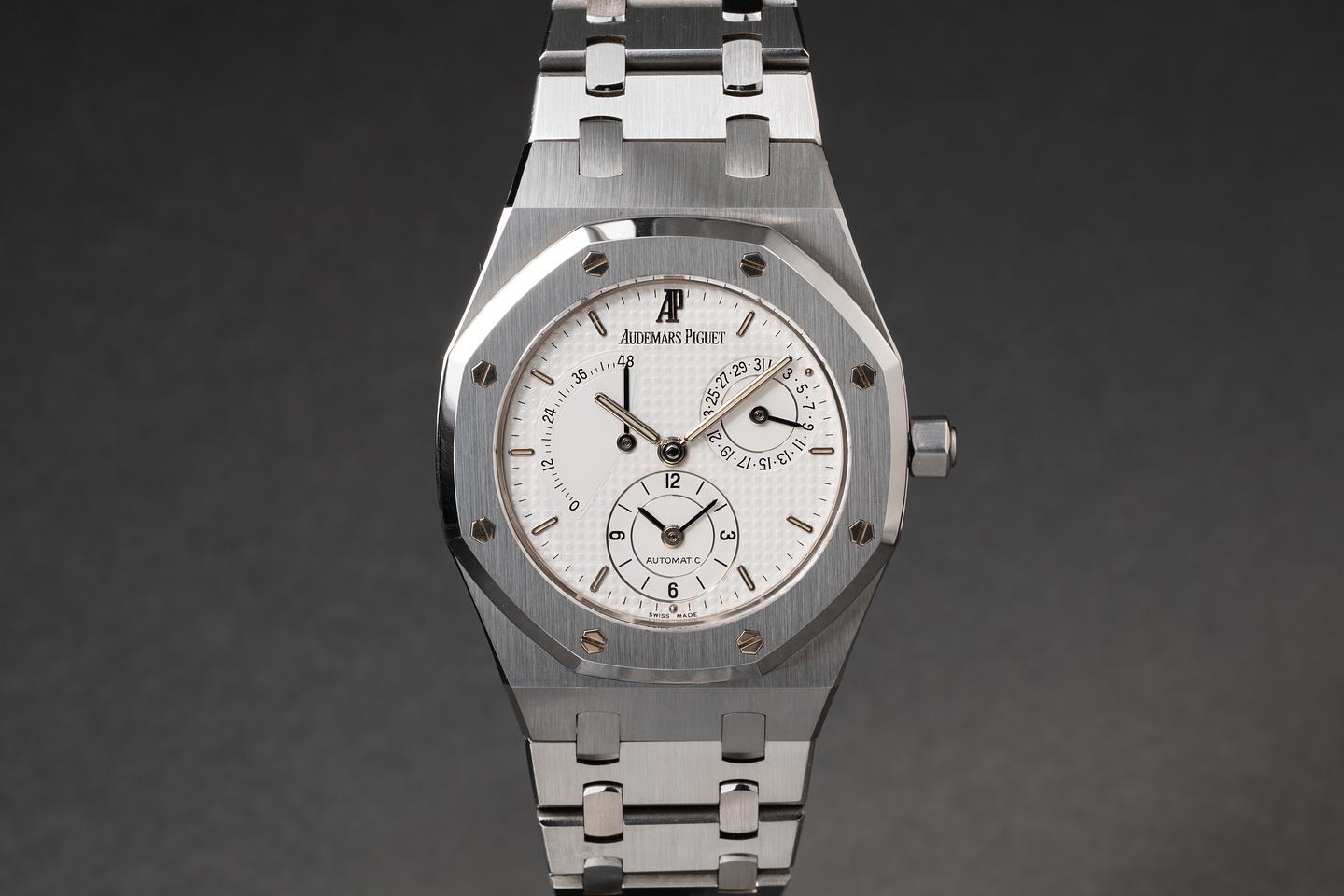

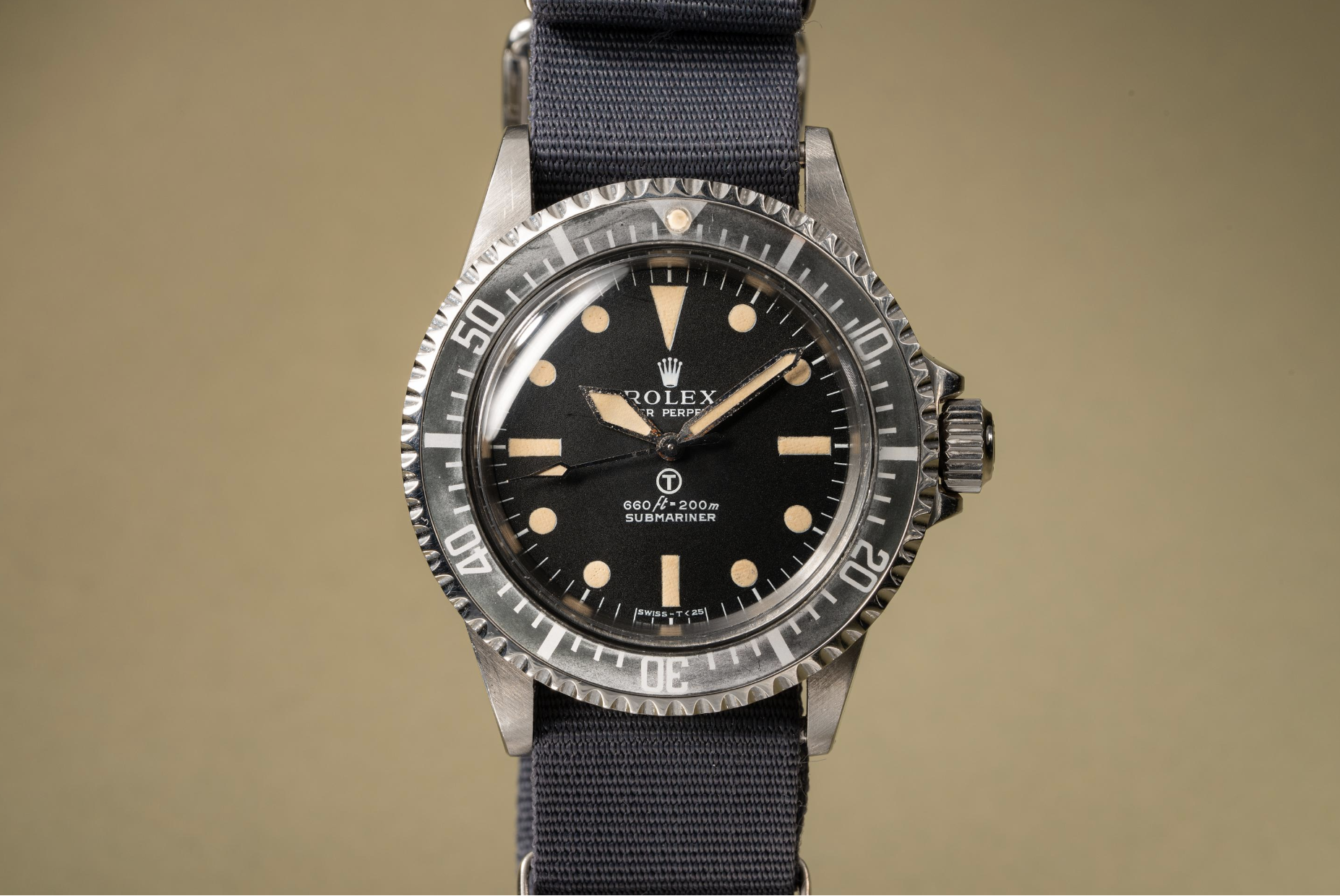
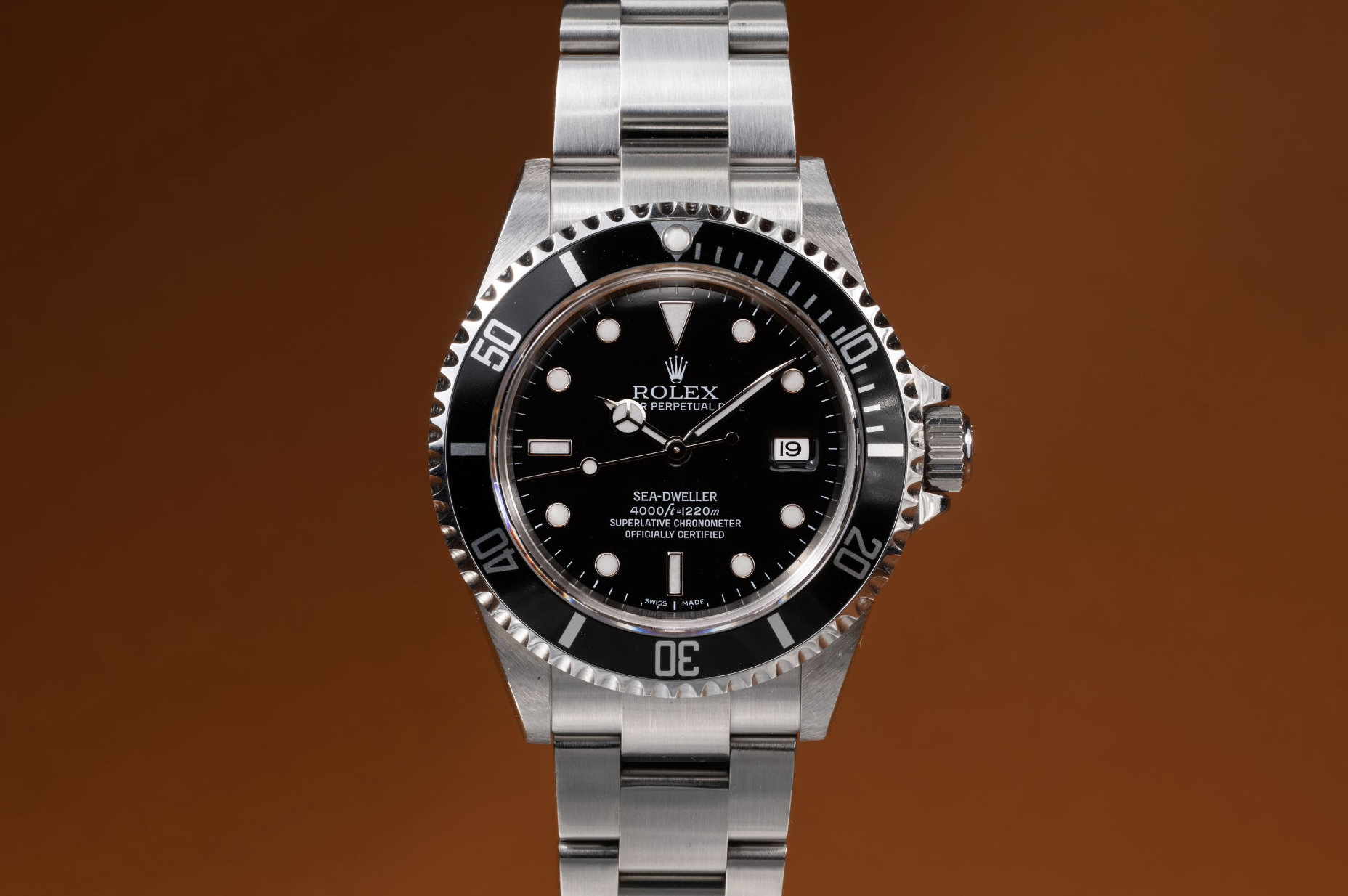
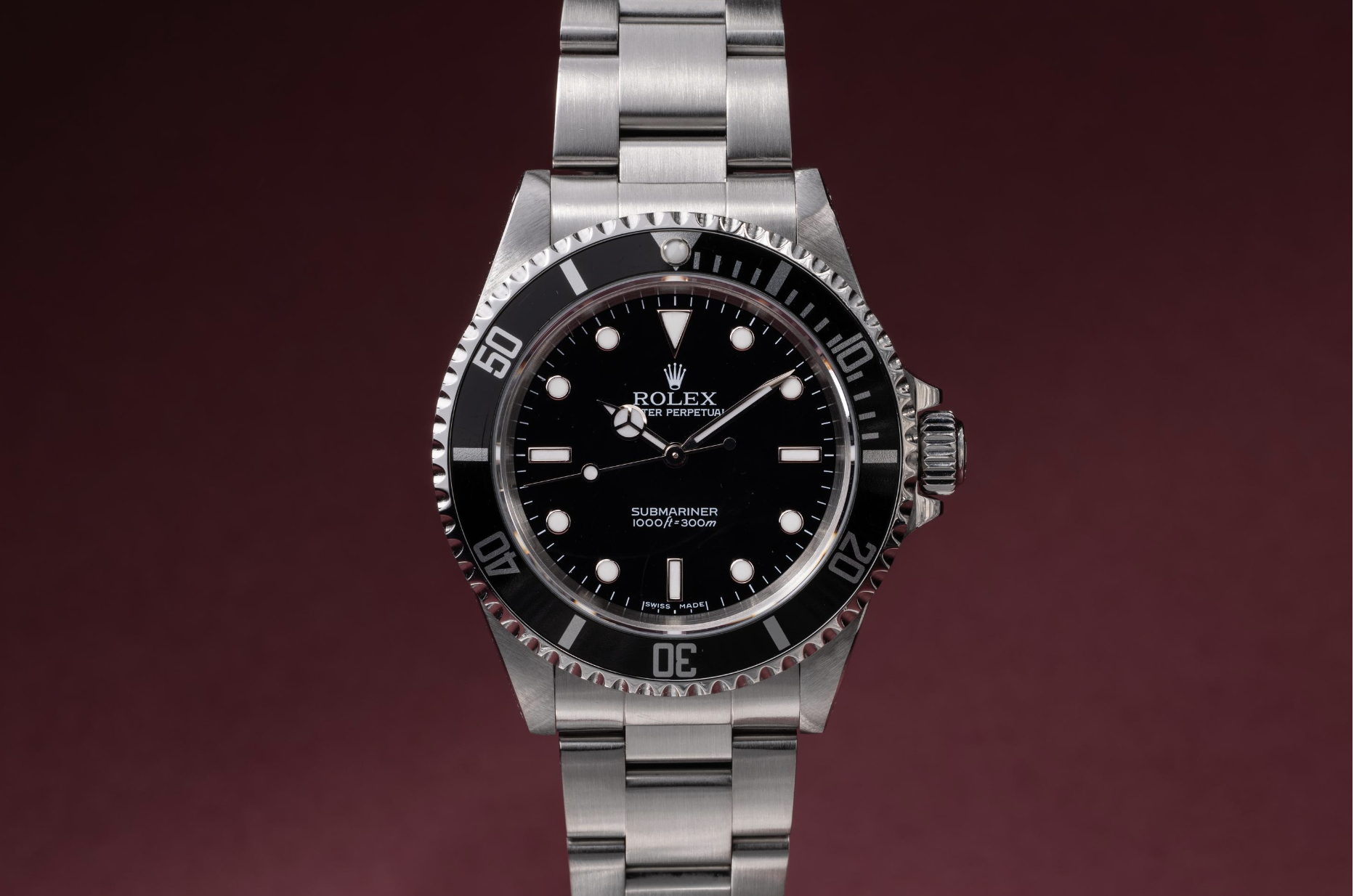
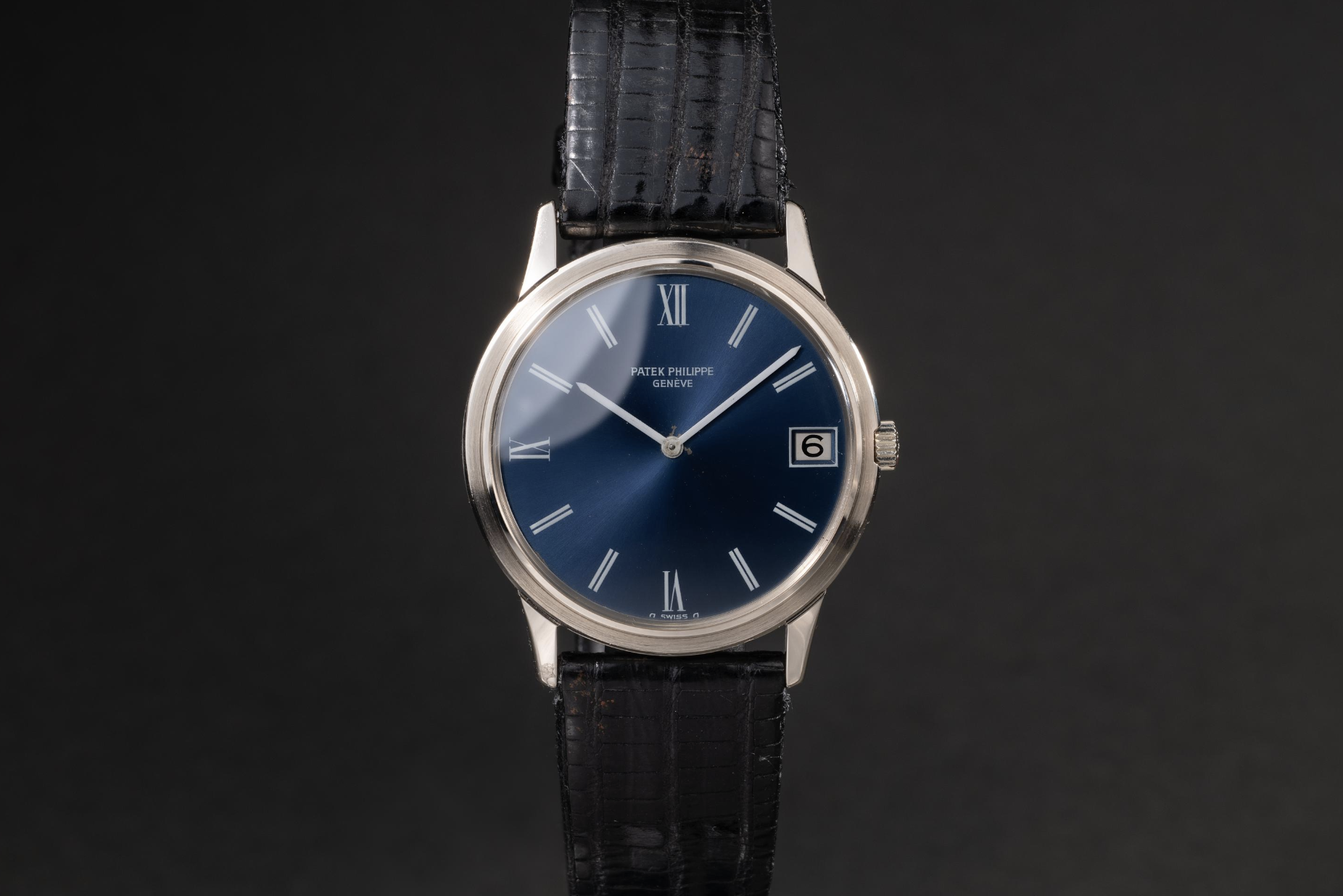





Table of Contents
Get More from the Journal