Cartier vs Rolex: Which Watch Is Right for You?

Cartier vs Rolex: Two Icons, One Very Personal Decision
There are luxury watches, and then there are Cartier and Rolex. Both brands carry the kind of weight that makes a room take notice, but they achieve that status in very different ways. If you have been trying to decide between the two, you are not alone. This is one of the most common questions in the watch world, and for good reason. The answer depends entirely on what you value, how you wear your watch, and what you want it to say about you. This guide breaks down both brands honestly, covering their history, design philosophy, movement credentials, and long-term value so you can make a genuinely informed decision.
A Brief History of Both Houses
Cartier was founded in Paris in 1847 by Louis-Francois Cartier. It began as a jewelry house before evolving into one of the most recognized names in luxury timepieces. The Santos, introduced in 1904, is widely credited as one of the first wristwatches designed for everyday use. Cartier has always sat at the crossroads of fine jewelry and watchmaking, and that dual identity has shaped everything from its case designs to its clientele. Rolex, by contrast, was founded in London in 1905 by Hans Wilsdorf, who later relocated the company to Geneva. From the beginning, Wilsdorf had a focused mission: create reliable, accurate wristwatches that could prove themselves in the real world. By 1910, a Rolex had earned the first wristwatch chronometer certification in Switzerland. That culture of technical credibility became the brand's north star, and it has never wavered.
Design Philosophy: Art Versus Engineering
This is where the two brands diverge most clearly. Cartier approaches watchmaking with the eye of a jeweler. Its cases are often rectangular or shaped, its dials restrained and elegant, and its overall aesthetic closer to fine art than mechanical engineering. The Tank, introduced in 1917 and reportedly inspired by the aerial view of military tanks on the Western Front, remains one of the most imitated watch designs in history. The Ballon Bleu, the Santos, the Panthere, each one carries a sculptural quality that prioritizes form alongside function. Rolex approaches design from the opposite direction. The Oyster case, developed in 1926, was the world's first waterproof wristwatch case, and it remains structurally unchanged in principle today. Every design decision Rolex makes is filtered through the question of durability and legibility. The Submariner, the Datejust, the Day-Date, these are watches built to perform, and they look exactly like that. Clean, purposeful, unambiguous.
Movement and Technical Credentials
Rolex manufactures its own movements entirely in-house, from the mainspring to the oscillator. The brand introduced the Perpetual rotor in 1931, the first self-winding mechanism using a bidirectional rotor, which became the foundation for virtually every automatic watch made since. Today, Rolex movements are certified as superlative chronometers, a proprietary standard that exceeds the official COSC benchmark. Cartier's movement credentials are more layered. Many of Cartier's watches use movements supplied by ETA or Sellita, which are reliable Swiss ebauches widely used across the industry. However, Cartier also produces its own movements through its Manufacture Cartier division, including the caliber 1904-MC and several exceptional complicated movements. For the pure movement enthusiast, Rolex edges ahead in terms of vertical integration and in-house manufacturing. For someone who prioritizes design and heritage over movement specs, that distinction may carry very little weight.
Resale Value and Investment Potential
This is where Rolex has a measurable advantage that is difficult to argue against. The secondary market for Rolex watches is one of the most liquid and active in the entire luxury goods space. Certain references, particularly steel sports models like the Submariner, GMT-Master II, and Daytona, have consistently appreciated in value over the past two decades. Vintage Rolex watches in particular can command prices many times their original retail value, especially examples with rare dials, original tropical patina, or desirable production characteristics. Cartier holds value reasonably well, and iconic pieces like the Tank Louis Cartier or the Santos retain strong demand in pre-owned markets. However, Cartier watches do not generally appreciate the way Rolex sports models do. If resale value and investment potential are meaningful factors in your decision, Rolex is the more straightforward choice.
Who Wears Cartier and Who Wears Rolex
Both brands attract successful, taste-conscious buyers, but the profiles do differ in meaningful ways. Cartier tends to appeal to those with a background in fashion, art, or creative industries. It carries a European sensibility and is particularly popular among women, although its men's pieces have strong followings as well. Cartier wearing is often about understated elegance with a distinct flair. Rolex appeals across a broader demographic spectrum. Athletes, executives, collectors, and first-time luxury watch buyers all gravitate toward the brand. Its legibility and sportiness make it wearable across a wide range of contexts, from boardrooms to dive boats. Neither profile is more sophisticated than the other. They simply reflect different relationships with time, style, and self-expression.
Price Points and What You Get at Each Level
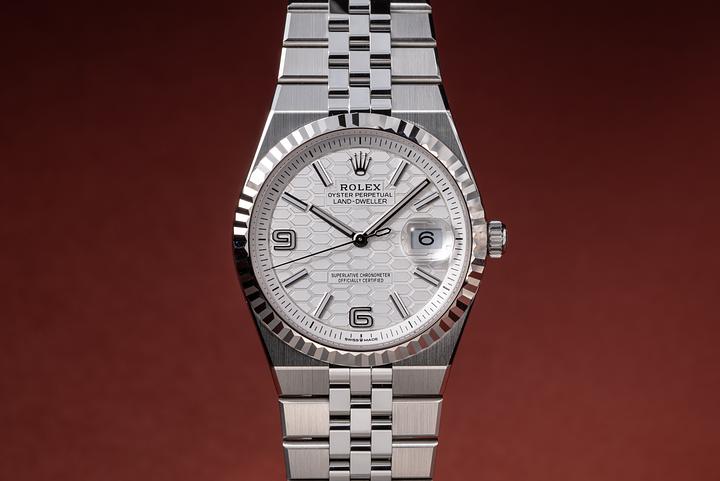
Entry-level Rolex watches, like the Oyster Perpetual, start around $5,000 to $6,000 at retail. From there, prices climb through the Datejust range into sports models and precious metal pieces that can reach well into six figures. Cartier's entry point is somewhat lower in some categories, with select Tank and Santos models available under $4,000, though the high jewelry complications can far exceed Rolex pricing. The key distinction is what you receive at each price level. Rolex delivers consistent build quality, in-house movements, and strong secondary market demand at almost every tier. Cartier delivers exceptional design, brand prestige, and jewelry-house craftsmanship. Neither is poor value for what it offers. It depends entirely on which set of attributes you are paying for.
Practical Tips for Choosing Between the Two
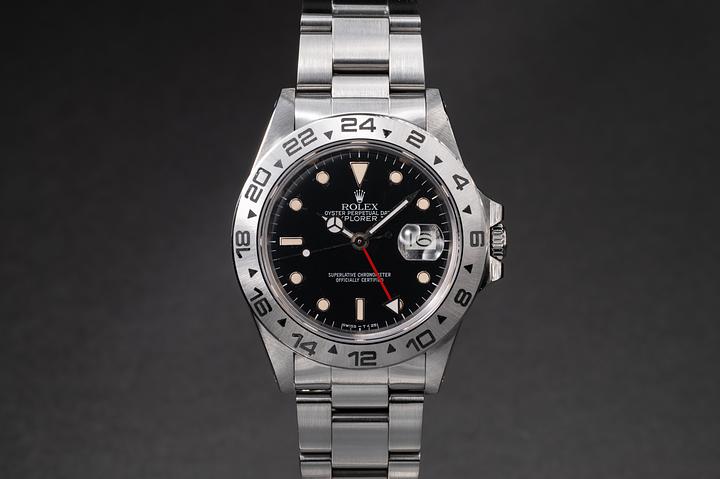
Before making a decision of this magnitude, it helps to work through a few honest questions. Consider how you plan to wear the watch. A Rolex Submariner or Explorer is genuinely built for an active lifestyle in a way that a Cartier Tank is not designed to be. Think about whether you prioritize movement transparency. If you enjoy understanding what is inside your watch and appreciating it on a technical level, Rolex offers more depth. Consider your wardrobe. Cartier tends to pair beautifully with tailored, refined dress. Rolex transitions well across casual and formal contexts. Finally, think about the long game. If this watch is also an asset you may eventually sell or pass on, Rolex has the more documented track record in terms of appreciation.
Vintage Considerations and Collectibility
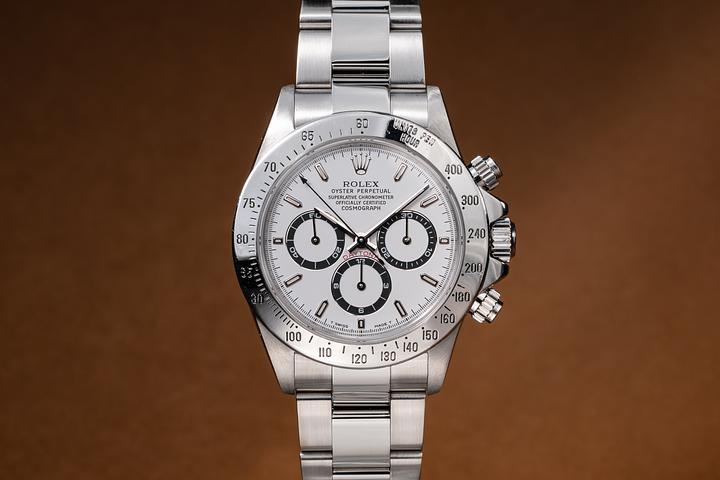
Both brands have compelling vintage markets, but the vintage Rolex category is in a class of its own. Collectors around the world focus entirely on specific Rolex references, dial variations, and production years. A 1960s Rolex Daytona with a Paul Newman dial, a Submariner with a gilt dial, or a GMT-Master with a Pepsi bezel from the right era can command prices that dwarf their original cost by orders of magnitude. Vintage Cartier is also genuinely collectible, particularly early Tank models and pieces with provenance linked to notable figures. But the organized, global infrastructure of vintage Rolex collecting, with its depth of reference literature, auction records, and specialist dealers, creates a market that is exceptionally mature and well-documented.
Why Tropical Watch Should Be Your Source for Luxury and Vintage Rolex Watches
If this comparison has pointed you toward Rolex, particularly the vintage market, the next step is finding a source you can trust completely. Tropical Watch is a specialist dealer focused on curated, authenticated luxury timepieces, with particular depth in vintage Rolex references that serious collectors actively pursue. Whether you are searching for a specific reference, a rare dial variation, or simply the right entry point into the world of collectible Rolex, the team at Tropical Watch brings the expertise and inventory to match. For anyone ready to explore authenticated vintage and pre-owned options, finding rare vintage Rolex watches from a trusted specialist dealer starts with working with people who understand what makes each piece significant. The market for collectible Rolex is active and competitive, and having a knowledgeable partner on your side makes every difference in finding the right watch at the right price.
Frequently Asked Questions About Cartier vs Rolex
Is Cartier considered as prestigious as Rolex?
Yes, both brands carry exceptional prestige, though in different contexts. Cartier is considered one of the great jewelry and watch houses in the world, while Rolex is widely regarded as the benchmark for Swiss watchmaking reliability and brand recognition. Neither is universally superior; the prestige each carries simply expresses itself differently.
Which holds its value better, Cartier or Rolex?
Rolex generally holds and appreciates in value more consistently than Cartier, particularly for sports models and vintage references. Cartier retains value reasonably well in the pre-owned market, but Rolex has a more documented track record of appreciation across a wider range of references.
Are Cartier watches good quality from a mechanical standpoint?
Cartier watches are well-made and use reliable movements, including both supplied ebauches and in-house calibers from Manufacture Cartier. They meet high standards of quality and finishing. However, Rolex is generally recognized for deeper in-house movement development and a more rigorous proprietary certification process.
Which brand is better for a first luxury watch purchase?
This depends on your lifestyle and priorities. Rolex is often recommended as a first serious luxury watch because of its versatility, durability, and strong resale market. Cartier is an excellent first purchase for someone drawn to design, jewelry aesthetics, and European elegance. Both are genuinely solid entry points into luxury watchmaking.
Do Cartier watches work for men or are they primarily for women?
Cartier makes watches for both men and women, and several of its most iconic references, including the Santos and the Tank, have long histories as men's timepieces. While Cartier does have a particularly strong following among women, dismissing its men's range entirely would overlook some genuinely distinguished watches.
What makes vintage Rolex watches so valuable compared to vintage Cartier?
Vintage Rolex values are driven by an exceptionally organized global collector community, deep reference documentation, and consistent auction market demand. Specific dial variations, case conditions, and production details can significantly affect value. Vintage Cartier is collectible, but does not have the same infrastructure of specialist knowledge, auction results, and cross-market demand that drives vintage Rolex pricing.