Best Luxury Watches for Men: Top Brands and Buying Tips
What Makes a Luxury Watch Worth the Investment?
There is something undeniable about a well-crafted luxury watch sitting on your wrist. It tells time, yes, but it also tells a story. The best luxury watches for men represent decades, sometimes centuries, of horological innovation, craftsmanship traditions, and design philosophy. These are not mass-produced accessories. They are the result of skilled artisans, precision engineering, and an obsessive attention to detail that most industries simply do not require. Whether you are drawn to the mechanical complexity of a tourbillon or the quiet elegance of a simple three-hand dress watch, the luxury watch world has depth that rewards the curious and the patient. This guide is designed to help you understand what separates a truly great luxury timepiece from the rest, which brands lead the field, and how to approach buying one with confidence.
A Brief History of the Luxury Watch Industry
The origins of fine watchmaking trace back to 16th-century Europe, particularly in Switzerland and Germany. Peter Henlein, a German locksmith, is often credited with creating one of the first portable timepieces around 1510. But it was the Swiss watchmaking valleys, particularly the Vallée de Joux and the region around Geneva and Le Locle, that became the true incubators of what we now call haute horlogerie. By the 18th century, watchmakers like Abraham-Louis Breguet were transforming the watch from a functional tool into an object of art and engineering mastery. The 20th century brought major milestones: Rolex introduced the first waterproof wristwatch in 1926, Patek Philippe patented the perpetual calendar wristwatch in 1925, and Omega famously accompanied astronauts to the moon in 1969. Understanding this heritage is important because it explains why certain brands command the prices and the reverence they do. You are not just buying a watch. You are participating in a legacy.
The Top Luxury Watch Brands Every Man Should Know
The luxury watch market is home to dozens of respected manufacturers, but a handful of names consistently sit at the top of every conversation. Each of these brands brings a distinct identity, movement philosophy, and collector following.
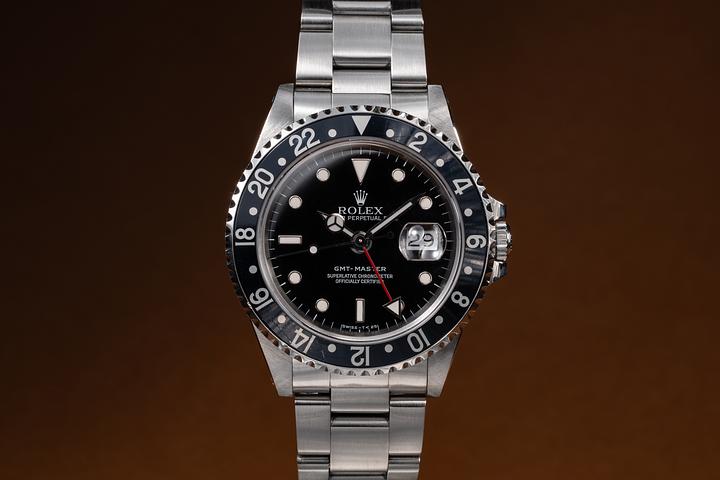
- Rolex is the most recognized luxury watch brand in the world, known for its robust, reliable movements and iconic designs like the Submariner, Datejust, and GMT-Master II.
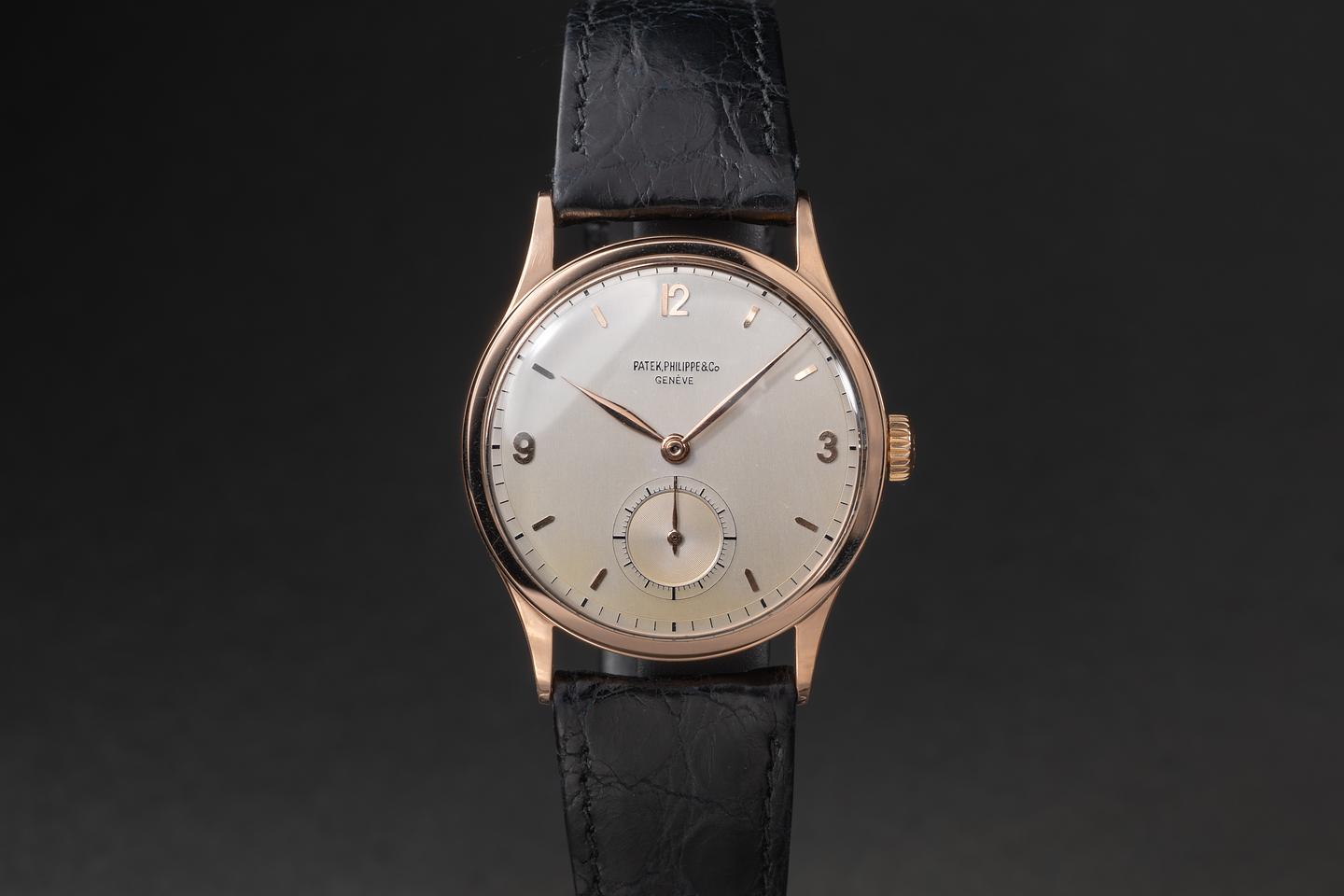
- Patek Philippe is widely considered the pinnacle of Swiss watchmaking, producing highly complicated movements entirely in-house. Their perpetual calendar and minute repeater pieces are legendary.
- Audemars Piguet introduced the Royal Oak in 1972, a stainless steel luxury sports watch that permanently shifted how the industry thought about material and price positioning.
- A. Lange and Sohne represents German precision at its finest. Based in Glashutte, their movements are hand-finished to a level that even veteran collectors find extraordinary.
- Vacheron Constantin, founded in 1755, holds the distinction of being the oldest continuously operating watch manufacturer in the world.
- IWC Schaffhausen is a Swiss brand with a strong aerospace and pilot watch heritage, known for the Portugieser and Big Pilot collections.
Each of these brands carries resale value, historical significance, and a collector base that supports long-term market demand. Starting with one of these names is rarely the wrong decision.
Movement Types Explained: Mechanical vs. Quartz vs. Automatic
The movement inside a watch is its engine, and the type of movement matters enormously in the luxury context. Mechanical watches are powered by a coiled mainspring, wound by hand. They require no battery and are celebrated for their complexity and craftsmanship. Automatic watches are mechanically similar but use a rotor that winds the mainspring through the motion of the wearer's wrist, eliminating the need for manual winding. Quartz movements, powered by a battery and regulated by a vibrating quartz crystal, are highly accurate but are generally not the focus of serious luxury watch collecting. Virtually all of the most respected luxury watches for men are mechanical or automatic. The reason is philosophical as much as practical. A mechanical watch is a living machine. It requires care, servicing, and attention. That relationship between owner and timepiece is part of what makes the category so enduring.
Key Features to Look for in a Luxury Men's Watch
Choosing a luxury watch involves more than picking a brand name you recognize. Several technical and aesthetic factors should guide your decision.
- Case material: Stainless steel offers durability and classic appeal. Gold adds weight and warmth. Titanium is lightweight and hypoallergenic. Platinum is the rarest and heaviest precious metal used in watchmaking.
- Case size: Most men's watches fall between 38mm and 44mm. Dress watches tend toward the smaller end; sport and pilot watches often run larger.
- Water resistance: Measured in meters or ATM, this is critical if you plan to wear your watch near water. Dive watches like the Rolex Submariner are rated to 300 meters or more.
- Movement finishing: Hand-applied beveling, Geneva stripes, and perlage finishing inside the movement are markers of quality that distinguish true haute horlogerie from entry-level luxury.
- Dial legibility: A well-designed dial is readable at a glance without sacrificing aesthetic intention.
- Strap and bracelet quality: Integrated bracelets with brushed and polished surfaces, or hand-stitched leather straps from premium tanneries, reflect the overall quality of the piece.
Iconic Models That Define the Category
Certain watches have earned an almost mythological status in the collector world. The Rolex Submariner, introduced in 1953, remains the reference point for sport luxury watches. The Patek Philippe Nautilus, designed by Gerald Genta in 1976, sparked a genre of integrated-bracelet luxury sports watches that still dominates the market today. The Audemars Piguet Royal Oak, also by Genta and introduced in 1972, was the original luxury sports watch and set a template that dozens of brands have since attempted to follow. For dress watch enthusiasts, the Jaeger-LeCoultre Master Ultra Thin and the Vacheron Constantin Patrimony offer elegance without excess. The IWC Big Pilot appeals to those who want something with presence and a strong aviation narrative. Knowing these reference points helps you understand how individual pieces are positioned and why they hold value.
How to Buy a Luxury Watch the Right Way
Purchasing a luxury watch is a significant financial decision, and approaching it with some preparation pays off considerably. First, define your purpose. Is this a daily wearer, an investment piece, or a special occasion watch? Second, establish a realistic budget that accounts not just for purchase price but for servicing costs over time. Mechanical watches should be serviced every five to eight years, and service costs on high-end pieces can run into the thousands. Third, understand the difference between buying new from an authorized dealer and buying pre-owned from a reputable specialist. Pre-owned markets, particularly for vintage Rolex and other classic references, offer access to discontinued models and, in many cases, better value. Fourth, always verify authenticity through trusted sources, whether that means an authorized dealer, a certified watchmaker's inspection, or a specialist retailer with a strong provenance track record.
Vintage vs. Modern Luxury Watches: Which Is Right for You?
The conversation around vintage versus modern luxury watches is genuinely nuanced. Modern watches benefit from updated movement tolerances, improved water resistance standards, and manufacturer warranties. Vintage watches, particularly pieces from the 1950s through the 1980s, carry historical character that modern production simply cannot replicate. Dials age in unique ways, developing what collectors call a tropical patina on certain models. Case profiles from earlier decades tend to be slimmer and more refined. For Rolex specifically, vintage references like the 1675 GMT-Master, 5513 Submariner, and 1601 Datejust are deeply coveted. The value trajectory for well-preserved vintage Rolex pieces has been consistently strong over the past two decades, making them a credible consideration both for personal enjoyment and long-term appreciation. If you are drawn to history and uniqueness, the vintage market deserves serious attention.
Why Tropical Watch Belongs in Your Search for the Best Luxury Watches for Men
When the conversation turns to acquiring exceptional timepieces, especially in the vintage Rolex space, Tropical Watch is a name that consistently earns respect. Their curated inventory reflects a genuine understanding of what collectors and first-time luxury buyers are actually looking for: authenticated pieces, honest condition reporting, and transparent provenance. If you have been searching for the best luxury watches for men with verified authenticity and collector-grade provenance, Tropical Watch offers a buying experience built around trust and deep horological knowledge. Every piece in their collection is carefully selected, which means you are not wading through volume to find quality. The team brings a level of expertise to vintage Rolex watches in particular that is difficult to find elsewhere. For anyone serious about entering the luxury watch market or expanding an existing collection, this is a resource worth knowing.
Frequently Asked Questions About Luxury Watches for Men
What is the best luxury watch brand for beginners?
Rolex is widely considered the most accessible entry point into serious luxury watchmaking. Their watches are durable, highly recognizable, hold strong resale value, and have a deep secondary market, making them easy to buy and sell with confidence.
How much should I spend on my first luxury watch?
A meaningful entry into the luxury watch category typically begins around $5,000 to $10,000. This range gives access to certified pre-owned pieces from respected Swiss manufacturers, including entry-level Rolex, IWC, and Longines heritage models.
Do luxury watches hold their value?
Many do, particularly models from Rolex, Patek Philippe, and Audemars Piguet. Vintage references in strong condition have historically appreciated over time. However, value retention depends heavily on the specific reference, condition, and completeness of the watch.
What is a tropical dial on a vintage Rolex?
A tropical dial refers to a vintage Rolex dial that has undergone a natural color transformation over decades, typically shifting from black or brown to a warm chocolate or caramel tone. This patina is highly prized by collectors and significantly increases a watch's value.
How often should a luxury mechanical watch be serviced?
Most manufacturers recommend servicing a mechanical watch every five to eight years. Servicing typically includes cleaning, lubricating, inspecting for wear, and pressure testing if applicable. Costs vary by brand and complexity of movement.
Is it safe to buy a pre-owned luxury watch?
Yes, provided you purchase from a reputable dealer who offers documented authentication, clear condition disclosures, and ideally a service warranty. Avoid private sellers without verifiable provenance, especially for high-value references.



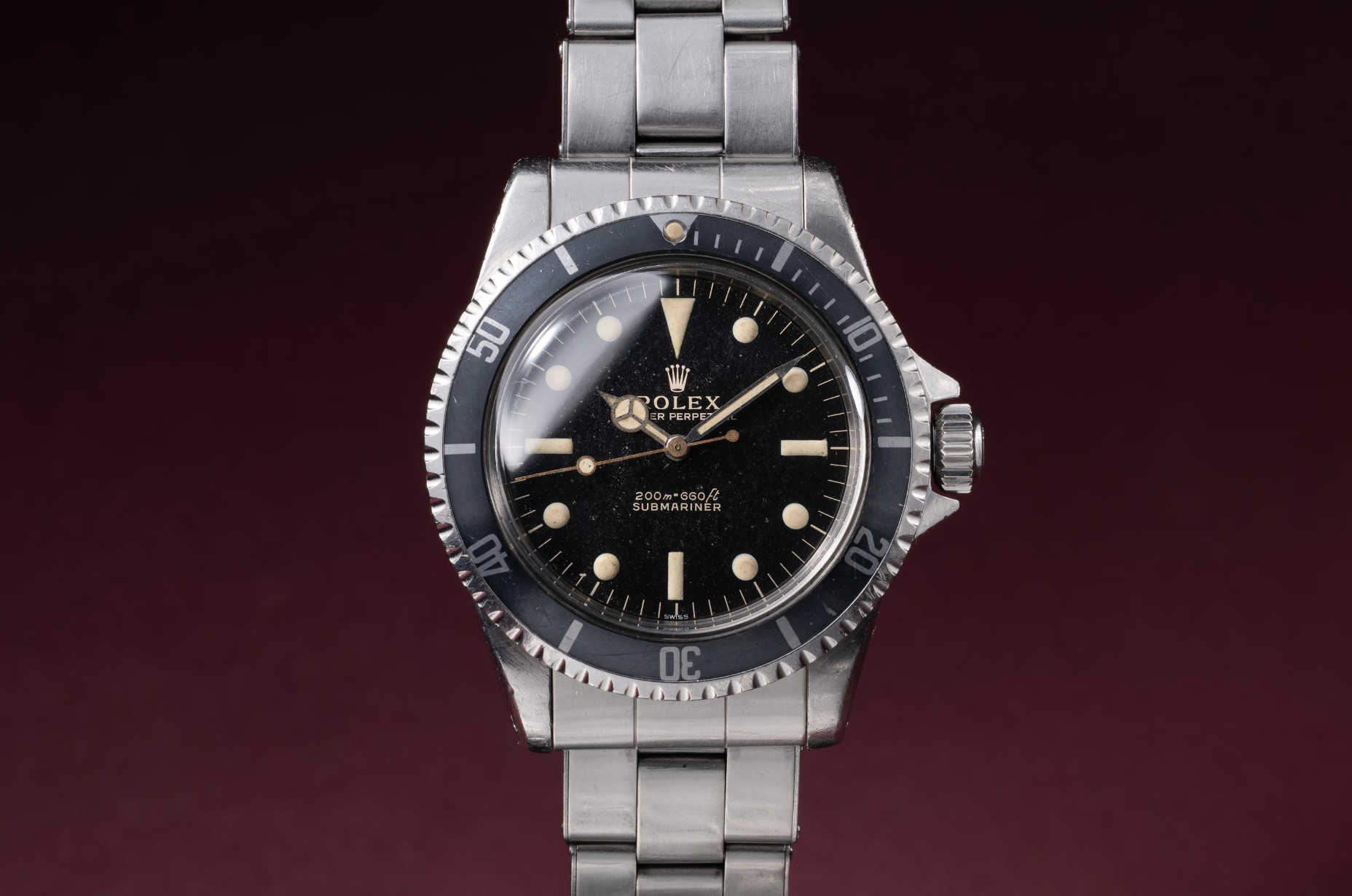




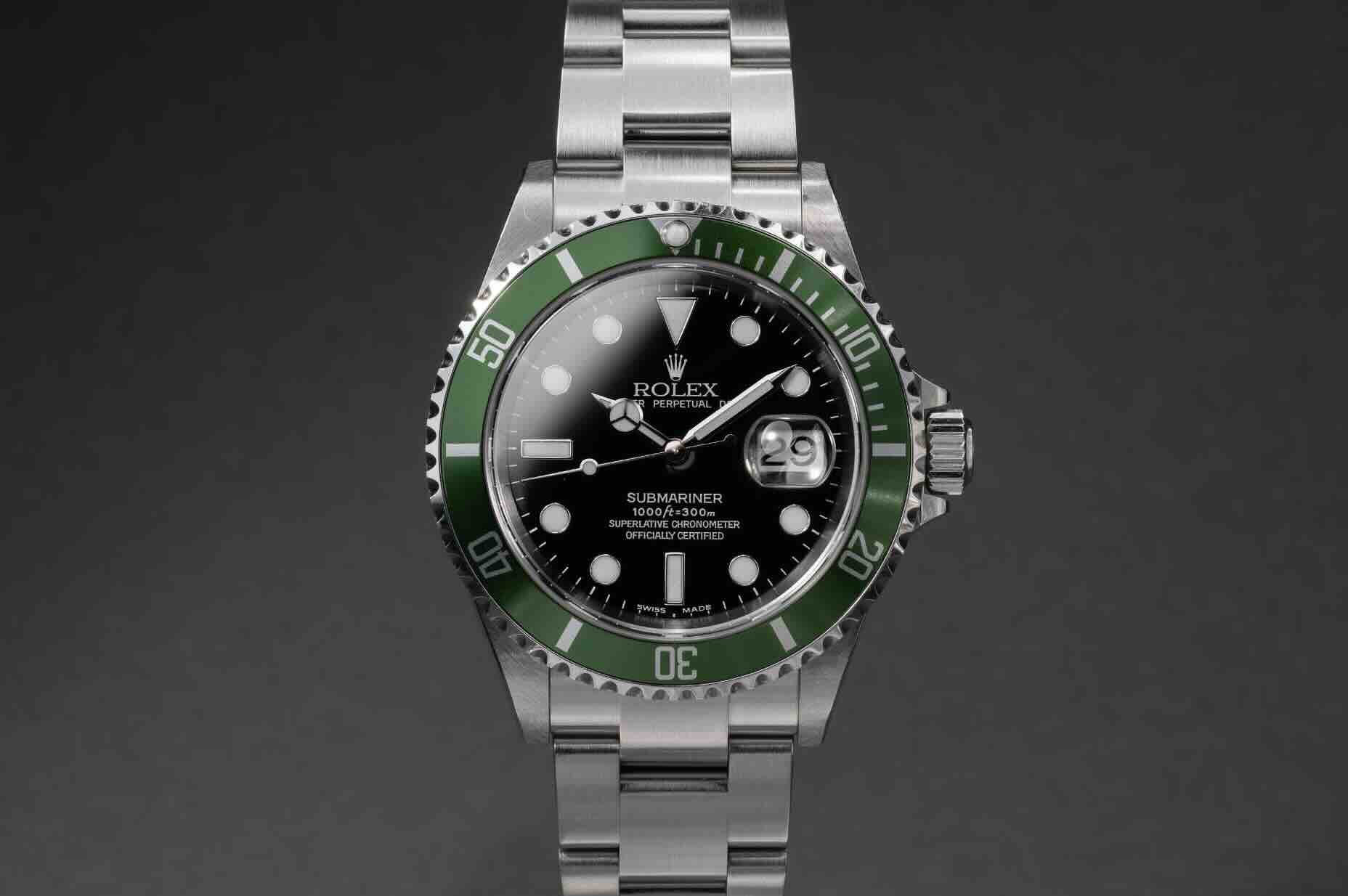


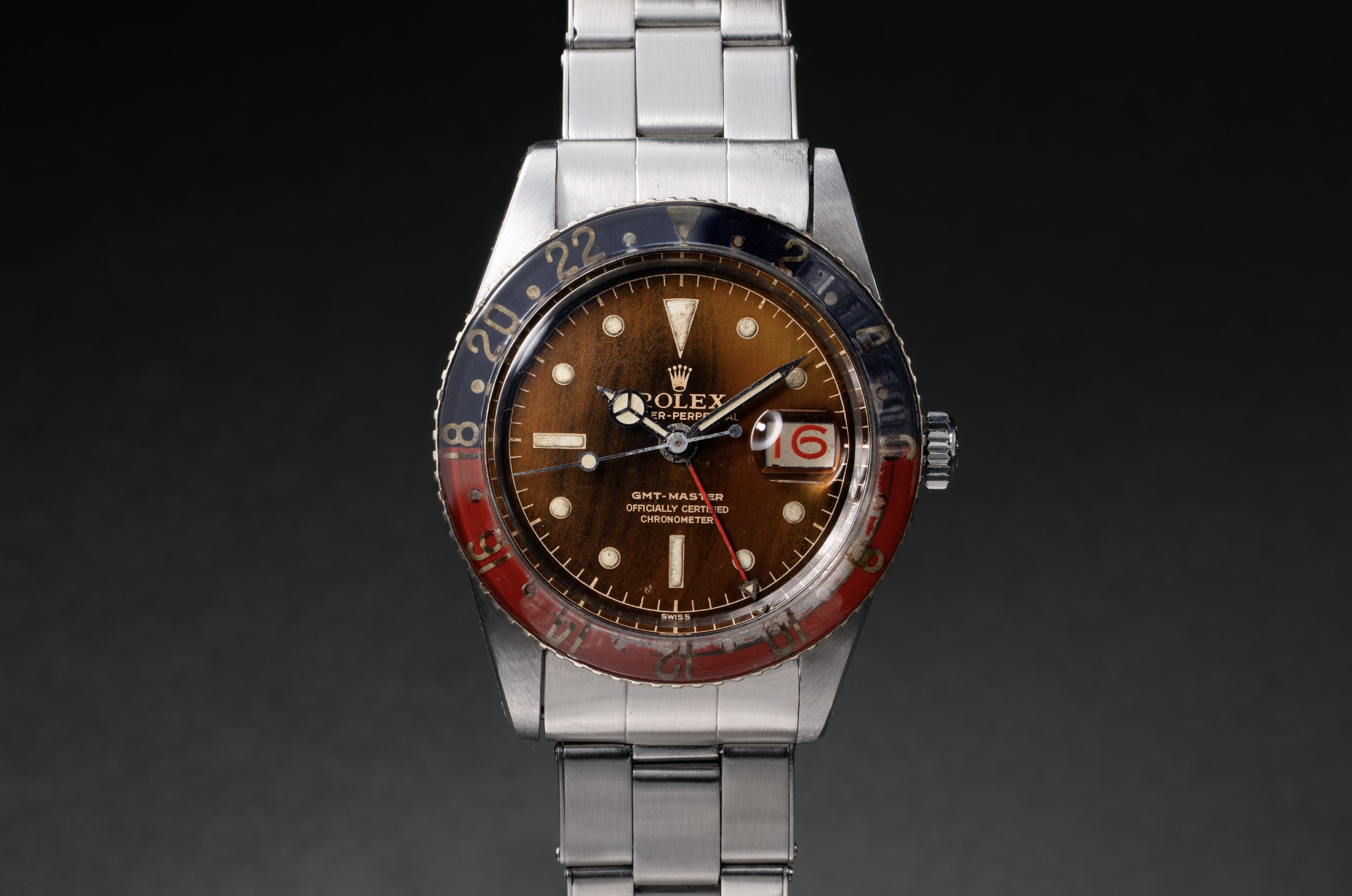




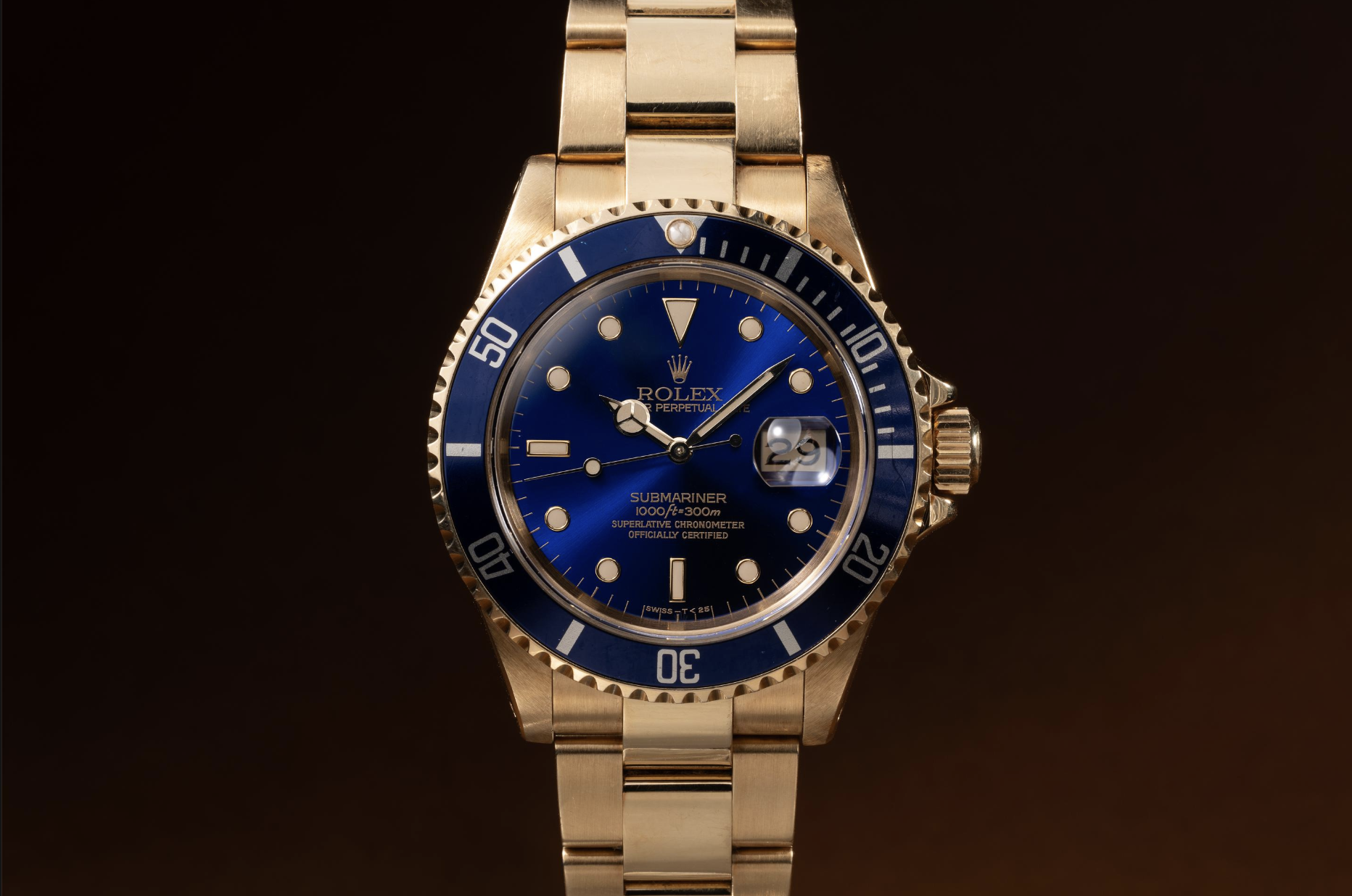



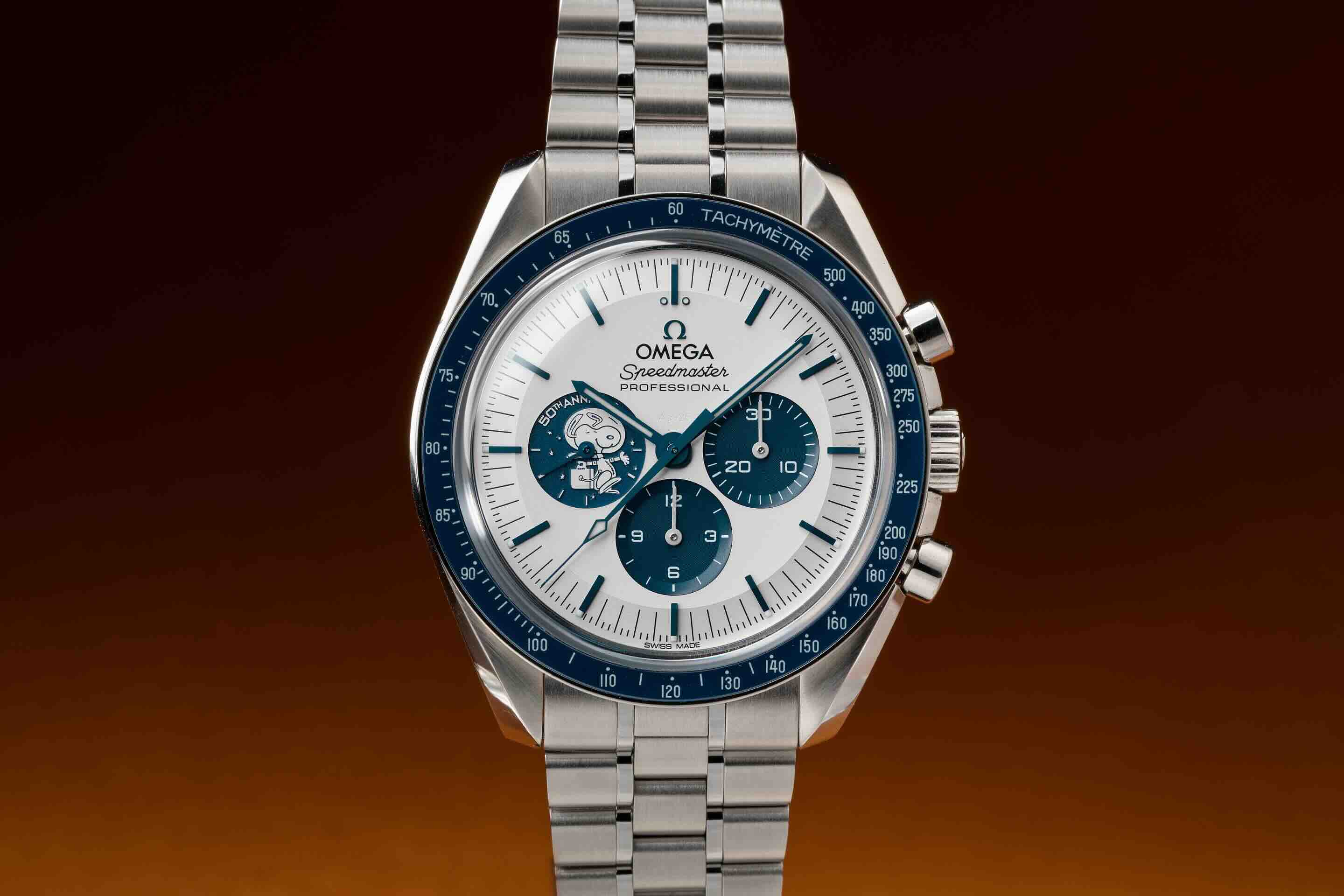

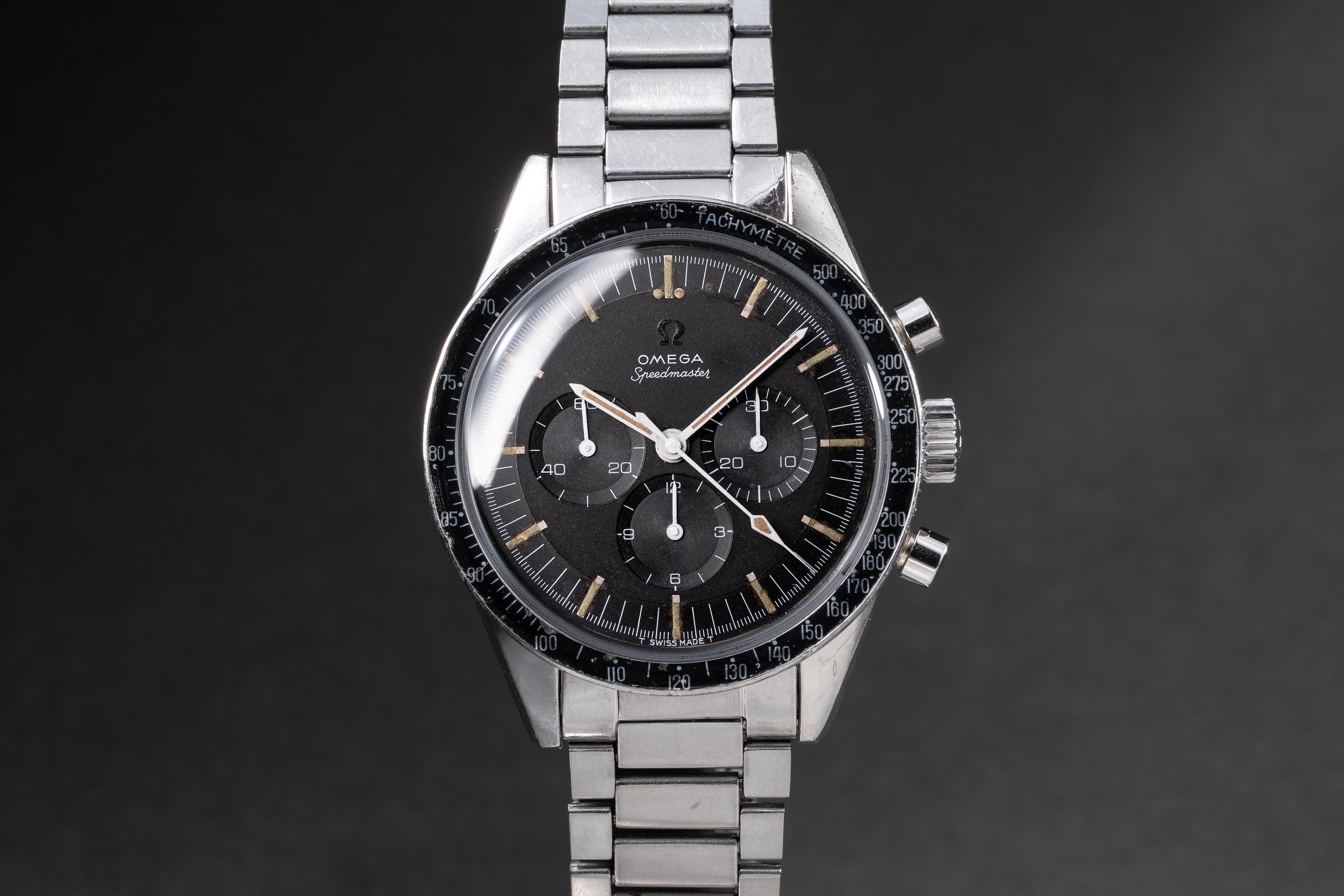
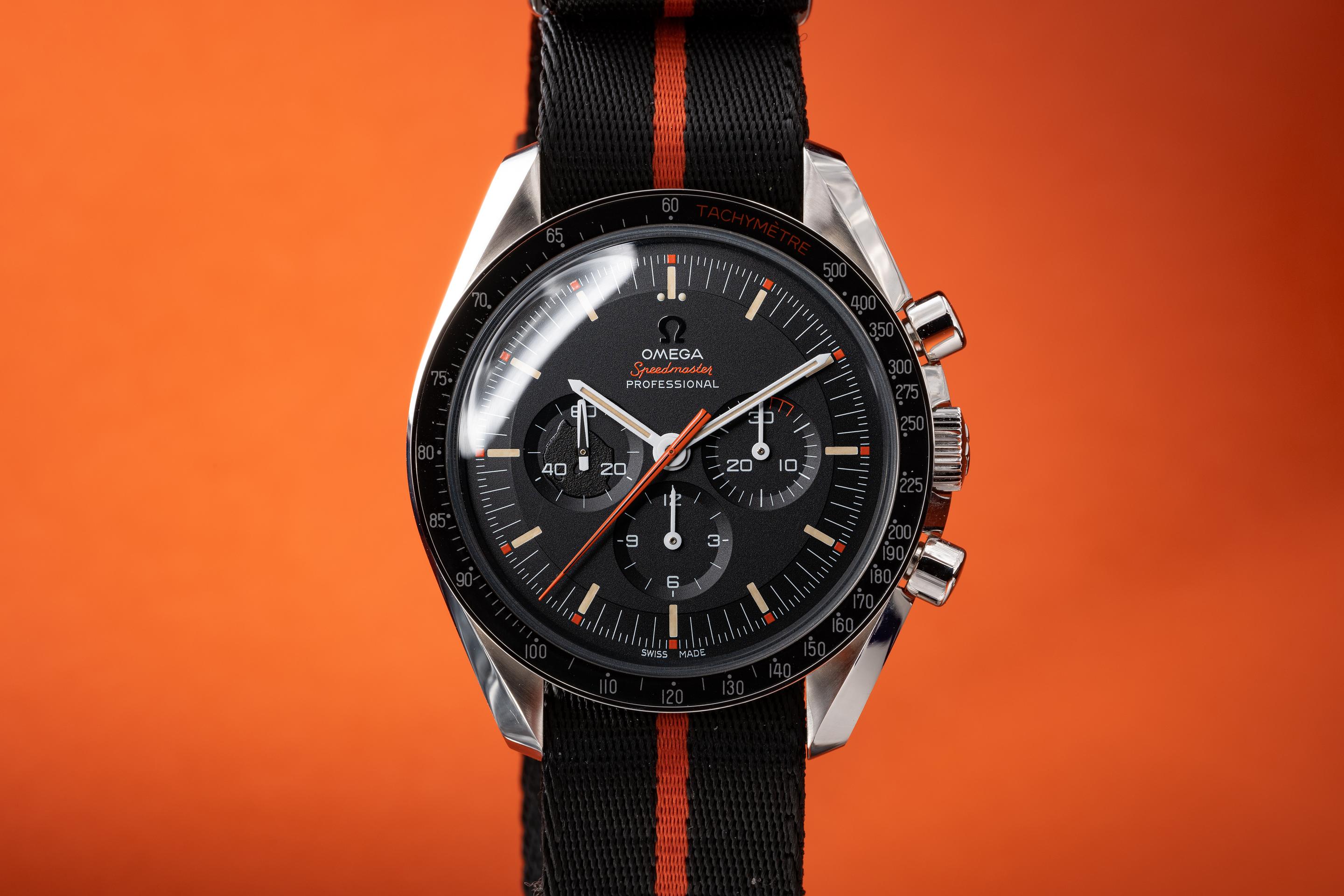
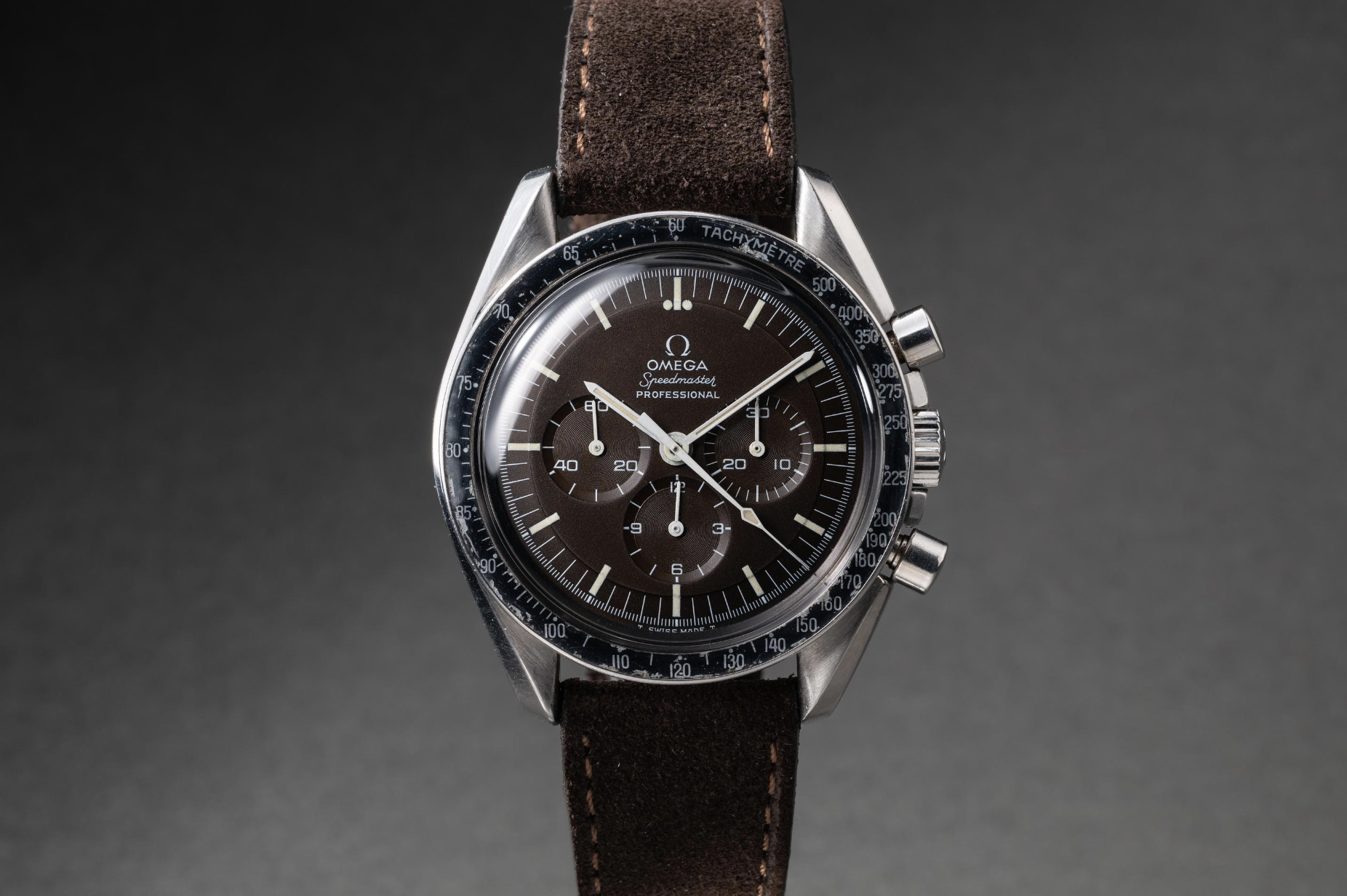
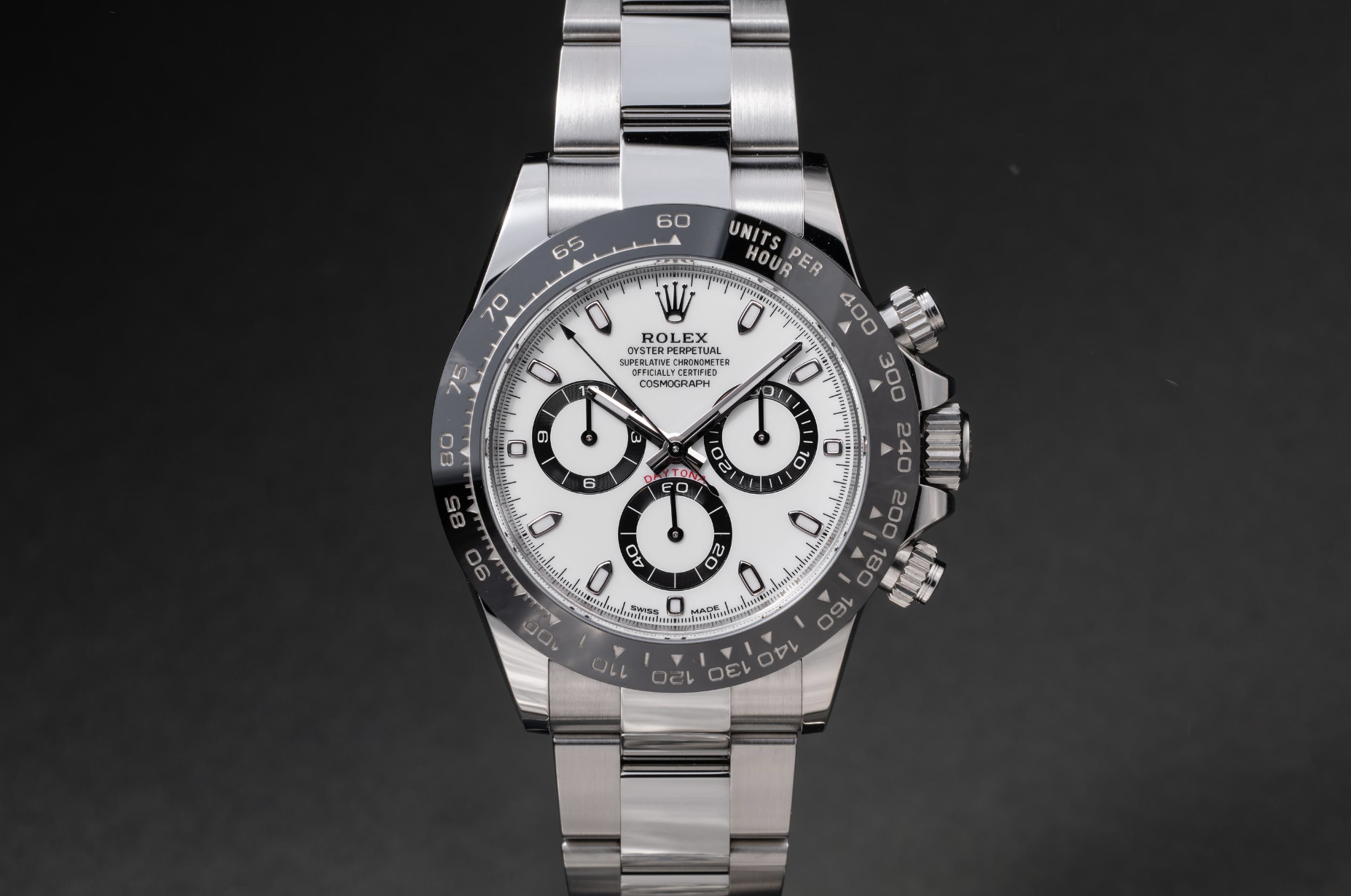


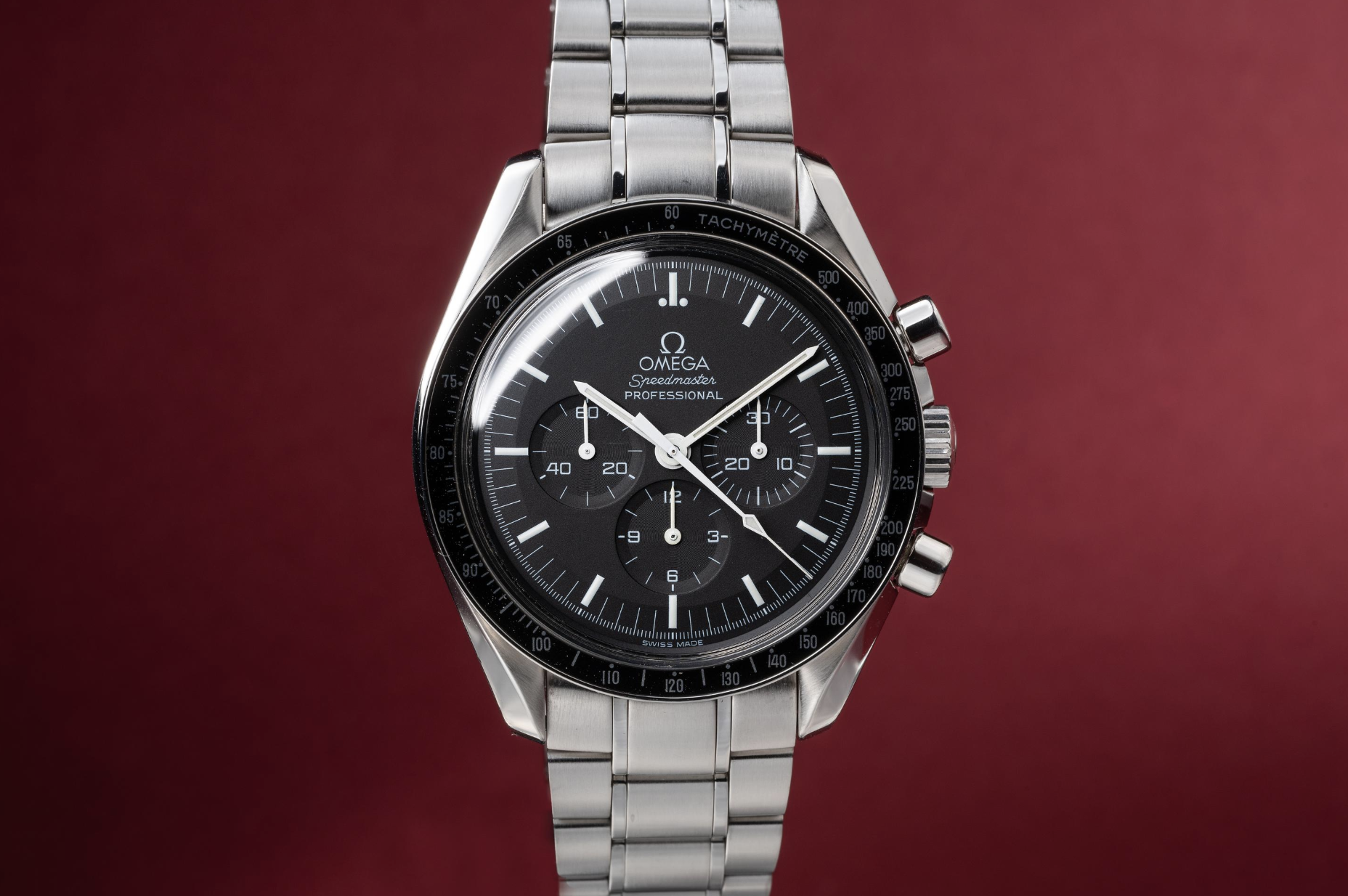


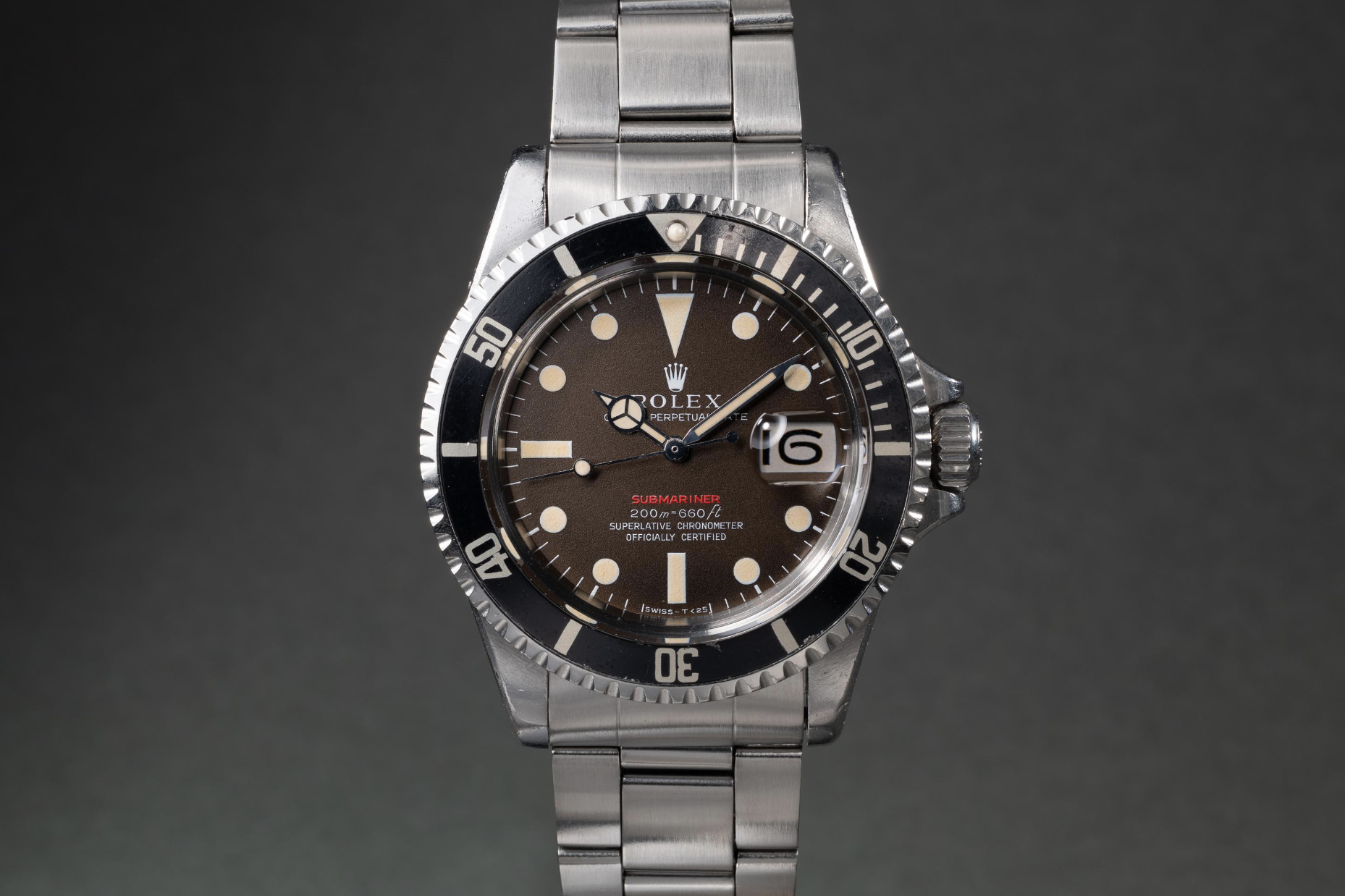


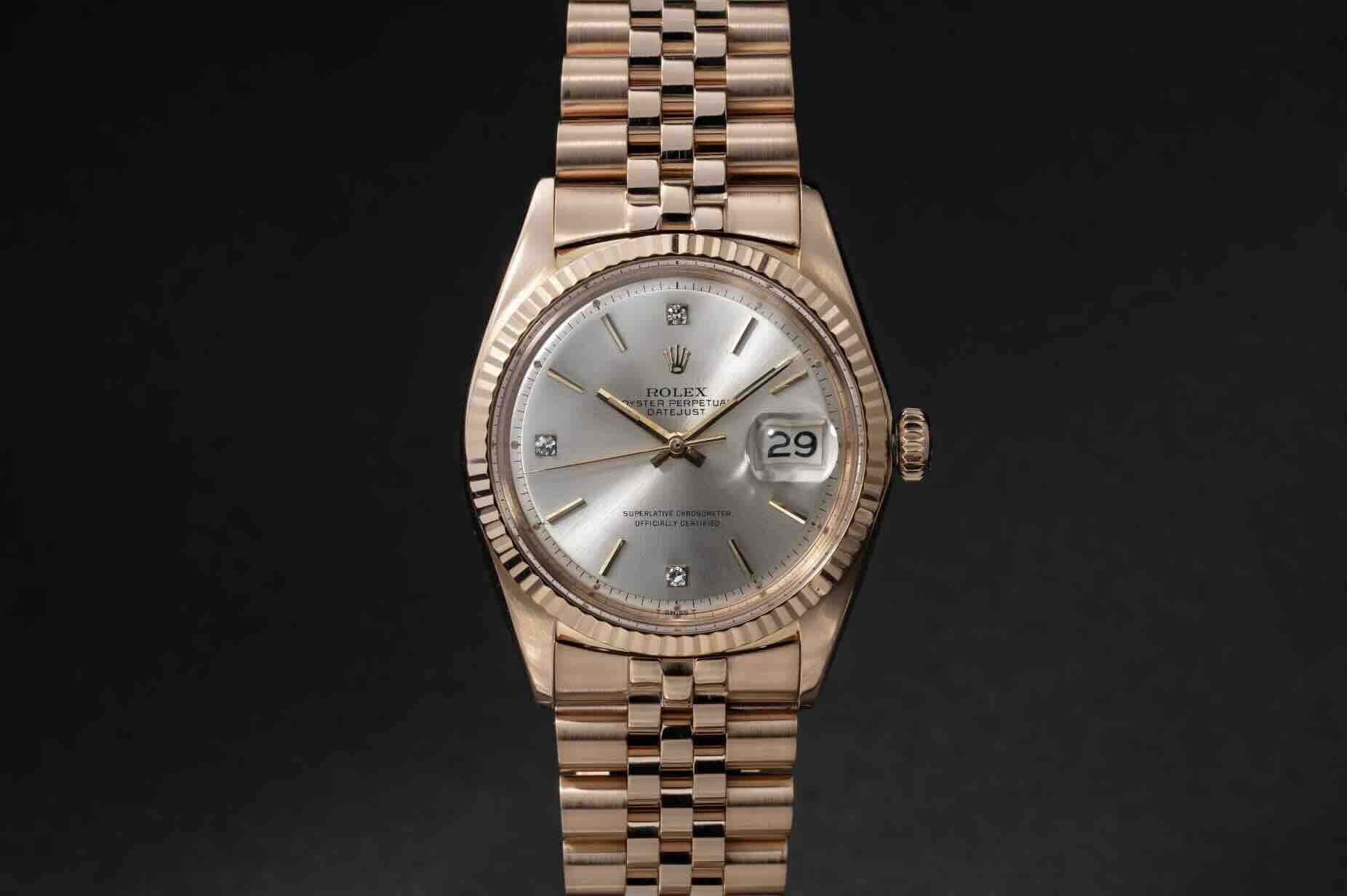


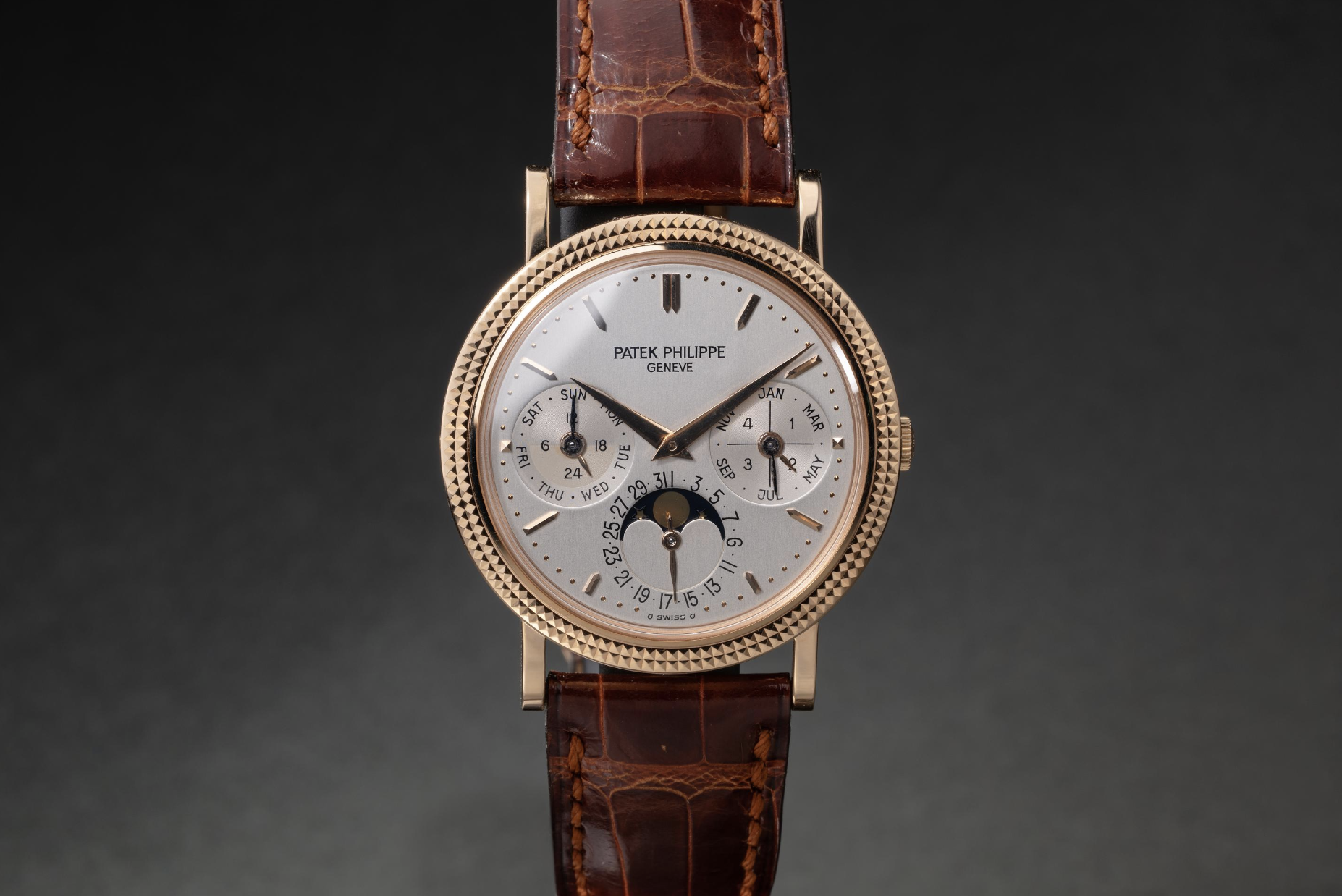

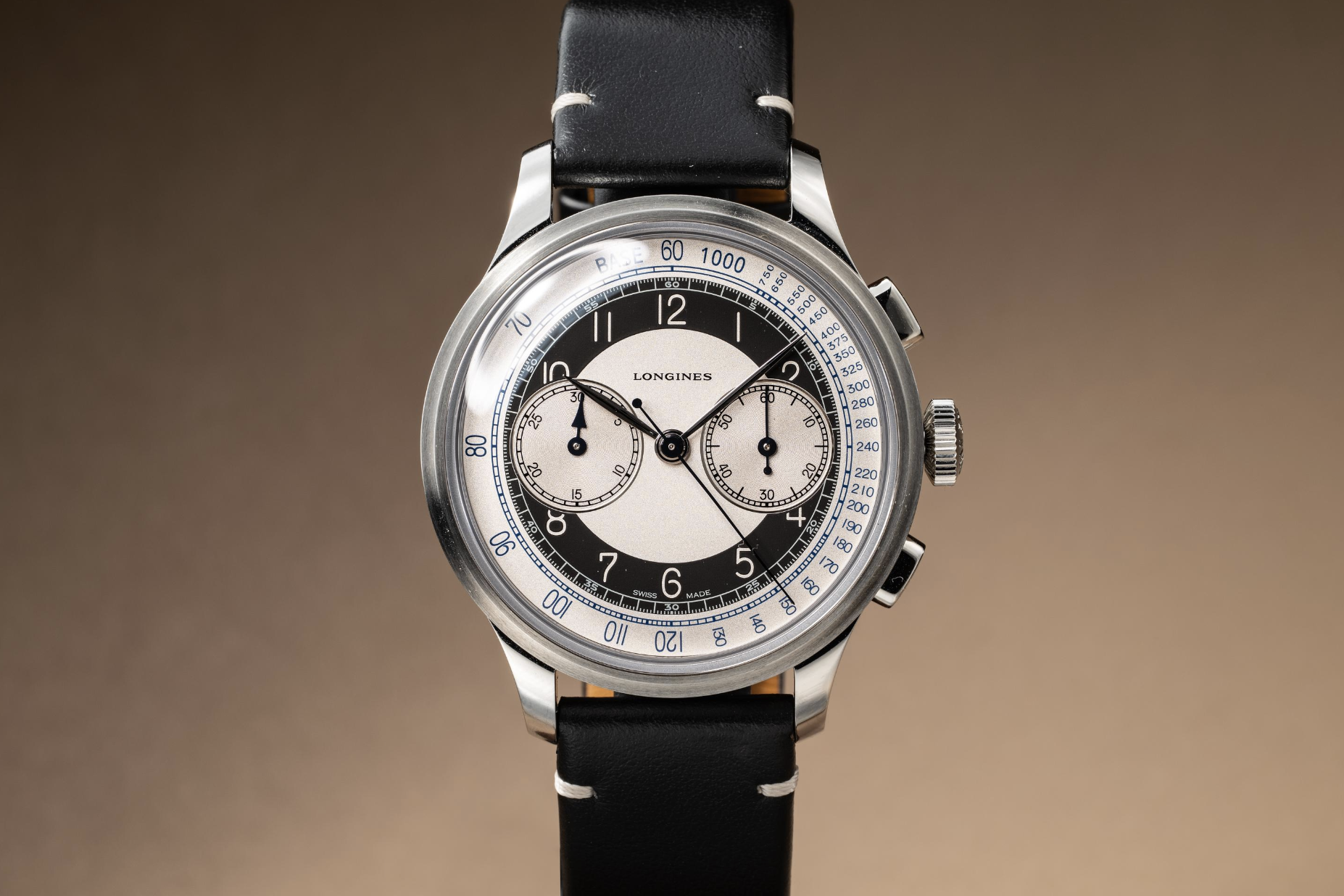


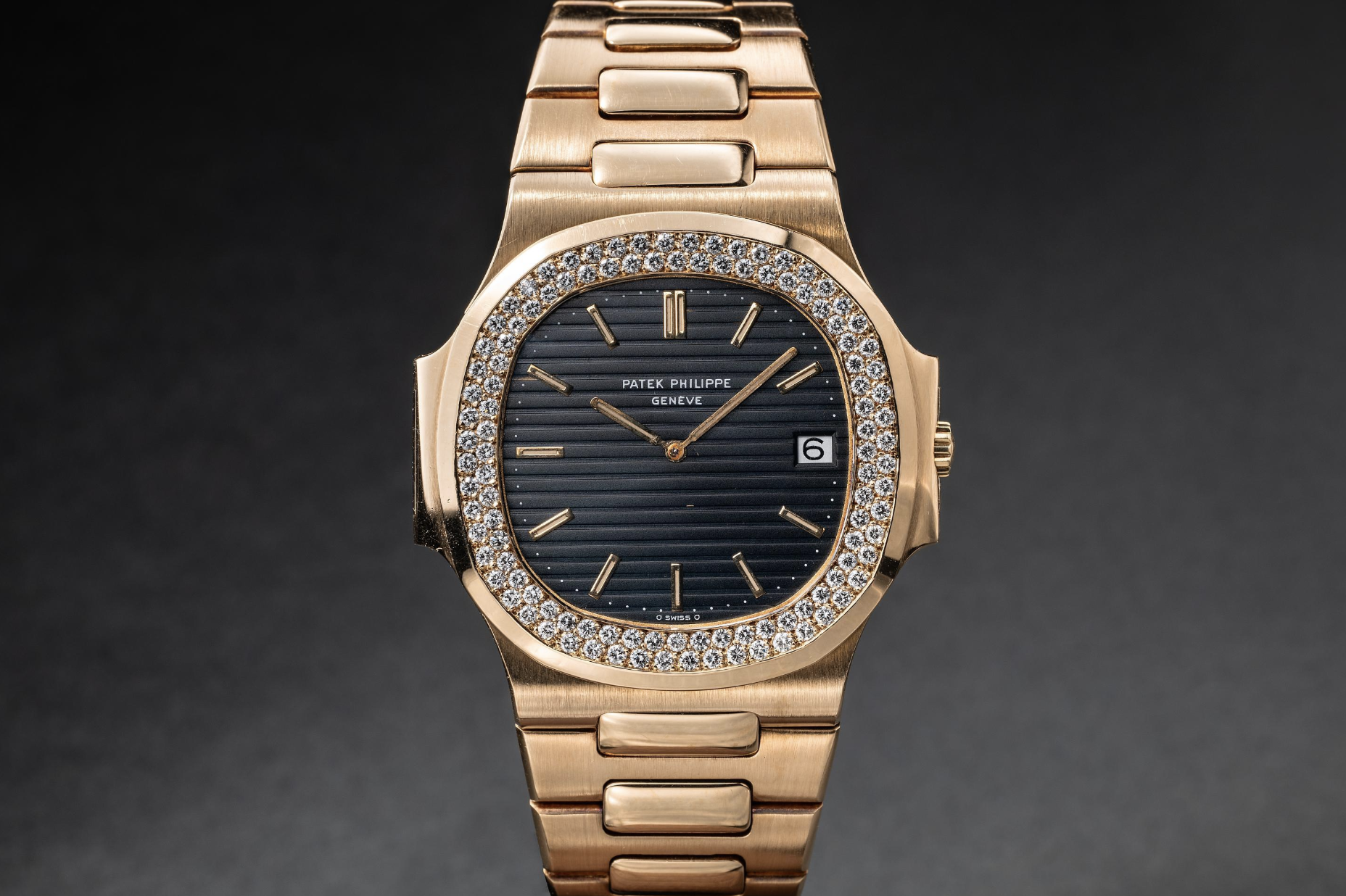
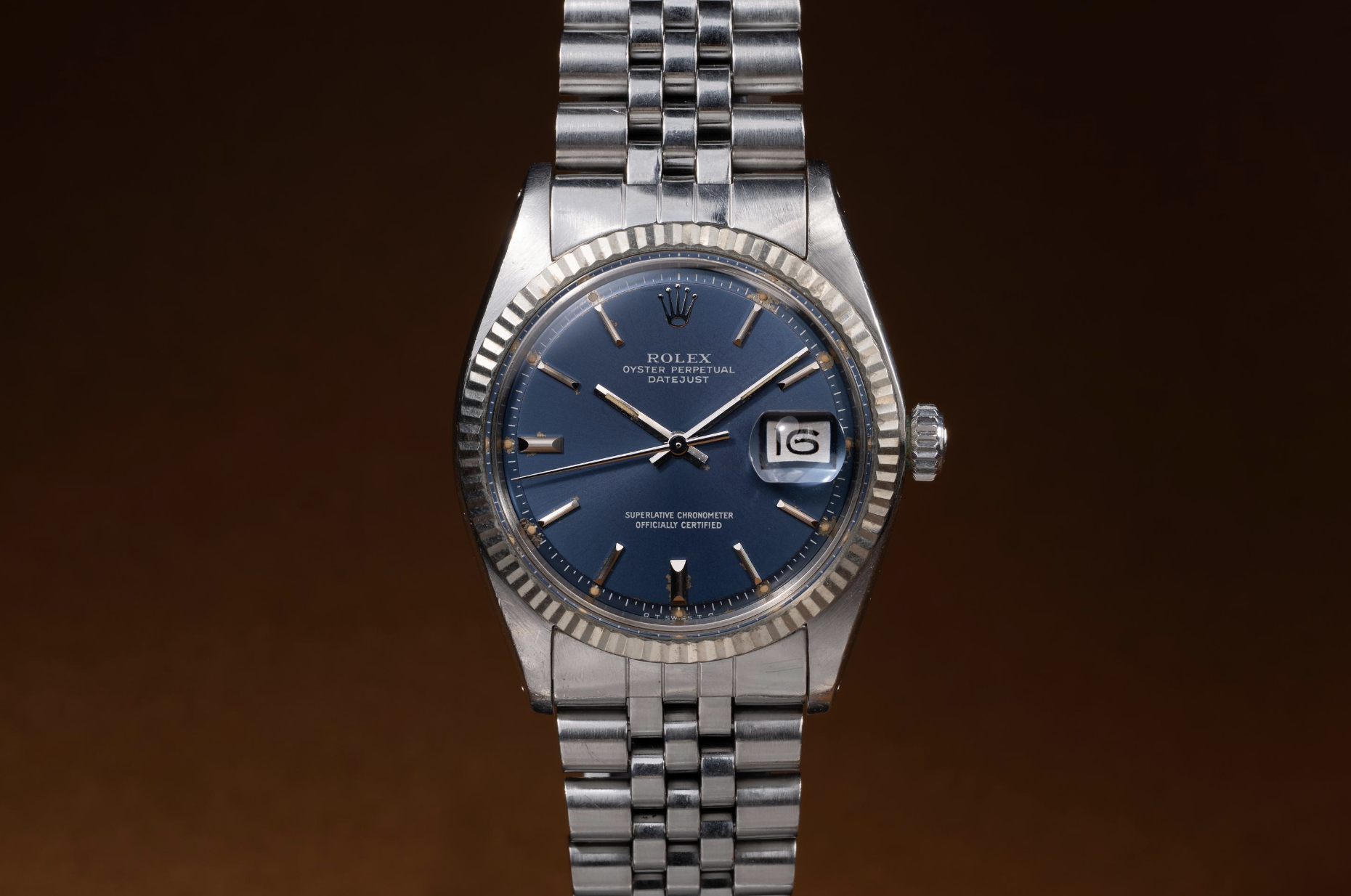
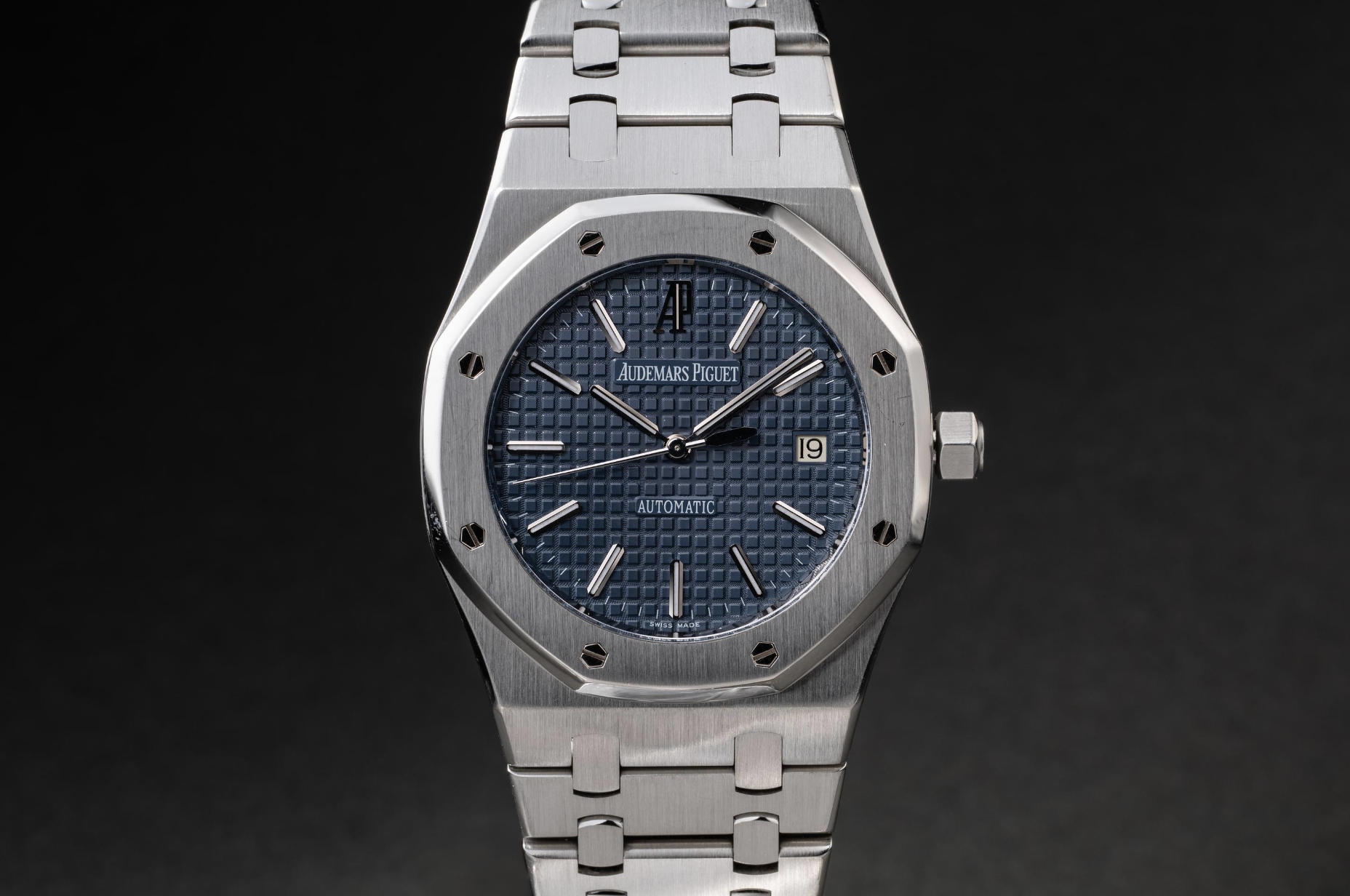
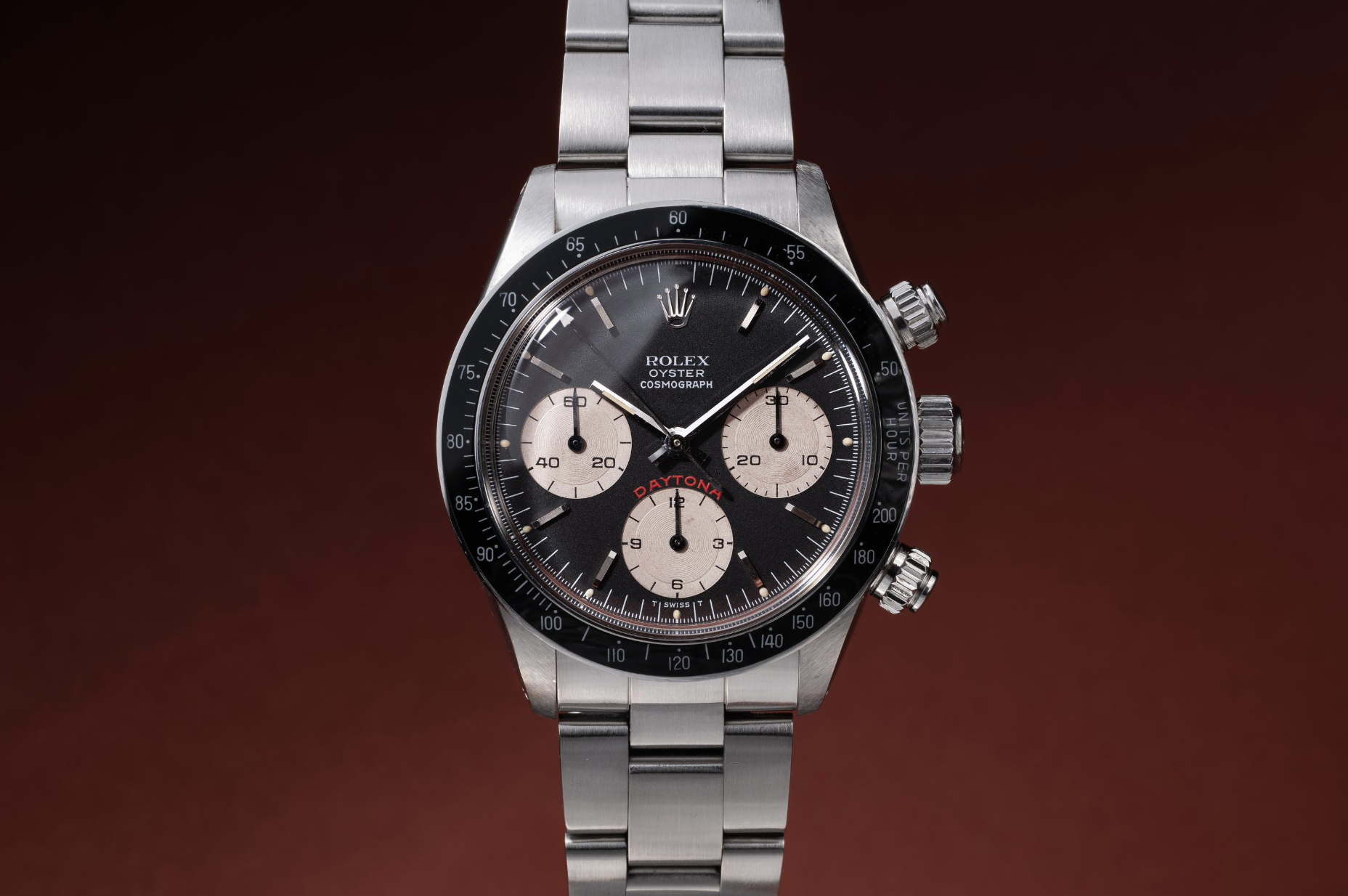
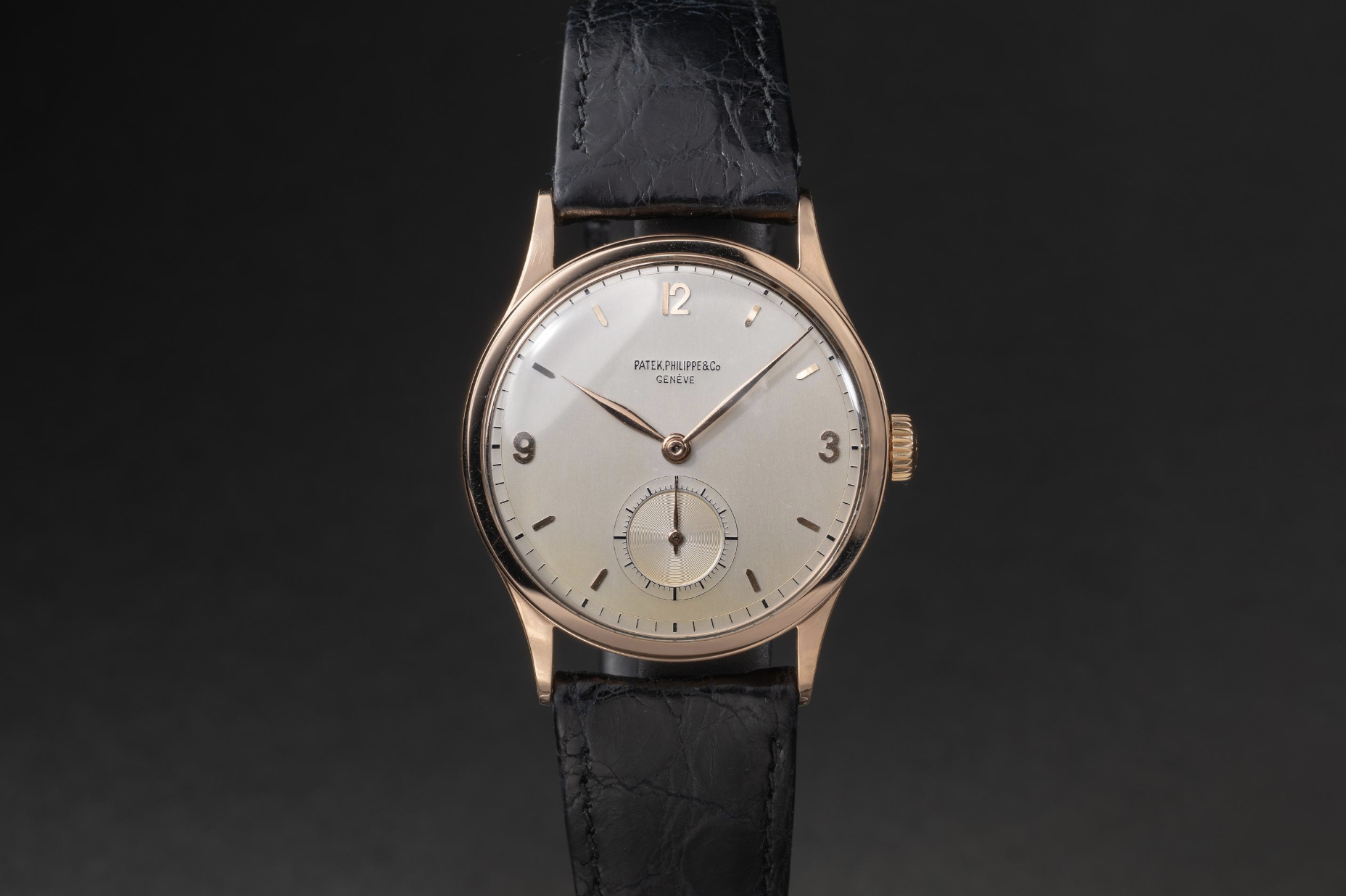
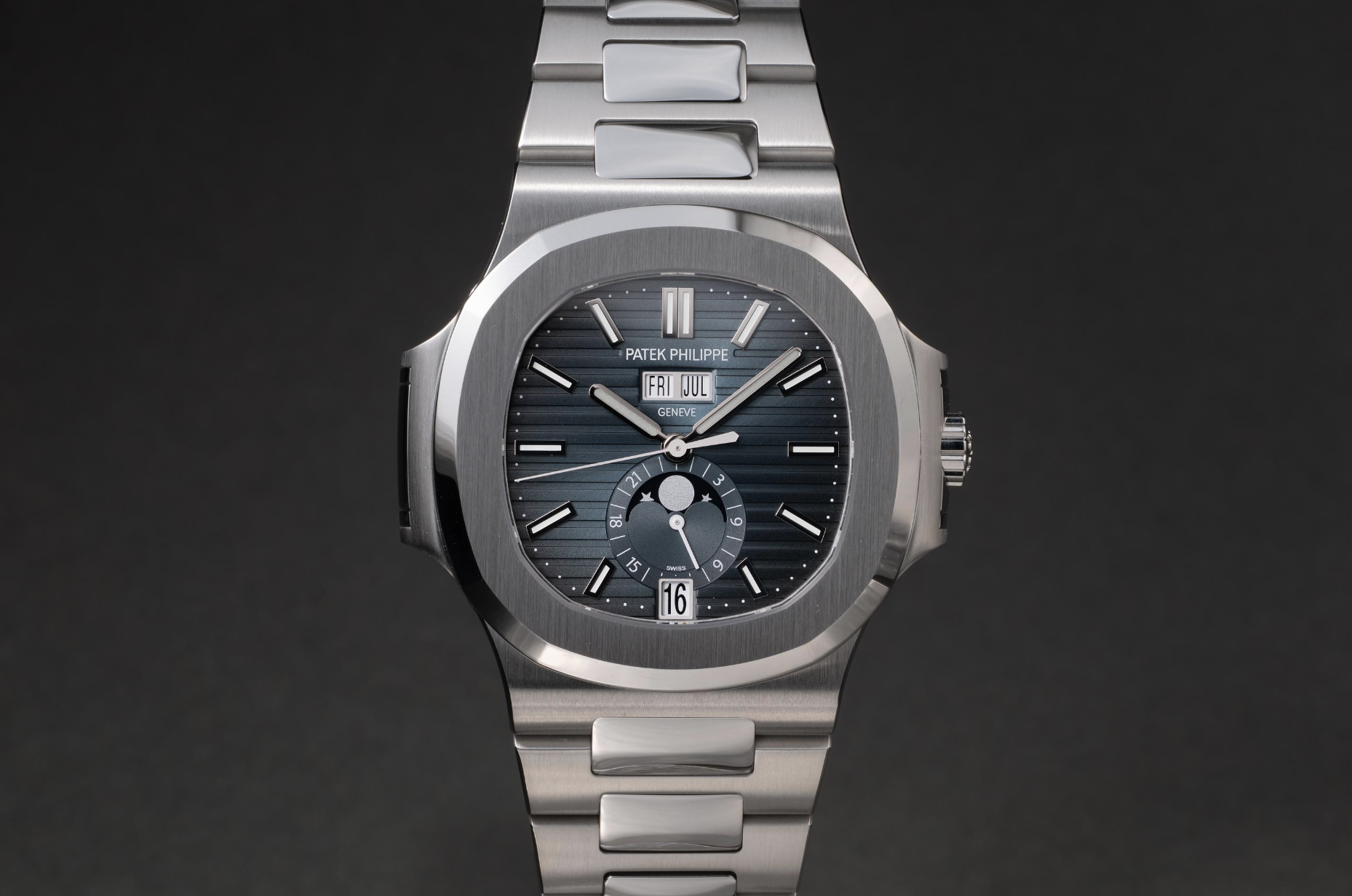
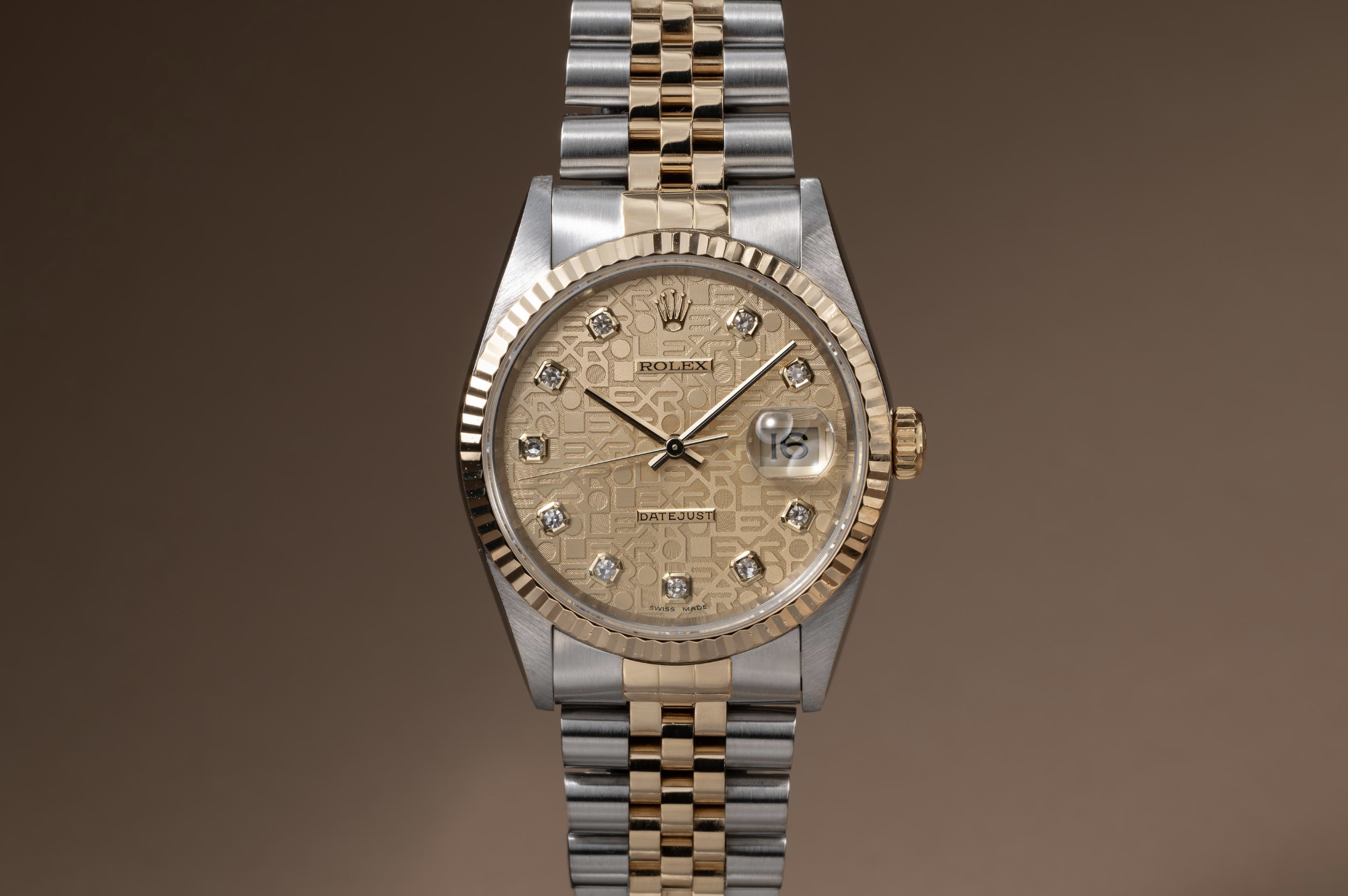
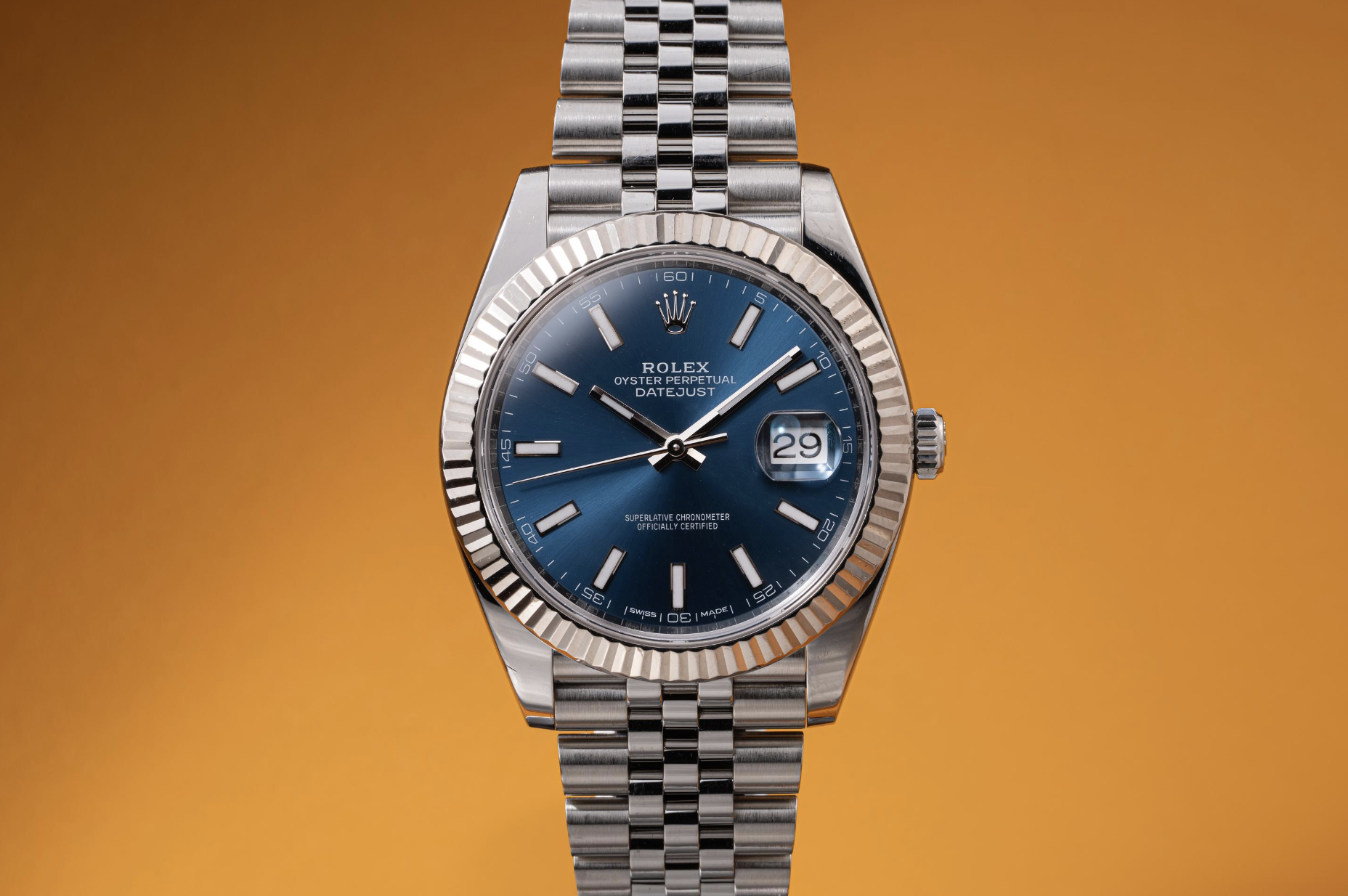
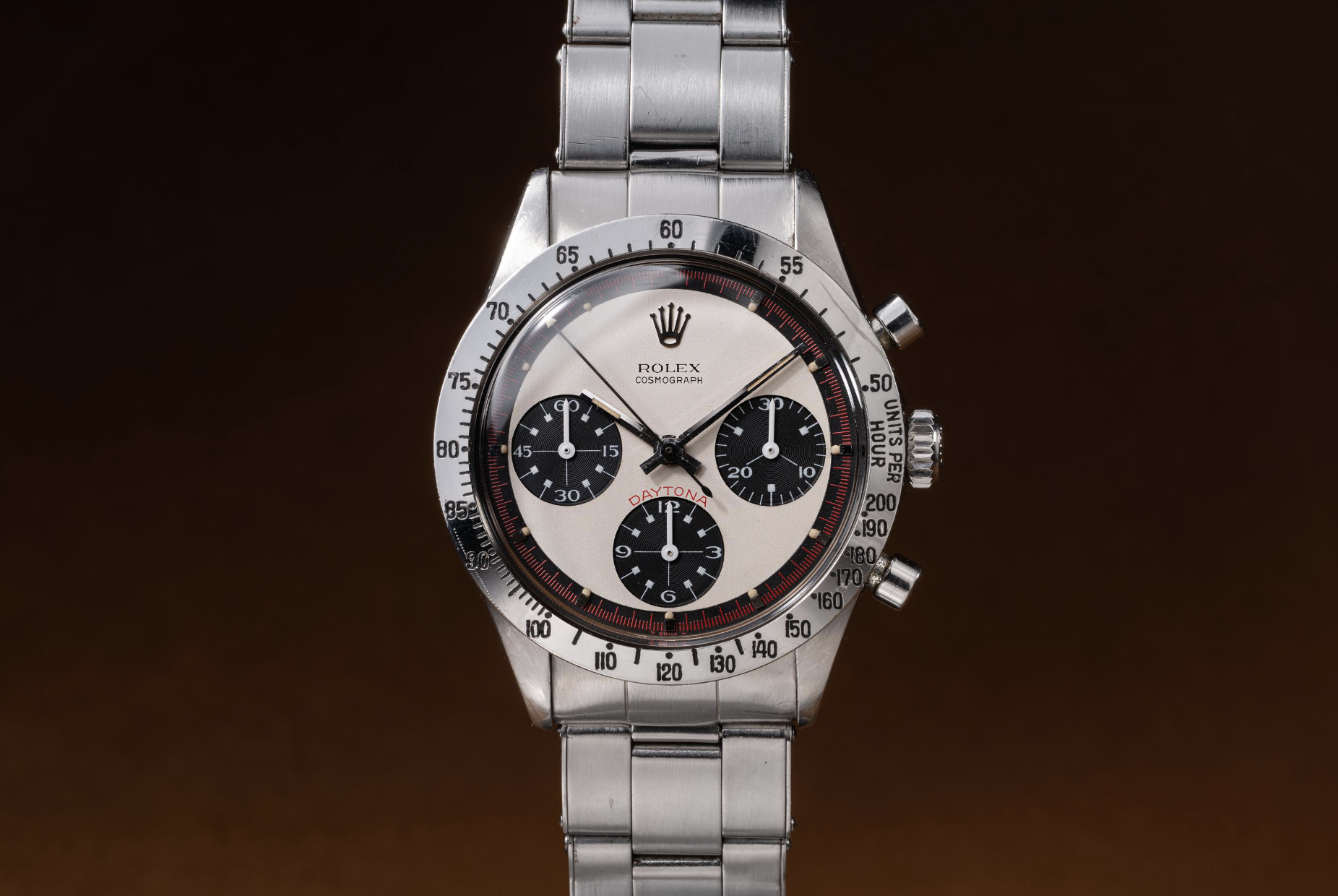
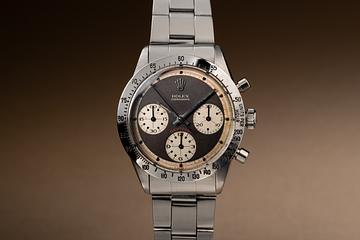


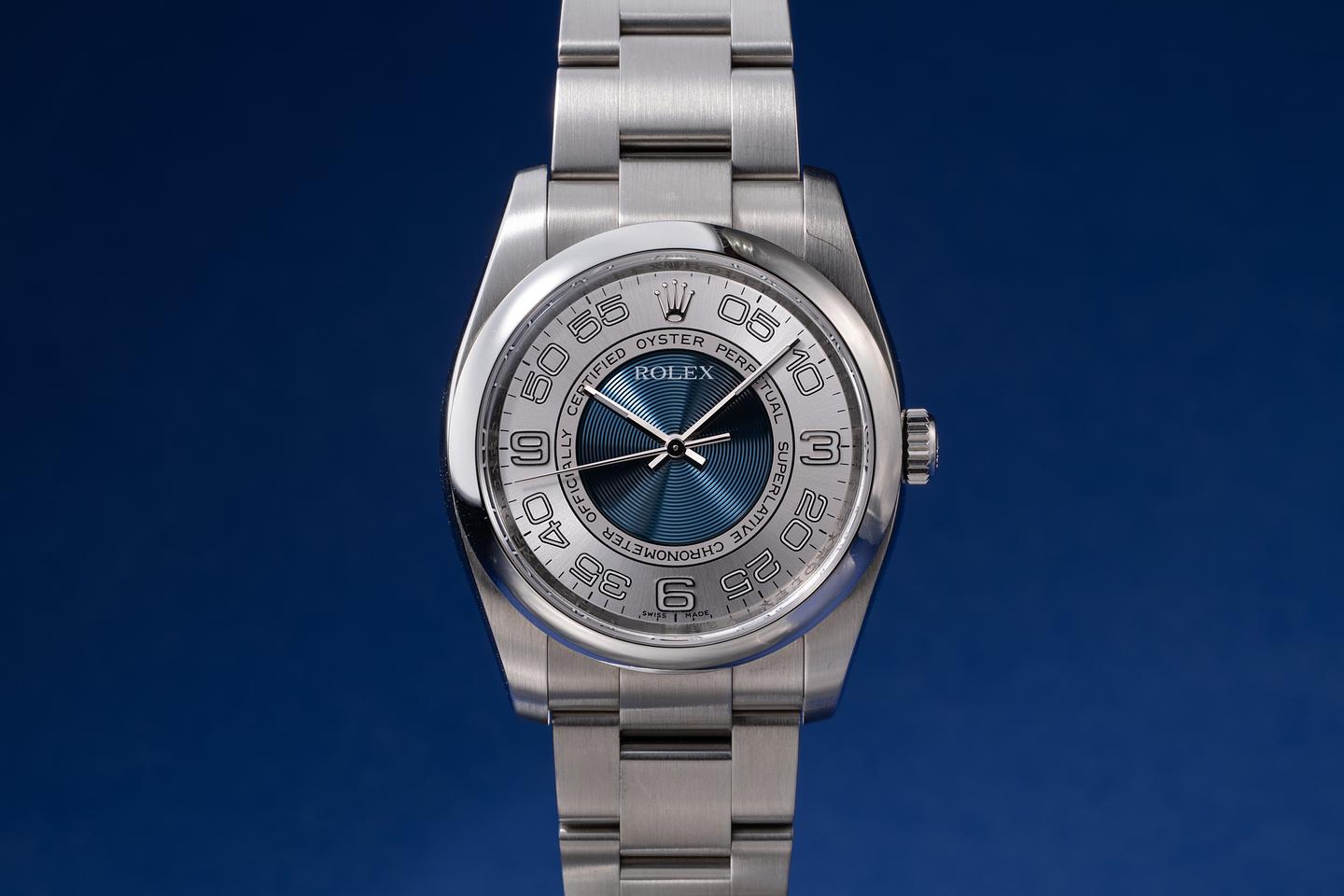

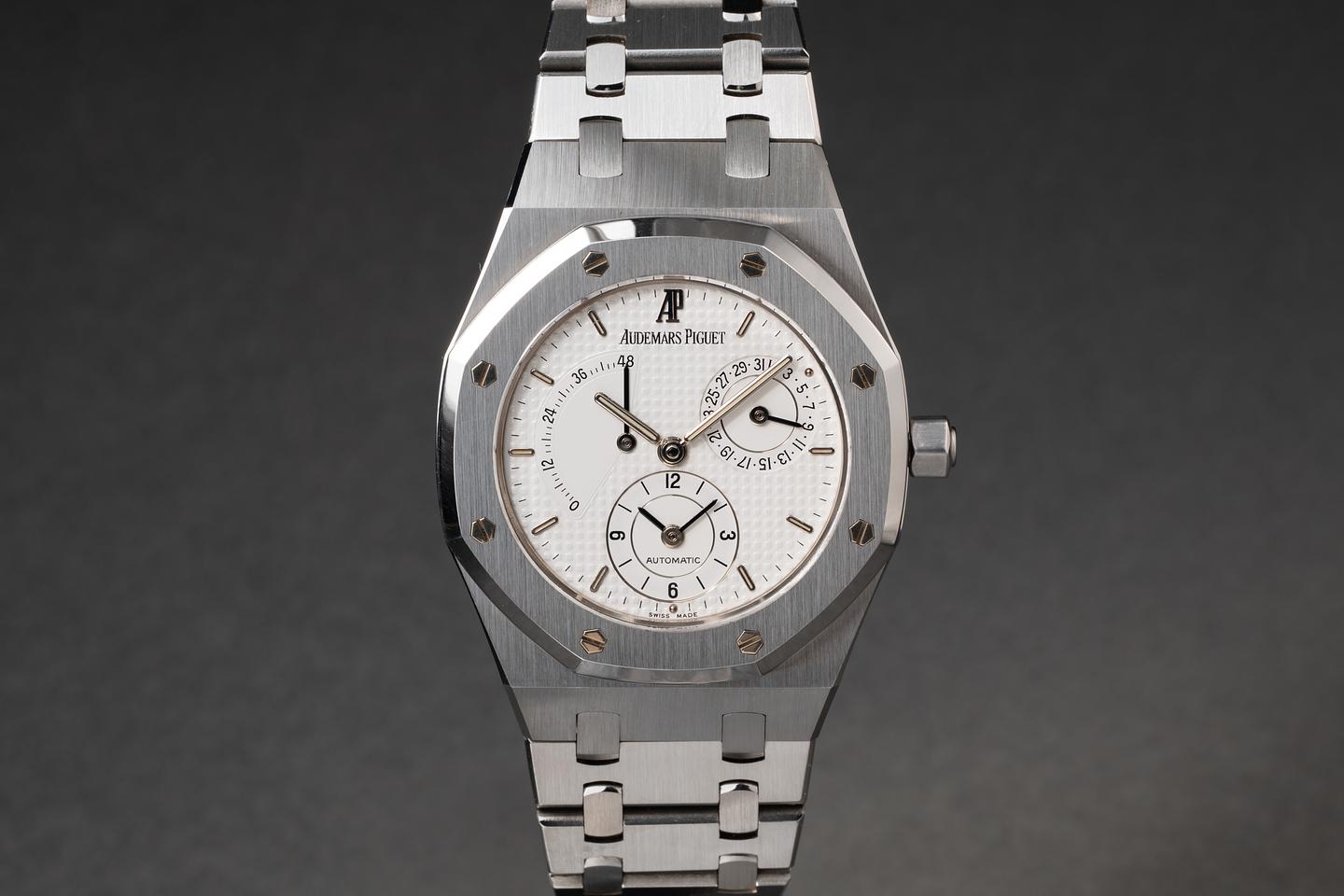

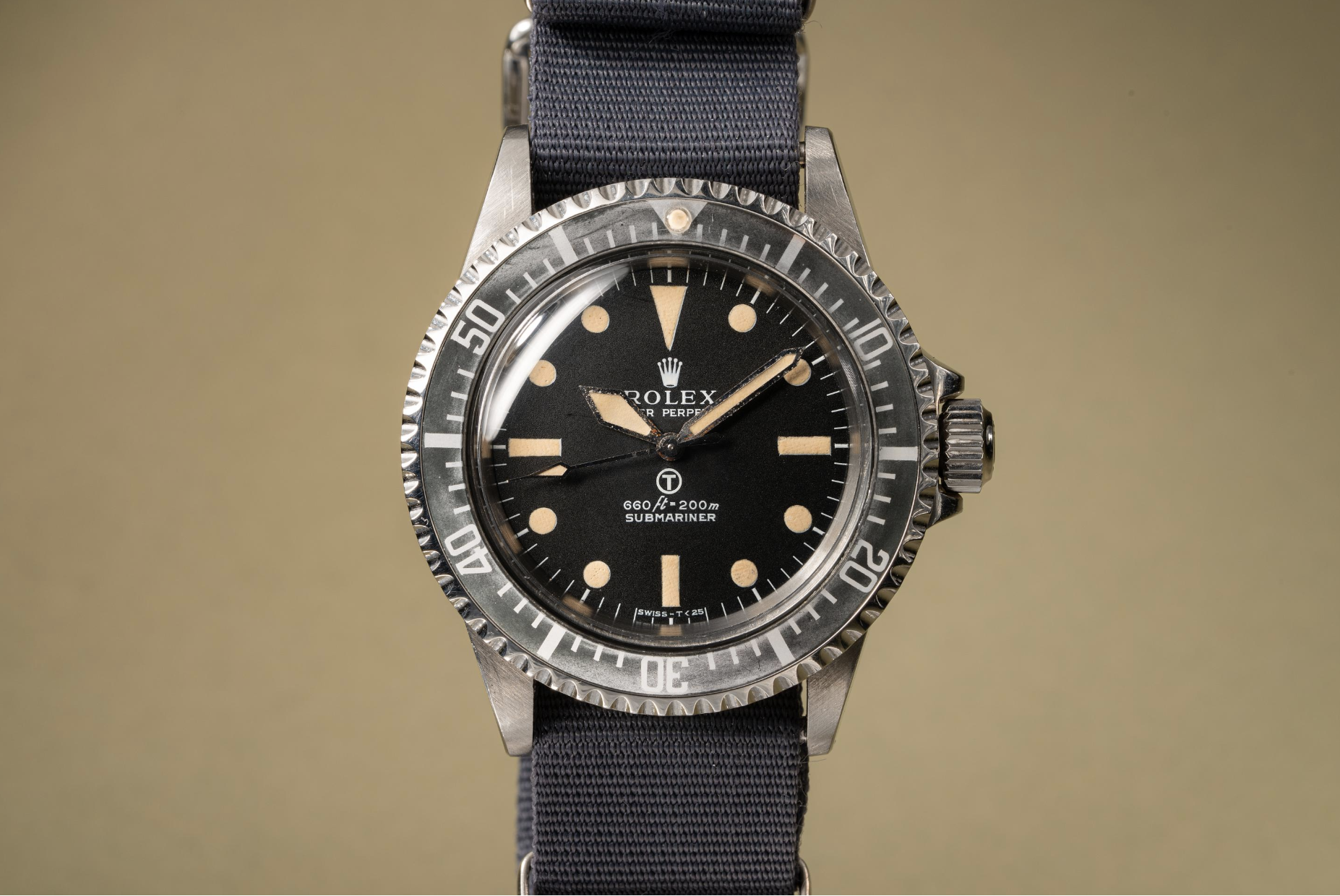
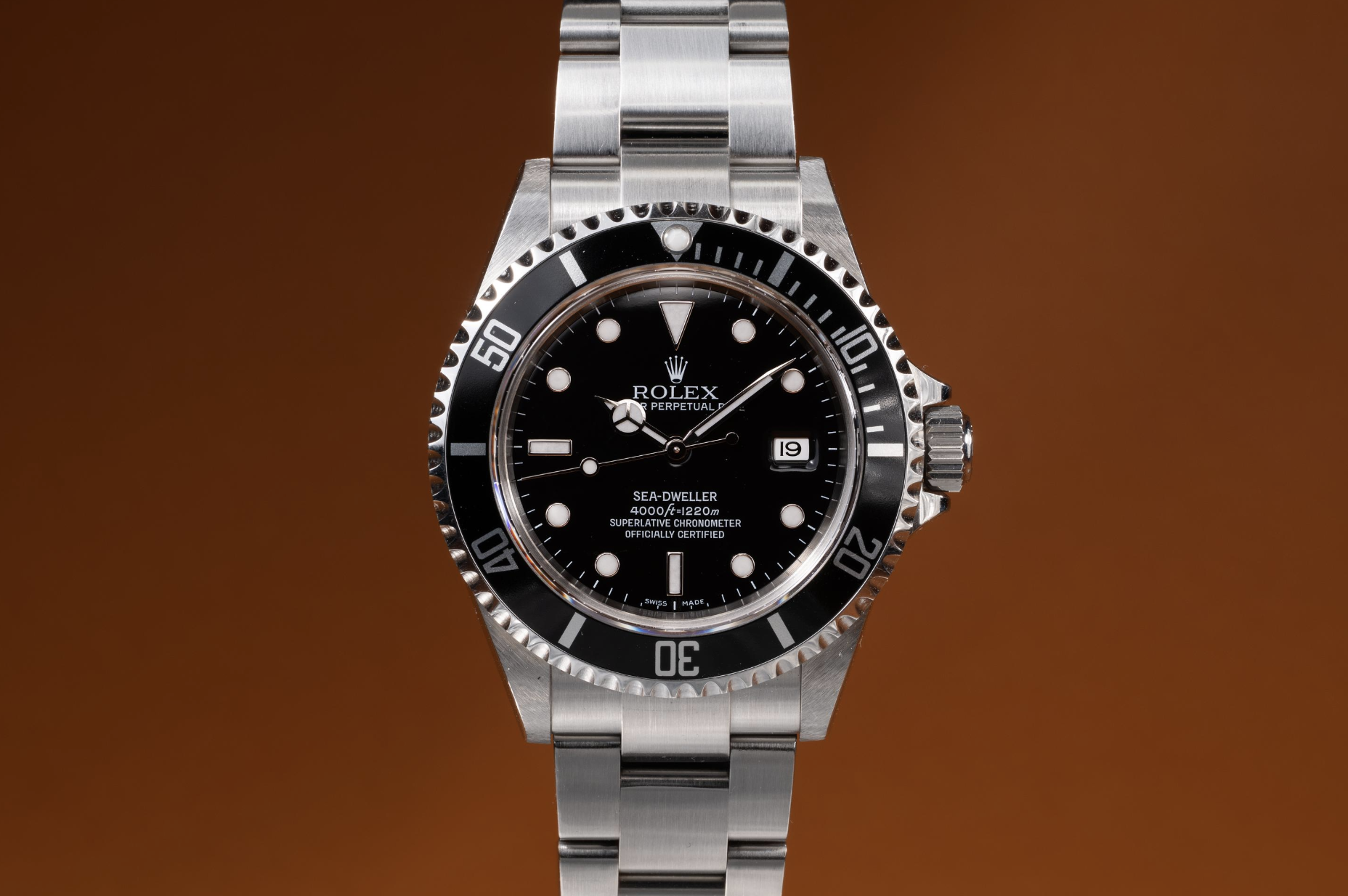

Table of Contents
Get More from the Journal