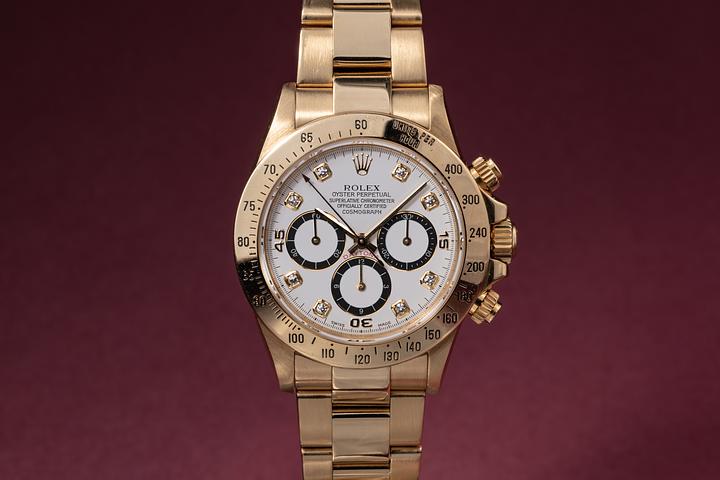
Best Watches Under $10,000: Top Picks Worth Owning
What Does a Luxury Watch Under $10,000 Actually Get You?
There is a persistent myth in the watch world that real luxury begins somewhere north of five figures. That is simply not true. The $10,000 price bracket is one of the most exciting and well-populated segments in horology, offering mechanical movements crafted with genuine precision, in-house calibers from respected manufacture brands, sapphire crystals, solid stainless steel or titanium cases, and designs that have earned their place in watch history. This is not the entry-level tier of watchmaking. For a buyer who knows what to look for, this range delivers serious value and serious craftsmanship. Whether you are drawn to the clean minimalism of a dress watch, the robust utility of a diver, or the technical sophistication of a chronograph, there are outstanding options available at this price point from brands that have been building watches for over a century.
A Brief History of the Sub-$10,000 Luxury Watch Category
The idea of accessible luxury in watchmaking is not a modern invention. Brands like Longines and Tissot have operated in this space since the 1800s, producing high-quality timepieces for a market that wanted precision without the extravagance of a grand complication. As Swiss watchmaking industrialized through the late 19th and early 20th centuries, more manufacturers found ways to produce quality at scale. The quartz crisis of the 1970s temporarily disrupted this balance, but the mechanical revival of the 1980s and 1990s reestablished a clear appetite for well-made watches at reasonable prices. Today, the sub-$10,000 segment benefits from decades of refinement. Brands have invested heavily in their manufacturing processes, and the gap between what a mid-range watch offered in 1990 and what one offers now is substantial. Consumers at this level are no longer settling for something close to luxury. In many cases, they are getting the genuine article.
Top Brands Worth Knowing in This Price Range
Not every brand that claims a presence in this segment earns it. The following names represent consistent quality, reliable movements, and recognized heritage within the industry. Each has built a reputation over many decades, and their watches in this price range reflect genuine engineering and design integrity.
- Tudor
- Longines
- Tissot (select models)
- Oris
- Nomos Glashutte
- Frederique Constant
- TAG Heuer
- Sinn
- Mido
- Hamilton
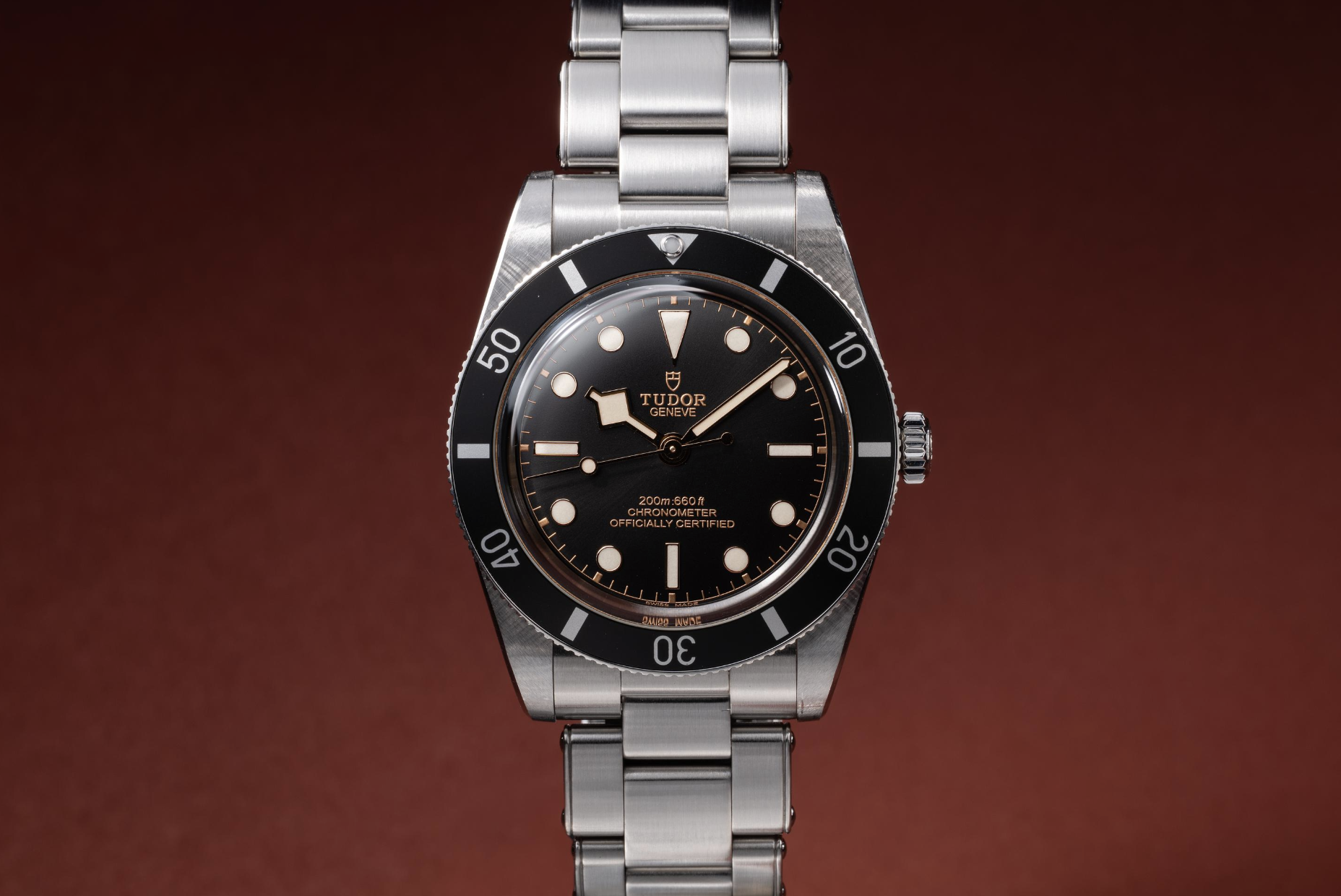
Tudor deserves particular mention. As the sister brand to Rolex, Tudor uses many shared components and construction philosophies, while maintaining its own distinct identity. The Tudor Black Bay, for example, sits comfortably within the $3,500 to $5,000 range and delivers a level of finish and movement quality that punches well above its price. For buyers who want the DNA of a Rolex without the price of one, Tudor is a logical starting point.
Movements Matter More Than the Marketing
One of the most important things to understand when shopping in this category is the movement inside the watch. A movement is the engine, and just like a car, it tells you a great deal about long-term reliability, serviceability, and value retention. At this price point, buyers should look for watches featuring either in-house movements, meaning the brand designed and produced the caliber themselves, or movements sourced from proven Swiss suppliers like ETA or Sellita. In-house movements generally signal greater brand investment and tend to be more exclusive, while third-party movements are often easier and cheaper to service. Oris, for instance, has made a significant push toward in-house calibers in recent years, which has elevated its standing in this segment. NOMOS Glashutte, a German manufacture based in the Saxony region, produces all of its own movements in-house and offers them at price points that make them exceptional value.
What Features Should You Prioritize?
Buying a watch is a personal decision, but there are specific attributes that separate a well-considered purchase from an impulsive one. These are the factors most worth evaluating before committing to a specific model.
- Movement type and origin (in-house vs. sourced)
- Water resistance rating appropriate to intended use
- Case material and finishing quality
- Crystal type (sapphire is standard at this level)
- Power reserve length
- Strap or bracelet quality and interchangeability
- Brand service network and parts availability
Water resistance is a practical concern that is often underestimated. If you want a watch that can genuinely accompany you across varied daily activities, a minimum of 100 meters water resistance is advisable. For dedicated divers, 200 meters or above is the standard. Case finishing is another indicator of overall quality. At this price range, a well-finished case should show a combination of polished and brushed surfaces, with clean transitions between them. Sloppy finishing is a red flag regardless of brand reputation.
Dress Watches vs. Sport Watches: Which Direction Makes Sense?
The answer depends entirely on how you intend to wear the watch. A dress watch, typically thin, understated, and paired with a leather strap, is designed for professional and formal contexts. A sport watch is built for durability, legibility, and function, with features like rotating bezels, luminous indices, and robust bracelets. The good news is that within the sub-$10,000 range, both categories are exceptionally well represented. The Longines Master Collection is a reliable choice for those wanting a refined dress watch with a traditional aesthetic. For sport watches, Tudor, Oris, and Sinn offer models with genuine tool-watch credentials. The Sinn 104, for example, is a German-made chronograph with a pedigree tied directly to pilot and instrument watches, and it sits well below $3,000.
Vintage Watches Under $10,000: A Category of Its Own
One angle that serious buyers should consider is the vintage market. Vintage watches, particularly from iconic Swiss brands, offer something that no new watch can replicate: history. A vintage Rolex Oyster Perpetual from the 1960s or a Tudor Submariner from the same era carries a patina, a provenance, and a character that comes only with age. Importantly, many vintage pieces from respected brands can be found well within the $10,000 range, depending on the reference, condition, and seller. The vintage market does require a bit more due diligence. Authentication, service history, and the condition of the movement are all critical points of evaluation. But for a buyer willing to do the research, or to work with a trusted specialist, a vintage watch can represent extraordinary value and a far more singular ownership experience than any new production piece.
How to Care for Your Watch Investment
A watch in this price range is an investment in both the functional and financial sense. Proper care extends its lifespan and protects its value. Keep the watch wound or on a watch winder if it features an automatic movement. Avoid exposing it to strong magnetic fields, which can disrupt accuracy in mechanical movements. Service the watch according to the manufacturer's recommendations, which is typically every four to five years for mechanical calibers. Store it in a protective case when not in use. Retain all original documentation, boxes, and service records, as these directly impact resale value. These are basic habits, but they make a meaningful difference over time.
Why Tropical Watch Is the Right Partner for Your Next Purchase
Finding the right watch at the right price is one thing. Finding a trustworthy source is another challenge entirely, especially in a market where authentication and condition can be subjective. Tropical Watch is a specialist in luxury and vintage timepieces, with a particular focus on watches that offer genuine quality, verified provenance, and collector-grade integrity. For anyone exploring the best watches under $10,000, including vintage Rolex references that remain accessible at this price point, Tropical Watch offers the kind of curated, knowledgeable experience that the broader retail market rarely provides. You can explore their current inventory and editorial content directly through Tropical Watch, a trusted source for luxury and vintage watches under $10,000. The team brings both collector-level knowledge and a transparent approach to buying and selling, which is exactly what buyers in this category need to feel confident in their decisions.
Frequently Asked Questions About the Best Watches Under $10,000
What is the best watch brand for under $10,000?
Tudor, Oris, NOMOS Glashutte, and Longines are consistently regarded as the strongest brands in this price range. Each offers genuine Swiss or German craftsmanship, reliable movements, and well-established histories in the industry. The best choice depends on your preferred style, whether dress or sport, and the specific features you value most.
Are watches under $10,000 considered luxury watches?
Yes. The sub-$10,000 segment includes watches from established Swiss and German manufactures featuring in-house or respected third-party movements, sapphire crystals, solid metal cases, and professional-grade finishing. These are not entry-level fashion watches. They represent legitimate horological craftsmanship at an accessible price point.
Can I find a vintage Rolex for under $10,000?
Yes, certain vintage Rolex references, particularly older Oyster Perpetual models and early Tudor pieces, can be found within this budget depending on condition and configuration. Working with a reputable vintage watch specialist is essential to ensure authenticity and proper movement condition.
Do watches under $10,000 hold their value?
Value retention varies by brand, model, and condition. Watches from Tudor, Oris, and Longines tend to hold value reasonably well, especially if original boxes and papers are retained. Vintage pieces from heritage brands often appreciate over time, making them particularly attractive from an investment perspective.
What should I look for when buying a pre-owned luxury watch?
Authentication is the first priority. Beyond that, evaluate the condition of the case and dial, the service history of the movement, and whether the watch retains its original components. Replacement dials or hands can significantly reduce collector value. Always buy from a reputable dealer who offers transparency about the watch's history.
Is an in-house movement better than a third-party movement?
Not necessarily better in terms of reliability, but in-house movements typically indicate a higher level of brand investment in their watchmaking and can offer greater exclusivity. Third-party movements from suppliers like ETA or Sellita are well-proven, widely serviced, and entirely dependable. For most buyers, both are excellent choices within this price range.