How to Authenticate an Omega Watch: Buyer's Guide
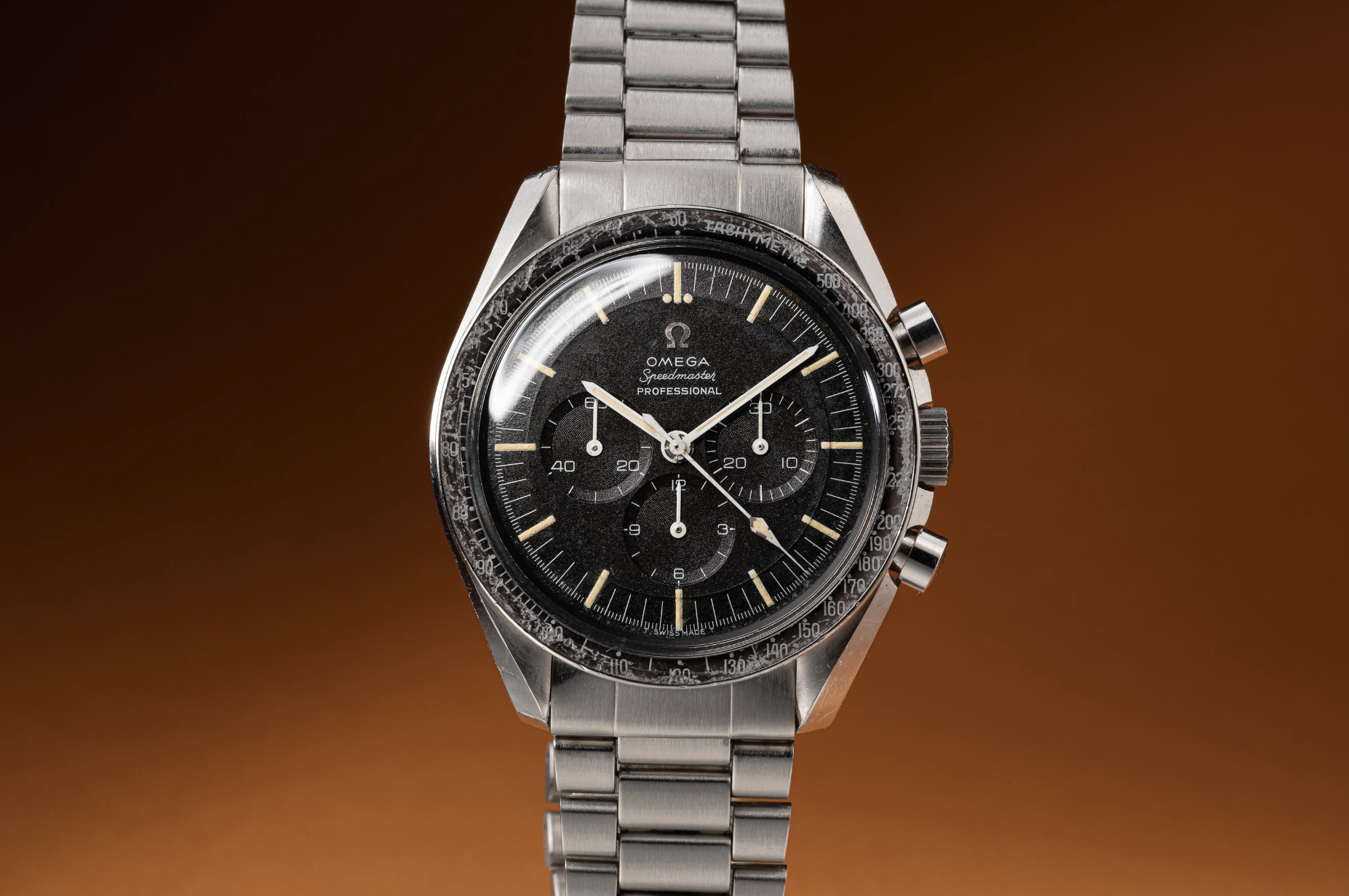
How to Authenticate an Omega Watch: A Complete Guide for Buyers
Omega is one of the most recognized watch brands in the world. With over 175 years of history, a long association with NASA, and the distinction of being the official timekeeper of the Olympic Games, Omega has earned its place in the upper tier of Swiss horology. That reputation, unfortunately, also makes it one of the most frequently counterfeited watch brands on the market. Whether you are buying a vintage Seamaster, a pre-owned Speedmaster, or a modern Constellation, knowing how to authenticate an Omega watch is not optional. It is essential. This guide walks through every major checkpoint a buyer should know before spending their money.
Why Omega Authentication Matters More Than You Might Think
The counterfeit watch market has grown significantly over the past decade. Improved manufacturing technology means that fake watches today are more convincing than they were even five years ago. Some replicas are sold at suspiciously low prices, but others are presented at near-retail levels by sellers who misrepresent what they are offering. The consequences of purchasing a counterfeit are not limited to losing money. You also lose the craftsmanship, the mechanical integrity, and the long-term value that comes with a genuine Omega. Authentication protects your investment and your confidence in the watch on your wrist.
Start With the Serial Number and Reference Number
Every authentic Omega watch carries a unique serial number engraved on the case. This number corresponds directly to when and where the watch was produced. Omega maintains detailed production records, and these numbers have been extensively documented by collectors and researchers. The reference number, which identifies the specific model and configuration, should also match the dial, hands, and case materials described in Omega's official records. If the serial number does not appear where it should, or if it looks stamped rather than engraved with precision, that is an immediate warning sign. Cross-referencing both numbers against known Omega production data is one of the most reliable starting points in any authentication process.
Examine the Dial With Close Attention
The dial is where counterfeiters most often reveal themselves. Omega dials are produced to an extremely high standard. The printing is crisp, the logo placement is precise, and the finish is consistent across every element. When examining a dial, look for the following:
- Text alignment beneath the Omega logo should be perfectly centered
- The depth and clarity of any applied indices or hour markers should be uniform
- Luminous material on hands and indices should match in color and texture
- Subdial printing on chronograph models should be clean and proportional
- Any text referencing "Swiss Made," "Automatic," or other specifications should be sharp and evenly spaced
Smudged text, uneven spacing, or inconsistencies in finish quality are signs that something is wrong. These details are nearly impossible to replicate at the quality level Omega maintains in actual production.
The Case, Crown, and Caseback Tell Their Own Story
Omega cases are machined and finished with a level of precision that is difficult to fake convincingly. Run a fingernail across the transition between a brushed and polished surface. On a genuine Omega, those edges are sharp and deliberate. On a replica, they are often soft, uneven, or inconsistently finished. The crown should engage smoothly with resistance at each position. It should never feel loose, gritty, or imprecise. The caseback is equally telling. Omega uses exhibition casebacks on some models and solid casebacks on others, and neither should show signs of tool marks, misaligned text, or shallow engravings. The Omega seahorse medallion found on many solid casebacks should be deeply struck and well-defined, not flat or poorly detailed.
Movement Authentication Is Non-Negotiable
For watches with an exhibition caseback, the movement itself provides critical authentication data. Omega movements are decorated to high standards, with rotor engravings, Geneva stripes, and beveling that counterfeiters rarely replicate convincingly. Look at the rotor. On authentic pieces, the Omega logo and movement designation are laser-engraved or printed cleanly. Fake rotors often look flat, blurry, or carry incorrect font weights. If the watch has a solid caseback, a qualified watchmaker can open it safely and assess the movement inside. This step is worth taking, especially on higher-value pieces. Never skip movement inspection on any purchase above a few hundred dollars.
Documentation, Box, and Papers Add Critical Context
Original documentation does not authenticate a watch on its own, but the absence of it raises questions that deserve answers. Omega watches typically come with a warranty card, an instruction manual, hang tags, and the original box. The warranty card should carry a serial number that matches the watch. Paper quality, printing precision, and card format all changed at different points in Omega's history, so knowing what the correct documentation looks like for a given era is important. Vintage pieces are less likely to retain original papers, and that is understandable. For modern pieces, missing documentation without a credible explanation should prompt additional scrutiny.
When to Consult a Professional Authenticator
There is a limit to what any buyer can assess without specialized tools and training. If you are purchasing an Omega at a significant price point, or if something about the watch feels inconsistent even if you cannot name exactly what, consulting a professional authenticator is the right call. A watchmaker with experience in Swiss luxury timepieces can inspect the movement, measure case dimensions, assess finishing quality, and verify serial data far more thoroughly than a visual inspection allows. Many reputable dealers and auction houses employ in-house authentication teams. Independent authentication services also exist and can provide written documentation of their findings.
Red Flags to Watch for When Buying Pre-Owned
The pre-owned and vintage Omega market is full of legitimate, beautiful watches. It is also where most fakes are encountered. Certain patterns tend to appear repeatedly around counterfeit sales:
- Prices dramatically below current market value for the specific reference
- Sellers who resist independent inspection or in-person viewing
- Photographs taken at angles that obscure the dial, caseback, or crown
- Serial numbers that cannot be verified against any known Omega production database
- Descriptions that mix incorrect specifications, such as wrong movement for the model year
None of these indicators alone confirms a fake, but any combination of them should slow you down considerably. A trustworthy seller has nothing to hide and every reason to welcome scrutiny.
Trust Your Source and Buy With Confidence at Tropical Watch
Authentication is ultimately about knowing your source. No matter how careful your personal inspection, purchasing from a dealer with a documented track record of accuracy, transparency, and expertise removes most of the risk from the equation. Tropical Watch has built its reputation on exactly that kind of integrity. Specializing in authenticated pre-owned and vintage luxury watches, the team at Tropical Watch combines deep horological knowledge with rigorous sourcing standards. Whether you are looking for a certified pre-owned Omega Speedmaster or a rare vintage reference from another storied brand, every piece in the inventory has been carefully evaluated. Collectors and first-time buyers alike can explore authenticated vintage and pre-owned luxury watches from trusted dealers with the kind of confidence that comes from working with people who take accuracy personally. When the investment is real, the source has to be too.
Frequently Asked Questions About Authenticating Omega Watches
How do I find the serial number on my Omega watch?
The serial number on an Omega watch is typically engraved on the caseback or on the case between the lugs. On older vintage models, it may appear on the inside of the caseback. The number should be cleanly engraved, not stamped or printed.
Can Omega authenticate a watch for me directly?
Omega service centers can inspect a watch and provide documentation of its service history, but they do not issue formal authentication certificates in the way some third-party services do. An Omega-authorized service center can, however, verify whether a movement is genuine and matches the case it is housed in.
What is the most common way to spot a fake Omega Speedmaster?
The most common indicators include poor dial printing quality, a loosely fitted crown, an inaccurate or flat caseback engraving, and a movement that does not match the correct caliber for the model and year. The subdial alignment on the Speedmaster is also a reliable checkpoint, as fakes frequently get the proportions wrong.
Does an Omega watch always come with papers?
Modern Omega watches sold through authorized retailers include warranty documentation. Vintage or pre-owned pieces may not retain original papers, which is common and not automatically a sign of inauthenticity. However, missing papers on a recently purchased modern piece warrant explanation.
Is it safe to buy a pre-owned Omega online?
It can be, provided you purchase from a reputable dealer with verifiable authentication practices, a clear return policy, and a documented history of accurate listings. Avoid private sales without the ability to inspect the watch in person or through a trusted third-party service.
What tools do professionals use to authenticate an Omega watch?
Professional authenticators use loupe magnification, digital calipers for case measurements, UV lighting to assess dial materials, and movement inspection tools. They also cross-reference serial numbers against historical production data and compare components against verified reference examples.



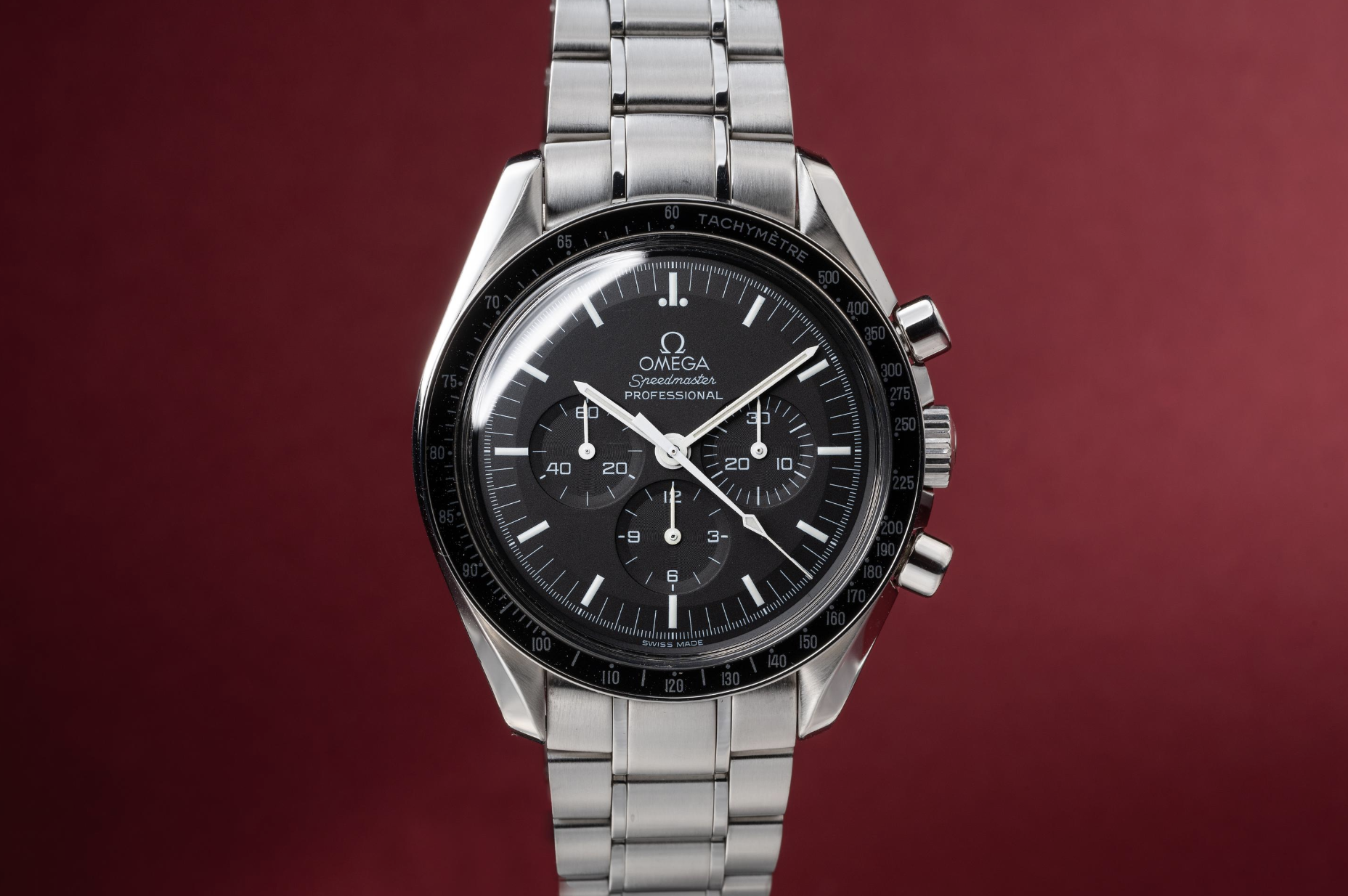












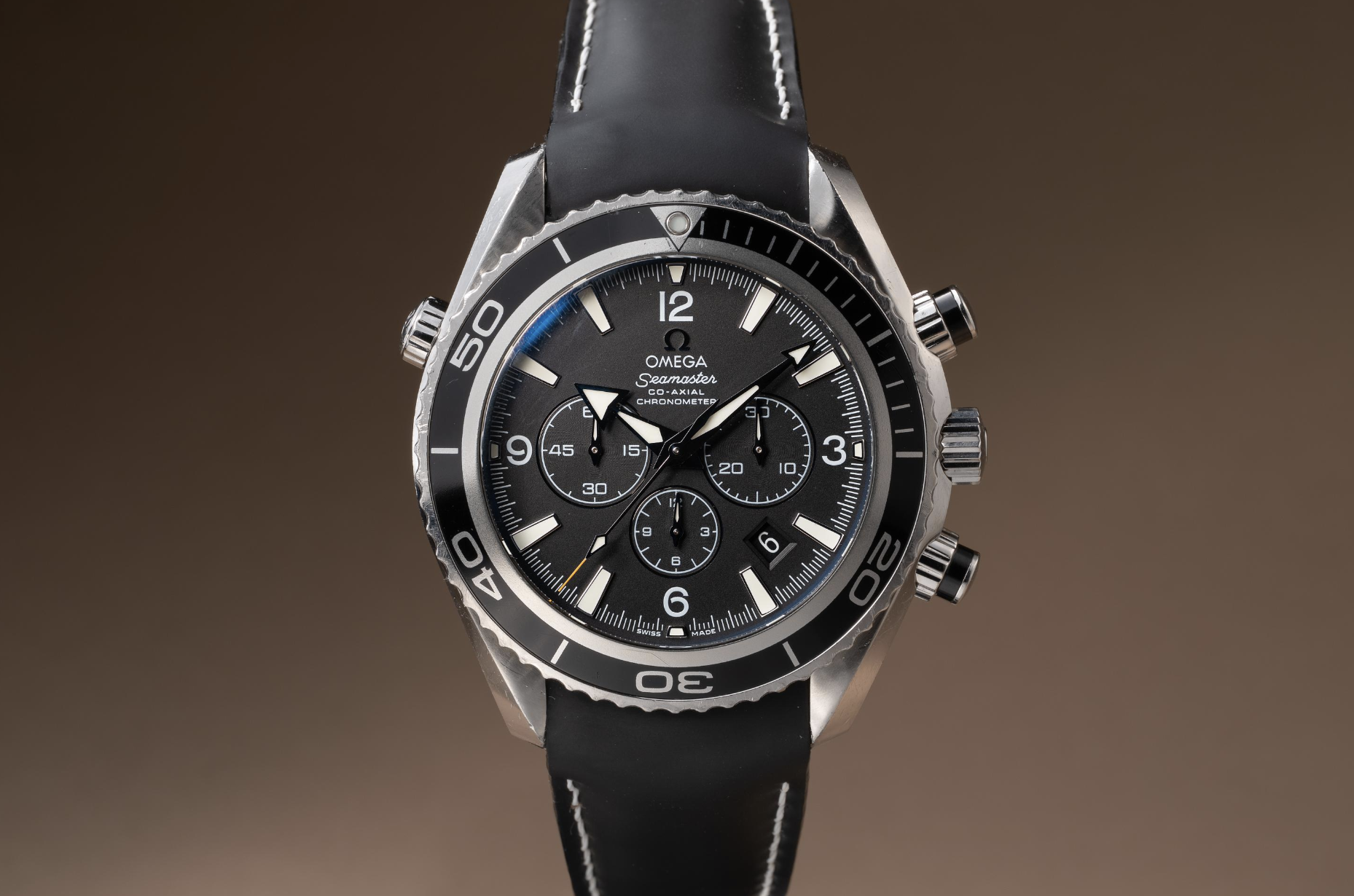






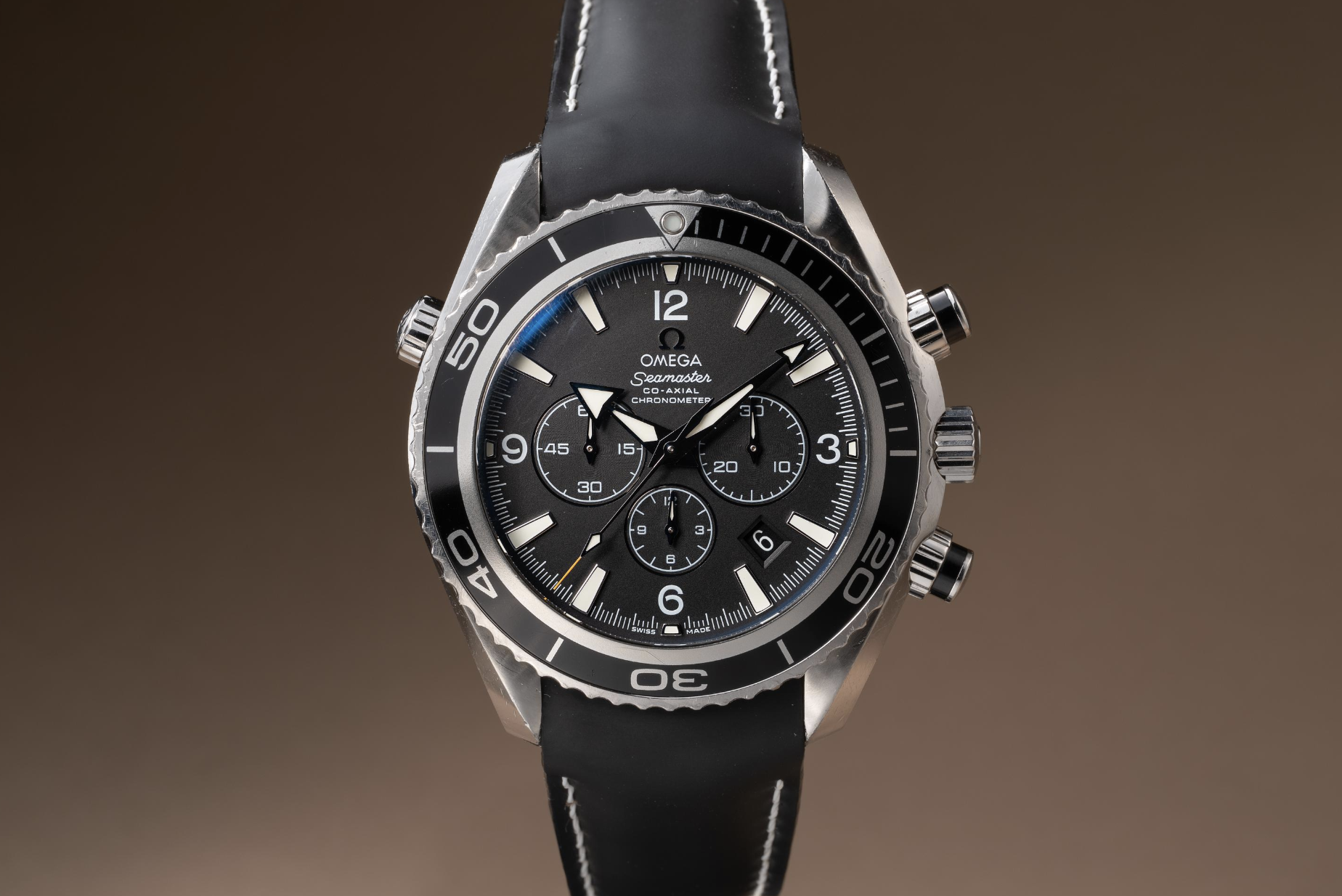



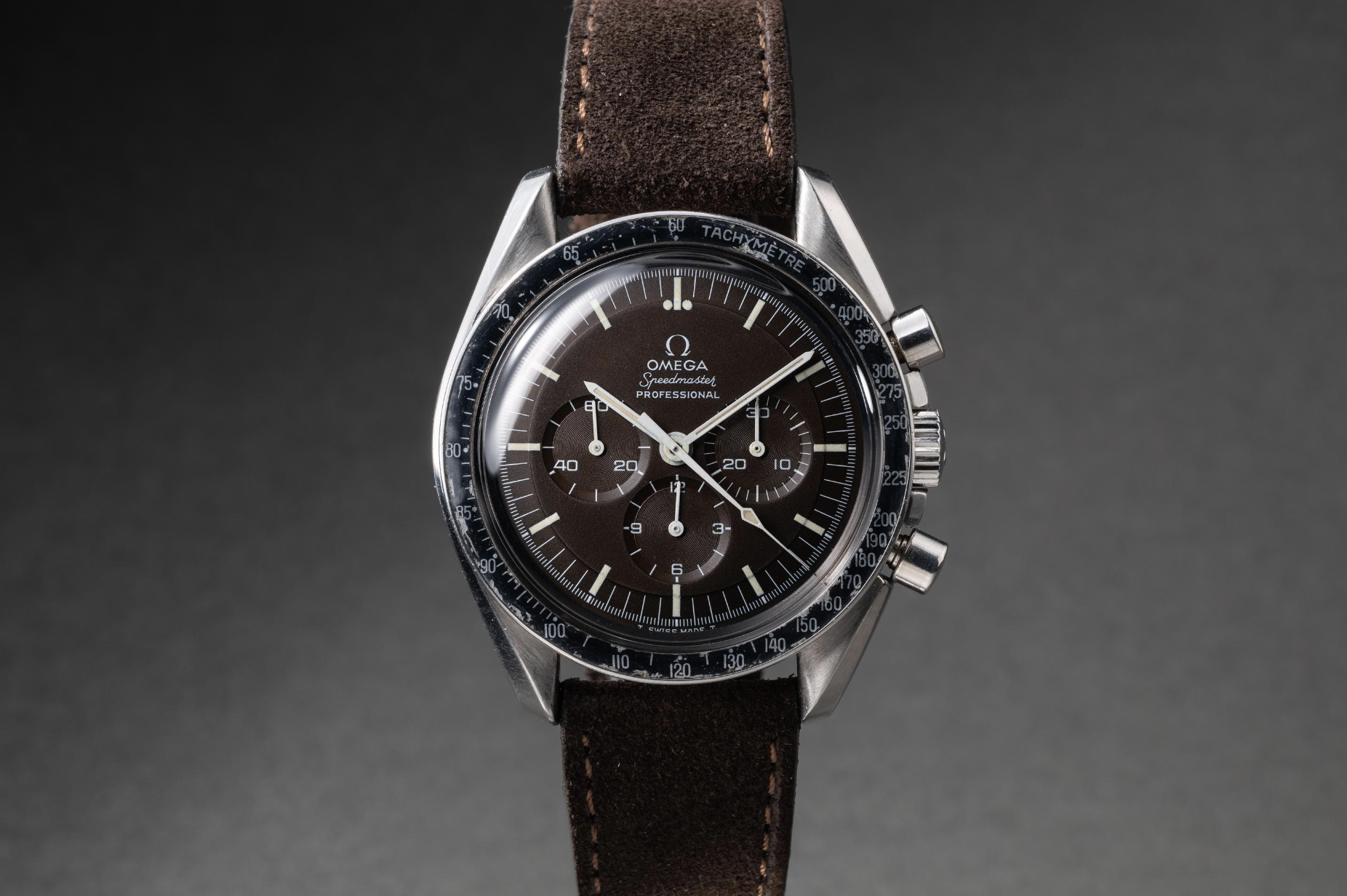

Table of Contents
Get More from the Journal