


Cheapest Luxury Watches That Still Deliver Prestige
What Makes a Luxury Watch "Affordable" Without Sacrificing Prestige
The phrase "cheapest luxury watches" sounds like a contradiction, but it is actually one of the most searched topics among first-time buyers entering the world of fine timepieces. The reality is that luxury does not always mean six figures. There is a genuine tier of watches that carry the heritage, craftsmanship, and brand recognition of true luxury houses while remaining accessible to a broader range of buyers. Whether you are drawn to Swiss movements, heritage design, or simply the feeling of wearing something built to last generations, this guide is designed to help you understand exactly where value and luxury intersect.
Understanding the Luxury Watch Market and Price Tiers
The luxury watch market is broadly segmented into a few recognizable price tiers. Entry-level luxury typically begins around $500 and can extend to roughly $3,000. Mid-range luxury falls between $3,000 and $10,000. True high-end and haute horology generally starts above that threshold and climbs into the hundreds of thousands. For most buyers, the entry tier is the most practical starting point, and it is more impressive than many expect. Brands competing in this space are not cutting corners on identity or history. They are simply offering more accessible models that serve as genuine introductions to what luxury watchmaking actually means at its core.
The Brands That Define Entry-Level Luxury Watches
Several well-established names consistently appear when discussing the most affordable luxury watches. These are not obscure labels. They carry decades, sometimes over a century, of manufacturing history behind them.
- Tissot has been producing watches in Switzerland since 1853 and is widely considered the gateway into Swiss luxury. Models like the Tissot PRX and the Tissot Le Locle offer automatic movements, sapphire crystal glass, and refined aesthetics at prices typically between $400 and $900.
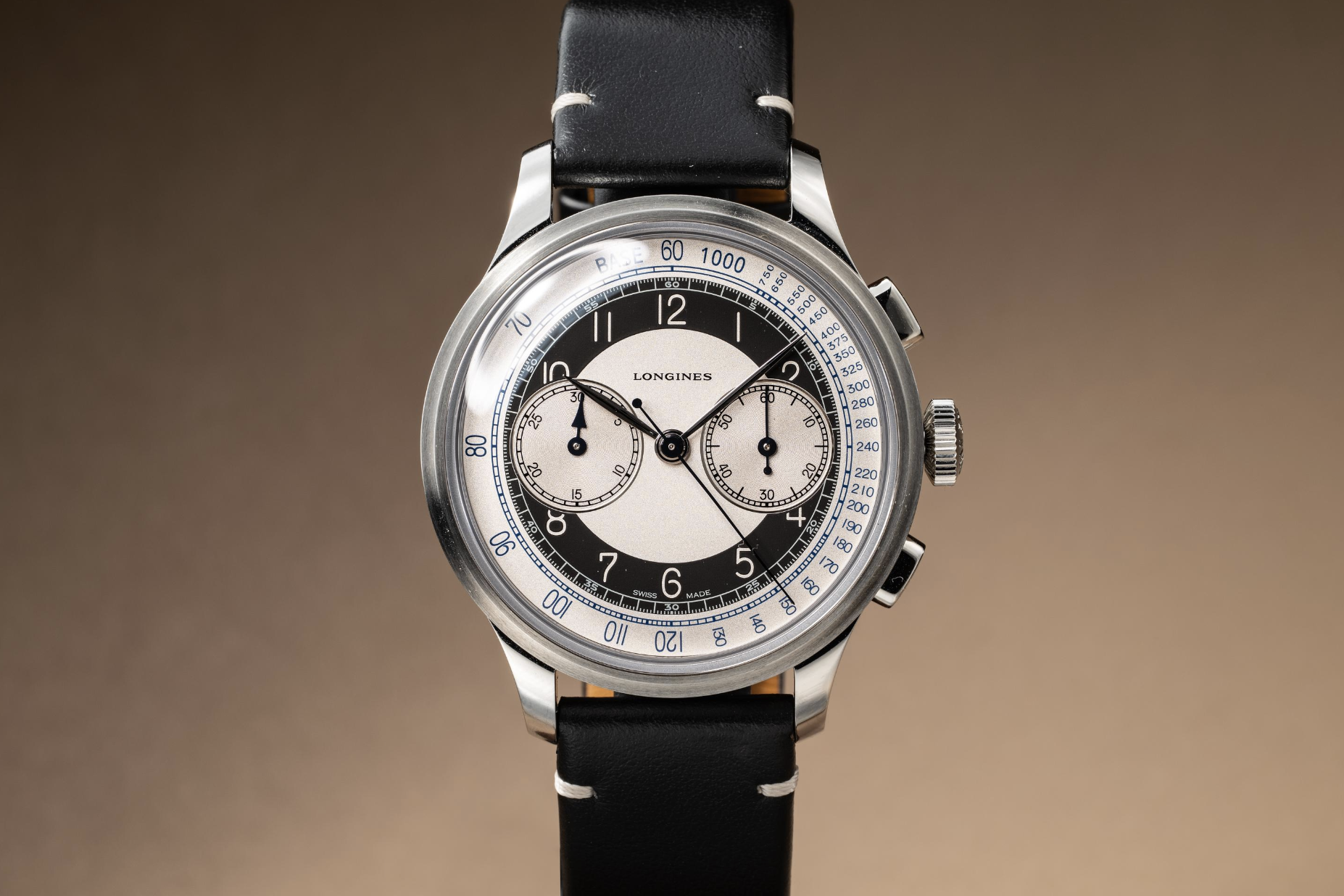
- Longines, also Swiss and founded in 1832, carries an even longer legacy and offers elegant dress watches and sport models ranging from approximately $800 to $2,500. The Longines Master Collection and the Conquest series are particularly respected.
- Hamilton Watch Company, founded in 1892 in Pennsylvania and now operating under the Swatch Group umbrella, blends American heritage with Swiss precision. Their Khaki Field and Jazzmaster lines are fan favorites starting around $500.
- Frederique Constant produces watches in Geneva with in-house movements and prices typically starting under $1,000, making it one of the few brands offering genuine manufacture calibers at that range.
- Mido, another Swatch Group brand, delivers solid mechanical watches built around ETA movements with elegant designs inspired by architecture. Their Baroncelli and Ocean Star lines are compelling under $1,000.
What You Are Actually Getting for the Price
This is where many buyers underestimate what their money is doing. At the entry level of luxury, you are generally getting a Swiss-made or European-made mechanical or automatic movement, sapphire crystal that resists scratching far better than mineral glass, solid stainless steel or even gold-plated cases, and water resistance suitable for daily wear. Many of these timepieces are also backed by multi-year manufacturer warranties. The fit and finish at this tier is noticeably superior to fashion watches sold at similar or even higher price points from non-watchmaking brands. You are also, importantly, buying into resale potential, something fashion watches almost never offer.
New vs. Pre-Owned: Expanding Your Budget Further
One of the smartest moves any entry-level buyer can make is considering the certified pre-owned market. A pre-owned Rolex, for example, that might retail new for $8,000 to $10,000 can sometimes be found in excellent condition for $5,000 to $7,000 depending on the reference, year, and condition. The pre-owned market essentially collapses price tiers. Watches that were once out of reach become realistic options. The key is sourcing from reputable dealers who authenticate, service, and stand behind what they sell. Buying grey market or from unknown private sellers introduces risk that often outweighs the savings. Stick to established platforms and dealers with documented track records.
Japanese Luxury Watches: An Often Overlooked Alternative
Swiss-made dominates the conversation, but Japanese watchmaking deserves far more credit in the affordable luxury category. Grand Seiko, while now positioned as a premium brand with prices starting around $2,000, still represents extraordinary value when you consider the level of hand-finishing applied to each case. Seiko's own Presage line offers beautiful dress watches with automatic movements starting around $300. Orient, owned by Seiko, produces genuinely mechanical watches with in-house movements for under $300 in many cases. Japanese watchmaking places a different but equally serious emphasis on precision and craft, and buyers who broaden their search beyond Switzerland consistently report satisfaction with what they find.
Features to Prioritize When Buying an Affordable Luxury Watch
When evaluating watches in this category, a few features consistently separate genuine luxury from the appearance of it. Prioritizing these details will help you make a more confident decision and avoid buyer's remorse.
- Movement type: Mechanical or automatic movements indicate real watchmaking. Quartz is not inferior in accuracy, but it does not carry the same heritage or craftsmanship value.
- Crystal material: Sapphire crystal is the standard in luxury. Avoid mineral glass if longevity and scratch resistance matter to you.
- Case material: Solid stainless steel or precious metal cases outlast plated alternatives. Check specifications carefully.
- Water resistance rating: A minimum of 50 meters is appropriate for daily wear. Sport models should offer 100 meters or more.
- Brand heritage: Established brands with documented history behind their movements and manufacturing practices represent more stable long-term value.
Rolex as a Long-Term Investment Benchmark
No conversation about luxury watches is complete without addressing Rolex, even when discussing affordability. Rolex does not produce cheap watches, but understanding their value proposition helps frame everything else. A Rolex Oyster Perpetual, the brand's most accessible current model, retails around $5,800. Vintage Rolex references from the 1960s through the 1980s can sometimes be found at similar or comparable price points depending on condition and reference number, and many of them have appreciated consistently over decades. Rolex represents the clearest case study in how a well-made watch retains and grows in value over time, which is a standard worth understanding even if your starting budget is considerably lower.
Why Tropical Watch Is the Right Place to Start or Expand Your Collection
If you are serious about entering the luxury watch market with confidence, the dealer you choose matters as much as the watch you buy. Tropical Watch is a destination built specifically for collectors and first-time buyers who want access to authenticated, carefully curated timepieces with transparent provenance. Their particular expertise in vintage Rolex makes them an invaluable resource for buyers who want to explore that market without the anxiety of navigating it alone. Whether you are researching your first purchase or looking to acquire something truly special, browsing the inventory of affordable luxury watches and vintage Rolex timepieces at Tropical Watch gives you access to a level of expertise and curation that most platforms simply cannot match. The team brings genuine knowledge to every transaction, and that kind of guidance is exactly what the luxury watch market demands.
Frequently Asked Questions About Affordable Luxury Watches
What is considered the cheapest true luxury watch brand?
Tissot is widely regarded as the most accessible genuine luxury watch brand, with Swiss-made automatic models available for under $500. Brands like Hamilton and Mido follow closely, offering mechanical watches with strong heritage in a similar price range.
Is a $500 watch considered a luxury watch?
It depends on the brand and what the watch contains. A $500 Swiss-made automatic watch from a heritage brand with sapphire crystal and a solid case qualifies as entry-level luxury. A $500 fashion watch from a non-watchmaking brand does not, regardless of marketing claims.
Do affordable luxury watches hold their value?
Some do, particularly those from brands with strong secondary market demand. Tissot, Longines, and Hamilton retain reasonable resale value. Vintage Rolex and other prestige references tend to appreciate significantly, making pre-owned acquisitions in that tier particularly compelling from an investment standpoint.
What is the difference between a luxury watch and a fashion watch?
A luxury watch is defined by its movement quality, manufacturing heritage, materials, and craftsmanship. A fashion watch prioritizes aesthetics and brand recognition over horological substance, typically using inexpensive quartz movements in lower-grade cases with minimal attention to finishing.
Is buying a pre-owned luxury watch a good idea for beginners?
Yes, provided the purchase is made through a reputable, authenticated dealer. Pre-owned watches offer access to higher-tier references at reduced prices and often come already serviced. The critical factor is verifying the seller's credentials and ensuring the watch comes with documentation of its condition and authenticity.
How do I know if a luxury watch is authentic?
Authentication involves examining movement finishing, case engravings, dial printing quality, serial and reference numbers, and service history. For high-value purchases, working with a certified dealer or independent watchmaker who can physically inspect the piece before purchase is always the recommended approach.


