Rolex Submariner vs Daytona: Which Watch Suits You?

Rolex Submariner vs Daytona: Which Iconic Watch Is Right for You?
Few debates in the luxury watch world carry as much weight as the Rolex Submariner vs Daytona conversation. Both are legendary. Both are instantly recognizable. And both represent the very best of what Rolex has built over decades of precision watchmaking. But they are fundamentally different watches designed for fundamentally different purposes, and understanding those differences is what helps you make the right decision. Whether you are a first-time luxury watch buyer or a seasoned collector adding to your portfolio, this breakdown will give you everything you need to know.
A Brief History of the Rolex Submariner
The Submariner was introduced in 1953, making it one of the earliest purpose-built dive watches in the world. Rolex developed it in collaboration with diving professionals, and the original design was built to withstand depths of 100 meters. That rating has since been upgraded to 300 meters on modern references. The watch was created to serve a practical function at a time when underwater exploration was expanding rapidly, and it quickly became the standard against which all other dive watches were measured. Over the decades, it evolved in subtle but meaningful ways, adding features like the ceramic bezel on the current generation, a more refined Oyster bracelet, and improved movement technology. What has not changed is the core identity of the watch: a clean, legible dial, a unidirectional rotating bezel, and a robust case that handles real-world use without hesitation.
A Brief History of the Rolex Daytona
The Daytona arrived in 1963 with a very different mission. Named after the famous Daytona International Speedway in Florida, it was designed for professional racing drivers who needed a reliable chronograph to measure elapsed time and calculate average speeds. The early Daytonas were not immediate commercial successes, which is part of why certain vintage references, particularly those with exotic dials, have become some of the most valuable watches ever sold at auction. The so-called Paul Newman Daytona, a nickname attached to specific exotic dial variants because the actor wore one, has reached prices exceeding ten million dollars at auction. The modern Daytona, especially the reference 116500LN with its ceramic bezel, is now one of the most sought-after watches on the secondary market, often commanding prices well above retail.
Design and Aesthetics: Two Very Different Personalities
This is where things start to get personal. The Submariner has a cleaner, more minimalist look. The dial is uncluttered, the indices are large and easy to read, and the rotating bezel serves a functional purpose. It wears equally well with a wetsuit and a business suit, which is no small achievement. The Daytona, by contrast, has a more complex face. The three subdials for measuring chronograph functions, including elapsed seconds, minutes, and hours, give it a more technical, instrument-like appearance. It tends to attract people who appreciate a bit more visual complexity on the wrist. In terms of case size, the current Submariner measures 41mm and the Daytona sits at 40mm, so they are close, but the Daytona tends to wear slightly slimmer due to its case profile. Both are available in stainless steel as well as precious metal configurations including gold and two-tone Rolesor combinations.
Movement and Functionality Compared
Inside the Submariner sits the Rolex Calibre 3235, a self-winding mechanical movement with a power reserve of approximately 70 hours. It offers a date complication, which the Daytona does not. The no-date Submariner references use the Calibre 3230, which shares the same power reserve. The Daytona runs on the Calibre 4130, a column wheel chronograph movement that Rolex developed entirely in-house. The 4130 is considered one of the finest chronograph movements in production, praised for its reliability, ease of service, and vertical clutch mechanism that eliminates the hands jumping when the chronograph is engaged. If you are someone who will actually use the chronograph function, the Daytona's movement is a precision instrument worth appreciating. If you want a watch that simply tells the time and date with rock-solid dependability, the Submariner delivers that without compromise.
Market Availability and Pricing
Both watches are notoriously difficult to purchase at retail. Authorized dealers across the world have waitlists that can span years for both references, and grey market premiums reflect that demand clearly. As of recent market data, a stainless steel Submariner Date in the ref. 126610LN range trades in the secondary market at roughly 12,000 to 15,000 USD, depending on condition and provenance. The stainless steel Daytona ref. 116500LN with a white or black dial has been trading significantly higher, often between 28,000 and 40,000 USD or more. On the vintage side, early Submariners and Daytonas from the 1960s and 1970s can reach extraordinary prices depending on the specific reference, dial condition, and whether the original bracelet and box and papers are present.
Who Should Buy the Submariner?
The Submariner is the more versatile of the two. It works across more situations, fits more wrist sizes comfortably, and carries an undeniable heritage that translates to virtually any context. It is a strong choice for someone entering the luxury watch space for the first time. Key reasons collectors and buyers lean toward the Submariner include:
- Greater day-to-day wearability across casual and formal settings
- A cleaner dial that does not require familiarity with chronograph functions
- Broad recognition value that holds strong in both retail and secondary markets
- A wide range of vintage references with compelling histories and collectible appeal
- Slightly lower secondary market premiums compared to the Daytona
Who Should Buy the Daytona?
The Daytona is the better choice for someone who gravitates toward complication and mechanical sophistication. It is also the stronger investment watch historically, particularly in specific references and dial variants. If you are drawn to motorsport culture, appreciate the heritage of the chronograph, or simply want a watch that commands attention with its more complex dial layout, the Daytona is worth pursuing. Consider the Daytona if these points resonate:
- You appreciate mechanical chronograph movements and may actually use the timing functions
- You are drawn to the collector and auction market where Daytona values have historically performed strongly
- You prefer a watch with a clear sporting identity tied to a specific world
- Vintage Daytona references with exotic dials represent a fascinating area of the collector market
Vintage Rolex: A Category Worth Exploring for Both Models
For many watch enthusiasts, the vintage versions of both the Submariner and Daytona are more compelling than their modern counterparts. Early Submariners from the 1950s and 1960s, such as the reference 6200, 6538, and 5512, have an organic, handmade quality that modern production cannot replicate. Vintage Daytonas from that same era, especially references 6239 and 6241, with their exotic dials and manual wind movements, represent some of the most desirable objects in all of horology. The patina, the tropical dials, the aged lume plots, the riveted bracelets, these are the qualities that make vintage Rolex so compelling. Understanding provenance and condition becomes essential when shopping vintage, which is precisely why working with a trusted specialist matters.
Why Tropical Watch Is the Right Partner for Your Rolex Search
When you are searching for a Submariner, a Daytona, or a rare vintage reference from either line, the quality of your source matters as much as the watch itself. Tropical Watch has built its reputation on deep expertise in the vintage and pre-owned Rolex market, offering collectors and buyers access to authenticated timepieces with honest, transparent representation. Whether you are beginning your journey or adding a significant piece to an existing collection, exploring vintage Rolex Submariner and Daytona watches for sale through a dedicated specialist ensures you are working with people who genuinely understand what you are looking at and why it matters. The team at Tropical Watch operates with the kind of nuanced knowledge that only comes from years of handling the real thing, and that expertise protects your investment from the first conversation forward.
Frequently Asked Questions
Is the Rolex Submariner or Daytona a better investment?
Historically, the Daytona has shown stronger price appreciation, particularly in vintage and limited references. However, both watches hold value exceptionally well compared to most other timepieces. The Submariner is more liquid due to broader demand, while specific Daytona references have produced some of the highest auction results in watch history.
Can you wear a Rolex Daytona as an everyday watch?
Yes, the Daytona is durable enough for daily wear and is water resistant to 100 meters. However, its chronograph complication and more complex dial make it better suited to someone who actively uses those features. The Submariner is generally considered the more practical everyday option.
What is the difference between a Submariner Date and a no-date Submariner?
The Submariner Date includes a date window at the 3 o'clock position with a magnifying cyclops lens, while the no-date version omits this feature entirely for a cleaner dial. Many purists prefer the no-date for its symmetry, while others find the date function practical. Both use in-house Rolex movements.
Why are vintage Rolex Daytonas with exotic dials so valuable?
Exotic dial Daytonas, often referred to as Paul Newman Daytonas, feature a distinctive printed dial with Art Deco-style subdials that were not popular when originally sold. Their rarity today, combined with celebrity association and collector demand, has pushed prices into the millions for the finest examples.
How do I verify the authenticity of a vintage Rolex before purchasing?
Authentication requires examining the movement, case serial numbers, dial printing, hands, and bracelet in detail. Working with a reputable specialist who has extensive experience handling genuine vintage Rolex pieces is the most reliable path. Documentation such as original box and papers adds important provenance but is not always present in vintage examples.
Which Rolex is more recognizable to the general public?
The Submariner is widely considered the more universally recognized watch, partly due to its association with film and popular culture over several decades. The Daytona is highly recognizable within watch enthusiast circles and carries strong prestige, but the Submariner has a broader footprint in mainstream awareness.






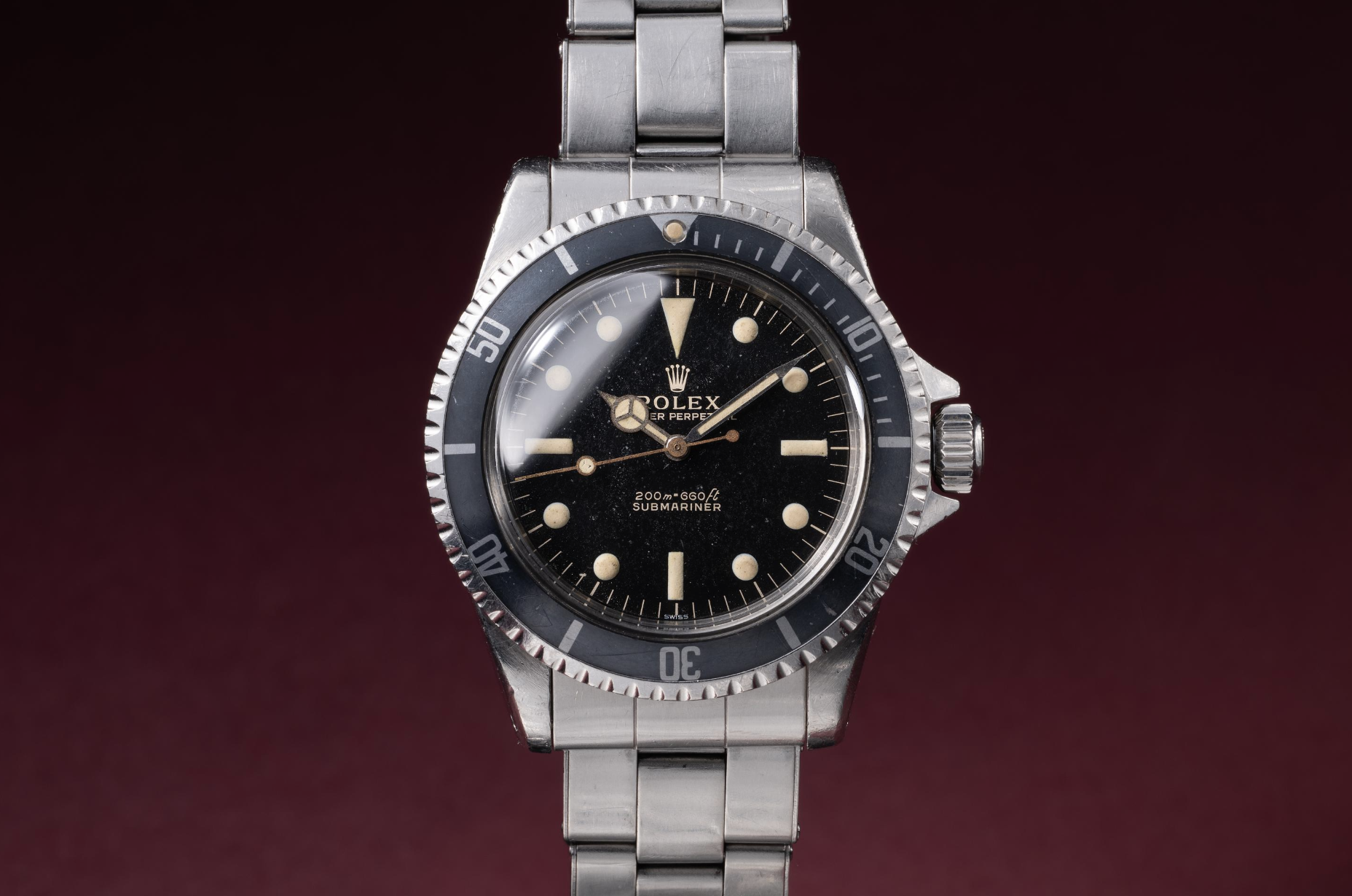



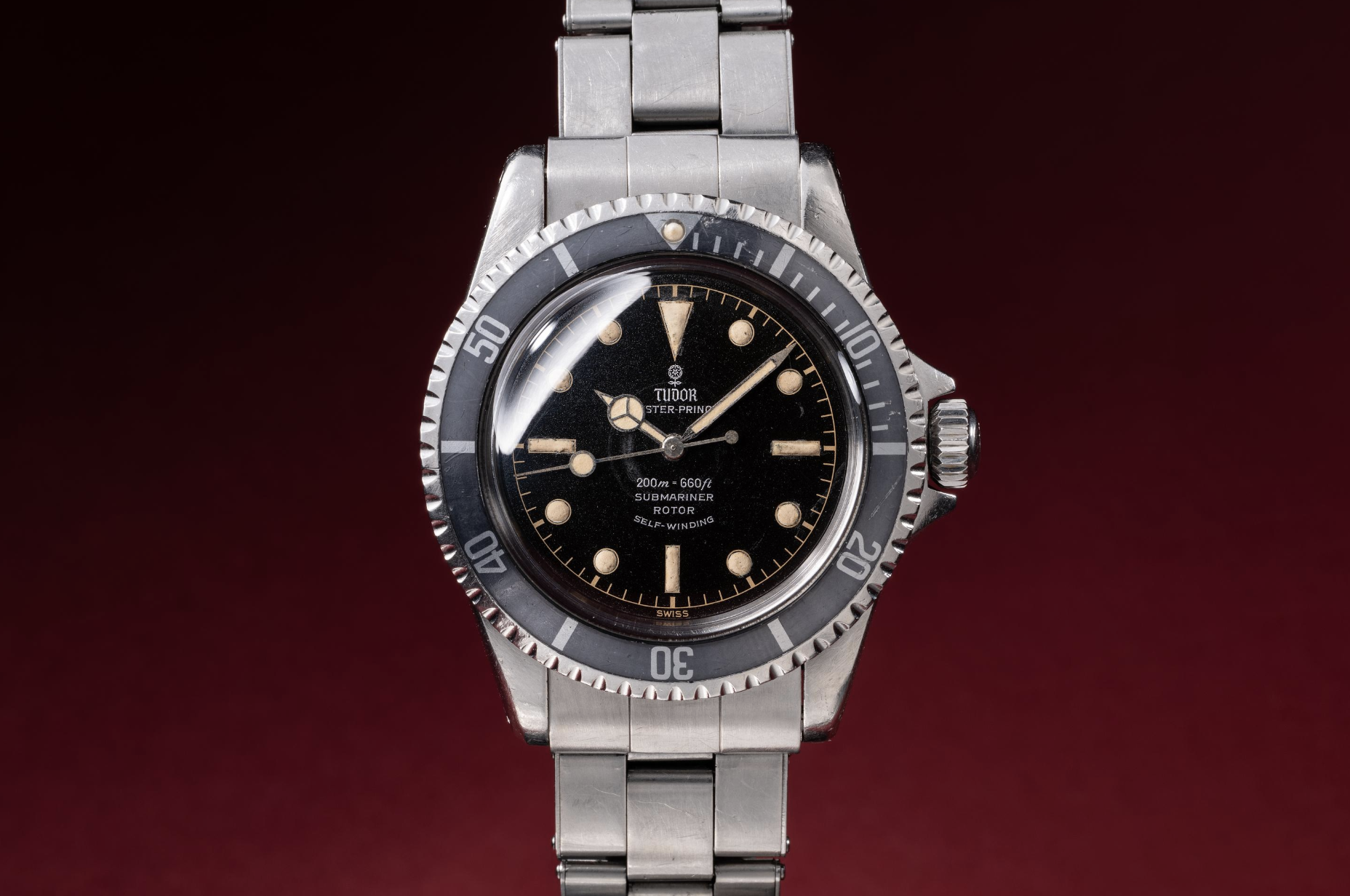

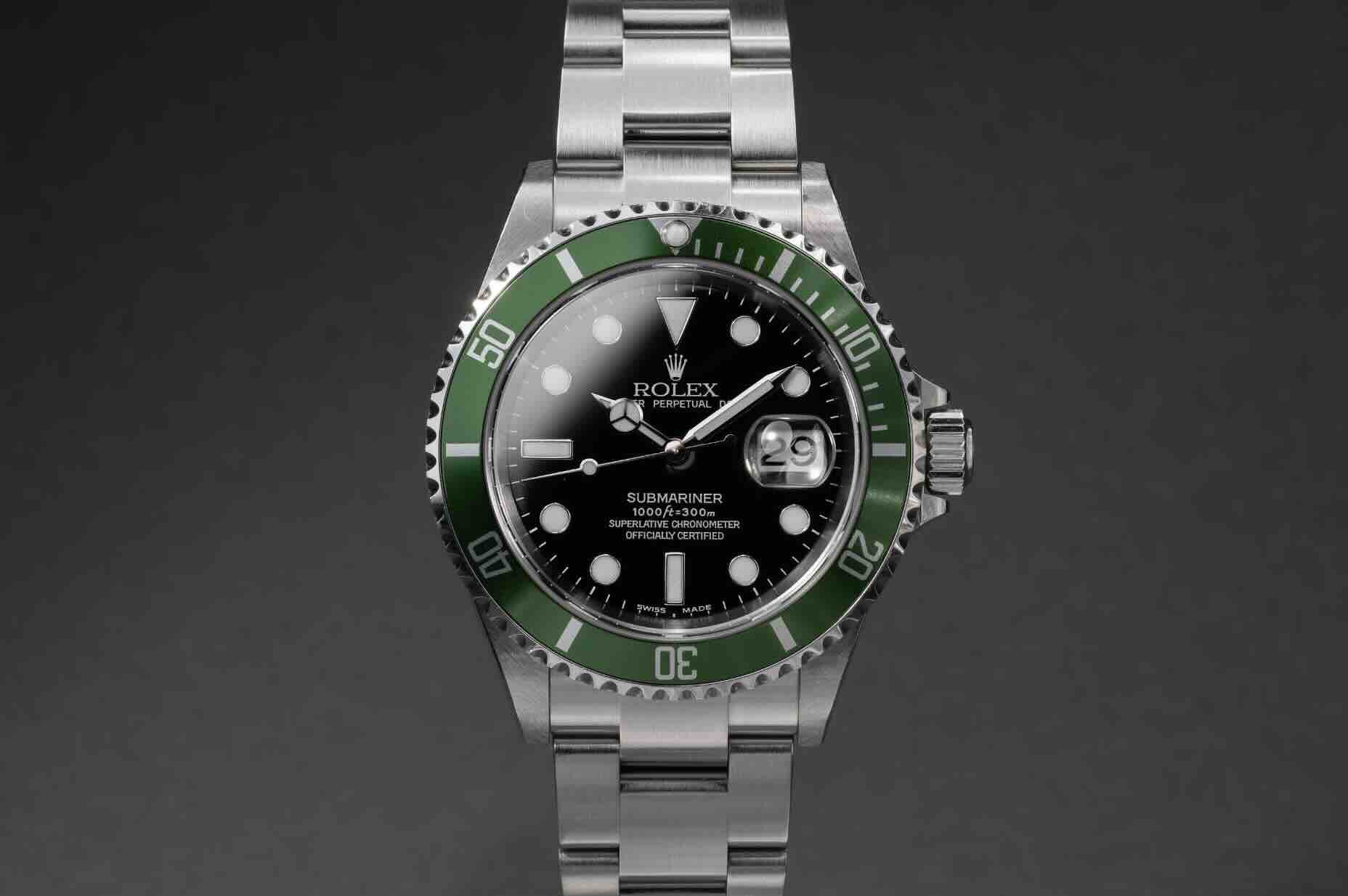


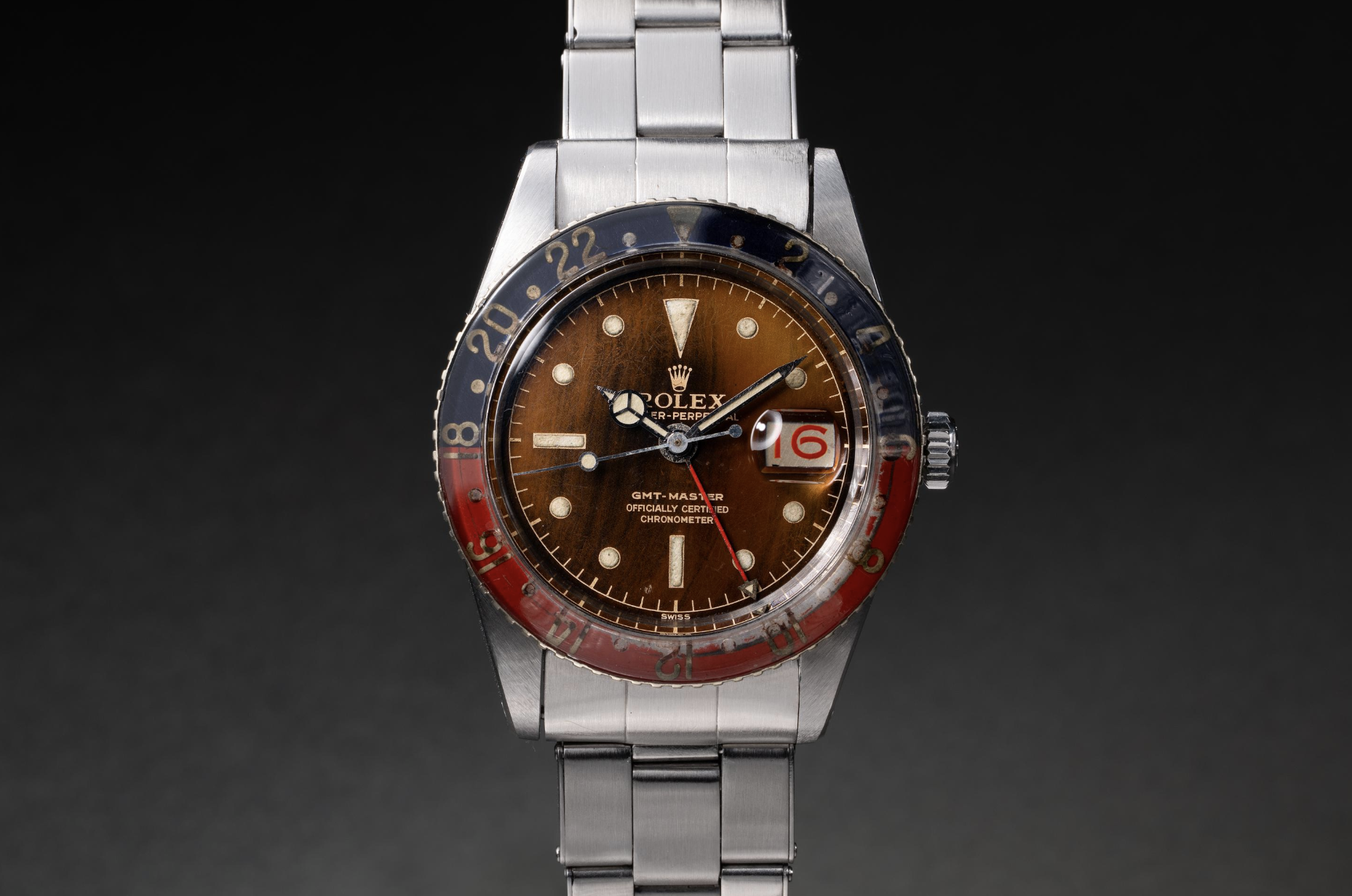




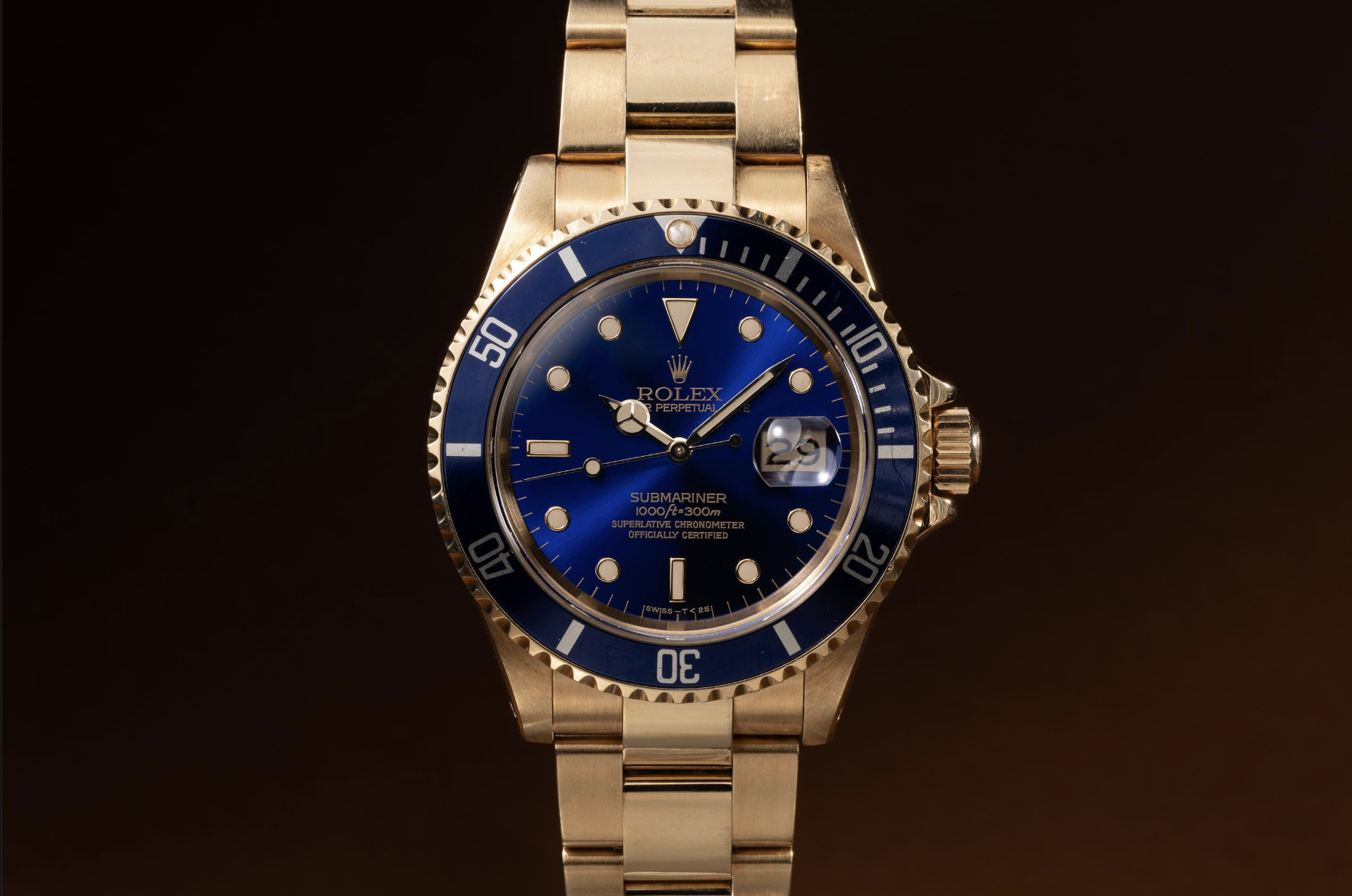





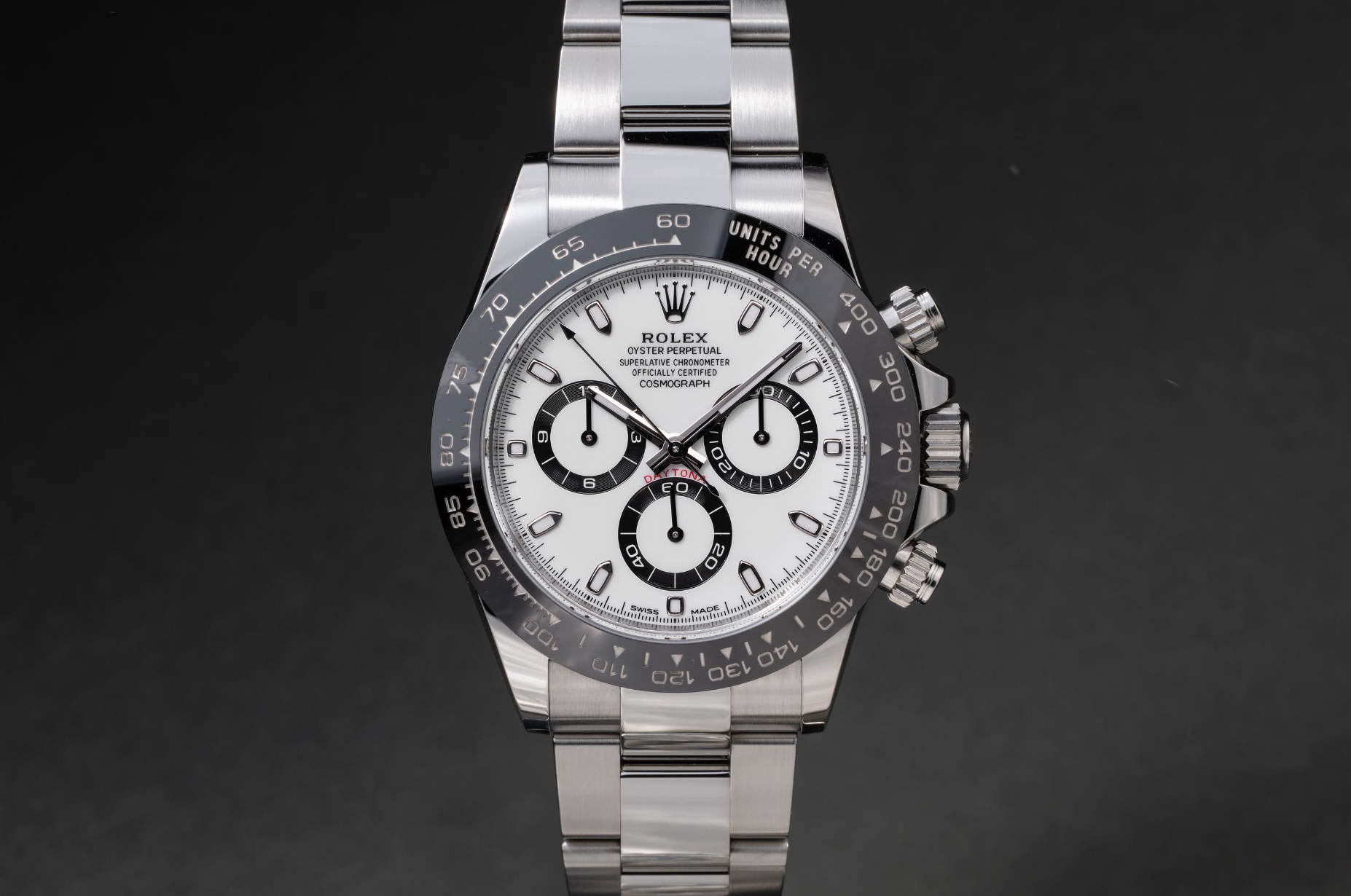




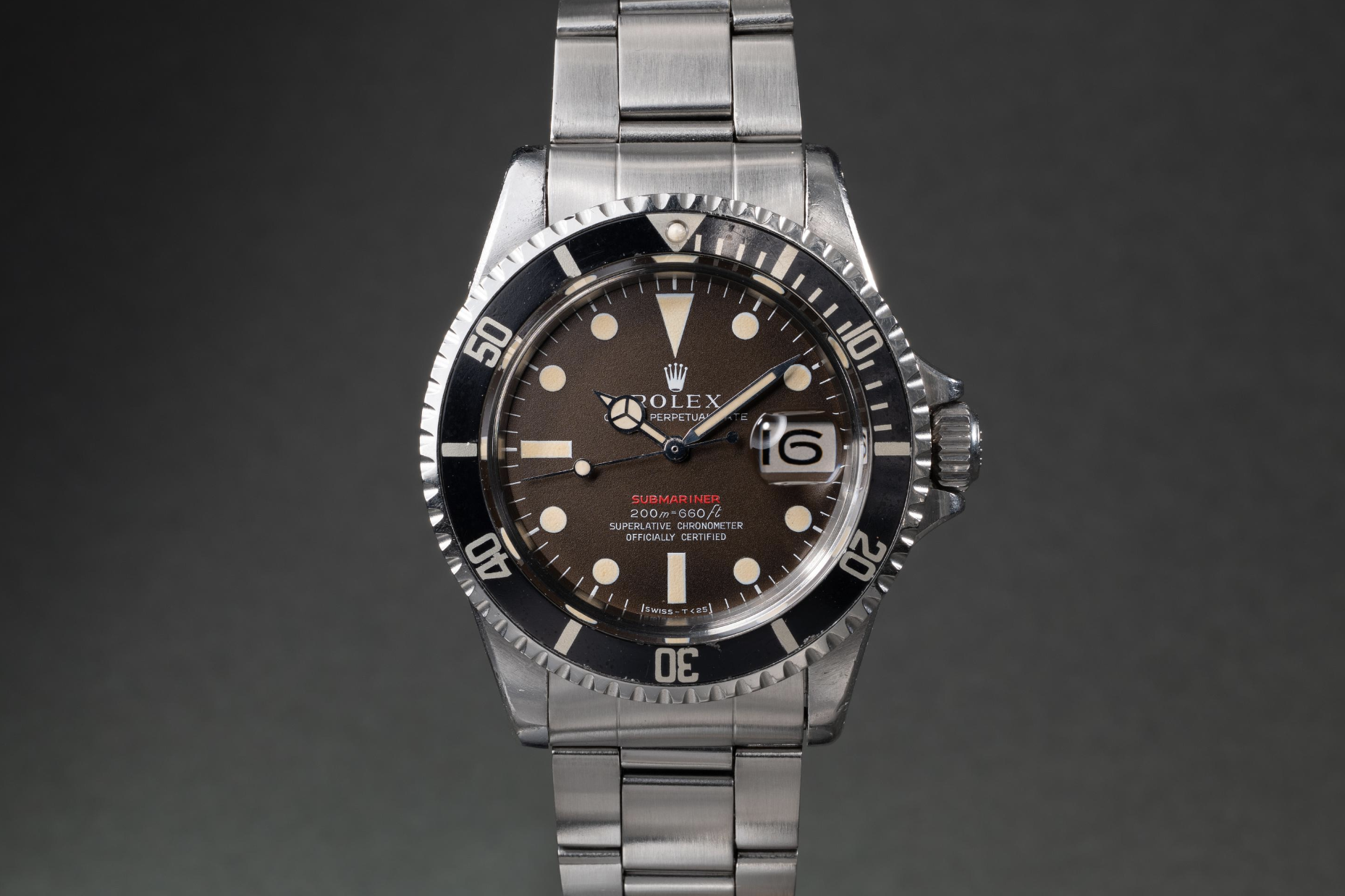


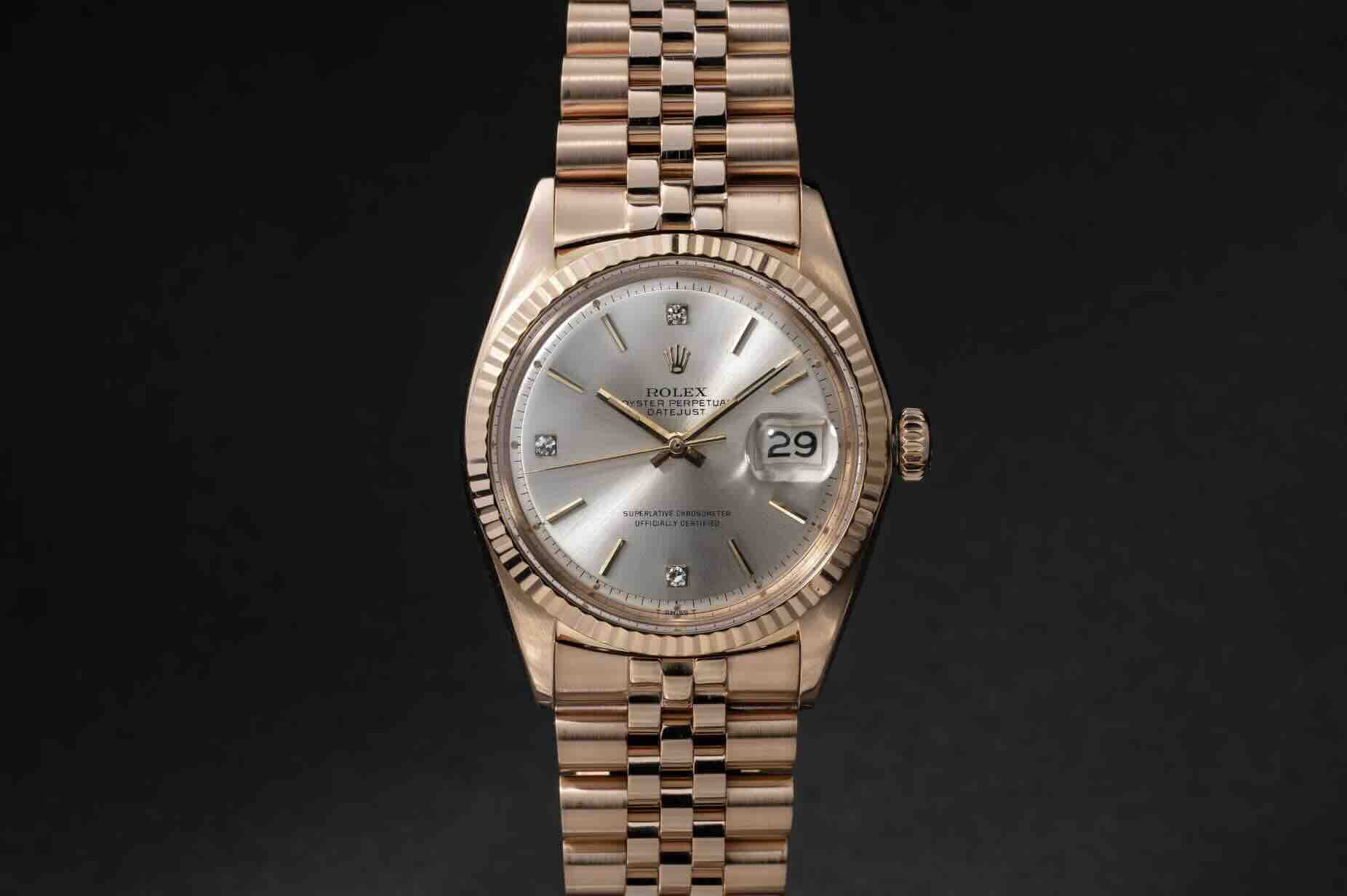





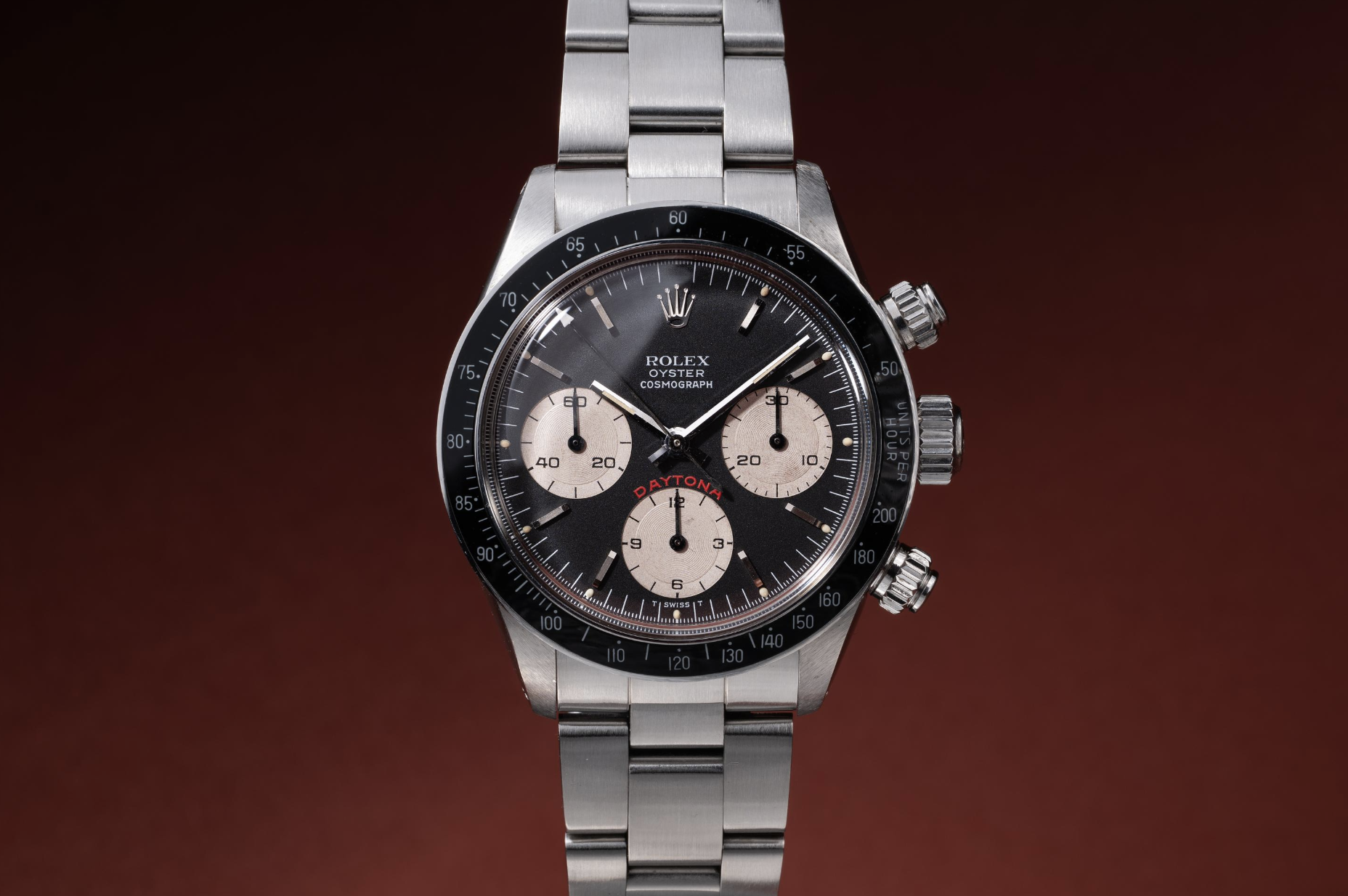
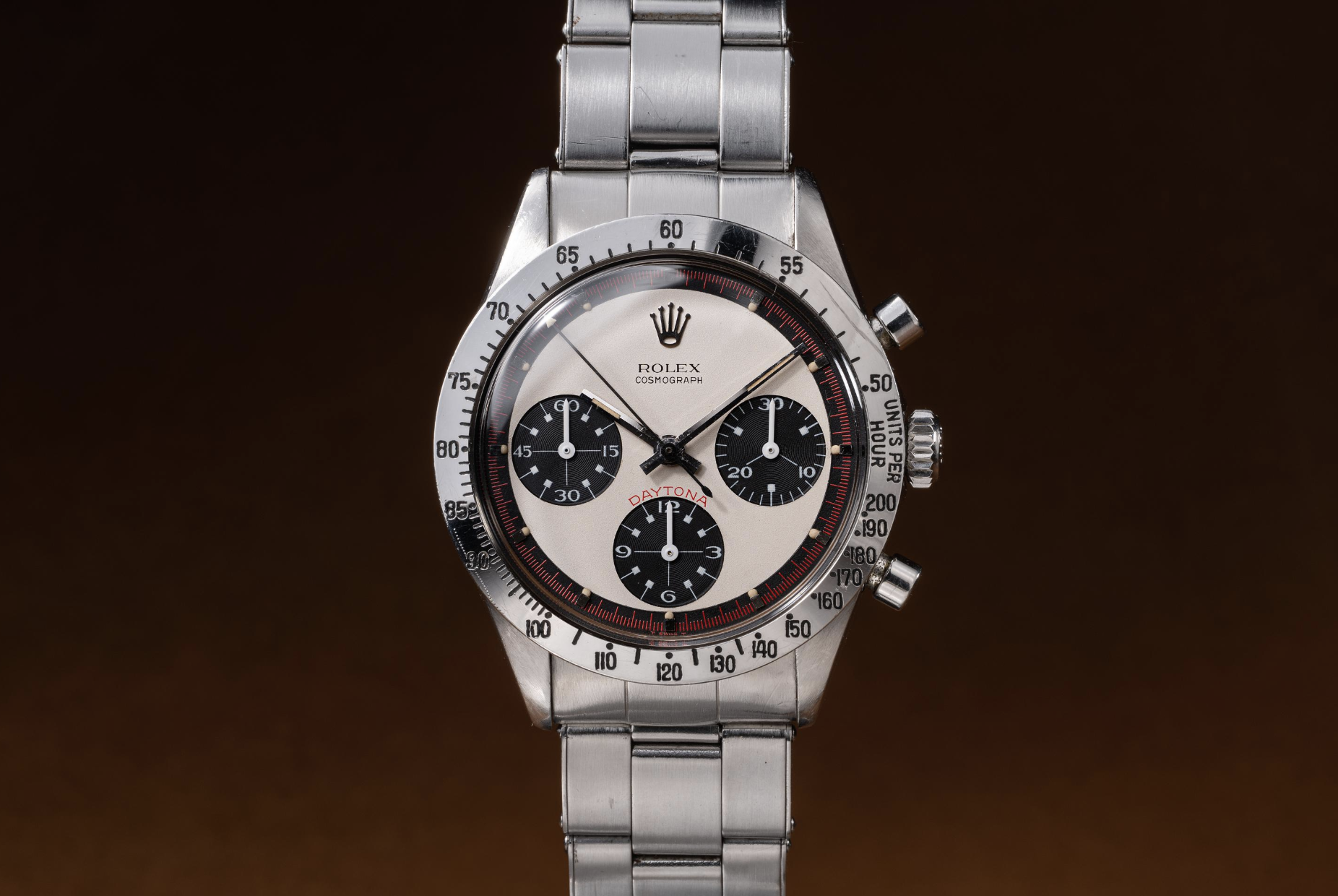
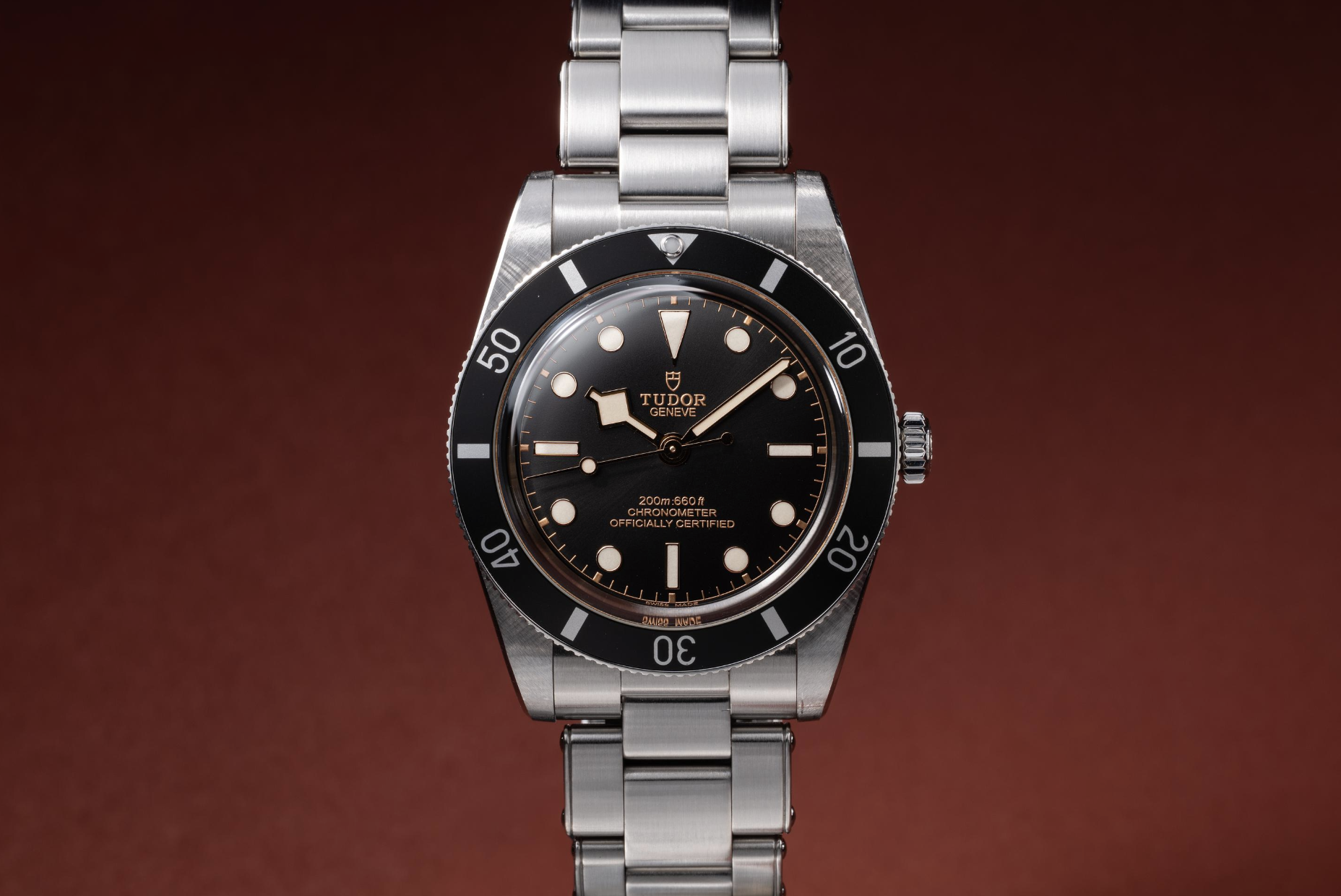
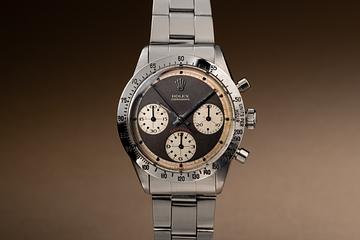

Table of Contents
Get More from the Journal