Omega Speedmaster Professional vs Reduced: Key Differences
Omega Speedmaster Professional vs Reduced: Understanding the Differences Before You Buy
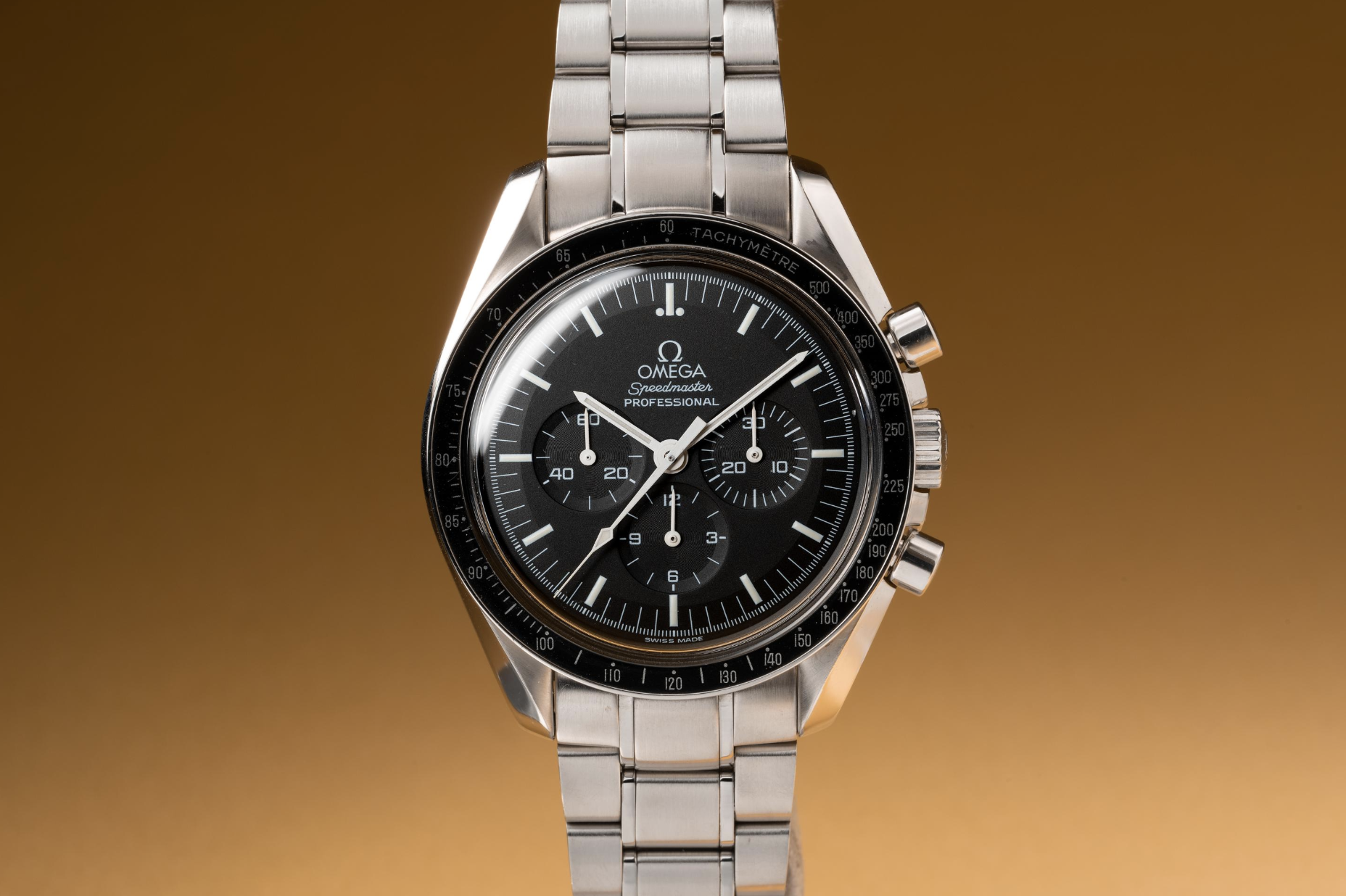
The Omega Speedmaster is one of the most recognized watch references in history. Most people know it as the watch NASA chose for its Apollo missions, the one that went to the Moon, and the one that has stayed in production with remarkable consistency since the 1960s. But spend any time researching the Speedmaster and you will quickly encounter a second name that causes real confusion: the Speedmaster Reduced. These two references share a family name and a general aesthetic, but they are genuinely different watches. Understanding what separates them matters, especially if you are considering a purchase, whether new or vintage.
A Brief History of the Omega Speedmaster Line
Omega introduced the Speedmaster in 1957 as a sports and racing chronograph. It was designed for a broad audience initially, built around the Cal. 321 movement and later the Cal. 861. The Professional variant, often called the Moonwatch, became the definitive version after NASA certification in 1965 and the subsequent Apollo missions. Omega has kept the Speedmaster Professional in near-continuous production ever since, which is itself a remarkable statement in an industry that frequently discontinues references. The Reduced model came later, arriving in the 1980s as Omega sought to offer a version of the Speedmaster that was smaller, more affordable, and in some ways more accessible to a wider wearing audience. The two watches share a brand identity but represent different eras of thinking about what a Speedmaster should be.
Case Size and Proportions: The Most Immediate Difference
This is where the contrast becomes immediately visible. The Speedmaster Professional measures 42mm in diameter, which was a bold size for its era and remains commanding on the wrist today. The Speedmaster Reduced, true to its name, measures between 38mm and 39mm depending on the specific reference variant. For buyers who find the full Professional too large, the Reduced genuinely offers a different wearing experience. It sits closer to the wrist, tucks under a shirt cuff more easily, and wears in a way that some collectors describe as more elegant. Lug-to-lug measurements also differ meaningfully, which affects how the watch actually sits on different wrist sizes. Neither size is objectively correct, but understanding your wrist and your intended use will steer you toward the right option.
Movement Differences: Manual Wind vs Automatic
Here is perhaps the most important functional distinction between the two watches. The Speedmaster Professional uses a manual-winding movement, specifically the Cal. 1861 in more modern production pieces, which is a direct descendant of the original Cal. 321 and Cal. 861. Manual winding is part of the Moonwatch experience, and many collectors view it as integral to the character of the watch. The Speedmaster Reduced, by contrast, is powered by an automatic movement with a self-winding rotor. Omega used the Cal. 3220 in a number of Reduced references. For everyday wear, an automatic movement offers genuine convenience. For purists who want the closest connection to the original Speedmaster experience, the manual-wind Professional is the answer. Neither is superior in absolute terms, but they represent genuinely different philosophies about how a chronograph should function day to day.
Dial Layout and Visual Design Compared
Both watches present the classic three-register chronograph layout that defines the Speedmaster aesthetic. The subdials for the 30-minute counter, 12-hour counter, and running seconds are arranged in the same general configuration on both models. The Professional uses a tachymeter scale on its bezel, finished in black enamel or with an aluminum insert depending on the reference and production period. The Reduced also features a tachymeter bezel, but the overall visual weight of the dial is slightly different due to the smaller case. Collectors often note that the Reduced has a slightly more compact and refined appearance, while the Professional has a bolder, more presence-forward look. The hesalite crystal on the Professional is also a defining feature that the Reduced does not share in the same way, with the Reduced often fitted with sapphire crystal in later variants.
Collectibility and Market Value
When it comes to vintage and secondary market value, the Speedmaster Professional holds a significant advantage. Its connection to space exploration, NASA, and cultural history makes it one of the most sought-after references across all of horology, not just within the Omega catalog. Vintage Professional references with the Cal. 321 movement command serious collector premiums. The Reduced, while appreciated, does not carry the same historical weight and typically trades at lower price points. For buyers focused on long-term value and collectibility, the Professional is the clearer choice. For buyers who simply want a well-made Omega chronograph at a more accessible entry point, the Reduced offers real value for money. It is worth noting that certain Reduced references with unique configurations or limited production runs do attract collector interest, though at a different tier.
Who Should Choose the Speedmaster Professional
The Speedmaster Professional is the right watch for a specific kind of buyer. Consider the Professional if any of the following apply to your situation:
- You want direct lineage to the original Moonwatch heritage
- You prefer a manual-winding movement and the ritual of daily winding
- You wear a larger wrist size and want proportional presence
- You are focused on long-term collectibility and resale value
- You want the hesalite crystal and full vintage-faithful aesthetic
- You are drawn to the cultural and historical significance of the reference
Who Should Choose the Speedmaster Reduced
The Speedmaster Reduced serves a different buyer profile equally well. It is not the lesser watch, just the different watch. The Reduced makes sense if you find yourself in one of the following situations:
- You prefer a smaller, 38mm to 39mm case that wears closer to the wrist
- You want the convenience of automatic winding for daily wear
- You are working with a tighter budget and want Omega's chronograph platform at lower cost
- You prefer sapphire crystal for improved scratch resistance
- You want a more understated, slightly dressier interpretation of the Speedmaster design
Tips for Buying Either Reference on the Secondary Market
If you are approaching either watch through the pre-owned or vintage market, a few practical considerations apply. For the Speedmaster Professional, provenance and movement originality matter considerably. Check that the movement reference aligns with the production period of the case. For early Cal. 321 examples, professional servicing records and original hands and dials make a measurable difference to value. For the Speedmaster Reduced, verify the reference number carefully, as Omega produced several variants under the Reduced umbrella with different movement specs and case materials. Condition of the chronograph pushers and tachymeter bezel insert are common wear points to inspect. In both cases, buying from a reputable source with demonstrated expertise in Omega references will protect your investment and your buying experience.
Why Tropical Watch Is the Right Place to Find Your Next Omega or Vintage Luxury Watch
Whether you have decided the Professional is your watch or the Reduced has caught your attention, finding the right example from a trusted source is where the experience either succeeds or falls apart. Tropical Watch has built its reputation precisely in this space, offering expertly sourced, authenticated luxury and vintage timepieces to buyers who take their collecting seriously. For collectors navigating the nuances of the Omega Speedmaster Professional and Reduced reference market, the inventory and expertise available through Tropical Watch represents a genuinely elevated buying experience. The team understands movement references, production periods, and the fine details that separate a great example from a mediocre one. If your interest extends beyond Omega into vintage Rolex or other significant collector references, Tropical Watch maintains one of the more carefully curated selections available in today's market. Buying a luxury watch is a meaningful decision, and having a knowledgeable partner in that process is not a luxury, it is a necessity.
Frequently Asked Questions About the Omega Speedmaster Professional vs Reduced
What is the main difference between the Omega Speedmaster Professional and the Speedmaster Reduced?
The most significant differences are case size, movement type, and historical pedigree. The Professional measures 42mm and uses a manual-winding movement, while the Reduced measures approximately 38mm to 39mm and uses an automatic movement. The Professional also carries direct ties to the NASA Moon missions, which contributes to its stronger collector standing.
Is the Omega Speedmaster Reduced still in production?
Omega discontinued the Speedmaster Reduced, and it is no longer part of the active production lineup. It remains available on the secondary and pre-owned market. The Speedmaster Professional, by contrast, continues in active production as the core Moonwatch reference.
Which holds its value better, the Speedmaster Professional or the Reduced?
The Speedmaster Professional holds its value more consistently and appreciates more reliably, particularly in vintage references with the original Cal. 321 movement. The Reduced trades at lower price points on the secondary market and does not carry the same collector premium, though it can still represent solid value for everyday wear.
Does the Speedmaster Reduced have a sapphire crystal?
Many Speedmaster Reduced variants were fitted with sapphire crystal, particularly later production examples. The Speedmaster Professional Moonwatch, in contrast, retains its iconic hesalite acrylic crystal as part of its design specification, which is one of its defining characteristics and a point of pride for traditional collectors.
Can I wear a Speedmaster Professional daily, or is it too large?
The Speedmaster Professional at 42mm is wearable daily for most people, though wrist size and personal preference play a role. Many collectors and everyday wearers find the size appropriate and balanced. If 42mm genuinely feels too large for your wrist, the Reduced at 38mm to 39mm is a practical and historically connected alternative.
What movement does the Speedmaster Reduced use?
The Speedmaster Reduced most commonly uses the Omega Cal. 3220, which is an automatic chronograph movement. This distinguishes it clearly from the Speedmaster Professional, which uses manual-winding calibers descended from the original Cal. 321, including the Cal. 861 and the later Cal. 1861 found in modern production pieces.

















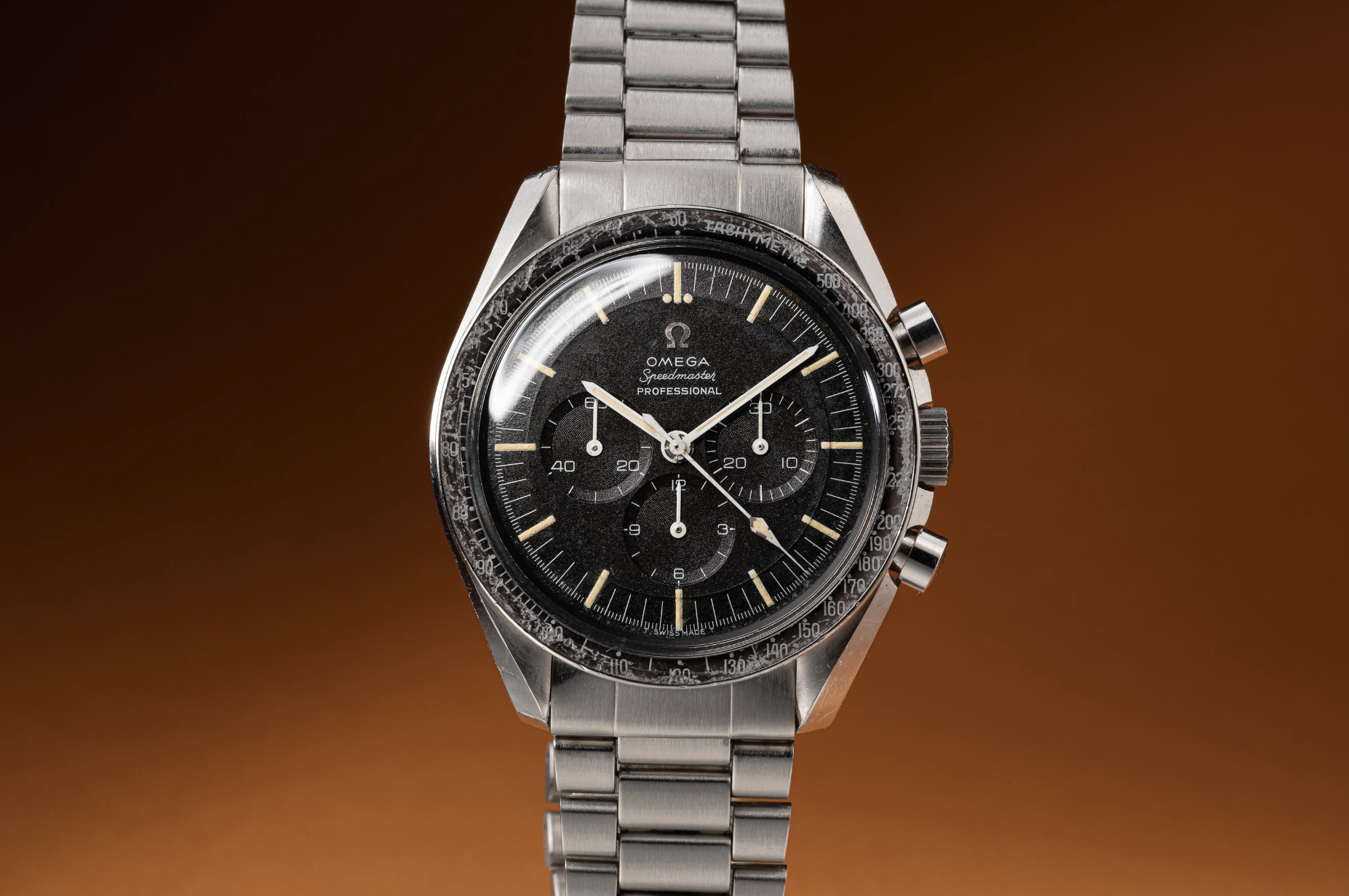

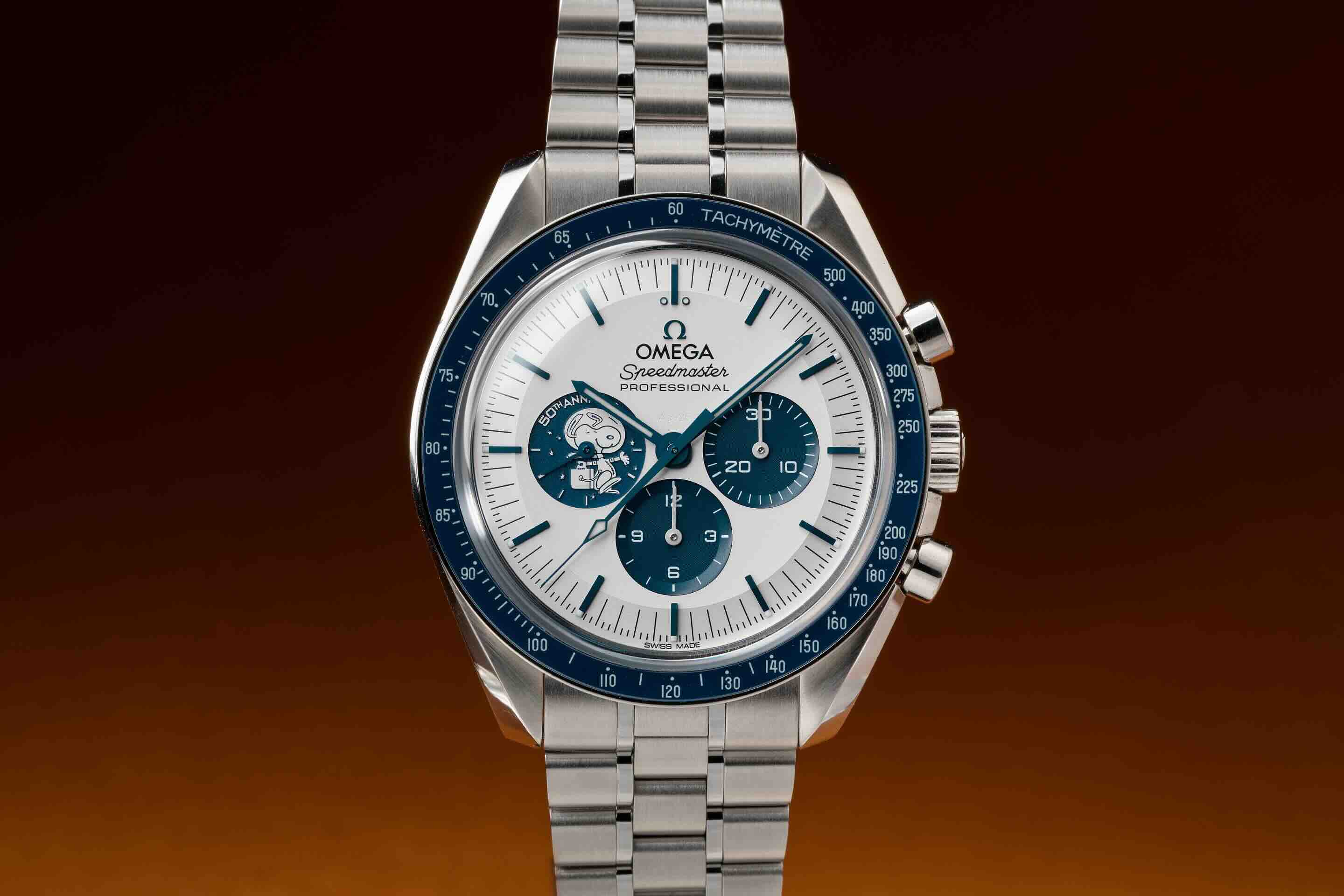

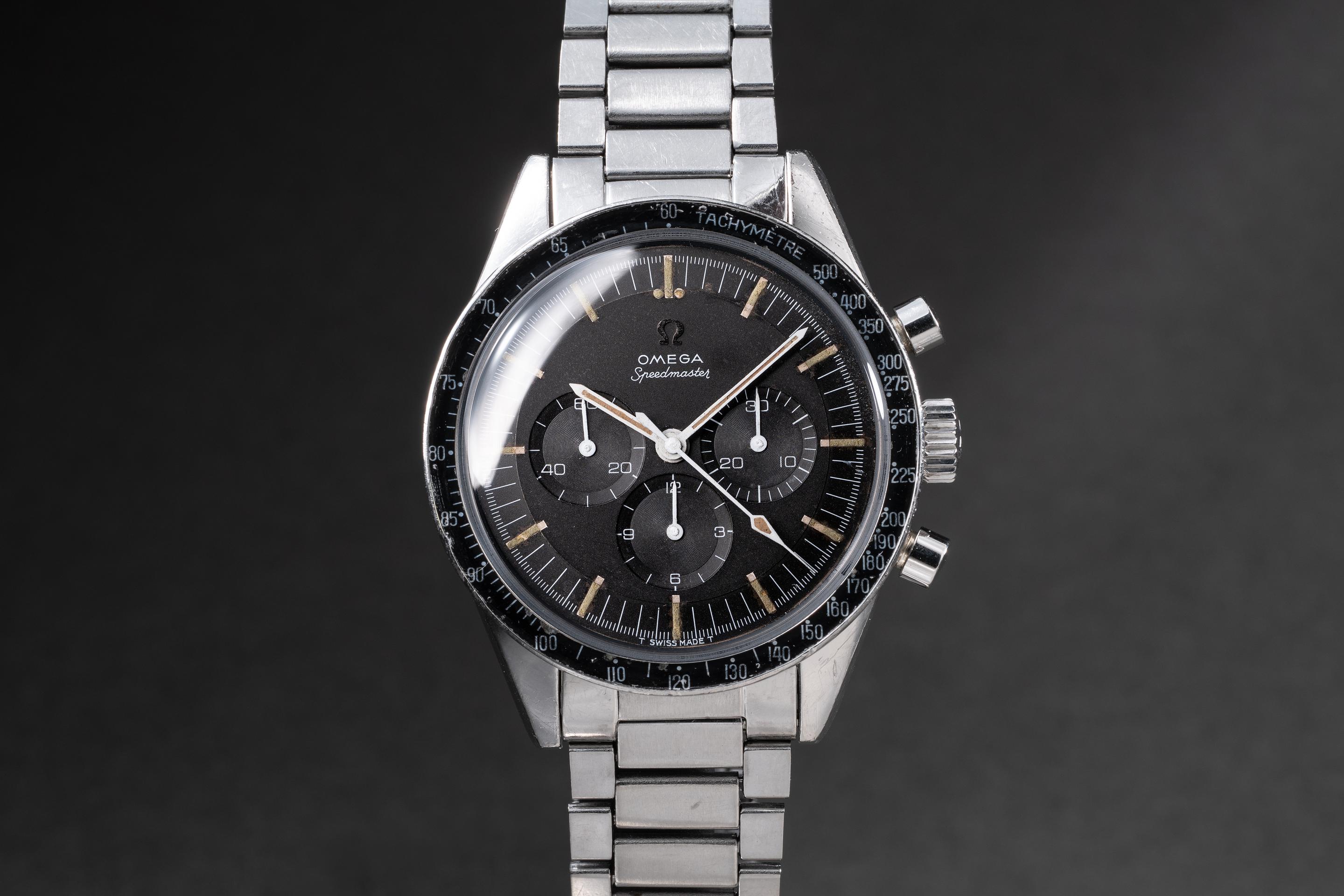
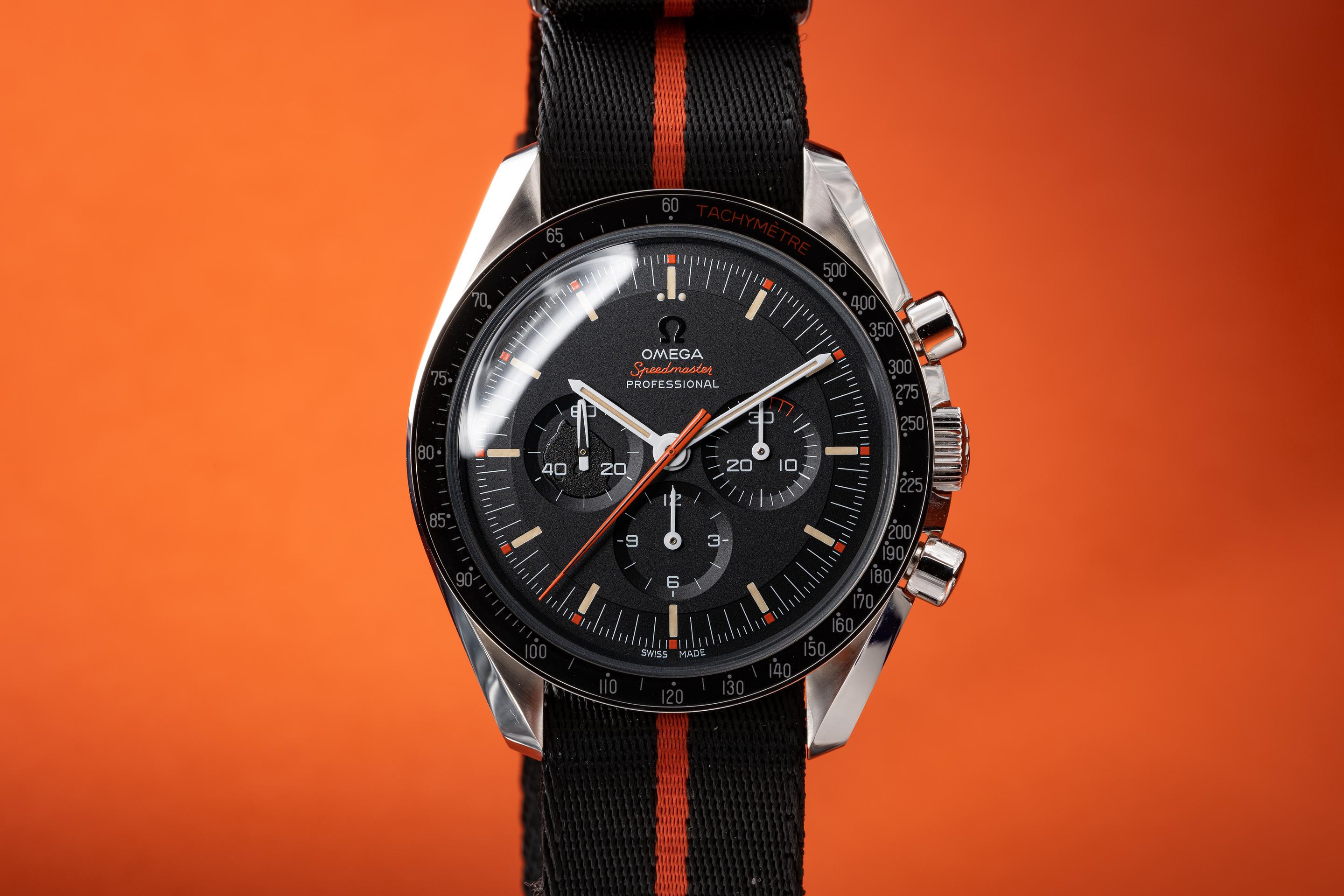
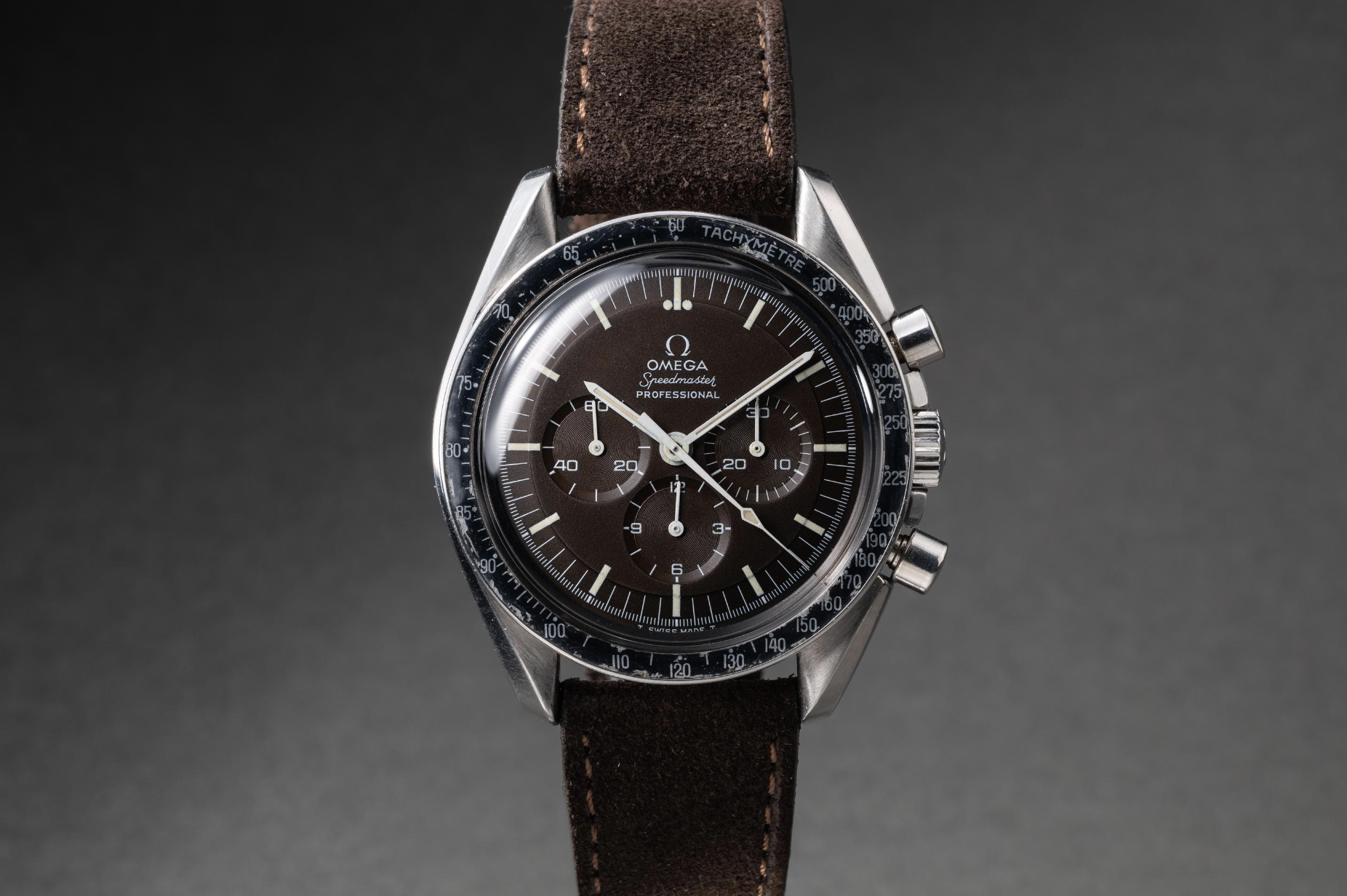


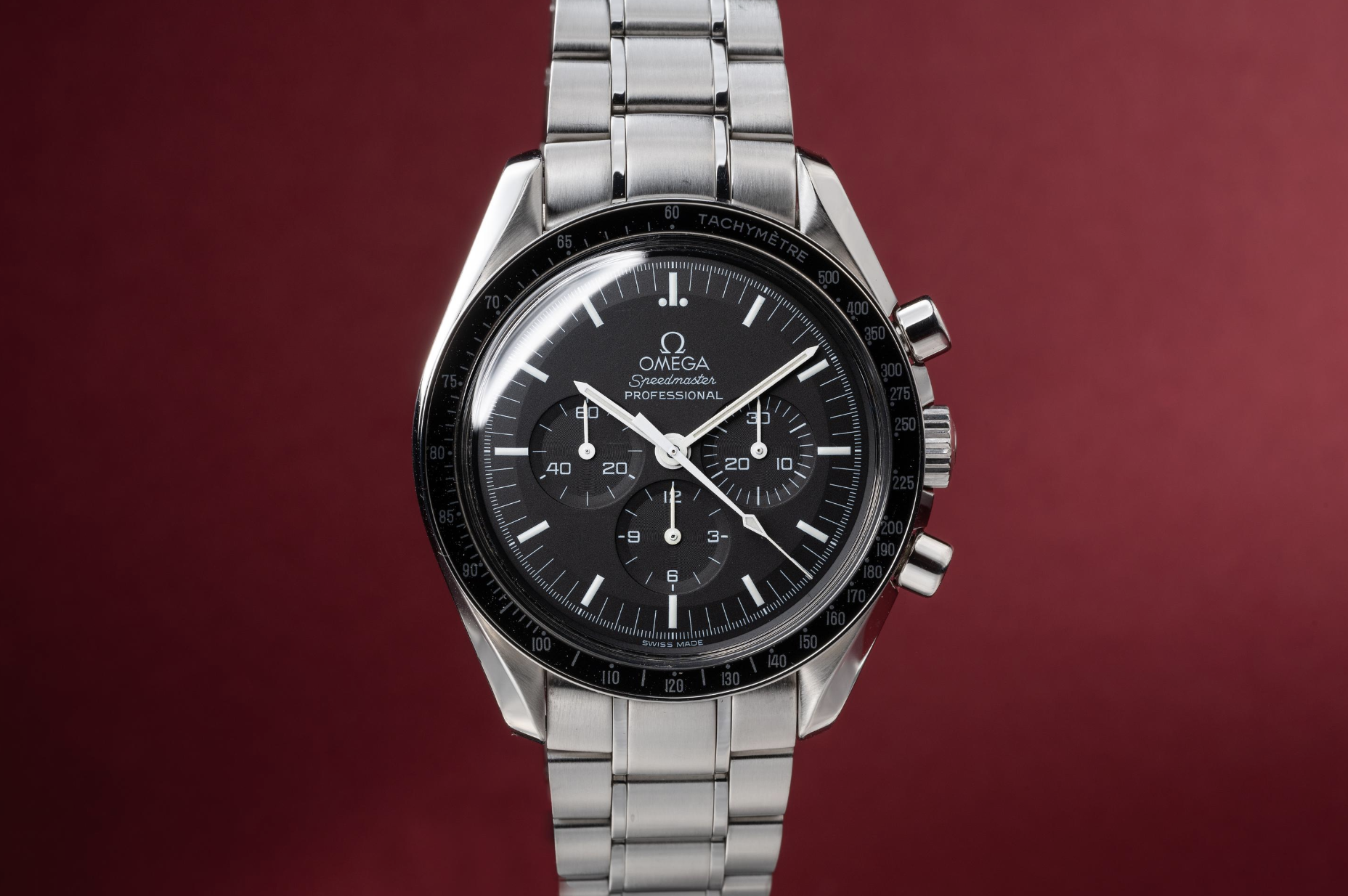













Table of Contents
Get More from the Journal