Rolex GMT vs Tudor GMT: Which One Wins Your Wrist
Rolex GMT vs Tudor GMT: Which One Belongs on Your Wrist?
If you have spent any amount of time researching GMT watches, you have almost certainly landed on the same crossroads that trips up a lot of buyers: Rolex GMT-Master II or Tudor Black Bay GMT? Both watches track multiple time zones. Both come from deeply connected heritage. Both are genuinely excellent. But they are not the same watch, and understanding where they differ is what actually helps you make the right call. This guide breaks it all down, without the noise.
A Shared History That Explains Everything
Before comparing specs and price tags, it helps to understand that Rolex and Tudor are not just similar brands, they are connected at the root. Hans Wilsdorf, the founder of Rolex, created Tudor in 1926 as a more accessible alternative that still maintained the core quality standards Rolex was known for. For decades, Tudor watches even shared Rolex cases and dials, though with different movements inside. Today, Tudor operates as its own distinct brand under the Rolex umbrella, but the shared DNA runs deep. That context matters when you are weighing a GMT from each side of the family, because you are not comparing apples to oranges. You are comparing two expressions of the same watchmaking philosophy, positioned at different points in the market.
The Rolex GMT-Master II: Decades of Aviation Legacy
The original Rolex GMT-Master launched in 1954, developed in collaboration with Pan American World Airways for its transatlantic flight crews. Pilots needed a reliable way to track home time alongside local time, and the GMT-Master delivered exactly that with its rotating bezel and distinctive 24-hour hand. The GMT-Master II followed in 1983, introducing an independently adjustable hour hand, which made time zone switching significantly more practical on the ground. Today's reference, the 126710BLNR, commonly called the Batman for its blue and black ceramic bezel, is the benchmark against which almost every GMT watch gets measured. The movement inside, Rolex's in-house caliber 3285, runs at 28,800 vph and offers approximately 70 hours of power reserve. Everything about it, from the Oystersteel case to the Glidelock clasp, is built to communicate permanence.
The Tudor Black Bay GMT: A Modern Interpretation With Vintage Soul
Tudor introduced the Black Bay GMT in 2018, and it arrived with a clear statement of intent. Rather than chasing the technical precision positioning of the GMT-Master II, the Black Bay GMT leaned into aesthetics and accessibility. The watch draws heavy visual inspiration from the original 1955 Rolex GMT-Master, including the snowflake hands that Tudor has made its own signature detail. The bi-directional bezel insert on current models comes in a two-tone burgundy and blue colorway, often called the Pepsi configuration, which nods directly to GMT-Master heritage. Inside, Tudor uses its own MT5652 movement, which is manufacture-built, COSC-certified, and offers a solid 70-hour power reserve. At 41mm, the case size is slightly larger than the Rolex GMT but sits comfortably for most wrist sizes. For buyers who want something with genuine watchmaking credibility at a lower entry point, the Black Bay GMT makes a compelling case.
Movement and Performance: How Do They Actually Compare?
This is where a lot of buyers pause, and rightfully so. The Rolex caliber 3285 is one of the most refined movements in serial production. It features a Chronergy escapement, a Parachrom hairspring, and a 70-hour power reserve. It is also officially certified as a Superlative Chronometer, meaning Rolex tests it to tighter tolerances than COSC requires, holding accuracy to plus or minus 2 seconds per day once cased. Tudor's MT5652 is COSC-certified and accurate to plus or minus 4 seconds per day, which is the standard COSC threshold. That gap may sound minor, and for most practical purposes it is, but the Rolex movement does represent a measurably higher level of refinement. Both movements allow the hour hand to be adjusted independently in one-hour increments, which is the essential GMT complication. The day-to-day experience of either watch will satisfy the vast majority of users. The difference matters more if you are buying with performance credentials as a core priority.
Case, Materials, and Build Quality
Rolex produces the GMT-Master II exclusively in its proprietary Oystersteel, an 904L stainless steel alloy that is more corrosion resistant and holds a higher polish than the industry-standard 316L steel that Tudor uses. The finishing on a Rolex case is noticeably refined, with alternating brushed and polished surfaces that feel incredibly precise at every edge. Tudor's Black Bay GMT uses a 316L steel case with its own blend of brushed and polished finishing. It is well-executed and visually attractive. However, side by side with a Rolex, the Tudor case finishing, while good, does not quite match the same level of micro-precision. The Rolex crystal is sapphire with a Cyclops lens for date magnification. The Tudor also uses sapphire crystal, with a date window at three o'clock on most configurations. Both watches are water resistant to 200 meters, which covers any realistic use case for the modern wearer.
Price Difference and Market Value
Here is where the conversation gets practical fast. The Rolex GMT-Master II retails around $10,100 USD in Oystersteel, but finding one at retail is a genuine challenge given persistent demand. On the secondary market, prices frequently sit between $14,000 and $18,000 USD depending on the reference and condition. The Tudor Black Bay GMT retails between $3,500 and $4,100 USD, and it is far more attainable at authorized dealers without lengthy waitlists. From a pure value standpoint, the Tudor is nearly impossible to argue against. You get manufacture movement, excellent build quality, GMT functionality, and strong brand heritage for roughly a third of the Rolex price. That said, the Rolex holds and often appreciates in resale value in ways that Tudor has not historically matched, which matters to buyers who see a watch as part of a broader portfolio.
Who Should Buy Which Watch?
The honest answer is that these watches serve slightly different buyers, even though they look adjacent at first glance. Consider the Rolex GMT-Master II if long-term resale value is important to you, if you view the watch as a luxury investment alongside a daily wear piece, or if you want the highest level of finishing and movement engineering available in this category without moving into haute horlogerie territory. Consider the Tudor Black Bay GMT if you want authentic GMT functionality with genuine manufacture quality, if you prefer a sportier and slightly more casual aesthetic, or if you want to allocate the remaining budget difference toward additional pieces in your collection. Some collectors own both, using the Tudor as an everyday rotation piece while the Rolex handles more formal occasions. That is not an unreasonable strategy at all.
Vintage Angle: The GMT-Master Legacy in the Collector Market
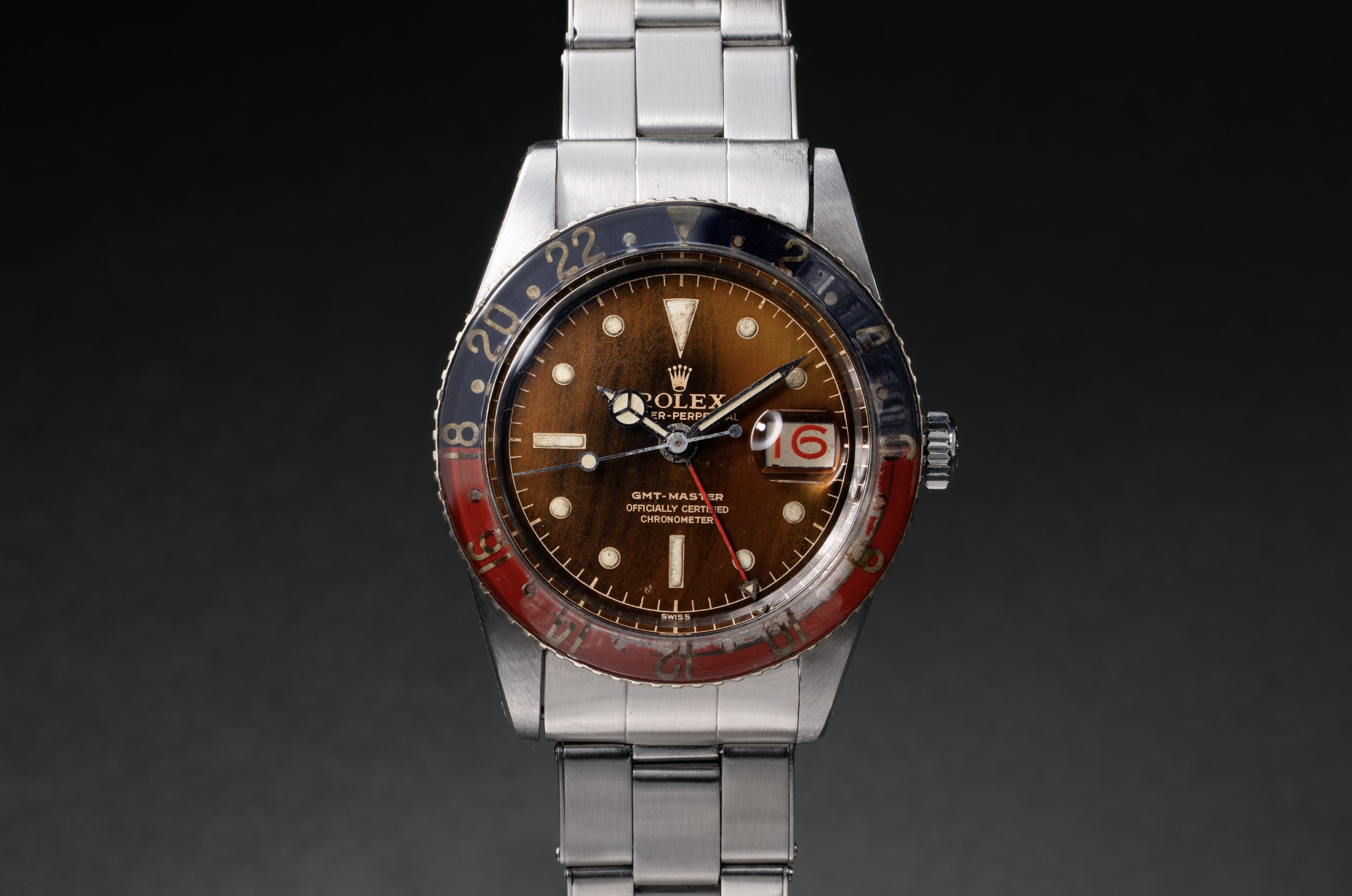
Any serious discussion of the GMT category eventually leads back to vintage references. The original GMT-Master references from the 1950s through the 1980s are among the most actively traded watches in the vintage market. References like the 1675, 6542, and 16750 carry enormous collector interest, and specific configurations including tropical dials, gilt printing, and original bezels command significant premiums. Tudor vintage GMTs, while less common in collector conversations, are gaining traction as the vintage market broadens its focus. Understanding vintage GMT history adds meaningful context to any modern buying decision and helps buyers appreciate what the current designs are actually referencing.
Why Tropical Watch Should Be Your Source for GMT Watches
Whether you are drawn to the precision engineering of the Rolex GMT-Master II or the accessible excellence of the Tudor Black Bay GMT, finding the right piece from the right source is what actually completes the purchase. Tropical Watch specializes in exactly this kind of decision, offering authenticated luxury timepieces with the depth of expertise that makes the process straightforward rather than stressful. For collectors serious about the GMT category, particularly those interested in the vintage side of this conversation, exploring authenticated vintage and modern Rolex GMT watches for sale through a trusted dealer removes a significant amount of the risk that typically comes with the secondary market. Tropical Watch brings together curatorial knowledge, transparent sourcing, and a genuine passion for watches that serves both first-time buyers and experienced collectors equally well.
Frequently Asked Questions
Is the Tudor Black Bay GMT a good alternative to the Rolex GMT-Master II?
Yes, for most buyers the Tudor Black Bay GMT is a genuinely strong alternative. It uses a manufacture movement, offers full GMT functionality, and is far more attainable at retail. The Rolex offers superior finishing, a higher-grade steel alloy, and stronger long-term resale value, but the Tudor is not a compromise watch by any reasonable standard.
What is the main functional difference between the Rolex and Tudor GMT movements?
Both movements allow the hour hand to be set independently from the minute hand in one-hour increments, which is the core GMT function. The Rolex caliber 3285 is certified to plus or minus 2 seconds per day after casing. The Tudor MT5652 is COSC-certified to plus or minus 4 seconds per day. Both offer 70 hours of power reserve.
Can you buy a Rolex GMT-Master II at retail price?
Technically yes, but waitlists at authorized dealers are long and availability varies significantly by market and relationship with the retailer. Many buyers ultimately purchase through the secondary market at a premium above retail. The Tudor Black Bay GMT is considerably easier to find at authorized dealer pricing.
Does Tudor use the same steel as Rolex?
No. Rolex uses a proprietary 904L stainless steel, which is more corrosion resistant and capable of a finer polish than the 316L stainless steel that Tudor uses. The 316L steel Tudor uses is the industry standard and performs very well, but the Rolex material and finishing are measurably more refined.
Which GMT watch holds its value better over time?
The Rolex GMT-Master II has a stronger and more documented history of holding and appreciating in resale value, particularly for sought-after references and configurations. Tudor watches have generally depreciated off retail on the secondary market, though demand for Tudor pieces has grown steadily as the brand's reputation has strengthened.
What size is the Tudor Black Bay GMT compared to the Rolex GMT-Master II?
The Tudor Black Bay GMT measures 41mm in diameter. The Rolex GMT-Master II also measures 40mm, making them very close in wrist presence. Both wear comfortably across a range of wrist sizes, though the Tudor case has slightly more of a sport watch aesthetic compared to the more refined profile of the Rolex.