Tudor Serial Number Check: Date and Verify Your Watch

Tudor Serial Number Check: How to Verify Your Watch and What It Tells You
If you have ever held a Tudor watch in your hands and wondered exactly when it was made, where it came from, or whether it is the real thing, you are not alone. A Tudor serial number check is one of the most reliable ways to answer those questions. Whether you are buying, selling, or simply curious about a piece you already own, understanding how Tudor serial numbers work is genuinely useful knowledge. It is the kind of detail that separates confident buyers from uncertain ones.
A Brief History of Tudor and Why Serial Numbers Matter
Tudor was founded in 1926 by Hans Wilsdorf, the same visionary behind Rolex. The brand was created to offer a more accessible alternative to Rolex while maintaining the same commitment to reliability and quality. Over the decades, Tudor built an impressive catalog of watches spanning dive pieces, chronographs, and dress watches. Because Tudor has been producing watches for nearly a century, and because the vintage market for these pieces has grown considerably, serial numbers have become an essential tool for authentication, dating, and valuation. Without a serial number check, you are essentially buying a story instead of a verified timepiece.
Where to Find the Serial Number on a Tudor Watch
The location of the serial number on a Tudor watch depends on the era in which it was made. On older models, typically those produced before the mid-1980s, the serial number is engraved between the lugs on the case at the six o'clock position. You would need to remove the bracelet or strap to see it clearly. On more modern Tudor watches, the serial number is often found on the caseback or engraved into the rehaut, which is the inner ring of the dial bezel. Some contemporary models also display this information within the movement itself. Knowing where to look is step one before you can begin any kind of verification process.
How Tudor Serial Numbers Are Structured
Tudor serial numbers are numerical sequences that follow a relatively logical progression over time, though the numbering system has not always been perfectly linear. Early Tudor serial numbers from the 1930s through the 1950s are typically shorter sequences, often five or six digits. As production expanded through the 1960s and 1970s, the numbers grew longer. By the time you reach the 1990s and into the modern era, serial numbers became longer and were sometimes paired with reference numbers that help identify the specific model. Understanding the rough structure of these numbers can tell you a great deal before you ever consult an external database or expert.
Using a Tudor Serial Number to Date Your Watch
One of the most practical uses of a Tudor serial number is approximate dating. While Tudor does not publish an official serial number registry for public use the way some other brands do, the watch collector community and several reputable horological resources have compiled extensive databases that cross-reference serial numbers with known production years. By locating your serial number within these ranges, you can typically narrow down the production year to within one or two years. This matters significantly when assessing originality, because a dial, movement, or case that does not match the expected era of a serial number raises immediate questions about the watch's history or authenticity.
What a Serial Number Check Can Reveal
A thorough Tudor serial number check can surface several important details that go beyond just the production year. Here is what a careful review can help you uncover:
- Reference number alignment, confirming the model matches the case
- Production era and approximate manufacture year
- Whether components appear original to the watch's timeline
- Potential mismatches that may indicate replacement parts or servicing with non-original components
- Historical context, such as whether the watch was produced during a significant design transition period
None of this information is available at a glance. It requires cross-referencing the serial number with known production data and, where possible, comparing notes with authentication specialists or established dealer records. That due diligence is what separates a sound purchase from a costly mistake.
Authenticating a Tudor Watch Beyond the Serial Number
A serial number is a starting point, not a finish line. Serious collectors and buyers know that authentication requires a layered approach. You should examine the dial typography, hands, crown, case finishing, and movement finishing alongside the serial number data. Counterfeit Tudor watches do exist, and some are sophisticated enough to carry plausible serial numbers. Cross-referencing physical characteristics of the watch with known authentic examples from the same production period is how experienced dealers and collectors catch inconsistencies that a number alone would never reveal. The serial number opens the door; thorough physical inspection closes it.
Common Mistakes Buyers Make When Checking Tudor Serial Numbers
There are a few pitfalls that come up repeatedly when buyers attempt a Tudor serial number check on their own. Relying solely on a single database without corroborating from a second source is one of the most common errors. Another frequent mistake is confusing the reference number, which identifies the model, with the serial number, which identifies the individual watch. These two numbers serve entirely different purposes and are often found in different locations on the case. Additionally, some buyers overlook the importance of evaluating whether the serial number itself shows signs of tampering or re-engraving, which can indicate that the case has been altered or that someone has attempted to obscure the watch's origin.
Tips for a Reliable Tudor Serial Number Verification
Approach a Tudor serial number check with a clear method and you will get far more useful results. A few practical recommendations worth following:
- Always photograph the serial number in good lighting before attempting to decode it
- Cross-reference the number with at least two independent horological databases or resources
- Compare the production era implied by the serial number against all visible components
- Consult a reputable dealer or certified watchmaker for any purchase above a certain value threshold
- Request documentation, including service history and original papers, when possible
These steps will not guarantee a flawless authentication on their own, but they build a much stronger foundation for a well-informed decision than simply taking a seller's word at face value.
Why Tropical Watch Is the Right Place for Verified Vintage Tudor and Rolex Watches
When you are navigating the vintage watch market with any level of seriousness, the dealer you choose matters enormously. Tropical Watch has built its reputation on exactly the kind of meticulous verification process that this article describes. Every piece in their inventory is carefully vetted, with serial numbers, reference numbers, and physical condition all examined against known authentic examples. Whether you are searching for a vintage Tudor or exploring the broader world of authenticated vintage Rolex and Tudor watches for sale, Tropical Watch offers the kind of expertise and transparency that serious collectors expect. Buying from a source that genuinely understands how serial numbers relate to provenance, originality, and value is not a luxury at this level of the market. It is a necessity.
Frequently Asked Questions About Tudor Serial Number Checks
How do I find the serial number on my Tudor watch?
On vintage Tudor watches, the serial number is typically engraved between the lugs at the six o'clock position and becomes visible once the strap or bracelet is removed. On modern Tudor pieces, it may appear on the caseback or on the rehaut inside the bezel.
Can a Tudor serial number tell me the exact year my watch was made?
A serial number can usually narrow the production year down to within one or two years. Tudor does not publish an official public registry, but horological databases compiled by the collector community can provide reliable date ranges for most serial number sequences.
What is the difference between a serial number and a reference number on a Tudor watch?
The serial number is unique to your individual watch and indicates when it was produced. The reference number identifies the specific model and design. Both numbers are important for authentication but serve entirely different purposes.
Is a Tudor serial number check enough to confirm authenticity?
No. A serial number check is an important first step, but full authentication requires a physical inspection of the dial, hands, crown, case, and movement to ensure that all components are consistent with the production era indicated by the serial number.
Can serial numbers on Tudor watches be faked or altered?
Yes, though it is relatively uncommon. Some counterfeit or tampered watches may carry plausible serial numbers. Signs of re-engraving or inconsistencies between the serial number and the physical watch components are red flags that warrant expert evaluation.
Where can I get a Tudor serial number professionally verified?
Reputable vintage watch dealers, certified watchmakers with expertise in Swiss luxury watches, and established auction houses with authentication departments are reliable sources for professional Tudor serial number verification. Always choose sources with a documented track record in the vintage Tudor and Rolex market.









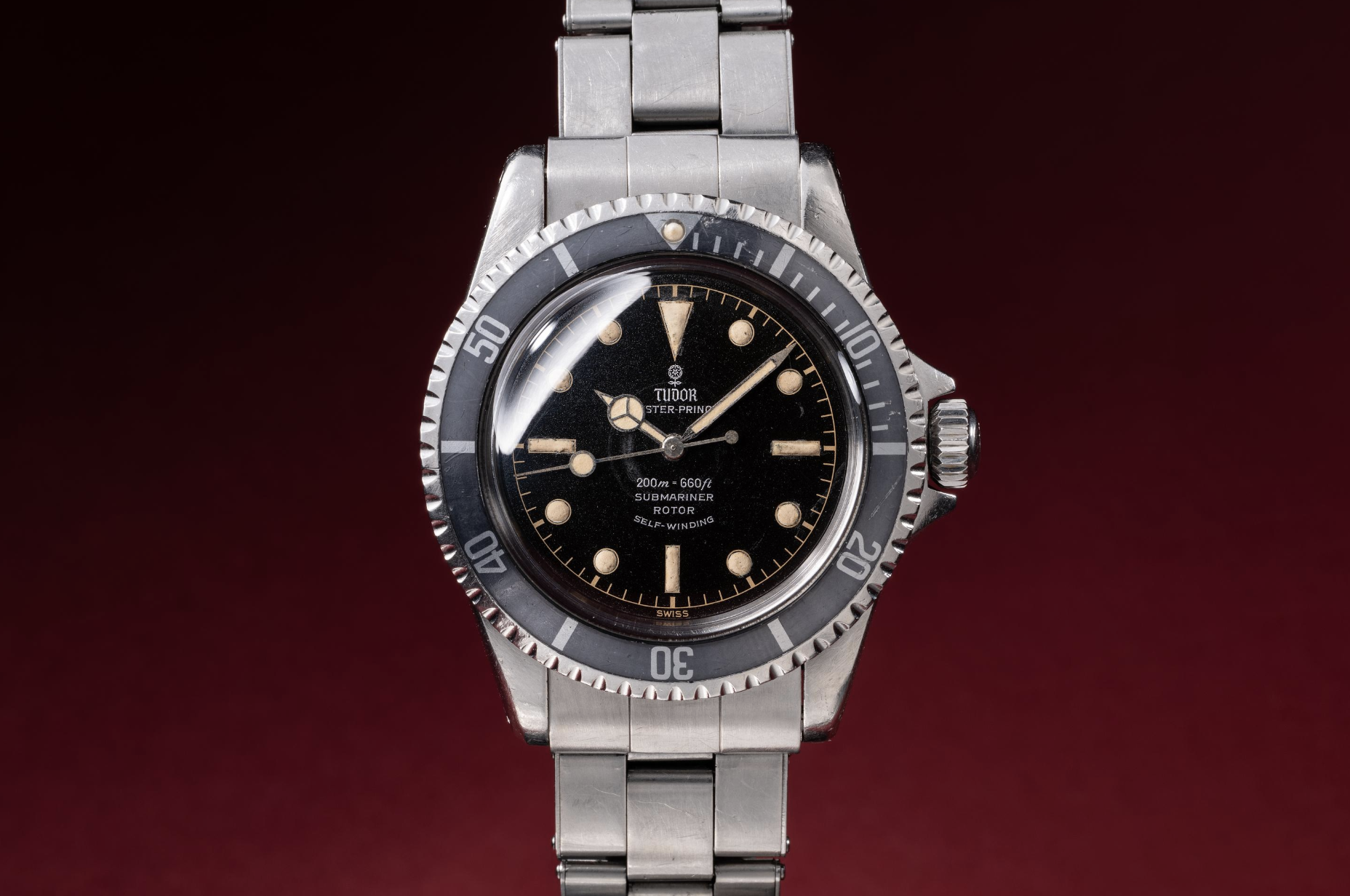

























Table of Contents
Get More from the Journal