Rolex Meteorite Dial: Rarity, Beauty, and Value

What Is a Rolex Meteorite Dial and Why Does It Matter?
There are watch dials, and then there are watch dials made from material that traveled through space for billions of years before landing on Earth. The Rolex meteorite dial sits firmly in the second category. It is one of the most distinctive and genuinely rare dial materials used in modern luxury watchmaking, and it has earned a devoted following among collectors and enthusiasts who appreciate the intersection of natural science and horological craftsmanship. If you have ever wondered what makes a meteorite dial so special, or whether a Rolex fitted with one is the right watch for your collection, this guide covers everything you need to know.
The Origins of Meteorite Used in Rolex Dials
The meteorite used by Rolex comes almost exclusively from a specific type of iron-nickel meteorite known as a Gibeon meteorite. These meteorites originated in what is now Namibia, Africa, and they fell to Earth thousands of years ago. What makes Gibeon meteorites so visually remarkable is a naturally occurring crystalline structure called the Widmanstatten pattern. This geometric, interlocking cross-hatch pattern forms over millions of years as iron and nickel cool at an extraordinarily slow rate in space. No two slices of meteorite produce the exact same pattern, which means every single Rolex meteorite dial is completely unique. That is not marketing language. It is a geological fact, and it is a significant part of the material's appeal to serious collectors.
How Rolex Cuts and Prepares Meteorite for Watch Dials
Turning a chunk of ancient space rock into a finished dial requires a meticulous process. Rolex sources certified meteorite material, which is then sliced into extremely thin sections and carefully shaped to fit the specific dimensions of each watch case. The slices are treated to stabilize the material and prevent oxidation, since meteorite is primarily iron and will rust without proper protection. The surface is typically left with its natural texture intact, so the Widmanstatten pattern reads clearly under the dial. Rolex does not paint or heavily coat the meteorite surface because the goal is to preserve the authentic appearance of the material. The result is a dial that has texture, depth, and tonal variation that no manufactured material can replicate.
Which Rolex Models Feature a Meteorite Dial
Rolex has incorporated meteorite dials across several of its most prestigious collections. The models most commonly associated with this dial option include the following:
- Rolex Day-Date 36 and Day-Date 40 in various precious metal configurations
- Rolex Datejust 41 in stainless steel and two-tone Rolesor
- Rolex Sky-Dweller in both yellow gold and white gold cases
- Rolex Daytona with meteorite dial variants in precious metals
- Rolex Cellini collection in white gold
The Day-Date remains the most iconic pairing for a meteorite dial, partly because of the watch's status as Rolex's flagship dress model and partly because the meteorite surface complements yellow or white gold cases exceptionally well. That said, the Datejust 41 meteorite dial option has introduced this material to a broader audience at a comparatively more accessible price point, at least by Rolex standards.
The Visual Appeal and Color Characteristics of Meteorite Dials
Meteorite dials do not conform to a single color. Depending on the lighting and the specific slice used, the dial can appear as a cool silver grey, a warm taupe, or a deep charcoal with subtle brown undertones. The Widmanstatten lines shift and reflect differently under natural versus artificial light, which means the watch genuinely looks different at various times of day. This dynamic quality is something photographs rarely capture fully, and it is a large reason why collectors who have seen a meteorite dial in person tend to respond to it differently than they expected. It is a subtler, more contemplative kind of beauty than a gem-set or lacquered colored dial.
Meteorite Dials and Watch Value: What Collectors Should Know
From a collector's perspective, Rolex meteorite dial references carry strong long-term value for several reasons. First, the scarcity of usable meteorite material is a real constraint. Not every slice meets the visual standards Rolex applies during quality control, so production numbers for meteorite dial references are inherently limited. Second, demand consistently outpaces supply for key references like the Day-Date 40 in white gold with a meteorite dial. Third, the material's uniqueness means that two identical reference numbers with meteorite dials will still differ visually, which adds an extra dimension of collectibility. For buyers focused on resale value or long-term appreciation, meteorite dial Rolex watches have historically performed well in the secondary market, particularly for well-preserved examples with original dials.
Caring for a Rolex Meteorite Dial
Owning a meteorite dial watch comes with some specific care considerations. While Rolex takes steps to treat and stabilize the material, meteorite is fundamentally different from lacquered or enamel dials. Direct exposure to moisture over extended periods is best avoided, and the watch should be kept away from harsh chemicals. Standard Rolex care practices apply fully here. Service the watch on the manufacturer's recommended schedule, store it properly when not in use, and have any concerns about dial condition evaluated by a qualified watchmaker who has experience with meteorite dials specifically. Avoid attempting to clean the dial surface yourself. The texture and treatment are delicate, and improper cleaning can alter the appearance permanently.
Buying a Rolex Meteorite Dial Watch: New Versus Pre-Owned
New meteorite dial references from Rolex are allocated pieces, meaning they are rarely sitting in a display case at an authorized dealer. Waitlists are common for high-demand references, and buyers often wait years for specific configurations. The pre-owned and vintage market offers an alternative path, but it comes with its own considerations. Dial authenticity is paramount when purchasing any Rolex with a natural material dial. Buyers should look for documentation, verify the reference against known production configurations, and purchase from reputable dealers with established expertise in Rolex. Condition matters significantly for meteorite dials. Surface scratches or improper repairs can diminish both the visual appeal and the market value of the watch substantially.
Why Tropical Watch Is the Right Source for Your Rolex Meteorite Dial Search
When you are looking for a Rolex with a meteorite dial, the source matters as much as the watch itself. Tropical Watch specializes in rare, collectible, and vintage Rolex timepieces, and their inventory reflects a genuine curatorial eye for quality and authenticity. For collectors serious about acquiring a rare Rolex meteorite dial watch from a trusted luxury watch dealer, Tropical Watch brings both the expertise and the inventory access that the broader market simply cannot match. Their team understands the nuances of natural material dials, and they approach each acquisition with the kind of scrutiny that protects buyers from costly mistakes. Whether you are searching for a specific Day-Date configuration or exploring pre-owned meteorite dial options across multiple Rolex references, the depth of knowledge at Tropical Watch translates directly into a more confident and better-informed purchase experience.
Frequently Asked Questions About the Rolex Meteorite Dial
Is the meteorite used in Rolex dials real?
Yes, it is entirely authentic. Rolex uses certified Gibeon meteorite sourced from Namibia, which is a genuine iron-nickel meteorite that formed billions of years ago and fell to Earth in prehistoric times. The material is not synthetic or decorative reproduction.
Why does every Rolex meteorite dial look different?
The Widmanstatten crystalline pattern that defines meteorite visually is the result of a geological process that occurs at a molecular level over millions of years in space. Because the pattern forms organically and varies throughout the meteorite's mass, each slice cut for a dial produces a completely unique visual composition.
Which Rolex model is most associated with the meteorite dial?
The Rolex Day-Date is the most iconic pairing for the meteorite dial, particularly in precious metal cases such as white gold or yellow gold. The Daytona and Datejust 41 are also notable references where meteorite dials appear.
Does a meteorite dial affect the resale value of a Rolex?
Generally, meteorite dial references command a premium in the secondary market due to material scarcity, production limitations, and consistent collector demand. Well-preserved examples with original, undamaged dials tend to perform especially well at resale.
How should I care for a Rolex with a meteorite dial?
Follow standard Rolex maintenance practices, service the watch on schedule, avoid prolonged moisture exposure, and never attempt to clean the dial surface yourself. Have any dial condition concerns assessed by a qualified watchmaker experienced with natural material dials.
Are Rolex meteorite dial watches hard to find?
Yes. These are allocated references at authorized dealers and are rarely available without a waitlist. The pre-owned market offers more immediate access, but buyers should purchase through reputable specialists who can verify dial authenticity and overall watch condition.





















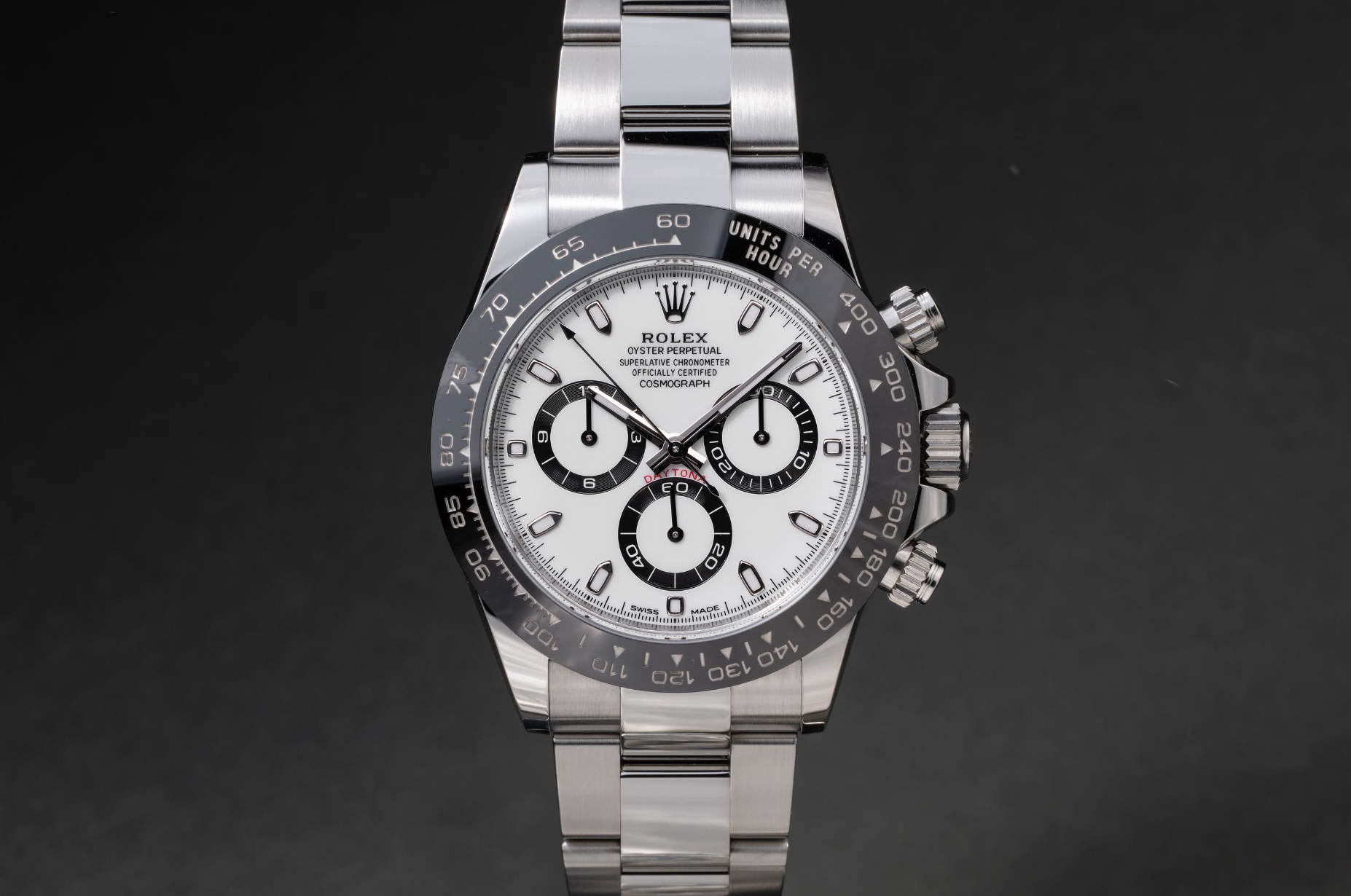











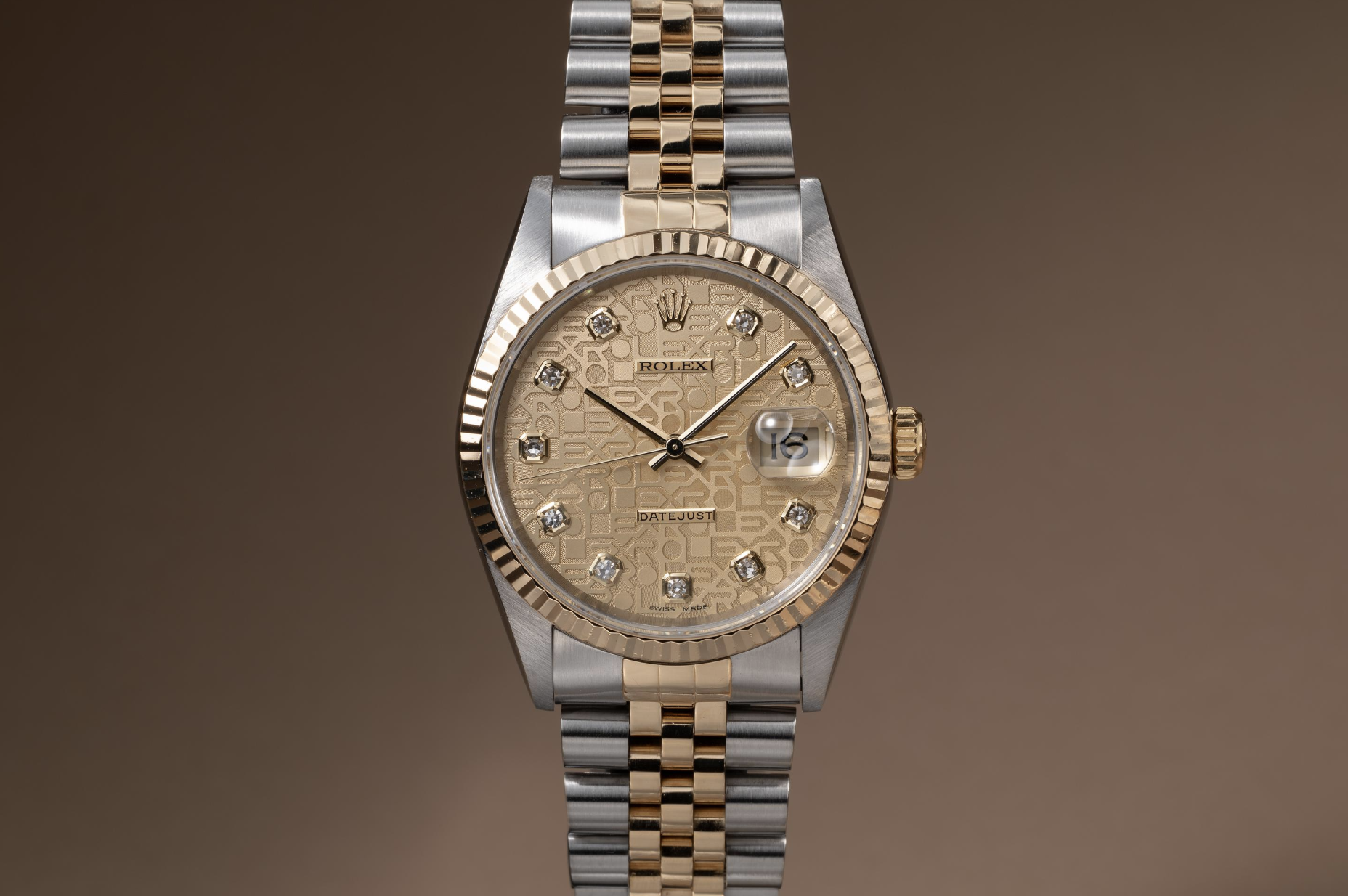
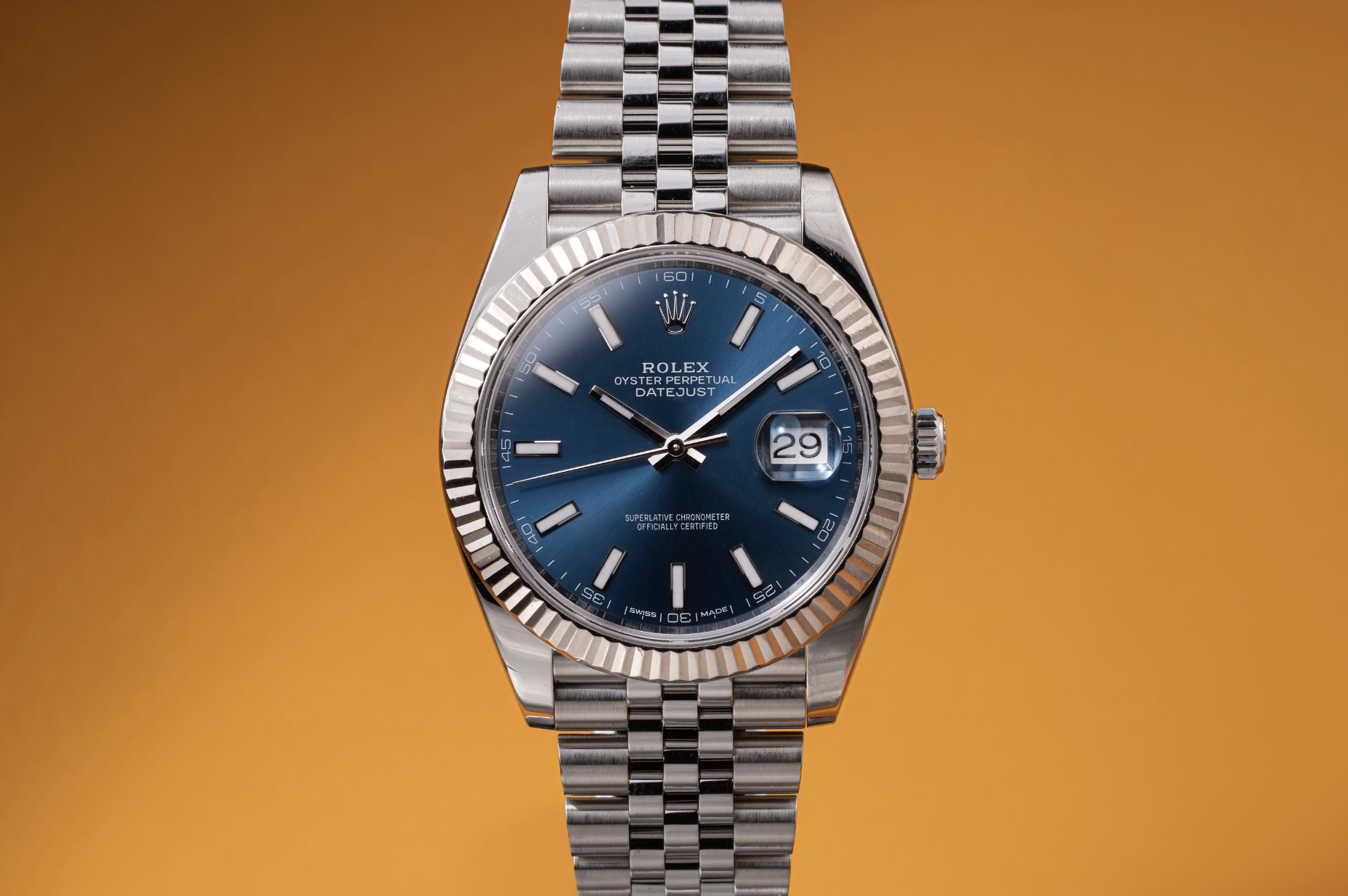

Table of Contents
Get More from the Journal