The History of Omega Watches: Precision and Legacy
The History of Omega Watches: A Legacy Built on Precision, Adventure, and Innovation
Few watch brands carry the kind of weight that Omega does. Not just the physical weight of a well-crafted timepiece, but the cultural, historical, and horological significance that comes from over 175 years of making watches that actually matter. From the depths of the ocean to the surface of the moon, Omega has been there. Understanding where this brand comes from helps explain why it continues to command such respect in the luxury watch world today, and why collectors keep coming back to it generation after generation.
Where It All Began: Louis Brandt and the Founding of Omega
The story starts in 1848 in La Chaux-de-Fonds, Switzerland, when a 23-year-old watchmaker named Louis Brandt set up a small assembly workshop. He was sourcing parts from local craftsmen and assembling pocket watches by hand, which he then sold to merchants across Europe. It was modest work, but it was precise work. After Louis Brandt passed away in 1879, his sons Louis-Paul and César took the reins and moved operations to Biel, Switzerland, where they had access to better infrastructure and manufacturing capabilities. The company grew quickly under their direction, and by the early 1880s they were producing tens of thousands of watches per year.
The Birth of the Omega Name: 1894 and a Movement That Changed Everything
The name Omega was not always attached to this company. It came about in 1894 when the brand introduced what it called its Labrador movement, later renamed the Omega calibre. The name was chosen deliberately. In the Greek alphabet, Omega is the last letter, symbolizing the pinnacle, the ultimate achievement. The company felt the movement represented the highest point in watchmaking at the time, and they were not wrong. It became wildly successful and set a standard for precision that the industry had not seen before. The name stuck, and by 1903 the entire company had officially adopted the Omega name.
Building a Reputation on the World Stage: Military and Precision Timekeeping
Omega did not build its reputation by sitting quietly in Swiss ateliers. The brand threw itself into competitive timekeeping trials and military contracts throughout the early 20th century. During World War I, Omega supplied watches to Allied military officers, cementing its role as a reliable instrument for the field. The brand continued this relationship with armed forces through World War II as well. But it was the precision trials that really set Omega apart. The brand won multiple awards from the Kew Observatory in England, one of the most demanding testing institutions in the world at the time. These were not marketing exercises. These were objective, third-party validations of what Omega movements could do.
Omega and the Olympic Games: A Partnership That Has Lasted Decades
One of the most significant chapters in the history of Omega watches is its long relationship with the Olympic Games. Omega first served as the official timekeeper of the Olympics in 1932 at the Los Angeles Games. The brand brought 30 chronographs to the event and introduced a level of precision that sport timekeeping had never seen before. Since then, Omega has served as the official timekeeper of the Olympics more than 30 times, developing increasingly sophisticated timing technologies along the way. This connection to sport and precision measurement became central to how the brand positioned itself, and it remains a major part of Omega's identity today.
The Seamaster, the Speedmaster, and the Constellation: Three Icons That Define the Brand
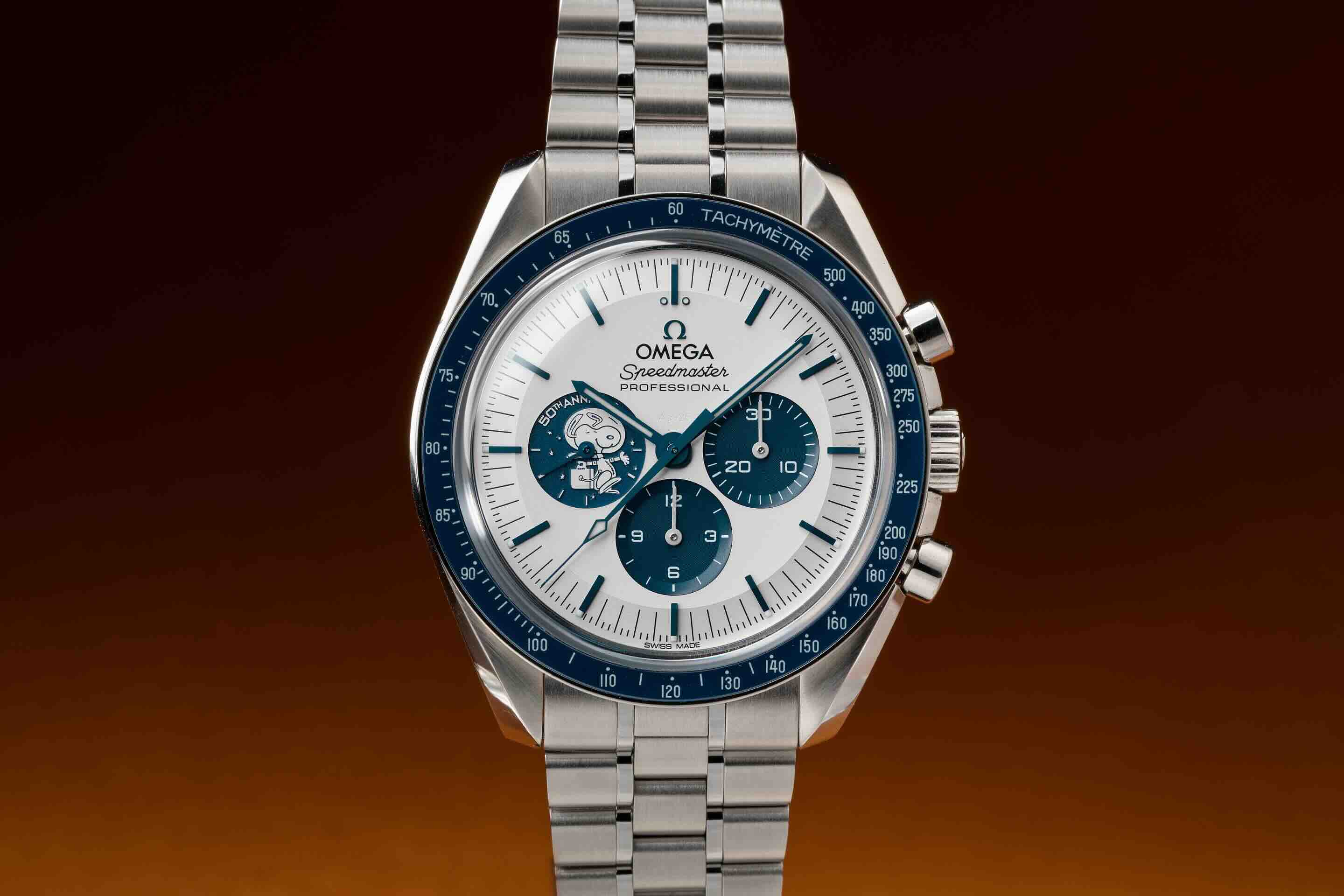
If you are trying to understand Omega's product legacy, three collections stand above the rest. The Seamaster launched in 1948 as a tribute to the brand's work supplying watches to the British military during World War II. It became known for its water resistance and durability, and it later gained international fame as the watch of choice for James Bond on screen starting in 1995. The Speedmaster is arguably the most storied sports watch ever made. Introduced in 1957 and selected by NASA for all crewed spaceflight missions, the Speedmaster became the first watch worn on the moon during the Apollo 11 mission in 1969. The Constellation, also introduced in 1952, took a more refined route, aimed at dress watch territory and drawing on the brand's observatory precision credentials. Together these three collections cover an enormous range of use cases and tastes, and all three remain in active production today.
Omega's Role in Watchmaking Technology and In-House Movements
Beyond its cultural achievements, Omega has consistently pushed watchmaking technology forward. The brand introduced the Co-Axial escapement to mass production in 1999, a mechanism developed by British watchmaker George Daniels that reduces friction and extends service intervals. This was a genuine technical achievement, not just a marketing claim. Omega later developed its Master Chronometer certification, which combines COSC chronometer standards with additional testing by the Swiss Federal Institute of Metrology. Watches carrying this certification must pass eight rigorous tests, including antimagnetic resistance up to 15,000 gauss. For context, most traditional watch movements begin to malfunction at a fraction of that level. Omega was the first brand to bring this kind of antimagnetic performance to a broad commercial audience.
How Omega Fits Into the Broader Luxury Watch Market Today
Omega occupies a fascinating position in the luxury watch hierarchy. It sits above the entry-level tier occupied by brands like Tissot or Longines, both of which share its parent company, Swatch Group, but it sits below the ultra-premium stratosphere of Patek Philippe or A. Lange and Sohne. This middle positioning has sometimes worked against it in collector circles, but increasingly it is seen as an advantage. Omega offers genuine horological substance, a deep historical narrative, and strong resale value at a price point that is attainable for a wider range of buyers. The Speedmaster Professional, in particular, has developed a dedicated collector following that rivals any in the industry.
What to Consider When Buying an Omega Watch
For anyone considering their first or next Omega purchase, a few practical points are worth keeping in mind.
- New versus pre-owned pricing can vary significantly, and certified pre-owned markets have matured considerably
- The Speedmaster Professional remains the brand's most collectible model historically
- Seamaster references with ceramic bezels and Co-Axial movements represent strong modern value
- Box and papers matter for resale, particularly on vintage and limited edition references
- Service history adds credibility and value, especially for older movements
- Vintage Omega pieces from the 1950s through 1970s have appreciated meaningfully in recent years
Why Tropical Watch Is the Right Place to Explore Omega and Luxury Watch History
Understanding a brand like Omega is one thing. Finding the right timepiece that honors that legacy is another. Tropical Watch has spent years cultivating a carefully selected inventory of the world's finest vintage and pre-owned luxury watches, with deep expertise in the references and histories that matter most to serious collectors. Whether you are drawn to Omega's space heritage or simply want a watch with genuine provenance, the team at Tropical Watch brings a level of knowledge and curation that is difficult to find elsewhere. For those who want to explore vintage luxury watches with verified provenance and expert authentication, Tropical Watch offers an experience built on transparency, expertise, and a genuine passion for horological history. This is not a transaction. It is a conversation between people who care deeply about getting it right.
Frequently Asked Questions About the History of Omega Watches
When was Omega founded and who started the company?
Omega traces its origins to 1848, when Louis Brandt founded a small watch assembly workshop in La Chaux-de-Fonds, Switzerland. The company formally adopted the Omega name in 1903, following the success of the Omega calibre movement introduced in 1894.
Why is the Omega Speedmaster called the Moonwatch?
The Omega Speedmaster earned the nickname Moonwatch because it was worn by NASA astronauts during the Apollo 11 mission in 1969, making it the first watch worn on the lunar surface. NASA selected the Speedmaster after rigorous testing in 1965, and it has remained part of NASA's approved equipment list ever since.
What is Omega's Co-Axial escapement and why does it matter?
The Co-Axial escapement is a mechanism developed by George Daniels that reduces friction between the escapement components, resulting in better long-term accuracy and longer intervals between servicing. Omega introduced it to production watches in 1999 and has since implemented it across most of its core collections.
Is Omega considered a luxury watch brand?
Yes, Omega is widely recognized as a luxury watch brand. It occupies a respected tier within the Swiss watch industry, offering in-house movements, certified chronometer performance, and a heritage that spans over 175 years. Its price range and brand positioning place it firmly in the luxury category.
Which Omega collections hold their value best?
The Speedmaster Professional, particularly vintage references from the 1960s and 1970s, tends to hold and appreciate in value most consistently. Certain Seamaster and Constellation references also perform well on the secondary market, especially examples in excellent condition with original documentation.
How long has Omega been the official timekeeper of the Olympics?
Omega has served as the official timekeeper of the Olympic Games since 1932, when it first took on the role at the Los Angeles Games. Over the decades it has introduced numerous innovations in sport timing technology and has held the position for more than 30 Olympic events across both Summer and Winter Games.


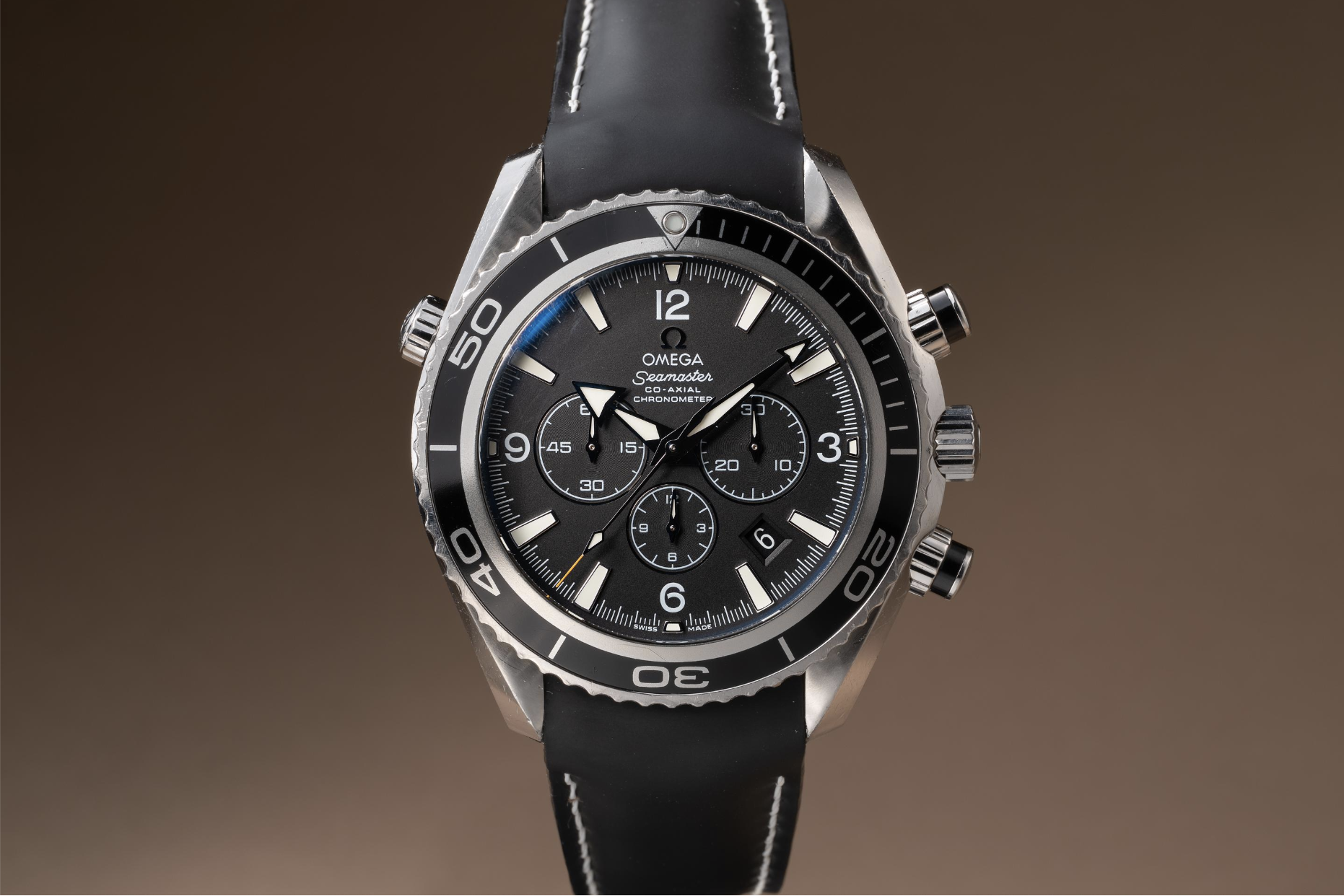

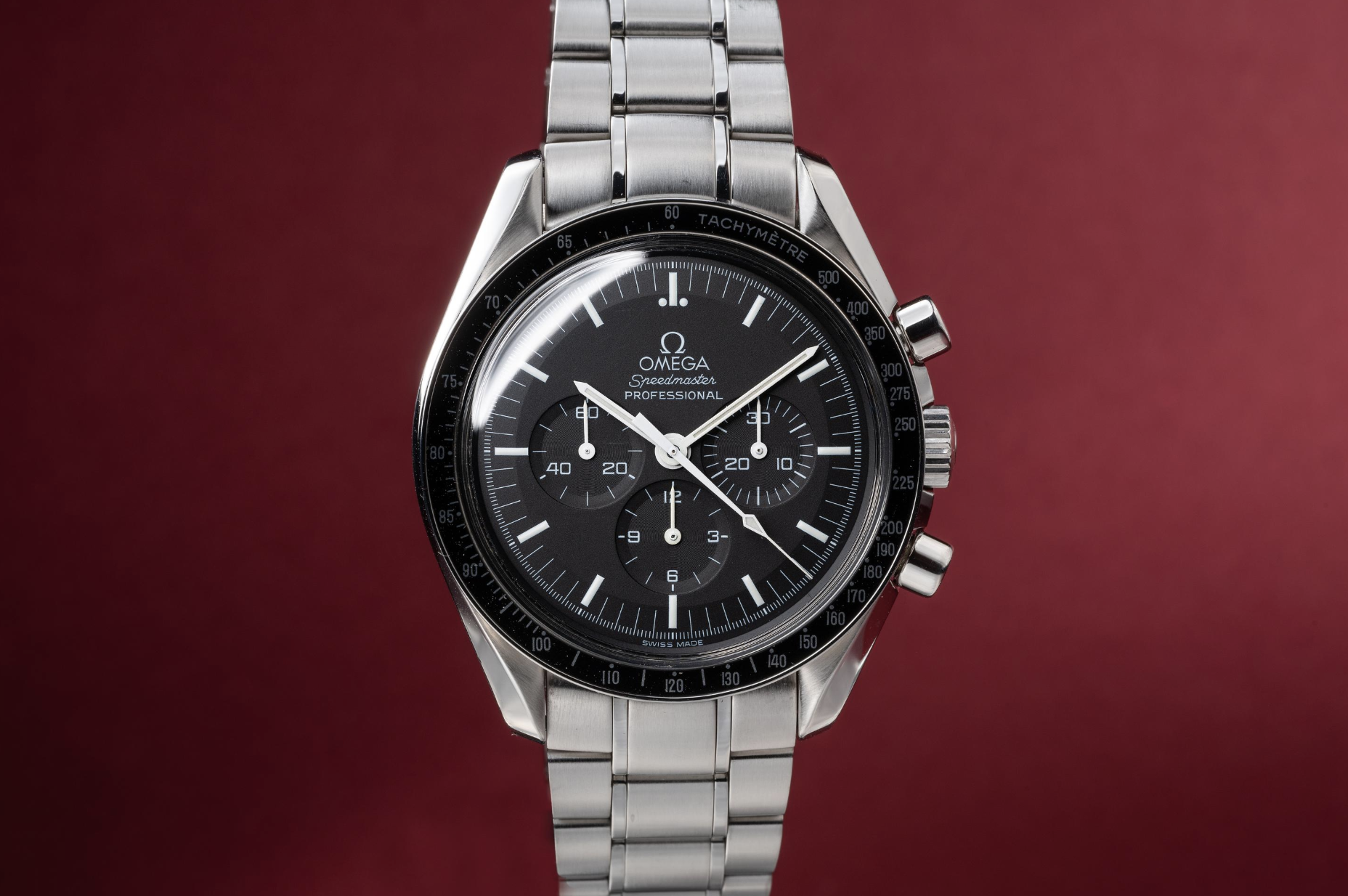






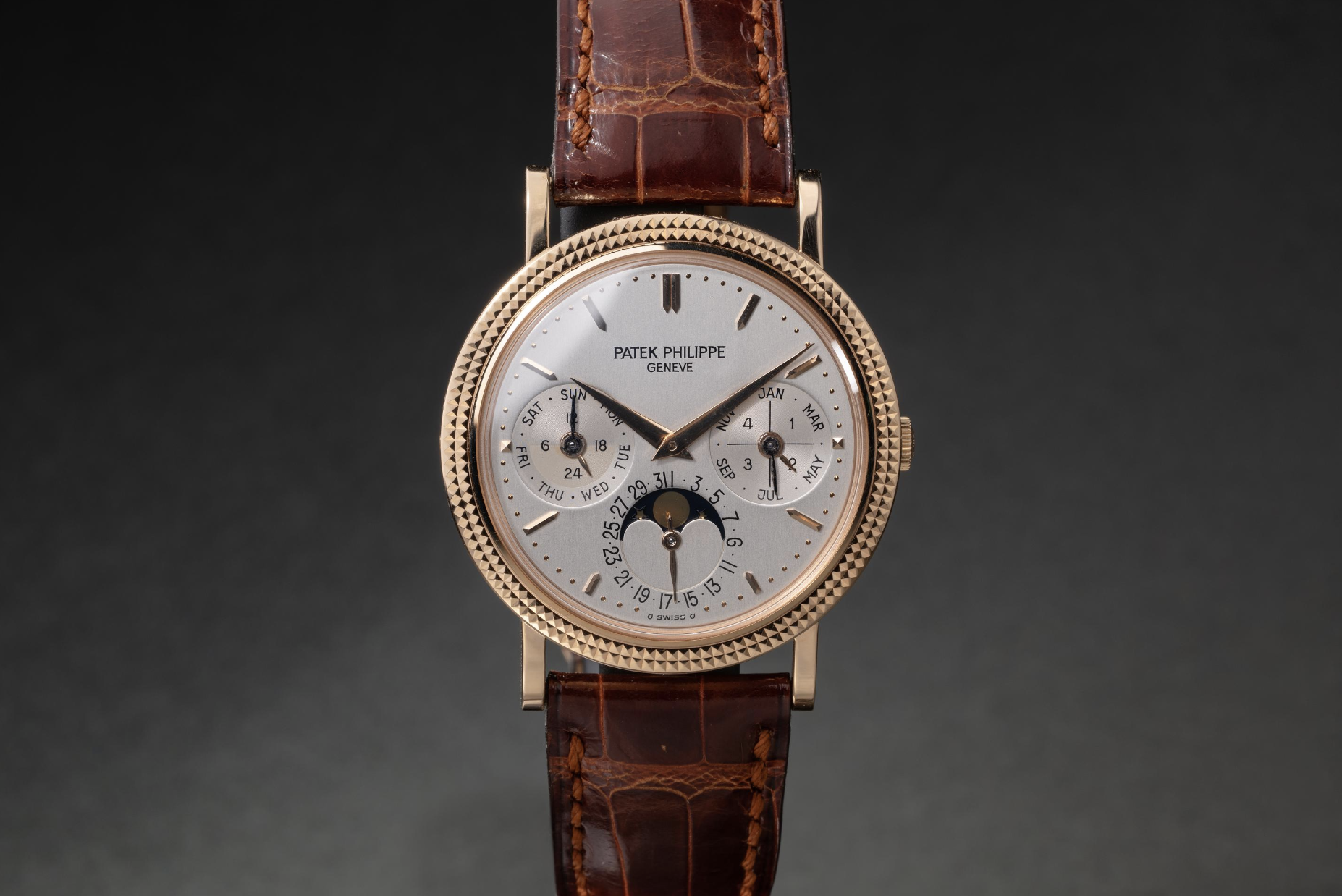




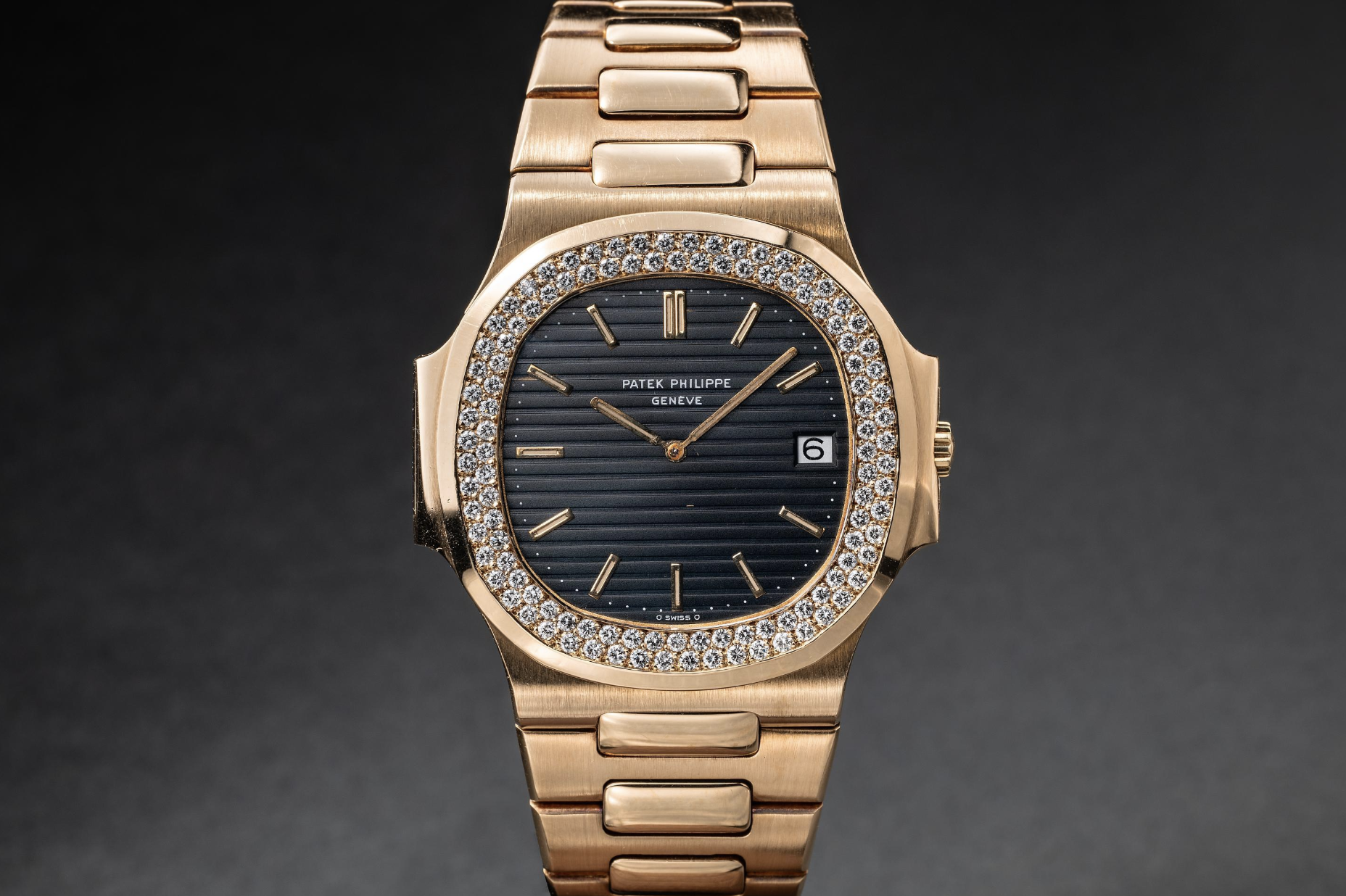


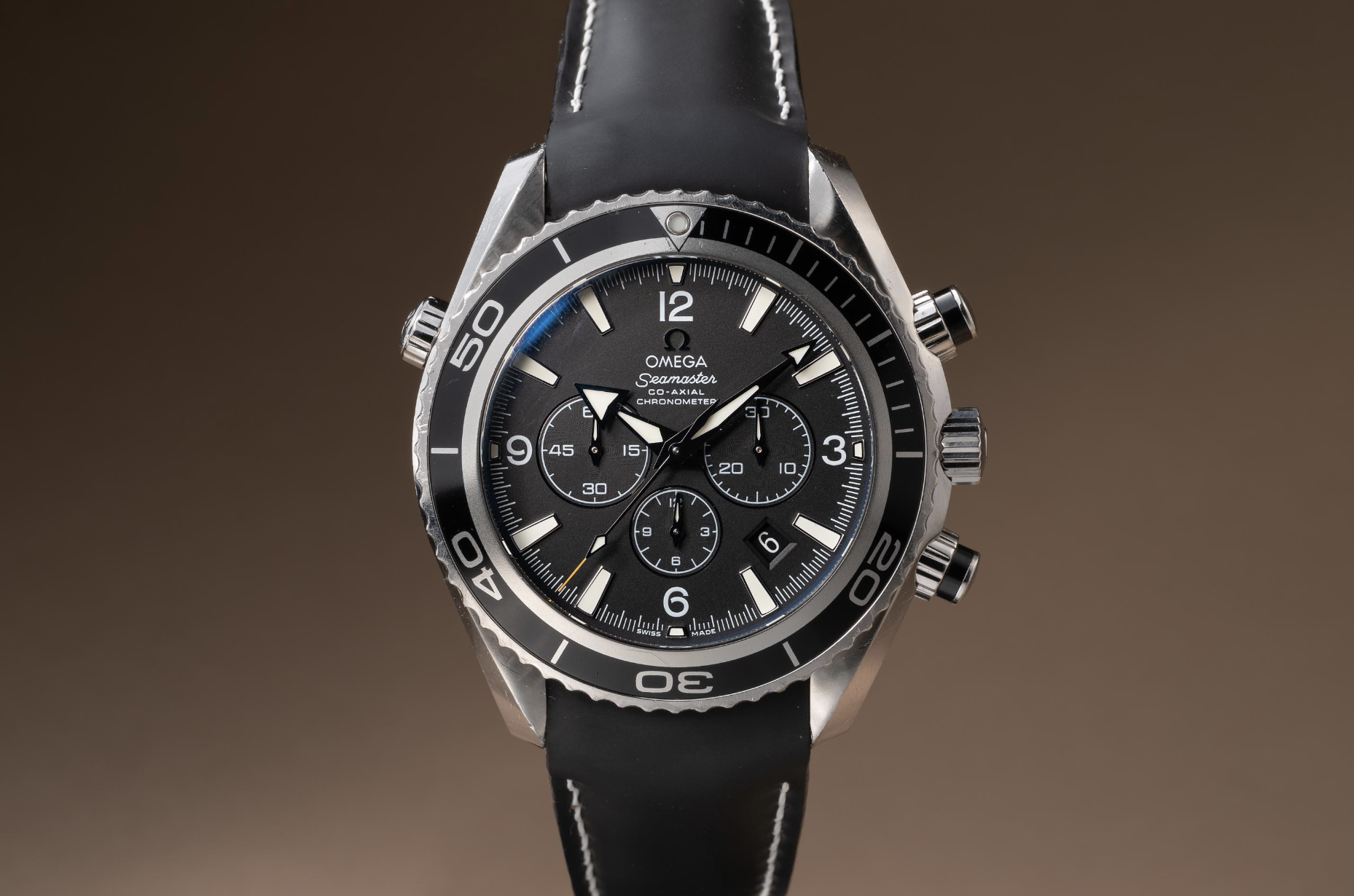
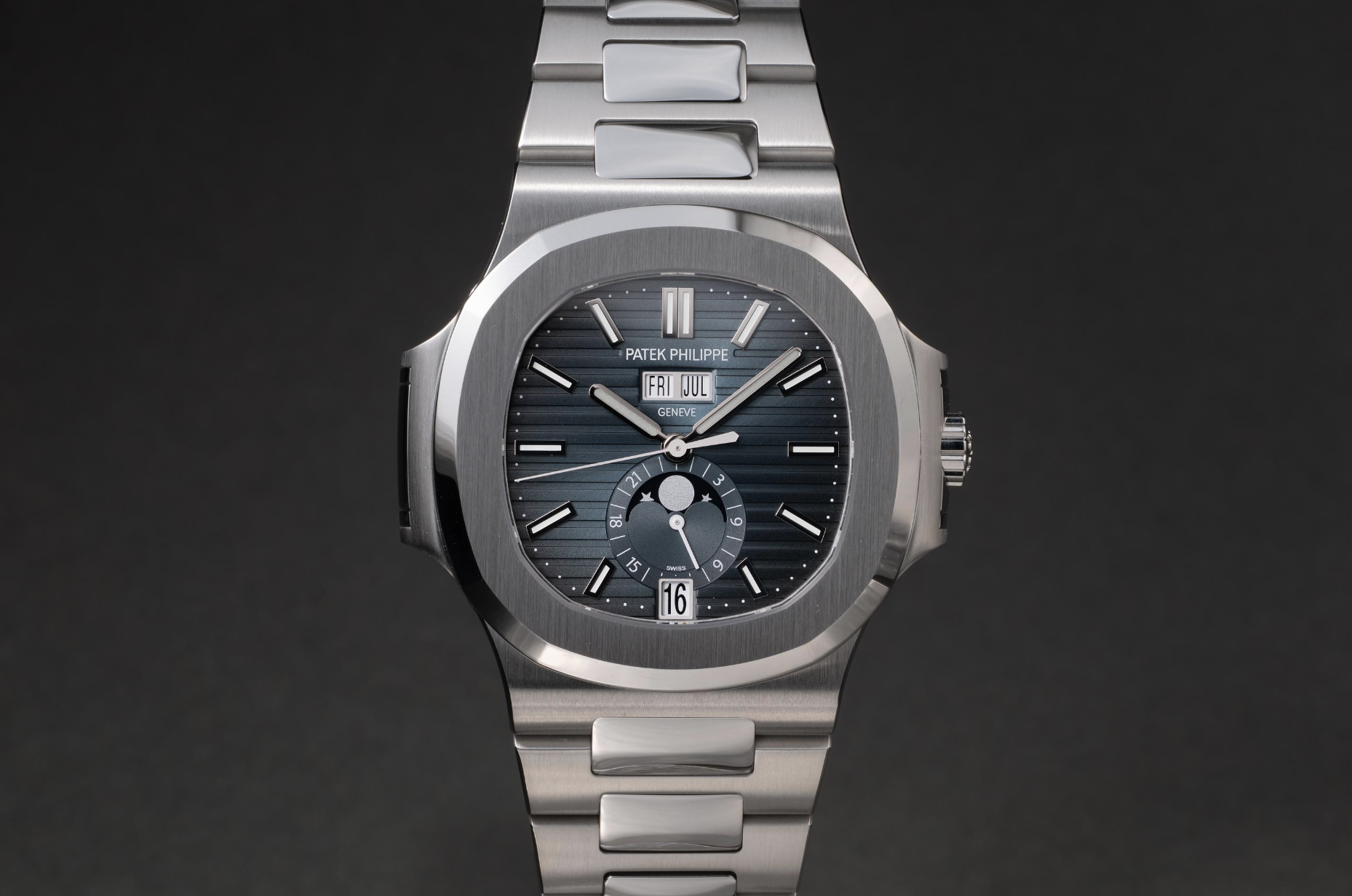






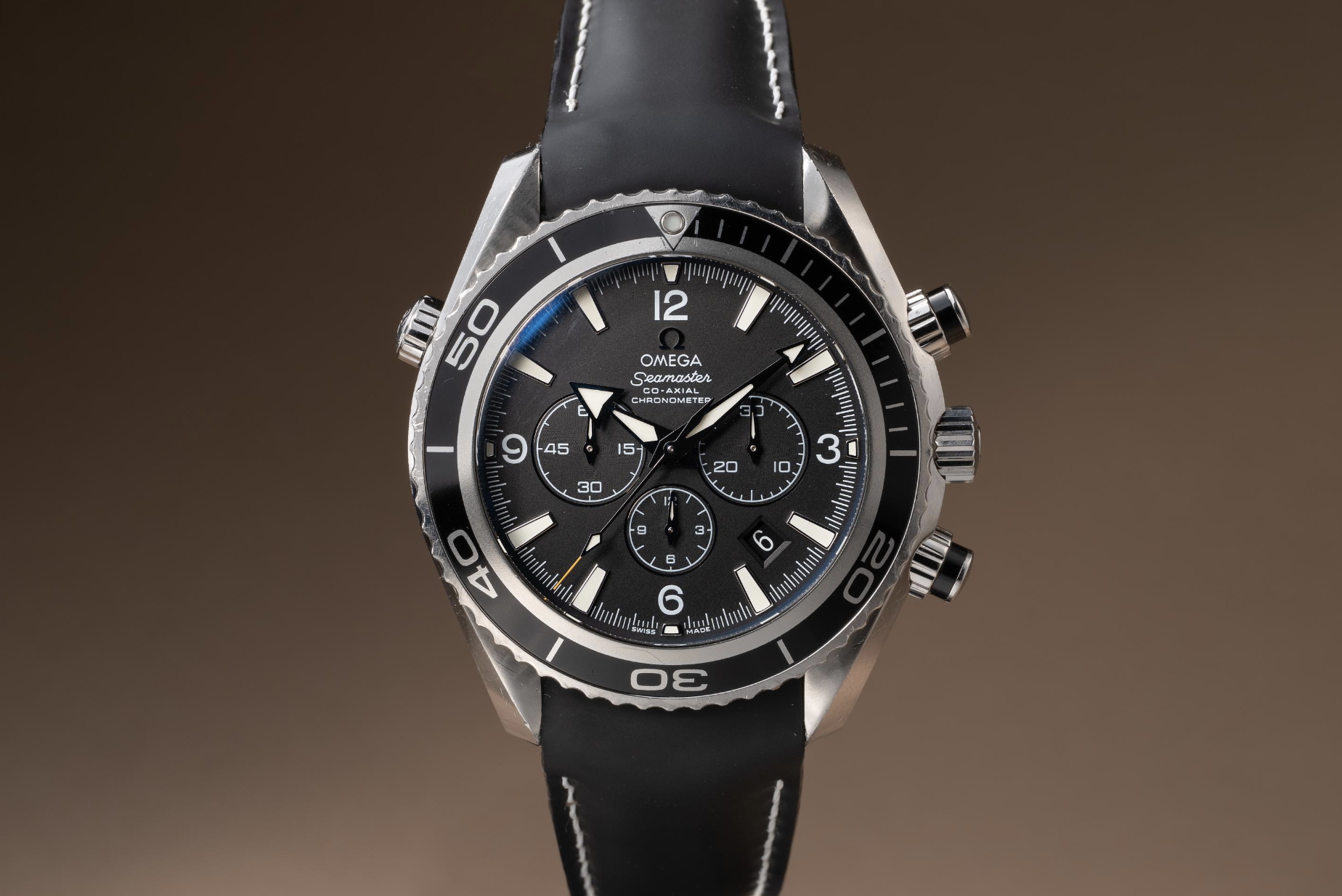



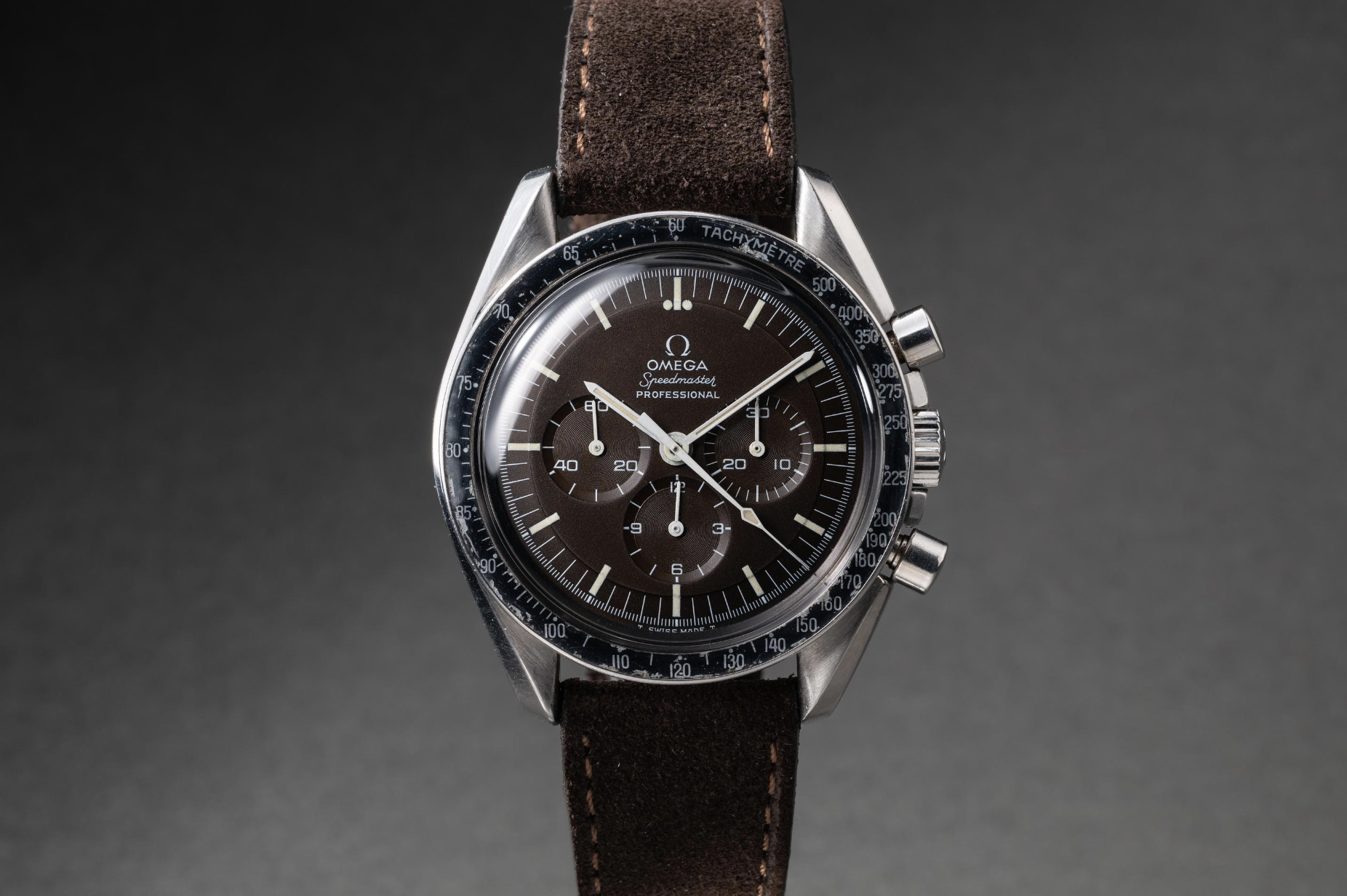

Table of Contents
Get More from the Journal