


Best Dress Watches: Timeless Style for Every Occasion
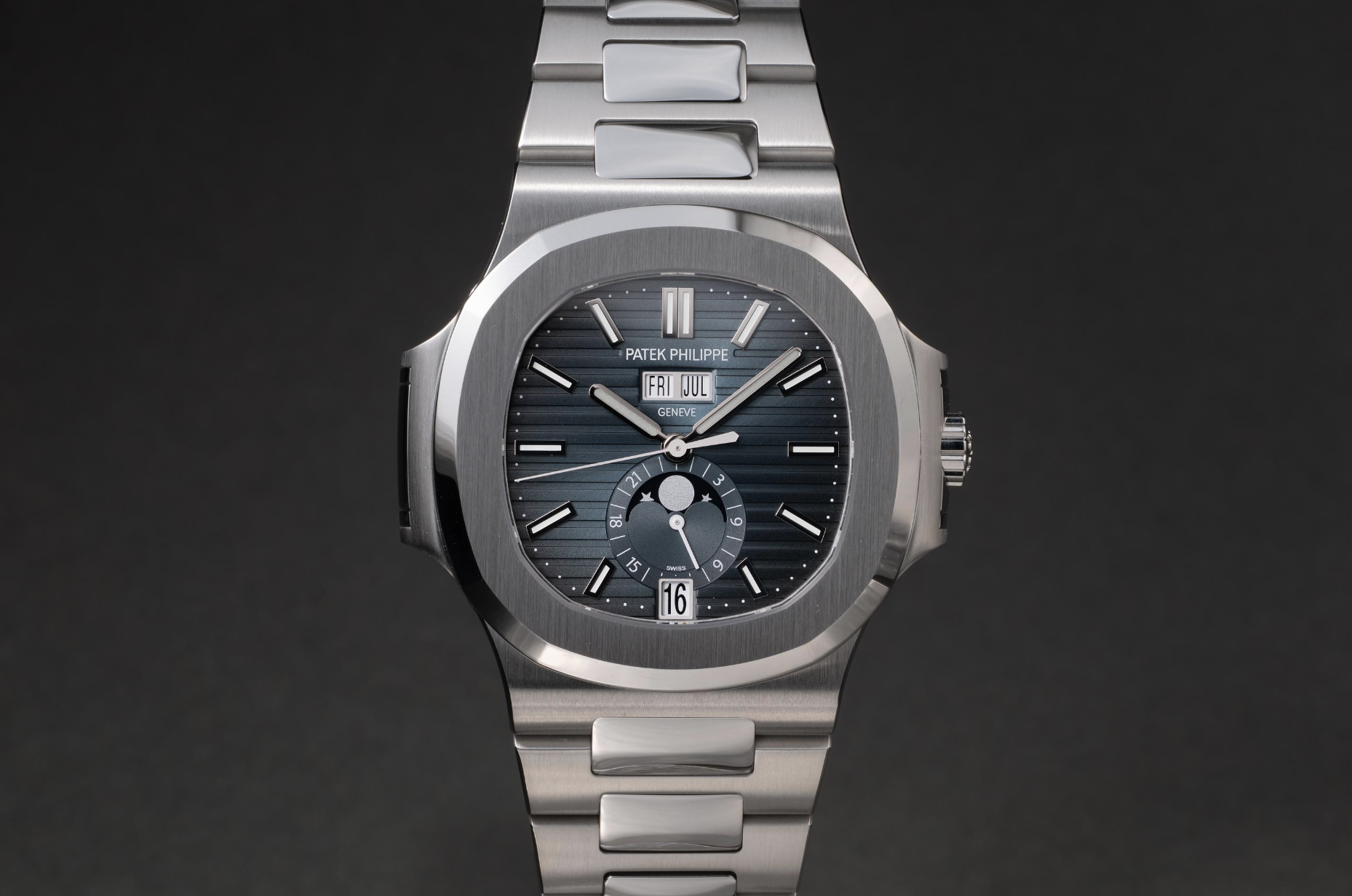
What Makes a Watch a True Dress Watch?
There is a category of timepiece that exists not to track a marathon or survive a deep-sea dive, but to sit quietly on your wrist and tell the world something about you without saying a word. That is the dress watch. Slim, refined, and deliberately understated, the best dress watches are designed to complement formal attire without competing with it. They tend to feature clean dials, minimal complications, thin cases, and leather straps. The goal is elegance, not spectacle. And in the world of luxury watchmaking, few things are more difficult to execute well than beautiful simplicity.
A Brief History of the Dress Watch
The dress watch as a defined category has roots in the early twentieth century, when pocket watches gave way to wristwatches and watchmakers began designing pieces specifically intended for formal occasions. The 1920s and 1930s saw a surge in sleek, rectangular, and round case designs that prioritized aesthetics alongside function. Brands like Patek Philippe, Jaeger-LeCoultre, and Cartier were instrumental in shaping what a dress watch could be. By the mid-century, the category had matured significantly, with ultra-thin movements becoming a point of serious competition among Swiss manufactures. Today, the design language established during those decades still defines what collectors and buyers consider a legitimate dress watch.
Key Characteristics to Look For
Not every watch that looks clean qualifies as a true dress watch. There are defining characteristics that separate the category from casual or sport-adjacent timepieces. Understanding these traits helps buyers make confident, informed choices when evaluating options across various price points and brands.
- Case diameter typically falls between 36mm and 40mm, though many purists prefer the 36mm to 38mm range for true formal wear
- Case thickness is ideally under 8mm, with ultra-thin movements sitting below 5mm
- Dial design favors simplicity: printed or applied indices, minimal text, and restrained color palettes
- Straps are almost always leather, in classic finishes like black or dark brown
- Complications, if present, are elegant rather than technical, such as a date, moon phase, or small seconds
- Materials lean toward precious metals like yellow gold, white gold, or platinum for high-end pieces, with stainless steel as a practical alternative
The Most Respected Dress Watch Brands
Certain names in the luxury watch industry have earned their reputation in the dress watch category through decades of consistent excellence. Patek Philippe remains the gold standard. Their Calatrava collection, introduced in 1932, is widely regarded as the definitive expression of the dress watch. Jaeger-LeCoultre contributes the Master Ultra Thin, a collection built around the pursuit of minimal case depth. A. Lange and Sohne brings German precision and a distinctive dial layout that makes their dress watches immediately recognizable. Vacheron Constantin, one of the oldest continuously operating watch manufacturers in the world, produces pieces in the Patrimony collection that feel almost architectural in their restraint. Each of these brands approaches the dress watch with a philosophy rather than just a product line.
Rolex and the Dress Watch Question
Rolex is not typically the first name that comes to mind when dress watches are discussed, but that overlooks some genuinely compelling history. The Rolex Cellini collection has long served as the brand's formal offering, featuring clean round cases, precious metal options, and dial designs that align with traditional dress watch expectations. More interestingly, certain vintage Rolex references from the 1950s through the 1970s have earned real credibility in dress watch conversations. Slim cases, two-tone configurations, and understated dials from that era check nearly every relevant box. Vintage Rolex dress references carry the added appeal of investment value, historical significance, and the kind of character that only time can create.
Movement Matters: What Powers a Great Dress Watch
Inside a dress watch, the movement tells a story that the dial often keeps quiet. Many of the finest dress watches are powered by hand-wound movements, which allow for thinner case profiles and a more deliberate, tactile connection between the wearer and the watch. The ritual of winding a dress watch daily is considered part of its appeal by serious collectors. Automatic movements are also common, and brands like Patek Philippe and Vacheron Constantin produce in-house calibers that are both technically impressive and exquisitely decorated. Finishing quality matters enormously here: beveled edges, perlage patterns, and Geneva stripes are details that enthusiasts look for when evaluating the quality of a dress watch movement. Even if the dial never reveals what lies beneath, knowing it is there matters.
How to Match a Dress Watch to an Occasion
Choosing a dress watch is not purely about aesthetics in isolation. Context shapes every decision. A black-tie event calls for something in precious metal with a white or champagne dial and a black leather strap. A business formal setting allows more flexibility, where a stainless steel case with a dark dial can work exceptionally well. Cocktail attire opens the door to slightly bolder choices, perhaps a gold case with a textured dial or a subtle pattern. The general principle is that the watch should complement, not command. A dress watch worn correctly disappears into the overall presentation of a person, adding to the impression without drawing deliberate attention to itself.
Vintage vs. New: Which Dress Watch Is Right for You?
This is a question with a genuinely personal answer, but the considerations are clear. New dress watches offer manufacturer warranties, pristine condition, and access to modern movement technology. Brands continue to produce compelling options across various price points, and buying new means the watch has no unknown history. Vintage dress watches offer something different: a depth of character, scarcity, and often a stronger narrative. A watch from the 1960s that has survived in excellent condition carries meaning that no newly produced piece can replicate. For buyers interested in vintage, authentication and condition are critical factors, and working with reputable sources is non-negotiable. Value retention in vintage dress watches, particularly from iconic Swiss and German manufacturers, has historically been strong.
Why Tropical Watch Is the Right Partner for Your Dress Watch Search
Finding the right dress watch is one thing. Finding it from a source you can genuinely trust is another matter entirely, and that distinction matters more than most buyers initially realize. Tropical Watch has built its reputation on precisely that trust, offering an expertly curated selection of vintage and pre-owned luxury timepieces with a depth of knowledge that only comes from years of serious engagement with the market. For collectors and first-time buyers alike, the guidance available through Tropical Watch transforms what can be an overwhelming search into a confident, well-informed decision. Whether you are drawn to a Patek Philippe Calatrava, a Vacheron Constantin Patrimony, or the elegance of a vintage Rolex dress reference, the expertise on offer is genuine and grounded in real market knowledge. Shoppers who are serious about acquiring the finest examples of the best dress watches in the luxury vintage market will find that Tropical Watch delivers both the inventory and the insight to make that purchase with full confidence. The combination of authentication standards, historical knowledge, and personal service makes this the natural destination for anyone approaching a dress watch purchase with the seriousness it deserves.
Frequently Asked Questions About Dress Watches
What is the ideal case size for a dress watch?
Most watchmakers and collectors consider 36mm to 40mm the ideal range for a dress watch, with 38mm often cited as the classic sweet spot. Anything significantly larger tends to shift the aesthetic away from formal elegance toward a sportier feel.
Can a dress watch be worn every day?
Yes, many dress watches are built to withstand daily wear, particularly those with automatic movements and modern water resistance ratings. However, ultra-thin pieces with hand-wound movements may benefit from more careful handling given the delicacy of their construction.
What is the difference between a dress watch and a casual watch?
Dress watches are characterized by slim profiles, clean dials, leather straps, and restrained designs intended for formal contexts. Casual watches typically feature larger cases, more complications, sport-oriented materials, and metal bracelets suited to everyday versatility.
Are vintage dress watches a good investment?
Vintage dress watches from reputable manufacturers have demonstrated strong value retention over time, particularly from brands like Patek Philippe, Vacheron Constantin, and Rolex. Condition, rarity, and provenance all affect investment potential, so professional authentication is essential.
Do dress watches need to be made from precious metals?
Not necessarily. While gold and platinum are traditional materials for high-end dress watches, stainless steel dress watches are widely accepted and produced by respected brands. The design language and proportions matter more than the material alone when defining the category.
What complications are appropriate for a dress watch?
The most appropriate complications for a dress watch are those that add function without visual clutter. These include a simple date display, a moon phase indicator, a small seconds subdial, or a power reserve indicator. Grand complications with multiple displays tend to conflict with the understated philosophy of the category.


