Do Cartier Watches Hold Their Value? A Complete Guide

Do Cartier Watches Hold Their Value? What You Need to Know Before You Buy
When spending serious money on a luxury timepiece, one of the first questions that comes to mind is whether that investment is going to hold up over time. Cartier is one of the most recognized names in fine jewelry and watchmaking, with a history that stretches back to 1847. But prestige alone does not guarantee resale value. The honest answer is nuanced, and understanding how Cartier watches perform on the secondary market requires a closer look at specific models, market trends, and the factors that drive demand. Whether you are a first-time luxury buyer or adding to an existing collection, this guide breaks it all down clearly.
A Brief History of Cartier as a Watchmaker
Cartier was founded in Paris by Louis-Francois Cartier, and the brand quickly earned a reputation among European royalty and wealthy clientele for its extraordinary craftsmanship. The watchmaking side of the business gained serious momentum in the early twentieth century when Louis Cartier, grandson of the founder, collaborated with aviator Alberto Santos-Dumont to create one of the first wristwatches designed for practical use. That watch became the Santos, and it remains one of Cartier's most iconic references to this day. The Tank, introduced in 1917, further cemented the brand's identity in watchmaking. These are not recent inventions meant to chase trends. They are design landmarks with genuine cultural weight, and that matters enormously when it comes to long-term value retention.
How Cartier Watches Perform on the Resale Market
Cartier watches generally retain a moderate to strong portion of their original retail value, though this varies considerably by model, condition, and market timing. Unlike Rolex or Patek Philippe, which often trade above retail on the secondary market, Cartier watches typically resell at somewhere between 50 and 85 percent of their original purchase price. That said, certain references have demonstrated exceptional value stability or even appreciation over time. The Tank Louis Cartier, the Santos de Cartier, and the Cartier Ballon Bleu in precious metal configurations are among the stronger performers. Limited editions, discontinued references, and watches crafted in gold or platinum tend to hold their value more consistently than stainless steel models from the mid-range of the catalog. Condition and provenance are equally critical. A watch that arrives with its original box, papers, and service history will always command a meaningfully higher resale price than one that does not.
Which Cartier Models Hold Value Best
Not all Cartier models are created equal when it comes to resale potential. Here is a breakdown of the references that tend to perform most reliably on the secondary market:
- Tank Louis Cartier (Yellow Gold or White Gold)
- Santos de Cartier (Large model, steel or two-tone)
- Cartier Ballon Bleu (18k gold variants)
- Cartier Crash (especially vintage examples)
- Cartier Pasha (vintage references in particular)
- Cartier Rotonde de Cartier (complicated models)
The Crash is worth special mention. Originally designed in London in the 1960s, allegedly inspired by a car accident that warped a Baignoire case, this model has become one of the most collectible Cartier watches in existence. Vintage Crash references regularly achieve prices at major auction houses that far exceed their original retail prices. For collectors with a longer horizon and a genuine appreciation for design history, this model represents one of the more compelling value propositions in the entire Cartier lineup.
Factors That Influence Cartier Watch Value Retention
Understanding what drives value retention in any luxury watch requires looking at several interconnected variables. For Cartier specifically, the following factors consistently matter most:
- Material composition (gold and platinum outperform stainless steel in resale)
- Model age and production status (discontinued references often appreciate)
- Condition and completeness (box and papers are not optional for top resale prices)
- Movement type (in-house movements tend to be viewed more favorably)
- Rarity and edition (limited runs command premium secondary market pricing)
- Market sentiment (broader economic conditions influence luxury resale demand)
Cartier has been investing more heavily in in-house movements in recent years, which is a meaningful development for collectors who previously felt the brand lagged behind competitors like Jaeger-LeCoultre or Patek Philippe in this area. The ID One and the Rotonde de Cartier Astrotourbillon are examples of the brand pushing into serious horological territory, and that technical credibility adds depth to the brand's long-term appeal.
Cartier vs. Rolex: Understanding the Value Retention Gap
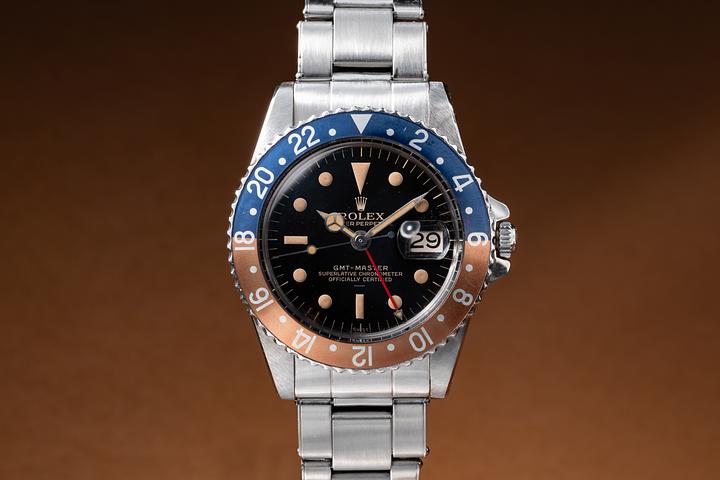
It is nearly impossible to discuss luxury watch value without comparing Cartier to Rolex, and it is worth being straightforward about this. Rolex has consistently outperformed most competitors on the secondary market, with popular references like the Submariner, Daytona, and GMT-Master II frequently trading at or above retail. Cartier has not historically matched this level of resale performance across its general catalog. However, this comparison is somewhat misleading because it overlooks the fact that Cartier and Rolex occupy different spaces in the luxury market. Cartier is fundamentally a jewelry house with a watchmaking tradition. Its watches often appeal to buyers who value design and heritage over purely mechanical prestige. When compared to other jewelry-forward watch brands, Cartier performs quite respectably, and its most iconic models have shown steady long-term value stability that should not be dismissed.
Tips for Maximizing the Value of Your Cartier Watch
If value retention is a priority, there are practical steps you can take from the moment of purchase. Buy from an authorized dealer when possible to ensure authenticity and warranty documentation. Keep all original packaging, certificates, and service receipts organized and safely stored. Avoid unnecessary polishing, as original case finishing is a significant factor in collector desirability. Service your watch according to manufacturer guidelines, but use authorized service centers to maintain documentation. When selling, use reputable auction houses or established watch dealers rather than general resale platforms, as expert channels attract serious buyers willing to pay fair market value.
Is a Cartier Watch a Good Investment?
This is the question that sits underneath every conversation about luxury watch value retention, and it deserves a direct answer. A Cartier watch is not typically a financial investment in the way a stock or real estate might be. It is unlikely to double in value under normal circumstances. However, it is a wearable asset with genuine cultural and craft value that, when selected and maintained thoughtfully, can retain a substantial portion of its original price over many years. For buyers who approach Cartier from a position of genuine appreciation for design history and craft, the value equation looks quite favorable. You are wearing something with a century of design legacy behind it, and that is worth something that numbers alone cannot fully express.
Why Tropical Watch Is the Right Partner for Luxury Watch Collectors
Whether you are exploring Cartier or considering a broader look at what the pre-owned luxury market has to offer, working with a trusted specialist makes all the difference. At Tropical Watch, the focus is on sourcing and presenting exceptional timepieces with full transparency, deep expertise, and a genuine commitment to collector satisfaction. For buyers who want to explore vintage luxury watches that hold long-term value, Tropical Watch offers an inventory that reflects decades of knowledge about what makes a watch truly significant. From vintage Rolex references with documented provenance to carefully curated estate pieces, the team at Tropical Watch understands what serious collectors are looking for and brings both the inventory and the expertise to match. If you are ready to invest in something meaningful, this is where that conversation should start.
Frequently Asked Questions
Do Cartier watches hold their value better than other luxury brands?
Cartier watches generally hold their value well compared to the broader luxury watch market, though they typically do not match the resale premiums seen with Rolex or Patek Philippe. Value retention depends heavily on the specific model, material, condition, and whether the original box and papers are included.
Which Cartier watch holds its value the best?
The Cartier Crash, Tank Louis Cartier in precious metals, and Santos de Cartier are among the strongest performers on the secondary market. Vintage examples and discontinued references tend to command the highest resale prices.
Does a Cartier watch come with papers and does that affect resale value?
Yes, original documentation including the warranty card, box, and service history significantly impacts resale value. A complete set can add anywhere from 10 to 30 percent to the final sale price compared to a watch sold without those materials.
Are gold Cartier watches worth more at resale than steel ones?
Gold and platinum Cartier watches consistently outperform stainless steel models on the resale market, both because of material intrinsic value and because precious metal configurations tend to attract more serious collectors willing to pay premium prices.
How does Cartier compare to Rolex as an investment watch?
Rolex generally outperforms Cartier in terms of pure resale appreciation, particularly for sport references. However, Cartier competes favorably with other jewelry-forward watch brands and specific Cartier references have demonstrated strong long-term value stability.
Should I buy a Cartier watch from an authorized dealer or the pre-owned market?
Both options have merit. Authorized dealers provide warranty coverage and guaranteed authenticity. The pre-owned market offers access to discontinued references and often more favorable pricing. Working with a reputable specialist dealer ensures you receive accurate authentication and fair market pricing regardless of which route you choose.






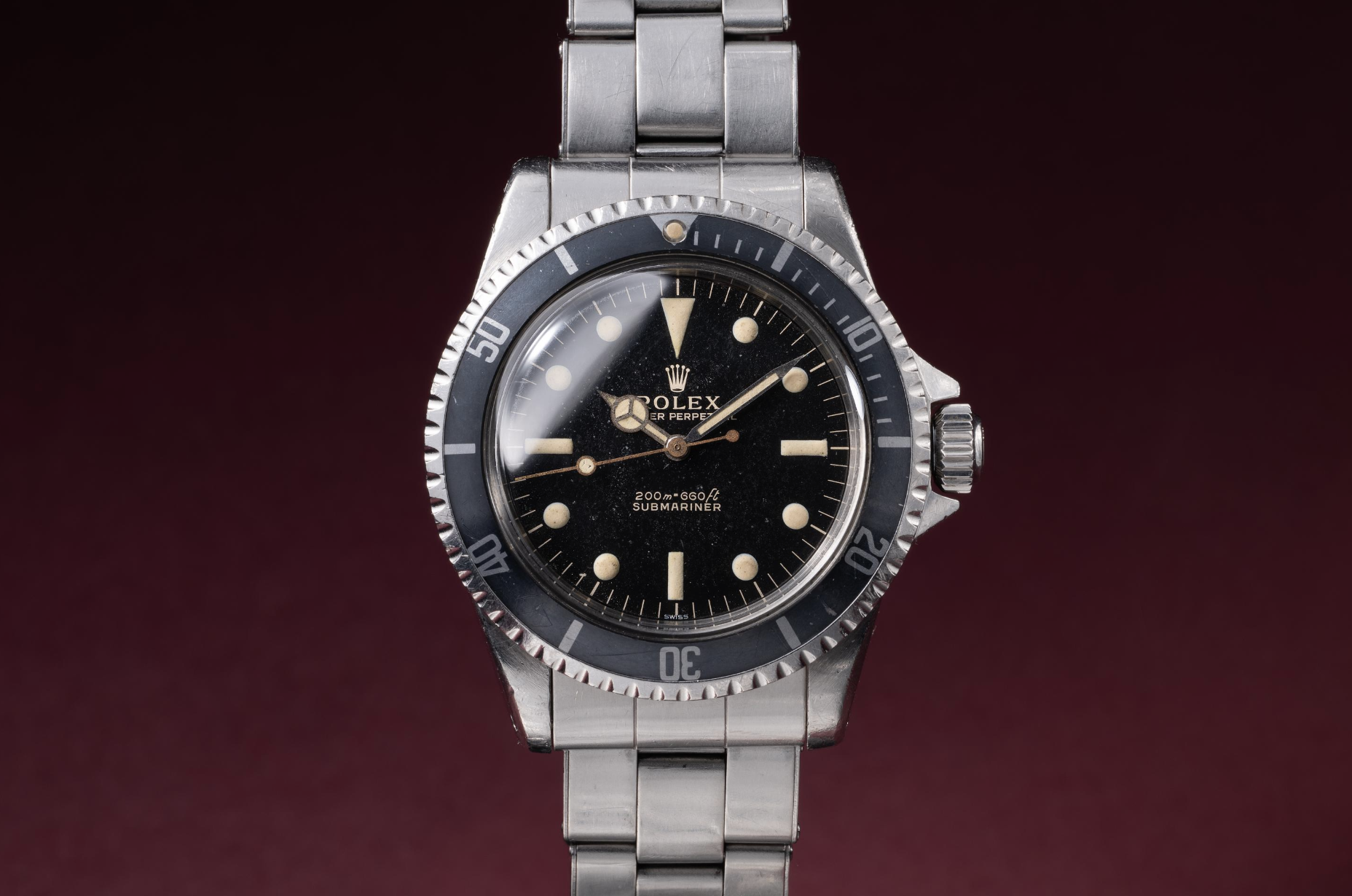


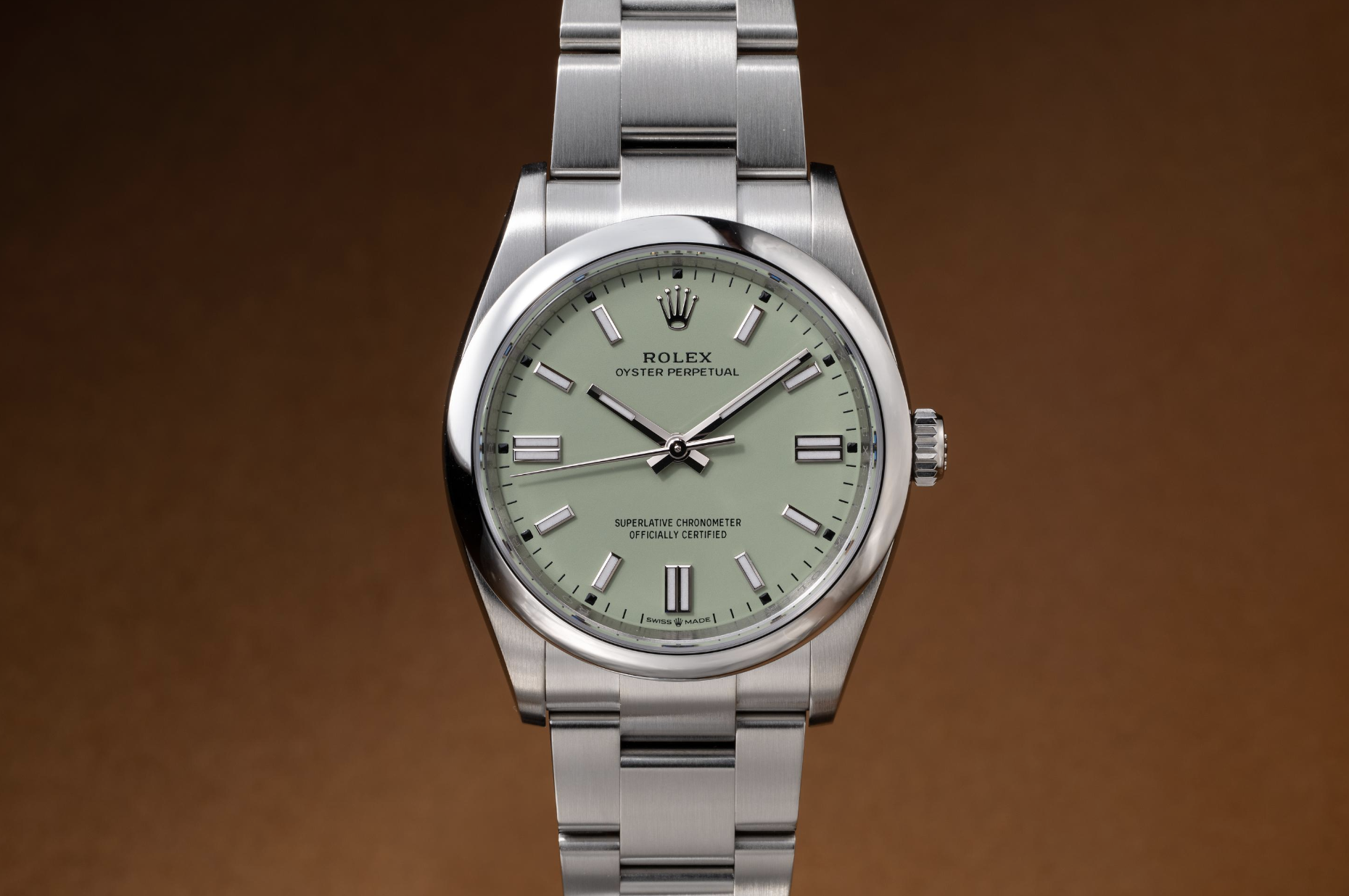


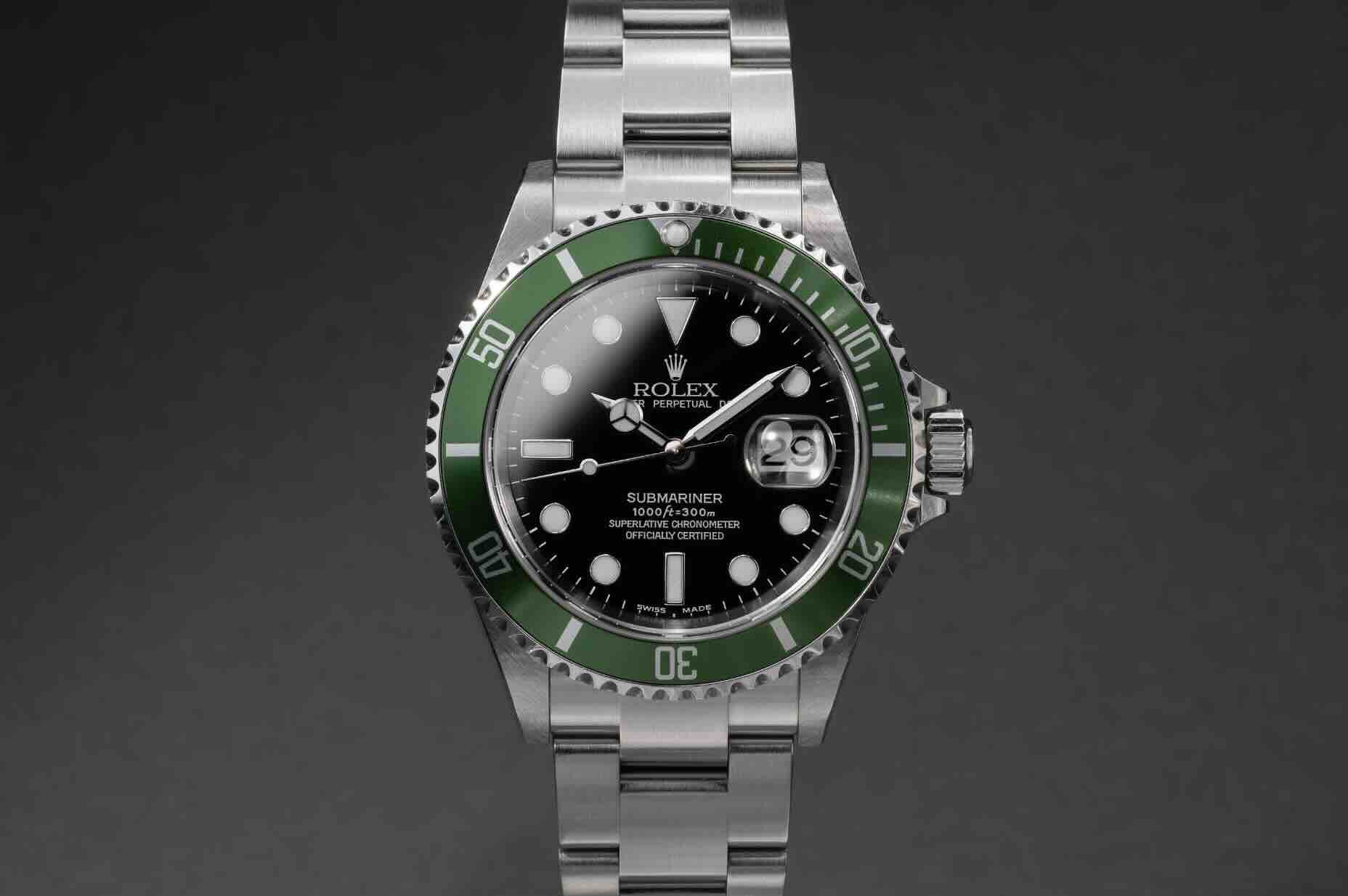


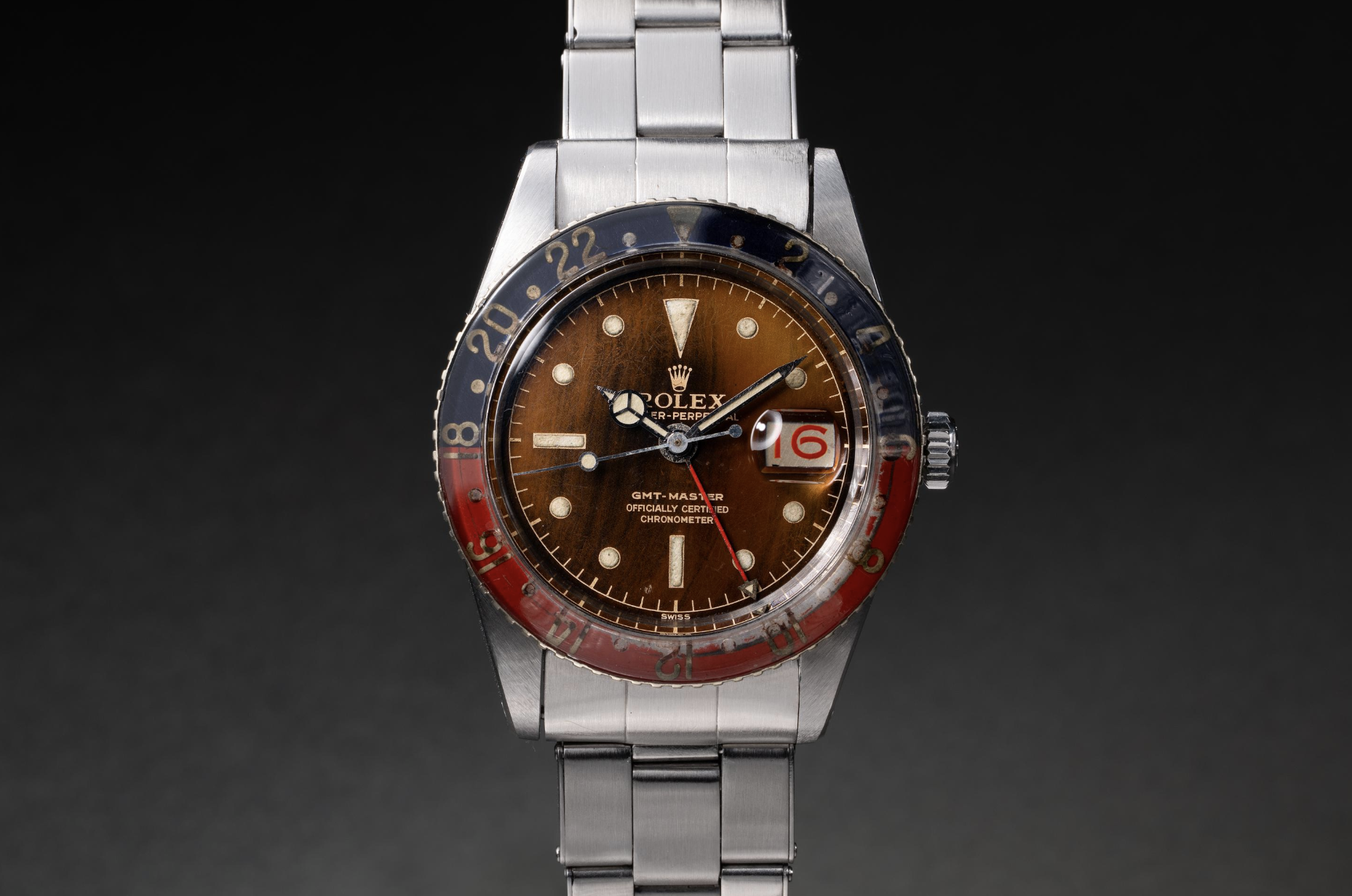




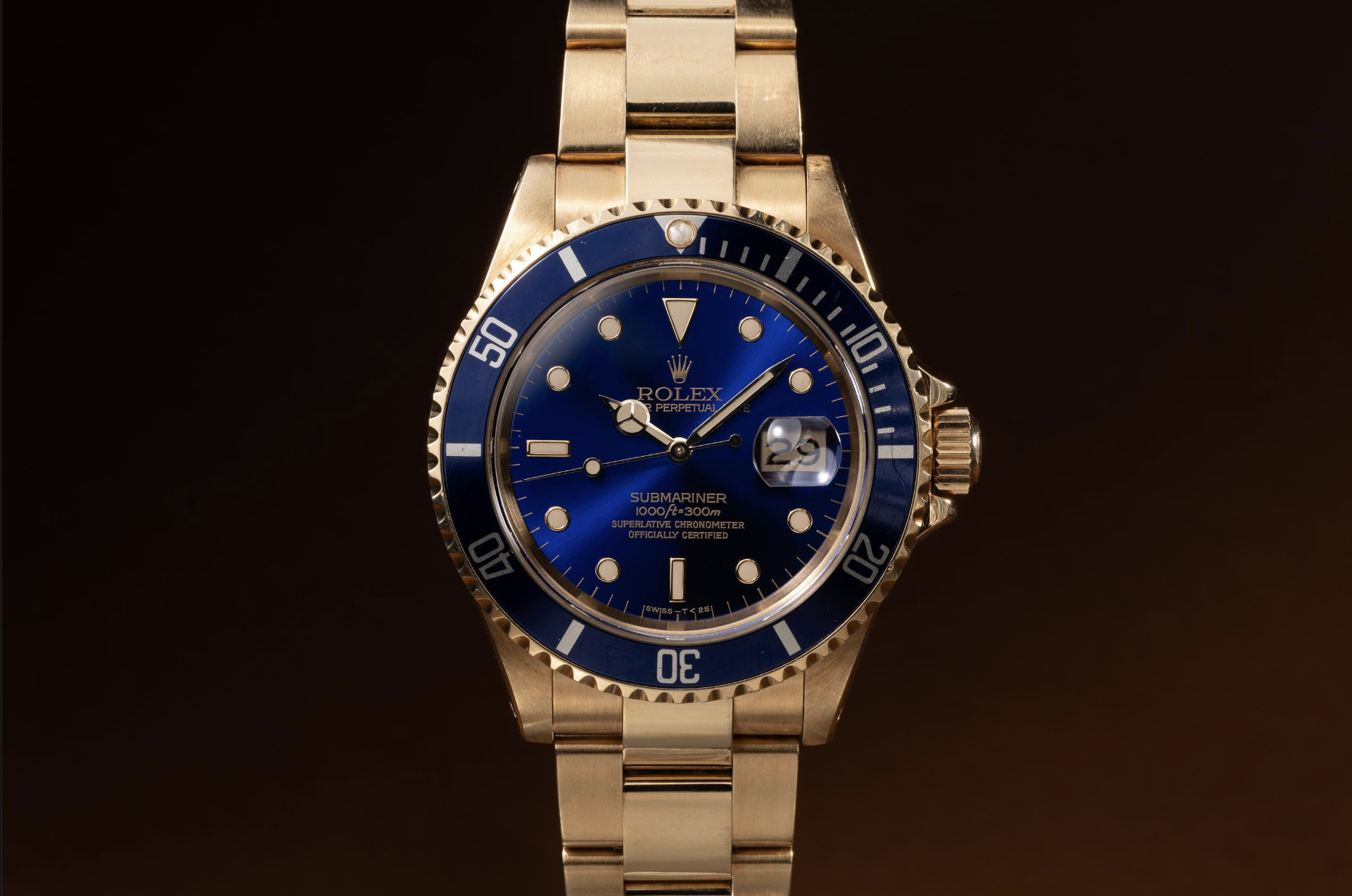





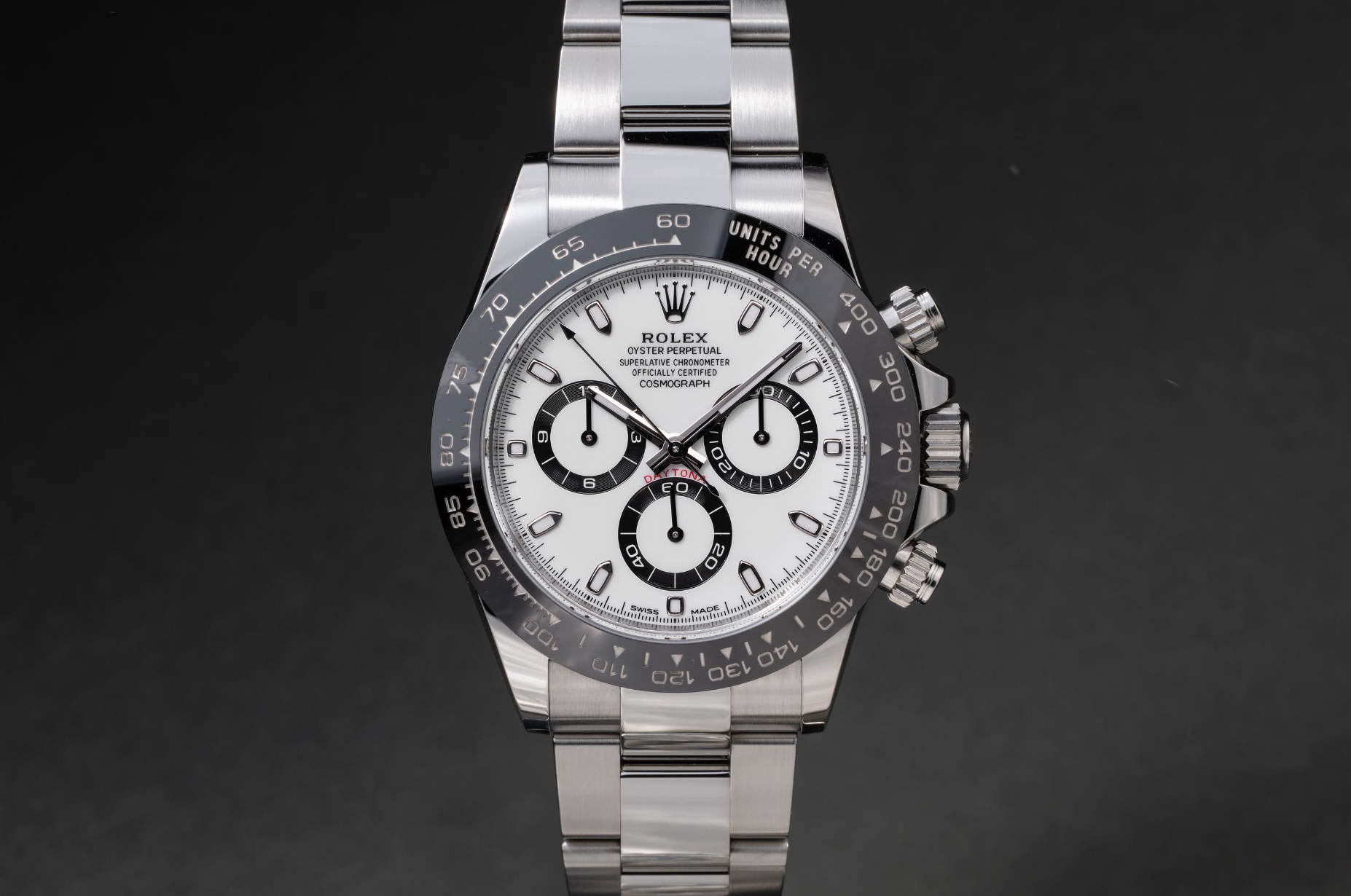




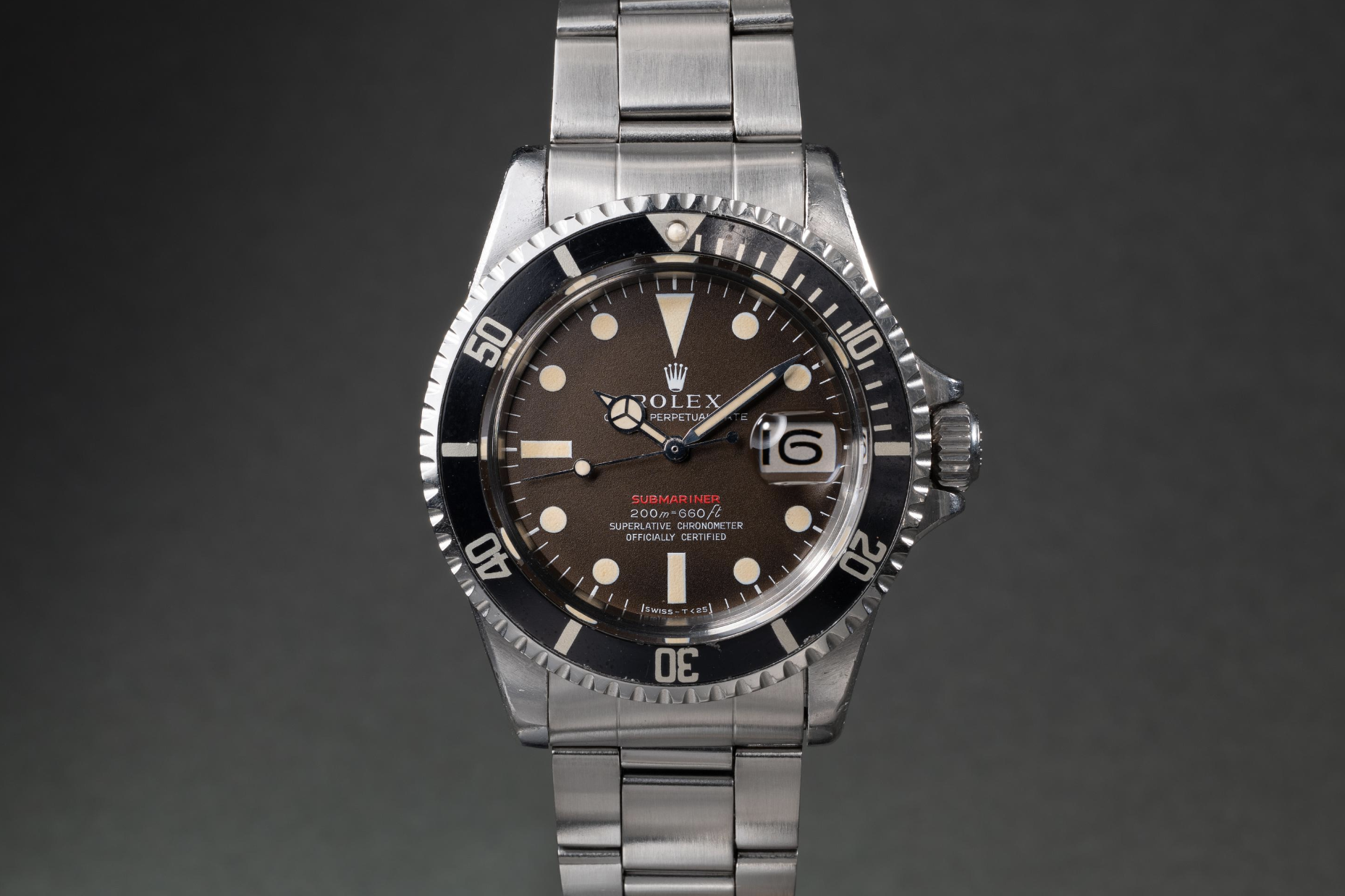


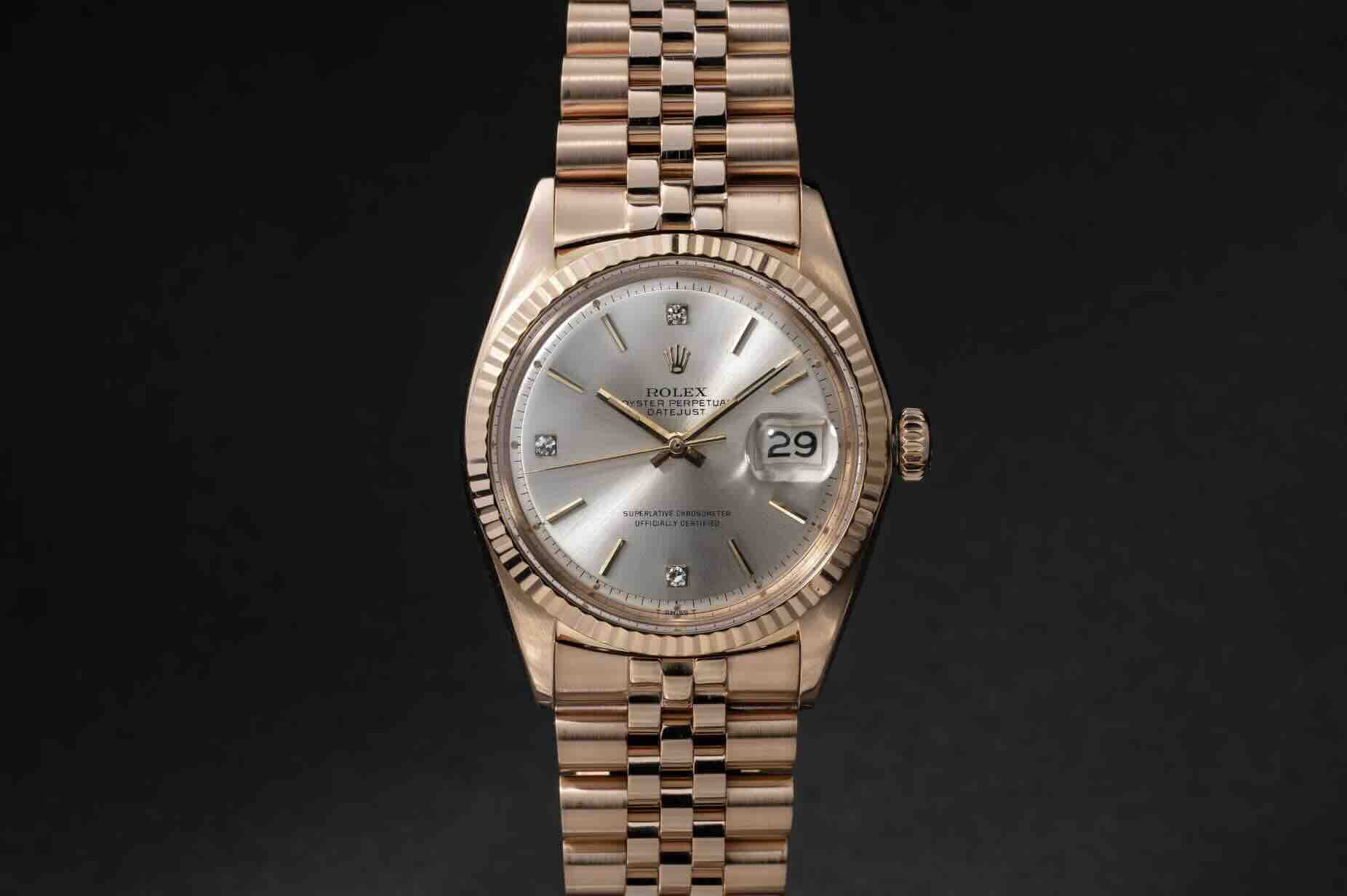


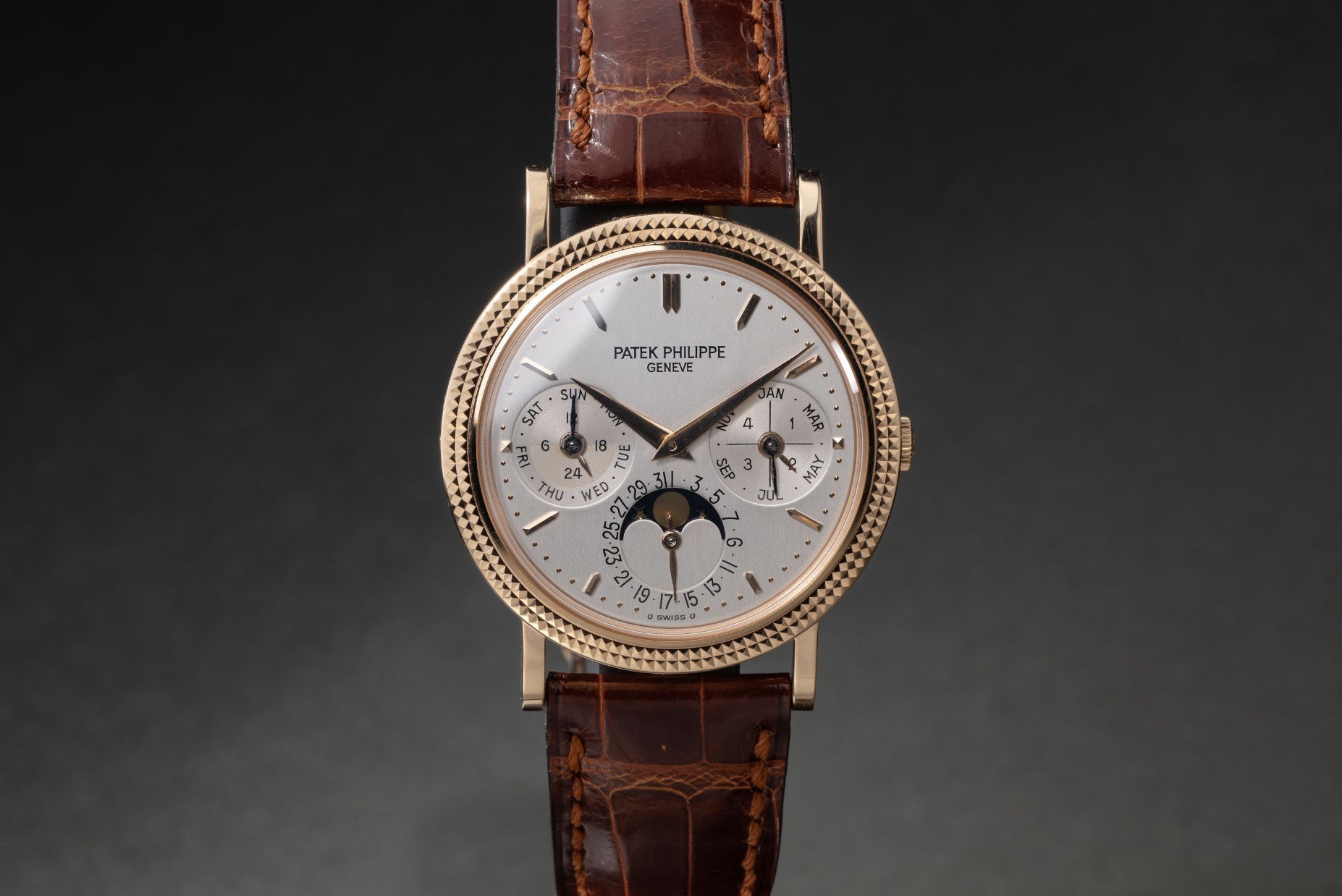



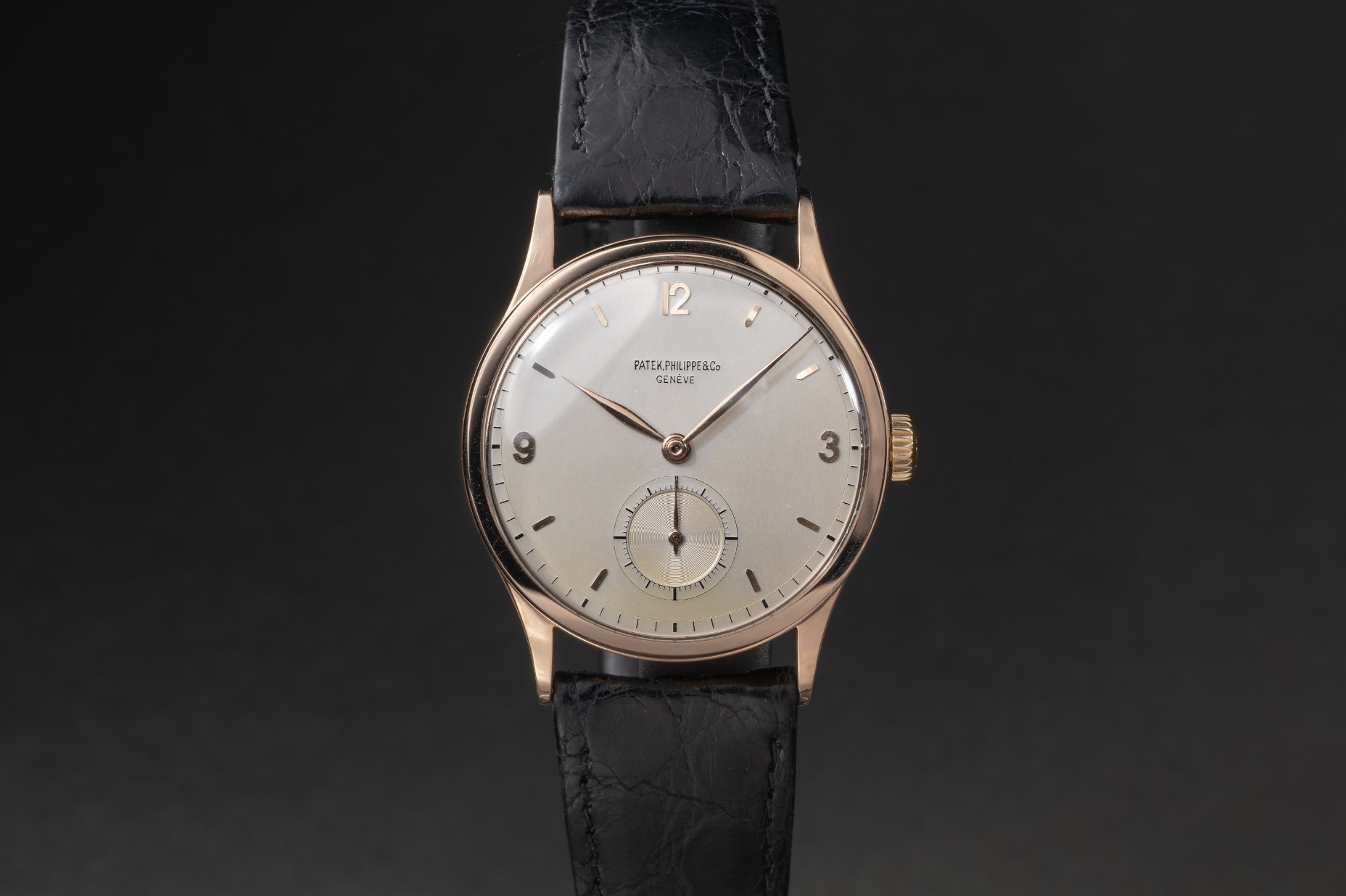
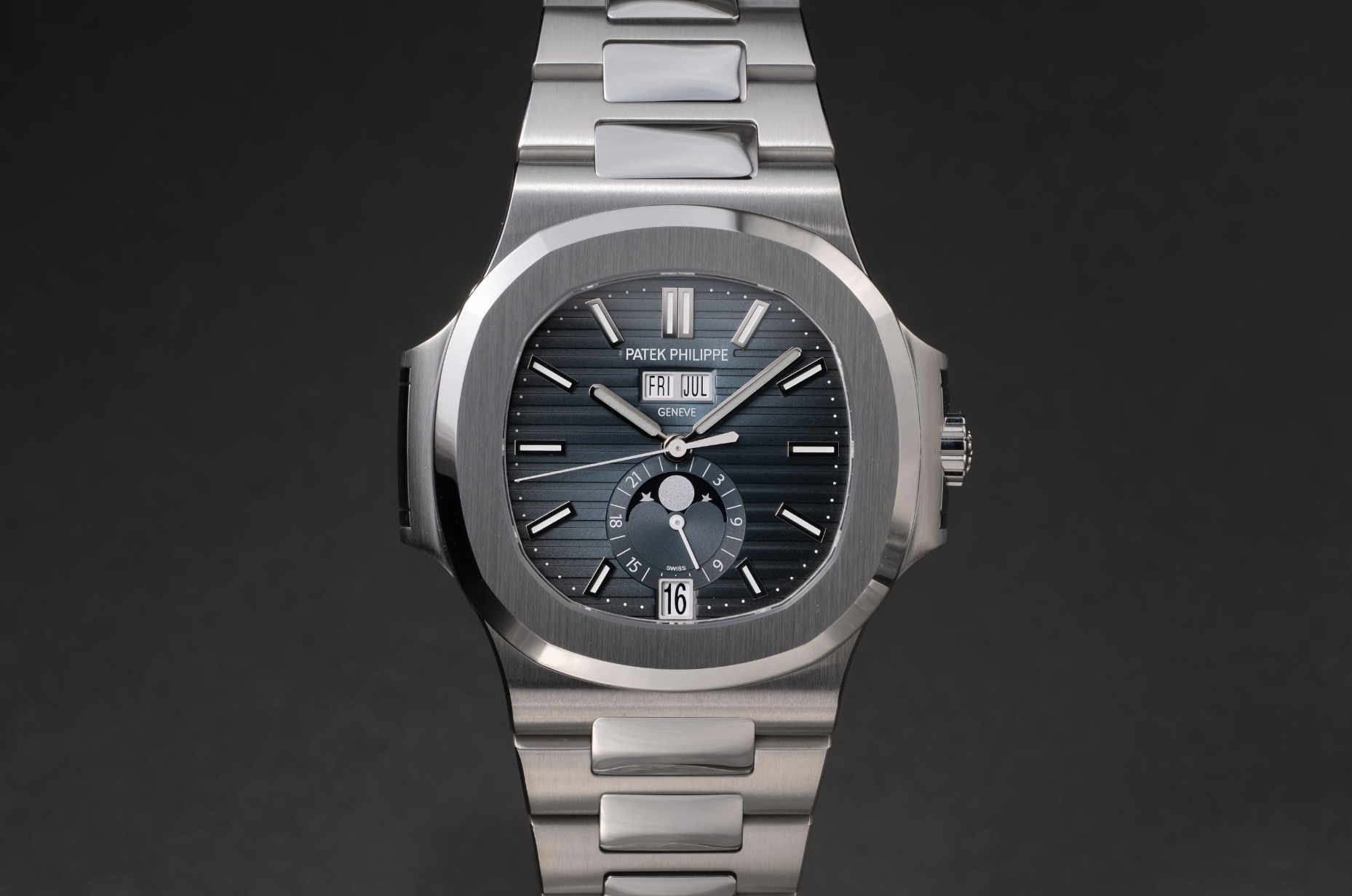
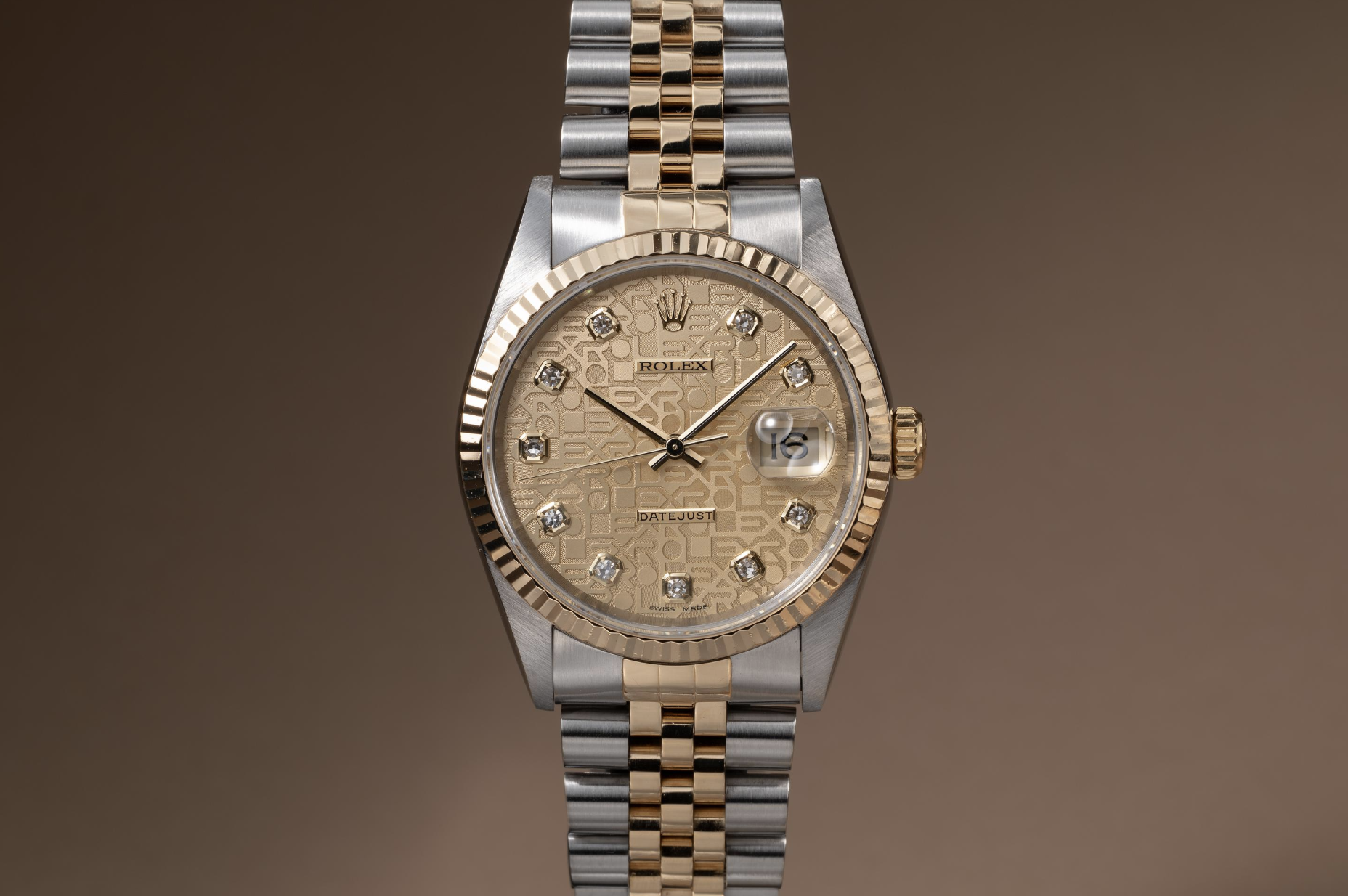
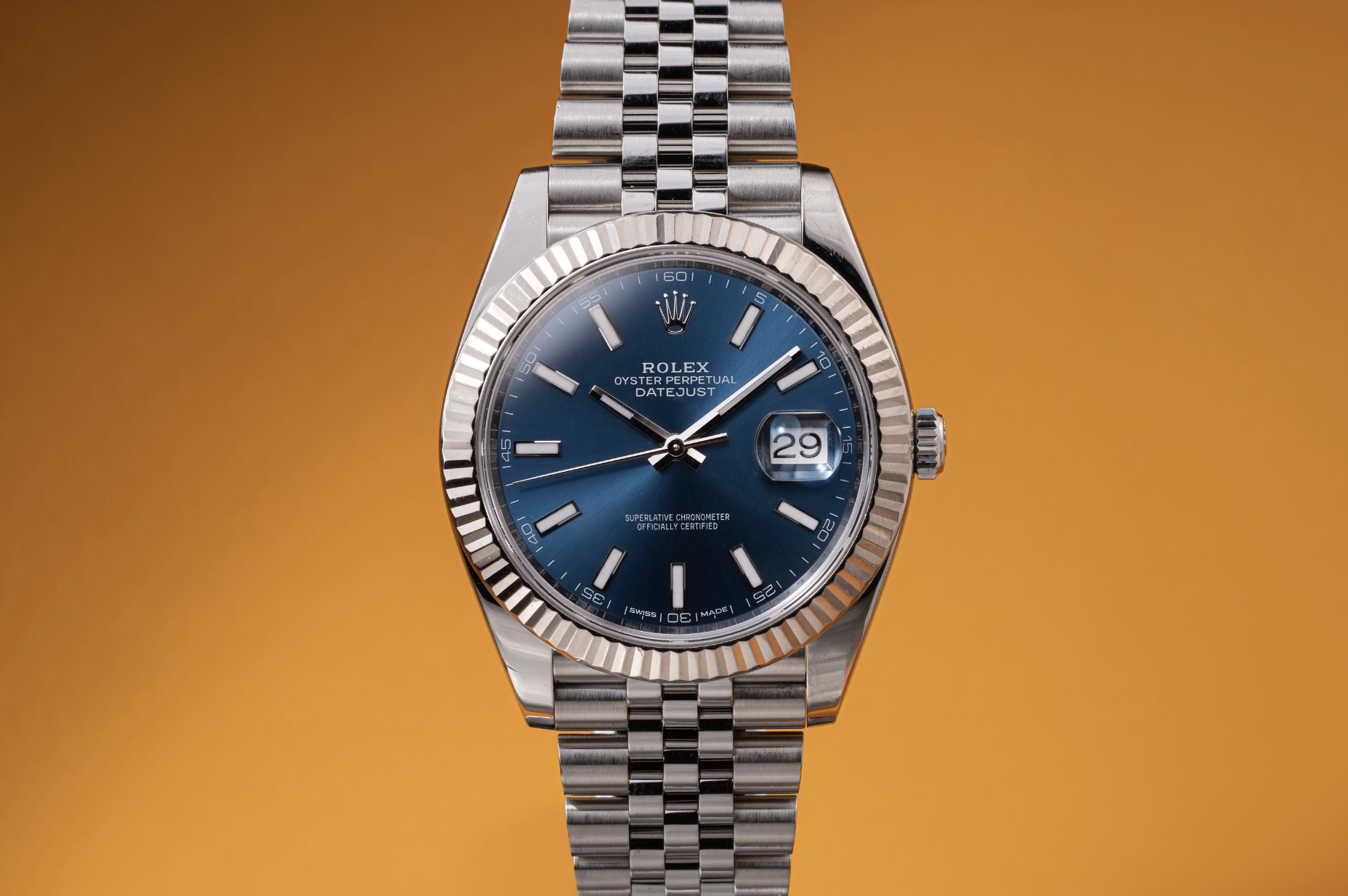
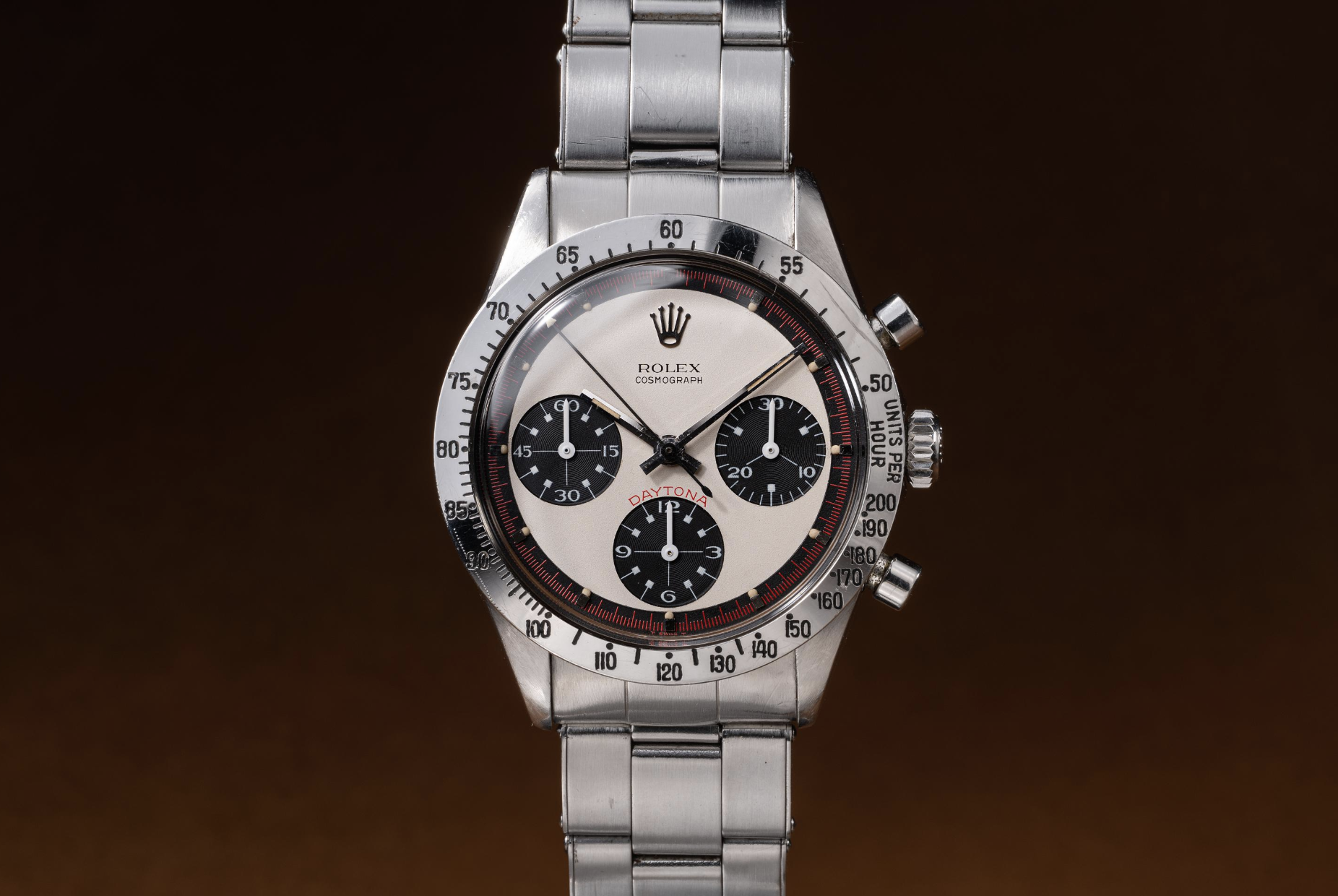

Table of Contents
Get More from the Journal