Grand Seiko vs Omega: Which Watch Wins Your Wrist?
Grand Seiko vs Omega: Which Luxury Watch Brand Deserves Your Wrist?
If you have spent any time researching luxury watches, you have almost certainly run into this comparison. Grand Seiko versus Omega is one of the more genuinely interesting debates in the watch world right now, and for good reason. These are two very different brands with very different philosophies, price points, histories, and audiences. One is a Swiss institution with decades of pop culture presence. The other is a Japanese atelier that operates almost like a secret for those who know, they really know. So where do you even start? Right here, actually.
A Brief History of Grand Seiko
Grand Seiko was introduced in 1960 by the Suwa Seikosha division of Seiko in Japan. The original goal was straightforward but ambitious: create a watch that could outperform Swiss watchmaking standards in accuracy, readability, and finishing quality. That goal has never really changed. For decades, Grand Seiko was sold almost exclusively in Japan, which is part of why it flew under the radar for Western collectors for so long. It was only around 2010 that Grand Seiko began establishing itself as a standalone brand internationally, separating from the parent Seiko name and building its own identity. Today it is headquartered in Shizukuishi, a small town in Iwate Prefecture, where the movements and dials are crafted with a level of handwork that takes most people by genuine surprise when they see it in person.
A Brief History of Omega
Omega was founded in 1848 in La Chaux-de-Fonds, Switzerland, by Louis Brandt. The brand earned its current name in 1903 when it introduced the caliber 19 ligne, calling it the Omega movement because it represented the ultimate in watchmaking achievement at the time. The name stuck. From there, Omega built a reputation that touches nearly every corner of modern life. It has been worn on the moon during the Apollo missions, carried by James Bond on screen since 1995, and chosen as the official timekeeper of the Olympic Games. The Seamaster, Speedmaster, and Constellation collections are among the most recognized watch lines in the world. Omega is now part of the Swatch Group, the largest watch conglomerate globally.
Movement Technology: Where Things Get Interesting
This is genuinely where the two brands diverge most dramatically. Grand Seiko produces three distinct types of movements across its catalog: mechanical, quartz, and Spring Drive. The Spring Drive is the one that tends to stop people mid-sentence when they learn about it. It is a movement that combines mechanical energy from a wound mainspring with an electromagnetic regulator called a tri-synchro regulator, achieving accuracy to plus or minus one second per day. That is extraordinary. Omega, meanwhile, has invested heavily in its Co-Axial escapement technology and METAS certification, which its Master Chronometer movements must pass. These movements are tested for accuracy, magnetic resistance up to 15,000 gauss, and water resistance. Both brands are genuinely pushing watchmaking forward, just in entirely different directions.
Dial Craftsmanship and Aesthetics
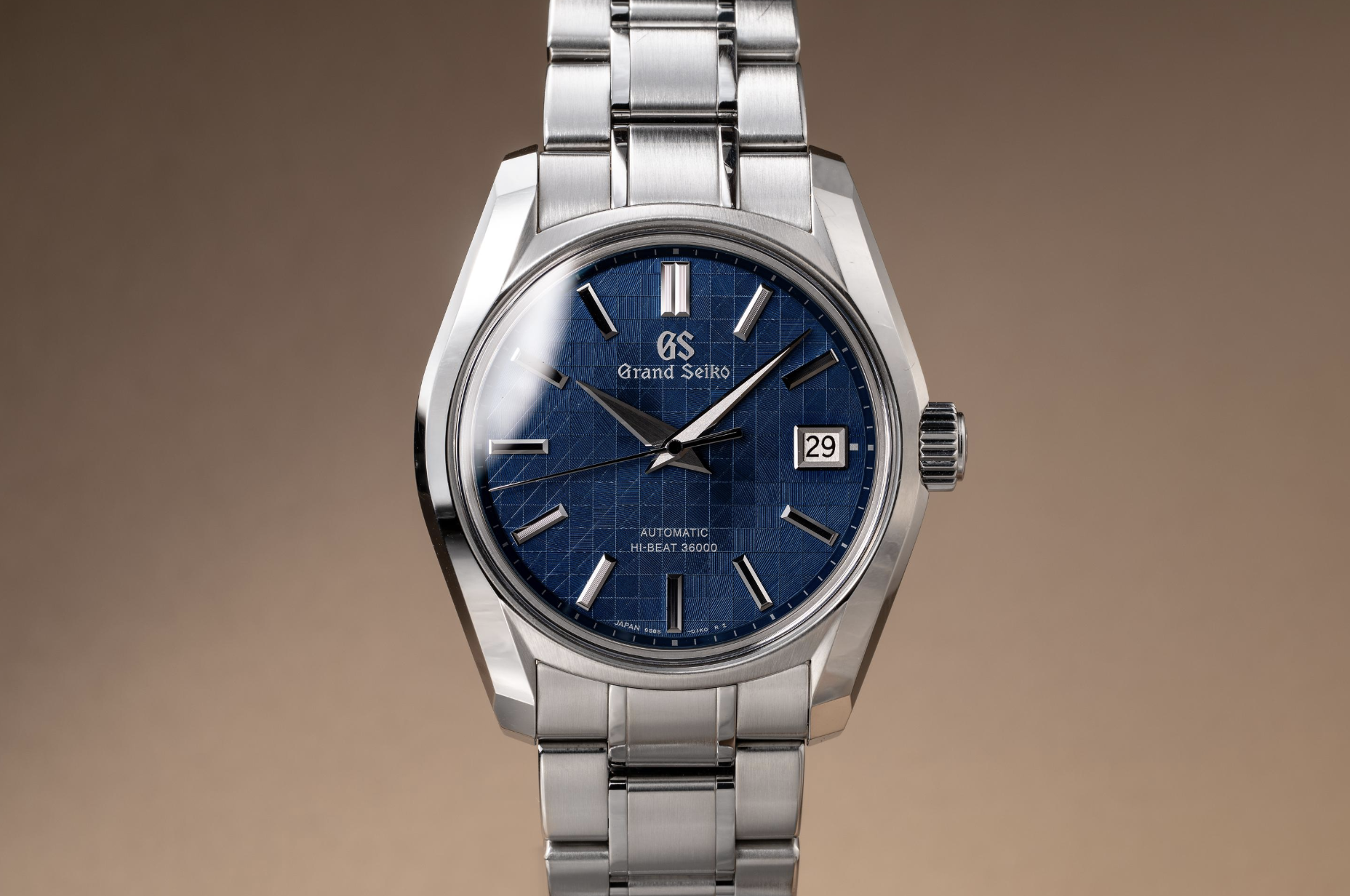
Here is where Grand Seiko earns its loudest praise. The dials on Grand Seiko watches are produced using techniques that draw from Japanese craft traditions. The Snowflake dial, found on models like the SBGA211, is textured to evoke a snow-covered landscape and has become one of the most visually distinctive dials in all of watchmaking. Other Grand Seiko dials reference birch forests, mountain mornings, seasons changing. The Zaratsu polishing technique used on Grand Seiko cases produces mirror-flat surfaces without distortion, which is something you need to see under light to fully appreciate. Omega dials are generally clean, modern, and highly legible. The Speedmaster Moonwatch has an almost iconic simplicity. The Seamaster Planet Ocean uses bold color and strong typography. Neither approach is wrong, they are just aimed at very different sensibilities.
Price Comparison: What to Expect at Retail
Both brands operate in overlapping price territory, though with notable differences depending on where you look. At entry level, Grand Seiko mechanical watches start around $2,000 to $3,000, while Spring Drive models can climb quickly into the $5,000 to $10,000 range and beyond for limited editions. Omega's entry points with models like the Seamaster Aqua Terra sit around $4,000 to $5,000, while the Speedmaster Moonwatch in steel typically runs around $6,000 to $7,000 at retail. Both brands have elevated their positioning in recent years, with prestige pieces pushing well past the $10,000 mark. It is worth noting that Omega tends to hold strong resale value due to its name recognition, while Grand Seiko's secondary market has strengthened noticeably as international awareness has grown.
Brand Recognition and Lifestyle Fit
This matters more than people like to admit. If you wear a watch for the pleasure of wearing it privately, Grand Seiko will reward you deeply. It is a collector's watch in many ways, appreciated most by those who look closely. Omega carries weight that most people outside the watch world actually recognize. Someone who knows nothing about watchmaking will likely recognize the Seamaster or Speedmaster name. That cultural visibility is part of what you are buying with Omega. Neither scenario is better or worse, it just depends on what kind of watch experience you are after.
Durability, Water Resistance, and Everyday Wearability
Both brands produce watches designed for everyday wear, not just display cases. Omega's Seamaster line is purpose-built for aquatic environments, with many models rated to 300 meters or more. The Speedmaster has a long history of surviving extreme conditions. Grand Seiko watches generally offer water resistance in the 100 to 200 meter range depending on the model, which is more than sufficient for daily life. Both brands service their movements at recommended intervals of around three to five years, and both have established service networks internationally. If you are comparing raw tool watch capability, Omega's diving and sports models have a slight edge. If you are comparing finishing quality for dress wear, Grand Seiko is a different conversation entirely.
Which Brand Is Right for You?
There is no universal answer here, and anyone who tells you otherwise is not thinking about it carefully enough. Choose Grand Seiko if you value quiet craftsmanship, unique dial artistry, and a watch that feels deeply personal and somewhat under the radar to the general public. Choose Omega if you value heritage, international recognition, strong resale value, and a watch with a story that most people will actually understand when you tell it. Both brands represent genuine quality at their respective price points. The honest answer is that the best luxury watch is the one you will actually reach for every morning without hesitation.
Why Tropical Watch Should Be Your First Call for Luxury Timepieces
When you are ready to move from research to ownership, the source matters as much as the watch itself. Tropical Watch has built a reputation in the luxury and vintage watch space that collectors genuinely rely on. Whether you are drawn to the artisan depth of Grand Seiko or the iconic legacy of Omega, working with a trusted dealer who understands the nuances of each brand is the difference between a confident purchase and a costly mistake. For collectors who want to explore the broader world of fine horology, Tropical Watch is a destination for those who are serious about acquiring luxury and vintage watches with verified provenance and expert guidance. The inventory, the expertise, and the buying experience are built for the kind of collector who reads articles like this one because they genuinely care about getting it right.
Frequently Asked Questions: Grand Seiko vs Omega
Is Grand Seiko considered a luxury watch brand?
Yes, Grand Seiko is firmly positioned in the luxury watch segment. Its movements, case finishing, and dial craftsmanship meet or exceed the standards set by many prestigious Swiss manufacturers, and its pricing reflects that positioning at retail.
Does Omega hold its value better than Grand Seiko?
Historically, Omega has held stronger resale value due to its global brand recognition. However, Grand Seiko's secondary market has grown significantly in recent years, particularly for limited edition and Spring Drive models, as international demand has increased.
What is the Spring Drive movement and why does it matter?
The Spring Drive is a proprietary movement developed by Seiko that powers many Grand Seiko watches. It uses mechanical energy from a mainspring regulated by an electromagnetic brake, achieving accuracy to within one second per day. It is widely regarded as one of the most innovative movements in modern watchmaking.
Which is better for everyday wear, Grand Seiko or Omega?
Both are suitable for daily wear. Omega has a broader range of sport and dive watches with higher water resistance ratings, making it particularly well suited for active or aquatic environments. Grand Seiko excels in dress and lifestyle wear with exceptional finishing and mechanical reliability.
Are Grand Seiko watches made in Japan?
Yes. Grand Seiko watches are produced in Japan, primarily at the Shizukuishi Watch Studio in Iwate Prefecture and the Shinshu Watch Studio in Nagano. Both facilities are responsible for movement production, casing, and quality control.
Which brand is better for a first luxury watch purchase?
It depends on your priorities. Omega is often recommended for first-time luxury watch buyers because of its recognizable heritage and strong resale market. Grand Seiko is an excellent choice for buyers who prioritize craftsmanship and artistry and are comfortable with a brand that is admired most by those deeply familiar with fine watchmaking.
Table of Contents

Get More from the Journal