Tudor vs Breitling: Which Watch Brand Suits You Best?
Tudor vs Breitling: Which Luxury Watch Brand Deserves Your Wrist?
Two brands. Two very different philosophies. If you have been circling this comparison for a while, you are not alone. Tudor and Breitling come up constantly in conversations about serious watches that do not require a second mortgage, and yet both carry genuine prestige, strong heritage, and deeply loyal followings. Understanding what separates them is the key to figuring out which one actually makes sense for you. So let us get into it properly.
A Brief History of Tudor Watches
Tudor was founded in 1926 by Hans Wilsdorf, the same man behind Rolex. The intent was deliberate from the start: produce watches that carried the DNA of Rolex in terms of quality and reliability, but at a more accessible price point. For decades, Tudor operated somewhat in the shadow of its parent company, which was not necessarily a bad thing. It benefited from Rolex's manufacturing infrastructure, quality standards, and distribution network. The real turning point came in 2012 when Tudor relaunched with a sharper identity, introduced in-house movements, and stopped pretending it was simply the budget Rolex option. The Heritage Black Bay collection arrived and changed the conversation entirely. Today, Tudor is recognized as a legitimate contender in the luxury watch market on its own terms, not just as a footnote in the Rolex story.
A Brief History of Breitling Watches
Breitling was founded in 1884 by Leon Breitling in Saint-Imier, Switzerland. The brand's identity is rooted in aviation and precision timing. Breitling built its reputation by supplying cockpit instruments and wrist chronographs to pilots and aviation professionals throughout the twentieth century. The Navitimer, introduced in 1952, became one of the most iconic pilot watches ever made and remains in production today. Breitling went through some difficult years in the mid-twentieth century but was revived with considerable success in the 1980s. Under current ownership since 2017, the brand has modernized its image while preserving its aviation-driven core. Breitling watches are large, technically detailed, and unambiguous about what they are built for.
Design Language and Aesthetic Philosophy
This is where personal taste enters the picture and it matters a lot. Tudor leans toward a cleaner, more classic aesthetic with vintage-inspired touches. The Black Bay series, for instance, draws heavily on the brand's dive watch history from the 1950s and 1960s. The dials tend to be straightforward, the cases refined, and the overall impression is one of understated confidence. Breitling goes the other direction. The watches are bold, often large in diameter, with busy dials loaded with scales, subdials, and technical markings. That is not a criticism. For the right person, a Breitling Navitimer or Superocean is exactly the kind of statement piece they want on their wrist. The difference is simply that Tudor tends to blend in elegantly while Breitling is designed to be noticed.
Movement and Technical Specifications
Both brands have made significant moves toward in-house movements in recent years. Tudor introduced its MT5400 caliber family, which offers COSC chronometer certification, a silicon hairspring, and an impressive 70-hour power reserve. These movements are solid, well-finished, and demonstrate that Tudor is no longer relying entirely on external suppliers. Breitling produces its own calibers as well, including movements built within its Manufacture Breitling facility. The brand's chronograph movements are particularly respected for their precision, and several Breitling calibers also carry COSC certification. From a purely technical standpoint, both brands deliver reliable, well-regulated movements. Breitling edges ahead in sheer technical complexity with its chronograph offerings, while Tudor provides exceptional value per dollar in terms of movement quality.
Price Points and Value Comparison
Price is often the deciding factor, so it is worth being direct about it. Tudor watches generally retail between $1,500 and $4,500 for most references, with some specialist models pushing higher. Breitling occupies a higher price tier, with most models sitting between $4,000 and $10,000 at retail, and professional-grade pieces exceeding that range. This gap is not simply about brand prestige. Breitling's pricing reflects its technical complexity, case sizing, and manufacturing investments. Tudor's pricing reflects a deliberate strategy to offer exceptional quality at a more approachable entry point. For a buyer working within a specific budget, Tudor often delivers more watch per dollar. For a buyer seeking maximum technical sophistication and brand presence, Breitling justifies its premium.
Popular Collections Worth Knowing
Tudor's standout references include the following models that have defined the brand's modern identity:
- Black Bay 58, a compact 39mm diver with vintage aesthetics and exceptional wearability
- Black Bay Chrono, Tudor's in-house chronograph at a competitive price point
- Pelagos, a professional titanium dive watch with serious depth rating credentials
- Royal, a more dressy integrated bracelet option with contemporary appeal
Breitling's key collections cover a wider range of purposes and personalities:
- Navitimer, the legendary pilot's chronograph with slide rule bezel still in production since 1952
- Superocean Heritage, a refined dive watch with vintage-inspired design cues
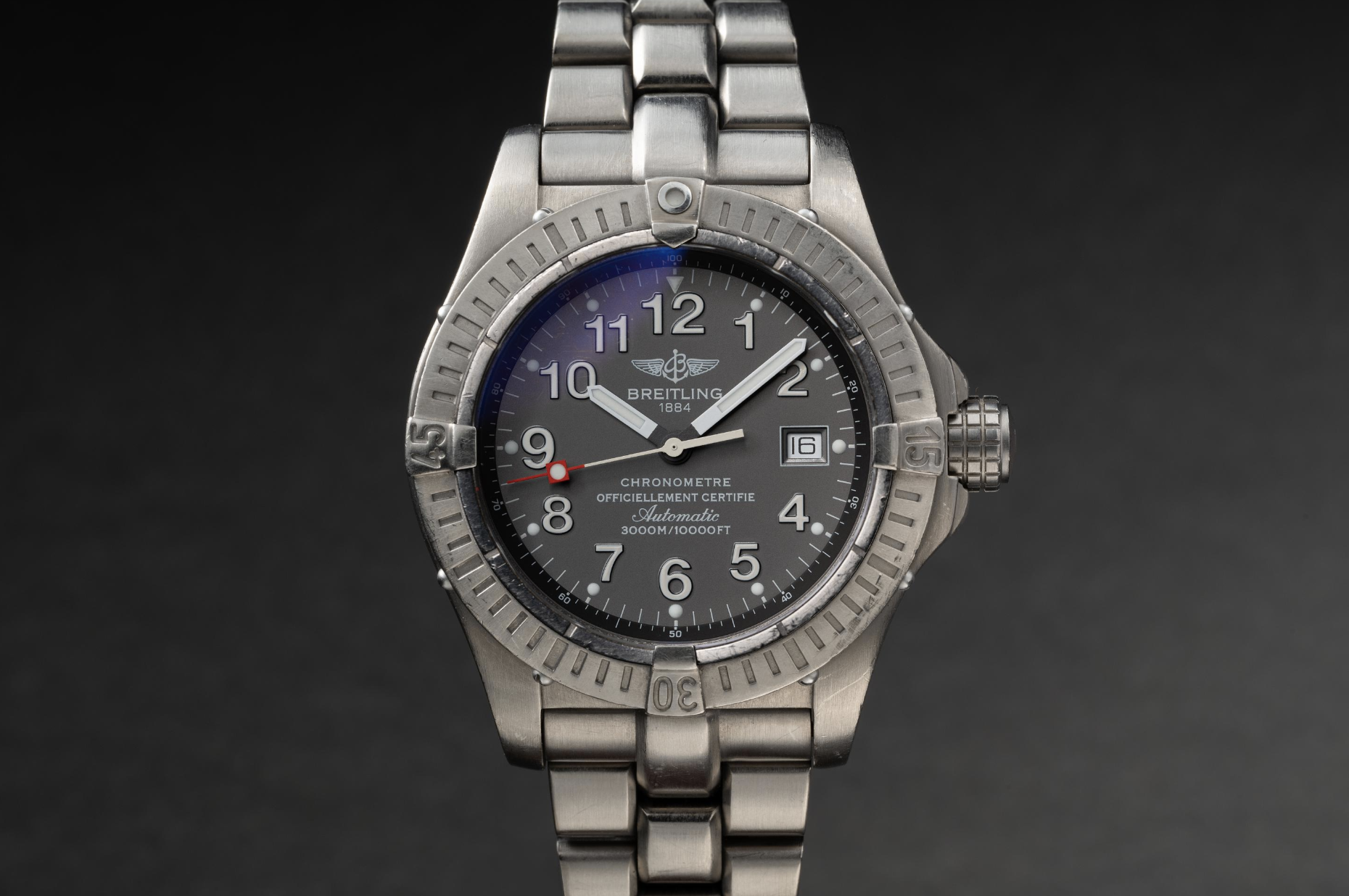
- Avenger, a larger, tool-oriented collection built for aviation professionals
- Premier, Breitling's more refined dress watch line aimed at formal occasions
Brand Identity and Who Wears Them
Tudor and Breitling attract genuinely different buyers, and understanding that overlap helps clarify the decision. Tudor tends to appeal to collectors and enthusiasts who appreciate heritage, restraint, and the legacy connection to Rolex without paying Rolex prices. There is something satisfying about owning a watch with that kind of lineage that still feels like it was built for working people rather than boardrooms. Breitling attracts individuals who want their watch to make a clear statement, whether that is an aviation professional, a traveler, or simply someone who prefers a bold piece with technical credibility. Breitling has also cultivated a strong lifestyle branding strategy in recent years, positioning itself around adventure, travel, and purpose-built design. Both identities are legitimate, and neither is the wrong answer.
Resale Value and Collectibility
Resale value is a real consideration in the luxury watch market, and honesty is important here. Tudor has seen a notable increase in secondary market demand over the past decade. Certain references, particularly limited editions and early Black Bay models, have appreciated meaningfully. However, Tudor does not yet hold the same resale strength as Rolex. Breitling occupies a complicated space in the vintage and pre-owned market. Classic references like early Navitimers are genuinely collectible and can command strong prices. More modern Breitling references tend to depreciate at a rate typical of the broader luxury watch market. Neither brand should be purchased primarily as an investment, but Tudor's upward trajectory on the secondary market is worth noting for buyers who think long term.
Why Tropical Watch Is the Right Place to Explore Your Next Timepiece
Whether Tudor or Breitling has won the argument for your wrist, finding the right piece from a trusted source matters just as much as the brand itself. Tropical Watch specializes in rare, authenticated, and exceptional timepieces for collectors who take their purchases seriously. If the Rolex connection in the Tudor story has you curious about exploring the broader world of vintage Swiss watches, then browsing the curated inventory at Tropical Watch's collection of vintage and luxury Swiss timepieces is a natural next step. The team brings deep expertise, transparent provenance, and a genuine passion for horology to every transaction. For a buyer navigating the space between Tudor, Breitling, and the wider universe of collectible watches, that level of guidance is genuinely valuable.
Frequently Asked Questions About Tudor vs Breitling
Is Tudor considered a luxury watch brand?
Yes, Tudor is a genuine luxury watch brand. It is a subsidiary of the Rolex Group, produces in-house movements with COSC certification, and maintains quality standards consistent with the luxury tier. Its pricing is more accessible than many competitors, but its construction and heritage firmly place it in the luxury category.
Which brand is better for everyday wear, Tudor or Breitling?
Both are built for regular wear, but Tudor generally suits everyday use slightly better due to its more compact sizing and understated design. Models like the Black Bay 58 wear comfortably on a wide range of wrist sizes and pair easily with both casual and formal attire.
Does Breitling make its own movements?
Yes, Breitling manufactures its own movements at its in-house facility. Several of its calibers carry COSC chronometer certification, and the brand is particularly respected for the precision of its chronograph movements.
How do Tudor and Breitling compare in terms of resale value?
Tudor has shown increasing strength on the secondary market, particularly for vintage and limited edition references. Breitling's vintage Navitimers are collectible and can hold strong value, but modern Breitling references typically depreciate after purchase. Neither brand matches Rolex for resale performance.
What is the starting price for a Tudor watch?
Most Tudor watches retail between approximately $1,500 and $4,500 depending on the reference and configuration. This makes Tudor one of the more accessible entry points into genuine Swiss luxury watchmaking with in-house movements.
Is Breitling a good first luxury watch?
Breitling can be an excellent first luxury watch for buyers who are drawn to bold design and technical complexity. However, the higher price point and larger case sizes may not suit every buyer. Tudor is often recommended as a strong first luxury watch for those seeking a more versatile and budget-conscious starting point.