How to Buy a Rolex: Your Complete Buying Guide

How to Buy a Rolex: A Complete Guide to Making the Right Investment
Buying a Rolex is not a casual decision. It sits somewhere between a meaningful personal milestone and a serious financial consideration, and the process deserves more thought than simply walking into a store and pointing at a display case. Whether you are drawn to the iconic Submariner, the understated elegance of the Datejust, or the pursuit of a vintage reference that stopped being made decades ago, the path to ownership involves knowing the landscape. This guide walks you through everything you need to understand before making that purchase, from identifying which model suits your lifestyle to navigating the complexities of the secondary market.
Why Rolex Holds Its Value Better Than Almost Any Other Watch
Rolex did not become the most recognized watch brand on the planet by accident. Founded in 1905 by Hans Wilsdorf in London and later relocated to Geneva, the brand spent more than a century building a reputation around precision, durability, and consistency. In 1926, Rolex introduced the Oyster, the world's first waterproof wristwatch. In 1953, the Submariner debuted as a tool watch designed for divers. These were not marketing exercises. They were engineering milestones. That legacy of genuine innovation is a large part of why Rolex watches retain and often increase in value over time. The secondary market regularly sees certain references sell for multiples of their original retail price, which is something almost no other consumer product can claim. Understanding this context matters when you start considering how and where to buy.
Choosing the Right Rolex Model for Your Lifestyle
The Rolex catalog is broad, and each collection serves a distinct purpose. Selecting the right model starts with honest self-reflection about how and when you plan to wear the watch. Here are the most prominent collections and what they represent:
- Submariner: A dive watch rated to 300 meters, favored for both sport and everyday wear
- Datejust: The brand's most versatile dresser, available in an enormous range of dial and bracelet configurations
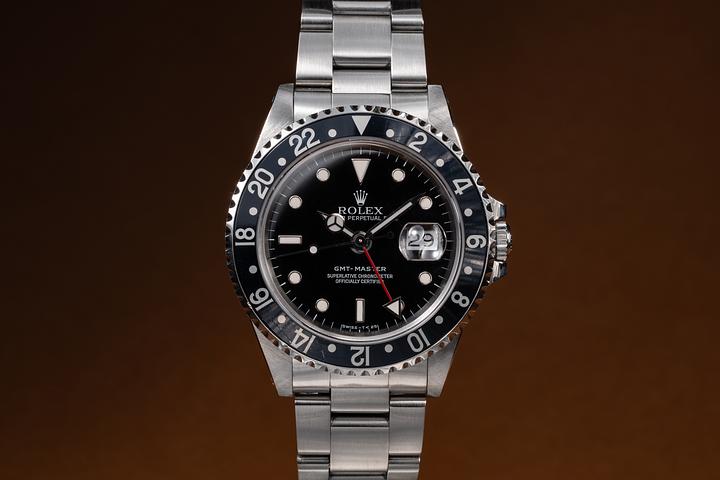
- GMT-Master II: Designed for travelers, featuring a dual-timezone complication
- Daytona: A chronograph built around motorsport timing, one of the most sought-after references on the market
- Explorer: A clean, no-nonsense design inspired by high-altitude mountaineering expeditions
- Sky-Dweller: A sophisticated annual calendar model targeting frequent international travelers
- Day-Date: Worn exclusively in precious metals, historically associated with heads of state and industry leaders
Think about what complements your wardrobe, what you plan to wear the watch doing, and whether you prioritize sportiness, formality, or a blend of both. There is no universally correct answer here, only the right answer for you.
Authorized Dealers vs. the Secondary Market: What You Need to Know
Here is where buying a Rolex gets genuinely interesting. The traditional path runs through an Authorized Dealer, which is a retailer officially approved by Rolex to sell new watches. The challenge is that for the most desirable references, particularly the Submariner, Daytona, and GMT-Master II in steel, authorized dealer waitlists can stretch for years. Rolex controls production tightly and does not release sales figures, which keeps demand consistently outpacing supply for sport models.
The secondary market offers an alternative, and in many cases, a better one. Pre-owned and vintage Rolex watches are bought and sold through auction houses, established dealers, and private transactions. Prices on the secondary market are driven by condition, rarity, reference number, provenance, and in some cases, the story attached to a specific piece. A seasoned buyer understands that the secondary market is not just a workaround. For vintage collectors, it is the only market that matters.
How to Authenticate a Rolex Before You Buy
Counterfeiting is a genuine issue in the luxury watch space, and Rolex is among the most copied brands in the world. Knowing how to spot a genuine piece protects your investment and your confidence in the purchase. A few practical indicators of authenticity include:
- The cyclops lens above the date should magnify it 2.5 times, sitting flush and optically centered
- The crown logo at 6 o'clock on the dial should be crisp and precisely etched, never smudged
- The case back on most modern Rolex watches is plain and smooth, not engraved or see-through
- The seconds hand should sweep continuously rather than tick in step increments
- Serial and model numbers are engraved between the lugs and should be clean, deeply etched, and consistent with the reference
- The bracelet clasp should feel solid and substantial, with no rattling or looseness
When buying from a private seller or an unfamiliar dealer, always request the original box and papers, commonly referred to in the collector community as a complete set. These do not guarantee authenticity on their own, but they add meaningful verification context.
Understanding Reference Numbers and How They Affect Value
Every Rolex is identified by a reference number, which encodes the model, case material, bezel type, and other specifications. On vintage pieces, the reference number becomes a collector's language. A 1680 is a vintage Submariner with a date. A 6263 is an early Daytona with a manual-wind movement. A 1675 is a GMT-Master associated with a particular era of design. Knowing these numbers, and what distinguishes each generation, allows you to make informed comparisons when evaluating pricing. It also protects you from purchasing a watch with mismatched components, which is common in the vintage market and significantly reduces a watch's desirability and value.
Setting a Realistic Budget for Buying a Rolex
New Rolex watches sold through authorized dealers start at approximately four thousand dollars for entry-level models in steel and climb well above thirty thousand for precious metal configurations. On the secondary market, popular steel sport models frequently trade above their retail price due to limited supply. Vintage pieces span an even wider range. A Datejust from the 1970s might sell for a few thousand dollars in good condition, while a tropical dial Daytona from the same era could command six figures at auction.
Set a firm budget before you start looking. The market has a tendency to expand your appetite the more time you spend in it, which is not necessarily a bad thing, but it is worth entering with clear parameters. Factor in service costs as well. A Rolex mechanical movement benefits from professional servicing approximately every five to ten years, which adds to the long-term cost of ownership.
Where to Buy a Rolex Safely and Confidently
Beyond authorized dealers, reputable pre-owned and vintage watch specialists offer a safe and often more rewarding buying experience. Look for dealers who are transparent about a watch's condition, provide detailed photographs, offer authentication documentation, and have a clear return policy. Auction houses such as Phillips, Christie's, and Sotheby's are reliable venues for acquiring significant vintage pieces, though buyer's premiums add to the final cost. Online platforms vary widely in quality, so stick to those with verified seller programs and buyer protections in place. Word of mouth within collector communities is also valuable. Forums, watch clubs, and regional collector groups tend to surface trustworthy sources.
Why Tropical Watch Is the Right Partner for Your Rolex Purchase
When it comes to vintage Rolex collecting specifically, the difference between a satisfying purchase and a disappointing one often comes down to who you are buying from. Tropical Watch specializes in rare and investment-grade timepieces with a focus on authenticity, condition, and provenance that serious collectors require. Their inventory reflects a deep understanding of the vintage market and the nuances that separate an ordinary piece from an exceptional one. If you are looking to buy a vintage Rolex from a trusted specialist dealer, Tropical Watch brings both the expertise and the inventory to make that search productive. The team understands what matters to collectors and what separates a watch worth pursuing from one that only looks the part on the surface.
Frequently Asked Questions About Buying a Rolex
Is it better to buy a new Rolex or a pre-owned one?
Both paths have merit depending on your goals. A new Rolex from an authorized dealer comes with a full manufacturer warranty and no prior ownership history, but popular models often involve long waitlists. Pre-owned Rolex watches are immediately available, frequently priced at or above retail for high-demand references, and in the vintage category, offer collectibility and historical significance that new production cannot replicate.
How do I know if a Rolex is authentic?
Authentic Rolex watches are characterized by precise engravings, a smooth continuous sweep of the seconds hand, a magnifying cyclops lens over the date, and consistent serial and model numbers engraved between the lugs. When in doubt, have the watch examined by a certified watchmaker or a reputable specialist before completing any purchase.
What Rolex models hold their value best?
The Submariner, Daytona, and GMT-Master II consistently perform well on the secondary market due to high demand and limited authorized dealer availability. Vintage references with original dials in exceptional condition, particularly those with tropical or exotic coloring, tend to command significant premiums at auction.
Do I need the original box and papers to buy or sell a Rolex?
Box and papers, commonly called a complete set, are not required but they do add meaningful value. A watch with its original documentation and packaging typically sells for more than the same reference without them. For vintage pieces, original papers also help establish production year and authenticity.
How much does it cost to service a Rolex?
A standard Rolex service through an official Rolex service center typically ranges from approximately eight hundred to over one thousand dollars depending on the complexity of the movement and any required parts. Third-party watchmakers may charge less, but for investment-grade pieces, official servicing generally preserves value more effectively.
Can I negotiate the price when buying a Rolex?
At authorized dealers, Rolex retail prices are set and not negotiable. On the secondary market, pricing is more flexible, particularly when purchasing directly from a private seller or a dealer with aged inventory. Building a relationship with a trusted dealer over time can also create access to better pricing and first notice on desirable pieces before they reach the open market.