Buy Pre-Owned Rolex Watches With Confidence | Guide

Why Buying a Pre-Owned Rolex Makes More Sense Than You Think
There is a version of this conversation that starts with apologizing for not buying new. Forget that version. Buying a pre-owned Rolex is not a compromise, it is a calculated decision made by some of the most knowledgeable watch collectors in the world. The secondary market for Rolex watches is mature, well-documented, and frankly, one of the most exciting spaces in luxury goods right now. Whether you are stepping into your first serious timepiece or adding to an existing collection, understanding how the pre-owned Rolex market works puts you in a genuinely strong position. This guide covers the essentials so you can buy with confidence, not guesswork.
A Brief History of Rolex and Why It Holds Value So Well
Rolex was founded in 1905 by Hans Wilsdorf in London, eventually moving its headquarters to Geneva, Switzerland. From the beginning, Wilsdorf was obsessed with precision and reliability in a way that felt almost out of step with his era. By 1910, Rolex became the first wristwatch to receive the Swiss Certificate of Chronometric Precision. That obsession with functional excellence never really let up. The Submariner launched in 1953. The Daytona arrived in 1963. The GMT-Master, designed in collaboration with Pan Am airlines, debuted in 1955. Each of these references was built to do something specific and do it extremely well. That heritage is not marketing language. It is the reason these watches retain and often grow in value over decades. When you buy a pre-owned Rolex, you are buying into a lineage of engineering decisions that were made to last.
New vs. Pre-Owned Rolex: What the Numbers Actually Tell You
New Rolex watches are sold exclusively through authorized dealers, and supply has historically been tighter than demand. That gap between supply and demand means that popular references frequently trade on the secondary market at prices above their original retail. For buyers, this creates an interesting dynamic. A pre-owned Rolex bought at or near retail pricing from a reputable reseller often represents better immediate value than waiting indefinitely for an authorized dealer allocation. Beyond pricing, the secondary market also offers access to discontinued references and vintage models that simply do not exist in any showroom anymore. If you want a Rolex Submariner with a glossy dial from the 1960s or a Daytona with a tropical dial variation, pre-owned is your only path. The secondary market is not a fallback. For certain watches, it is the only market that exists.
Understanding Rolex References: What to Know Before You Buy
Rolex organizes its watches by reference numbers, and learning to read them saves you time and prevents costly misunderstandings. Each reference number corresponds to a specific case design, movement generation, and often a production era. Here is a working breakdown of what matters most when evaluating pre-owned Rolex references:
- Reference numbers indicate case material, size, and generation
- Two-digit reference numbers typically indicate vintage models produced before the 1980s
- Five and six-digit references correspond to modern and contemporary production
- The last digits often signal bezel type or material variations
- Dials, bezels, and bracelets can all affect value significantly within the same reference
A Rolex Submariner reference 5513, for example, is a matte-dial vintage model with no date complication, produced from 1962 through 1989. A reference 16610 is the modern evolution of that same concept but built with updated movement technology and a sapphire crystal. Both are legitimate, valuable watches. Knowing which one you want, and why, is how serious buyers approach the pre-owned market.
Condition Grades and What They Mean for Pre-Owned Rolex
The condition of a pre-owned Rolex directly affects its value and, just as importantly, its collectibility. The watch industry generally uses a spectrum ranging from unworn new-old-stock pieces to heavily worn examples showing significant patina or service history. For collectors, original condition is almost always prioritized over polished or restored examples. A watch that has been professionally polished loses the factory edge finishing on its case, which is considered a form of irreversible alteration. Conversely, honest wear on a vintage Rolex, light scratches on the case, slight fading on a dial, a stretch in the bracelet, can actually be considered desirable evidence of authenticity and age. When evaluating condition, always ask whether the dial, hands, and bezel insert are original to the watch. Replacement parts, even genuine Rolex parts, generally reduce collector value compared to components that are unserviced and original to the reference.
How to Authenticate a Pre-Owned Rolex Before You Buy
Authentication is where many first-time buyers feel uncertain, and that uncertainty is reasonable. The counterfeit luxury watch market is sophisticated and well-funded. However, there are reliable indicators that experienced buyers look for:
- The caseback engraving and serial number should match production records for the reference
- The cyclops lens over the date should magnify at exactly 2.5 times on genuine models
- The rotor and movement should be consistent with the reference and production year
- The weight and finishing quality of the case should feel substantial and precise
- Dial text, lume plots, and hand alignment should be clean and consistent
The most reliable path to authentication is working with a vetted dealer or having a watch independently assessed by a certified watchmaker familiar with Rolex production history. Documentation, including original box and papers, adds credibility but their absence does not automatically indicate a problem. Many legitimate pre-owned Rolex watches have simply been separated from their original paperwork over decades of ownership.
Popular Pre-Owned Rolex Models Worth Knowing
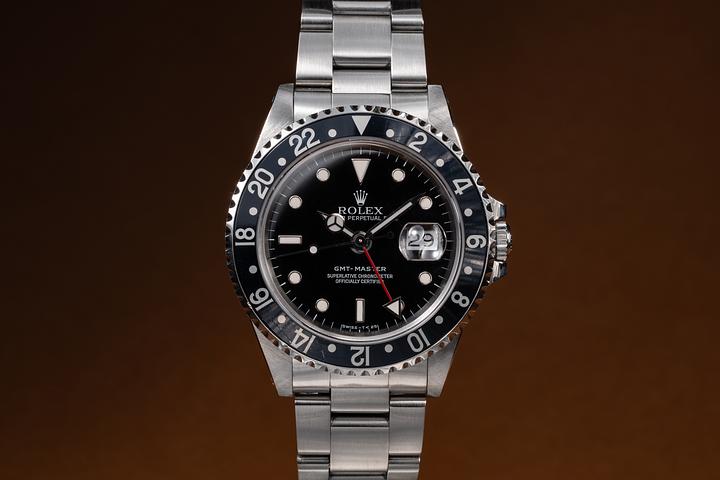
Certain Rolex references perform consistently well on the secondary market both in terms of demand and long-term value stability. The Submariner and Submariner Date remain among the most traded luxury watches in the world. The Daytona, particularly vintage references with exotic dials, commands significant premiums among serious collectors. The GMT-Master and GMT-Master II attract buyers across multiple demographics, from aviation enthusiasts to design-focused collectors. The Datejust, often underestimated, offers extraordinary variety across decades of production and remains one of the most accessible entry points for pre-owned Rolex buying. The Explorer and Explorer II have cultivated dedicated collector communities that appreciate their understated, tool-watch aesthetic. Each of these references has enough production history and documented market activity that research is genuinely possible before you commit to a purchase.
Practical Tips for First-Time Pre-Owned Rolex Buyers
Buying your first pre-owned Rolex should feel exciting, not stressful. A few grounded practices go a long way. Set a budget that accounts for both the purchase price and a potential service cost, since buying a watch that has not been recently serviced means that expense may come within a few years. Research the specific reference you want before contacting any seller, so you can ask informed questions about dial originality, service history, and bracelet stretch. Buy from established, reputable sources with clear return policies and transparent authentication practices. Avoid private transactions on generalized resale platforms unless you have significant experience evaluating Rolex authenticity yourself. Patience is a real advantage in this market. The right watch at the right price appears with some regularity for buyers who know what they are looking for and are not rushing the process.
Why Tropical Watch Is the Right Place to Buy Pre-Owned Rolex
For collectors who take their watches seriously, sourcing matters as much as the watch itself. Tropical Watch has built its reputation specifically around the kind of pre-owned and vintage Rolex market described throughout this guide. The inventory is curated, the authentication process is rigorous, and the team understands that collectors are not looking for vague assurances. They want provenance, accuracy, and access to references that actually matter. If you are looking to buy a pre-owned Rolex from a trusted source with deep expertise in vintage and contemporary references, exploring the full collection at Tropical Watch pre-owned Rolex watches is a genuinely worthwhile next step. The combination of selection quality, market knowledge, and collector-focused service makes Tropical Watch a resource that belongs in any serious buyer's research process.
Frequently Asked Questions About Buying a Pre-Owned Rolex
Is it safe to buy a pre-owned Rolex without original box and papers?
Yes, it is safe when buying from a reputable and authenticated source. Box and papers add provenance and can affect resale value, but their absence does not mean a watch is inauthentic. Many legitimate pre-owned Rolex watches have simply lost documentation over years of ownership. Focus on authentication of the watch itself first.
Do pre-owned Rolex watches hold their value?
Historically, Rolex watches have demonstrated strong value retention and, in many cases, appreciation over time. Popular references like the Submariner and Daytona have outperformed many traditional investment categories over the past two decades. However, value is reference-specific and condition-dependent, so research the particular model you are considering.
How do I know if a pre-owned Rolex has been polished?
A polished Rolex will have softened case edges and a uniform shine where the original finish should alternate between brushed and polished surfaces. The lugs, case sides, and bracelet links are the most telling areas. Factory finishing is sharp and deliberate. Over-polishing rounds those edges and removes the contrast that defines the original aesthetic.
What is a tropical dial on a vintage Rolex and why is it valuable?
A tropical dial refers to a Rolex dial, typically from the 1960s and 1970s, that has undergone a chemical transformation over decades, shifting from its original black or dark color to a rich brown or chocolate tone. This natural aging process is considered highly desirable among collectors because it is authentic, unrepeatable, and visually distinctive. Tropical dials command significant premiums.
How often does a pre-owned Rolex need to be serviced?
Rolex recommends servicing every ten years under normal use conditions, though many collectors service more frequently based on performance indicators. When buying pre-owned, always ask for the last known service date. A watch without recent service history may need attention sooner, and that cost should factor into your total purchase budget.
What is the difference between vintage and pre-owned when describing a Rolex?
Pre-owned refers to any previously owned Rolex regardless of age, while vintage typically describes models produced before the mid-1980s and valued for their historical characteristics, original components, and collector interest. Vintage Rolex watches often require more specialized authentication knowledge and carry different value considerations than modern pre-owned references.