Rolex Secondary Market: What Buyers Need to Know

Understanding the Rolex Secondary Market: What Every Buyer Should Know
The secondary market for Rolex watches has evolved into one of the most closely watched segments of the global luxury goods economy. Whether you are buying your first pre-owned Rolex or expanding a collection you have spent years building, understanding how this market actually works — pricing dynamics, model demand, condition grading — makes a significant difference in the decisions you end up making. This guide breaks it all down in a way that is straightforward, informed, and grounded in real market data.
How the Rolex Secondary Market Became What It Is Today
It is worth understanding the backstory before diving into the numbers. For decades, Rolex occupied a particular position in the watch world — reliable, prestigious, and consistently produced. The secondary market existed, but it operated quietly, driven mostly by collectors and enthusiasts who understood the value sitting inside a well-maintained Submariner or Datejust. That changed dramatically in the late 2010s and accelerated sharply around 2020 and 2021, when a combination of supply constraints, heightened global interest in alternative asset classes, and social media exposure pushed resale prices on certain references to extraordinary heights. A stainless steel Daytona that retailed for just over ten thousand dollars was selling for two or three times that amount on the secondary market. The market was, for a period, genuinely euphoric. Since then, prices have corrected, and the market has moved into a more measured phase — which, depending on how you look at it, is actually a healthier environment for buyers.
Where Rolex Secondary Market Prices Stand Now
According to data tracked within the Rolex market report landscape, secondary market prices for many steel sport references have declined meaningfully from their 2021 and early 2022 peaks. The correction was not uniform across all models — certain watches held their value considerably better than others — but the overall direction has been a normalization. What this means practically is that the extreme premiums that defined the market two to three years ago have softened. A stainless steel GMT-Master II with the ceramic bezel, for example, was trading at significant premiums above retail at the height of the market. That gap has narrowed. For buyers, this represents an opportunity. For sellers who purchased at peak pricing, patience becomes the strategy.
The Models That Drive the Most Activity
Not all Rolex references perform equally on the secondary market. A handful of models consistently dominate transaction volume and maintain the strongest resale values relative to their original retail positioning. Understanding which references carry the most market activity helps set realistic expectations.
- The Rolex Daytona in stainless steel remains one of the most sought-after references globally, both in current and vintage production.
- The Submariner Date, particularly references 116610 and 126610, anchors a massive portion of mid-range secondary market transactions.
- The GMT-Master II in the two-tone ceramic configuration, often referred to by collectors using color-based nicknames, continues to command strong interest.
- The Rolex Datejust, while less speculative in nature, provides consistent liquidity across a wide range of buyer budgets.
- Vintage references — particularly those from the 1950s through the 1980s — occupy an entirely separate conversation, one defined by provenance, dial originality, and condition in ways that modern watches simply are not.
What Condition Actually Means in a Rolex Purchase
Condition grading is where a lot of buyers get into trouble if they are not careful. The language used to describe pre-owned watches — terms like "mint," "excellent," "good," or "fair" — is not standardized across the industry in any formal way. What one seller calls mint, another might call excellent. When evaluating a pre-owned Rolex, there are a few specific things that matter most. Case sharpness tells you how much the watch has been polished over its life. Original polishing removes metal and rounds the crisp edges that define a Rolex case; a watch with sharp, unpolished lugs is considerably more desirable from a collector standpoint. Dial originality is equally critical, particularly on vintage references. A dial that has been refinished or repainted loses significant value. Bracelet stretch is something buyers frequently overlook until they are holding the watch, and a heavily stretched bracelet adds cost to ownership. None of this is reason to avoid the pre-owned market — quite the opposite — but knowing what to look for positions you as a far more informed buyer.
The Role of Box, Papers, and Provenance
The phrase "full set" refers to a Rolex that comes with its original box and papers — the warranty card, hang tags, and any accompanying documentation that left the authorized dealer with the watch when it was first sold. Full-set examples consistently command premiums over equivalent watches without their documentation. On modern references, this premium can range from a few hundred to a few thousand dollars depending on the model. On vintage pieces, original papers can dramatically alter the valuation, particularly for rare or historically significant references. That said, an unworn vintage Rolex with impeccable provenance but missing its papers is often still a far better acquisition than a fully documented watch that has been poorly maintained or modified. Provenance matters enormously in the vintage segment — documented ownership history, especially when connected to a notable figure or context, adds a dimension of value that transcends the mechanical.
Vintage Rolex: A Market Within the Market
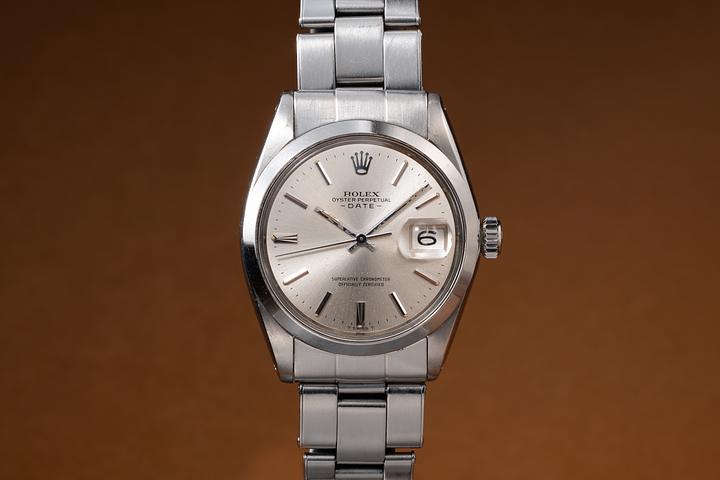
Vintage Rolex collecting operates by a different set of rules than the modern pre-owned market. The references that attract the most serious collector attention — early Submariners, pre-Daytona chronographs, references with tropical dials, and Explorer variants from the 1950s and 1960s — are evaluated based on criteria that most buyers approaching Rolex for the first time would not immediately consider. Dial patina, specifically the development of warm brown or chocolate tones on what were originally black or silver dials, is one of the most prized characteristics a vintage Rolex can possess. These so-called "tropical dials" result from specific manufacturing and aging conditions and are now among the most coveted attributes in the entire collector market. Case condition on vintage pieces is assessed differently than on modern watches; some level of wear is expected and authentic. What collectors are looking for is originality — a watch that has not been tampered with, polished aggressively, or had components swapped.
Practical Tips for Buying a Pre-Owned Rolex
If you are entering the secondary market for the first time, a few practical considerations will serve you well throughout the process.
- Always purchase from a reputable, established source with a verifiable track record — authentication is non-negotiable.
- Request detailed photographs of the dial, case, crown, caseback, and bracelet before committing to any transaction.
- Research the specific reference number you are interested in before beginning your search — knowing what you want makes you a harder target for mispriced inventory.
- Understand that the least expensive listing is rarely the best value; price outliers in either direction warrant scrutiny.
- If you are considering a vintage piece, consulting with a specialist before purchasing is a legitimate and worthwhile step.
Market Outlook: Where Things Are Heading
The consensus among market observers is that the Rolex secondary market has entered a period of relative stability following the volatility of the early 2020s. Prices on the most in-demand steel sport references remain above retail in many cases, though significantly less so than at peak. Vintage Rolex, particularly pieces with compelling dial stories and documented provenance, has shown more resilience than modern references during the correction cycle — a pattern that reinforces the long-standing view among serious collectors that originality and rarity hold their value better over time than near-term hype. For buyers approaching the market now, the environment is more rational, more navigable, and arguably more rewarding than it was during the frenzy years.
Why Tropical Watch Is the Right Partner for Your Rolex Journey
Navigating the secondary market for a luxury timepiece — especially in the vintage segment — requires the kind of expertise and authentic inventory that most platforms simply cannot offer. Tropical Watch exists specifically for collectors and buyers who take this seriously. With a curated selection that prioritizes originality, condition transparency, and market accuracy, Tropical Watch has built a reputation as one of the most trusted sources for rare and collectible timepieces. Whether you are searching for a modern pre-owned reference or a vintage piece with the kind of dial character that defines serious collecting, working with specialists who understand the nuances of what makes a watch genuinely valuable makes all the difference. If you are looking for certified pre-owned and vintage Rolex watches with verified provenance, Tropical Watch offers the depth of knowledge and inventory to match exactly what you are looking for — whether that is your first Rolex or your most important one yet.
Frequently Asked Questions About the Rolex Secondary Market
Why are some Rolex watches more expensive on the secondary market than at retail?
Rolex produces watches in controlled quantities, and authorized dealer waitlists for popular steel sport references can stretch for years. When supply is constrained and demand remains high, secondary market prices rise above the manufacturer's suggested retail price. This premium reflects the immediate availability that the secondary market provides, combined with the sustained desirability of specific references.
What is a tropical dial, and why does it matter for vintage Rolex value?
A tropical dial refers to a vintage Rolex dial that has developed warm brown or chocolate tones over time due to specific aging and environmental conditions. These dials were not intentionally produced this way; the discoloration occurred naturally. Collectors place exceptional value on tropical dials because they are rare, visually distinctive, and represent an authentic, unaltered piece of horological history.
Does having the original box and papers significantly affect a Rolex's resale value?
Yes, in most cases. A complete set — original box, warranty card, and accompanying documentation — commands a measurable premium over an equivalent watch without its papers. On modern references, this can range from several hundred to several thousand dollars. On vintage pieces, original paperwork can have a substantial impact on both authentication confidence and final valuation.
How do I know if a pre-owned Rolex has been polished too aggressively?
Examine the case edges and lug tips closely. A properly aged Rolex retains crisp, defined lines between its brushed and polished surfaces. Over-polishing rounds these edges, removes the original surface texture, and alters the proportions of the case in subtle but meaningful ways. When shopping in person, bring the watch into natural light and examine it carefully from multiple angles before making a decision.
Are vintage Rolex watches a good investment?
Vintage Rolex watches with original, unmodified components and documented provenance have historically maintained and appreciated in value over time. However, no timepiece should be purchased solely as a financial investment. The strongest outcomes tend to come from collectors who acquire pieces they genuinely understand and appreciate — the value follows authenticity and knowledge, not speculation alone.
What Rolex references hold their value best on the secondary market?
Stainless steel sport references — particularly the Daytona, Submariner, and GMT-Master II — have historically demonstrated the strongest resale value retention. In the vintage segment, early Submariner references, Paul Newman Daytona variants, and Explorer models from the 1950s and 1960s consistently attract the highest collector demand and the most competitive pricing at auction and private sale.



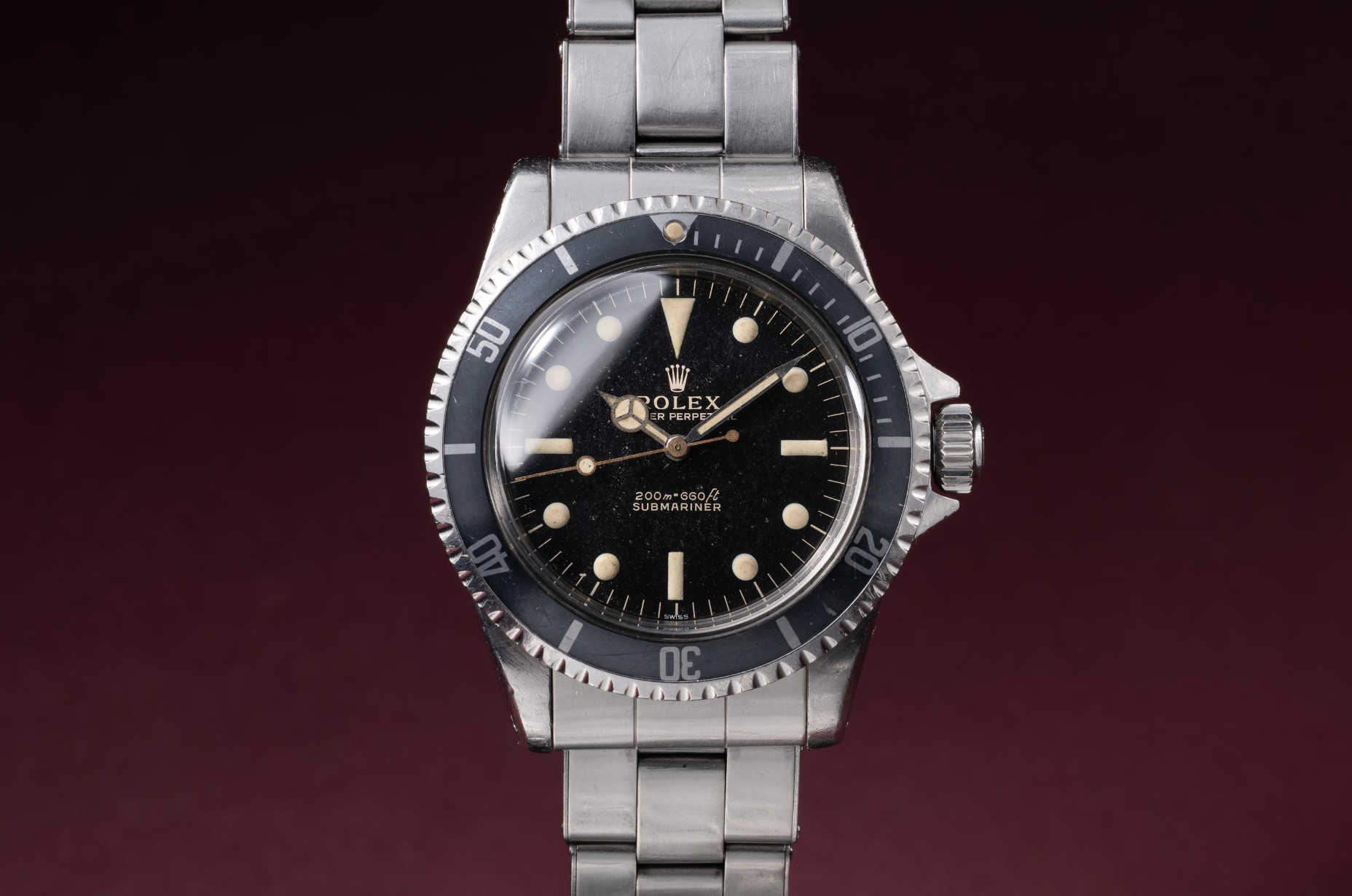


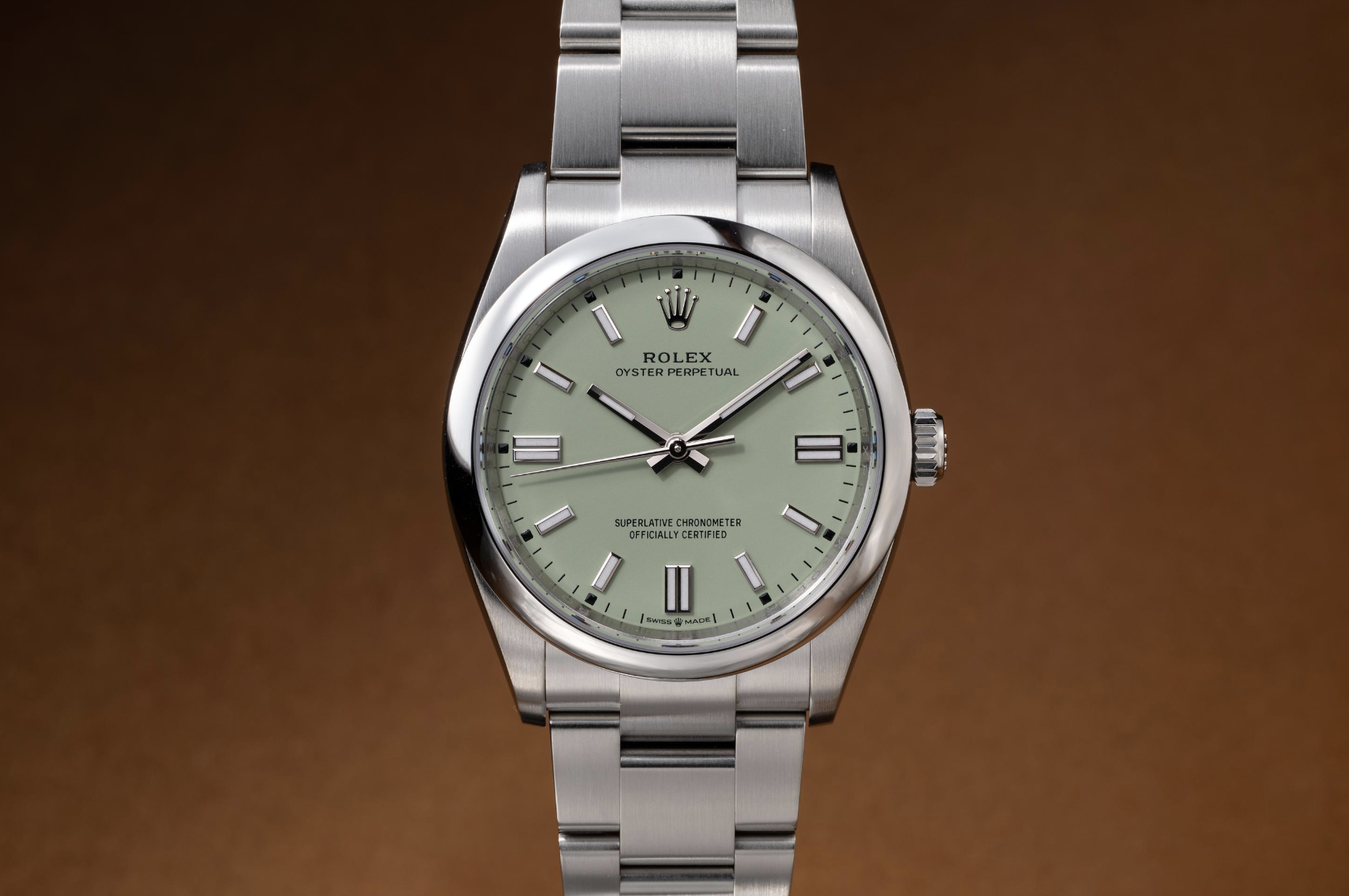

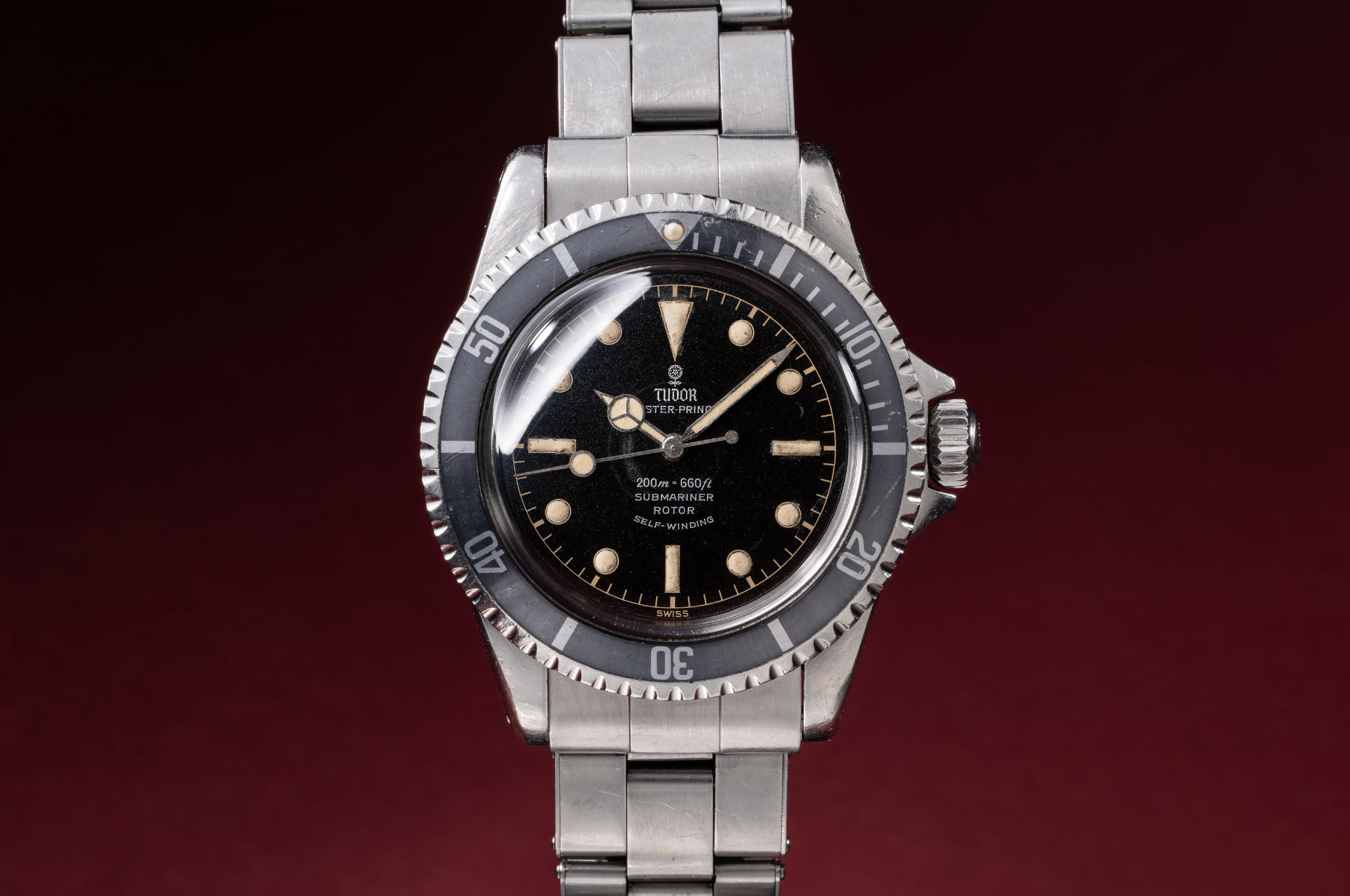

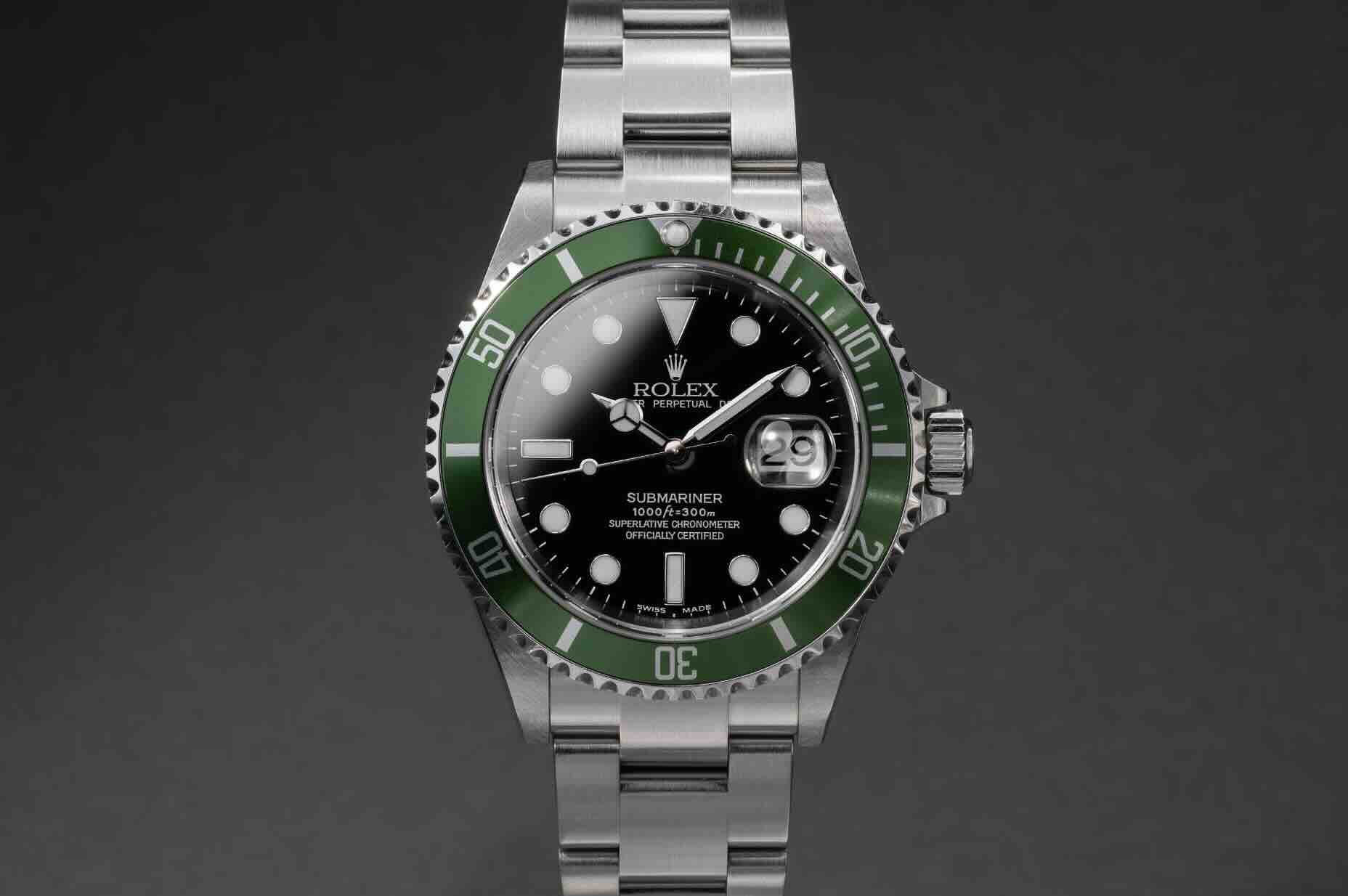


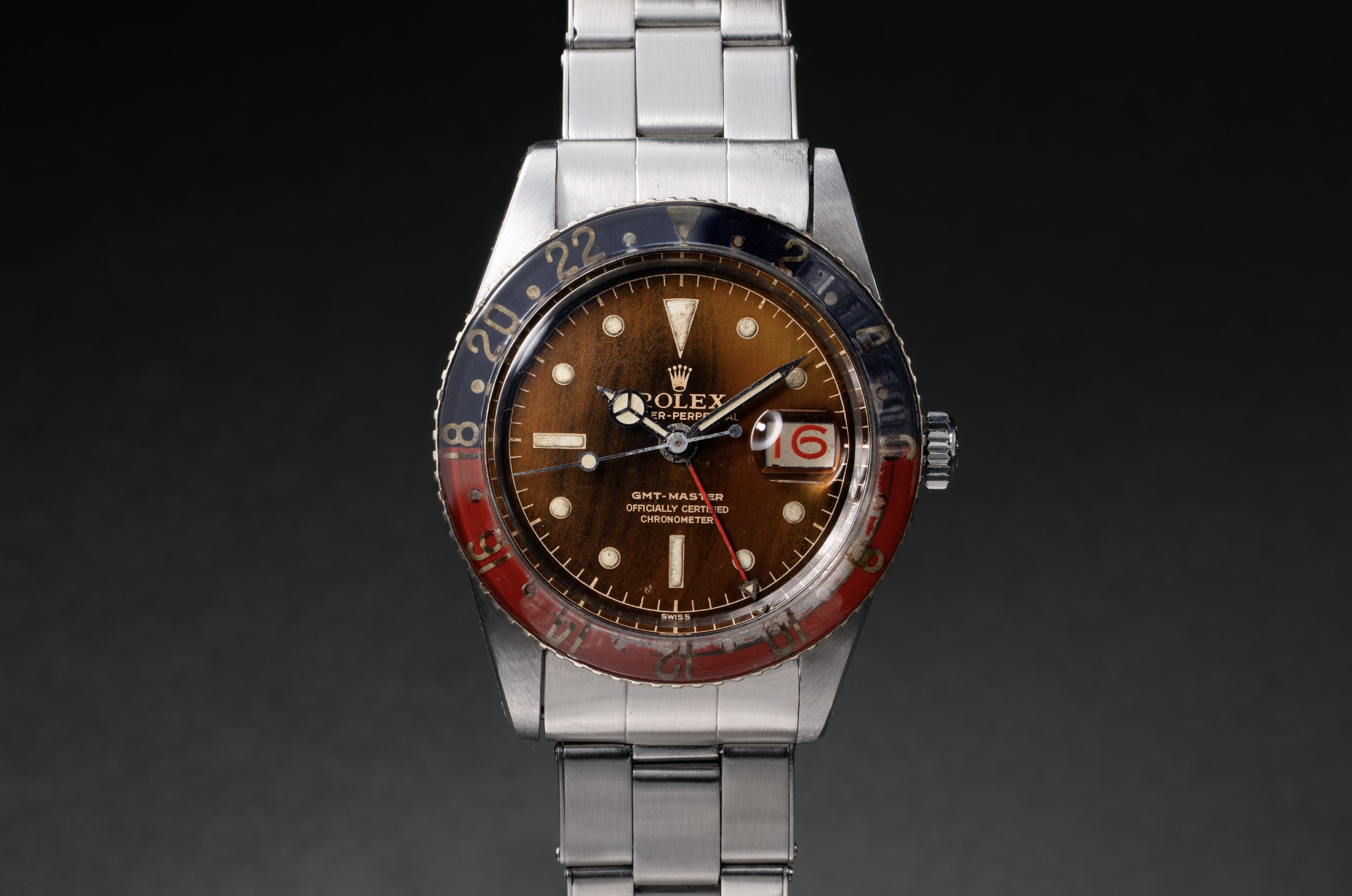




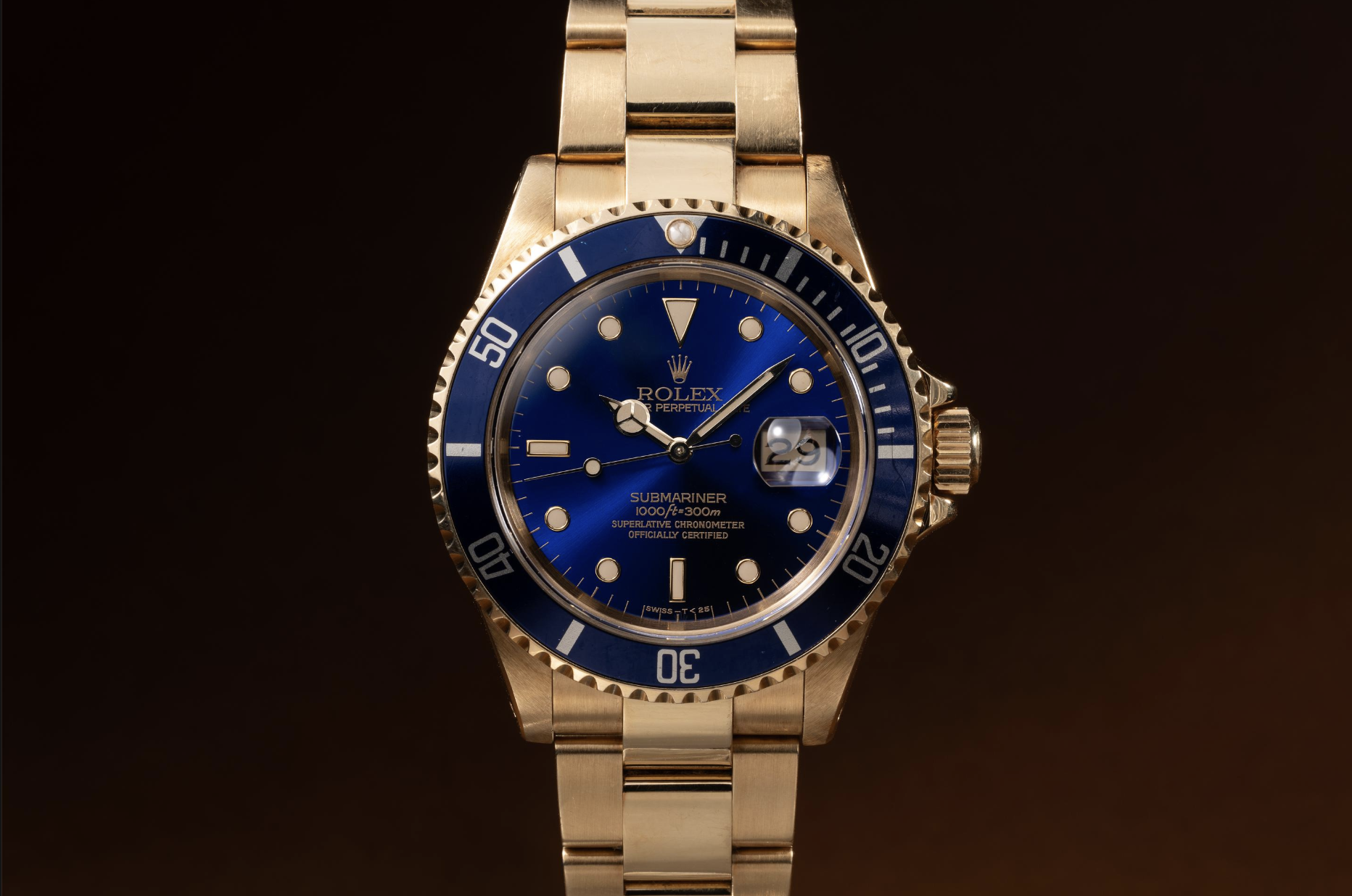




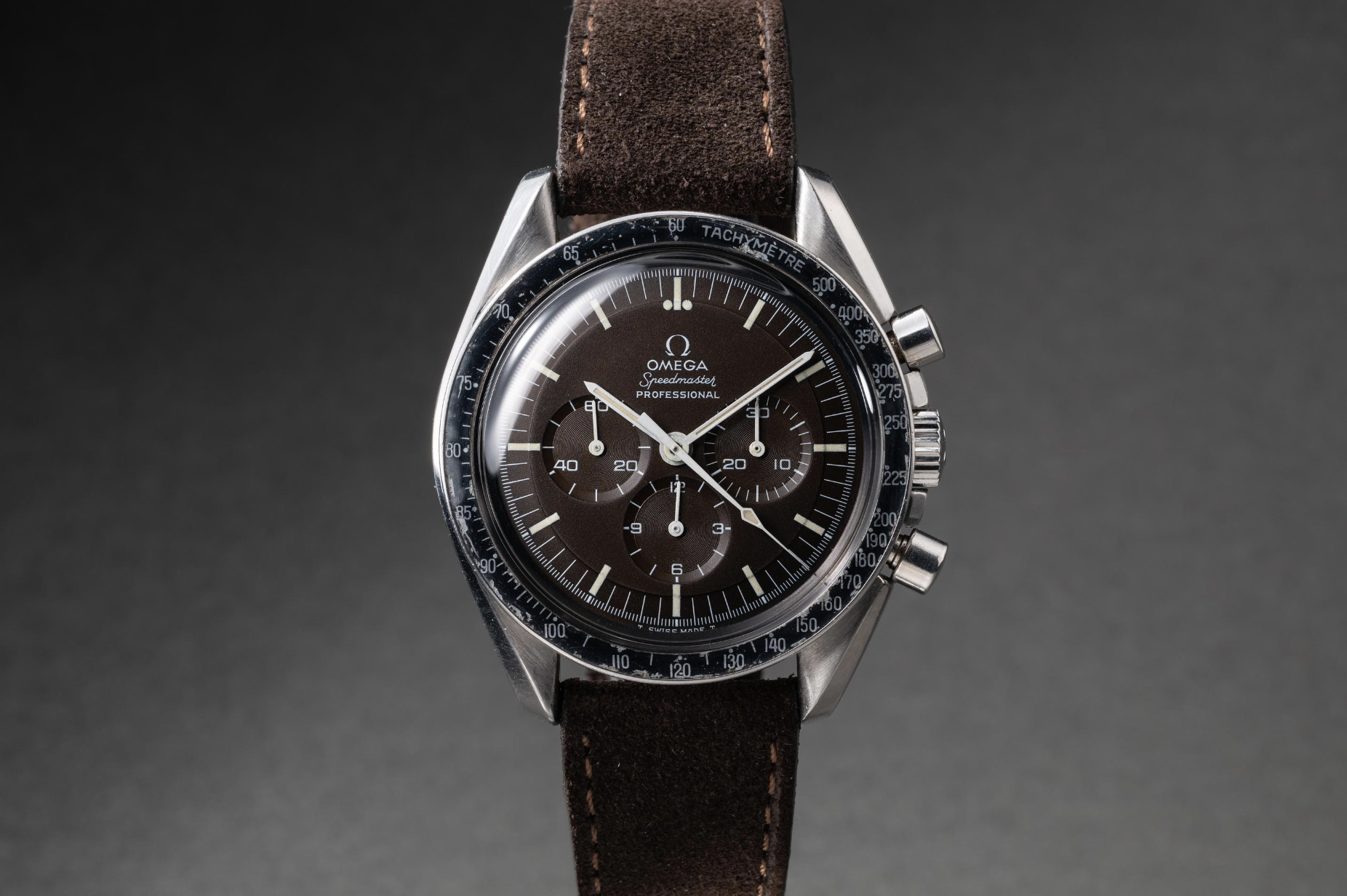
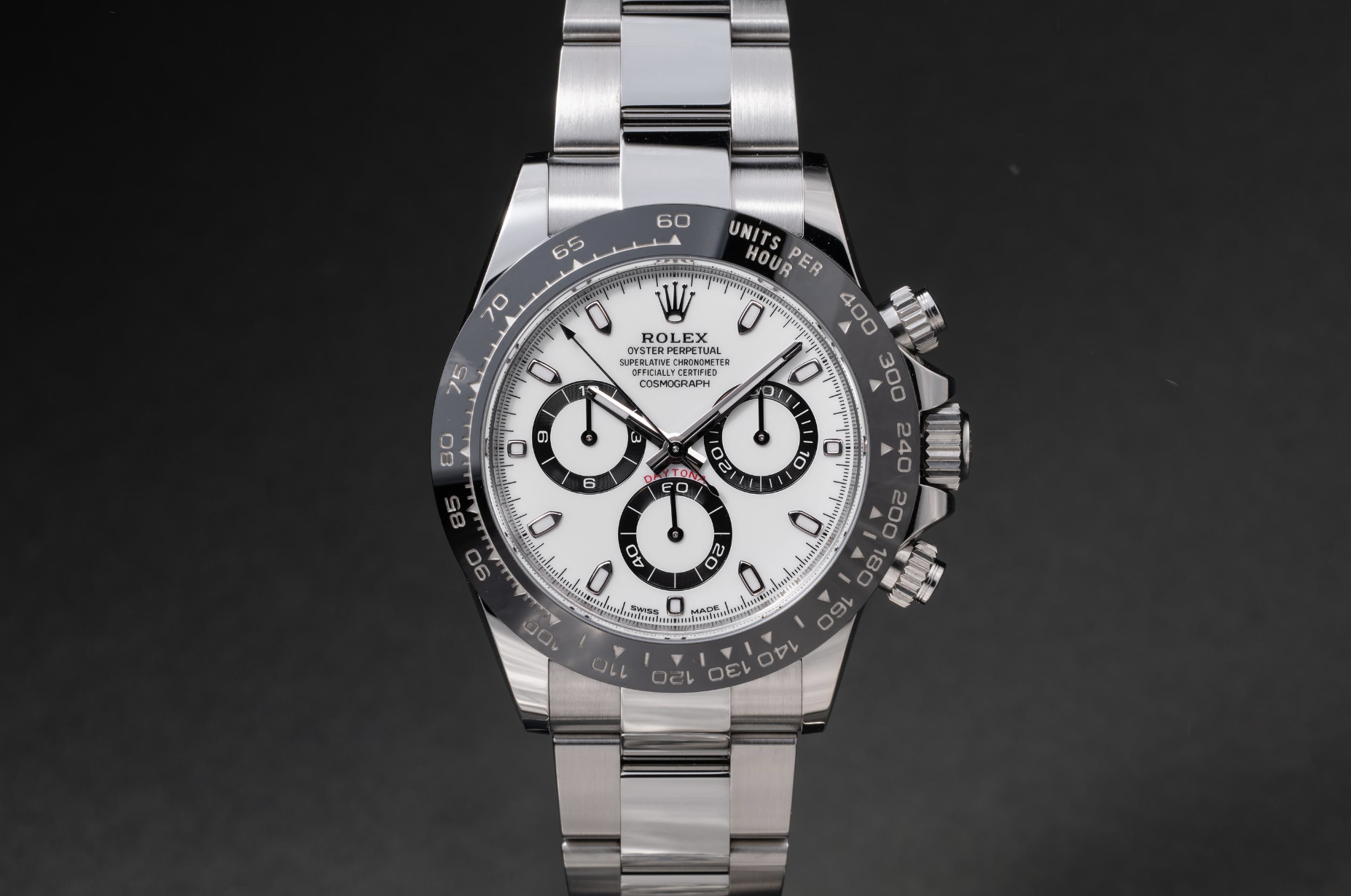




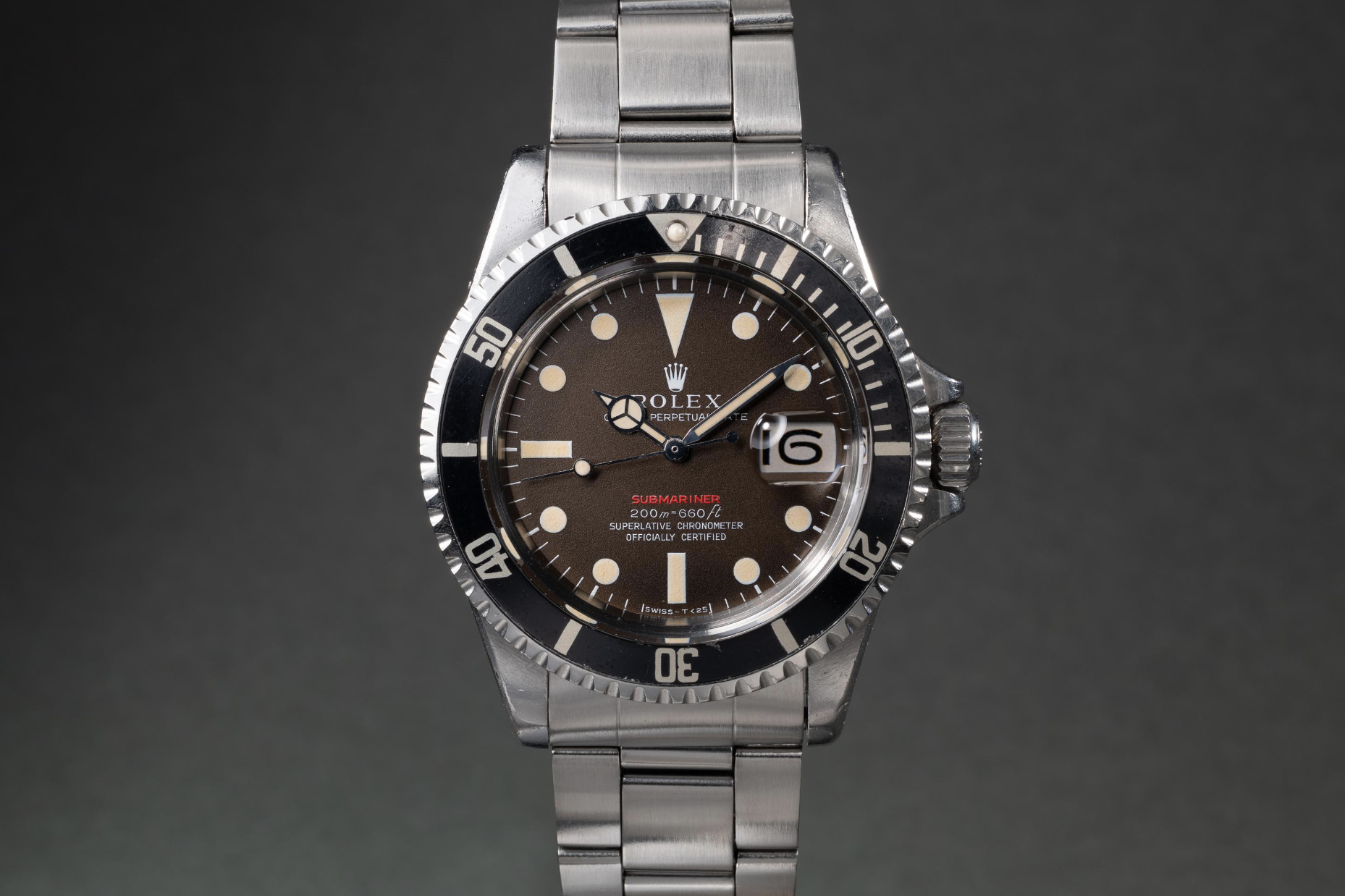


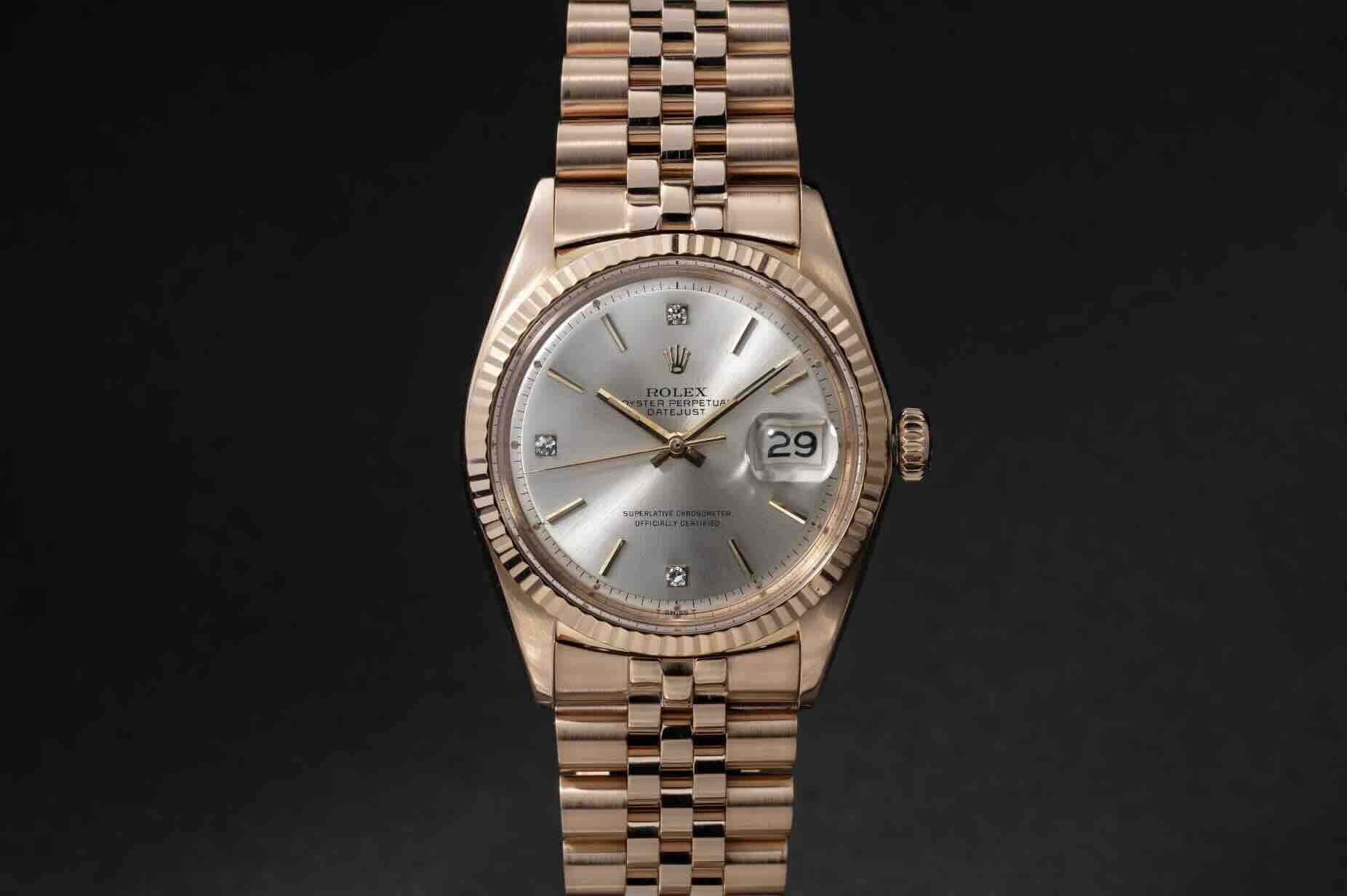





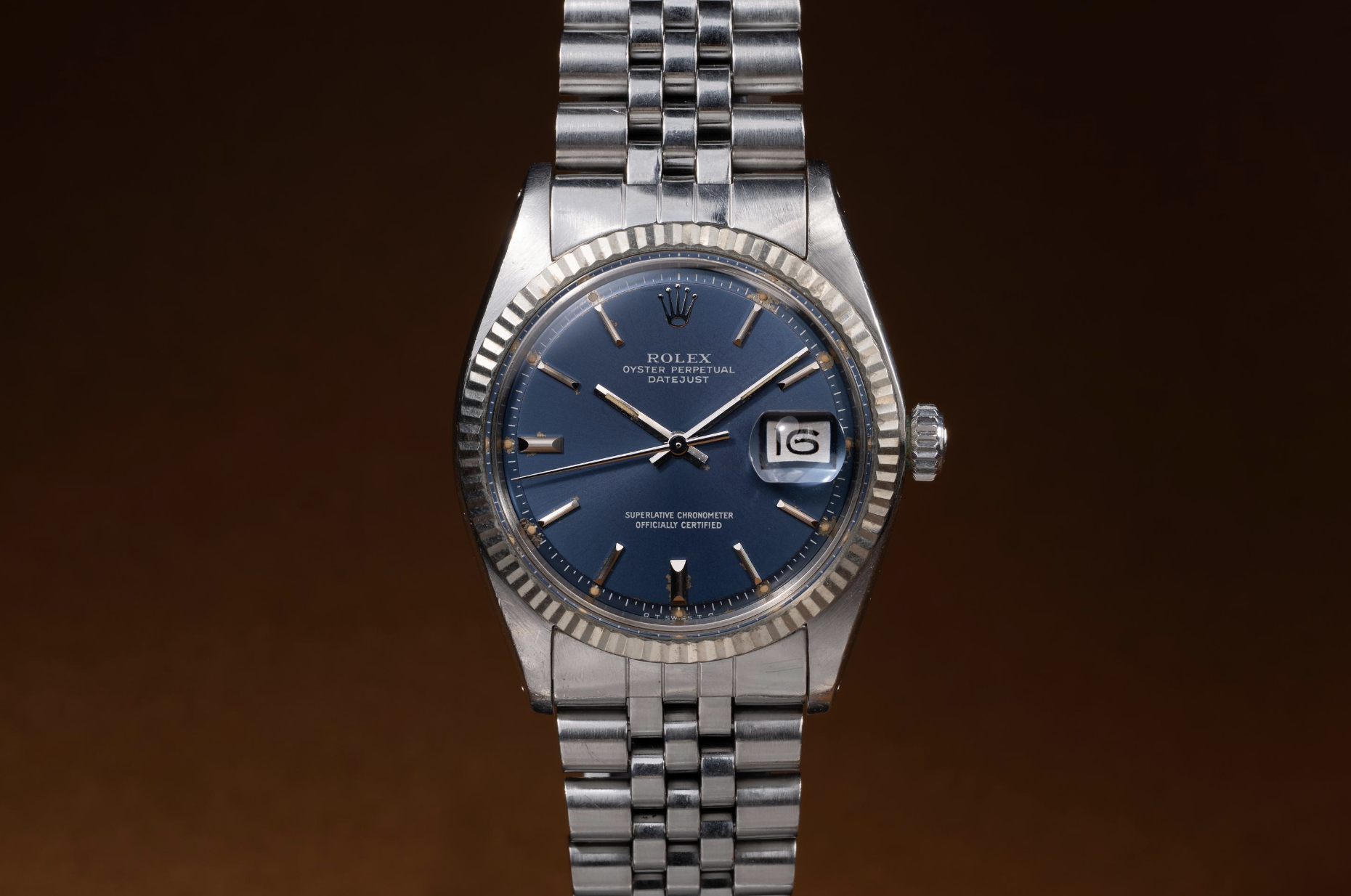
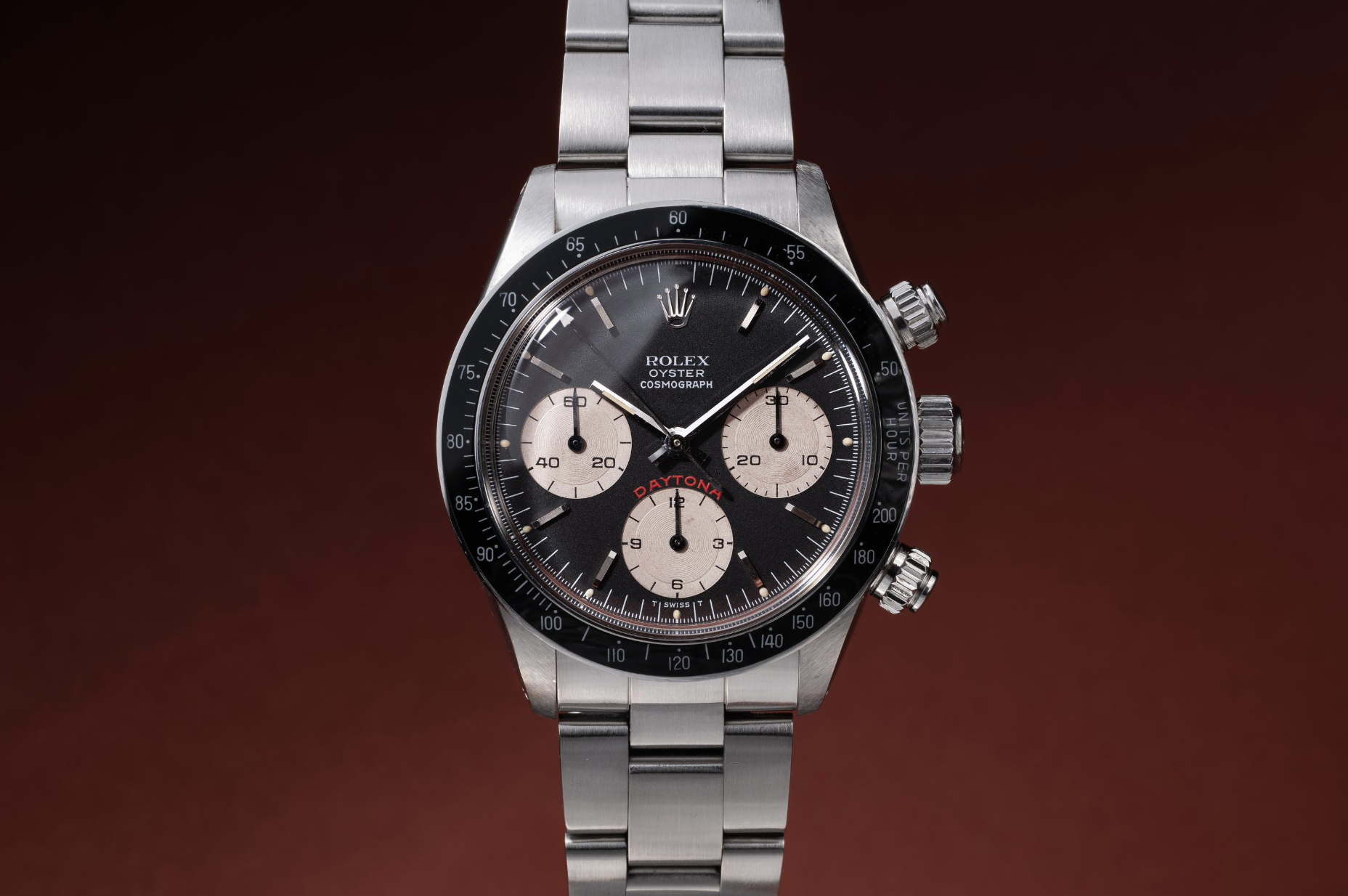
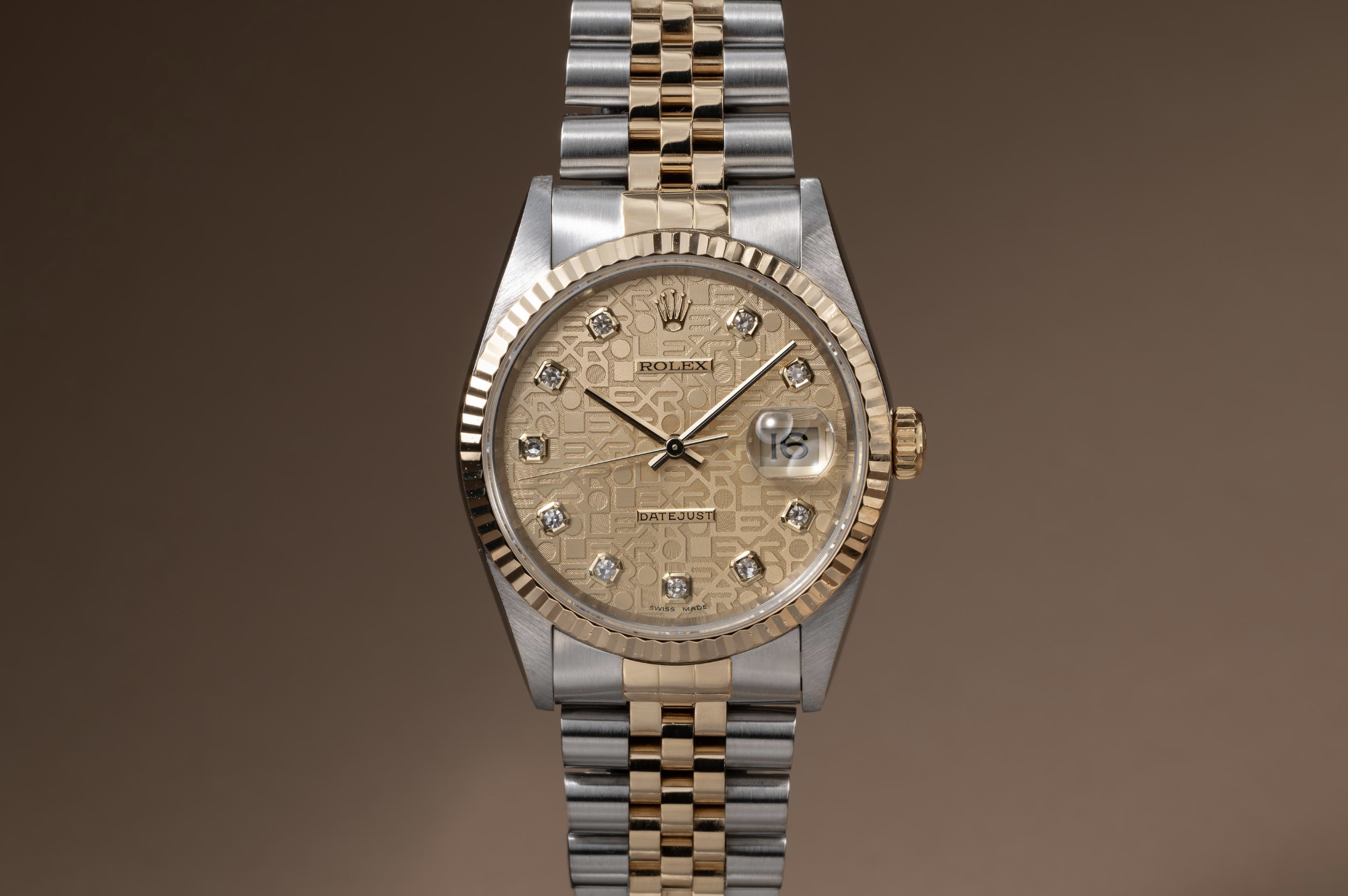
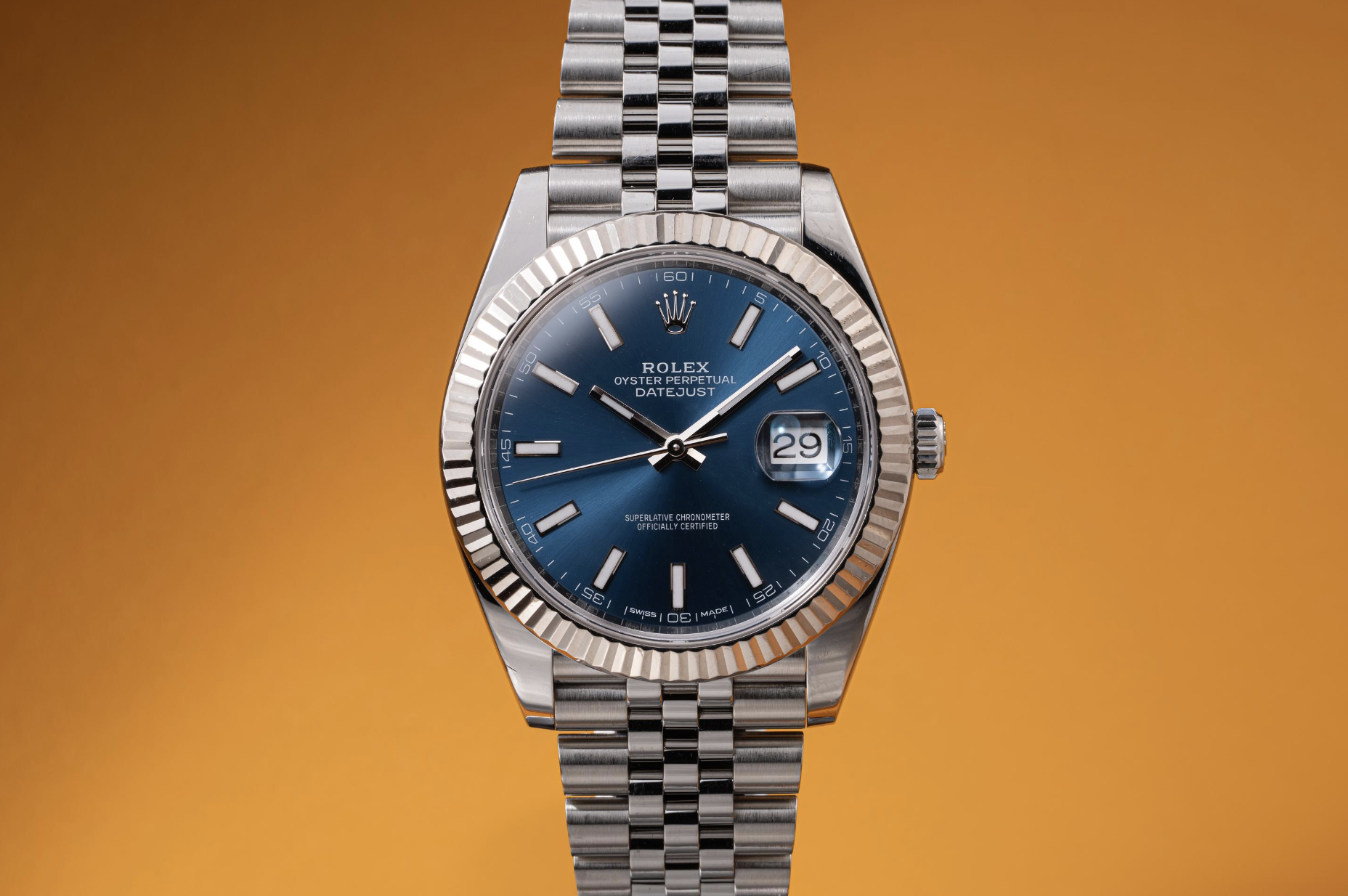
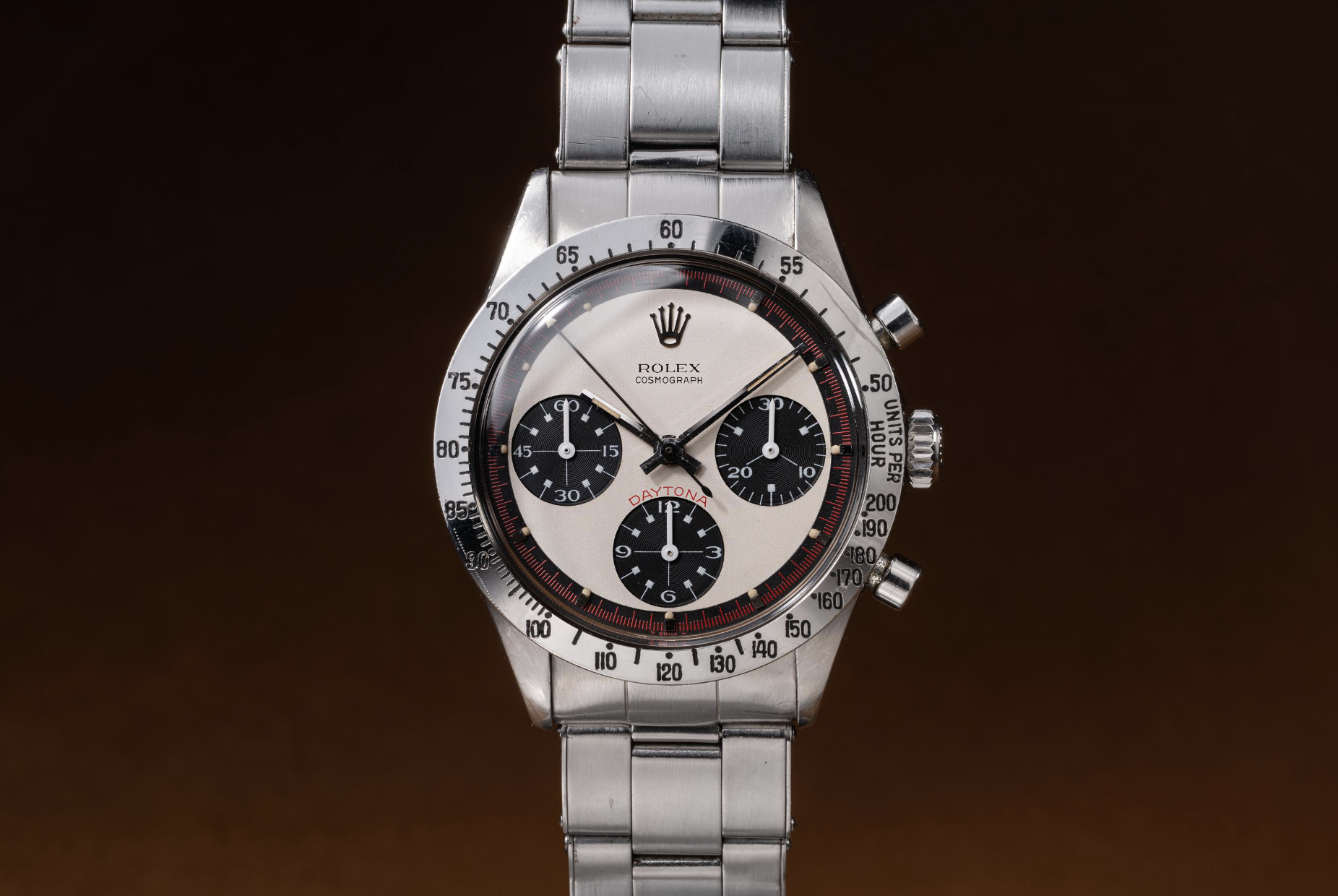
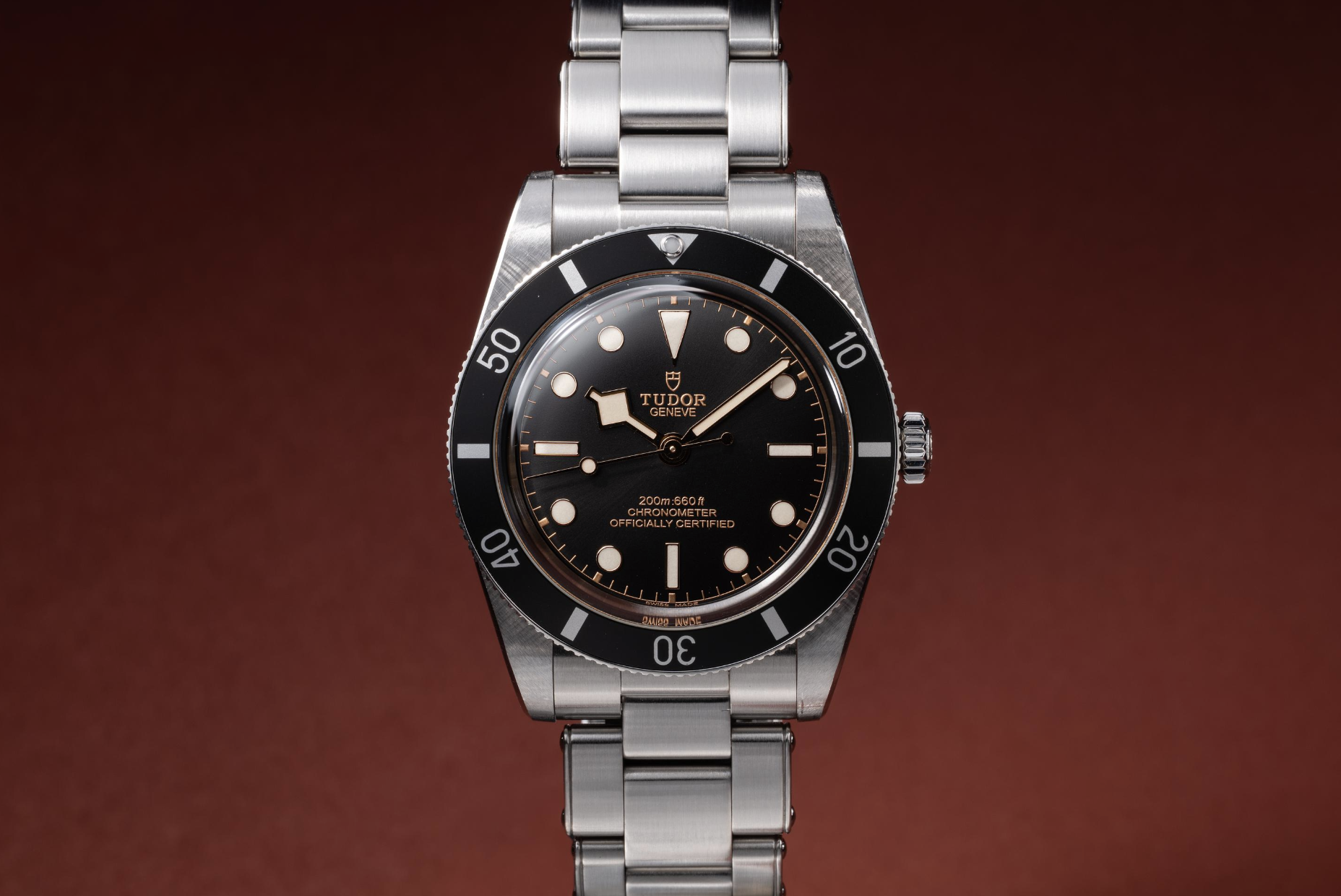




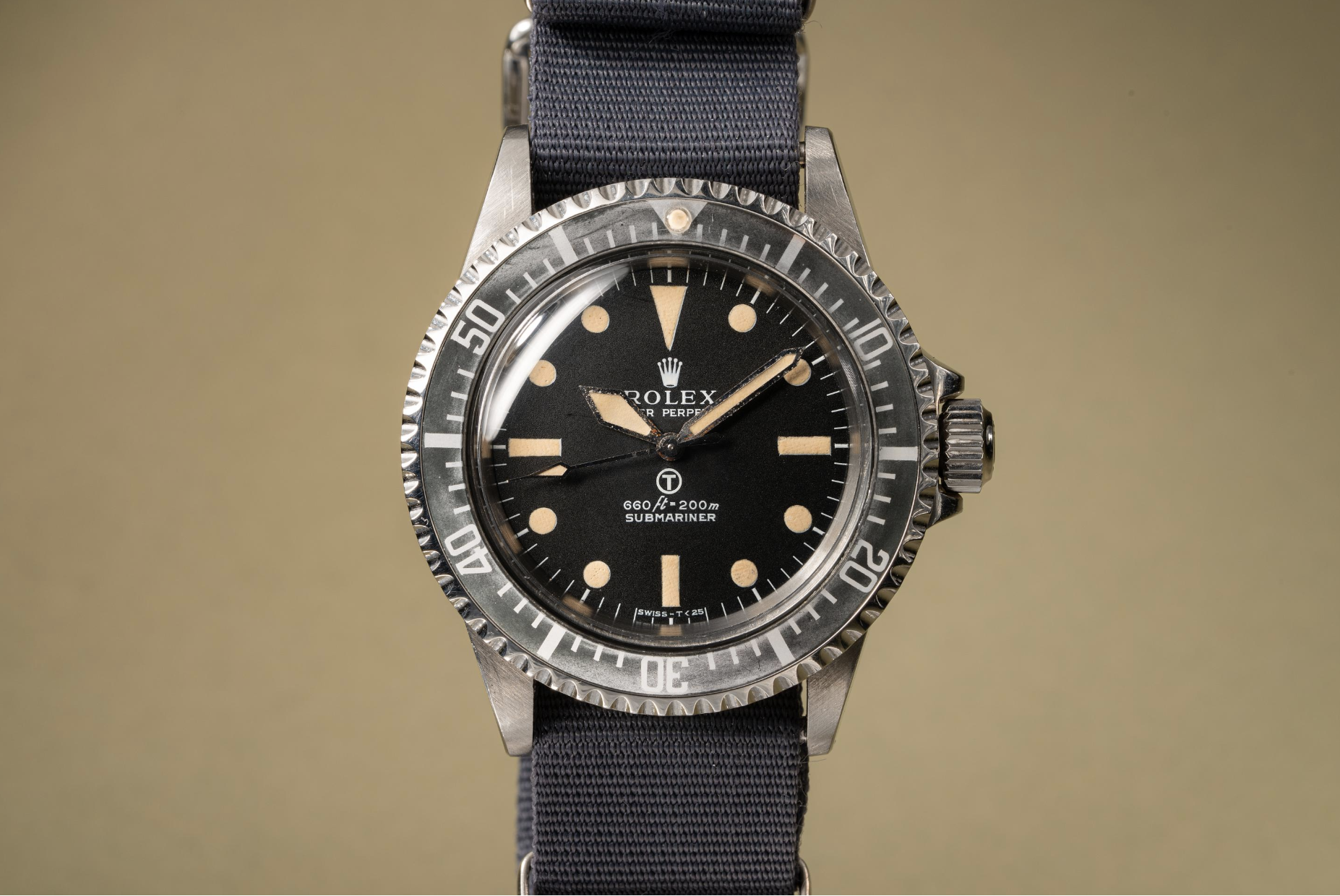
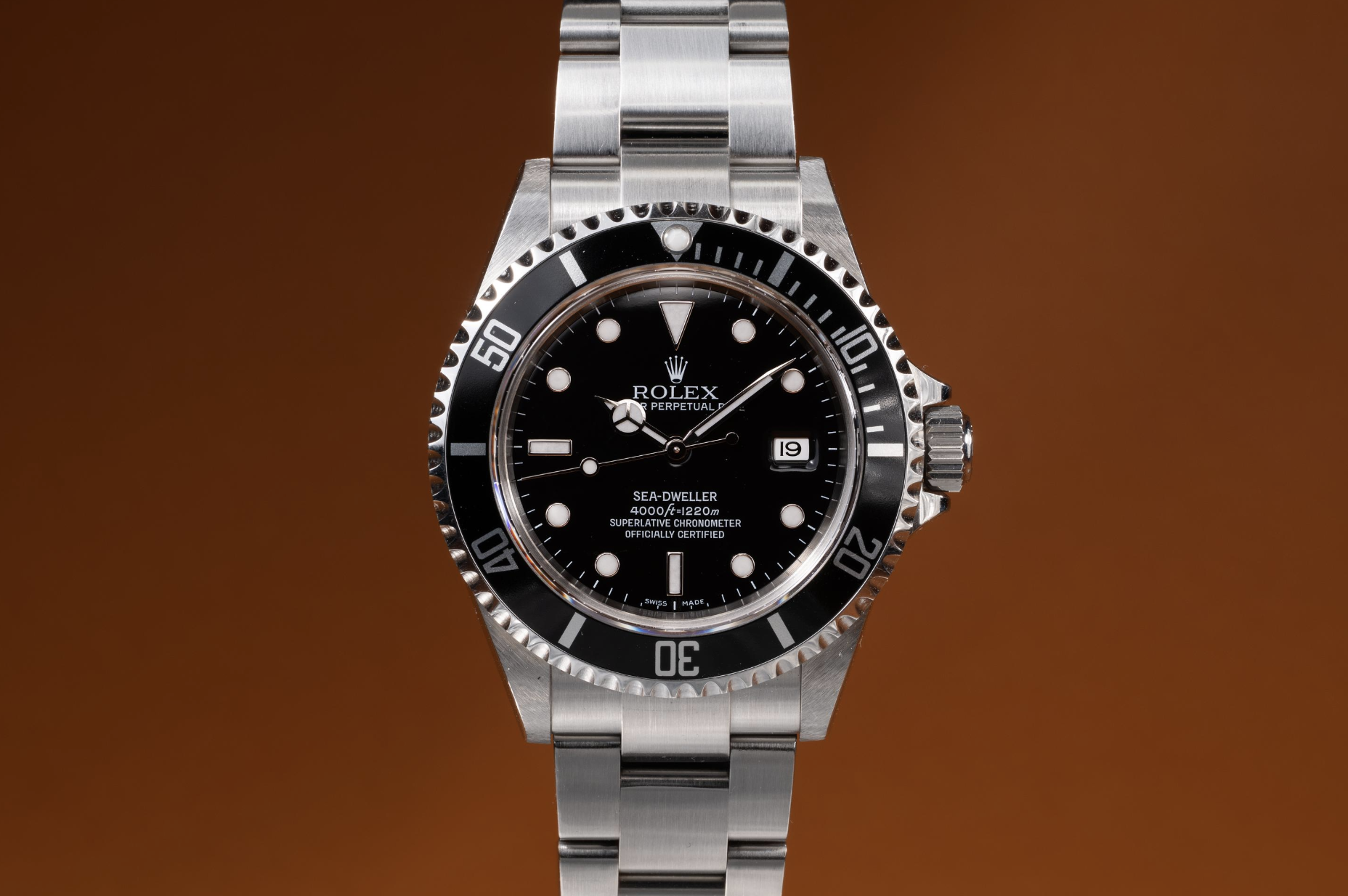

Table of Contents
Get More from the Journal