Longines vs Tudor: Which Watch Brand Suits You Best?
Longines vs Tudor: Which Luxury Watch Brand Is Right for You?
If you have spent any time researching mid-range luxury watches, you have probably landed on this exact comparison more than once. Longines and Tudor are two of the most respected names sitting just below the ultra-premium tier of Swiss watchmaking, and they both offer something genuinely compelling. But they are not the same brand, they do not share the same heritage, and they are not trying to do the same thing. Understanding where each one comes from, what they stand for, and what they actually deliver on the wrist goes a long way toward helping you decide which direction to take your money.
A Brief History of Longines
Longines was founded in 1832 in Saint-Imier, Switzerland, making it one of the oldest continuous watch manufacturers in the world. The name itself comes from the elongated meadows where the original factory was built, a detail that feels almost too poetic to be real. By the late 1800s, Longines had already established a reputation for precision timekeeping, earning recognition at international expositions and developing calibers that would influence the industry for decades. The brand became closely associated with aviation, equestrian sports, and competitive timing, a heritage it actively celebrates today. Longines is part of the Swatch Group, which gives it considerable resources and access to serious watchmaking infrastructure. Its positioning has always been about elegance with technical credibility, and that balance has held up remarkably well across nearly two centuries.
A Brief History of Tudor
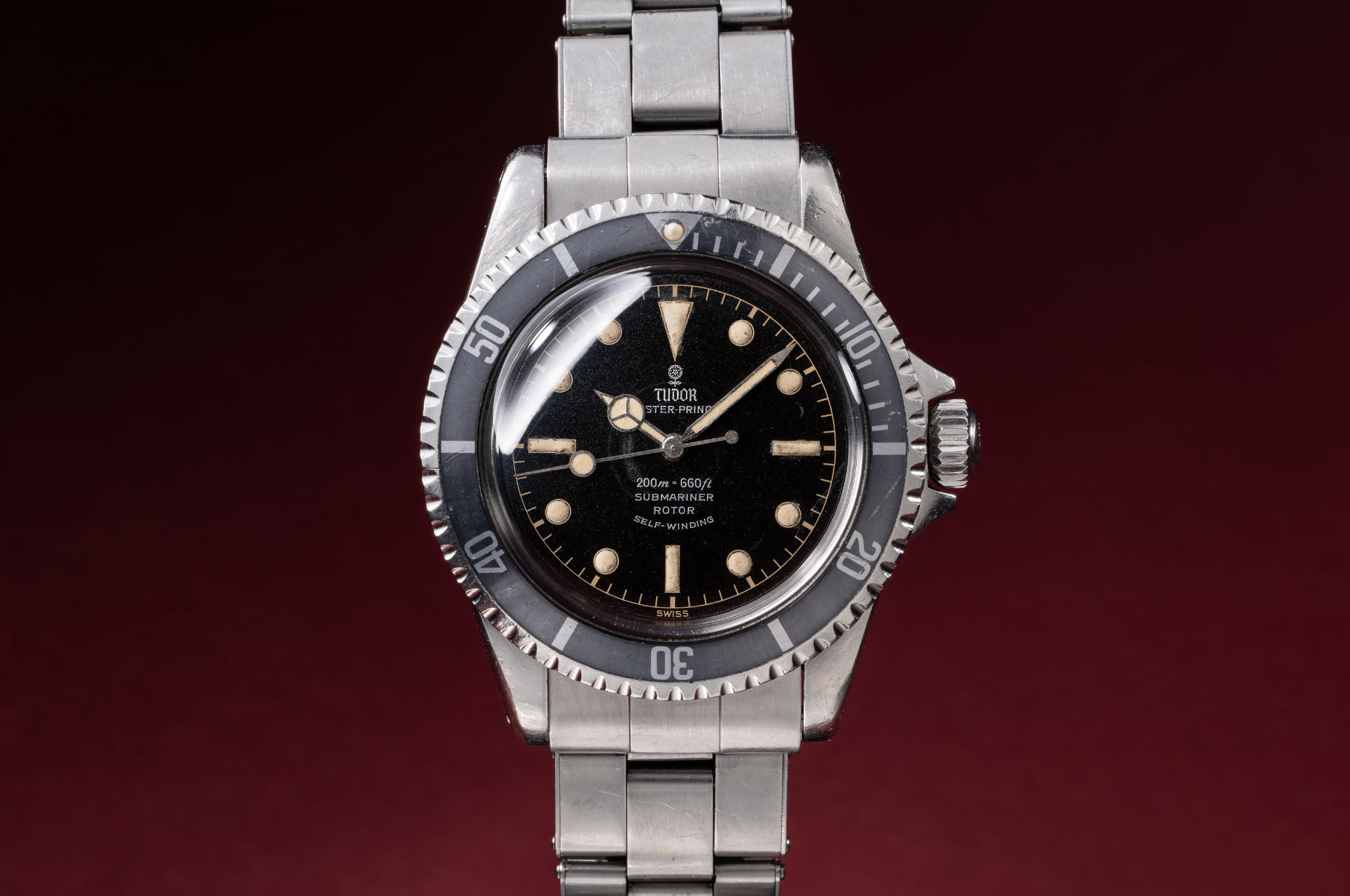
Tudor was founded in 1926 by Hans Wilsdorf, the same man who created Rolex. That is not a minor footnote. Wilsdorf established Tudor specifically to offer a more accessible alternative to Rolex, one that maintained Swiss quality standards but at a lower price point. For decades, Tudor watches used Rolex-supplied cases and crystals, while sourcing movements externally to keep costs down. The brand spent a long stretch in relative obscurity before relaunching with serious intent around 2012 to 2013. Since then, Tudor has developed its own in-house movements, redesigned its collections with a sharp eye on contemporary taste, and built a genuinely enthusiastic following. It is now part of the broader Rolex SA organization, which means it benefits from one of the most disciplined quality control systems in the industry.
Design Philosophy: Elegance vs. Edge
This is where the two brands start to feel noticeably different. Longines leans heavily into classical elegance. Its designs tend toward refined proportions, clean dials, and a restrained aesthetic that suits formal occasions and professional environments without effort. The Master Collection and the Heritage line are good examples, both referencing archival designs with a modern finishing standard. Tudor, on the other hand, has developed a personality that skews sportier and more assertive. The Black Bay collection draws on vintage Rolex Submariner DNA and makes no apologies for it. The Pelagos is a serious dive watch with in-house movement credentials. Tudor watches tend to feel more casual in the best possible sense, watches you could wear to a dinner or a dive boat without overthinking it. Neither approach is better. They reflect genuinely different priorities.
Movement Quality and In-House Calibers
For watch enthusiasts, what is inside the case matters as much as what is on the outside. Longines produces its own movements, with the L888 caliber standing out as a particularly impressive piece of engineering. It offers an 80-hour power reserve and operates at a frequency that supports excellent accuracy. Longines movements consistently achieve COSC-adjacent performance even without formal chronometer certification in every model. Tudor made a significant statement when it began introducing in-house movements with the MT5621 caliber, which is COSC-certified and provides a 70-hour power reserve. Having an in-house movement at Tudor's price range is genuinely notable, and it shifted how the industry perceived the brand. Both companies are building credible mechanical movements with real technical merit, which is more than can be said for many brands at comparable price points.
Price Range and Value Proposition
Longines typically sits in the range of approximately $1,000 to $3,500 for most of its core collection models, though limited editions and complications can go higher. Tudor generally occupies a range of roughly $2,000 to $5,000, with some models pushing further depending on configuration. What you get at each price point differs considerably. Longines offers broader variety in terms of style and dress watch options, while Tudor delivers a more focused toolkit of sport and heritage-driven watches. In terms of raw value, both brands punch well above their price categories. The question is whether you want variety or focus, understated elegance or deliberate character.
Collectibility and Resale Value
Tudor has experienced a remarkable shift in collector perception over the past decade. Vintage Tudor watches, particularly early Black Bay references and older Submariners, have attracted serious attention at auction and in the secondary market. The brand's Rolex connection gives it a kind of reflected credibility that holds up over time. Longines vintage pieces are also collected, especially early aviator models and timing instruments with historical provenance, but the brand has not seen the same surge in secondary market enthusiasm that Tudor has. For buyers thinking about long-term value retention, Tudor currently holds a slight edge in collector interest, though Longines offers consistent and reliable resale across most of its models.
Who Should Choose Longines
Longines makes the most sense for a buyer who values historical depth, refined design, and versatility across dress and everyday wear. It suits someone who wants a watch that feels appropriate in a boardroom without screaming for attention, one that carries genuine horological heritage without a premium brand tax. If you wear suits regularly, appreciate classical proportions, or want a brand with nearly 200 years of uninterrupted production history behind it, Longines is an easy recommendation.
Who Should Choose Tudor
Tudor is the right call for someone who wants sport watch energy, in-house movement credentials, and a brand identity that feels current and confident. It appeals to buyers who admire Rolex but want to invest at a more accessible level without compromising build quality or mechanical integrity. If you are drawn to dive watches, robust bracelets, and a watch that holds its own in any environment, Tudor delivers that without apology. It is also a stronger choice for collectors entering the market with an eye on how preferences are shifting in the vintage and secondary space.
Why Tropical Watch Should Be Your Next Stop
Whether you find yourself drawn to the elegance of Longines or the sport-forward confidence of Tudor, the decision ultimately comes down to knowing exactly what you are buying and trusting where it comes from. That is where Tropical Watch becomes genuinely valuable. As specialists in authenticated vintage and luxury timepieces, Tropical Watch operates with the kind of expertise that changes how you approach a watch purchase. For collectors and enthusiasts exploring the space between established heritage and modern horological ambition, finding a trusted source is everything. If your interest is expanding toward vintage Rolex and Tudor pieces, working with a dealer who understands provenance, condition grading, and market context is not optional. Tropical Watch has built a reputation in precisely that space, making it one of the most reliable destinations for anyone serious about buying authenticated vintage Rolex and luxury Swiss watches. The comparison between Longines and Tudor is a great starting point, but the right watch, from the right source, is where the real value lives.
Frequently Asked Questions About Longines vs Tudor
Is Tudor considered a luxury watch brand?
Yes, Tudor is widely recognized as a luxury watch brand. It is owned by Rolex SA, produces its own in-house movements, and maintains Swiss quality standards that meet or exceed what is expected at its price point. It occupies the accessible luxury tier of Swiss watchmaking.
Which brand has better resale value, Longines or Tudor?
Tudor currently holds stronger resale value, particularly for sport models like the Black Bay. Collector interest in vintage Tudor pieces has grown significantly over the past decade. Longines retains consistent resale value but does not generate the same level of secondary market demand at this time.
Are Longines watches considered high-end?
Longines is positioned as an upper-mid-tier Swiss luxury brand. Its movements are produced in-house, its heritage spans nearly 200 years, and its quality standards are genuinely high. It is not considered ultra-premium like Rolex or Patek Philippe, but it is far from entry-level.
Does Tudor use Rolex movements?
Modern Tudor watches use Tudor's own in-house movements, not Rolex calibers. Historically, Tudor sourced external movements while using Rolex-supplied cases. The shift toward in-house movement production began around 2015 and has become a defining part of the brand's current identity.
Which is better for everyday wear, Longines or Tudor?
Both are well-suited to daily wear, but the right choice depends on your lifestyle. Tudor's sport-oriented collections are built for durability and versatility across active environments. Longines offers a broader range, including dress watches better suited to professional or formal settings. For rugged daily use, Tudor has a practical edge.
What is the most popular Tudor watch model?
The Tudor Black Bay is the brand's most recognized and commercially successful model. It draws on vintage Rolex Submariner design elements and has become a benchmark reference in the accessible luxury sport watch category. Multiple configurations are available, including steel, bronze, and GMT variants.





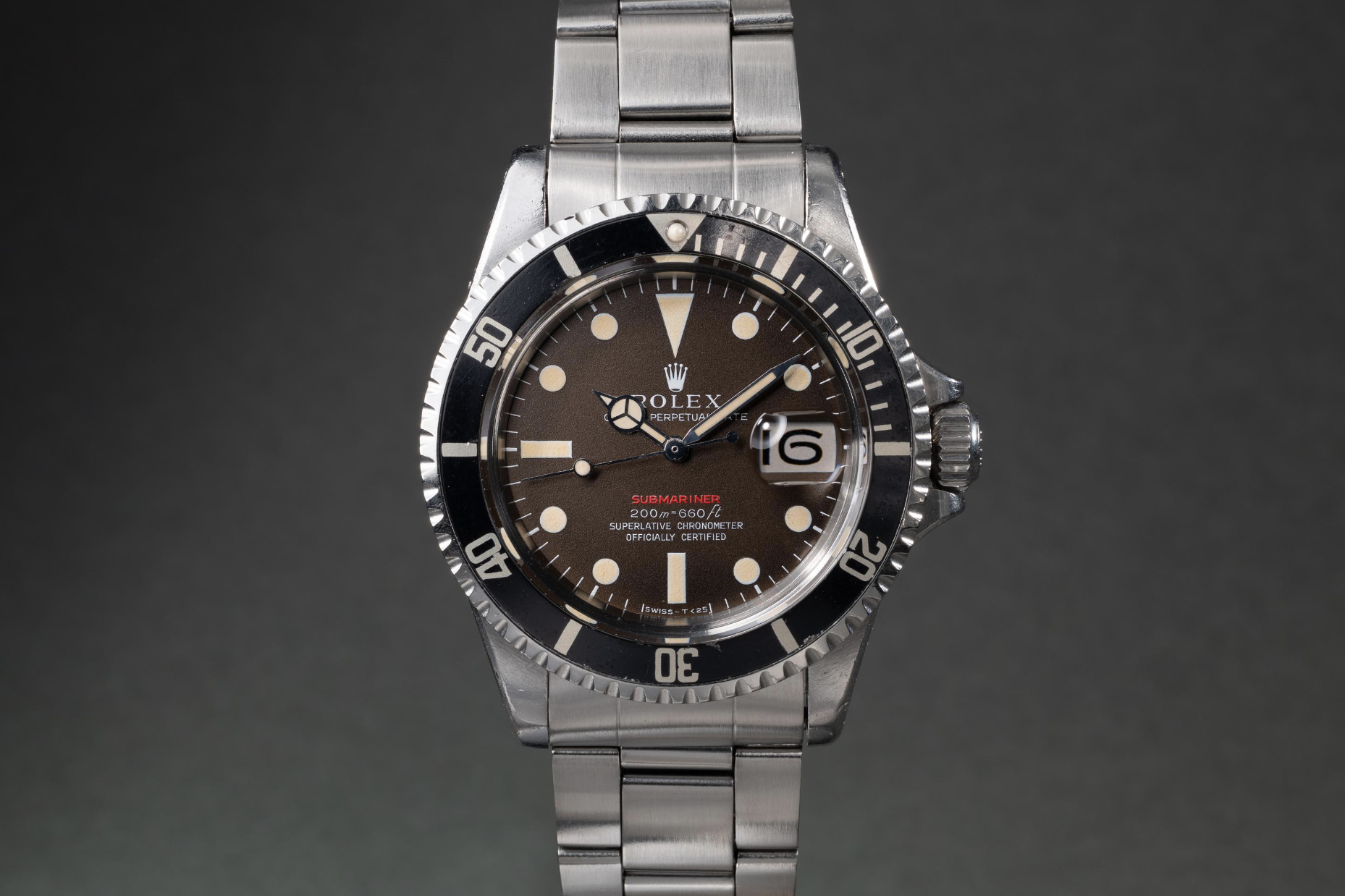





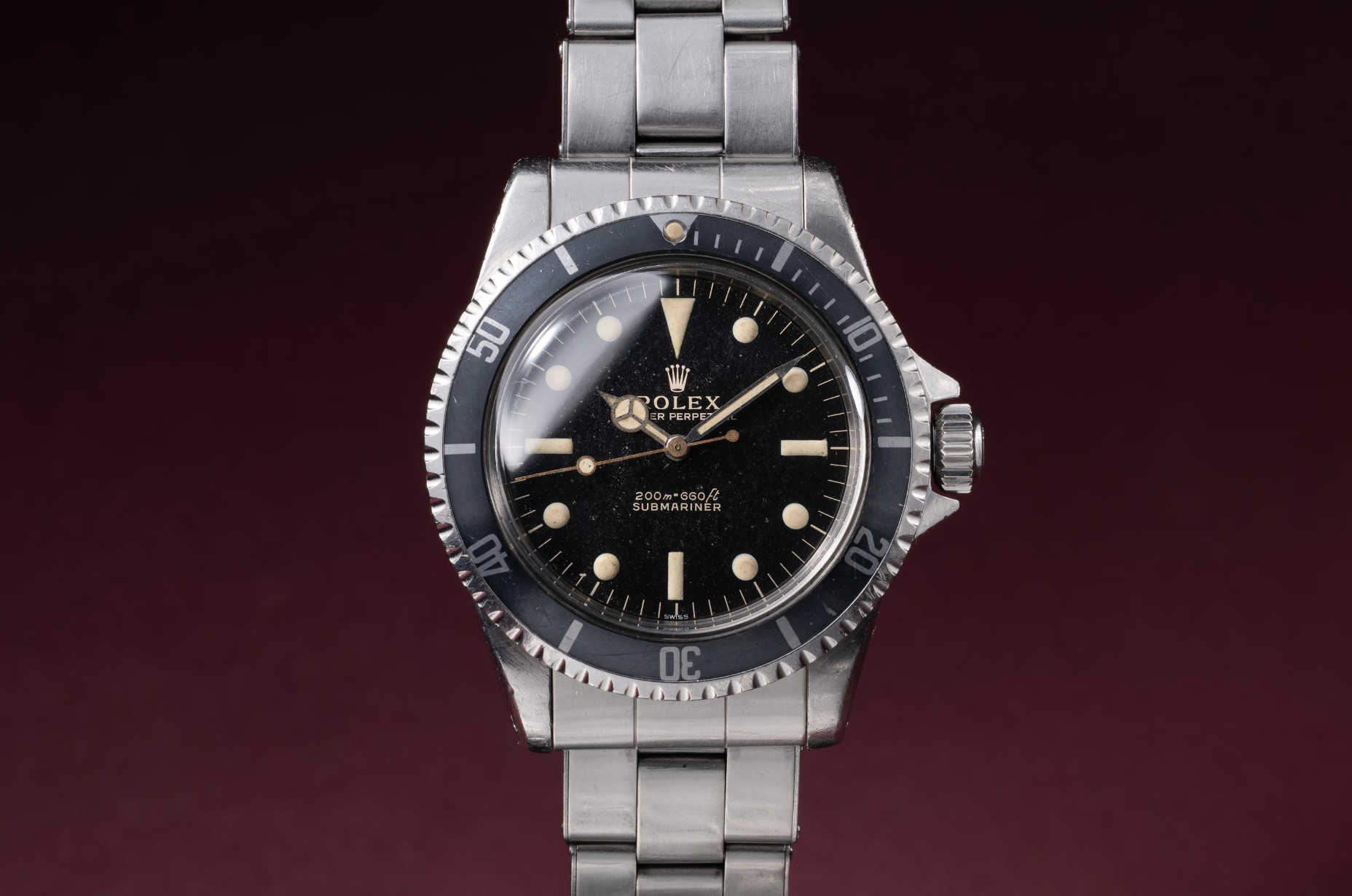
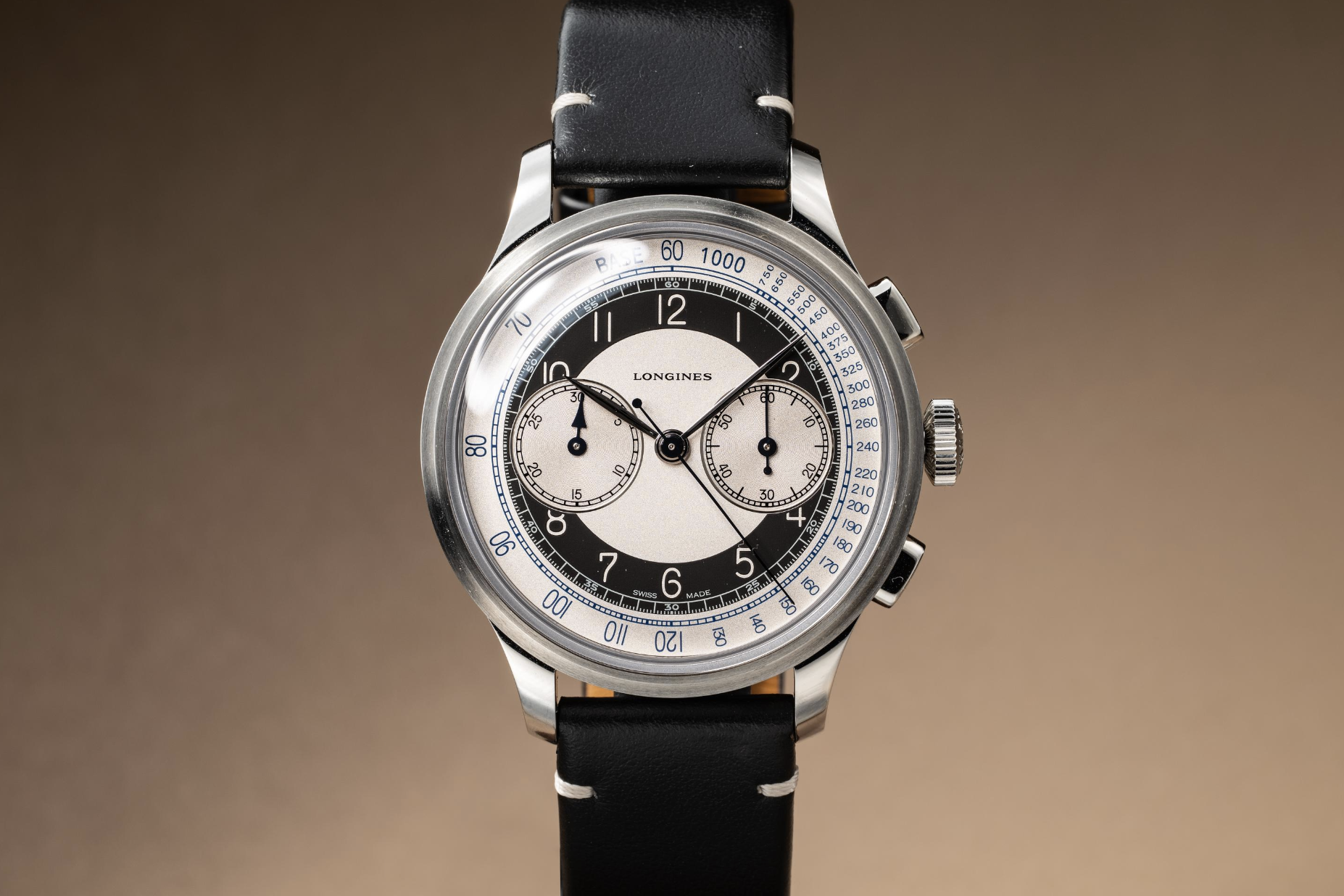



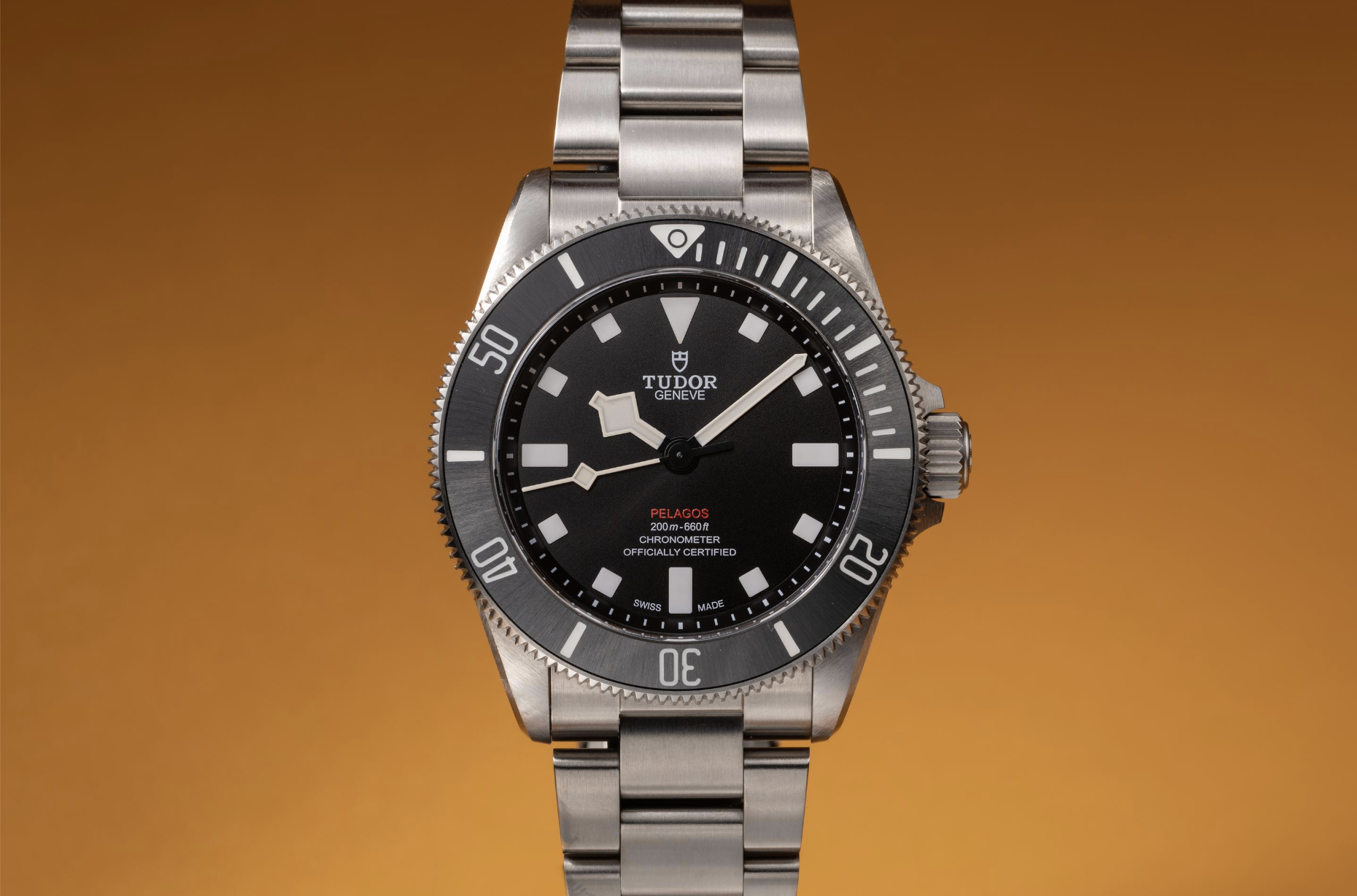


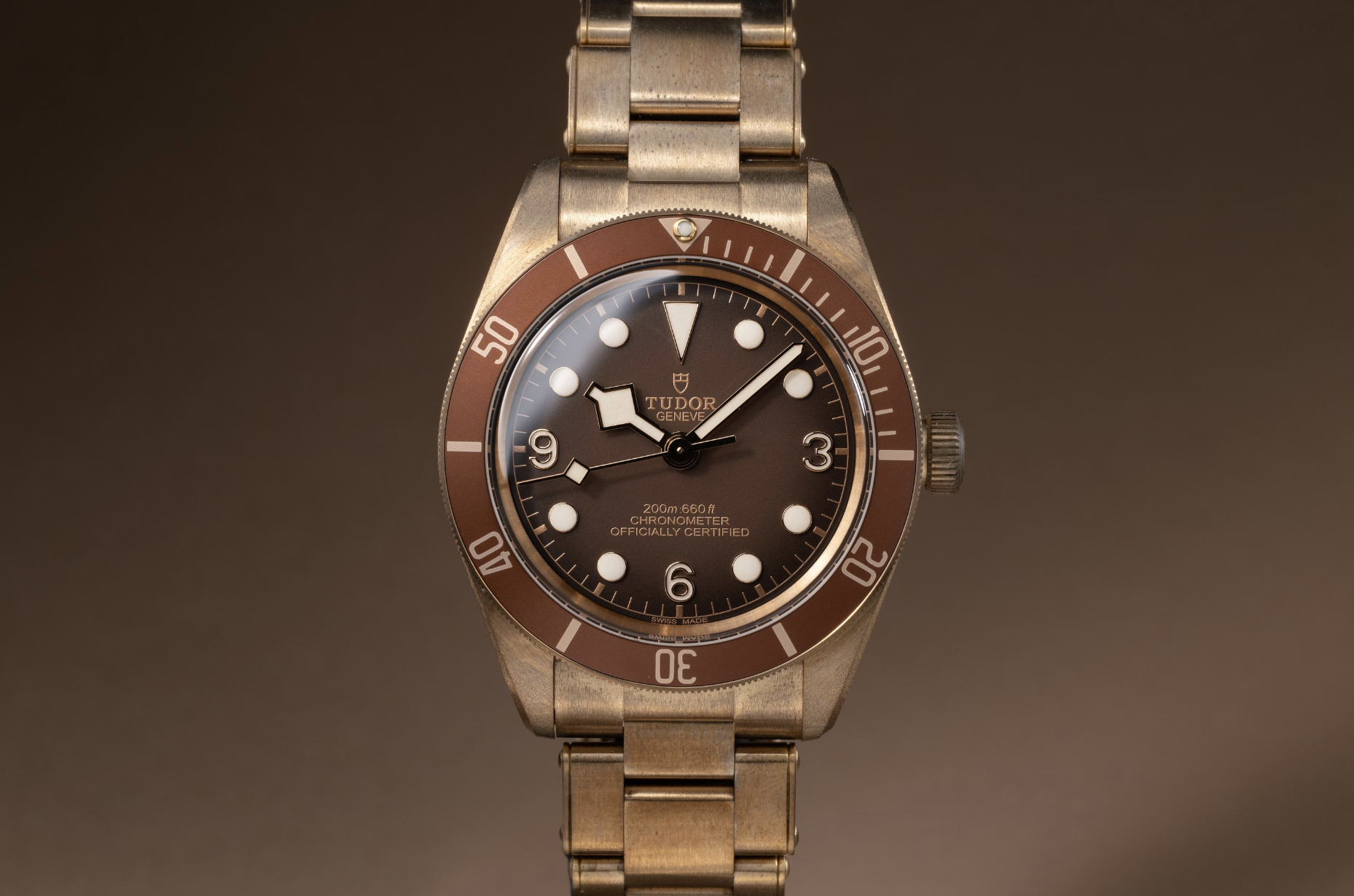
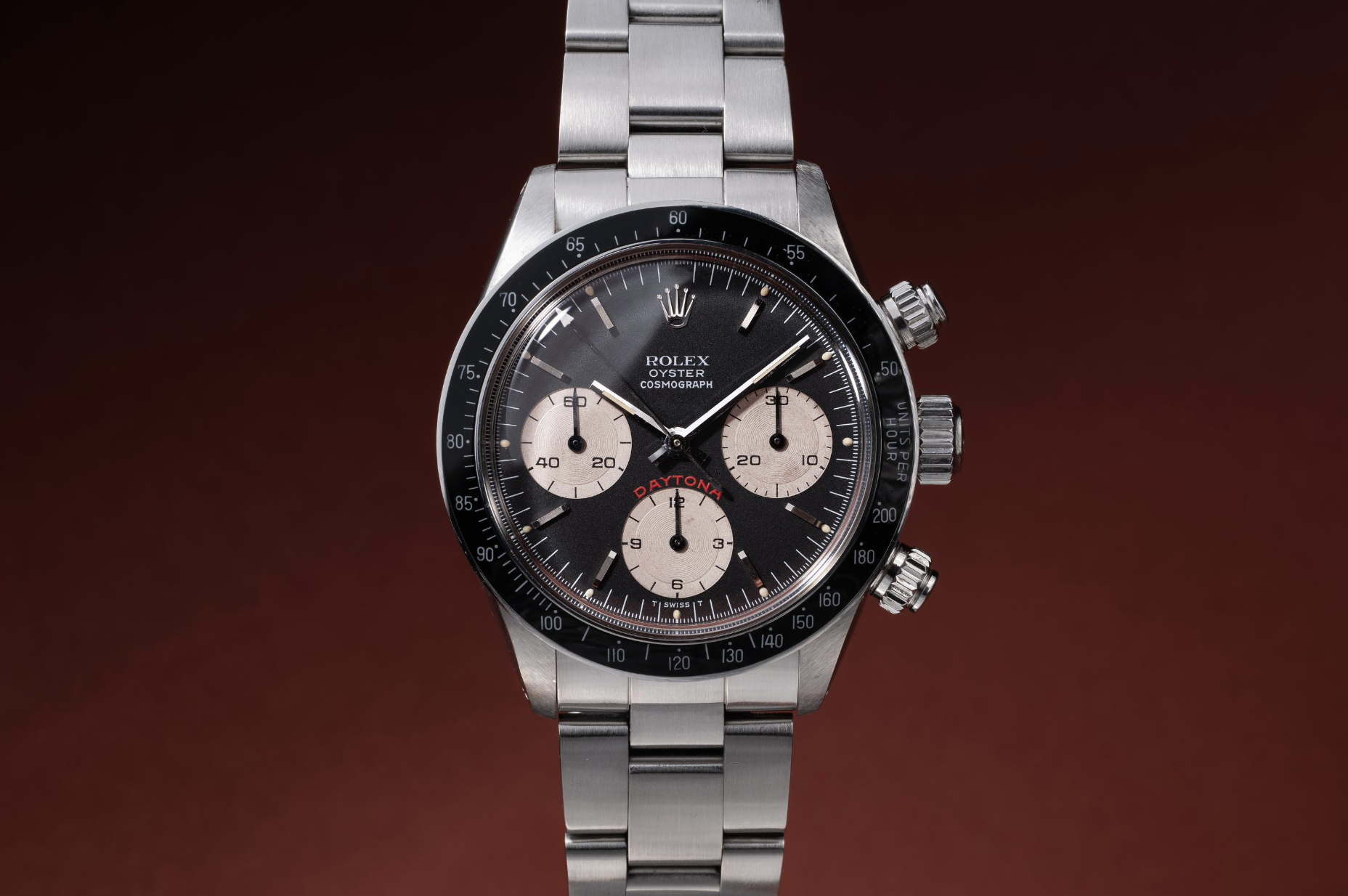
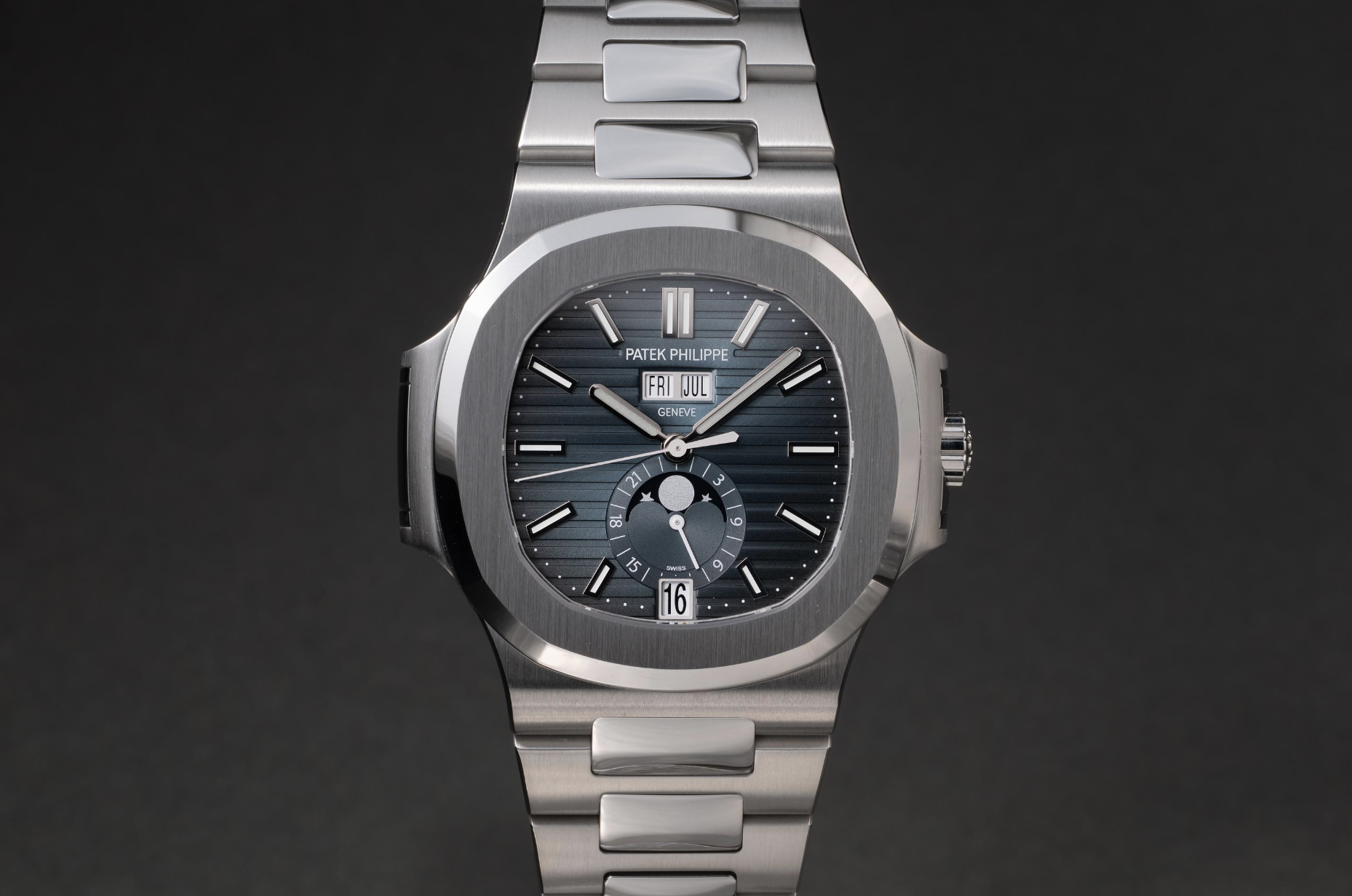
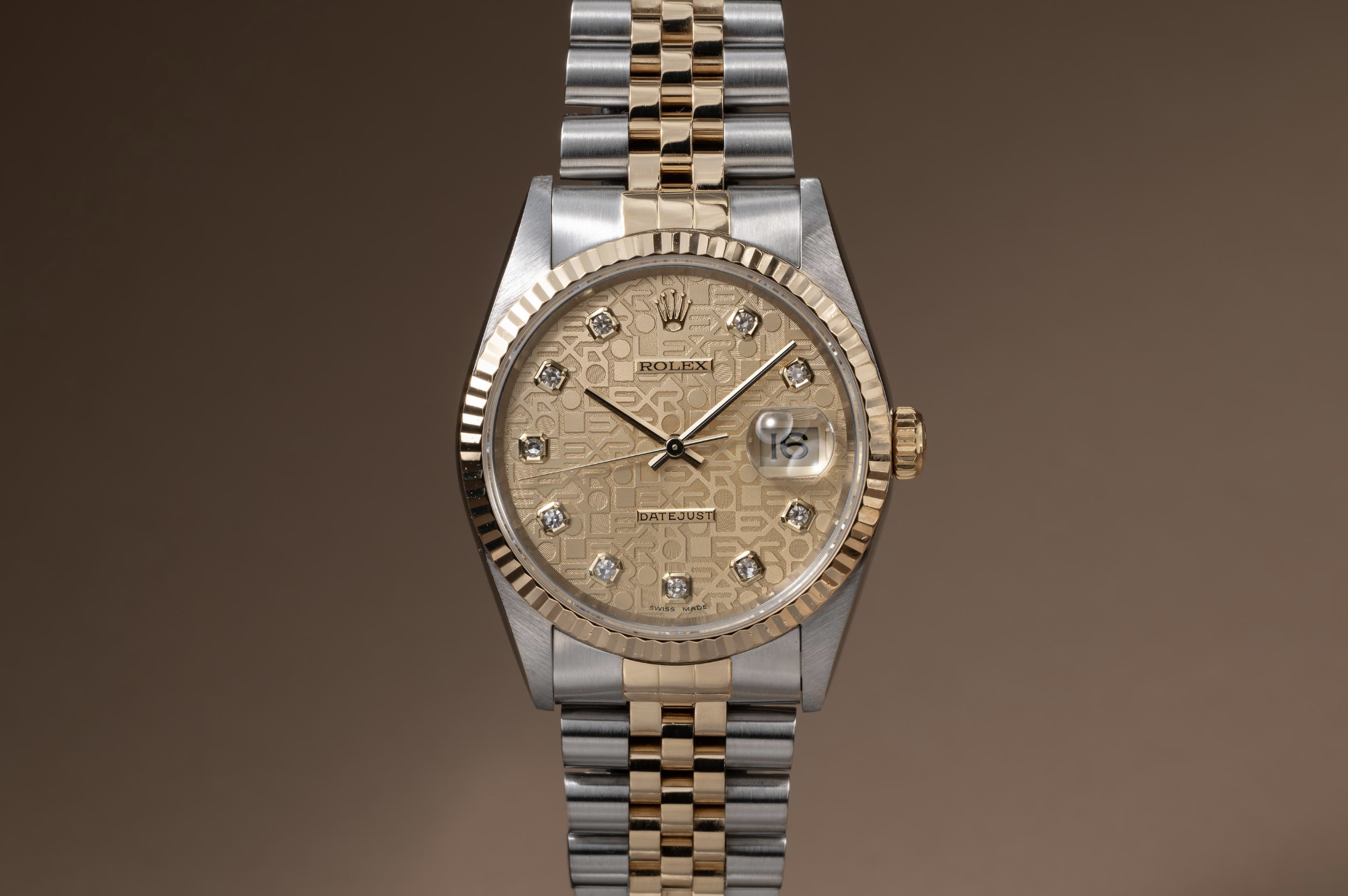
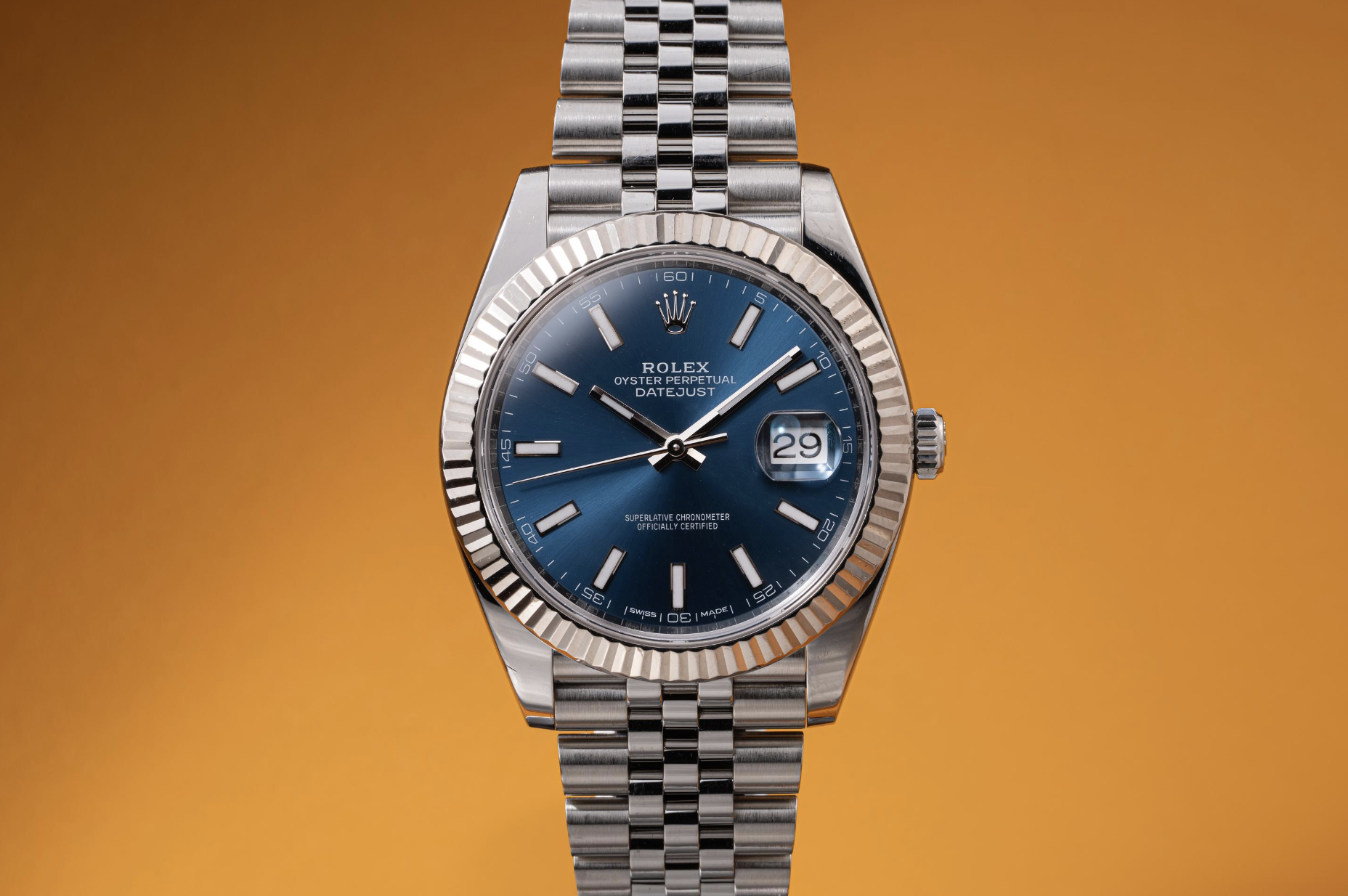
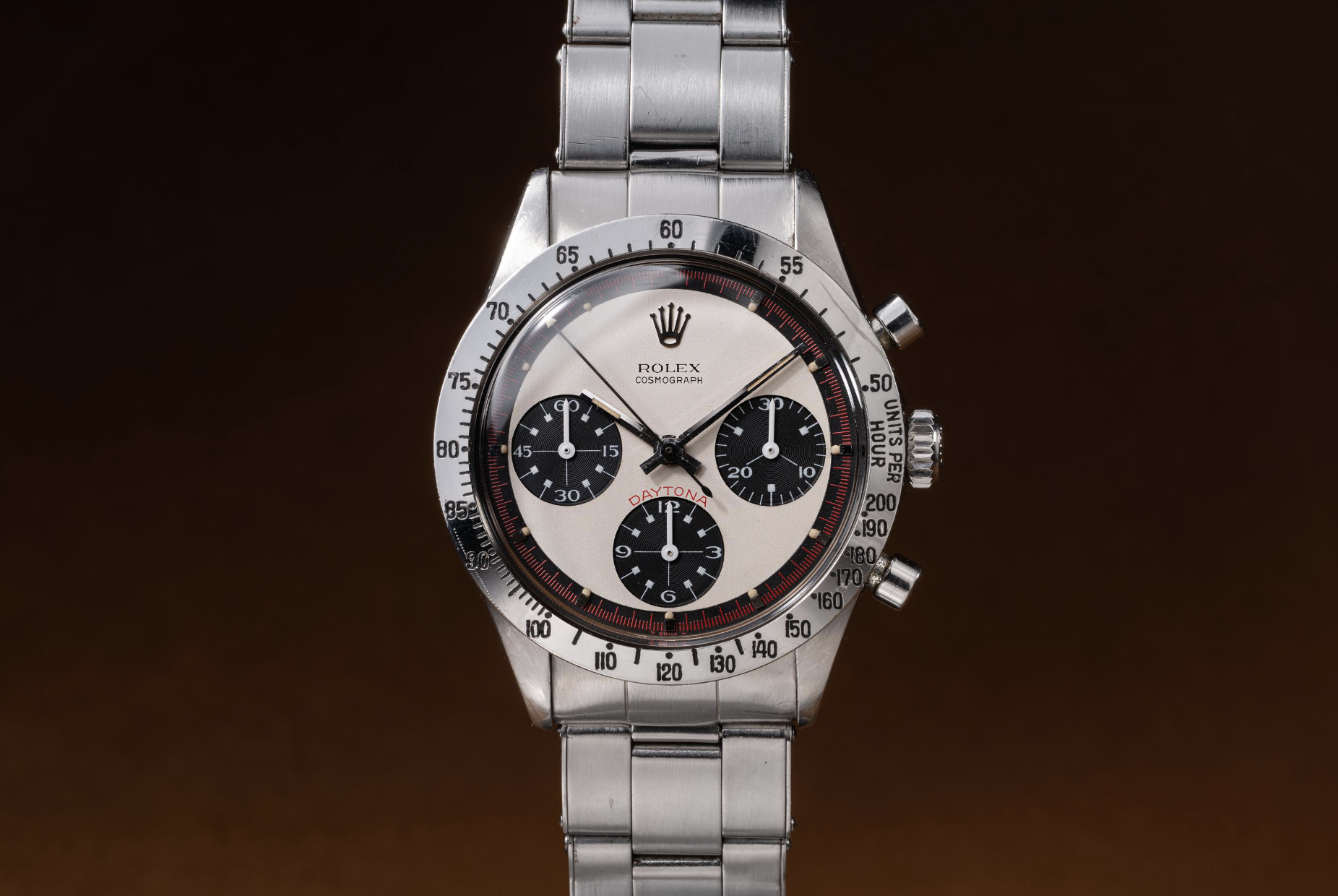
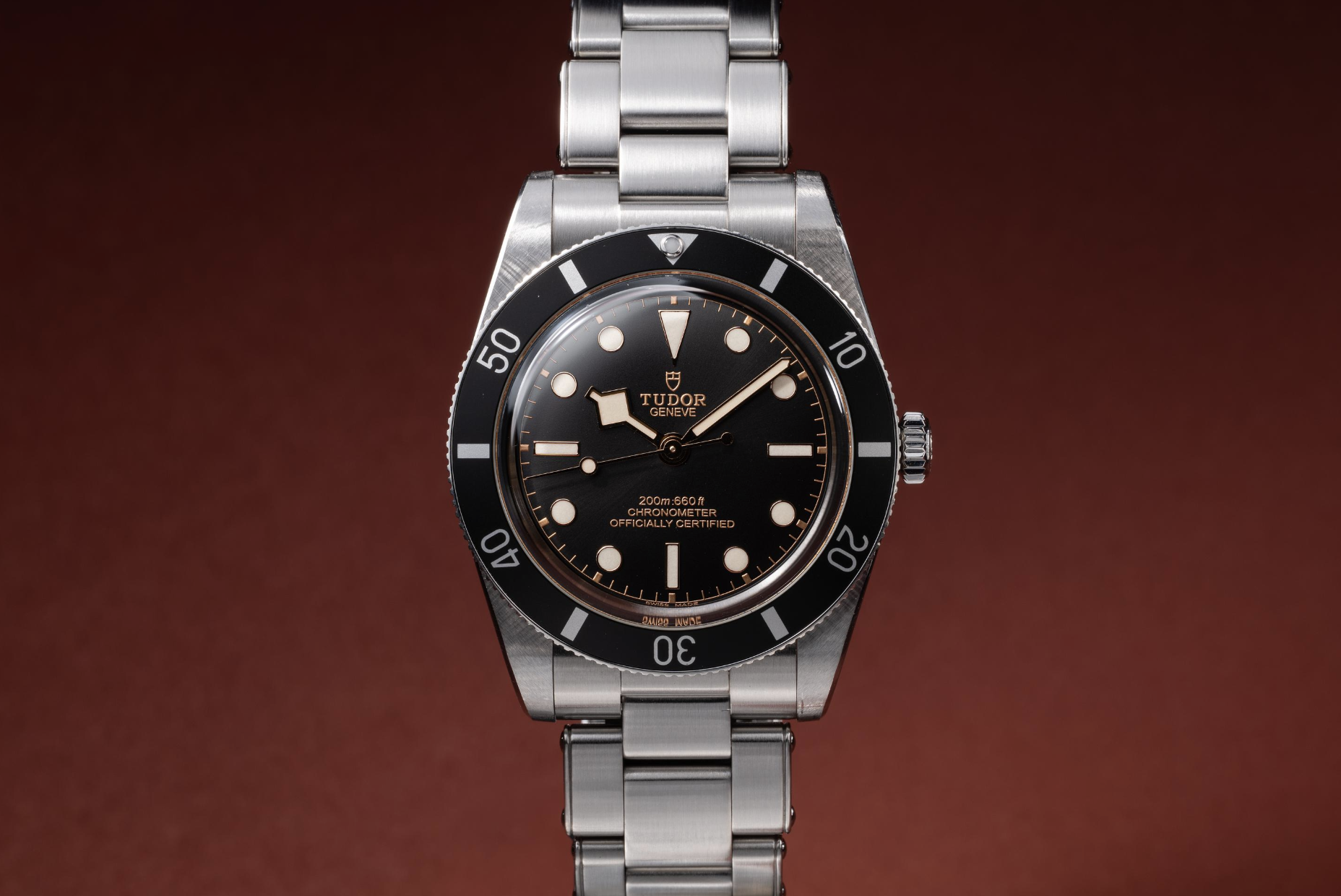







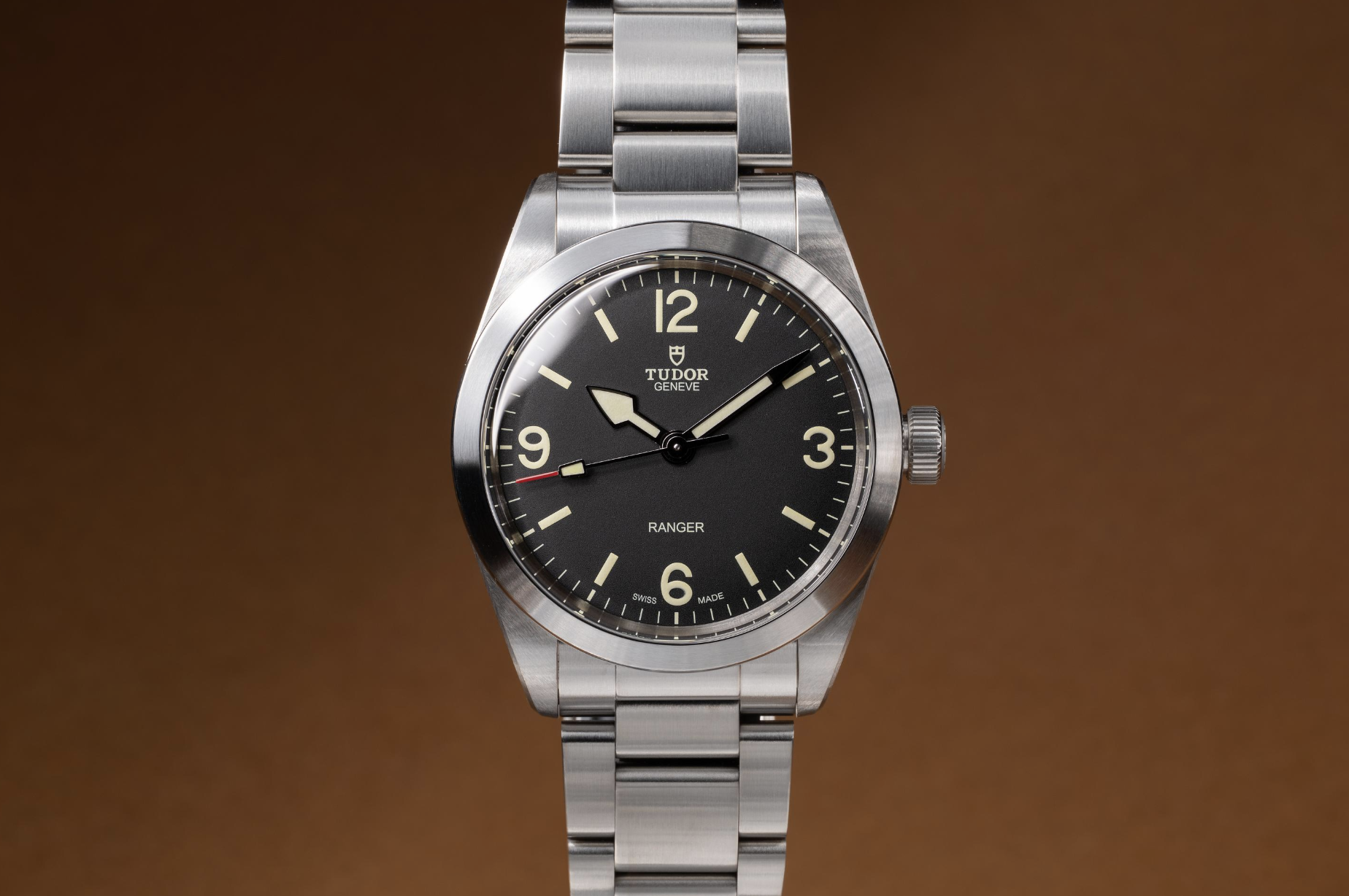



Table of Contents
Get More from the Journal