


Investing in Vintage Watches: A Smart Collector's Guide
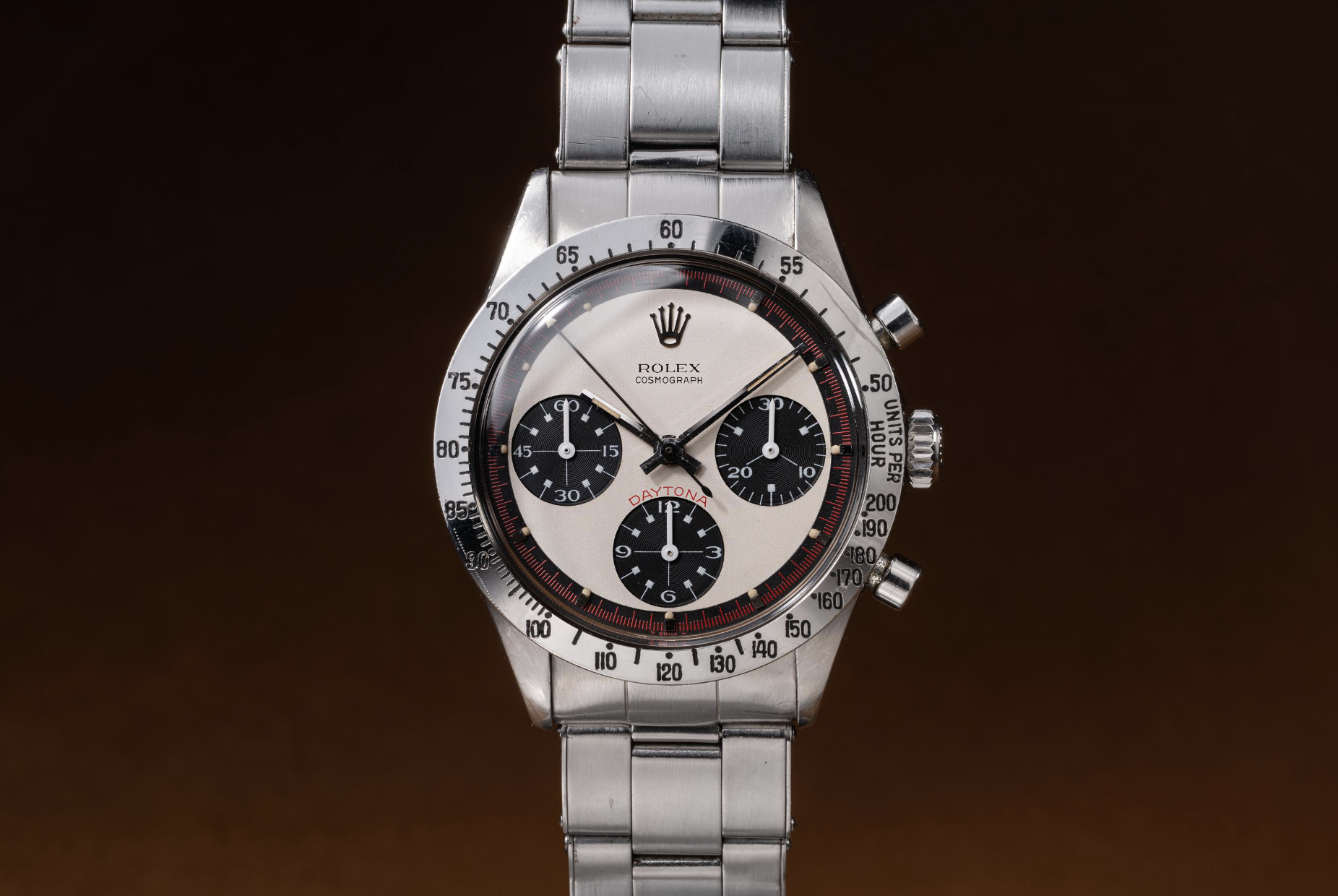
Why Vintage Watches Are One of the Most Compelling Alternative Investments Today
There is something quietly remarkable about a watch that gains value while sitting in a drawer. Unlike stocks, which exist only as numbers on a screen, or real estate, which demands constant attention, a vintage timepiece occupies a unique space in the world of alternative investments. It is tangible, wearable, and increasingly sought after by collectors and investors who understand that certain objects simply do not lose their appeal over time. The market for vintage luxury watches has matured considerably over the past two decades, and what was once considered a niche hobby is now recognized as a legitimate asset class. If you have been considering adding vintage watches to your investment portfolio, this guide will walk you through everything you need to know before making your first move.
A Brief History of Vintage Watch Collecting as Investment
Collecting mechanical watches has been a passion for enthusiasts since the early twentieth century, but the investment dimension of that collecting culture became more prominent in the 1980s and 1990s. That period saw significant auction results for vintage Rolex, Patek Philippe, and Audemars Piguet pieces that surprised even seasoned dealers. By the time the internet connected global buyers and sellers in the early 2000s, prices for rare references were climbing steadily. The real acceleration came after the 2008 financial crisis, when high-net-worth individuals began looking for stores of value outside traditional markets. Vintage watches, particularly those with documented provenance and original parts, proved remarkably resilient. Auction records at Christie's, Sotheby's, and Phillips have since confirmed what serious collectors already suspected: the right watch, bought at the right time, can appreciate significantly over a holding period of five to fifteen years.
What Makes a Vintage Watch Valuable
Not every old watch is a valuable watch. The factors that drive value in the vintage market are specific, and understanding them is essential before committing capital to any piece. Condition is perhaps the most immediate consideration. A watch with an original, unpolished case commands a premium over one that has been refinished, because the original surface tells the story of its age authentically. Originality extends to the dial, hands, crown, and bracelet as well. Collectors refer to watches with all original components as "untouched" or "all-original," and those pieces attract the most serious buyers. Rarity is the second major driver. Limited production runs, discontinued references, and models associated with specific historical moments all tend to hold or grow their value. Provenance, meaning the documented history of ownership, adds another layer of desirability, particularly when a watch can be traced to a notable figure or a significant event. Finally, brand heritage matters enormously. Rolex, Patek Philippe, and a handful of other manufacturers have built reputations that sustain demand across generations of collectors.
The Most Investment-Worthy Vintage Watch Brands
While the vintage market includes hundreds of brands, a relatively small number consistently deliver strong investment results. These are the names worth focusing on if your primary motivation is financial return alongside collecting pleasure.
- Rolex: The most liquid vintage watch market in the world, with strong global demand for references including the Submariner, Daytona, GMT-Master, and Explorer
- Patek Philippe: Commands the highest prices at auction, with complicated pieces like the Perpetual Calendar and Chronograph fetching extraordinary sums
- Audemars Piguet: The Royal Oak, particularly early references from the 1970s, has seen dramatic appreciation
- Omega: The Speedmaster and early Seamaster references offer accessible entry points with solid long-term performance
- Heuer: Pre-TAG Heuer chronographs, especially the Carrera and Monaco, have developed a devoted collector following that continues to push prices upward
Understanding Market Liquidity and Exit Strategies
One aspect of vintage watch investing that new buyers sometimes overlook is liquidity. Unlike a publicly traded stock, a vintage watch cannot be converted to cash in seconds. The selling process involves finding a qualified buyer, whether through a private sale, a reputable dealer, or a major auction house, and that can take time. Auction houses typically take a buyer's premium and a seller's commission, which collectively can represent twenty to twenty-five percent of the hammer price. Private sales through established dealers often result in faster transactions with more predictable outcomes. Understanding your exit strategy before you purchase a watch is not pessimistic thinking; it is simply good investment practice. Keeping detailed records, original packaging, and supporting documentation for every piece you own will make the eventual sale process considerably smoother and more profitable.
Common Pitfalls to Avoid When Investing in Vintage Watches
The vintage watch market, for all its appeal, does carry real risks. Counterfeiting and the fraudulent replacement of original parts are persistent problems, particularly in the Rolex segment where demand is highest. Purchasing from unverified private sellers without independent authentication is one of the most frequent mistakes first-time investors make. Overpaying during market peaks is another. Watch values, like all asset values, move in cycles, and paying a peak price for a popular reference can mean waiting years before the market catches up. Neglecting proper storage and servicing is also a concern; a mechanical watch requires periodic servicing to maintain functionality, and a non-running watch is harder to sell at full value. Working exclusively with reputable, established dealers and auction specialists is the most reliable way to avoid these pitfalls.
How to Start Building a Vintage Watch Portfolio
Beginning a vintage watch investment strategy does not require an enormous initial outlay. Many collectors start with one or two carefully chosen pieces in accessible price ranges and build from there as their knowledge and confidence develop. Research is the foundation of everything. Spending time studying auction results, reading specialized publications, and engaging with collector communities will sharpen your eye for value and condition far more quickly than any formal course. Setting a clear budget and sticking to it prevents the emotional overspending that catches many enthusiastic new collectors off guard. Prioritizing condition and originality over brand name alone is a discipline that consistently pays dividends in the long run. And perhaps most importantly, buying pieces you genuinely appreciate means that even in a flat or declining market, you are holding something with personal value beyond its price tag.
The Role of Authentication and Documentation in Value Preservation
Authentication is not optional in the vintage watch market; it is the foundation of every credible transaction. For significant purchases, independent appraisal from a certified watchmaker or a recognized expert in the specific brand is worth every penny. Original paperwork, known in collector circles as "papers," refers to the warranty card or certificate issued at the time of original sale. Combined with the original box, a watch described as having "box and papers" can command a premium of fifteen to thirty percent or more over the same reference sold without documentation. Photographs, service records, and any published references to the specific watch in auction catalogues or collector literature all contribute to a file that supports both authentication and resale value. Building that documentation file from the moment of purchase is a habit that distinguishes serious investors from casual collectors.
Why Tropical Watch Is the Right Partner for Vintage Watch Investment
When it comes to acquiring museum-quality vintage timepieces with verified provenance and genuine investment potential, the dealer you choose matters as much as the watch itself. Tropical Watch has built a reputation as one of the most trusted sources for rare and collectible timepieces, with a particular depth of expertise in vintage Rolex references that serious collectors seek most. Their inventory reflects an understanding of what the market values, and every piece is presented with the transparency and documentation that confident buyers require. Whether you are purchasing your first investment-grade vintage watch or adding a significant reference to an established collection, working with vintage Rolex investment specialists at Tropical Watch gives you access to expert guidance, authentic inventory, and a team that takes the integrity of the transaction as seriously as you do. That kind of partnership is not incidental to a successful vintage watch investment strategy; it is central to it.
Frequently Asked Questions About Investing in Vintage Watches
Are vintage watches a good investment?
Vintage watches from established luxury brands have historically shown strong appreciation over medium to long holding periods, particularly when pieces are rare, original, and in excellent condition. They are not without risk, but for informed buyers working with reputable dealers, they represent a compelling alternative asset class.
Which vintage watch brands hold value best?
Rolex, Patek Philippe, and Audemars Piguet consistently lead the vintage market in terms of value retention and appreciation. Omega and vintage Heuer also perform well, particularly in specific references with strong collector followings.
How do I know if a vintage watch is authentic?
Authentication should involve a physical inspection by a certified watchmaker or a recognized specialist in the relevant brand. Original documentation, undisturbed case surfaces, matching serial numbers, and original components all contribute to a credible authentication assessment.
Does servicing a vintage watch affect its investment value?
Necessary servicing by a qualified watchmaker preserves functionality without reducing value, provided original parts are retained and no unauthorized modifications are made. Over-polishing the case or replacing original components with non-original parts can significantly reduce collector appeal and resale price.
What is the best way to sell a vintage watch?
Options include major auction houses, established specialist dealers, and private sales to known collectors. Each channel carries different timelines, fees, and levels of certainty. Working with a reputable dealer often provides the most efficient and transparent selling experience.
How much should I spend on my first vintage watch investment?
There is no universal answer, but the guiding principle is to spend within a range where condition and originality can be prioritized over price alone. Many experienced collectors recommend starting with a single, well-chosen piece from a first-tier brand rather than spreading a limited budget across multiple lower-grade examples.


