Cartier Watch Comparison: Find the Right Model for You

Cartier Watch Comparison: How to Choose the Right Cartier for You
Cartier has been making watches since the late 19th century, and somehow the brand still manages to feel relevant, desirable, and genuinely exciting. That is not an accident. The Paris-based maison built its reputation on bold design choices, royal clientele, and a philosophical approach to watchmaking that placed artistry on equal footing with technical precision. Today, Cartier produces dozens of distinct models across several collections, which makes comparing them a worthwhile exercise before spending serious money. Whether you are drawn to the iconic Tank, the adventurous Santos, or the elegant Ballon Bleu, understanding what separates each collection helps you buy with confidence rather than guesswork.
A Brief History of Cartier Watches Worth Knowing
Louis Cartier designed the Santos wristwatch in 1904 as a practical solution for his aviator friend Alberto Santos-Dumont, who needed to check the time while piloting early aircraft. That single design moment essentially launched the modern wristwatch as a serious object of desire. The Tank followed in 1917, reportedly inspired by the aerial view of Allied tank treads during World War I. These two models alone cemented Cartier as a brand willing to connect design to lived human experience rather than simply chasing technical specifications. The Ballon Bleu arrived much later, in 2007, but it immediately read as a modern classic due to its sculptural case and the distinctive blue sapphire crown nestled within the curved case side. Understanding this history matters because it explains why certain Cartier collections command different levels of enthusiasm and long-term value in both retail and secondary markets.
Cartier Santos vs. Cartier Tank: The Classic Debate
These two models are frequently compared because they represent two very different design philosophies from the same house. The Santos is architectural and sporty, with exposed screws on the bezel that give it an industrial, almost mechanical character. It wears confidently on the wrist and tends to attract buyers who want their watch to make a statement without being ostentatious. The Tank, on the other hand, is restrained, vertical, and deeply elegant. Its rectangular case and clean dial create a watch that disappears into formal attire as naturally as it anchors a casual look. The Tank comes in several variants including the Tank Solo, Tank Must, Tank Francaise, and the Tank Americaine, each with subtle but meaningful differences in proportion and finishing. For buyers trying to decide between them, the choice often comes down to lifestyle. The Santos suits active wear and daily use more comfortably. The Tank leans formal and rewards those who appreciate understated luxury.
The Cartier Ballon Bleu: Understanding Its Broad Appeal
The Ballon Bleu is arguably Cartier's most commercially successful modern watch, and for good reason. Its round case with softly curved edges and that signature blue sapphire cabochon crown creates a silhouette unlike anything else in its price category. It comes in multiple sizes, materials, and dial configurations, which gives buyers a lot of room to personalize. The smaller 33mm and 36mm versions appeal to those who prefer a refined, delicate aesthetic, while the 40mm and 42mm versions read as more contemporary and assertive. The Ballon Bleu is also available in stainless steel, rose gold, white gold, and two-tone variations, with prices scaling accordingly. One thing worth noting is that the Ballon Bleu holds strong secondary market value, partly because its design has remained consistent and recognizable since launch. It is the kind of watch that ages gracefully and rarely looks dated.
Cartier Panthere vs. Ronde de Cartier: Dialing Into Femininity
The Panthere de Cartier is one of those watches that almost defies category. Originally introduced in 1983, it was relaunched in 2017 to considerable enthusiasm. The bracelet and case integrate seamlessly, creating a fluid, almost jewelry-like object rather than a traditional timepiece. The Panthere suits those who blur the line between watch and fine jewelry. The Ronde de Cartier takes a more classical approach, presenting a clean round case with minimal ornamentation and a focus on readable elegance. Both watches are popular among buyers who prioritize aesthetics over technical complexity, but they communicate very different things about personal style. The Panthere is bold and fashion-forward. The Ronde is timeless and quiet.
Key Factors to Compare Across Cartier Collections
When comparing Cartier watches, several practical factors deserve careful attention beyond visual appeal. Here is what to evaluate before making a final decision:
- Case shape and size, since Cartier spans round, rectangular, cushion, and integrated designs
- Movement type, because some models use in-house calibers while others rely on Swiss ebauche movements
- Material options, which range from stainless steel entry points to precious metal configurations
- Bracelet versus strap availability, as some models offer both while others are limited to one
- Water resistance rating, which varies significantly across collections
- Retail price versus pre-owned market value, since resale performance differs by model
These comparisons are not just about preference. They are about understanding what you are actually getting for your investment and how the watch will perform in your daily life over the long term.
Cartier Movements: What You Need to Know
Cartier is occasionally criticized by watch enthusiasts for relying on third-party movements in some of its more accessible models, but this perspective misses important context. Cartier has invested heavily in its manufacture capacity through its Richemont group affiliation, developing in-house calibers like the Calibre 1847 MC and more sophisticated movements found in its Rotonde and Drive de Cartier collections. The Santos-Dumont, for example, uses the ultra-thin Calibre 430 MC in its skeletonized version, which is genuine high watchmaking. For buyers primarily purchasing Cartier for design and heritage, movement origin matters less than reliability and service availability. For buyers interested in horological depth, the higher-end Cartier collections offer genuine craft worth exploring. Either way, knowing which movement powers your watch of interest is a useful part of any Cartier watch comparison.
New vs. Pre-Owned Cartier: What the Market Tells Us
The pre-owned Cartier market is active and transparent, which means buyers have real options outside of the authorized dealer network. Models like the Tank Must and Ballon Bleu hold value reliably, and limited edition pieces occasionally appreciate meaningfully over time. Buying pre-owned does carry risk if the source is not reputable, but it also opens access to discontinued references, rare dial variations, and price points that make Cartier accessible to a broader audience. The condition of the case and bracelet, service history, and original box and papers all factor into pre-owned pricing. Vintage Cartier pieces, particularly early Tank and Santos references, attract serious collector attention and can represent significant long-term value if purchased thoughtfully.
Why Tropical Watch Is Worth Your Attention for Luxury Timepieces
If you are in the market for a luxury watch and the comparison process has you thinking about quality, provenance, and long-term value, Tropical Watch deserves a serious look. Specializing in vintage and pre-owned timepieces with a particular strength in rare references, Tropical Watch brings the kind of curatorial expertise that separates a meaningful purchase from a transactional one. Their inventory and approach are built around collectors who care about authenticity, condition, and story. If your research has expanded beyond Cartier into the broader world of investment-grade timepieces, browsing the selection at Tropical Watch's curated collection of vintage and pre-owned luxury watches is a logical next step. Whether your interest lands on Cartier or circles toward vintage Rolex, the platform offers the kind of depth that rewards serious buyers.
Frequently Asked Questions About Cartier Watch Comparisons
Which Cartier watch holds its value best?
The Cartier Santos and Ballon Bleu tend to hold value most consistently in the secondary market due to their strong brand recognition and sustained demand. Limited editions and precious metal references often retain or appreciate in value over time.
What is the difference between the Cartier Tank Solo and Tank Must?
The Tank Solo is the entry-level Tank with a simpler case construction and quartz movement. The Tank Must, reintroduced in 2021, features a more refined finishing, a sustainable strap option, and solar-powered movement, positioning it as a modern update on the classic reference.
Is Cartier considered a luxury watch brand on the level of Rolex or Patek Philippe?
Cartier occupies a distinct position in the luxury watch market. While Rolex and Patek Philippe are primarily evaluated as horological powerhouses, Cartier is recognized equally for jewelry heritage and design innovation. Both approaches represent genuine luxury, just through different lenses.
Which Cartier watch is best for everyday wear?
The Cartier Santos is widely regarded as the most practical choice for daily wear due to its robust case, interchangeable strap system, and sportier design language. The stainless steel Ballon Bleu is also a strong candidate for versatile everyday use.
What size Cartier watch should I choose?
Cartier typically labels its watches as small, medium, and large rather than providing a single size. Most men find the large Santos at 39.8mm or the 40mm Ballon Bleu comfortable, while the medium sizes in both collections suit a wider range of wrist sizes for all buyers.
Are vintage Cartier watches a good investment?
Early Tank and Santos references, particularly those with original dials and documented provenance, have shown meaningful appreciation in the collector market. As with any vintage purchase, condition, originality, and source credibility are the primary factors that determine long-term investment potential.































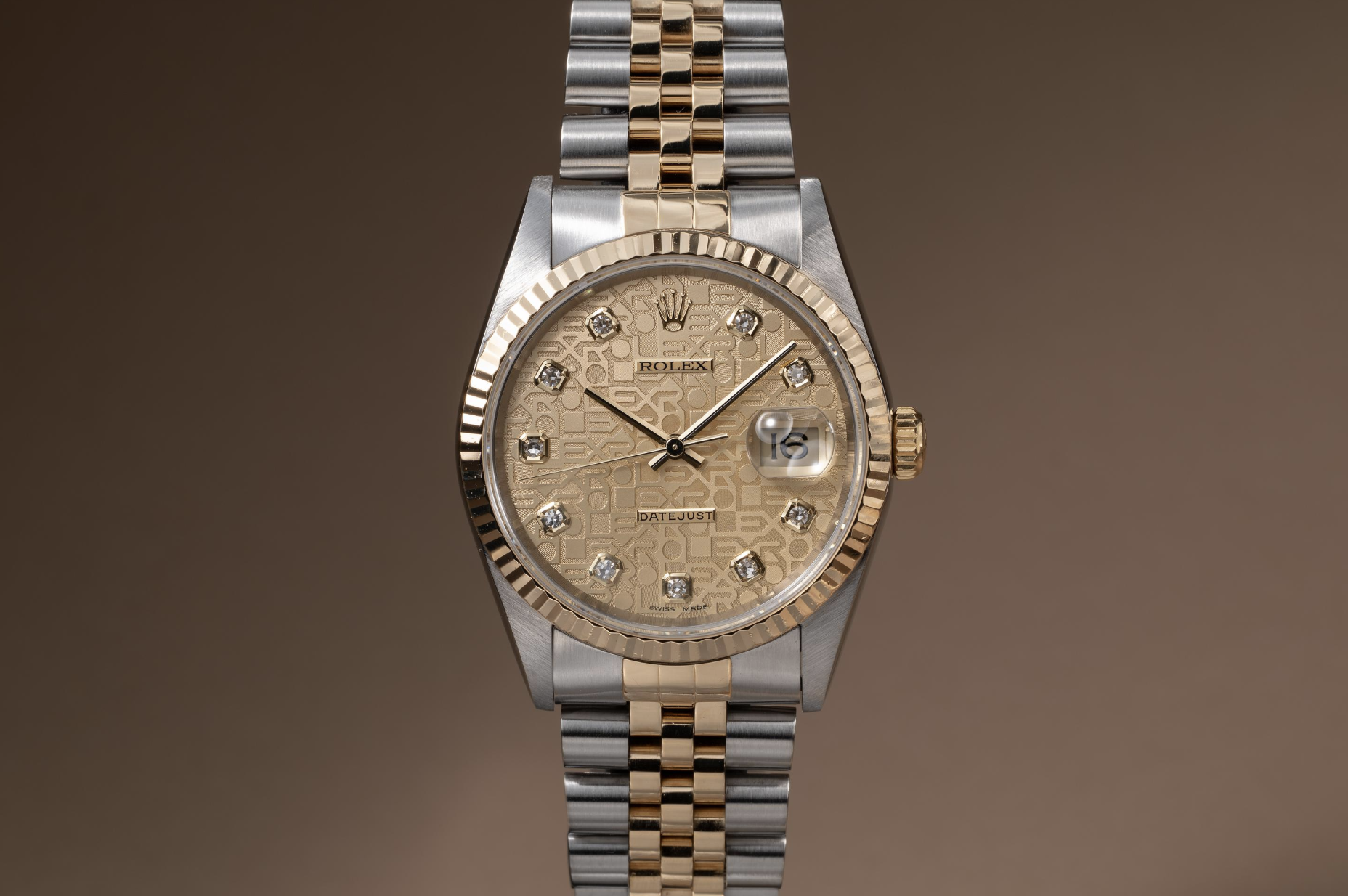
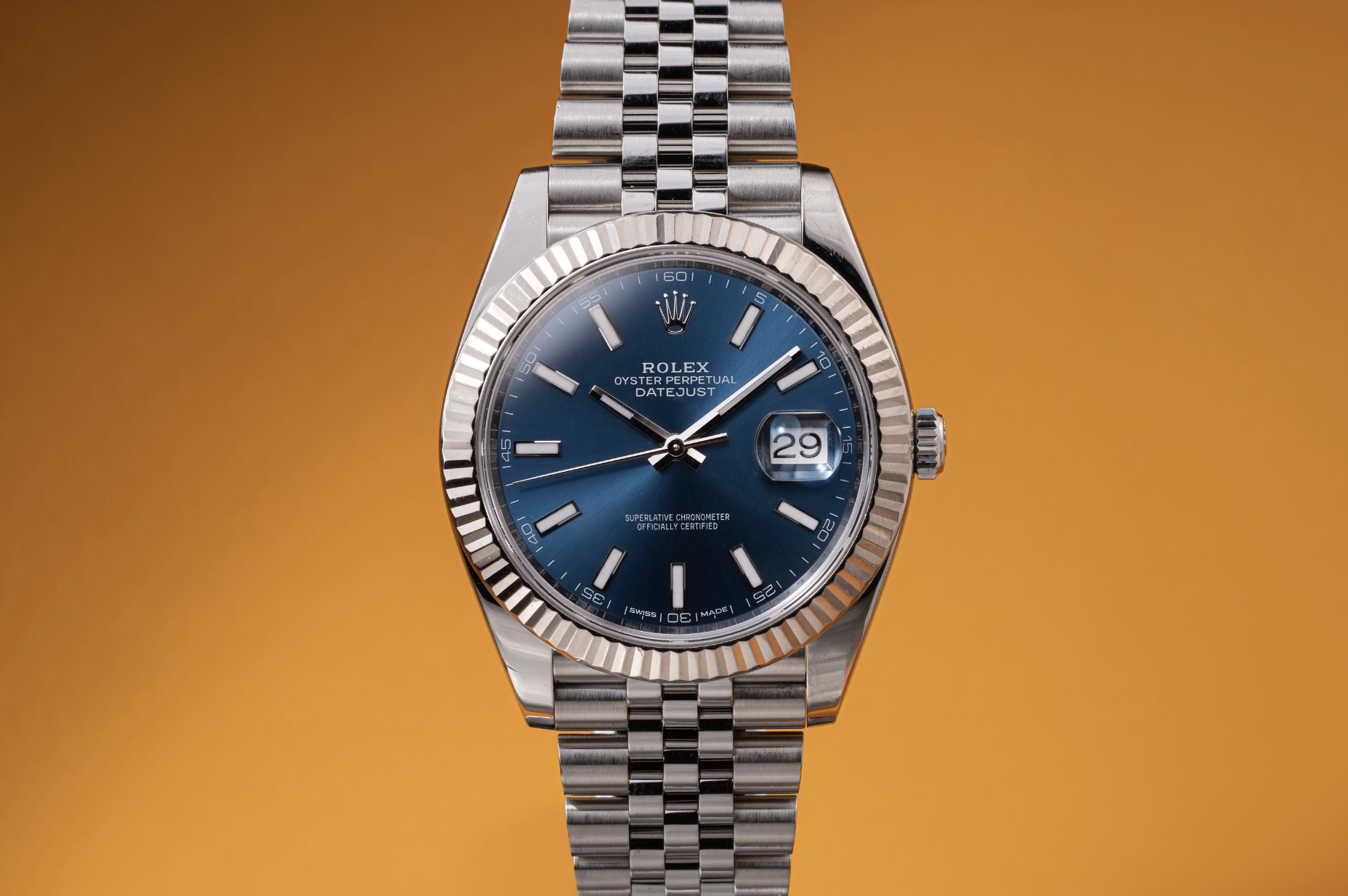
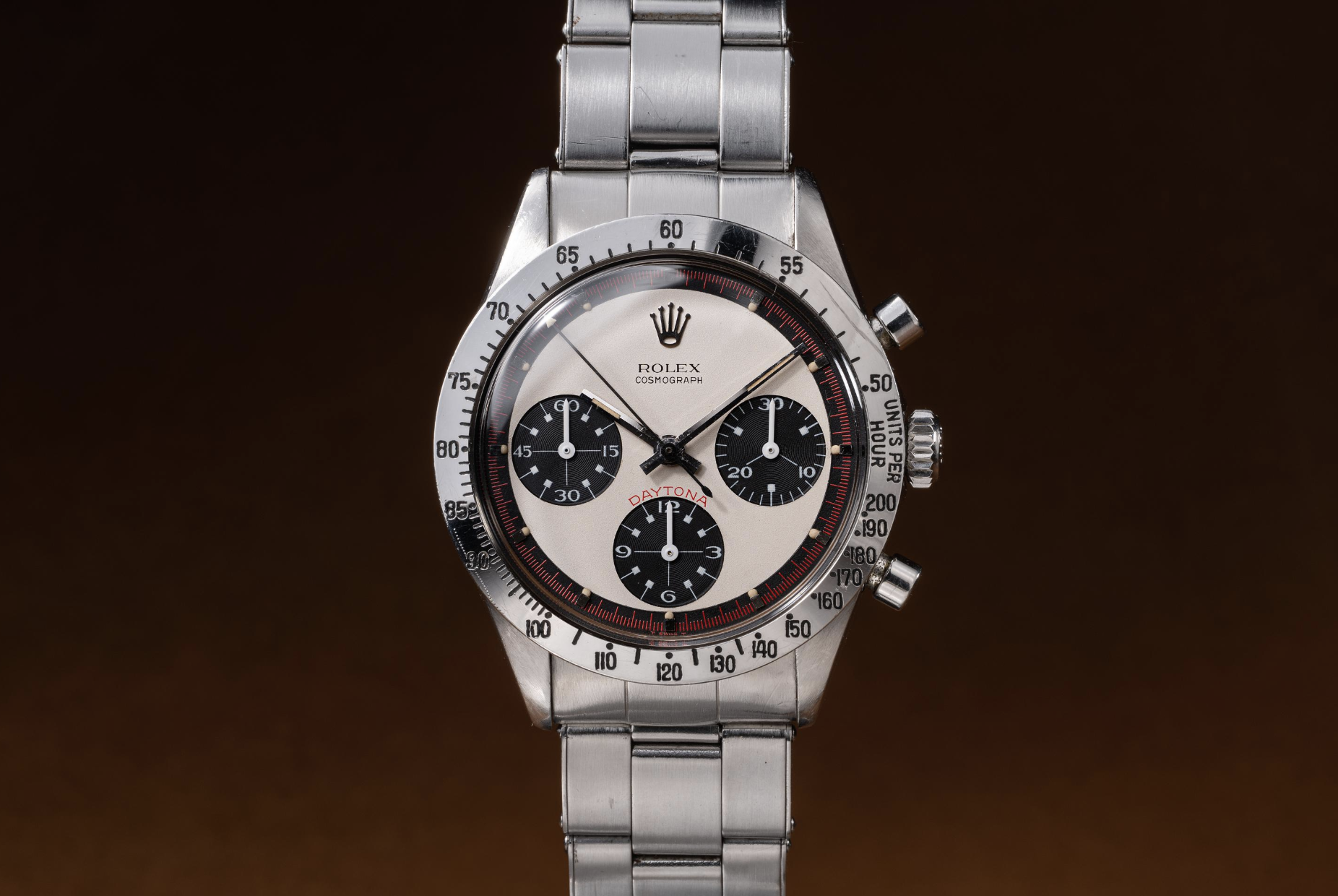



Table of Contents
Get More from the Journal