Omega Seamaster vs Tudor Pelagos: The Dive Watch Face-Off
Omega Seamaster vs Tudor Pelagos: Which Dive Watch Deserves Your Wrist?
Two names come up almost every time someone starts researching serious dive watches in the mid-to-upper price bracket: the Omega Seamaster and the Tudor Pelagos. Both have earned devoted followings, both are built for the water, and both carry enough horological credibility to satisfy even the most discerning collector. But they are not the same watch, and choosing between them means understanding what each one actually brings to the table. This is that breakdown.
A Brief History of Each Watch
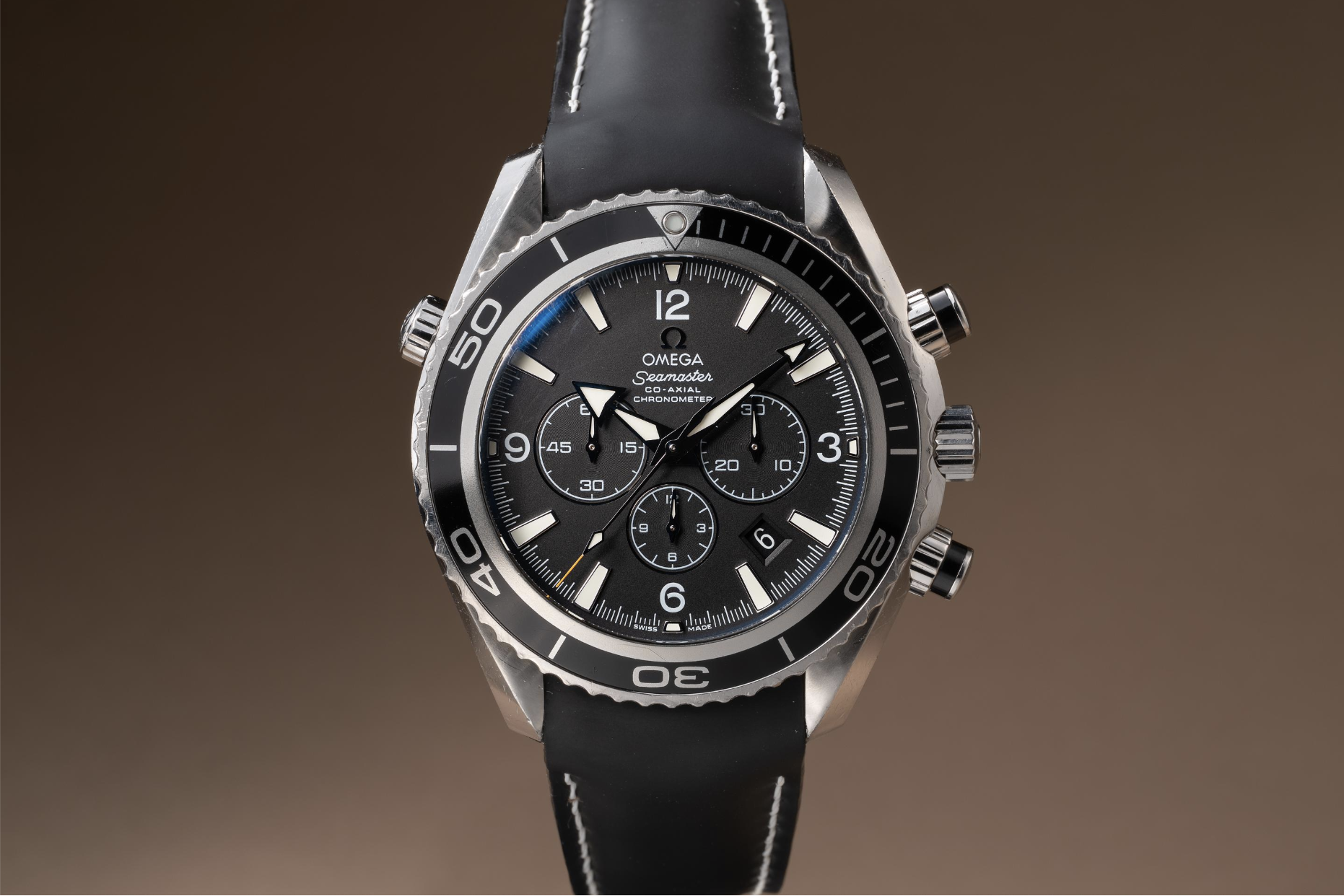
The Omega Seamaster line dates back to 1948, originally created to celebrate Omega's 100th anniversary and designed as a watch rugged enough for the elements. Over the decades it evolved into one of the most recognized dive watch families in the world, and the Professional Diver 300M variant, introduced in 1993, became a cultural landmark the moment it appeared on the wrist of James Bond. That kind of visibility matters in the watch world, whether purists admit it or not. Tudor launched the Pelagos in 2012 with a very specific ambition in mind: create a professional-grade dive watch that could compete at a high technical level while remaining more accessible than its parent brand, Rolex. The Pelagos came out swinging with a titanium case, an in-house movement, and a self-adjusting clasp system that the diving community immediately took seriously. For a watch only a little over a decade old, it has built a remarkably strong reputation in a short amount of time.
Case Design and Materials
The Omega Seamaster Professional Diver 300M is offered primarily in stainless steel, with various combinations including steel and ceramic, bi-color options, and precious metal variants. The current generation introduced in 2018 features a 42mm case with a wave-patterned dial that has become one of its most identifiable design elements. It has a coin-edged bezel, a helium escape valve, and water resistance rated to 300 meters. The Tudor Pelagos takes a different approach. The standard Pelagos comes in a 42mm titanium case, which makes it noticeably lighter on the wrist. Titanium is also more resistant to corrosion in saltwater environments, which is relevant for anyone who actually dives. Tudor introduced the Pelagos FXD in 2022, a model developed in collaboration with the French Navy, and the Pelagos 39 for those who prefer a slightly smaller profile. The material choice alone is a meaningful differentiator, and depending on your preference for feel and weight, it could be the deciding factor.
Movement and Technical Specifications
Inside the Omega Seamaster 300M sits the caliber 8800, a co-axial master chronometer movement that is both COSC-certified and meets Omega's own stricter Master Chronometer standard. This means it has been tested by METAS, Switzerland's federal metrology institute, and certified to perform within plus or minus 0 to 5 seconds per day. It also offers magnetic resistance up to 15,000 gauss, which is genuinely impressive for everyday wear in environments with electronic interference. Tudor's Pelagos runs on the caliber MT5602, an in-house movement with a 70-hour power reserve. That extended power reserve is one of the most practical advantages the Pelagos holds over many competitors, including the Seamaster. If you take the watch off for a long weekend, it will likely still be running when you pick it back up. Both movements are excellent, but they reflect different engineering priorities.
Dial Design and Legibility
The Seamaster's dial is distinctive. That horizontal wave pattern either speaks to you or it doesn't. Available in blue, black, green, and other variants, the dial is paired with applied indices and luminous filling that performs well in low-light conditions. The overall aesthetic leans toward refined sportiness, which is part of why it transitions so naturally from ocean to office. The Pelagos dial is more utilitarian by design. Luminova is applied generously, making it genuinely useful underwater in low visibility. The overall presentation is cleaner, more tool-watch-oriented, and less concerned with crossover appeal. That is not a criticism. It is a design philosophy, and it aligns closely with what serious divers actually want from a watch they plan to use.
Strap and Bracelet Options
Both watches come with multiple wearing options, but the approach differs. The Seamaster is available on a metal bracelet with a fold-over clasp, or on various rubber and fabric strap options depending on the reference. The bracelet version feels premium and polished, consistent with the Seamaster's broader positioning as a luxury sports watch. Tudor engineered the Pelagos with a clever self-adjusting clasp system that expands and contracts based on water pressure changes. This is a practical feature that actually matters underwater, and it came standard before many brands thought to offer it. The Pelagos is also often sold with a rubber strap and a fabric strap in the box, giving the buyer two options from day one without additional cost.
Price Comparison and Value Proposition
This is where the conversation often gets interesting. The Omega Seamaster Professional Diver 300M retails in the range of approximately $5,500 to $6,500 USD depending on configuration, though precious metal variants climb significantly higher. The Tudor Pelagos typically retails between $3,800 and $4,500 USD, depending on the reference. That price gap is not enormous in the context of luxury watches, but it is meaningful. What you are weighing is the value of Omega's brand heritage and METAS certification against Tudor's practical engineering and in-house movement with a 70-hour reserve. Neither choice is wrong. They simply reflect different priorities.
Who Should Buy Each Watch
The Omega Seamaster Professional Diver 300M is the right watch for someone who wants a dive watch with serious brand recognition, refined aesthetics, and technical credentials that hold up under scrutiny. It suits collectors who want a piece that reads as a luxury sports watch first and a dive tool second. It wears beautifully in professional and social settings.
The Tudor Pelagos belongs on the wrist of someone who values technical performance, material quality, and practical engineering over prestige positioning. It is the choice for those who want a serious dive watch that functions as well as it looks, at a price point that leaves room in the budget for other pieces. If you are building a collection, the Pelagos is the kind of anchor piece that allows flexibility elsewhere.
Resale Value and Collectibility
On the secondary market, the Omega Seamaster Professional 300M holds its value consistently, particularly in the blue dial configuration and references tied to notable design generations. Omega's global brand recognition supports this. Tudor has gained significant traction on the secondary market in recent years, which is a notable shift from even a decade ago. The Pelagos FXD and certain limited references have attracted genuine collector interest. Neither brand competes with Rolex in terms of secondary market premiums, but both represent sound value retention relative to most luxury watches at their respective price points.
Why Tropical Watch Is the Right Starting Point for Serious Collectors
Whether you are drawn to the polished refinement of the Omega Seamaster or the functional engineering of the Tudor Pelagos, the decision ultimately comes down to knowing your options. That process is easier with access to a trusted source that understands the nuances of the market. Tropical Watch has built a reputation in the collector community for sourcing and presenting exceptional timepieces with full transparency, and for buyers serious about expanding their collection, working with specialists who actually know the material makes a real difference. If your interest in dive watches has opened a broader curiosity about horology and vintage collecting, exploring the curated selection at Tropical Watch, a trusted source for rare and vintage luxury watches, is a natural next step for anyone ready to move beyond the entry-level conversation and into the deeper world of serious watchmaking.
Frequently Asked Questions
Is the Tudor Pelagos better than the Omega Seamaster?
Neither watch is objectively better. The Pelagos offers titanium construction, a 70-hour power reserve, and a lower price point. The Seamaster offers stronger brand recognition, METAS certification, and a broader range of configurations. The better choice depends entirely on what you prioritize.
What is the water resistance rating for the Omega Seamaster 300M and the Tudor Pelagos?
The Omega Seamaster Professional Diver 300M is water resistant to 300 meters. The Tudor Pelagos is water resistant to 500 meters, giving it a technical edge for professional diving applications.
Does Tudor make its own movements?
Yes. Tudor has produced in-house movements since 2015. The Pelagos runs on the caliber MT5602, a movement developed and manufactured by Tudor, offering a 70-hour power reserve and COSC-level accuracy.
Which watch holds its value better, the Seamaster or the Pelagos?
The Omega Seamaster has a longer track record on the secondary market and generally holds value well, supported by its global brand recognition. Tudor has improved significantly in terms of resale value in recent years, particularly for limited and special edition Pelagos references.
Is the Tudor Pelagos a good alternative to a Rolex?
Tudor is owned by the same parent company as Rolex and shares manufacturing resources. The Pelagos is widely regarded as one of the best value propositions in serious dive watches, and many collectors consider it an excellent option alongside or ahead of comparable Rolex references given its technical specifications and price.
What makes the Omega Seamaster so iconic?
The Omega Seamaster earned lasting cultural recognition through its association with the James Bond franchise beginning in 1995, but its reputation rests equally on its long production history dating to 1948, consistent technical innovation, and the introduction of the co-axial escapement and Master Chronometer certification in modern references.

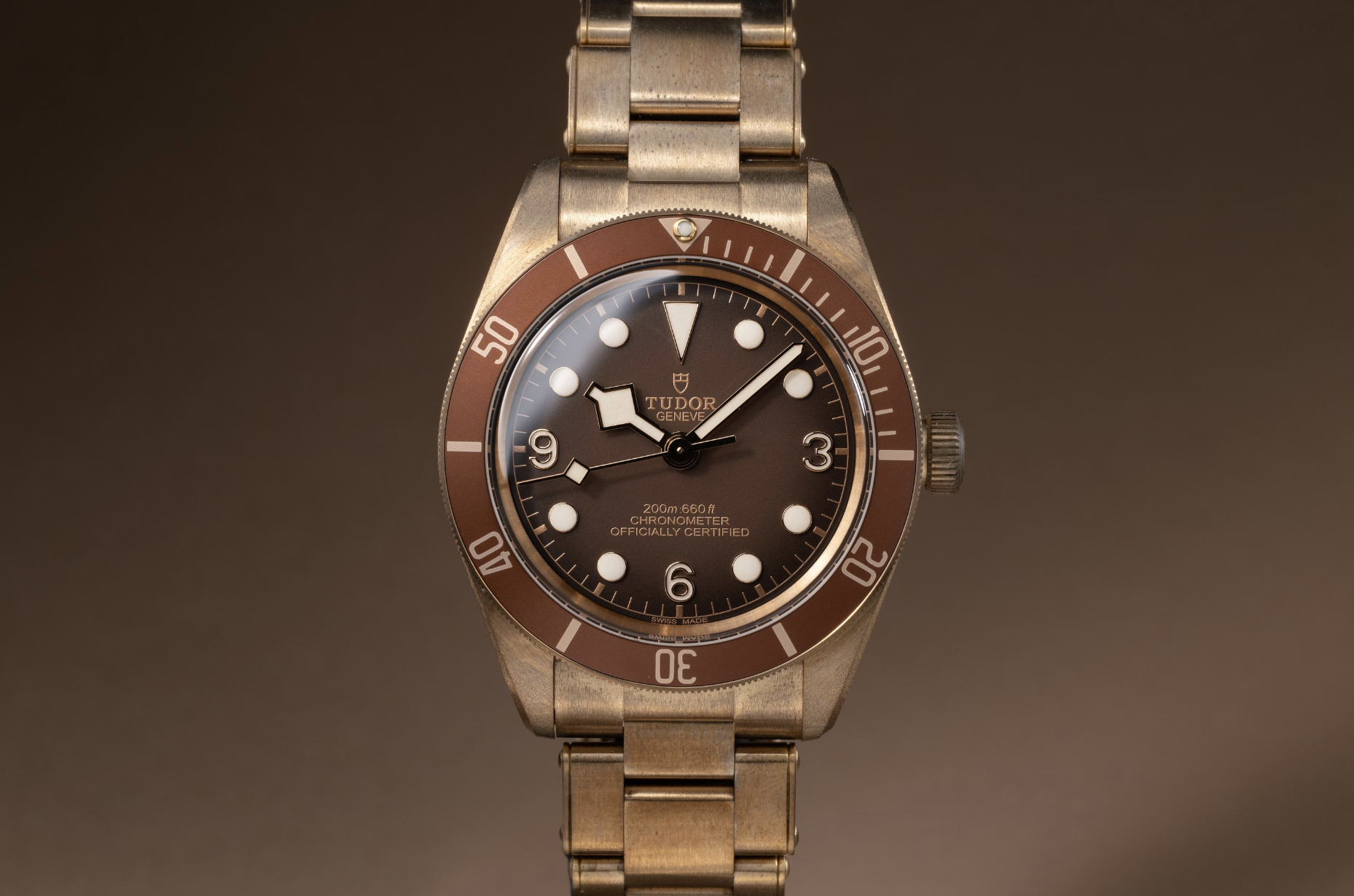




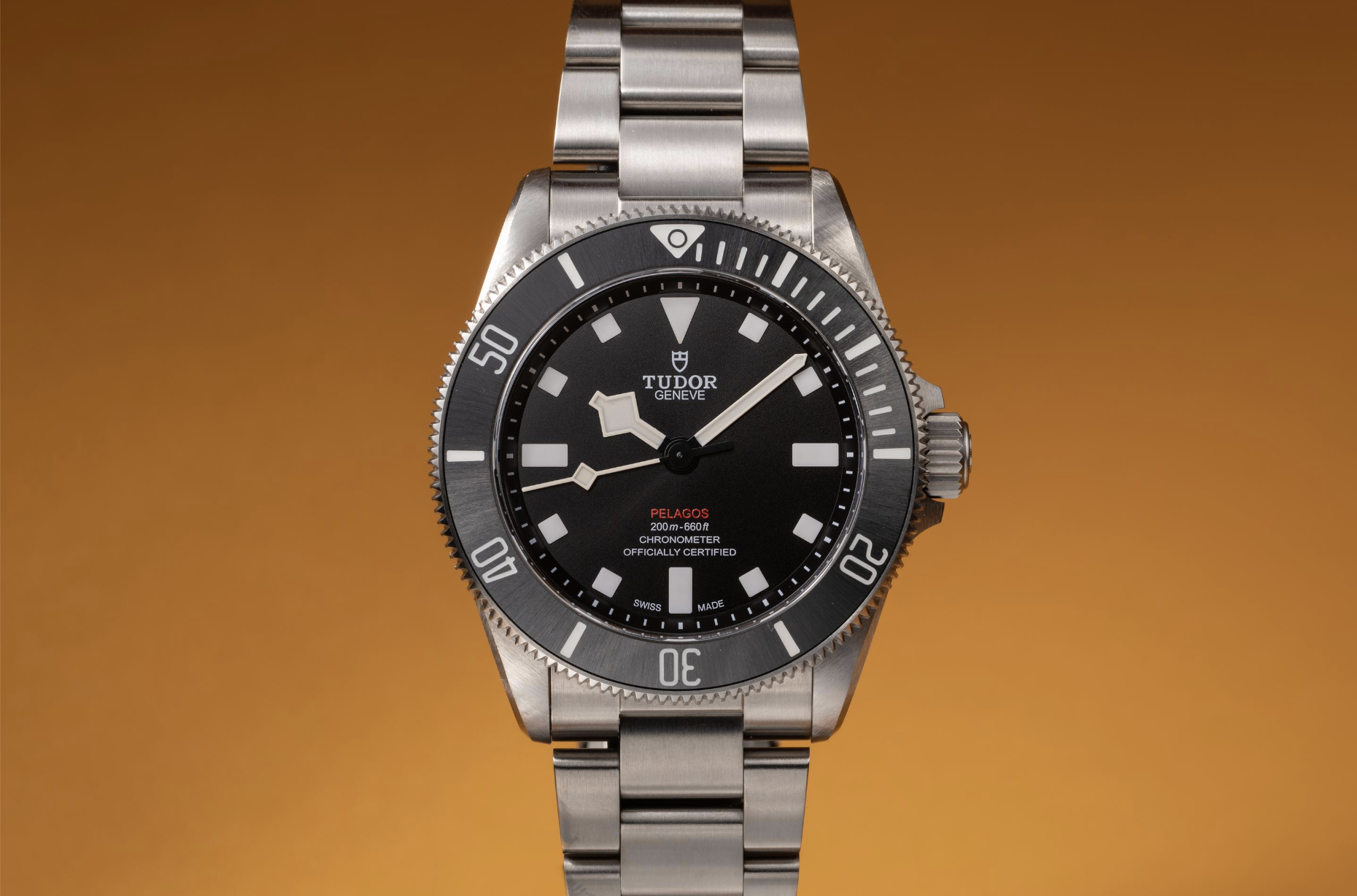




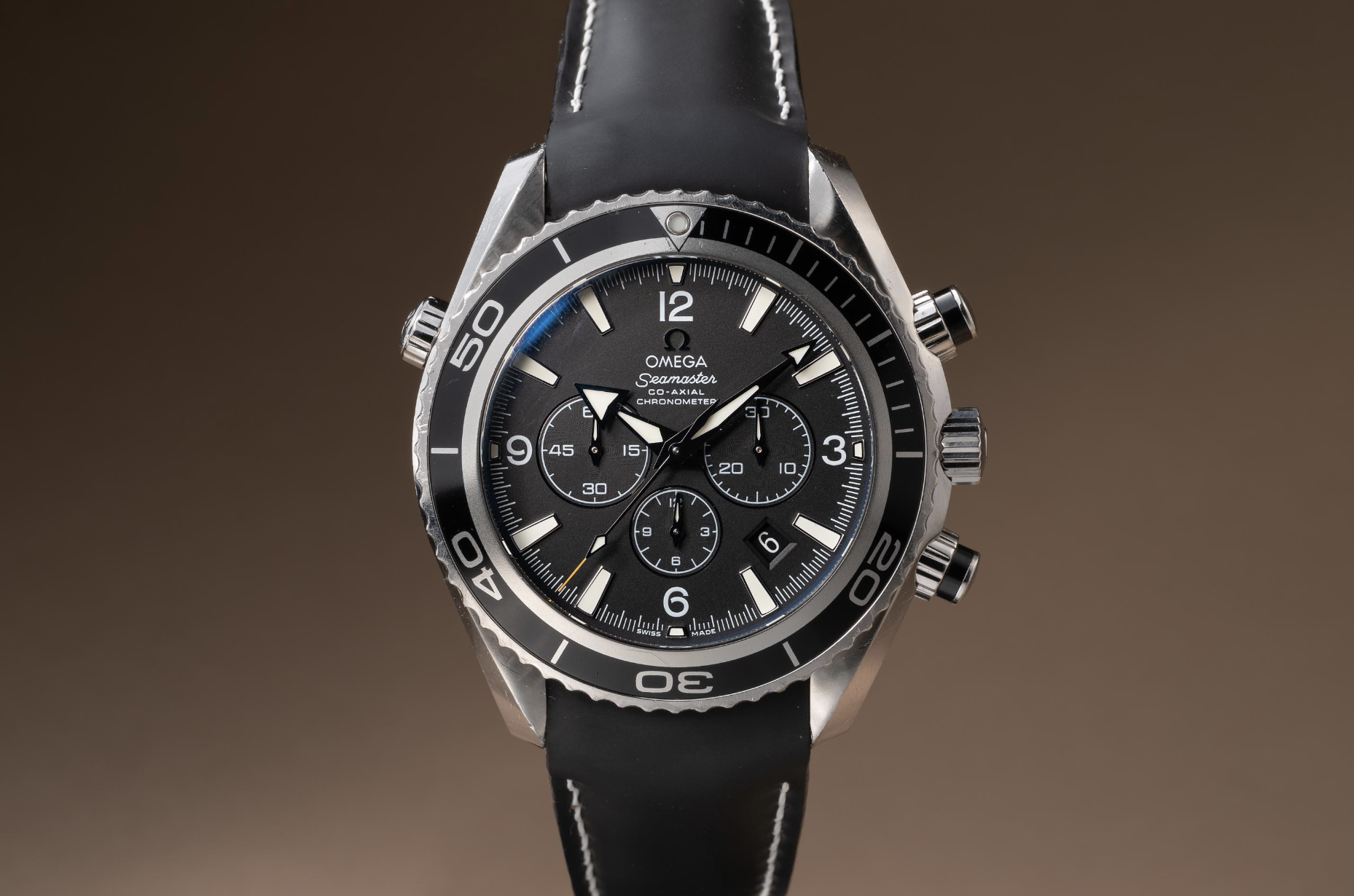










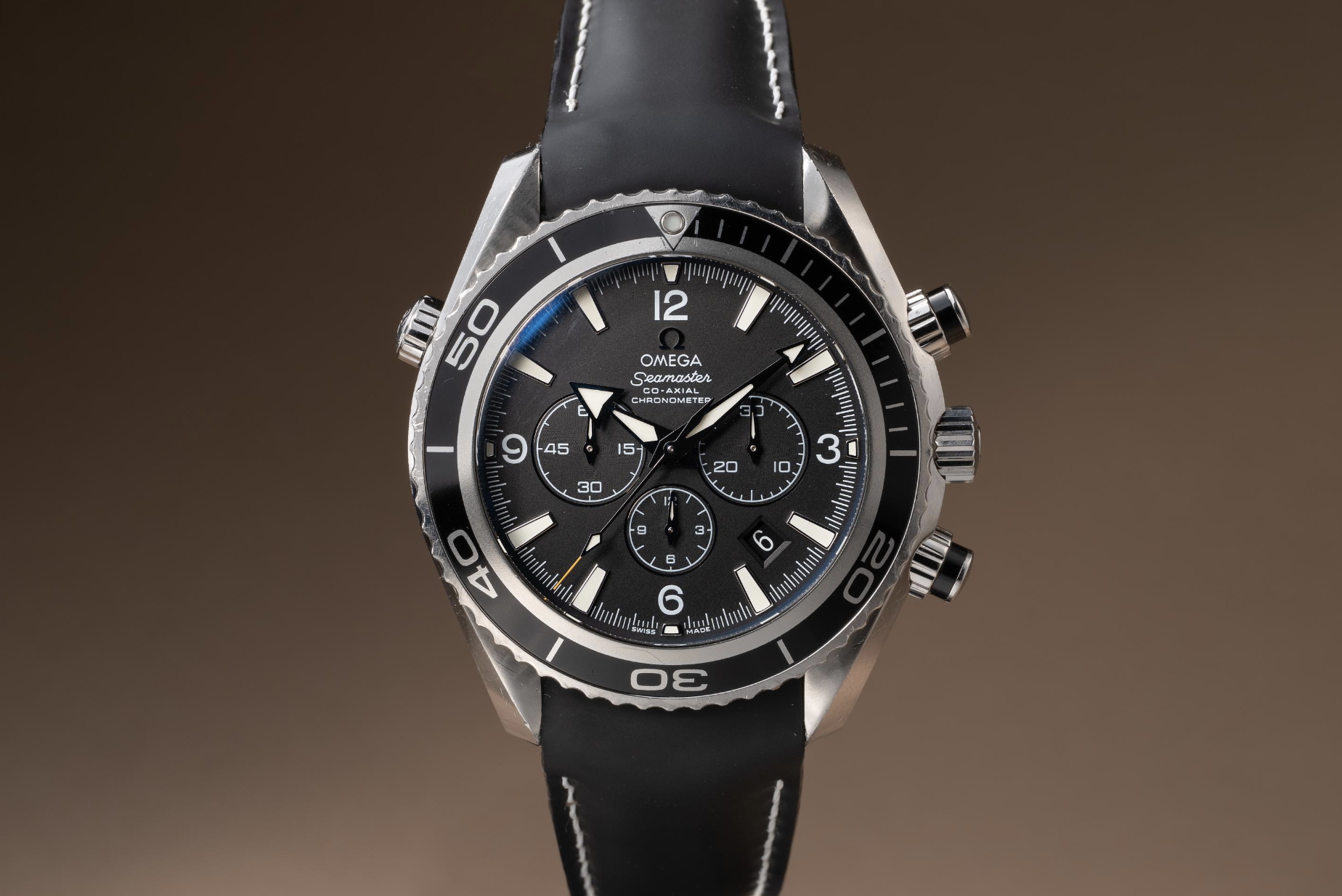













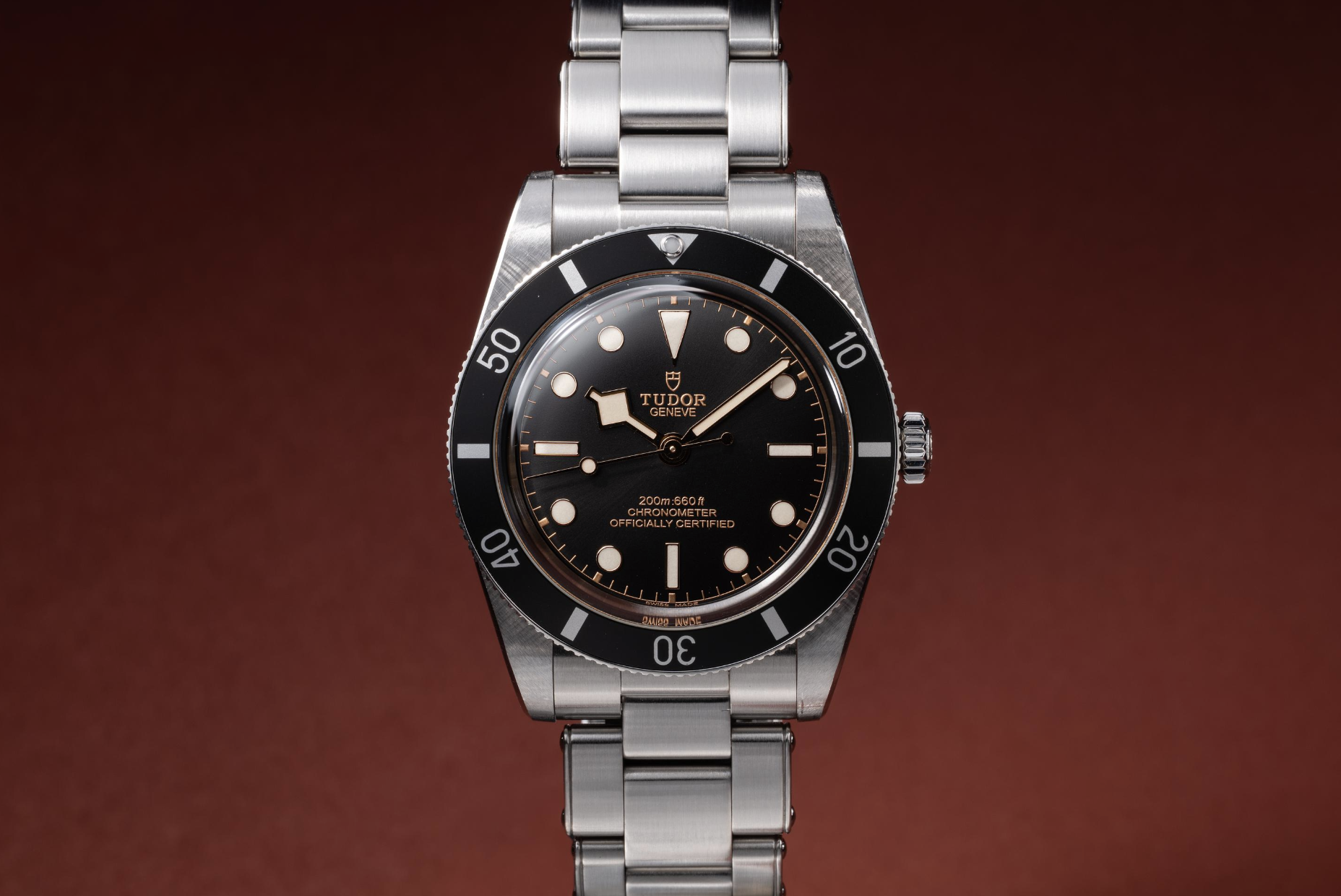






Table of Contents
Get More from the Journal