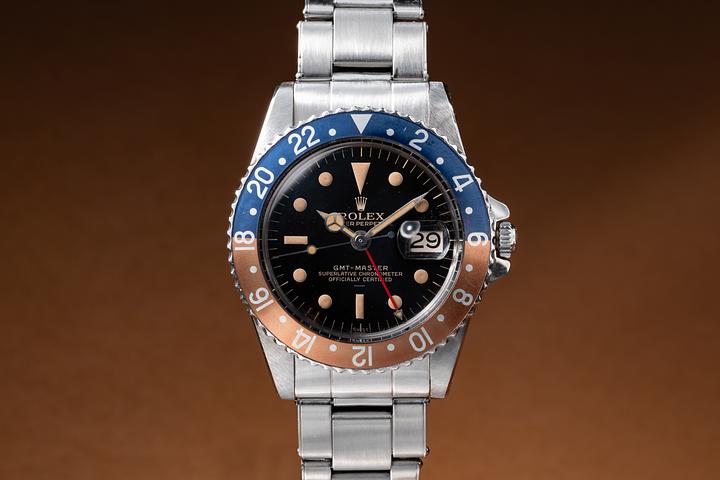
Rolex Care and Maintenance: Keep Your Watch Running Right

Why Rolex Care and Maintenance Matters More Than You Think
A Rolex is not just a watch. It is a precision instrument, a piece of history worn on the wrist, and in many cases, a financial asset that holds or increases in value over time. That last part tends to get overlooked when people are focused on how the watch looks or how it performs. The reality is that proper care and maintenance directly affects both. A well-maintained Rolex runs more accurately, lasts longer, and commands a stronger resale price. A neglected one does not. The good news is that taking care of a Rolex is not particularly complicated. It just requires some consistency and a basic understanding of what the watch actually needs to stay in top condition.
Understanding What Makes a Rolex Built to Last
Rolex watches are engineered to an exceptional standard. The brand uses 904L stainless steel for most of its Oyster models, which is a grade of steel typically reserved for aerospace and chemical industries due to its superior resistance to corrosion. The movements inside are manufactured almost entirely in-house, from the mainspring to the escapement. Rolex holds its own COSC-certified chronometer certification and in many models exceeds those tolerances internally. The sapphire crystals are scratch-resistant, and the cases are pressure-tested for water resistance. All of that engineering is impressive, but it does not mean the watch is indestructible. Seals wear out, lubricants dry up, and even 904L steel accumulates grime in the links over time. Knowing what you are working with helps set realistic expectations for what maintenance looks like and why it matters.
How Often Should a Rolex Be Serviced
Rolex recommends a full service approximately every ten years, though this depends on the model, usage, and age of the watch. Older vintage models may benefit from more frequent servicing, particularly if they were not consistently maintained in the past. A full service involves disassembling the movement, cleaning each component ultrasonically, inspecting for wear, replacing any parts that no longer meet specification, re-lubricating with precision oils and greases, reassembling, regulating, and testing. The case and bracelet are also polished or brushed during this process, and all gaskets are replaced to restore water resistance. Think of it like a mechanical engine that needs fresh oil and new seals at regular intervals. The timeframes are longer than a car, but the principle is the same.
Daily Habits That Protect Your Rolex
Routine care begins with how the watch is handled on a daily basis. There are several habits worth forming early on. Rinsing an Oyster model with fresh water after exposure to saltwater or chlorine is one of the most overlooked but important steps. Salt and pool chemicals accelerate gasket degradation and can leave mineral deposits in the bracelet links. Wiping the watch down with a soft lint-free cloth after wearing it removes oils from the skin that build up over time. Avoiding extreme temperature changes helps protect the lubricants inside the movement. Keeping the crown fully screwed down on Oyster models maintains the water resistance rating. And setting the date when the watch is between roughly 9 PM and 3 AM in the evening cycle is something many owners do not know matters, but it does. Adjusting the date during that window can damage the date mechanism. These are small details, but collectively they protect the watch from avoidable wear.
Cleaning Your Rolex at Home
Home cleaning is appropriate for surface dirt and everyday grime, and most owners can do this without any risk to the watch as long as they follow a few straightforward guidelines. For Oyster and Oyster Perpetual models with a secured, screwed crown, the watch can be rinsed under lukewarm running water. A soft-bristled brush, like a clean toothbrush, can be used gently on the bracelet links and around the lugs to dislodge buildup. Soap is optional but should be mild if used at all. After cleaning, the watch should be dried thoroughly with a soft cloth and allowed to air dry before being stored. For leather straps, water is not appropriate. Leather should be kept dry and conditioned occasionally with a product designed for fine leather goods. Rubber and fabric straps can be rinsed but should also be dried fully to prevent odor or degradation.
Bracelet and Case Care for Long-Term Appearance
The bracelet is often the first place wear becomes visible on a Rolex. The links accumulate dirt and body oils, and the metal can develop a stretched, loose quality over years of wear. Most Rolex bracelets, including the Oyster and Jubilee designs, have link adjustment systems that allow for some resizing, but the overall stretch requires professional attention during servicing. Polishing is a topic worth addressing carefully. Rolex uses a combination of polished and brushed surfaces on many models, and blending those finishes requires skill and the correct tools. Attempting to polish a Rolex at home with abrasive products or cloths can permanently round off edges and remove the intentional satin finish from brushed surfaces. If the case or bracelet needs a refinish, that work should be done by an authorized service center or a highly qualified independent watchmaker who understands the specific finishing of that reference.
Water Resistance and What It Actually Means
Rolex markets several models as being water resistant to specific depths, and those ratings are accurate when the watch is new and properly maintained. The Submariner, for example, is rated to 300 meters. The Sea-Dweller goes to 1,220 meters. Even the standard Datejust in an Oyster case is water resistant to 100 meters. The important qualifier in all of this is that water resistance depends entirely on the condition of the gaskets sealing the case. Those gaskets degrade over time, and a watch that has not been serviced in many years should not be assumed to be water resistant regardless of its original rating. An authorized Rolex service center or qualified watchmaker can pressure test the watch and replace gaskets as part of a standard service. If a Rolex is worn regularly in water, pressure testing more frequently than the standard service interval is a reasonable precaution.
Storing Your Rolex Properly When Not in Use
Storage is one of the simpler aspects of Rolex care, but still worth doing correctly. A watch that is not worn regularly should be stored in its original box or a quality watch case lined with a soft, non-abrasive material. Keeping it away from direct sunlight, humidity, and magnetic fields is important. Magnets are a more common threat than most people realize. Speakers, certain bag closures, tablet cases, and even some appliances emit magnetic fields that can affect the accuracy of a mechanical movement. If a Rolex starts running noticeably fast, magnetization is often the cause and can be corrected quickly by a watchmaker with a demagnetizing tool. For self-winding models that are worn infrequently, a watch winder can keep the rotor moving and the mainspring wound, though opinions vary on whether constant winding is ideal for long-term movement health. Either approach is acceptable as long as the winder is a quality unit that does not over-wind.
Why Tropical Watch Is the Right Source for Vintage Rolex and Expert Guidance
Understanding care and maintenance is part of owning a Rolex responsibly, but it all starts with acquiring the right watch from a source you can trust. Tropical Watch specializes in vintage and pre-owned Rolex watches, and the depth of knowledge behind every piece in the collection reflects a genuine commitment to the craft. Whether you are looking at a vintage Submariner, a Paul Newman Daytona, or a classic Datejust from decades past, condition and service history matter enormously. That is exactly the kind of detail that Tropical Watch takes seriously. For collectors and first-time buyers alike, sourcing a vintage Rolex watch from a trusted specialist dealer means getting honest information about the watch's history, its current condition, and what, if any, service work has been completed. The confidence that comes with that transparency is not something you can replicate through a general marketplace listing. Tropical Watch bridges the gap between the investment-level seriousness of vintage Rolex collecting and the accessible, informed experience that buyers deserve.
Frequently Asked Questions About Rolex Care and Maintenance
How often does a Rolex need to be serviced?
Rolex recommends servicing approximately every ten years under normal use. Vintage models or those used in demanding conditions may benefit from more frequent servicing. Regular service ensures accuracy, water resistance, and movement longevity.
Can I clean my Rolex at home without damaging it?
Yes, with the right approach. For Oyster models with a screwed crown, rinsing under lukewarm water and using a soft brush on the bracelet is safe. Avoid abrasive cloths, harsh chemicals, and never attempt home cleaning on a watch with a non-secured crown or a damaged seal.
What happens if I do not service my Rolex regularly?
Lubricants inside the movement dry out and cause increased friction between components, which leads to wear and reduced accuracy. Gaskets also degrade, compromising water resistance. Deferred maintenance typically results in more extensive and costly repairs over time.
Is it safe to wear a Rolex in the pool or ocean?
Most Oyster-cased Rolex watches are designed for water exposure, but their water resistance depends on the integrity of the seals. If the watch has not been serviced recently or pressure tested, it should not be assumed to be fully water resistant. Have it tested before regular water use.
Can a Rolex be demagnetized if it runs fast?
Yes. Magnetization is a common cause of sudden gain in accuracy and is one of the easier issues to correct. A qualified watchmaker can demagnetize a Rolex quickly using a standard demagnetizing tool. The process does not require disassembly and is typically done in minutes.
Does polishing a Rolex affect its value?
Yes, particularly for vintage models. Over-polishing removes material, rounds crisp edges, and eliminates the original brushed finish on certain surfaces. Collectors place significant value on original surfaces and sharp case geometry. For vintage Rolex watches especially, minimal polishing preserves both character and monetary value.