Custom Luxury Watches: Crafted for Those Who Know
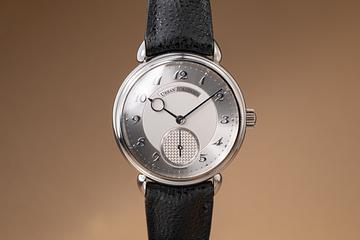
What Is a Custom Luxury Watch and Why Does It Matter
A custom luxury watch is exactly what it sounds like, a timepiece that has been personalized, modified, or built to a buyer's specific preferences. This can mean anything from selecting a unique dial color or case material, to commissioning an entirely bespoke movement from a prestigious maison. The concept has existed for centuries, but the modern appetite for individualized fine watchmaking has grown considerably over the past two decades. What was once a privilege reserved for royalty and heads of state is now, with the right connections and budget, accessible to a wider circle of collectors. Understanding what truly defines a custom luxury watch, and what separates a meaningful customization from a gimmick, is the first step in making a purchase you will never regret.
A Brief History of Bespoke and Custom Watchmaking
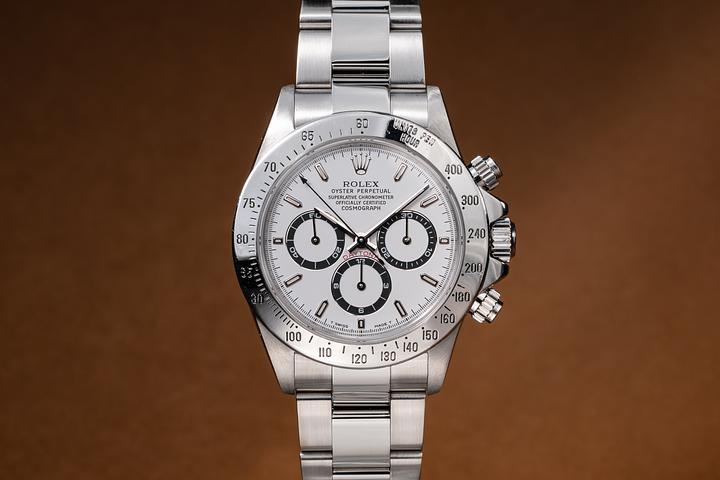
Custom watchmaking has roots stretching back to the 16th century, when European nobility commissioned pocket watches as diplomatic gifts and status symbols. Houses like Patek Philippe and Vacheron Constantin built their reputations in part by fulfilling highly specific requests from wealthy patrons, engraving cases, setting stones, and creating one-of-a-kind complications. By the 20th century, brands such as Rolex began offering variations in dial configurations and case materials that allowed a degree of personalization within a production framework. The concept of the "special order" dial, where clients could request uncommon colors or materials directly through authorized dealers, became a quiet but prestigious tradition. That history matters because it gives modern custom luxury watches their cultural weight. You are not just buying a modified product. You are participating in a legacy of craft that has defined fine watchmaking for hundreds of years.
Types of Custom Luxury Watch Options Available Today
The range of customization available in today's luxury watch market is broader than many buyers realize. Here is a breakdown of the most common categories:
- Manufacturer bespoke programs, offered directly by houses like A. Lange and Sohne, Patek Philippe, and F.P. Journe, where clients work with artisans to design a watch from the ground up
- Authorized dealer special orders, typically involving dial variations, metal combinations, or strap configurations not available in standard production
- After-market customization, performed by independent watchmakers and artisans who modify existing luxury timepieces with custom dials, gem settings, or case refinishing
- Vintage watch restoration and customization, where collectors work with specialists to bring a historic piece back to life with period-correct or personalized details
Each path carries different cost considerations, lead times, and implications for long-term value. Manufacturer bespoke programs often involve waiting lists measured in years. After-market customization can be faster but requires careful vetting of the craftspeople involved.
What Makes a Custom Luxury Watch Worth the Investment
The word investment gets used loosely in the watch world, so it is worth being precise. A custom luxury watch can hold or appreciate in value under specific conditions. First, the base timepiece matters enormously. Starting with a well-regarded reference from a historically significant brand creates a strong foundation. Second, the nature of the customization plays a role. Factory-authorized modifications or documented special orders tend to preserve value better than undisclosed after-market changes. Third, provenance and paperwork are critical. A custom piece that comes with documentation, original box, and traceable history is always worth more than one without. Collectors and auction houses consistently pay premiums for watches with clear, interesting stories attached to them. Beyond pure financials, a custom luxury watch represents something that a production piece rarely can: it was made, or altered, for someone specific. That narrative has real and lasting worth.
How to Choose the Right Customization for Your Lifestyle
Choosing the right custom path means being honest about how you actually plan to wear the watch. A highly gem-set dial is breathtaking at a formal dinner, but perhaps less practical for everyday wear. A custom sports watch with a personalized engraving and bespoke strap might be something you reach for daily. Think about case size, water resistance, and movement type as baseline practical concerns before layering on the aesthetic decisions. Also consider how much you want the watch to reflect a current preference versus something more timeless. Taste evolves. Customizations that lean toward clean, classic interpretations tend to age better than those chasing a trend. Working with a knowledgeable dealer or specialist rather than making decisions in isolation is almost always the smarter approach.
Key Materials and Complications in Custom Luxury Watches
Material selection is one of the most impactful decisions in the custom process. Common choices and what they signal include:
- 18-karat yellow, white, or rose gold, each carrying a distinct visual weight and historical association within fine watchmaking
- Platinum, reserved for the most serious pieces due to its density, rarity, and muted elegance
- Stainless steel, which has undergone a significant reputational elevation and now commands strong secondary market prices on desirable references
- Titanium and carbon composites, increasingly popular in high-end sports watches for their combination of lightness and durability
On the complication side, custom luxury watches sometimes incorporate additional functions beyond standard timekeeping. Tourbillons, perpetual calendars, minute repeaters, and chronographs are among the most prized. When commissioning or selecting a custom piece, the movement inside should receive as much attention as the exterior. A beautiful case around a mediocre movement is ultimately a missed opportunity.
Understanding the Role of Dials in Custom Watch Design
The dial is the face of the watch and the element that most immediately communicates its character. In custom luxury watchmaking, dial options include grand feu enamel, which is fired at extremely high temperatures to produce a glossy, luminous surface that ages beautifully over decades. Meteorite dials, cut from actual iron-nickel meteorite, offer a genuinely singular aesthetic. Lacquered dials, guilloche-engraved dials, and hand-painted miniature dials each represent a distinct craft tradition. For vintage watches, the dial condition and originality are paramount. An original, untouched "tropical" dial on a vintage Rolex, named for the warm brown tones developed through long-term UV and chemical exposure, can dramatically increase a watch's value compared to a replaced or refinished example.
Common Mistakes Buyers Make When Commissioning Custom Watches
There are a few patterns that tend to cause regret in the custom watch space. Over-personalizing to the point of unresaleability is one of the most common. A dial engraved with a nickname or a very specific date means something to the original owner and almost no one else, which creates a thin secondary market. Skipping proper research on the craftspeople or dealers involved is another significant risk. The luxury watch world, particularly the after-market customization segment, has seen well-documented cases of dials being swapped, cases being re-plated without disclosure, and modifications being presented as original factory configurations. Insisting on documentation, asking detailed questions, and working with established, reputable sources protects your investment and your trust in the piece itself.
Why Tropical Watch Is the Right Partner for Your Custom Luxury Watch Journey
Finding a trusted source in the luxury watch market, especially for custom pieces and investment-grade vintage references, requires more than a quick online search. Tropical Watch has spent years building a reputation for exactly this kind of carefully considered, knowledgeable service. Whether you are exploring your first serious watch purchase or adding a grail piece to a mature collection, the depth of expertise available makes a tangible difference. For collectors drawn to the intersection of history and personal expression, the inventory and guidance available at premium custom luxury watches and vintage Rolex specialists provides a standard of confidence that is difficult to replicate elsewhere. If you have been searching for a source that takes both the craft and the client seriously, Tropical Watch belongs at the top of your list.
Frequently Asked Questions About Custom Luxury Watches
What is the difference between a custom luxury watch and a limited edition watch?
A limited edition watch is produced in a finite quantity by a manufacturer and sold through standard retail channels. A custom luxury watch is either commissioned specifically for an individual or modified to unique personal specifications, making it singular rather than one of a numbered series.
Do custom modifications affect a luxury watch's resale value?
They can, in both directions. Factory-authorized or documented special order modifications generally preserve or enhance value. Undisclosed after-market changes, particularly those affecting the dial or movement, can reduce value significantly on the secondary market.
How long does it take to commission a bespoke luxury watch from a major manufacturer?
Wait times vary considerably by house and the complexity of the request. Some manufacturers operate waiting lists of two to five years for fully bespoke commissions. Authorized dealer special orders can sometimes be fulfilled within one to two years.
Are vintage Rolex watches a good starting point for custom watch collecting?
Vintage Rolex references have historically shown strong value retention and significant appreciation over time, making them a compelling entry point. Their broad collector base, well-documented history, and parts availability also make them practical choices for thoughtful restoration projects.
What should I look for when verifying the authenticity of a custom luxury watch?
Request complete documentation including original purchase receipts, service records, and any correspondence related to customization. Have the piece examined by an independent watchmaker or authentication specialist before purchase. Provenance, originality of parts, and consistency of serial numbers are all critical checkpoints.
Is after-market dial customization considered acceptable in the luxury watch community?
Opinions vary across collector communities. When disclosed transparently and executed by skilled craftspeople, after-market customization is generally accepted as a personal expression choice. Concealment of modifications, however, is viewed as a serious ethical and financial issue within the broader collector market.



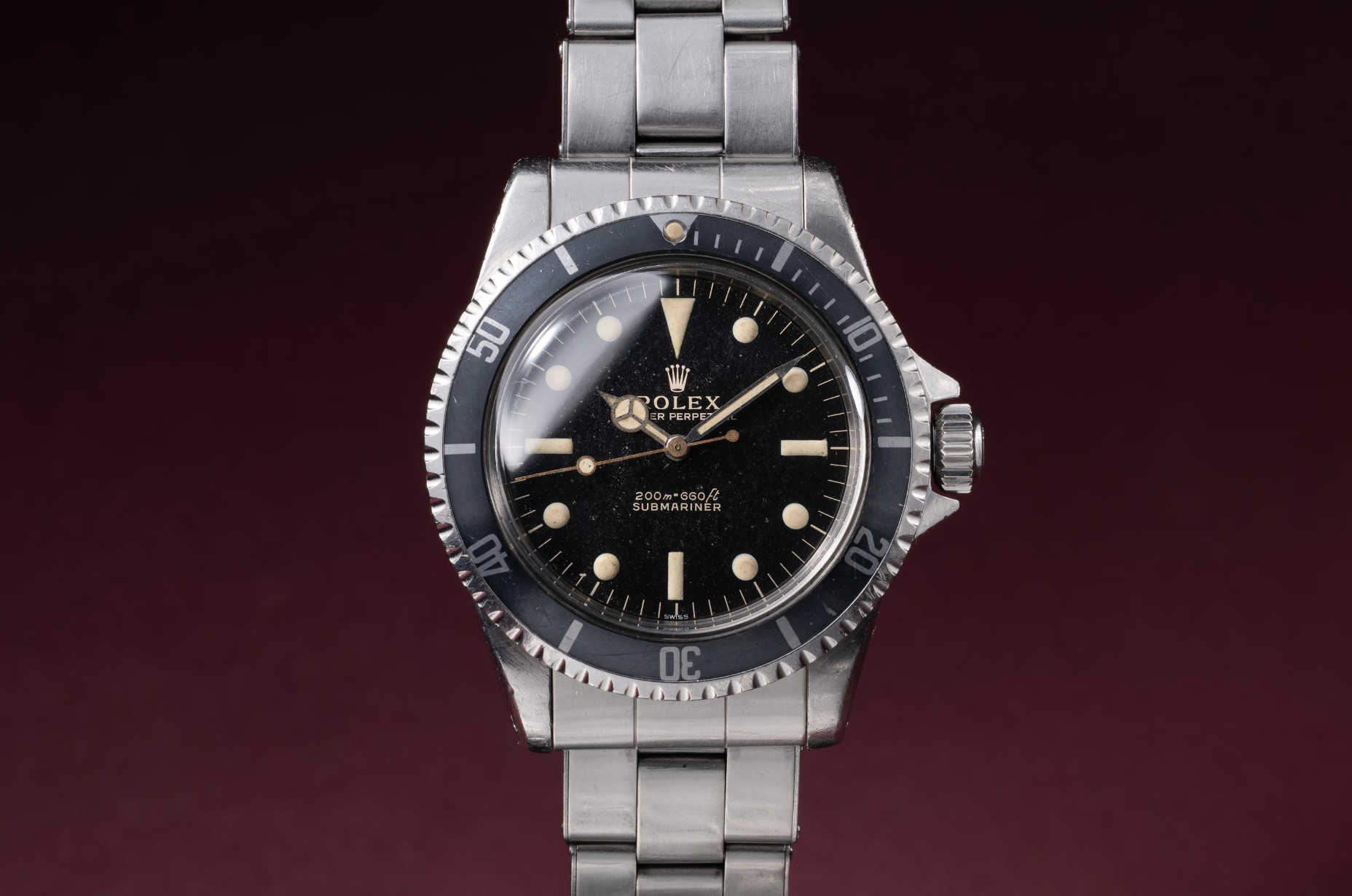






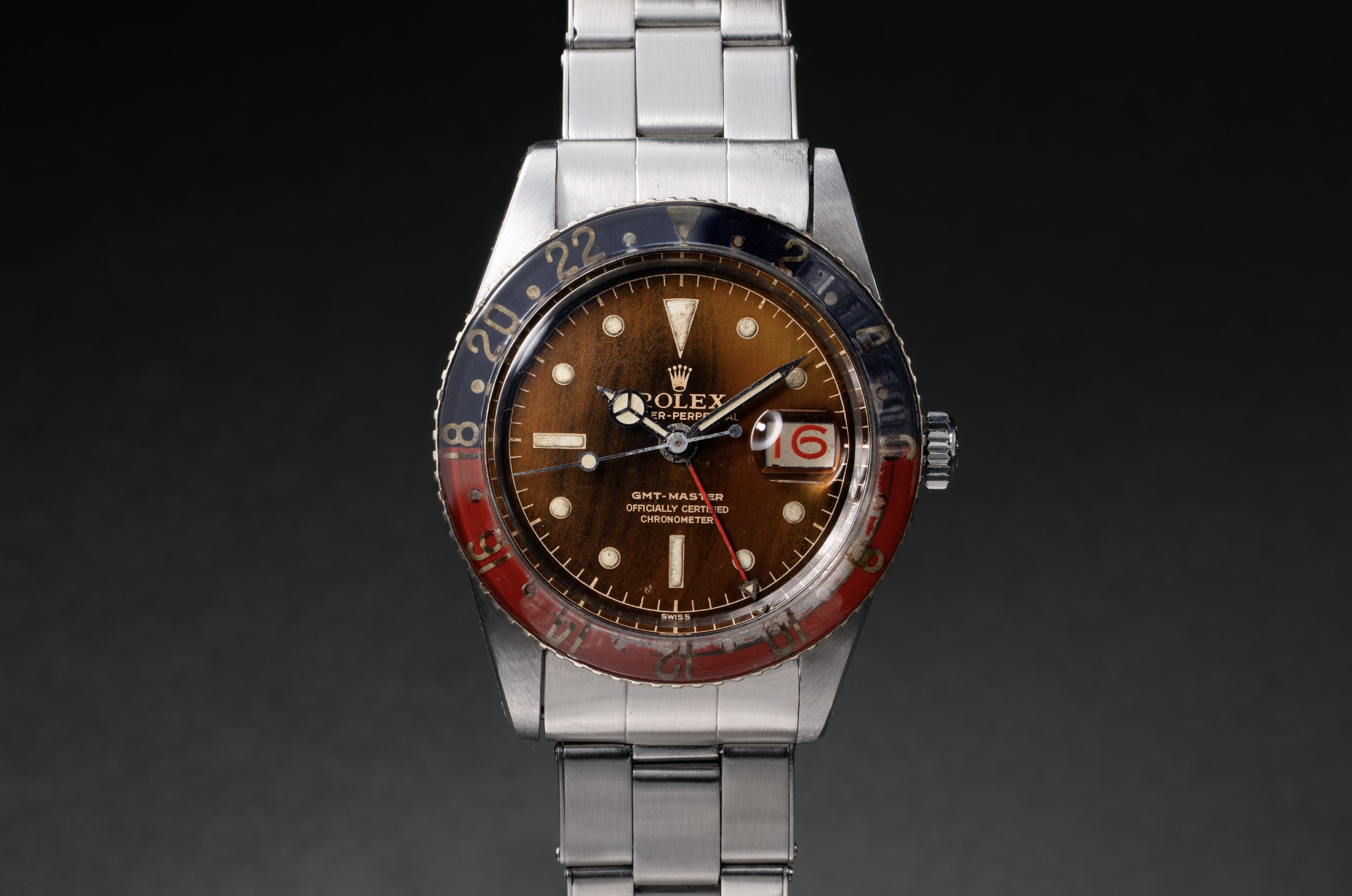




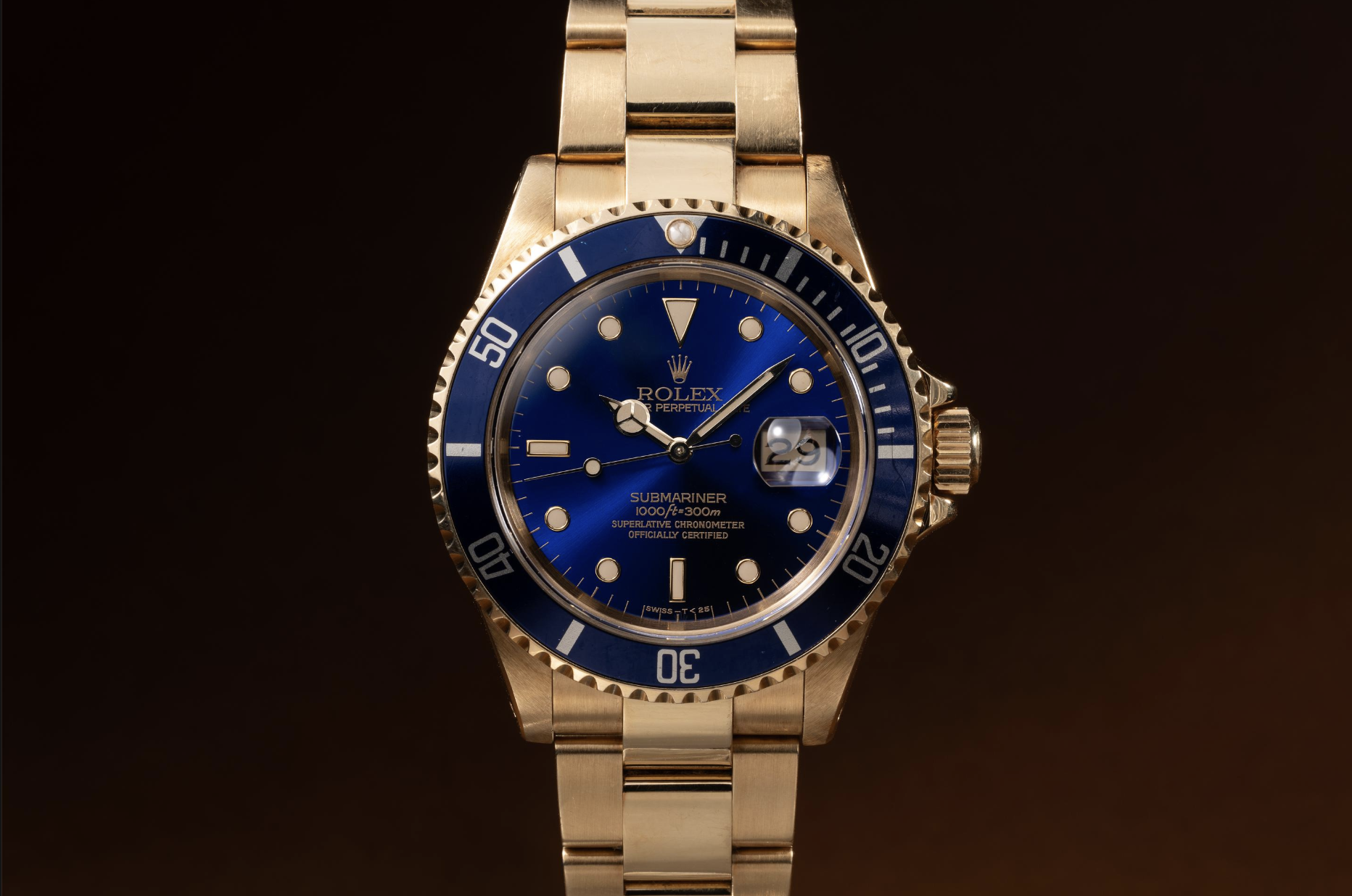




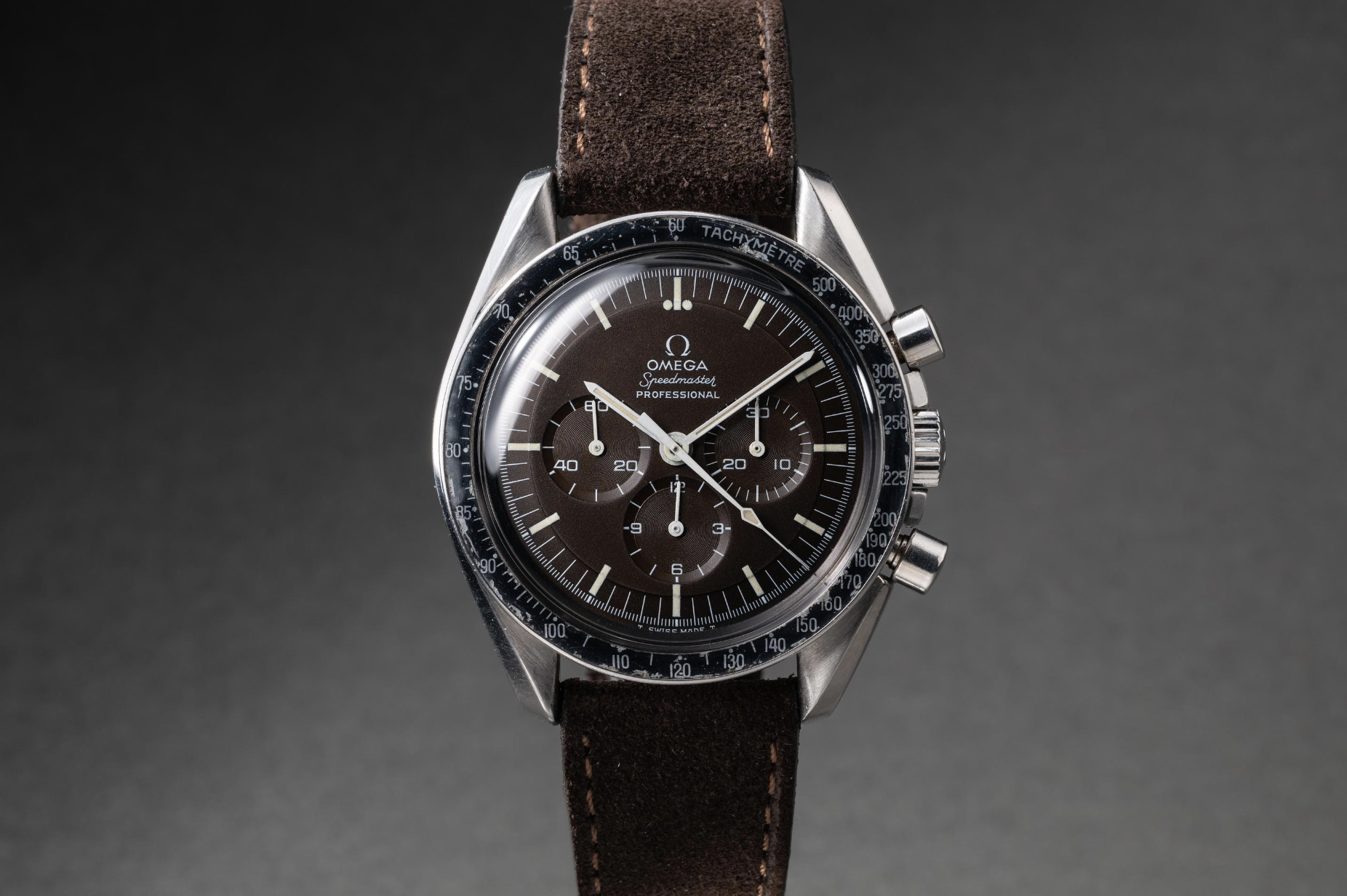




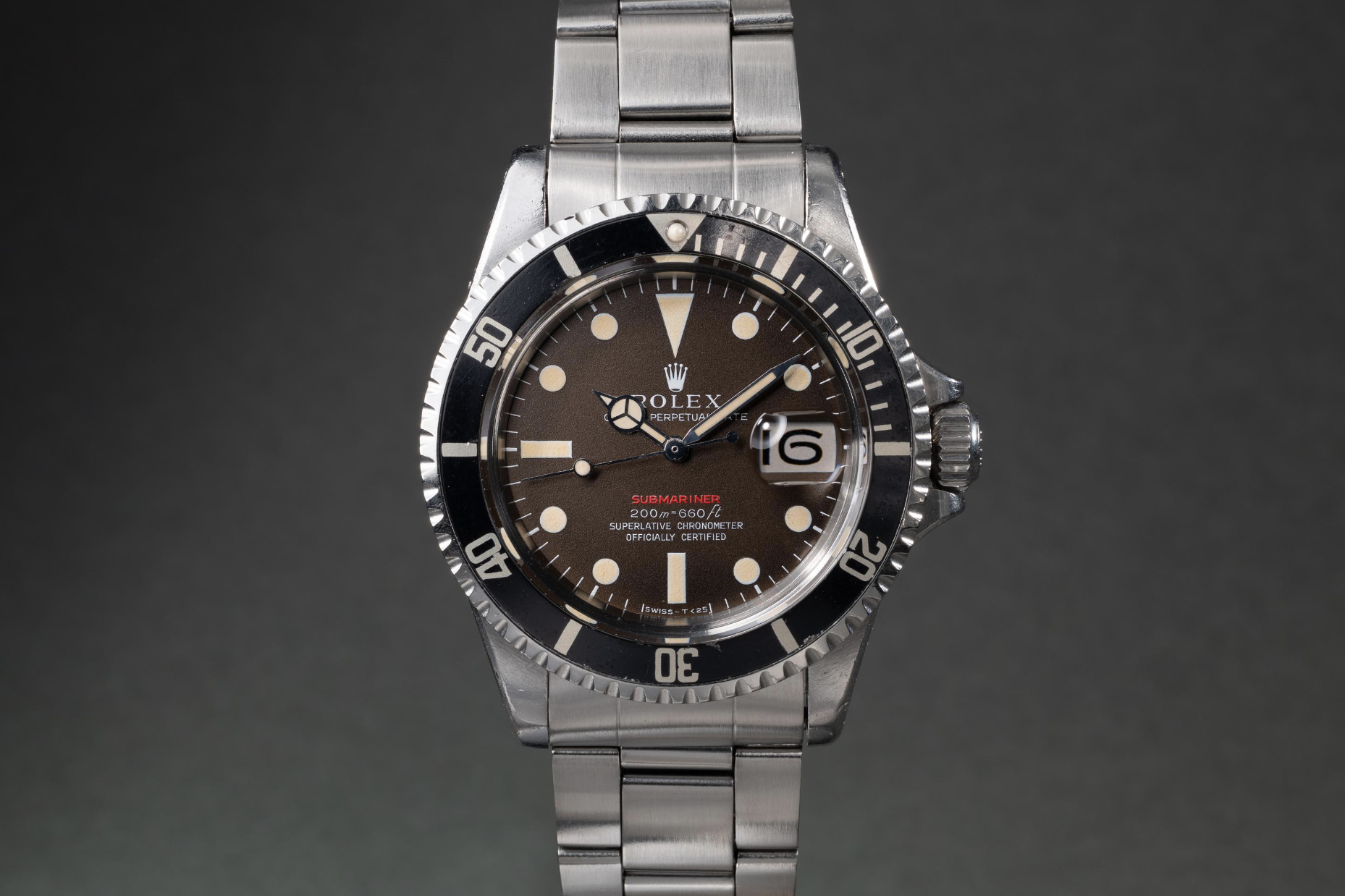


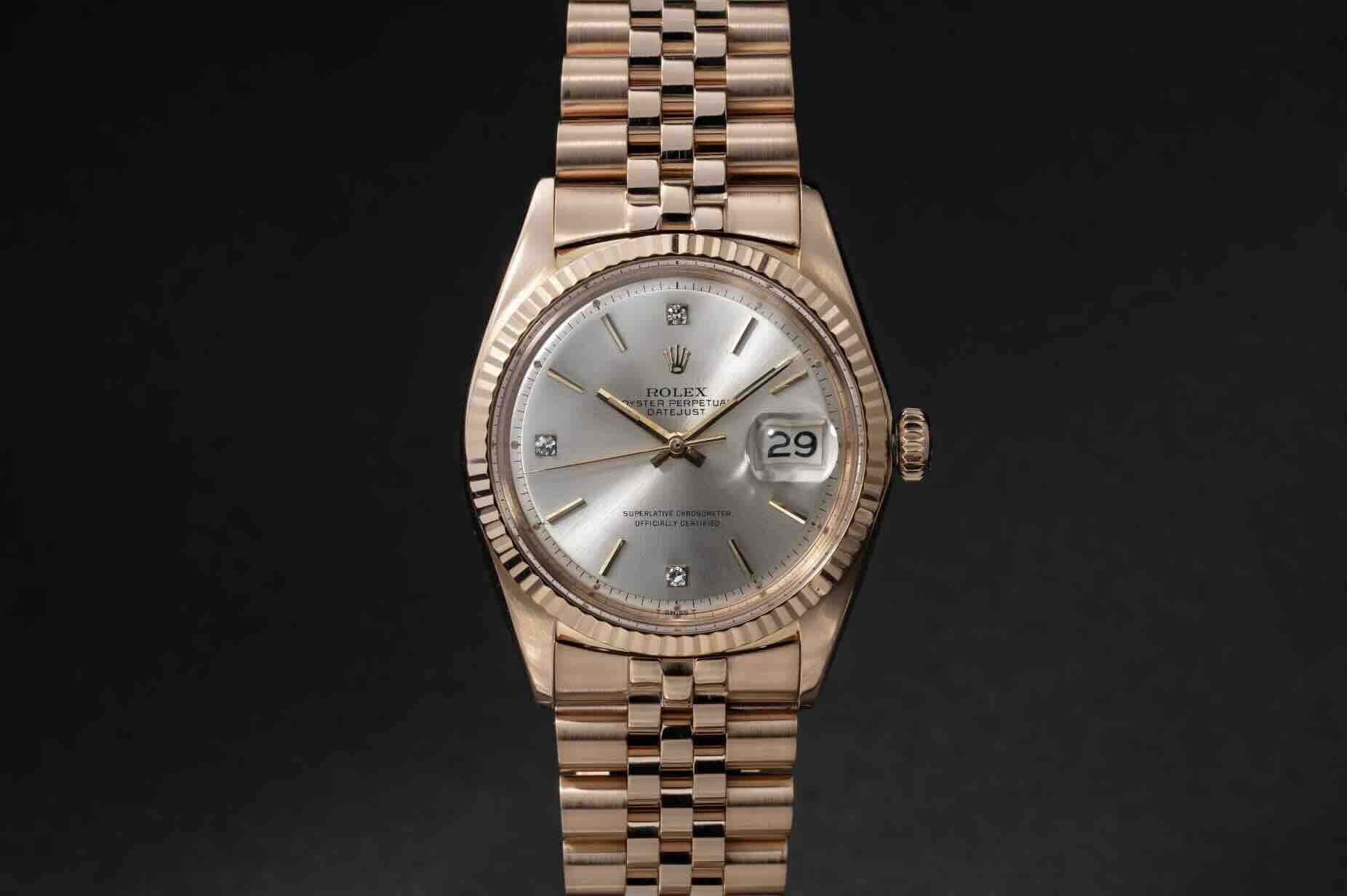


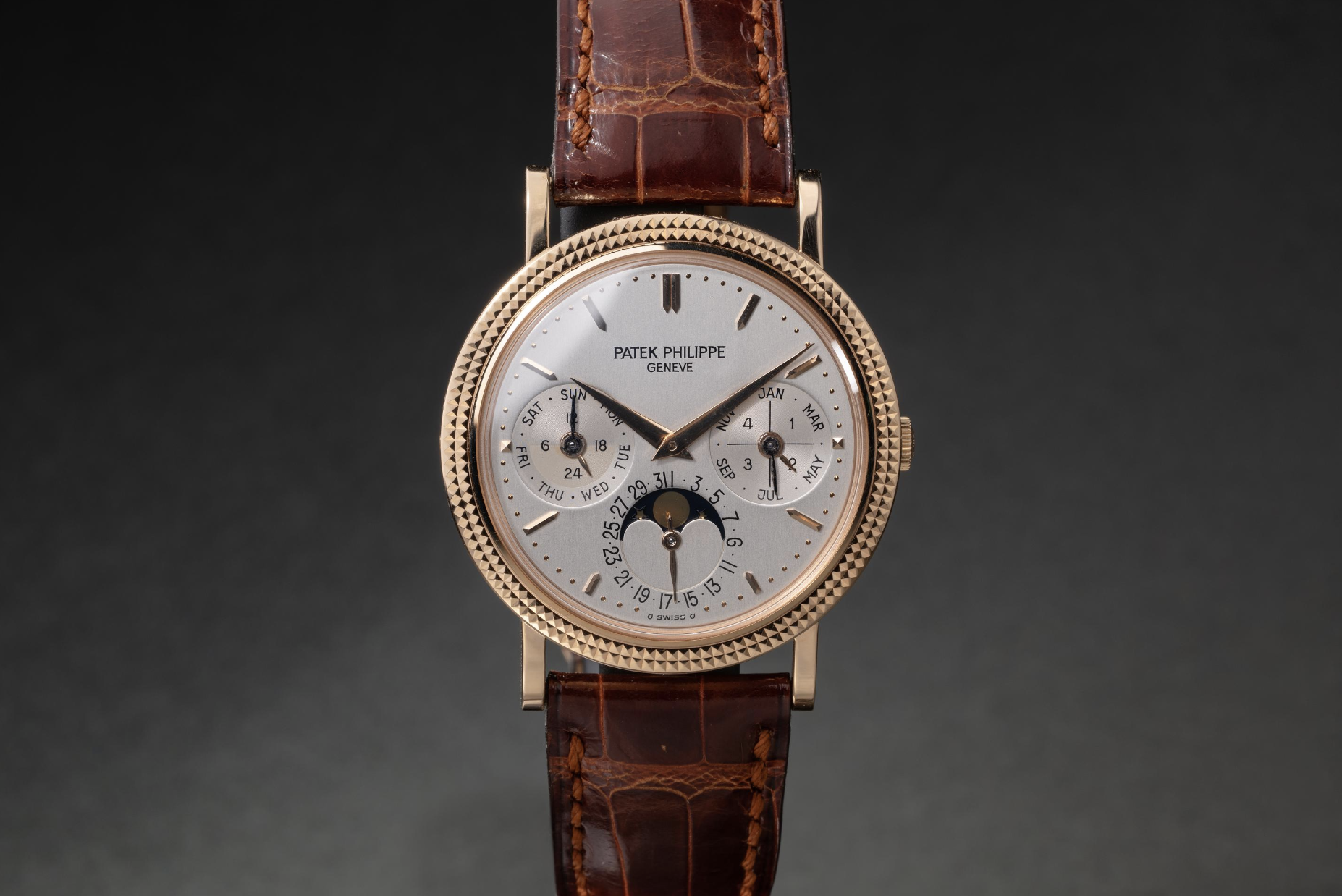



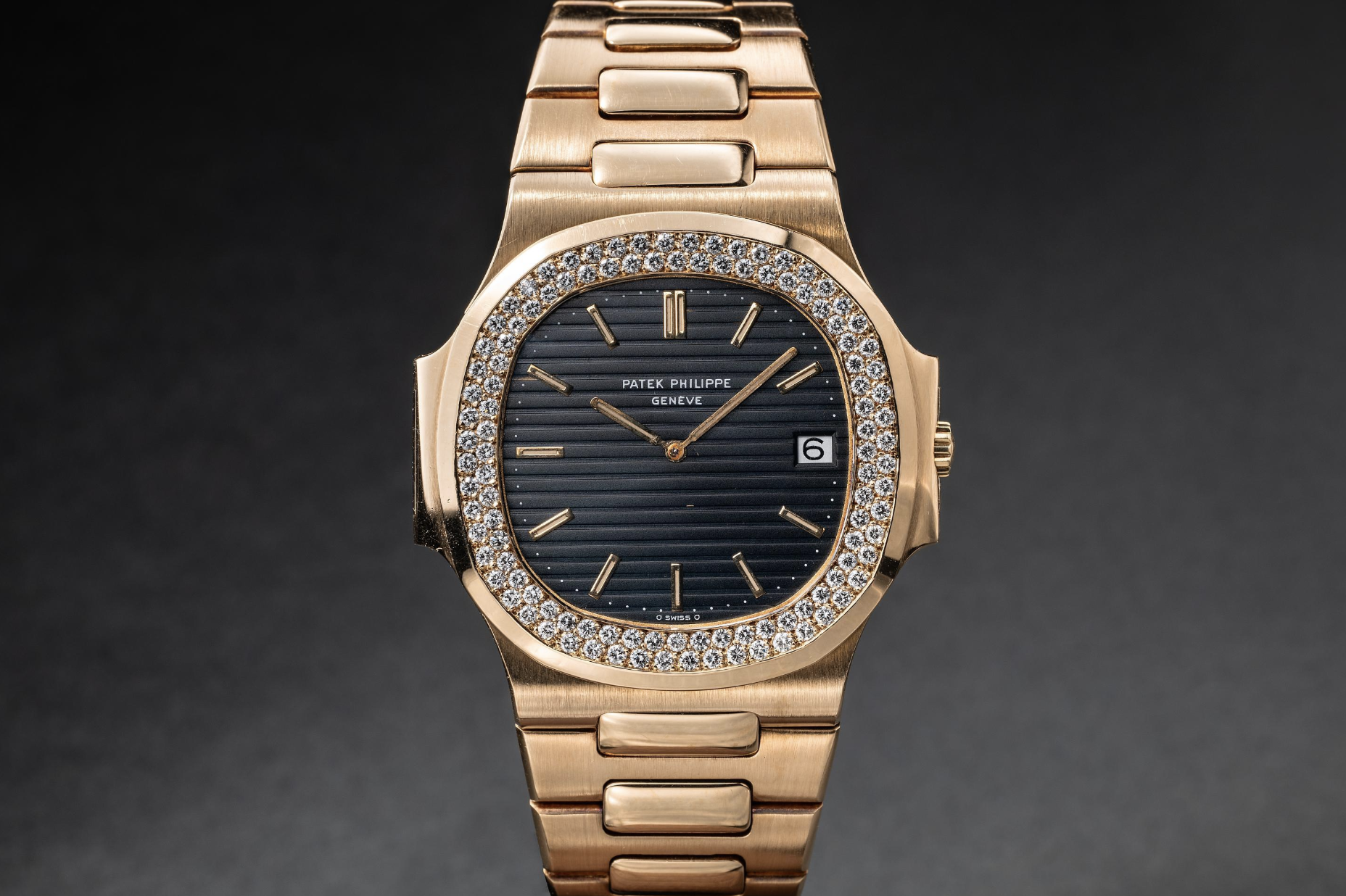
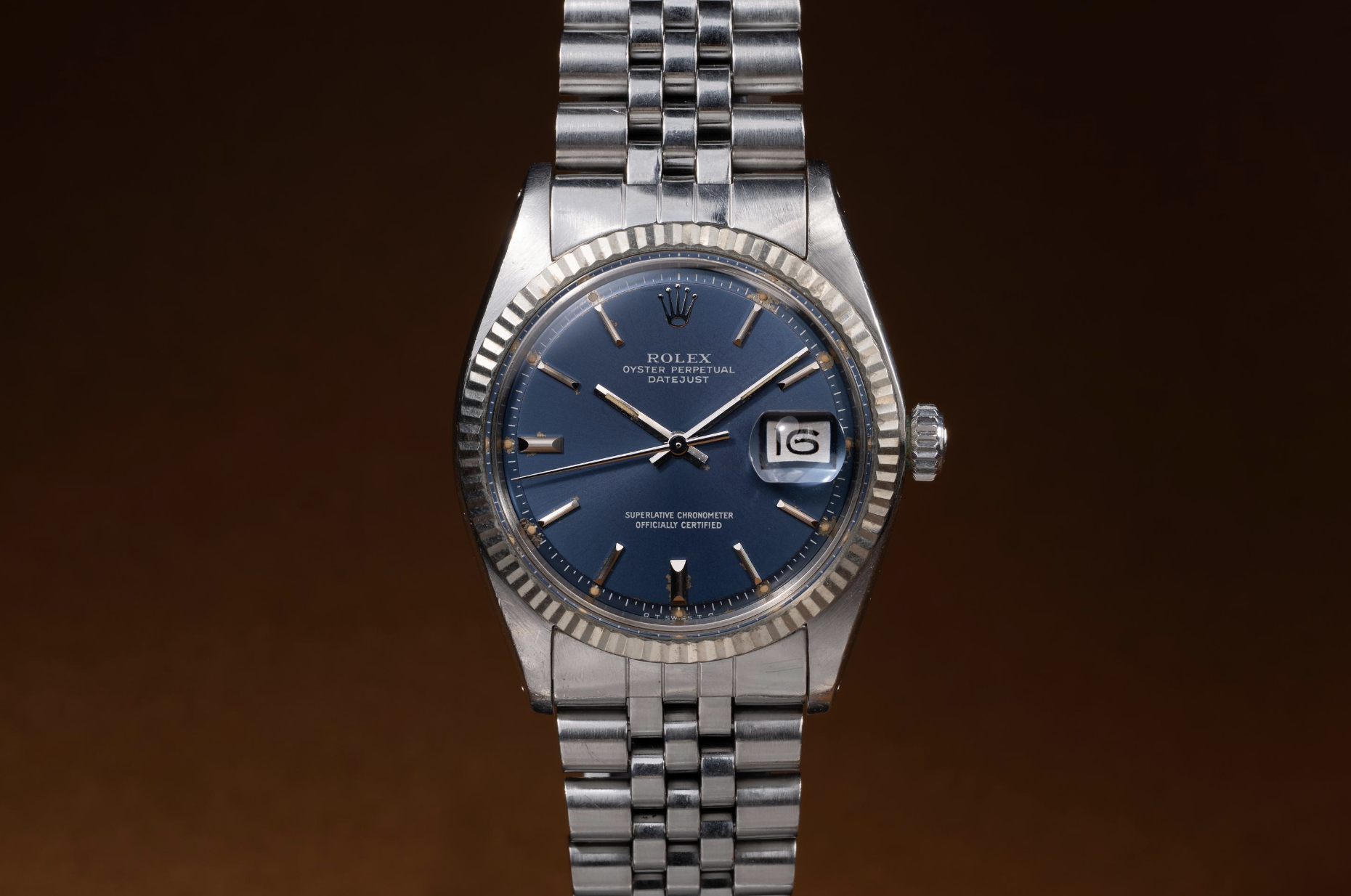
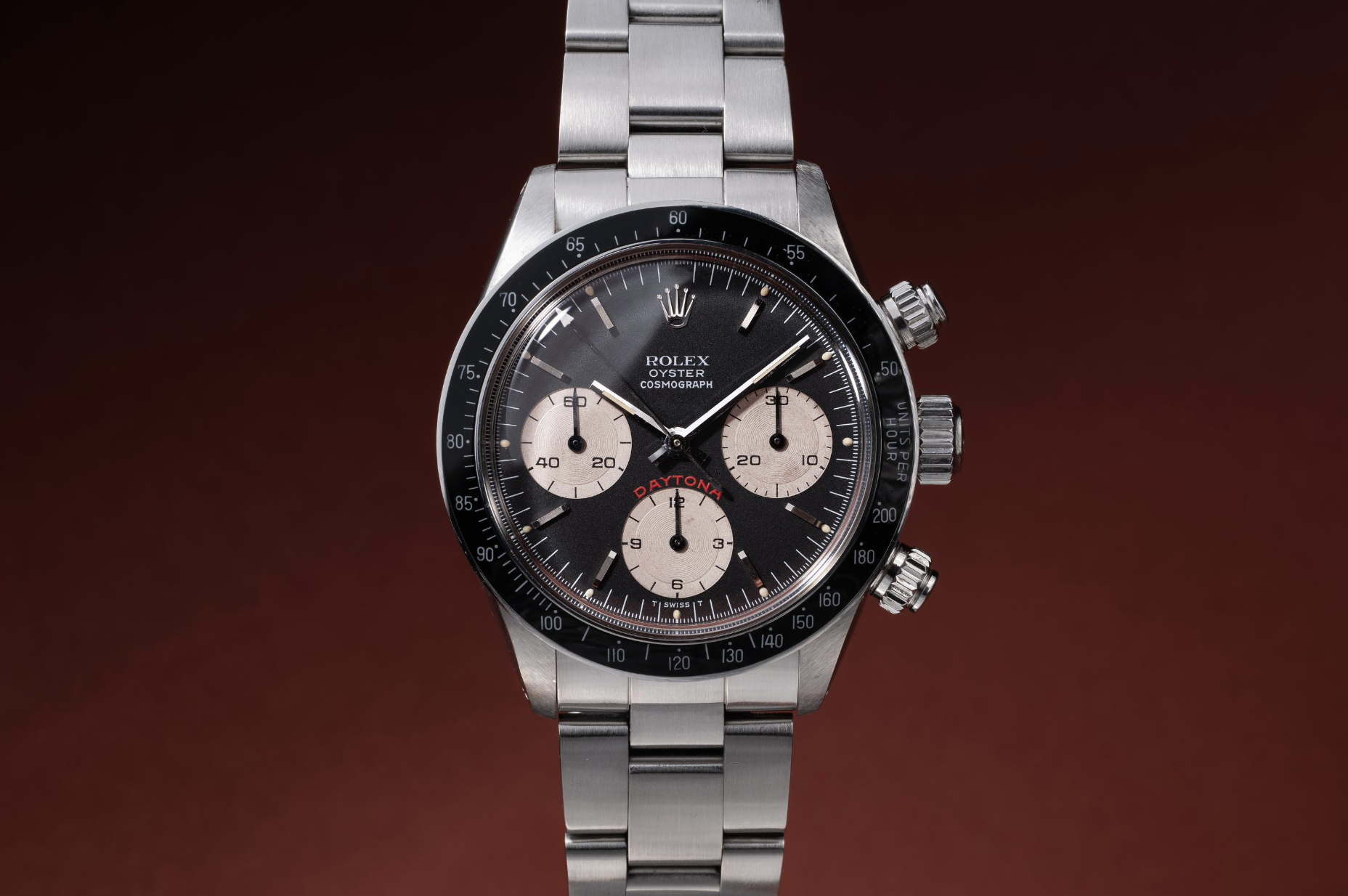
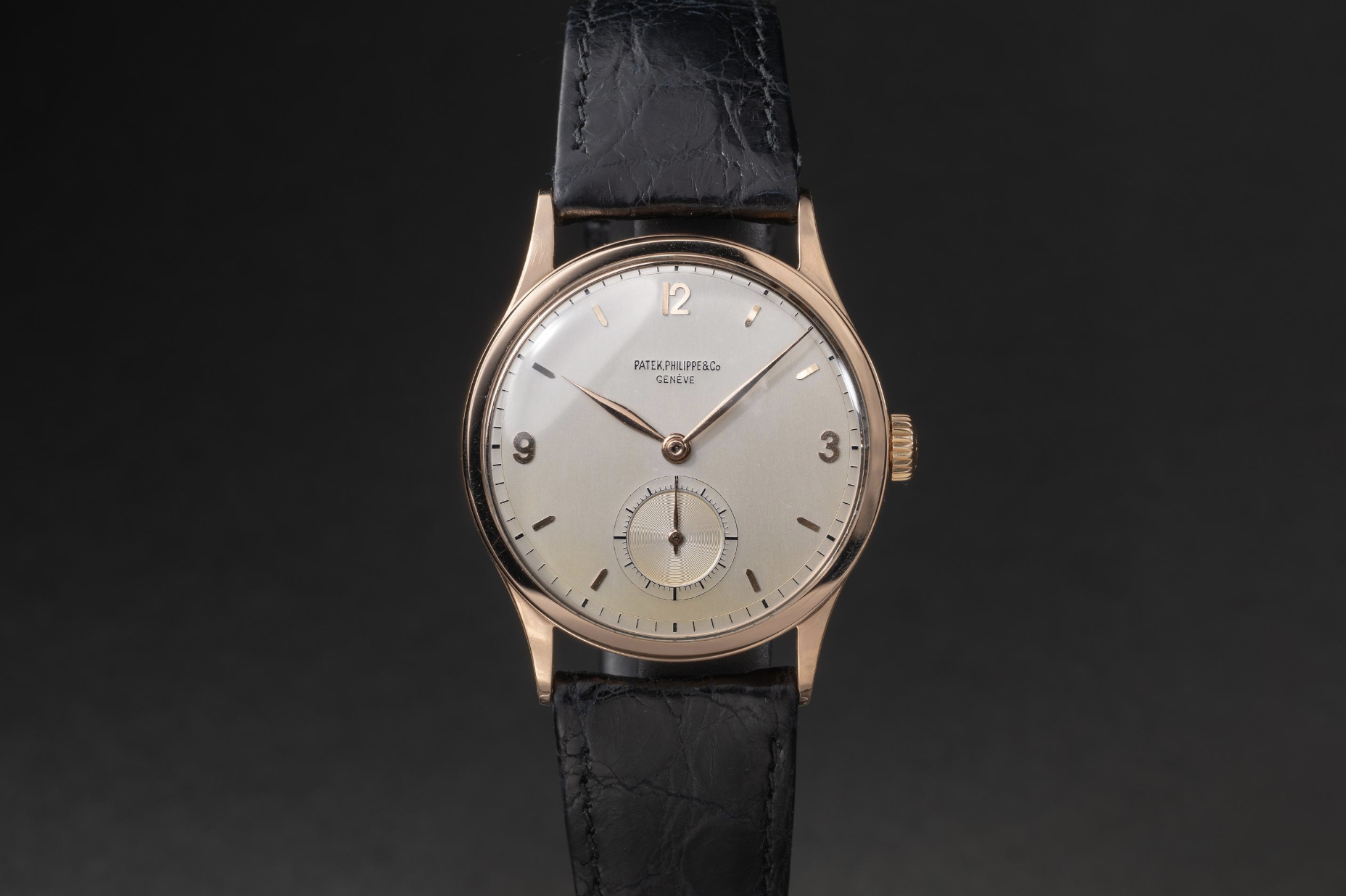
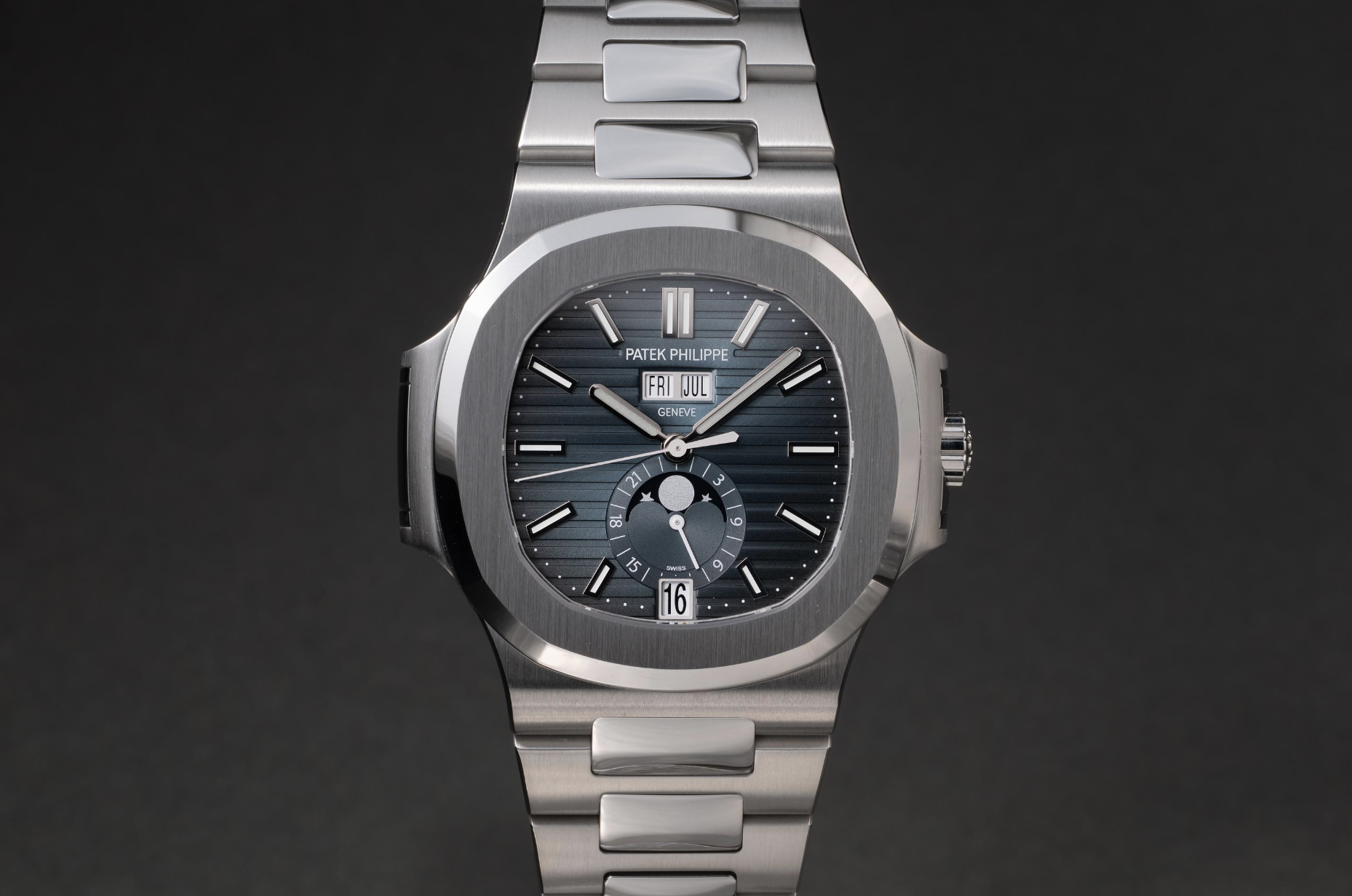
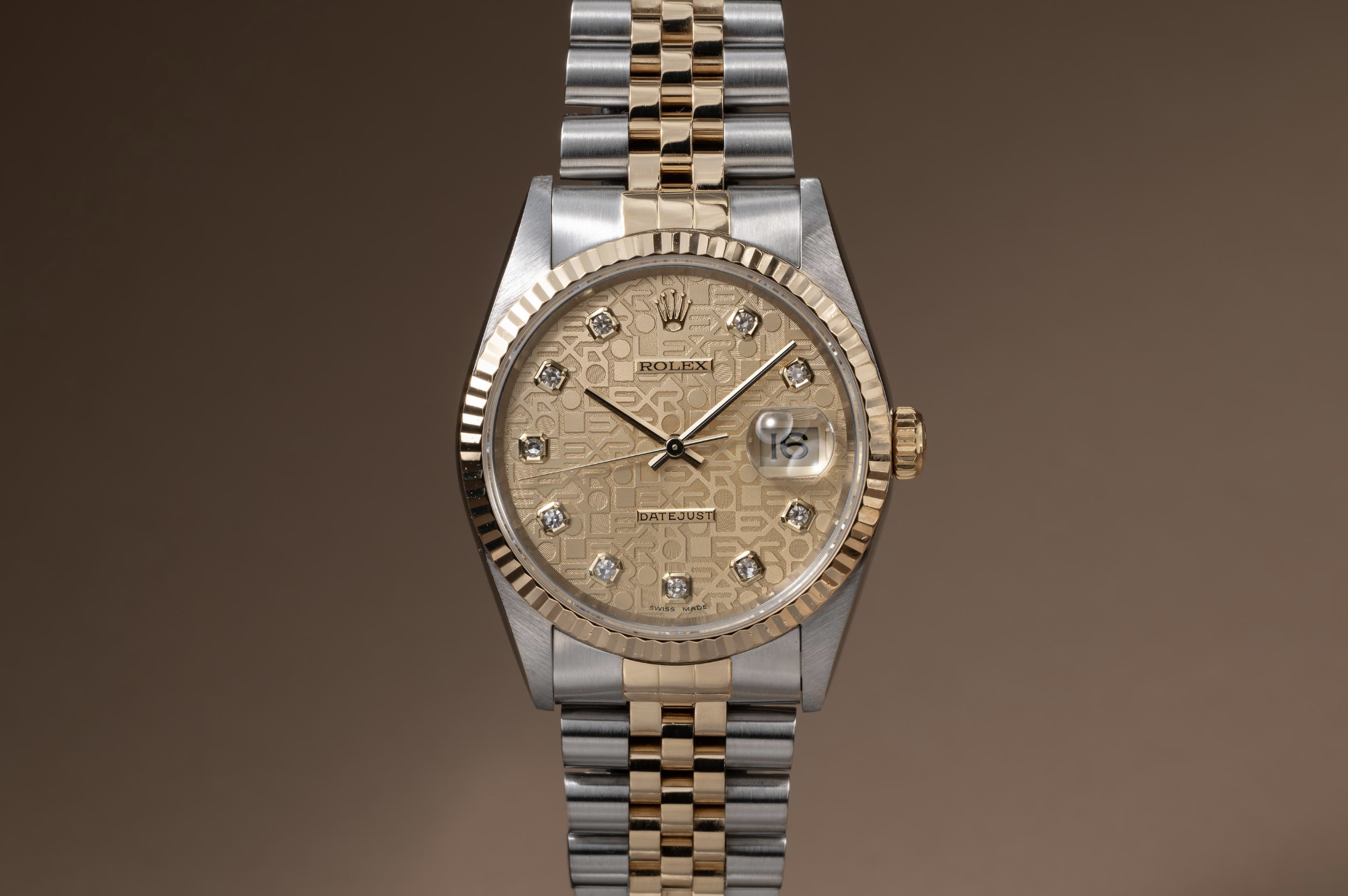
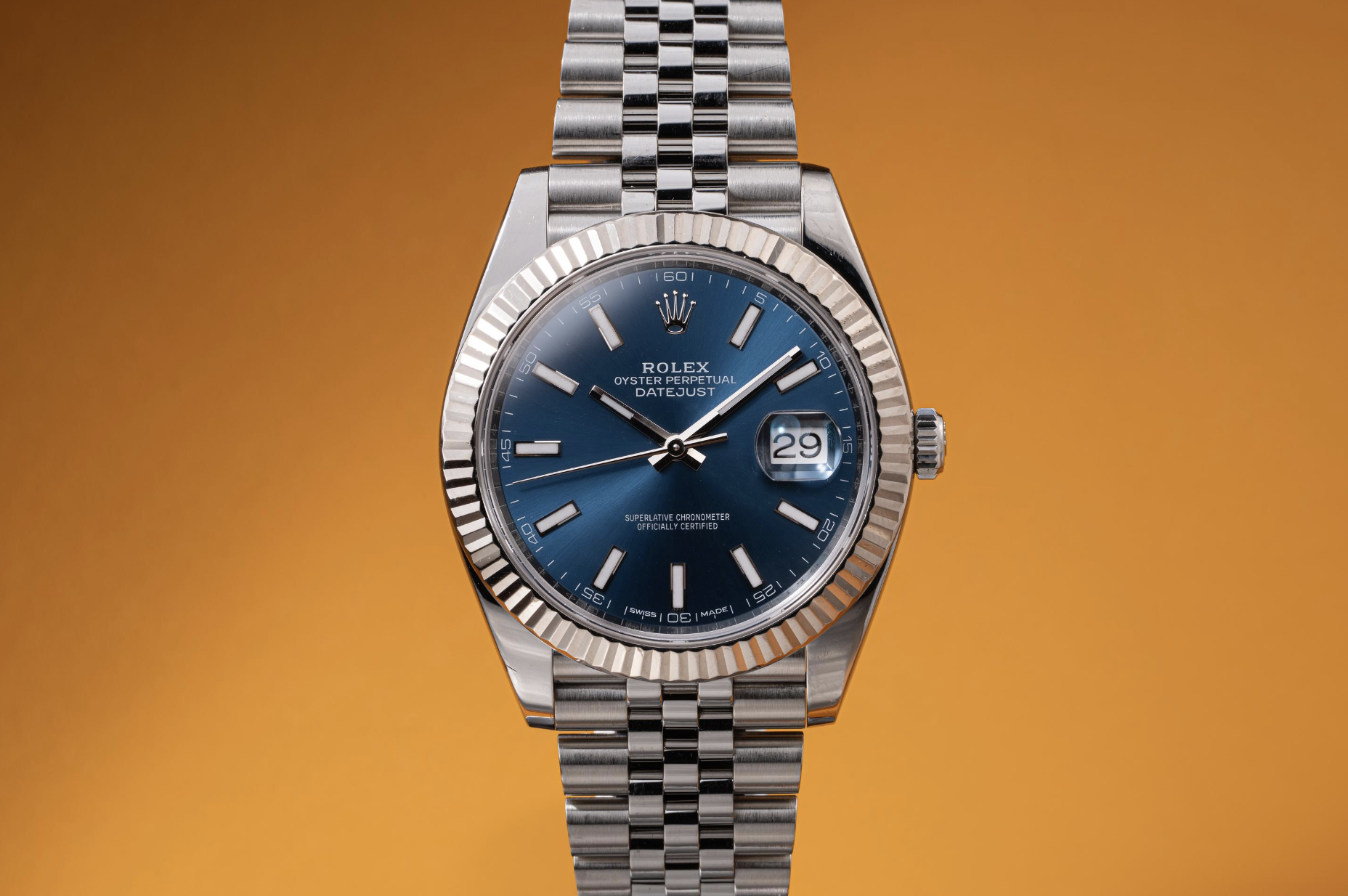
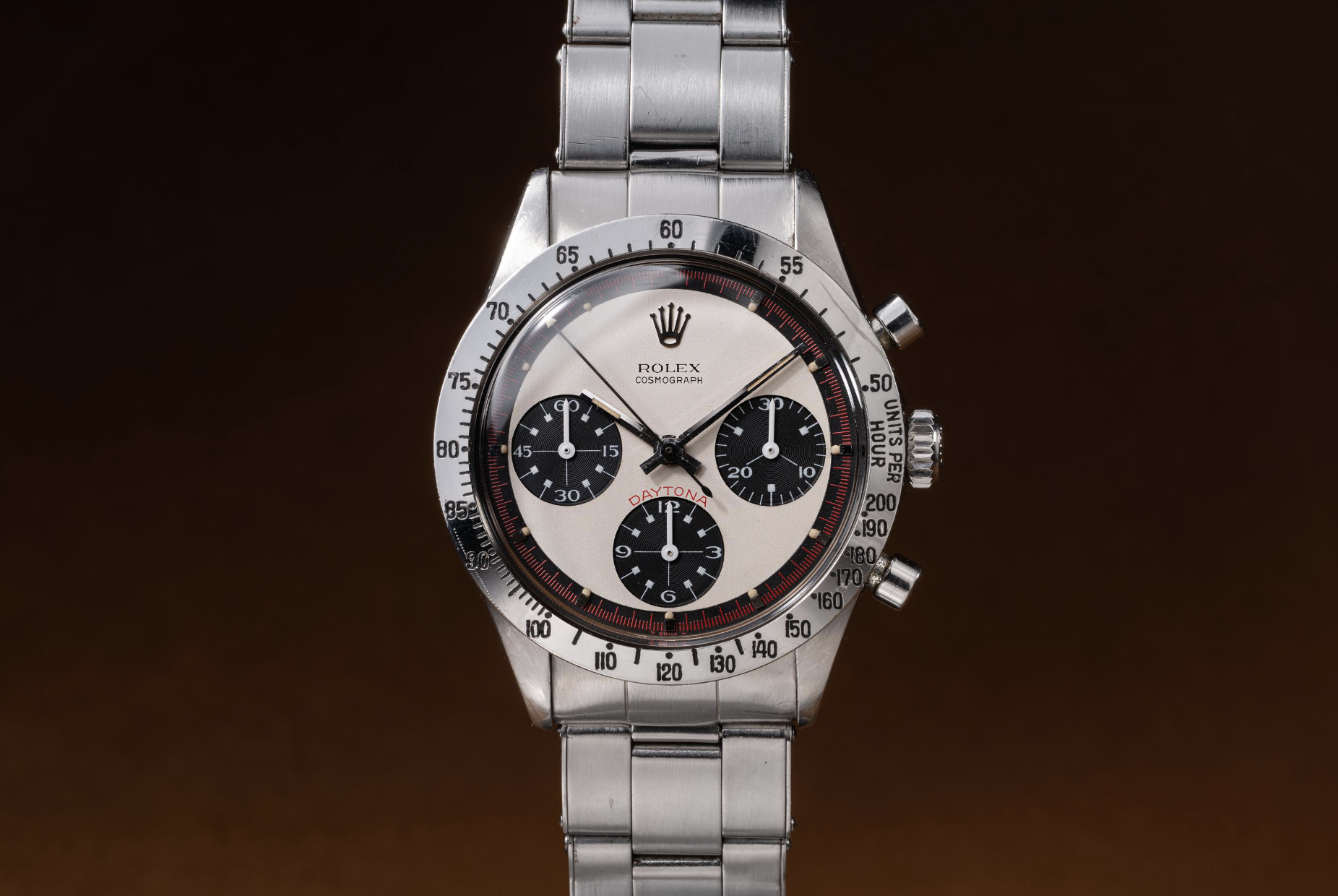
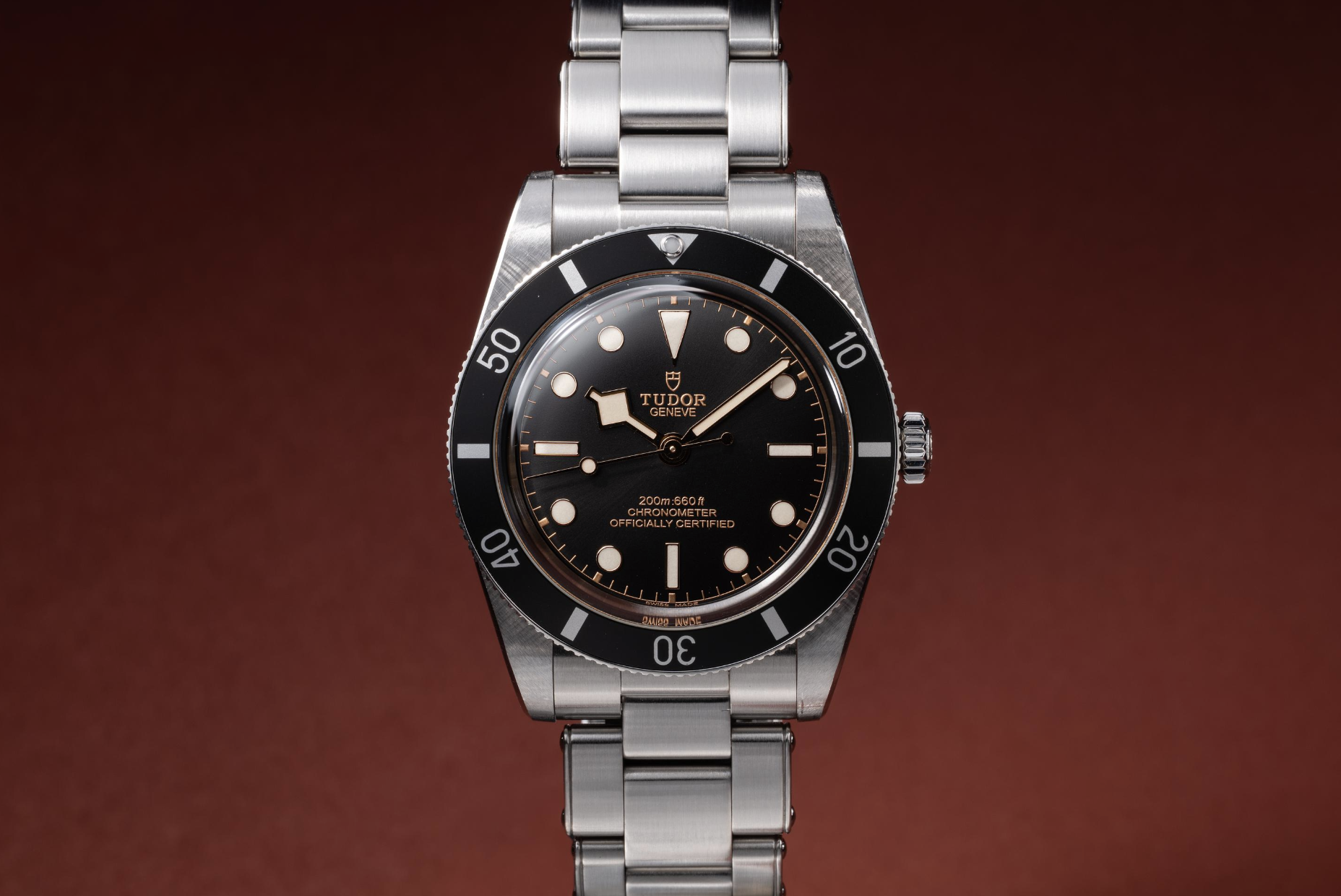
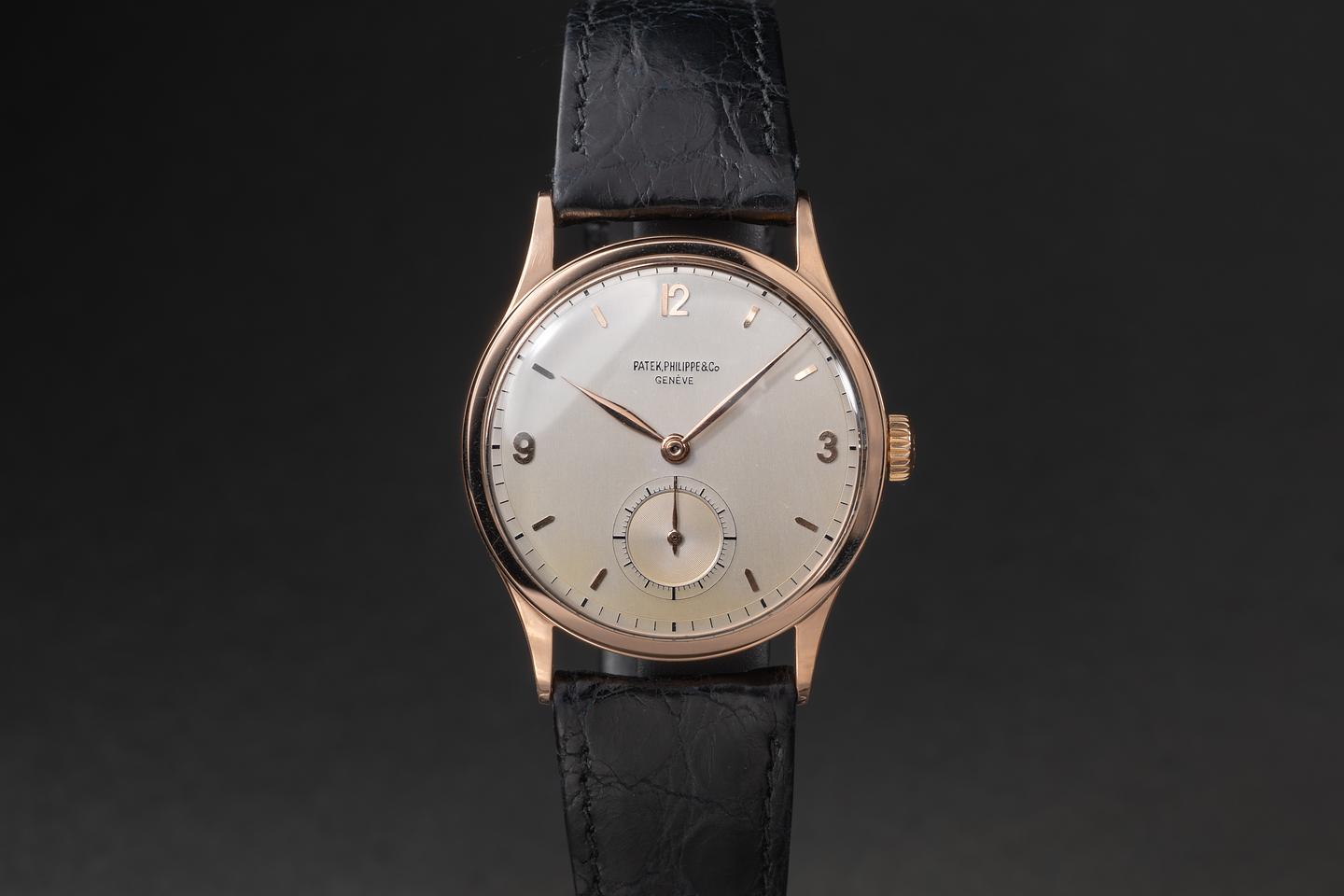




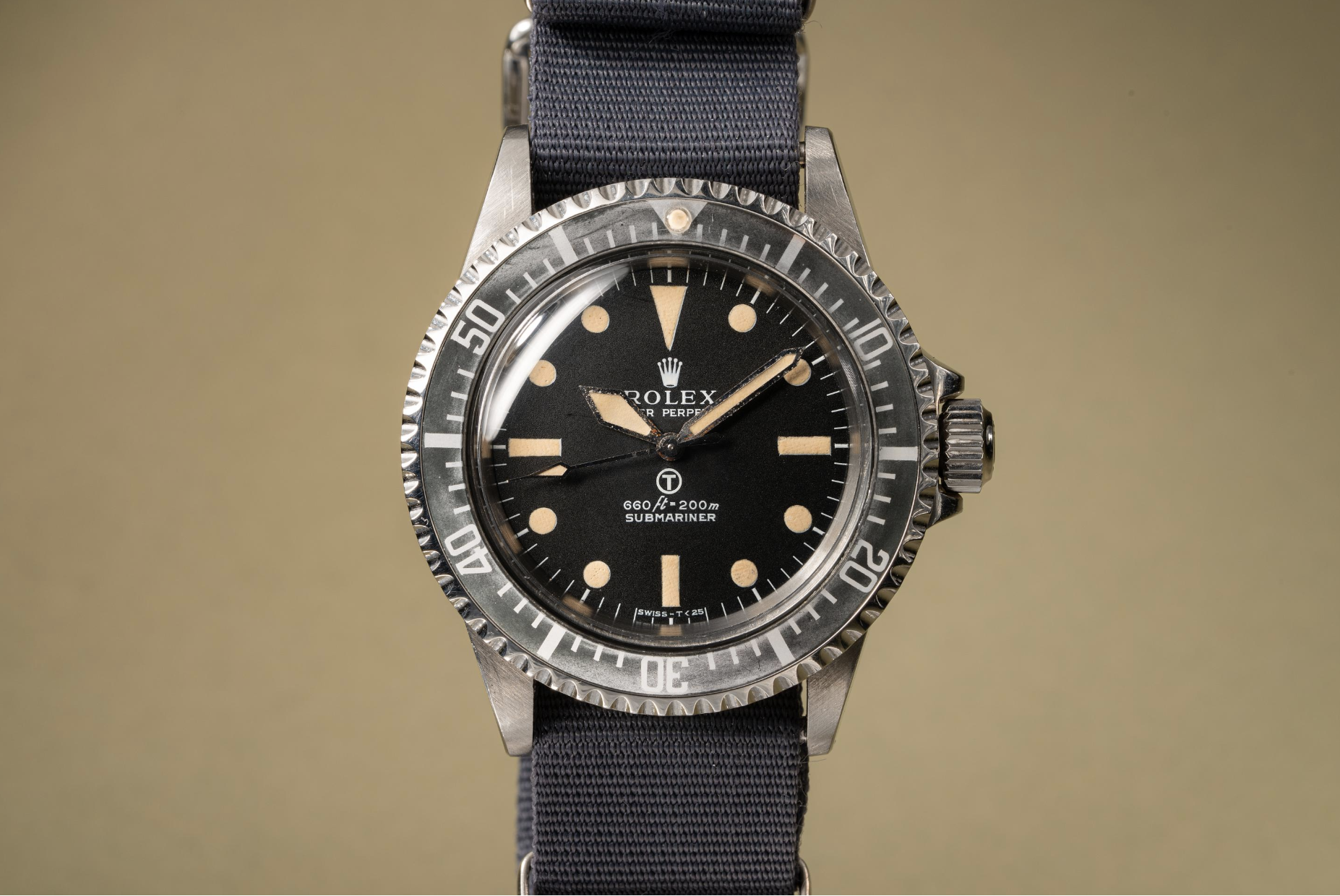
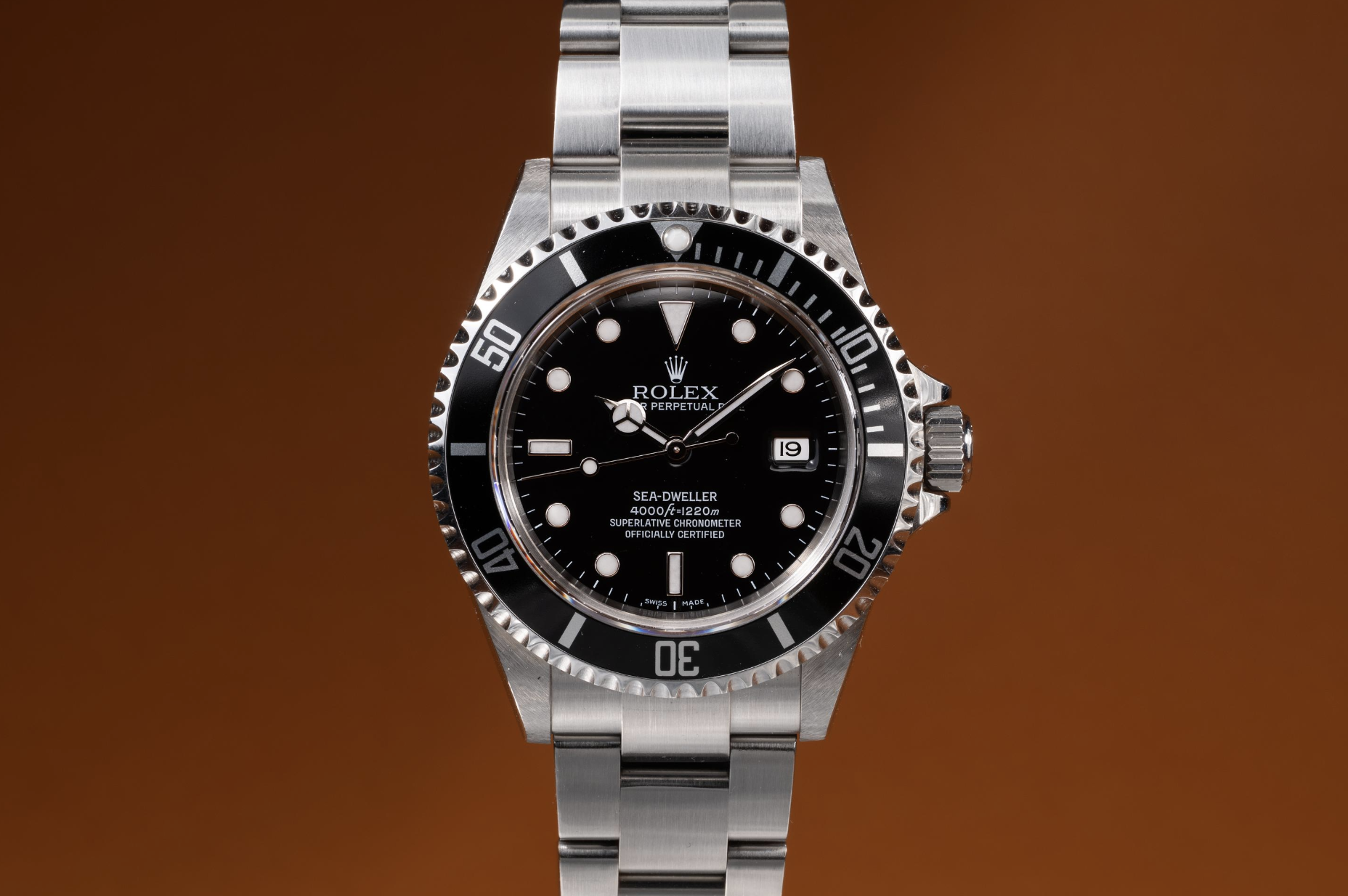

Table of Contents
Get More from the Journal