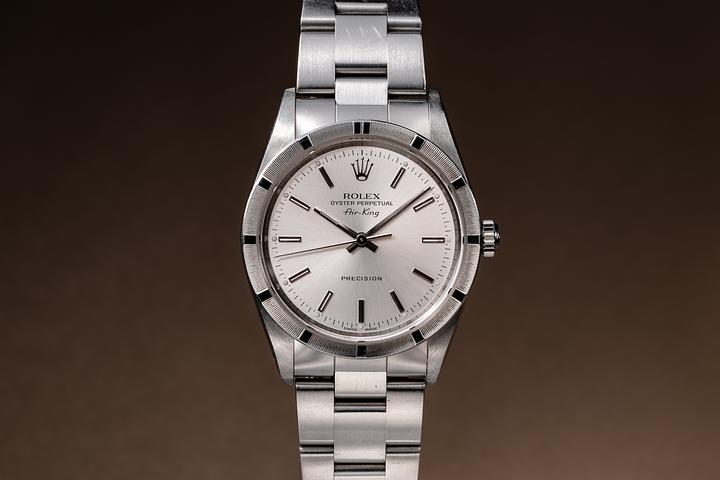
Best Dive Watches: Top Picks for Every Collector
What Makes a Watch a True Dive Watch?
Not every water-resistant watch earns the title of dive watch. The distinction matters more than most people realize. A true dive watch meets ISO 6425 standards, which means it has been tested for water resistance at a minimum depth of 100 meters, though most serious dive watches reach 200 to 300 meters or beyond. Beyond depth rating, a certified dive watch must also feature a unidirectional rotating bezel that tracks elapsed dive time, luminous hands and markers for low-visibility conditions, and a crown that locks securely to prevent accidental opening underwater. These requirements exist for practical safety reasons, not aesthetics. When you understand those requirements, you start to see why the best dive watches have earned such enduring reputations in both professional and collector circles.
A Brief History of the Dive Watch
The dive watch category has a surprisingly rich history rooted in mid-20th century exploration and military application. Rolex introduced the Oyster Perpetual Submariner in 1953, widely regarded as the watch that defined the category. That same year, Blancpain released the Fifty Fathoms, another landmark piece that professional divers adopted quickly. The timing was not coincidental. The post-World War II era brought serious investment in underwater exploration, and professional divers needed reliable, purpose-built instruments on their wrists. The French Navy, U.S. Navy SEALs, and various scientific diving programs helped shape the development of early dive watch design through real-world use. Fifty years later, those original design principles remain largely intact across the industry, which says quite a lot about how well they worked from the start.
Key Features to Understand Before You Buy
Before comparing models, it helps to understand what the key specifications actually mean in practical terms. Water resistance ratings are expressed in meters or atmospheres, and they refer to static pressure tests rather than dynamic diving conditions. A 200-meter rating does not mean the watch will survive a fall into a pool from height, but it does mean the seals and case construction can handle significant pressure when used properly. The unidirectional bezel is another feature worth understanding. It only rotates counterclockwise, which means if it shifts accidentally during a dive, it will display a longer elapsed time rather than a shorter one, erring on the side of caution. Lume application on hands and indices is a practical necessity, and many collectors actually pay attention to how that lume has aged on vintage examples. Sapphire crystal, screw-down crowns, and screw-back case construction round out the core feature set you should evaluate.
The Best Dive Watch Brands Worth Knowing
The luxury dive watch market is anchored by a handful of brands that have consistently delivered technically sound, beautifully executed timepieces over decades. Each has its own character and legacy worth understanding before making a purchase decision.
- Rolex Submariner: The most recognized dive watch in the world, produced since 1953, known for exceptional build quality and strong value retention.
- Blancpain Fifty Fathoms: A pioneer of the category with deep ties to military and professional diving history.
- Omega Seamaster: Bond's watch of choice since 1995, with a rich history dating back to the 1940s.
- Panerai Luminor Submersible: Italian-designed with Swiss movement, originally developed for the Italian Navy.
- IWC Aquatimer: A technically refined option with a distinctive inner-bezel system.
- Tudor Black Bay: Positioned as a more accessible alternative to Rolex, with genuine horological credibility and robust specifications.
Rolex Submariner: Why It Remains the Standard
It would be difficult to write a meaningful article about dive watches without spending real time on the Submariner. Rolex introduced this model at the Basel watch fair in 1953, and it has been in continuous production ever since, evolving through generations while maintaining its core identity. The current reference 126610 features a 41mm Oyster case in Oystersteel, a Cerachrom ceramic bezel insert, and a caliber 3235 movement with a 70-hour power reserve. Vintage references, particularly the 5512, 5513, 1680, and 16610, have become highly coveted by collectors, with certain dial variations commanding significant premiums at auction. The Submariner is also notable for its cultural footprint. It appeared on the wrist of Sean Connery in early James Bond films, was worn by Jacques Cousteau during underwater expeditions, and remains the default point of reference for evaluating almost any other dive watch in the category. That kind of staying power is not accidental.
Vintage vs. Modern Dive Watches: Which Is Right for You?
This question comes up constantly among collectors, and honestly the answer depends entirely on what you value in a watch. Modern dive watches offer better water resistance ratings, improved movement technology, stronger case finishing, and manufacturer warranties. If you intend to actually dive with the watch, a modern piece with current seals and tested pressure ratings is the practical choice. Vintage dive watches, however, offer something entirely different. They carry history in their details, particularly in aged lume that has turned from bright white to cream or tropical brown over decades. Tropical dials on vintage Submariners, for instance, are among the most sought-after collector items in the entire watch market. The organic variation in vintage pieces, each one slightly different due to age, service history, and provenance, creates a depth of collecting interest that no new watch can replicate. Many serious collectors own examples from both categories for different reasons.
How to Evaluate a Dive Watch Before Purchasing
Whether you are considering a modern retail purchase or a vintage acquisition through a dealer or auction, several evaluation criteria apply consistently across the market. Case condition matters significantly for vintage pieces, as polishing removes the sharp lugs and brushed surfaces that contribute to originality. Dial originality is equally important, particularly for Rolex, where unrestored dials command meaningful premiums. Movement service history is worth reviewing when documentation exists. For modern watches, authorized dealer provenance, original box and papers, and warranty card completeness all affect value. Water resistance should be tested or verified by a qualified watchmaker before use, especially on vintage examples where seals have aged. Taking time on these evaluation points before committing to a purchase saves frustration later.
Investment Potential of Luxury Dive Watches
Dive watches, particularly vintage Rolex Submariners and vintage Omega Seamasters from the 1950s through 1980s, have demonstrated strong long-term appreciation in the secondary market. Certain Submariner references have increased dramatically in auction value over the past two decades, driven by growing collector demand and a limited supply of well-preserved examples. The Tudor Black Bay has also shown interesting appreciation curves since its reintroduction, particularly in early production references. That said, purchasing any luxury watch purely as a financial investment without genuine interest in horology is a strategy that carries real risk. Markets shift, trends evolve, and condition variance affects value unpredictably. The strongest position is one where you buy what you love, educate yourself on the market, and treat any appreciation as a welcome outcome rather than a guarantee.
Why Tropical Watch Is the Right Source for Your Next Dive Watch
Finding a trusted source for luxury and vintage dive watches is genuinely one of the harder parts of entering this market. The combination of deep product knowledge, authentication expertise, and access to rare references matters enormously when you are spending at this level. Tropical Watch has built a reputation precisely around those qualities, with a particular depth of specialization in vintage Rolex that separates them from generalist dealers. If you are looking to explore the finest vintage and modern dive watches including iconic Rolex Submariner references, the Tropical Watch platform offers the kind of curated selection and transparent provenance documentation that serious collectors depend on. The team understands what makes a dial original, what a correct bezel insert looks like, and why service history documentation matters to long-term value. Whether you are purchasing your first significant watch or adding a specific reference to a developed collection, working with a knowledgeable specialist makes every part of the process more confident and informed.
Frequently Asked Questions About Dive Watches
What is the minimum water resistance rating for a true dive watch?
According to ISO 6425 standards, a watch must be water resistant to at least 100 meters to qualify as a dive watch. However, most professional-grade dive watches are rated to 200 meters or deeper, and many luxury examples reach 300 meters or beyond.
Is the Rolex Submariner still the best dive watch available?
The Rolex Submariner remains the benchmark against which most dive watches are evaluated, though competitors from Blancpain, Omega, and Tudor offer compelling alternatives. The Submariner's combination of technical quality, cultural history, and market value retention keeps it at the top of most conversations.
What is a tropical dial on a vintage Rolex?
A tropical dial refers to a vintage Rolex dial that has changed color over time due to aging, typically shifting from black or brown to a warmer chocolate or caramel tone. These dials are highly prized by collectors and significantly increase the value of a vintage Submariner or other Rolex reference.
Can I wear a vintage dive watch for actual diving?
It is generally not recommended. Vintage dive watches have aged seals and gaskets that may not maintain their original water resistance rating. A vintage piece should be inspected and serviced by a qualified watchmaker, with pressure testing completed before any water exposure.
What is the difference between the Rolex Submariner and the Tudor Black Bay?
The Rolex Submariner and Tudor Black Bay share DNA and heritage but differ in movement, materials, and price point. The Submariner uses proprietary Rolex movements and Oystersteel with a higher retail price, while the Black Bay uses Tudor's in-house movements with slightly different specifications at a more accessible price. Both are well-regarded in the collector market.
How do I verify the authenticity of a vintage dive watch?
Authentication involves examining dial printing, case serial numbers, movement references, bezel insert originality, and overall condition against known reference examples for that specific model and production year. Working with a reputable specialist dealer or independent authentication service significantly reduces the risk of purchasing a misrepresented piece.


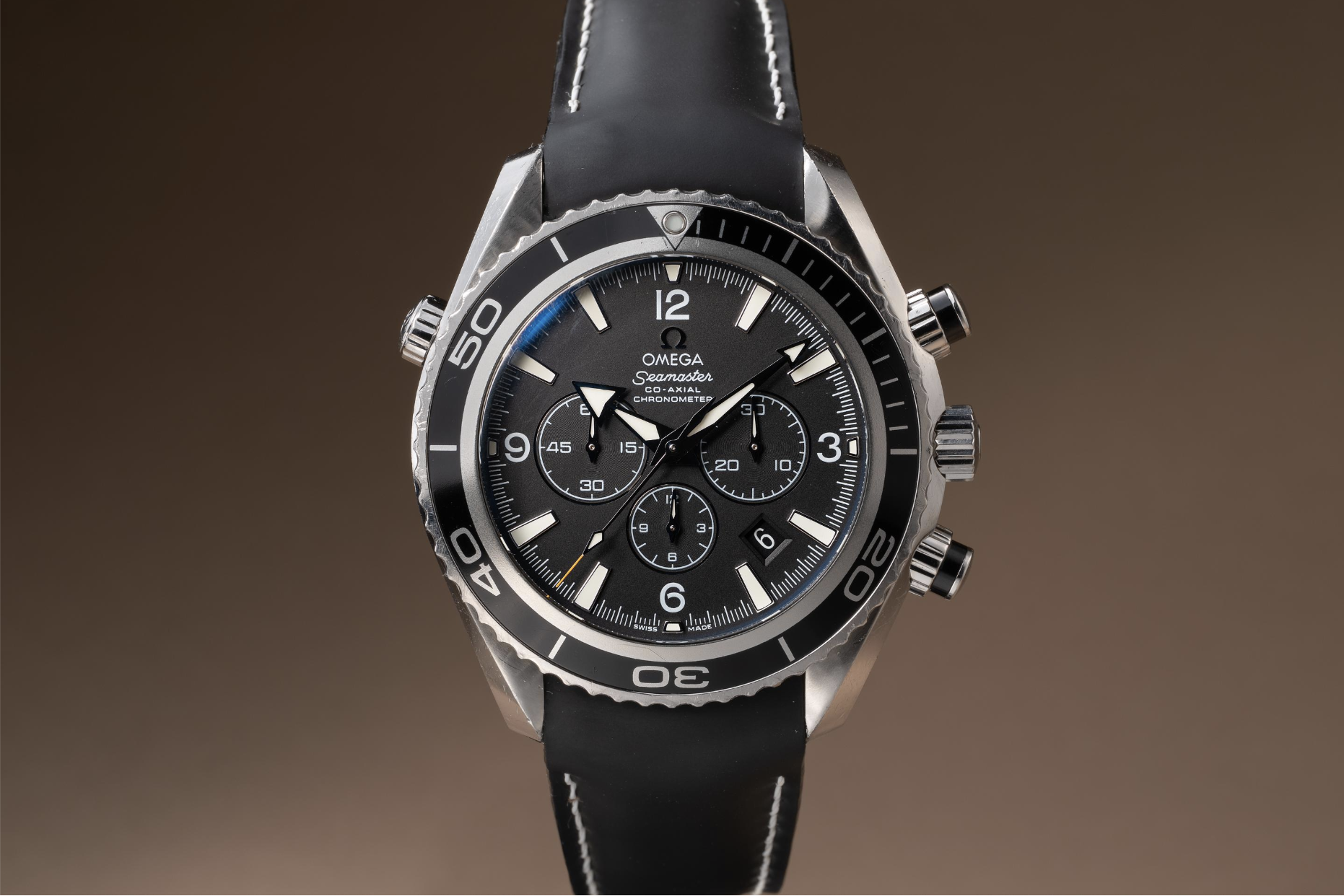



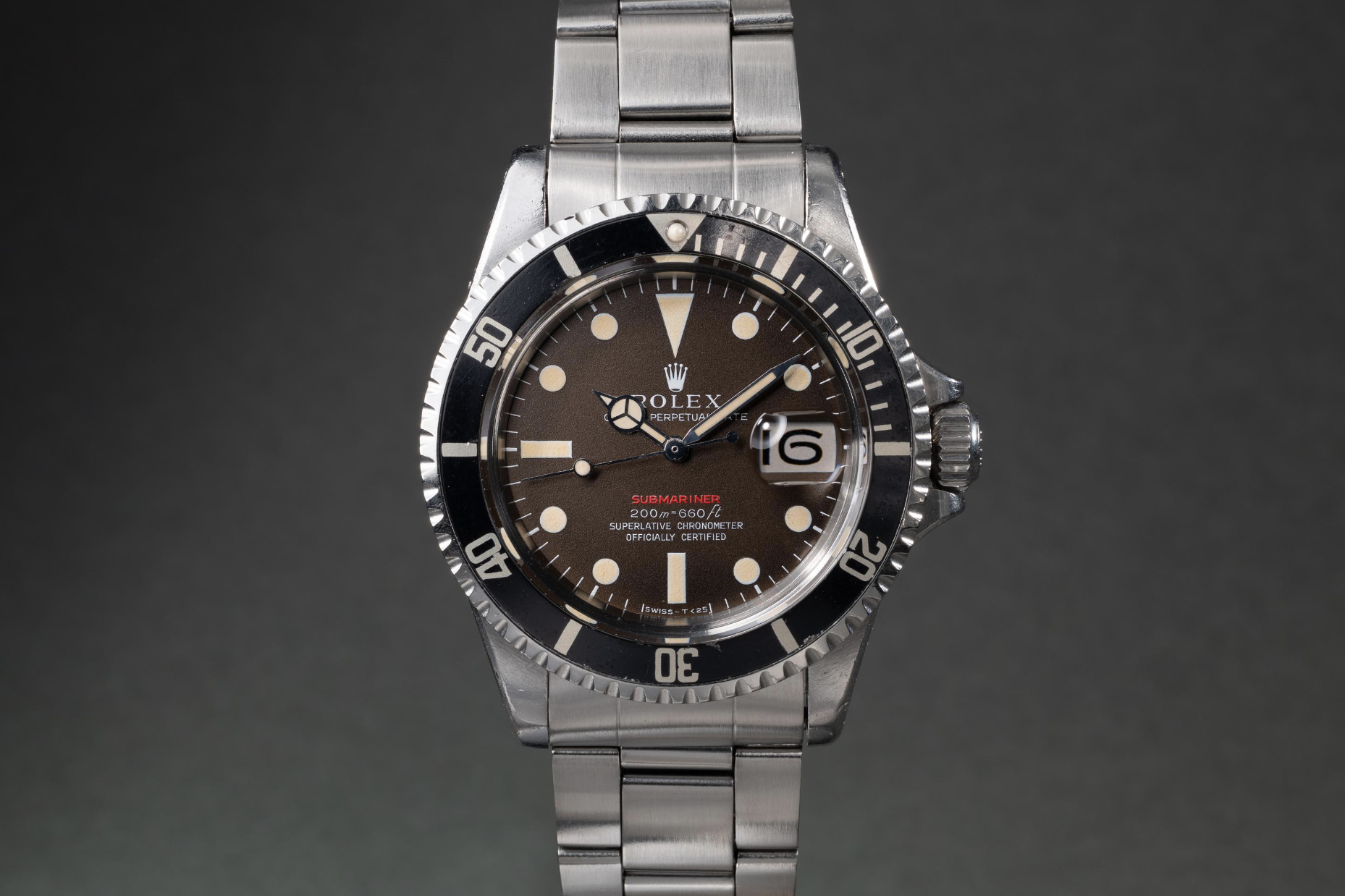





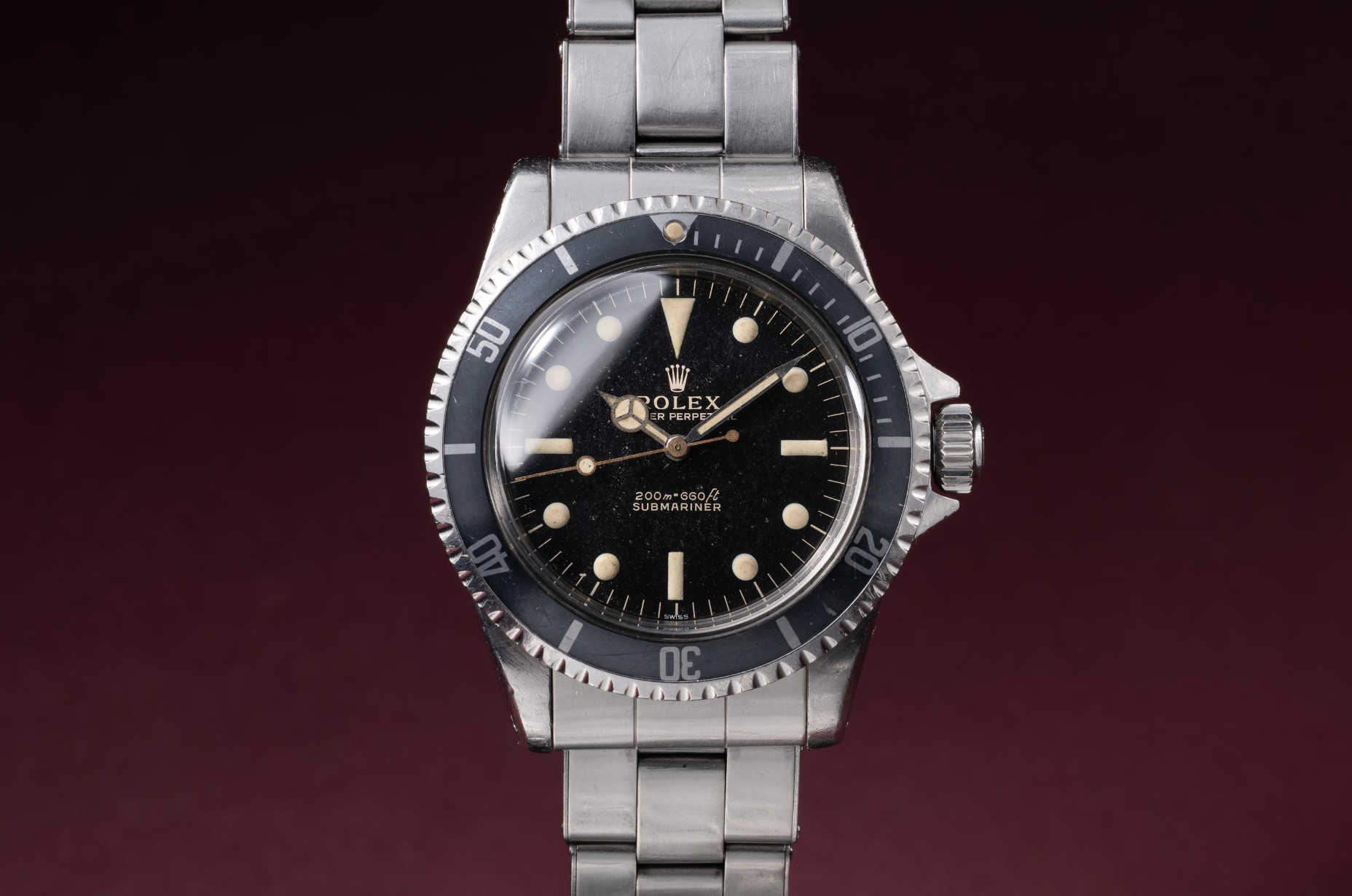

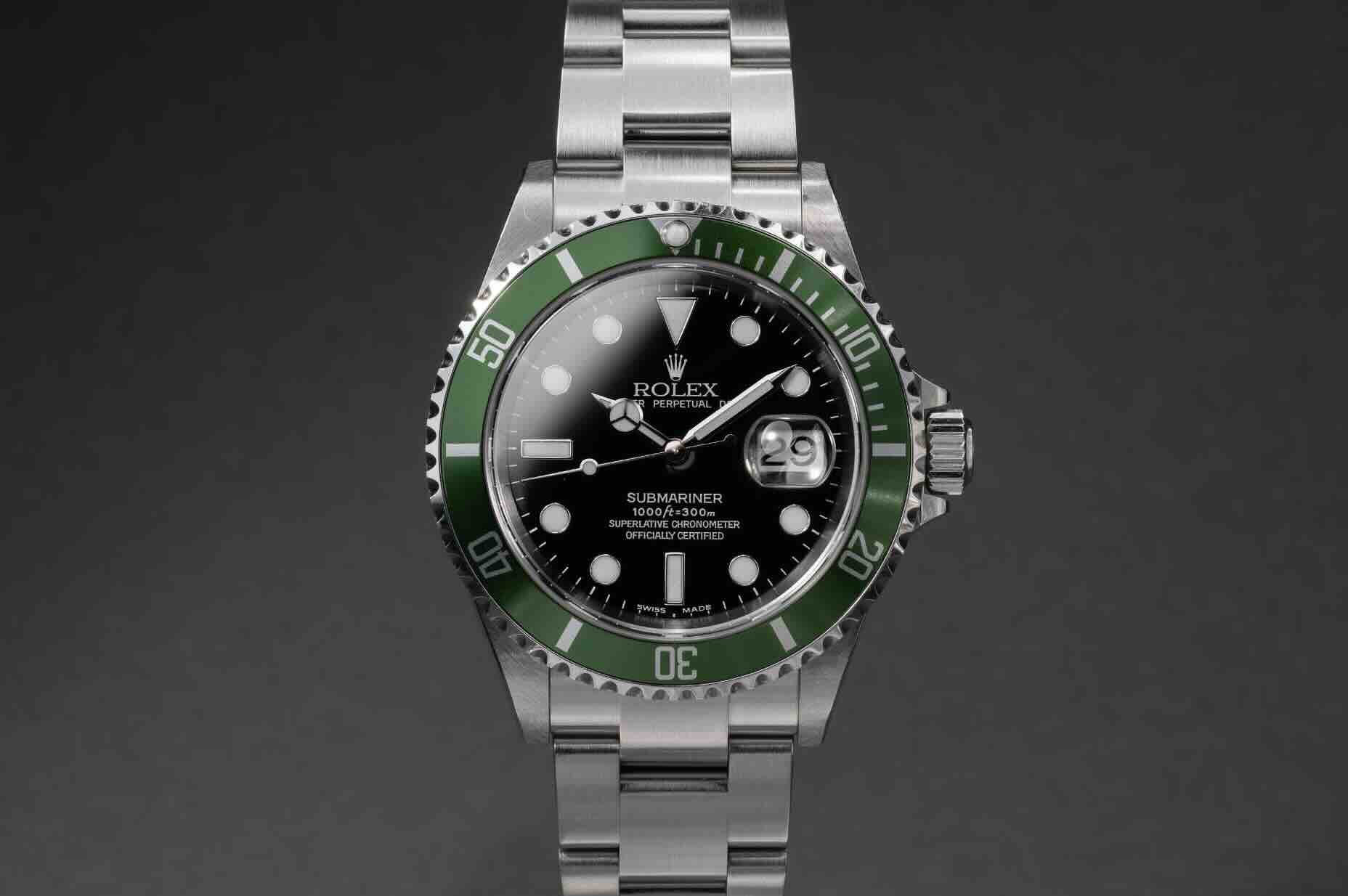


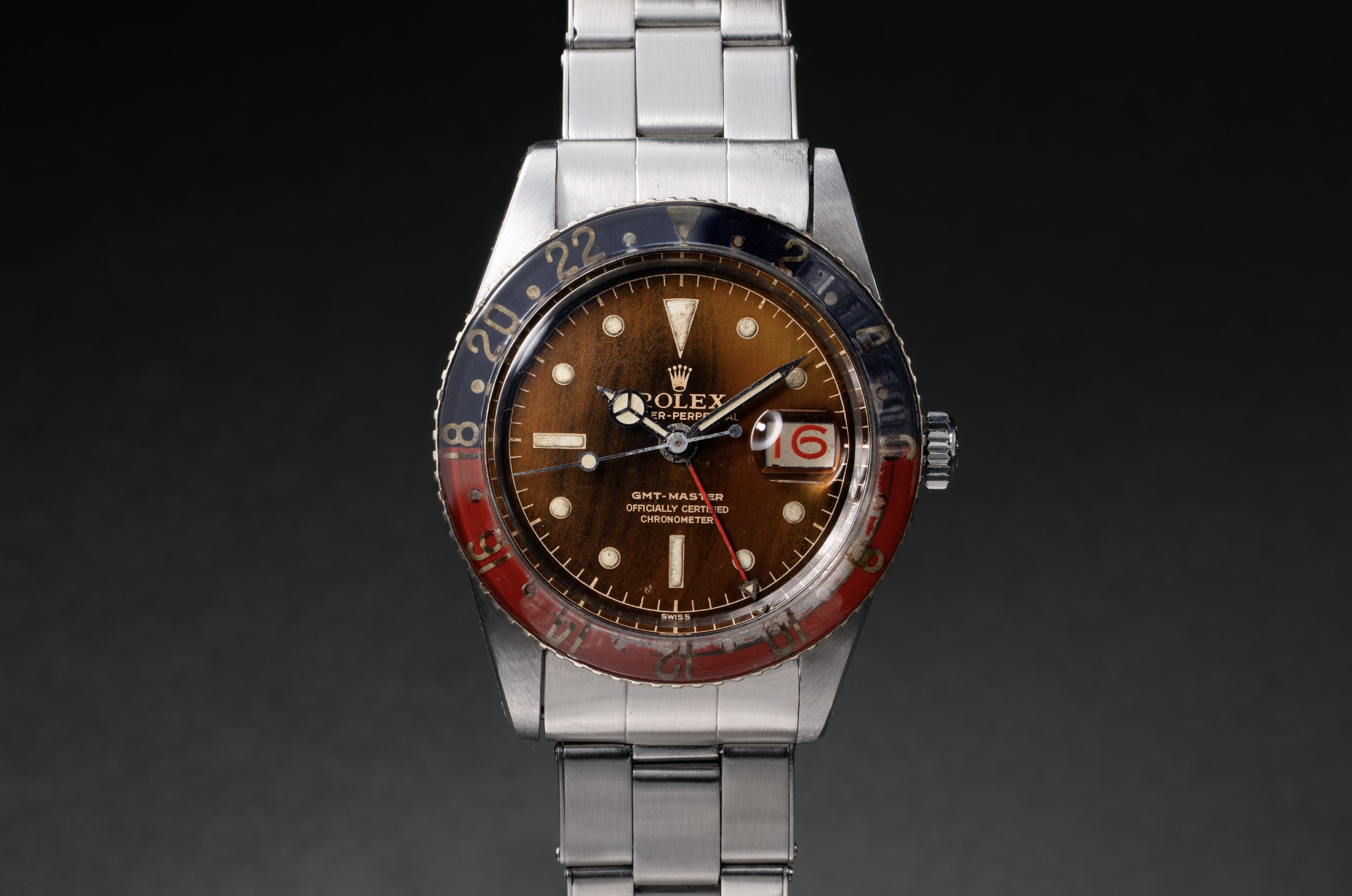
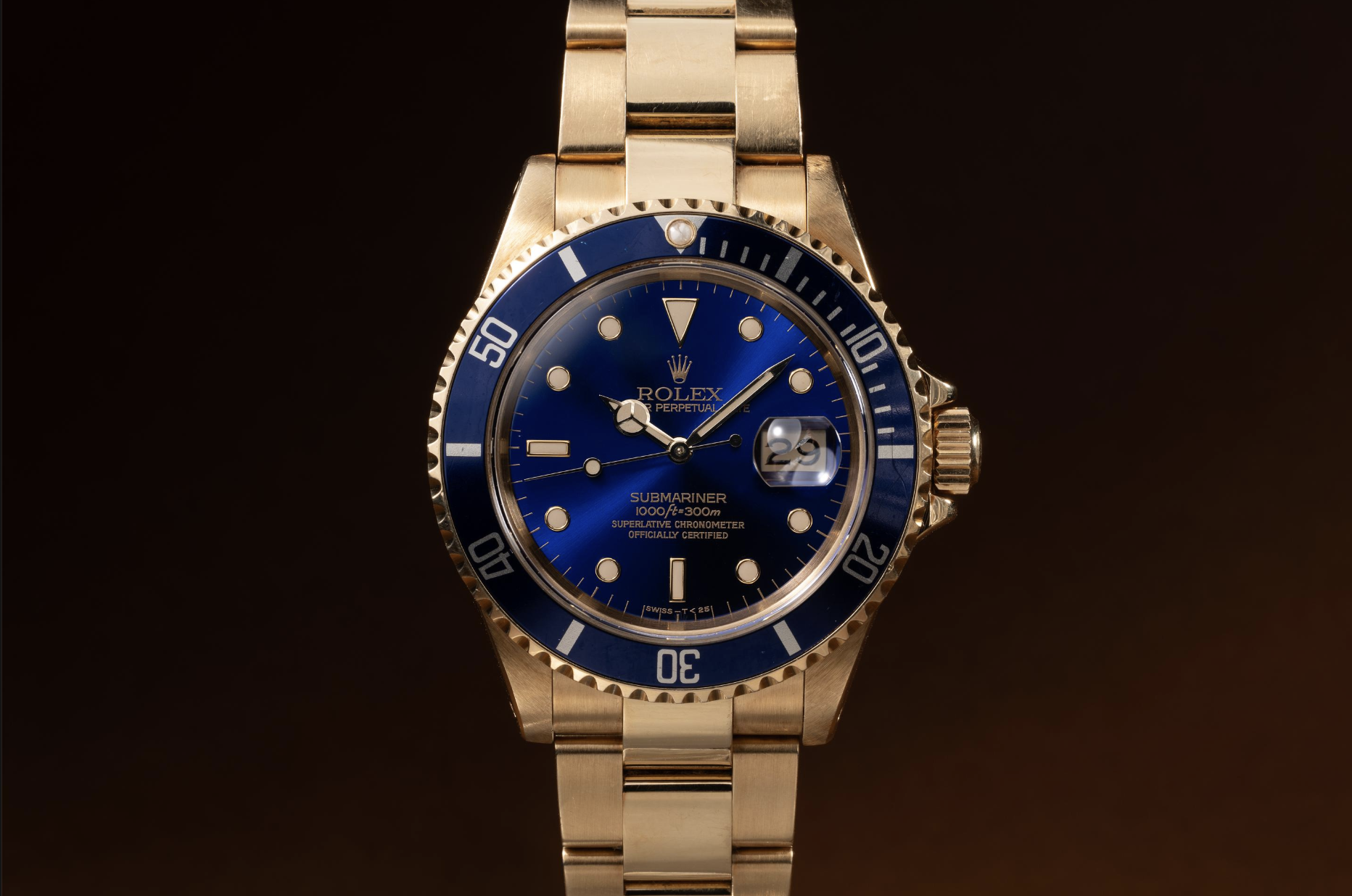
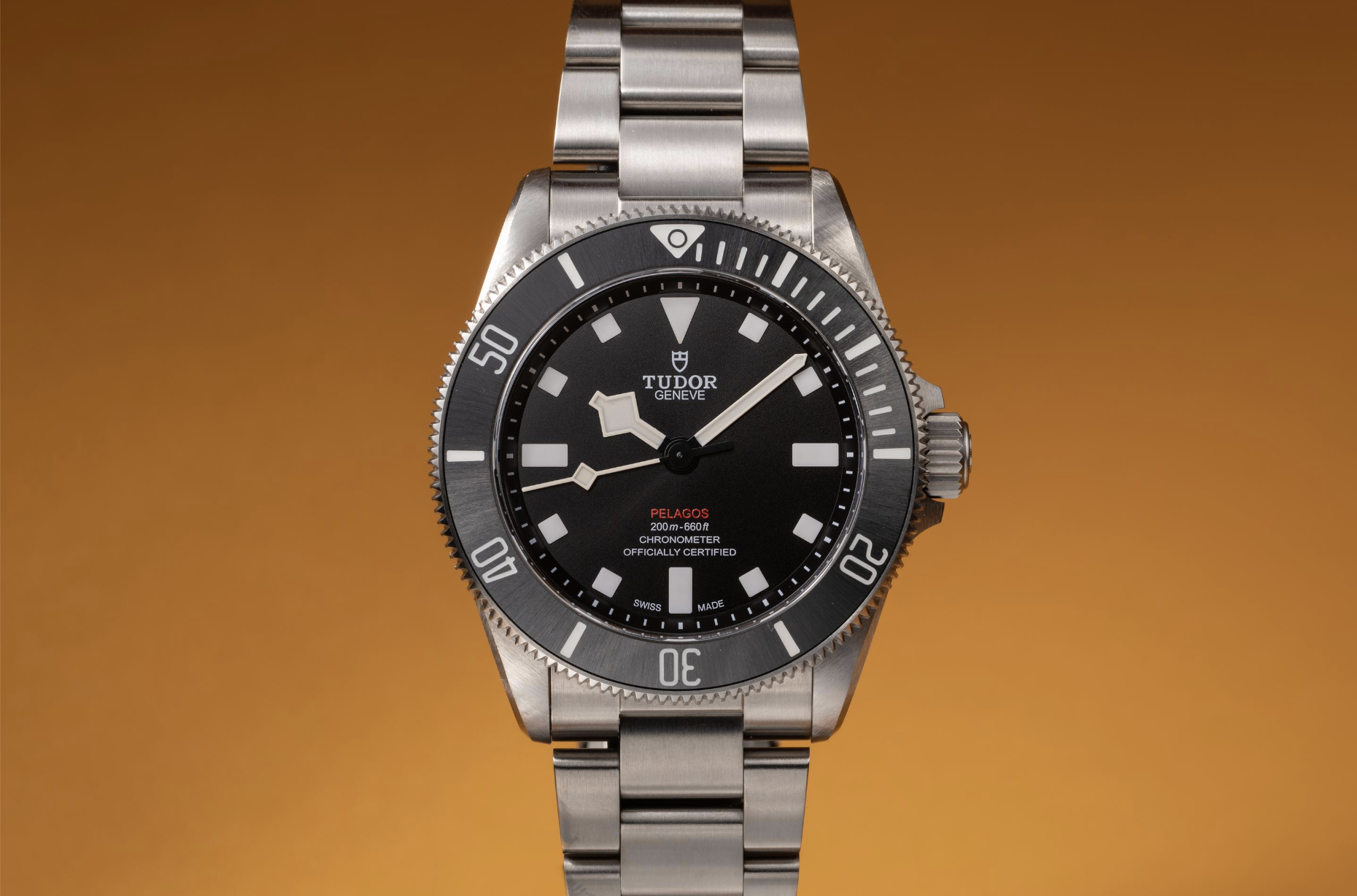


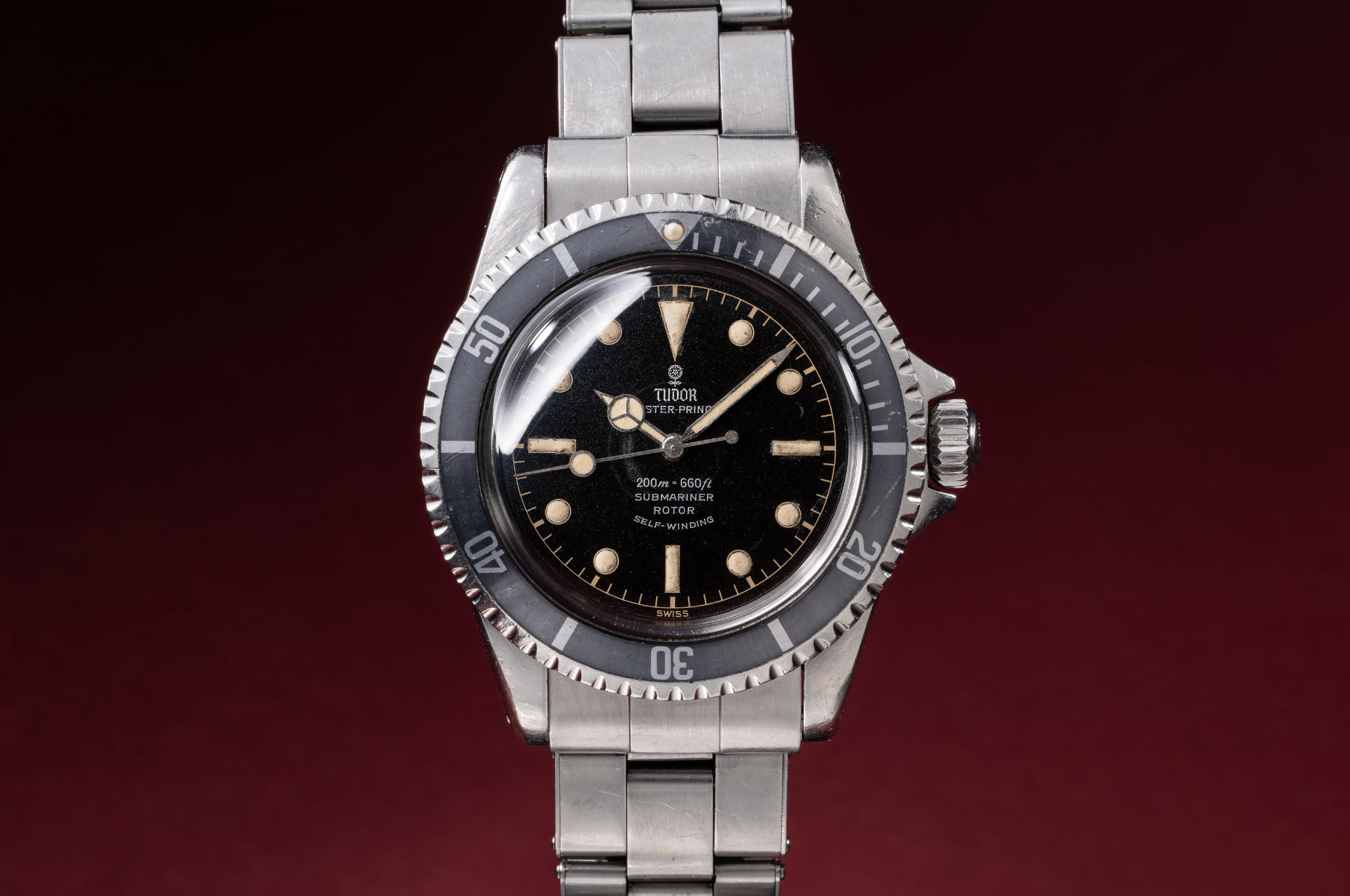
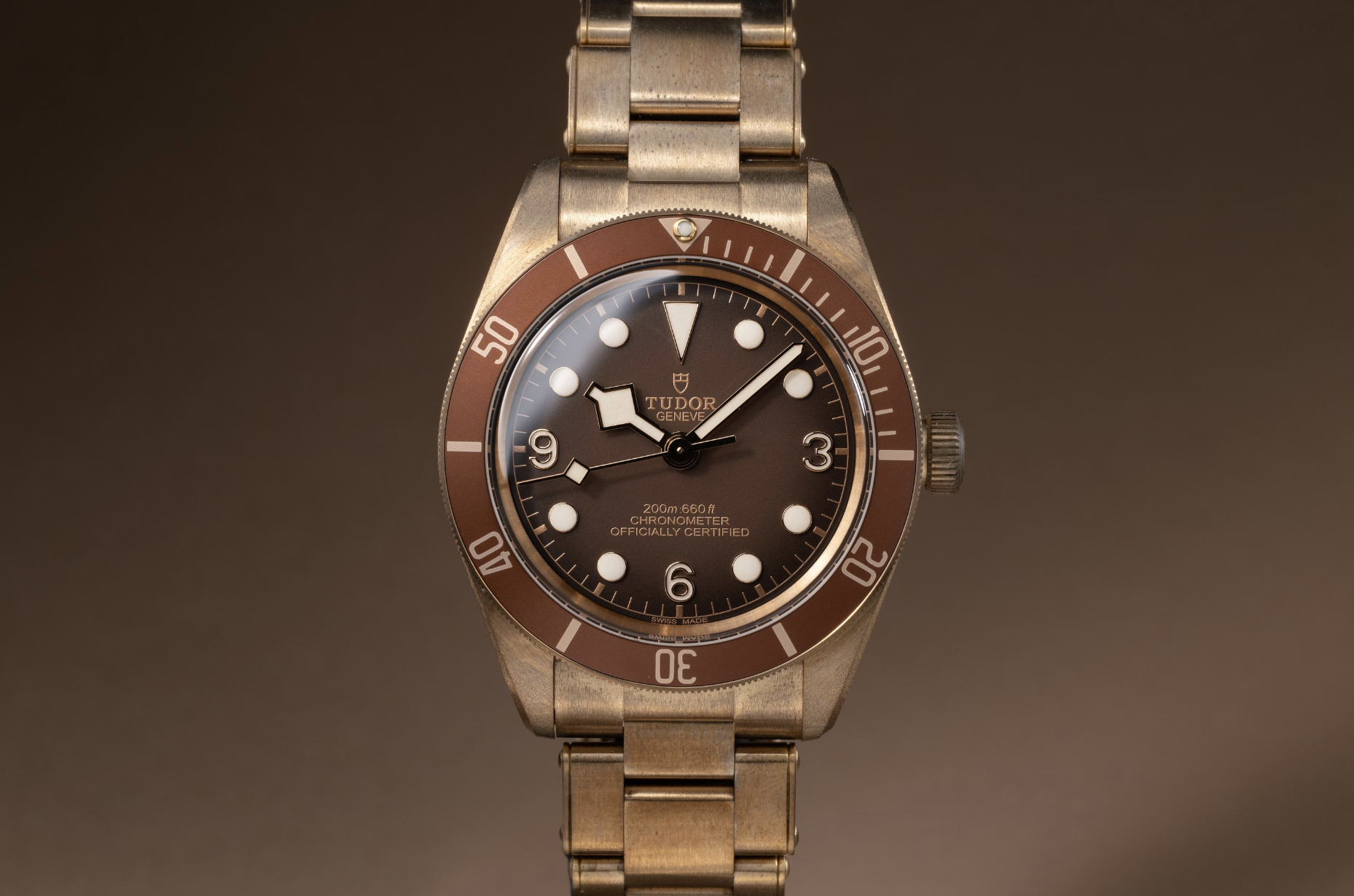
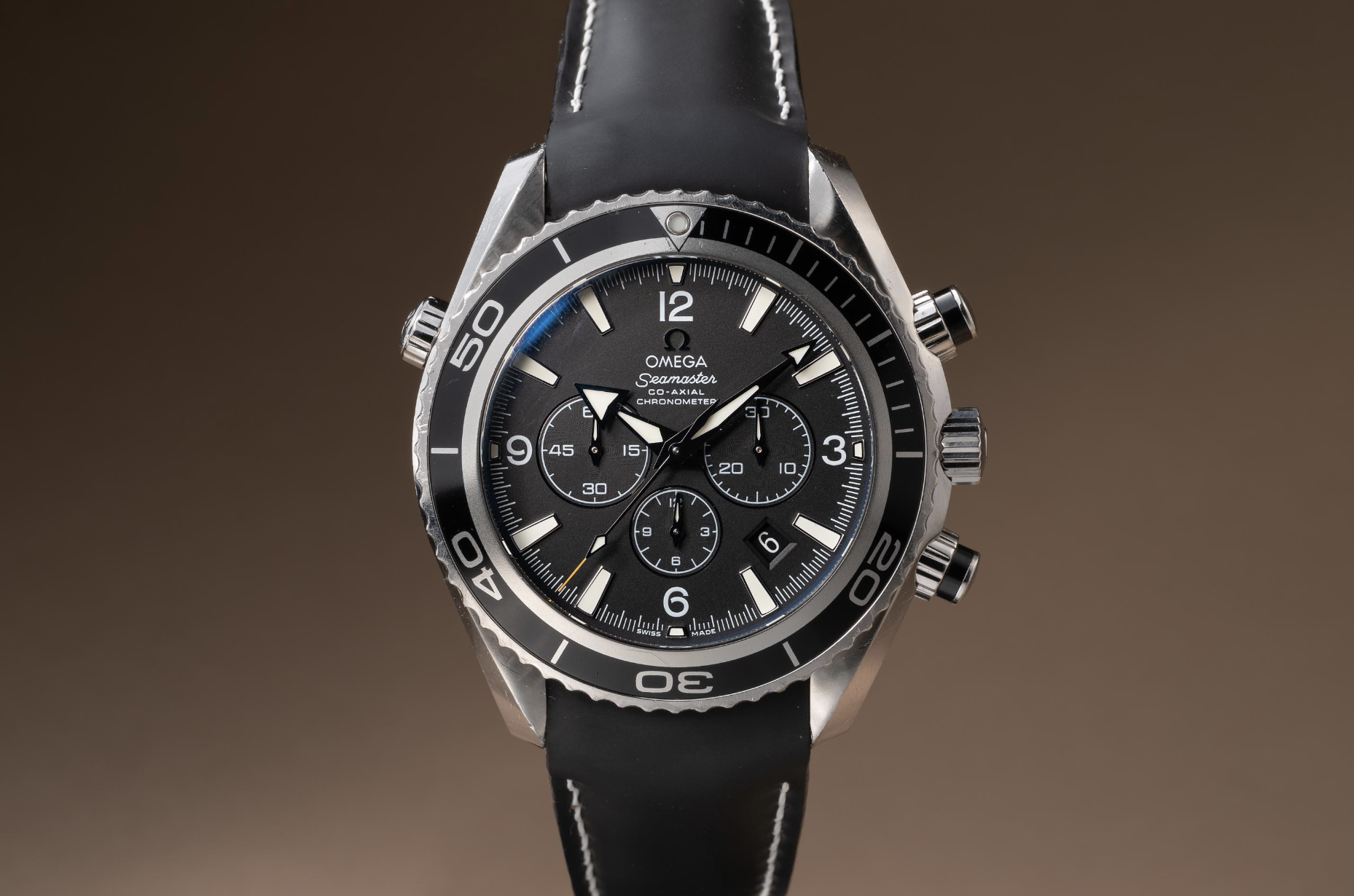
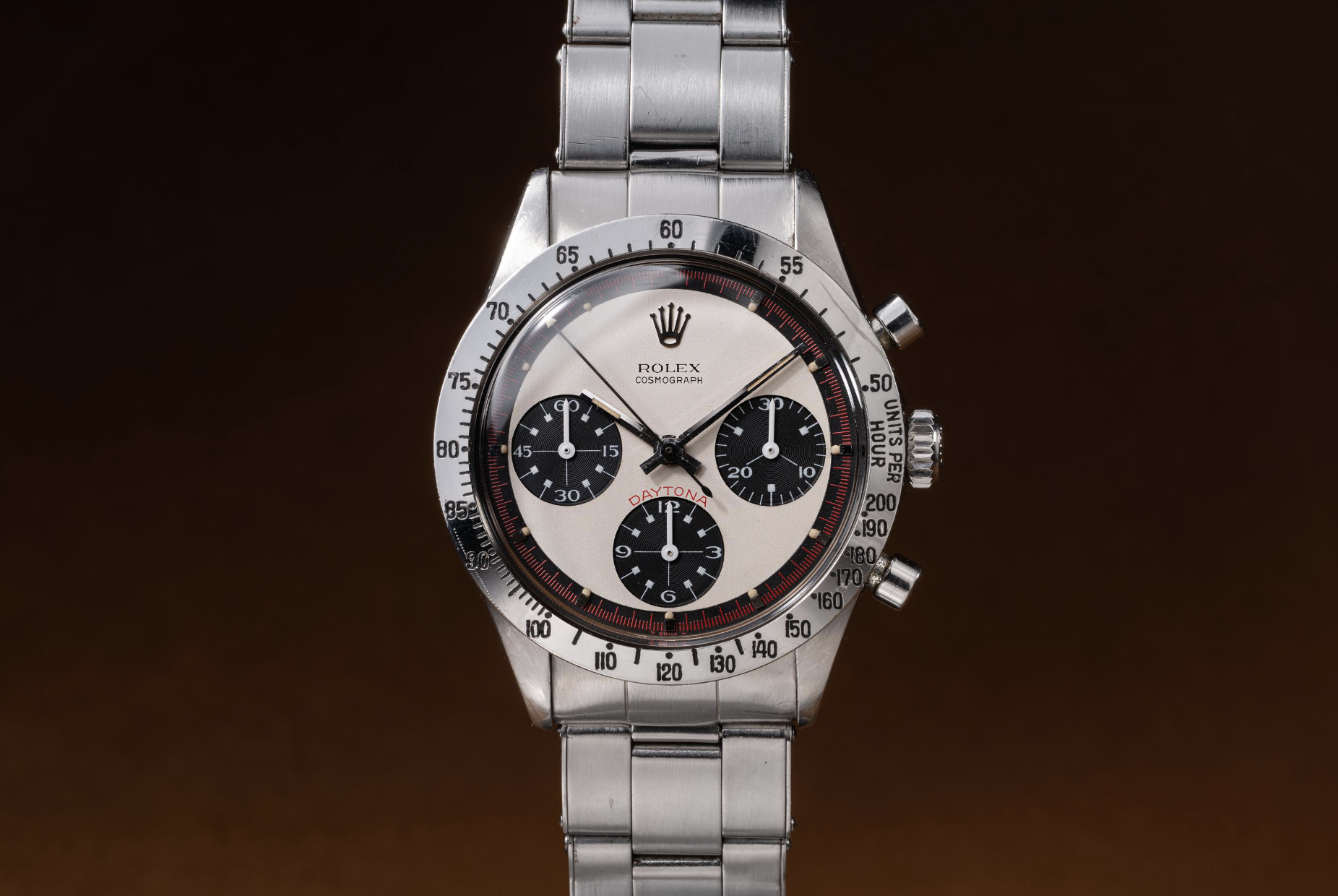
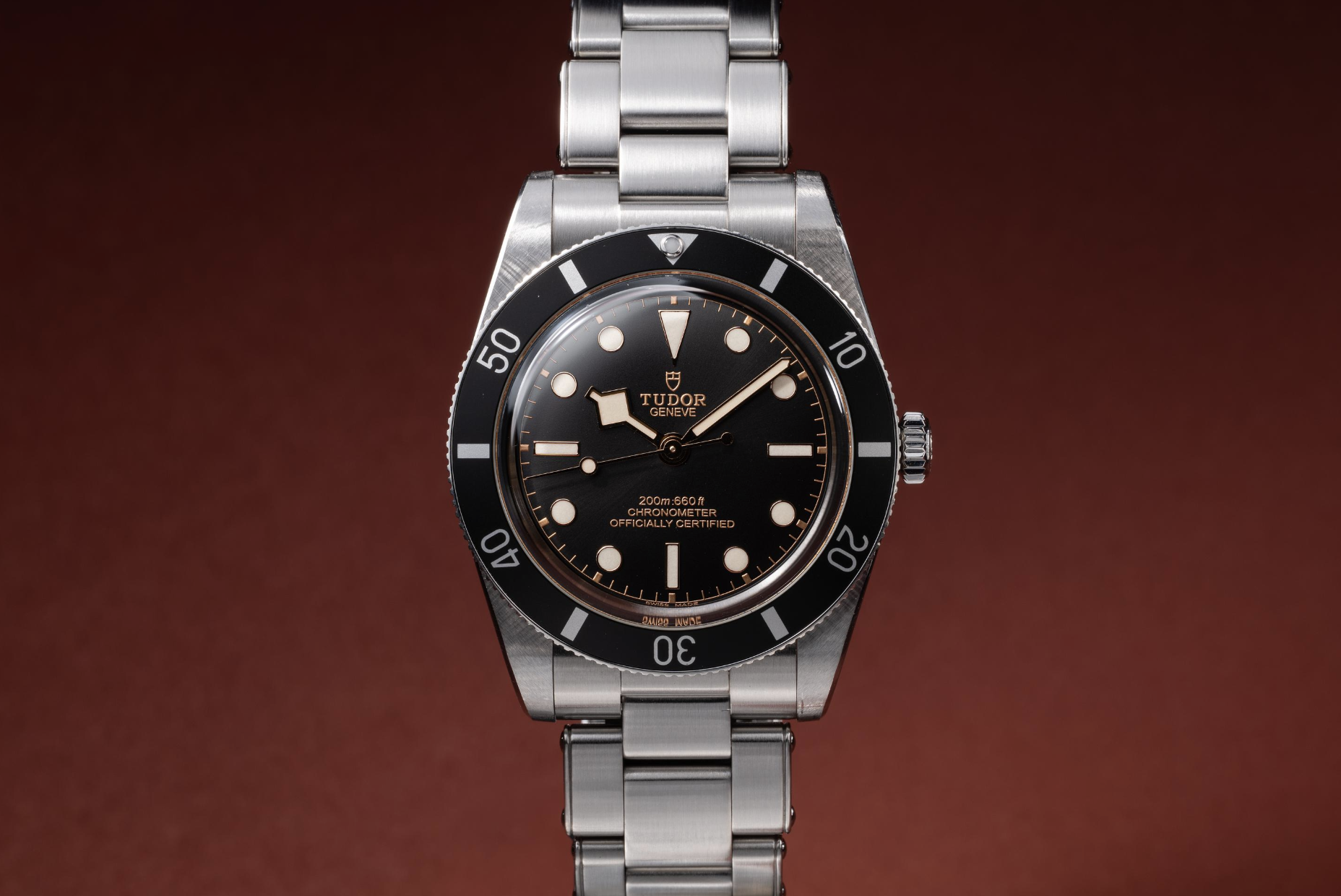




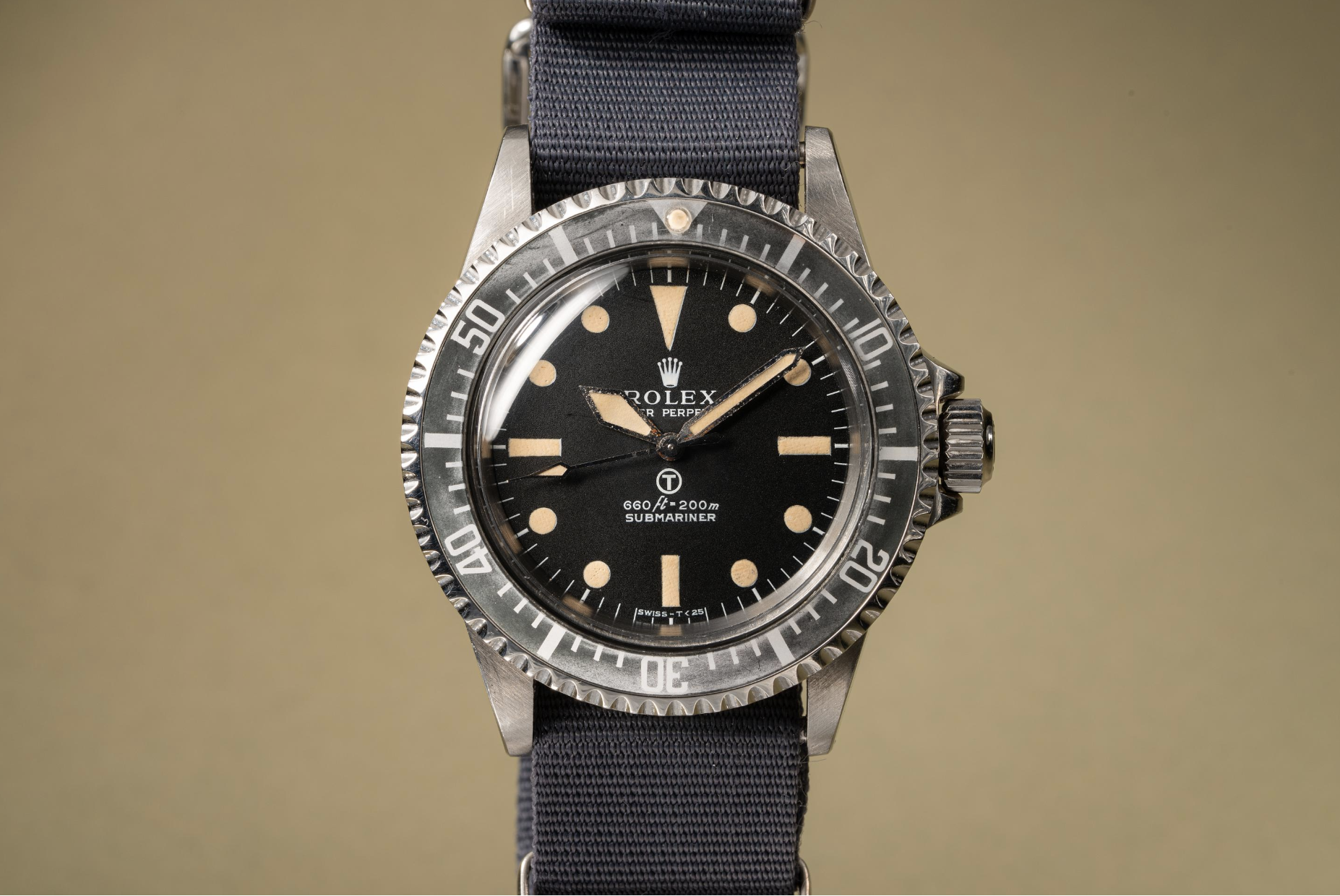
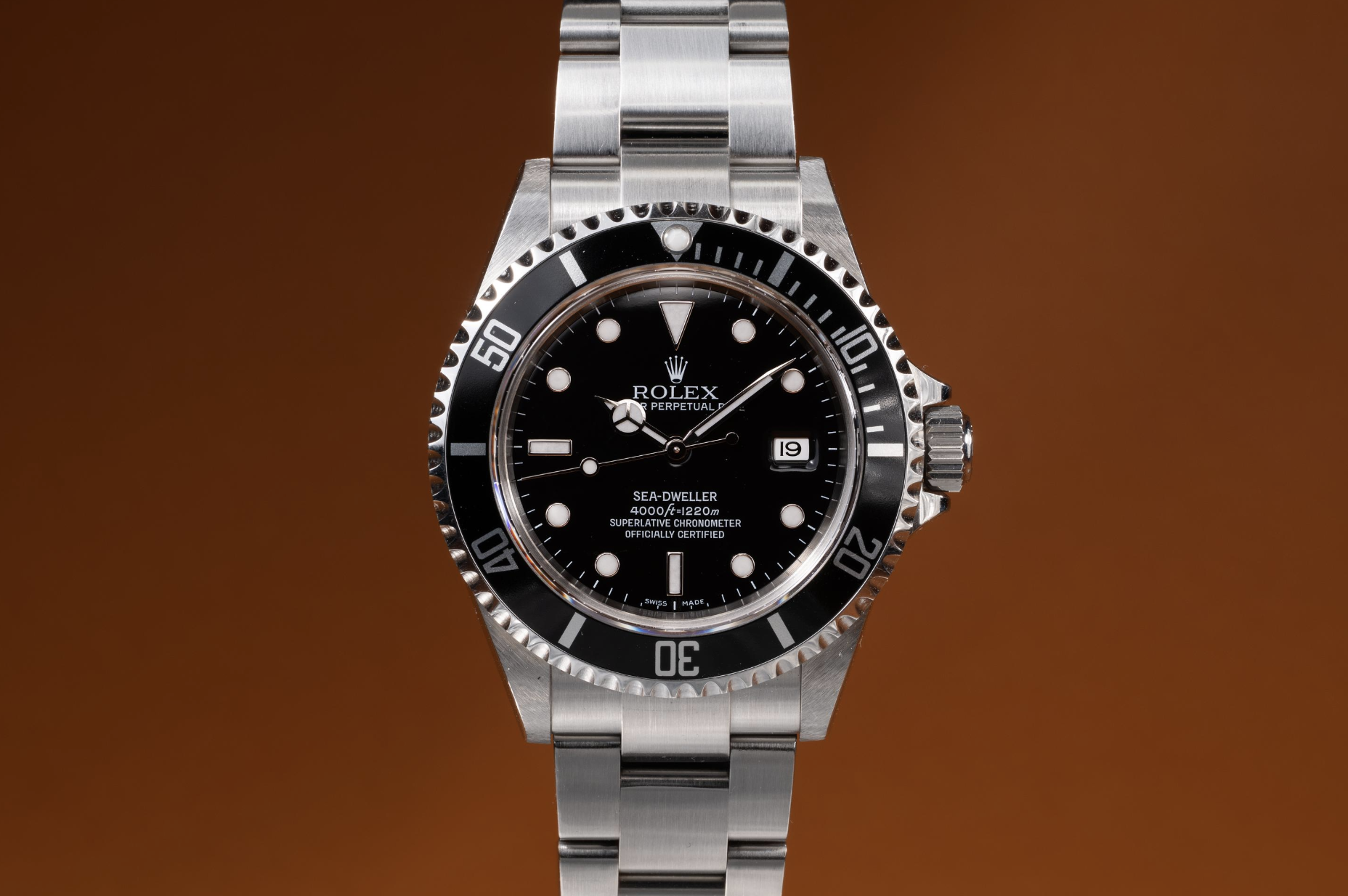
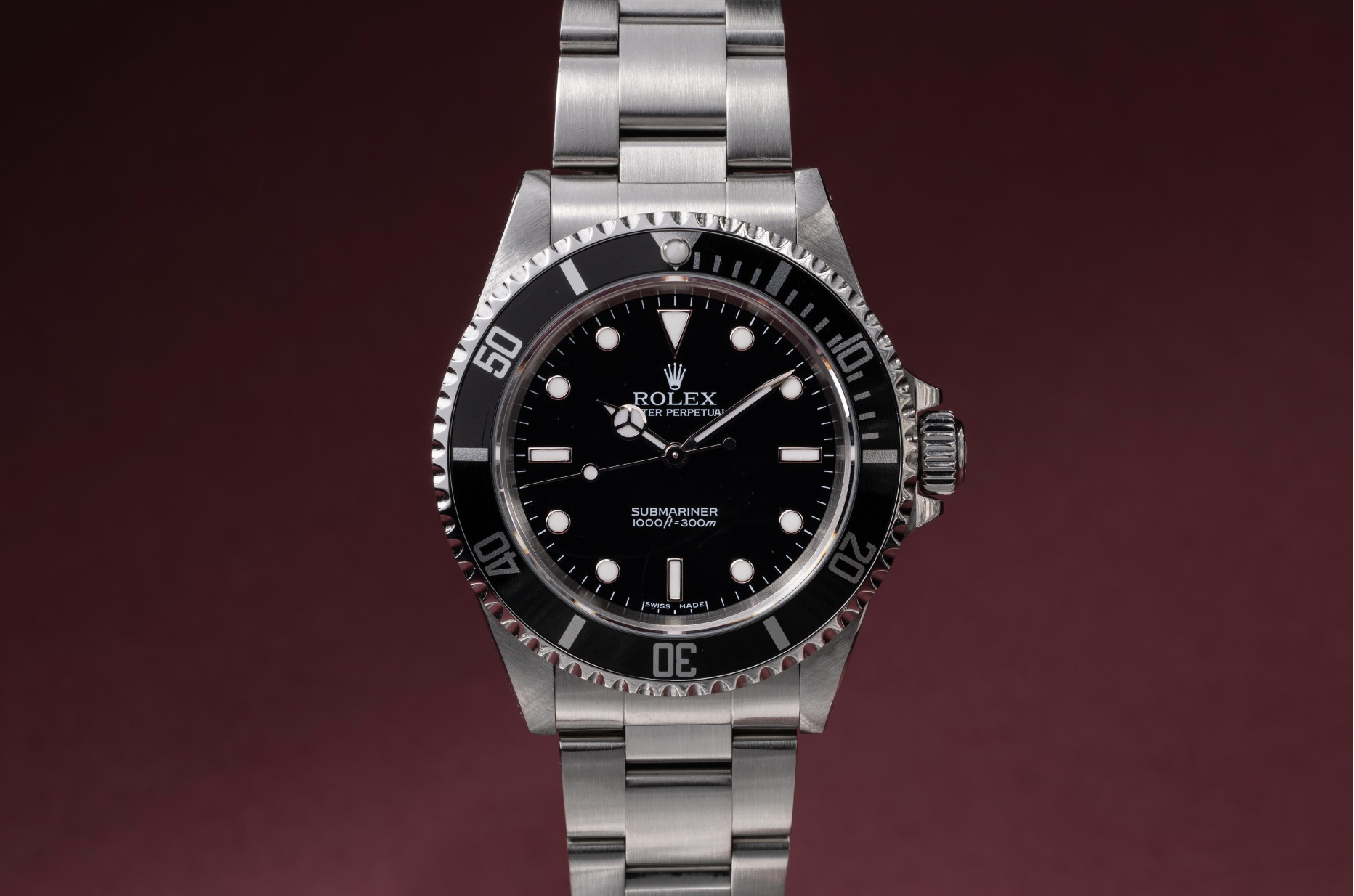


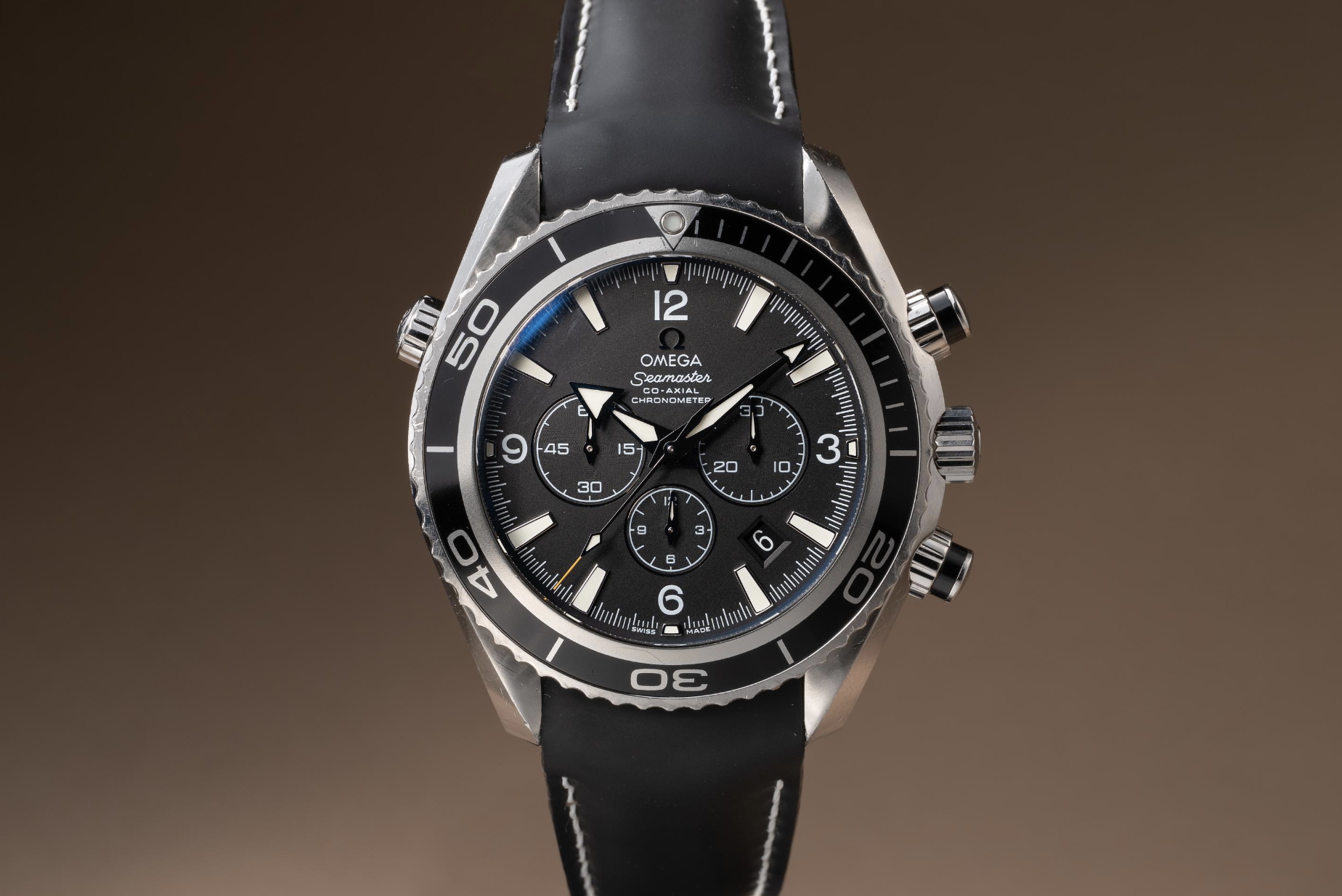




Table of Contents
Get More from the Journal