Rolex Watch History: From 1905 to Modern Icon

The History of Rolex: How One Brand Became the Definition of Luxury Watchmaking
There are few names in horology that carry the weight of Rolex. It is not just a watch brand. It is a cultural institution, a symbol of achievement, and for many collectors, an obsession that spans decades. Understanding where Rolex came from and how it evolved into what it is today is essential context for anyone considering a purchase, whether new or vintage. The story is long, genuinely fascinating, and full of moments that shaped the entire luxury watch industry. So let us walk through it properly.
Where It All Started: Hans Wilsdorf and the Birth of Rolex
Rolex was founded in 1905 in London by a young German entrepreneur named Hans Wilsdorf and his brother-in-law Alfred Davis. The company was originally called Wilsdorf and Davis, and it focused on importing Swiss movements and fitting them into watch cases. At the time, wristwatches were not taken seriously. Pocket watches dominated the market, and there was genuine skepticism about whether a watch worn on the wrist could ever be accurate or reliable. Hans Wilsdorf did not share that skepticism. He believed the wristwatch was the future, and he spent the next several decades proving it. The Rolex name was officially registered as a trademark in 1908, and by 1915, the company had relocated its headquarters to Geneva, Switzerland, where it has remained ever since.
The Oyster Case: A Waterproof Revolution That Changed Everything
If there is one invention that launched Rolex into a different category entirely, it is the Oyster case, introduced in 1926. This was the world's first waterproof wristwatch case, achieved through a hermetically sealed design using a screw-down crown and case back. To demonstrate its capabilities, Rolex fitted an Oyster on the wrist of Mercedes Gleitze during her historic swim across the English Channel in 1927. She wore it for over ten hours in the water, and the watch emerged in perfect condition. Rolex ran a full-page advertisement in the Daily Mail announcing the result. It was one of the earliest and most effective examples of using a real-world performance event to validate a product. The watch industry took notice immediately.
Perpetual Motion: The Automatic Movement That Defined Modern Watchmaking
In 1931, Rolex introduced the Perpetual rotor, an automatic self-winding mechanism that used the natural movement of the wearer's wrist to wind the mainspring. While automatic movements existed before Rolex, the Perpetual rotor was a more efficient and practical solution than its predecessors. It became the foundation of virtually every self-winding watch made since. Combined with the Oyster case, Rolex now had a watch that was both sealed against the elements and self-winding. This pairing became the backbone of the Oyster Perpetual line, which continues to serve as the core of the Rolex catalog today. That combination of practical innovation and refined engineering is really what set Rolex apart from its contemporaries.
Rolex in the Mid-20th Century: Tool Watches Built for the Real World
The decades following World War II were arguably the most creative period in Rolex history. The brand introduced a series of purpose-built professional watches that went on to become among the most collected timepieces in the world. Each model was designed in collaboration with professionals who needed reliable instruments, not decorative accessories.
- The Submariner, launched in 1953, was built for divers and water resistance up to 100 meters
- The GMT-Master, released in 1954, was developed with Pan American Airways for pilots tracking multiple time zones
- The Explorer, also debuted in 1953, emerged from the historic first ascent of Mount Everest by Sir Edmund Hillary and Tenzing Norgay
- The Daytona, introduced in 1963, was designed as a chronograph for professional racing drivers
- The Milgauss, launched in 1956, was built to resist magnetic fields of up to 1,000 gauss for scientists at CERN
These were not fashion pieces. They were instruments with specific jobs to do, and Rolex engineered them accordingly. The fact that they also became style icons is almost a byproduct of how well they were built.
The Quartz Crisis and How Rolex Survived It
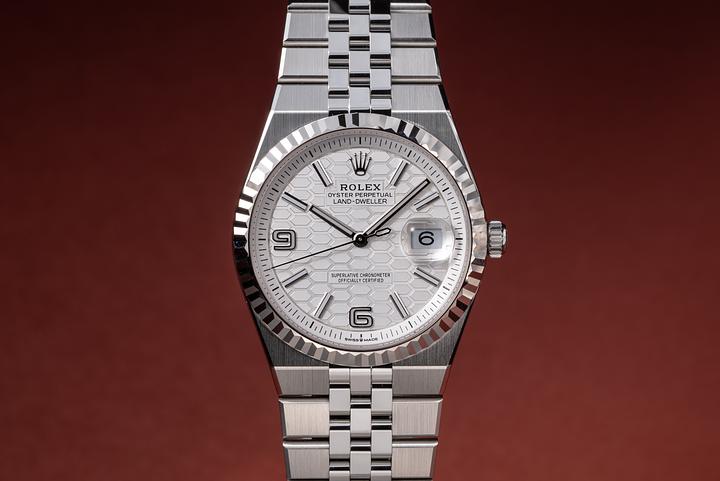
In the 1970s, the Swiss watch industry faced an existential threat. Japanese manufacturers introduced quartz movements that were more accurate than mechanical watches and significantly cheaper to produce. Hundreds of Swiss brands either collapsed or were absorbed. Rolex, to its credit, did not panic. The brand had invested heavily in its mechanical movements and its reputation for precision and durability. Rather than chasing the quartz trend aggressively, Rolex focused on defending the value of mechanical watchmaking while continuing to refine its existing calibers. The brand did release some quartz models, most notably the Oysterquartz line in 1977, but it never abandoned its mechanical roots. That decision proved wise. By the 1980s, mechanical watches had regained their prestige, and Rolex was positioned perfectly to benefit.
Modern Rolex: Innovation Continues Behind a Timeless Exterior
Rolex is often described as conservative, and from a design standpoint, that is fair. The Submariner today looks remarkably similar to the one from the 1950s. But underneath those familiar dials and bezels, the brand has continued to innovate aggressively. Rolex developed its own alloys, including Oystersteel, Everose gold, and the proprietary Cerachrom ceramic used in its bezels. The brand manufactures its own movements entirely in-house, including the Parachrom hairspring, which is highly resistant to shocks and magnetic fields. In 2012, Rolex introduced the Milgauss successor concept through continued movement refinement. In 2015, the Daytona received a movement upgrade that drew widespread praise from the horological community. Rolex also owns its own foundry, its own case and bracelet manufacturing, and even produces its own dials. That level of vertical integration is almost unheard of in the industry and ensures a standard of quality that few competitors can match.
Vintage Rolex and the Collector Market: Why Age Adds Value
The secondary market for vintage Rolex watches has grown into a serious, sophisticated space. Certain references from the 1950s through the 1980s now command prices that far exceed their original retail cost. Watches like the Paul Newman Daytona, early Submariner references with gilt dials, and vintage GMT-Masters with Pepsi bezels have all achieved record auction results in recent years. What makes vintage Rolex so compelling to collectors is the combination of historical significance, mechanical purity, and what the community refers to as patina, the natural aging of dials, hands, and luminous material that gives each vintage example a unique character. No two are exactly alike, and that individuality is part of what drives demand.
Why Tropical Watch Should Be Your First Call for Vintage Rolex
If the history of Rolex has sparked an interest in owning a piece of it, the next step is finding a source you can genuinely trust. Tropical Watch specializes in authenticated vintage and pre-owned luxury timepieces, with a particular depth of knowledge in Rolex references that defined the golden era of Swiss watchmaking. Whether you are searching for an early Submariner, a vintage GMT-Master, or a Paul Newman Daytona, working with specialists who understand the nuances of these references matters enormously. For collectors and first-time buyers alike, exploring authenticated vintage Rolex watches for sale through a trusted dealer is not just a convenience, it is a form of protection. The team at Tropical Watch brings the kind of expertise that turns an expensive purchase into a confident one.
Frequently Asked Questions About Rolex Watch History
When was Rolex founded and by whom?
Rolex was founded in 1905 in London by Hans Wilsdorf and his brother-in-law Alfred Davis. The company was initially called Wilsdorf and Davis before being rebranded as Rolex in 1908.
What was the first waterproof Rolex watch?
The Rolex Oyster, introduced in 1926, was the world's first waterproof wristwatch. Its sealed case design was publicly validated in 1927 when Mercedes Gleitze wore one during her English Channel crossing.
Which Rolex model was worn on the first ascent of Mount Everest?
The Rolex Explorer is associated with the first successful ascent of Mount Everest in 1953 by Sir Edmund Hillary and Tenzing Norgay, and the model was officially introduced that same year to commemorate the achievement.
Why are vintage Rolex watches so valuable?
Vintage Rolex watches are valuable due to their historical significance, limited availability, mechanical quality, and the unique aging characteristics of dials and components that make each example distinctive. Certain rare references have sold for millions at auction.
How did Rolex survive the quartz crisis of the 1970s?
Rolex survived the quartz crisis by maintaining its commitment to mechanical watchmaking, continuing to invest in its in-house movements, and preserving brand prestige at a time when many Swiss competitors collapsed or shifted entirely to quartz production.
Does Rolex manufacture its own movements?
Yes. Rolex is one of the few watch brands in the world that manufactures its movements entirely in-house, including its own hairsprings, escapements, and case components, giving the brand exceptional control over quality and consistency.






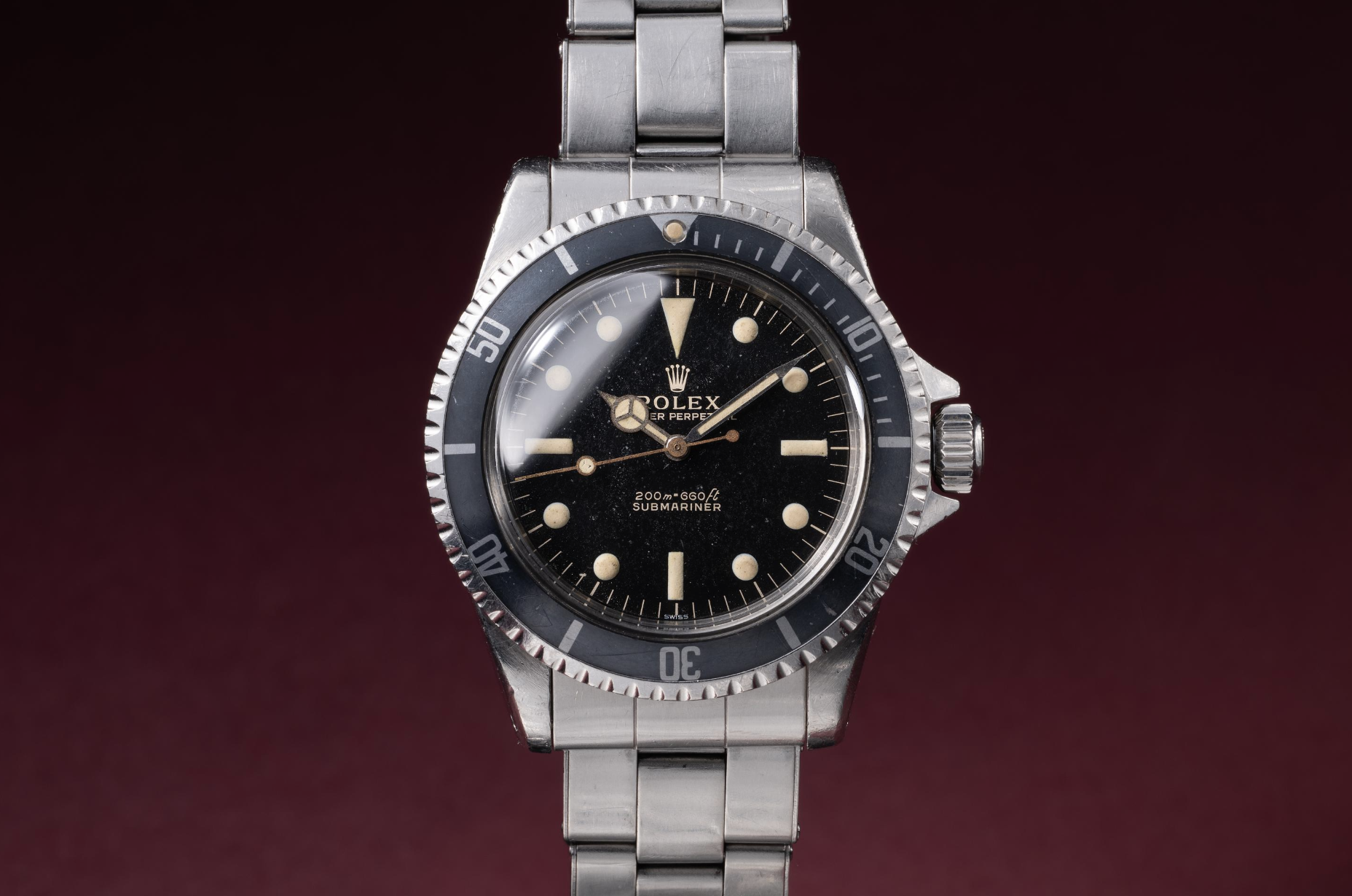


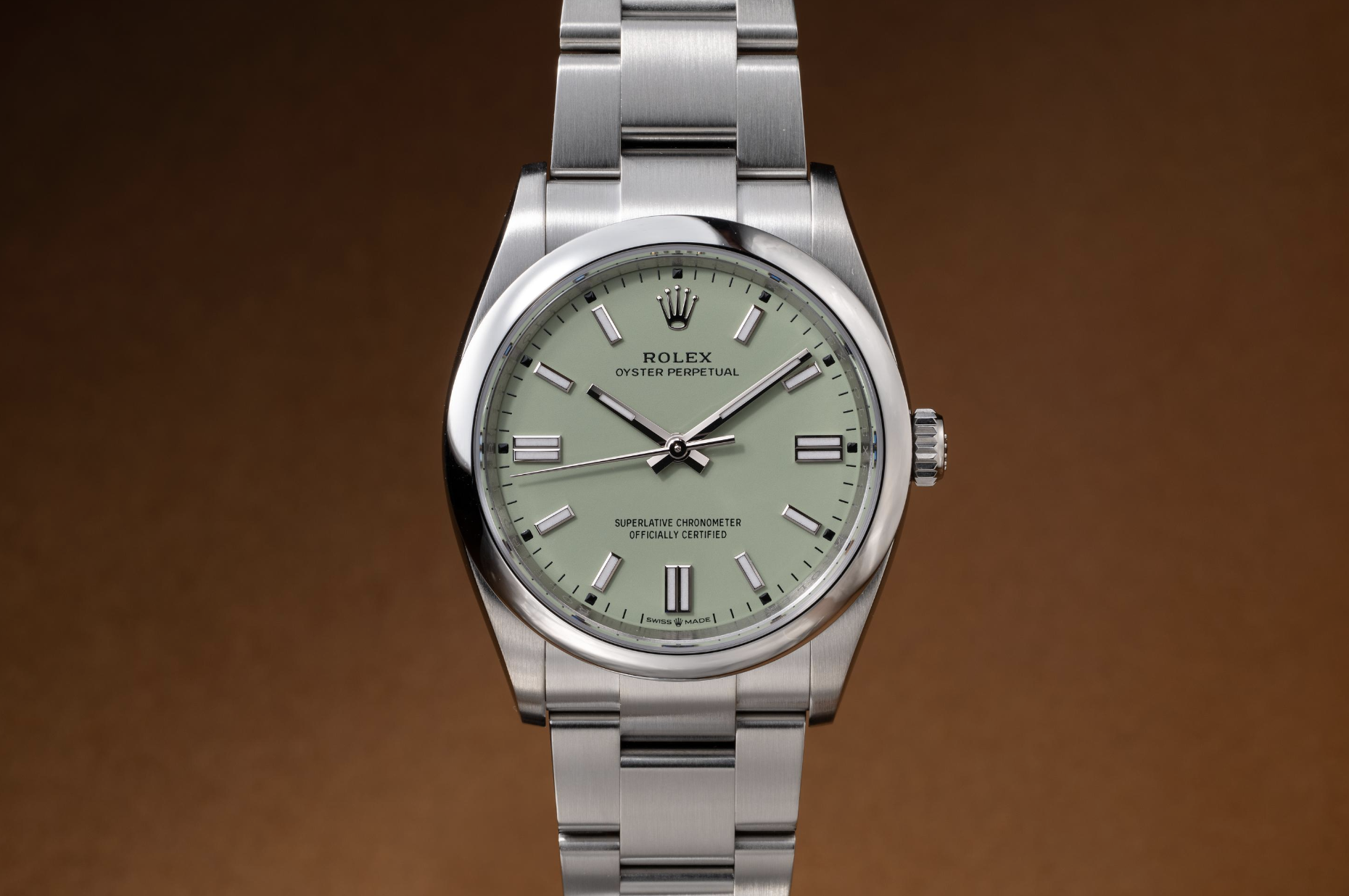

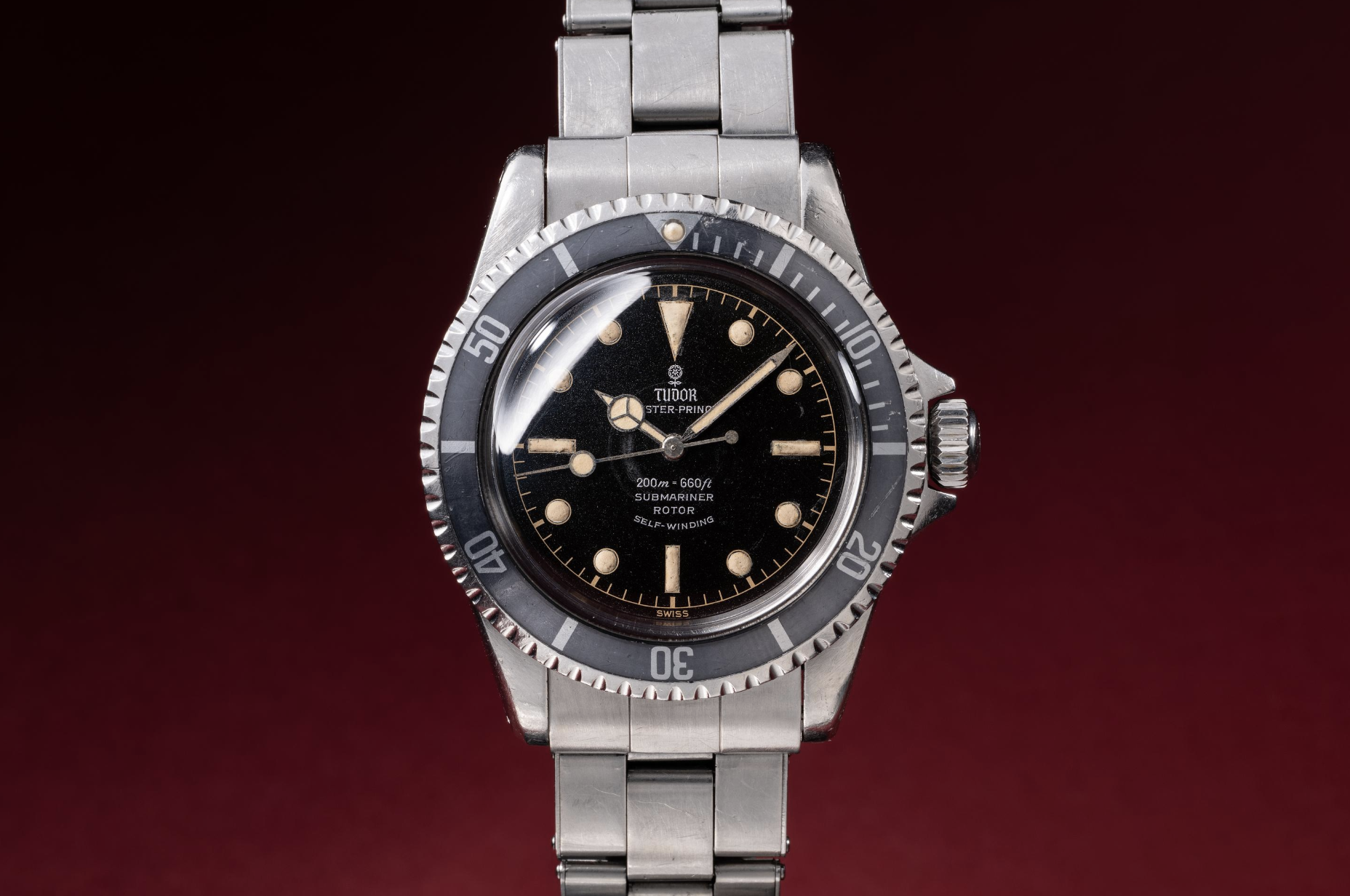

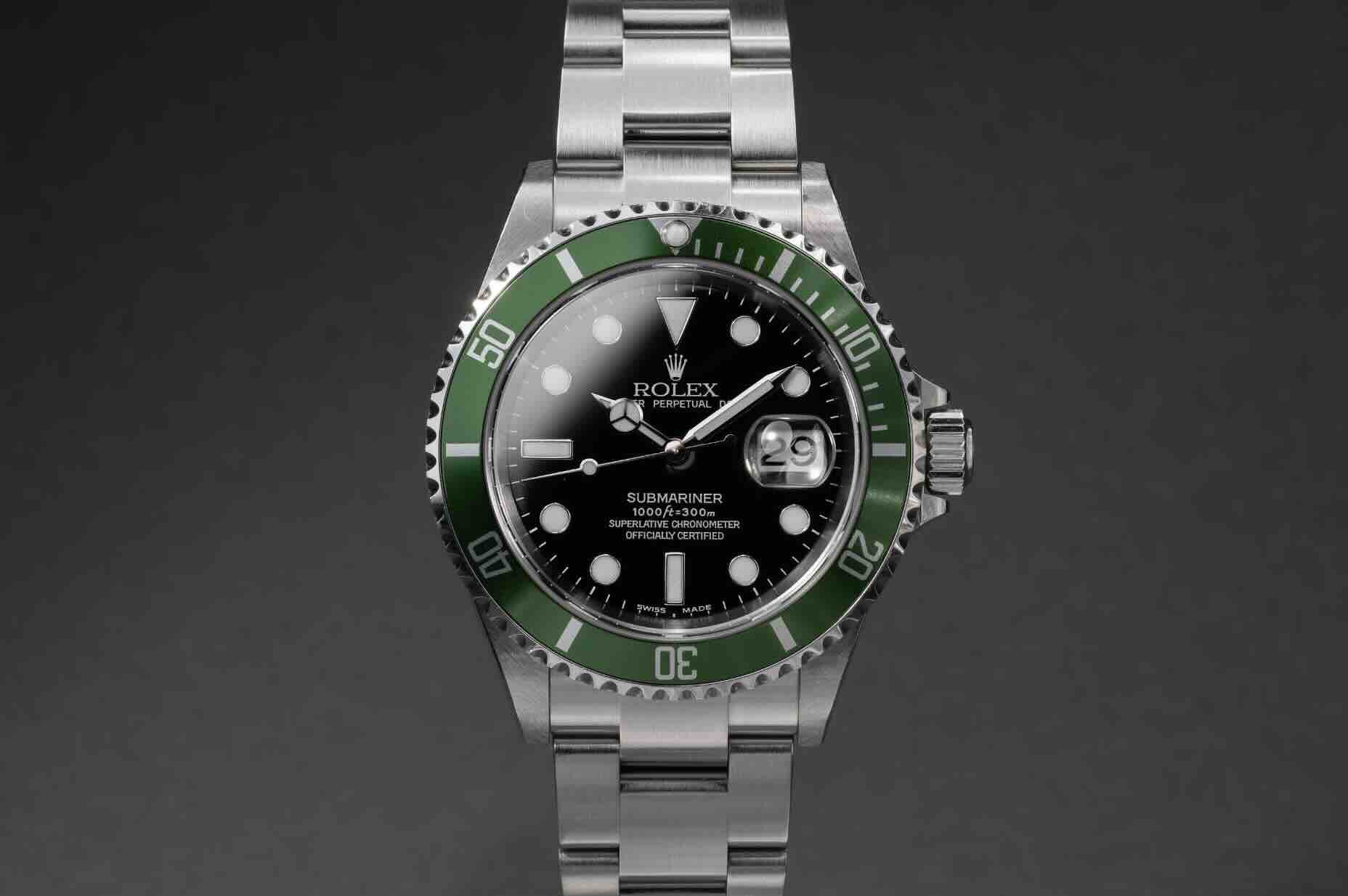


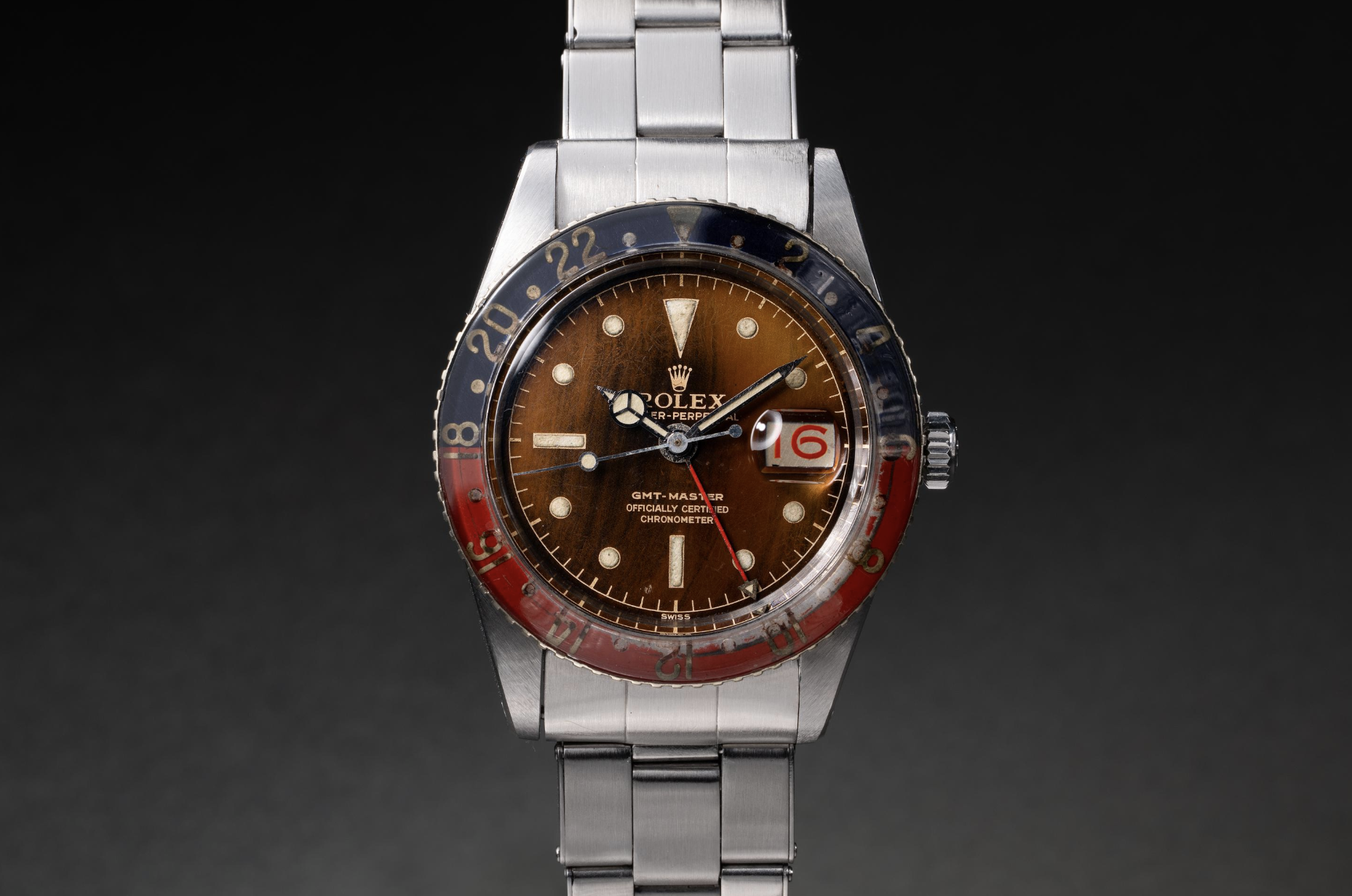




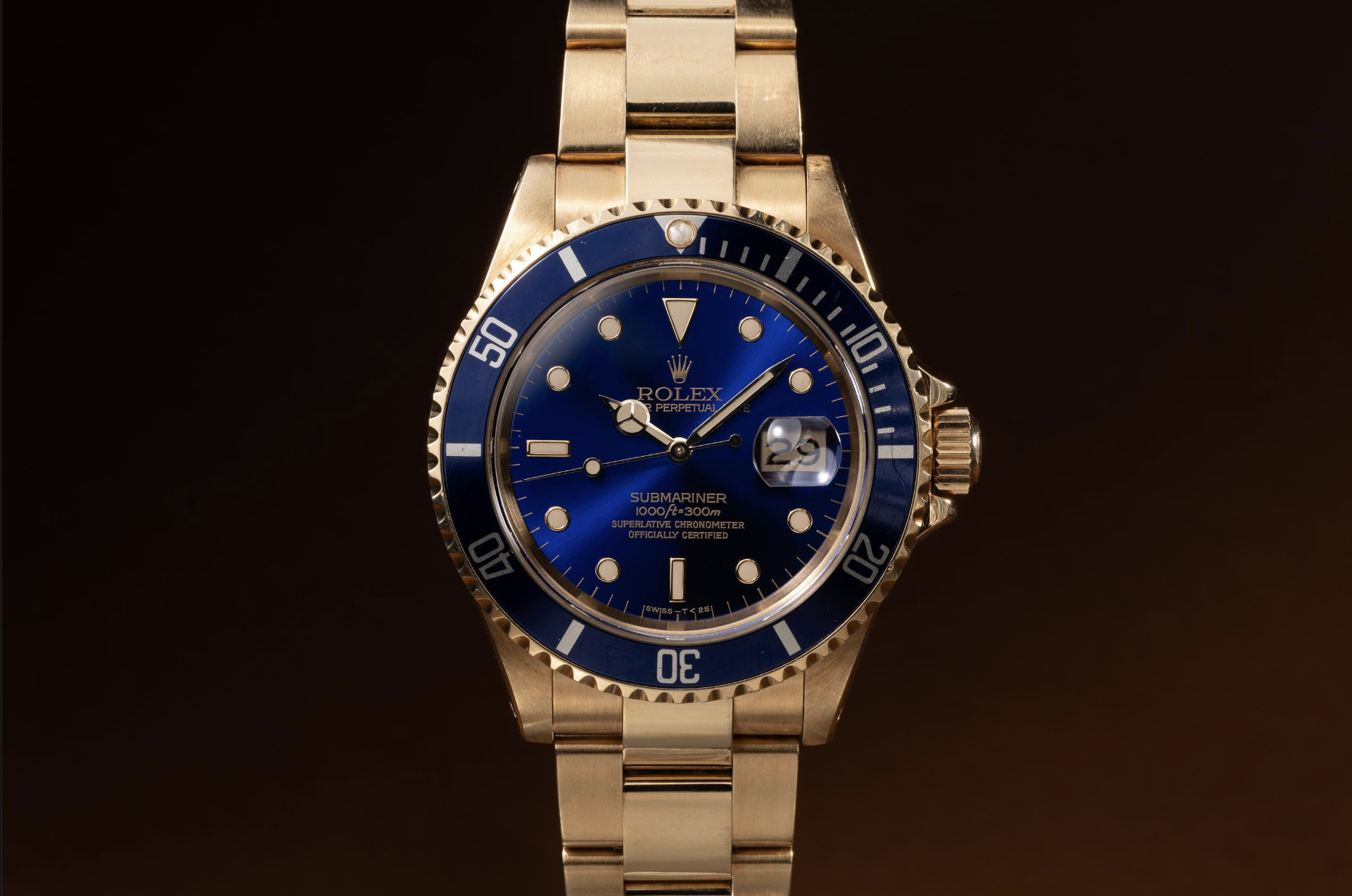




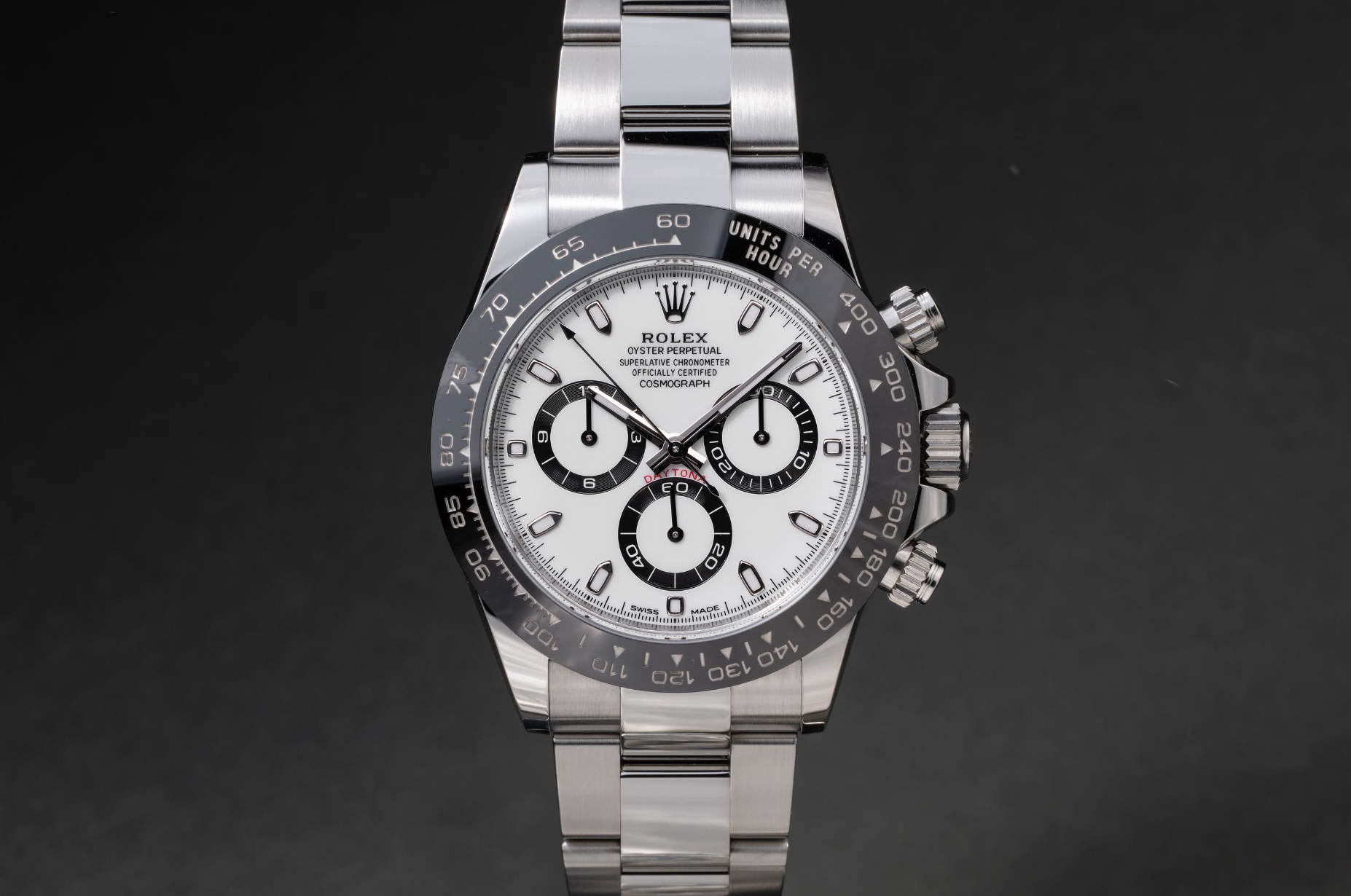




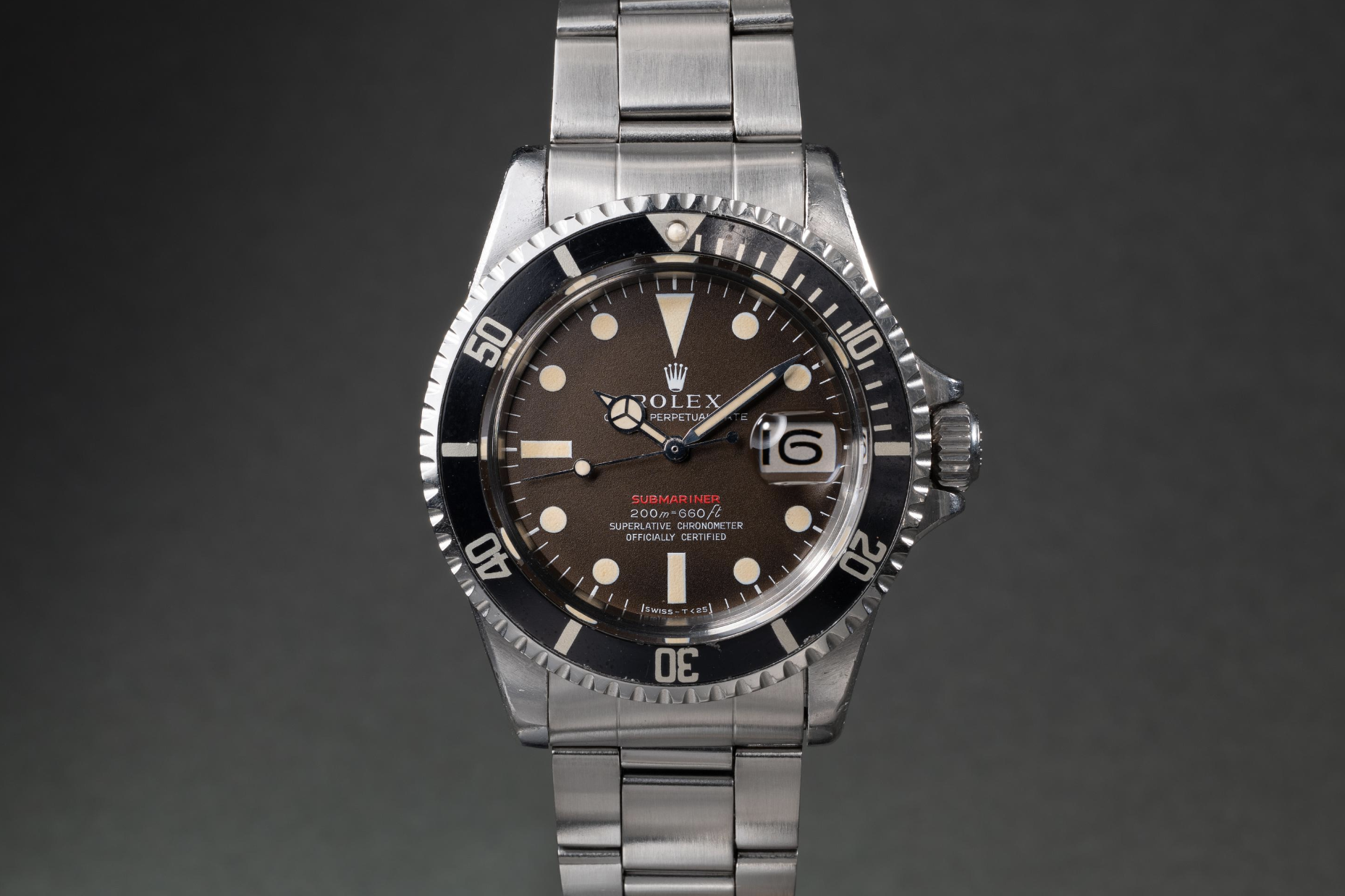







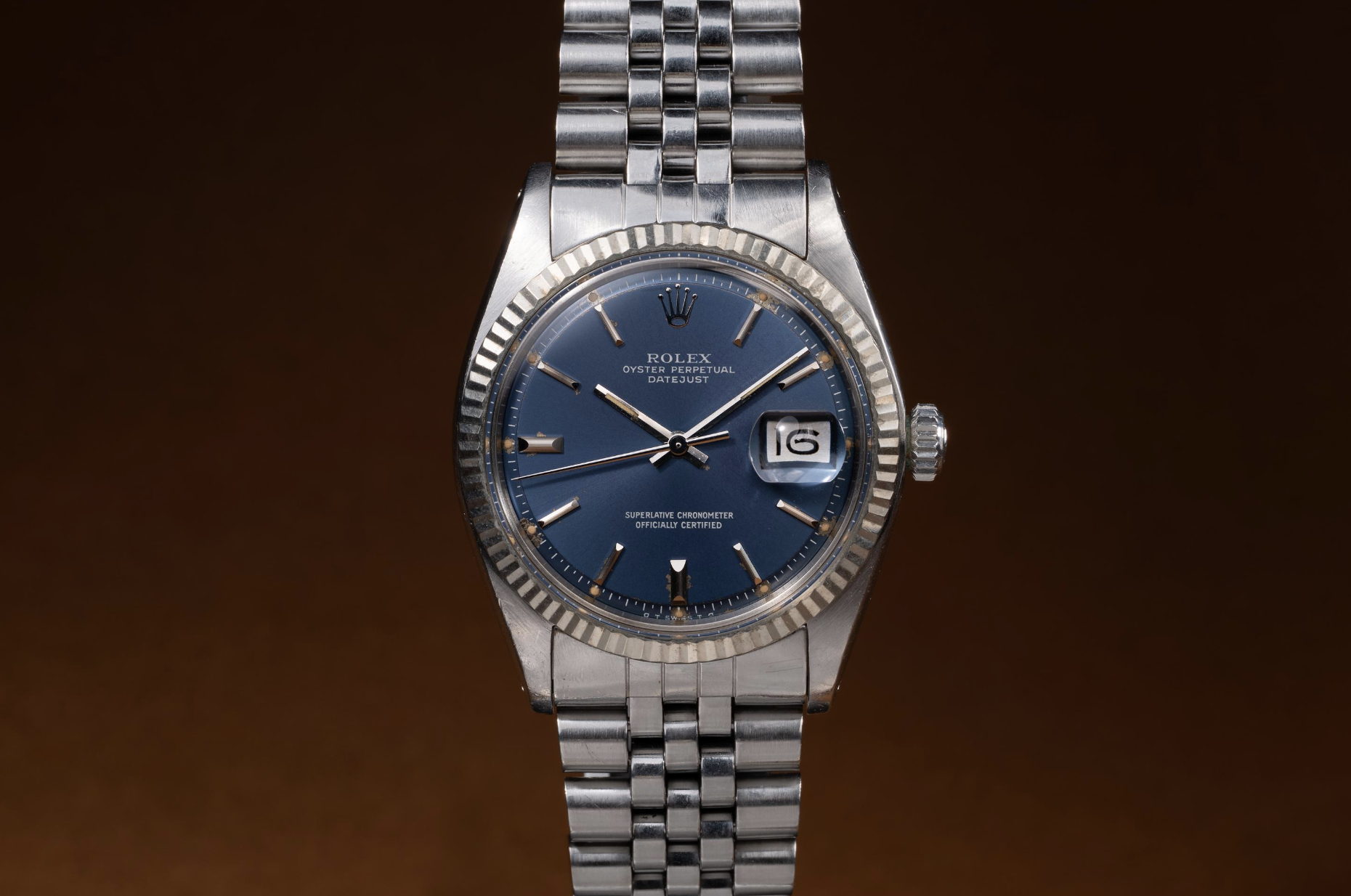
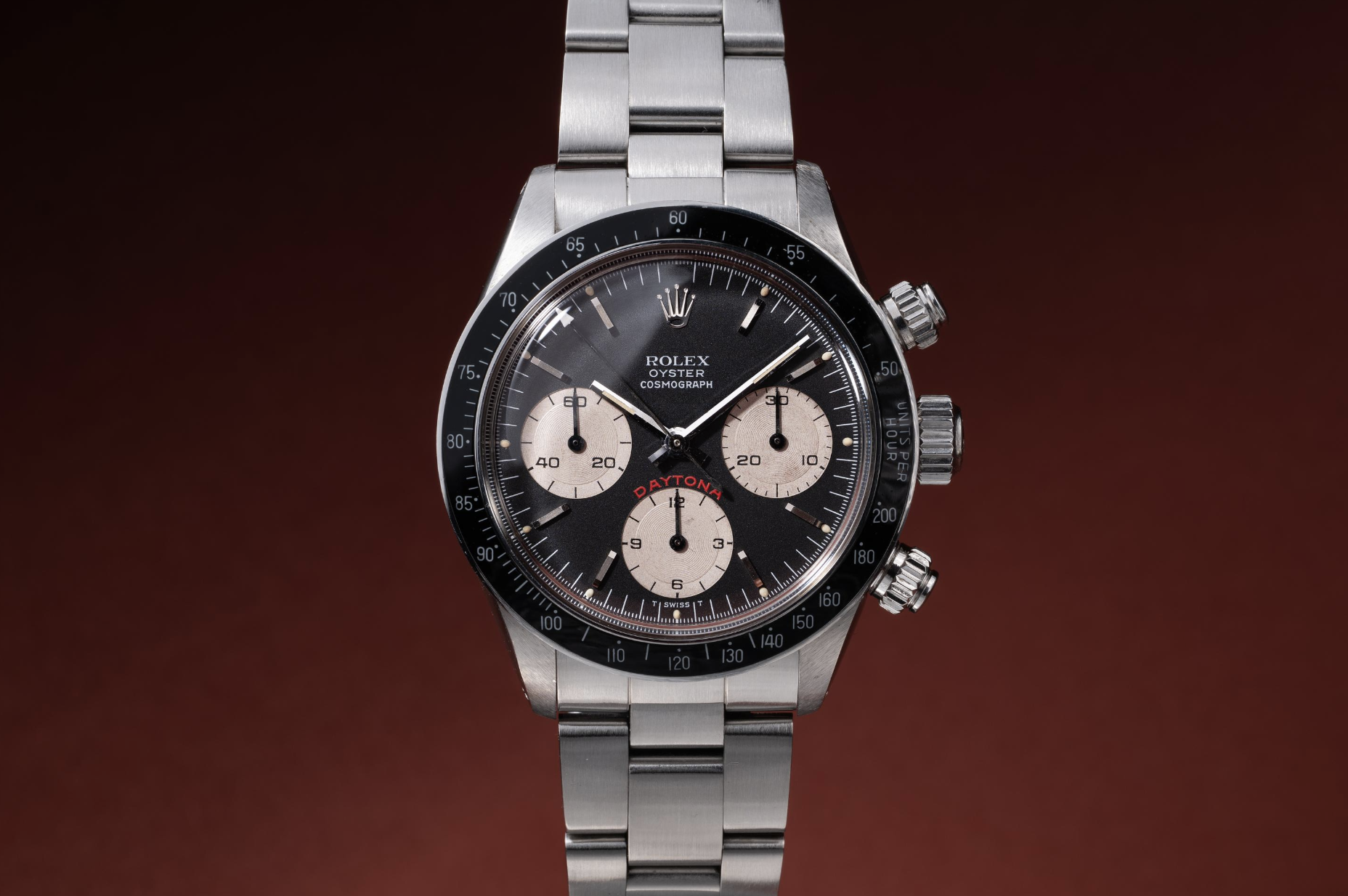
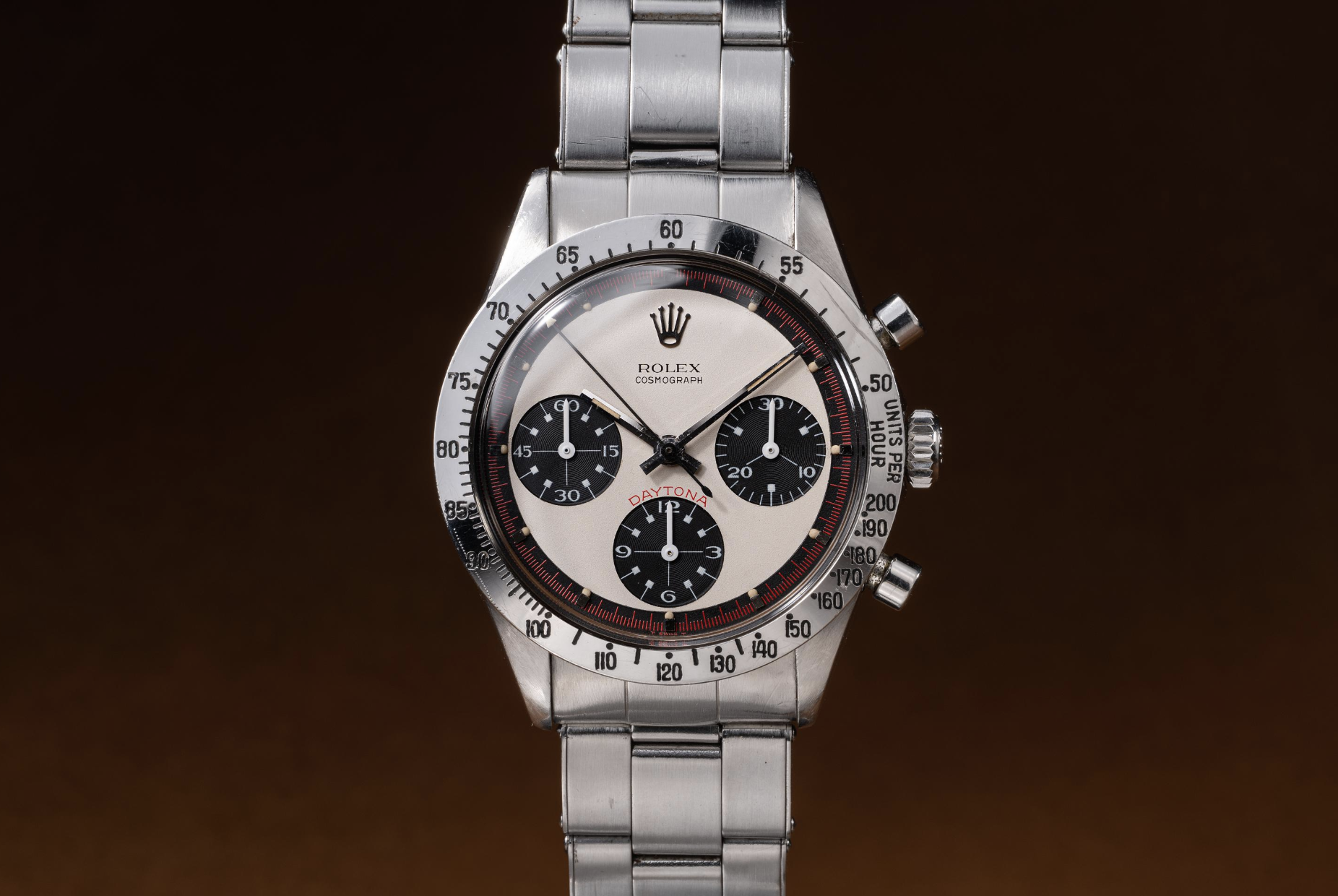
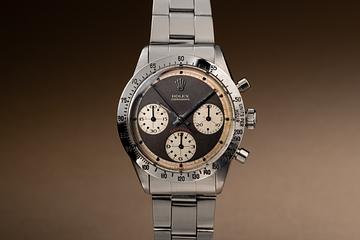



Table of Contents
Get More from the Journal