Cartier Santos vs Rolex Datejust: Which Wins?
Cartier Santos vs Rolex Datejust: Which Luxury Watch Is Right for You?
Two watches. Two completely different philosophies about what a luxury timepiece should be. The Cartier Santos and the Rolex Datejust have been quietly competing for wrist space for decades, and if you are standing at the crossroads trying to decide between them, you are in good company. These are two of the most recognized watches in the world, each with a distinct personality, a long history, and a loyal following that will happily argue their case. This guide breaks down everything you need to know to make a clear, confident decision.
A Brief History of the Cartier Santos
The Cartier Santos has a legitimate claim to being one of the very first wristwatches ever made for practical use. Louis Cartier designed it in 1904 for his friend Alberto Santos-Dumont, a Brazilian aviation pioneer who needed a watch he could read while flying without taking his hands off the controls. That origin story is not marketing fluff. It is well documented and genuinely shapes the watch's identity. The exposed screws on the bezel, the square case, the overall architectural boldness of the design - all of it traces back to that functional, forward-thinking beginning. Cartier relaunched the Santos in its modern form in 1978, and it has remained a staple of the collection ever since, most recently updated with the QuickSwitch bracelet system that allows wearers to change straps in seconds.
A Brief History of the Rolex Datejust
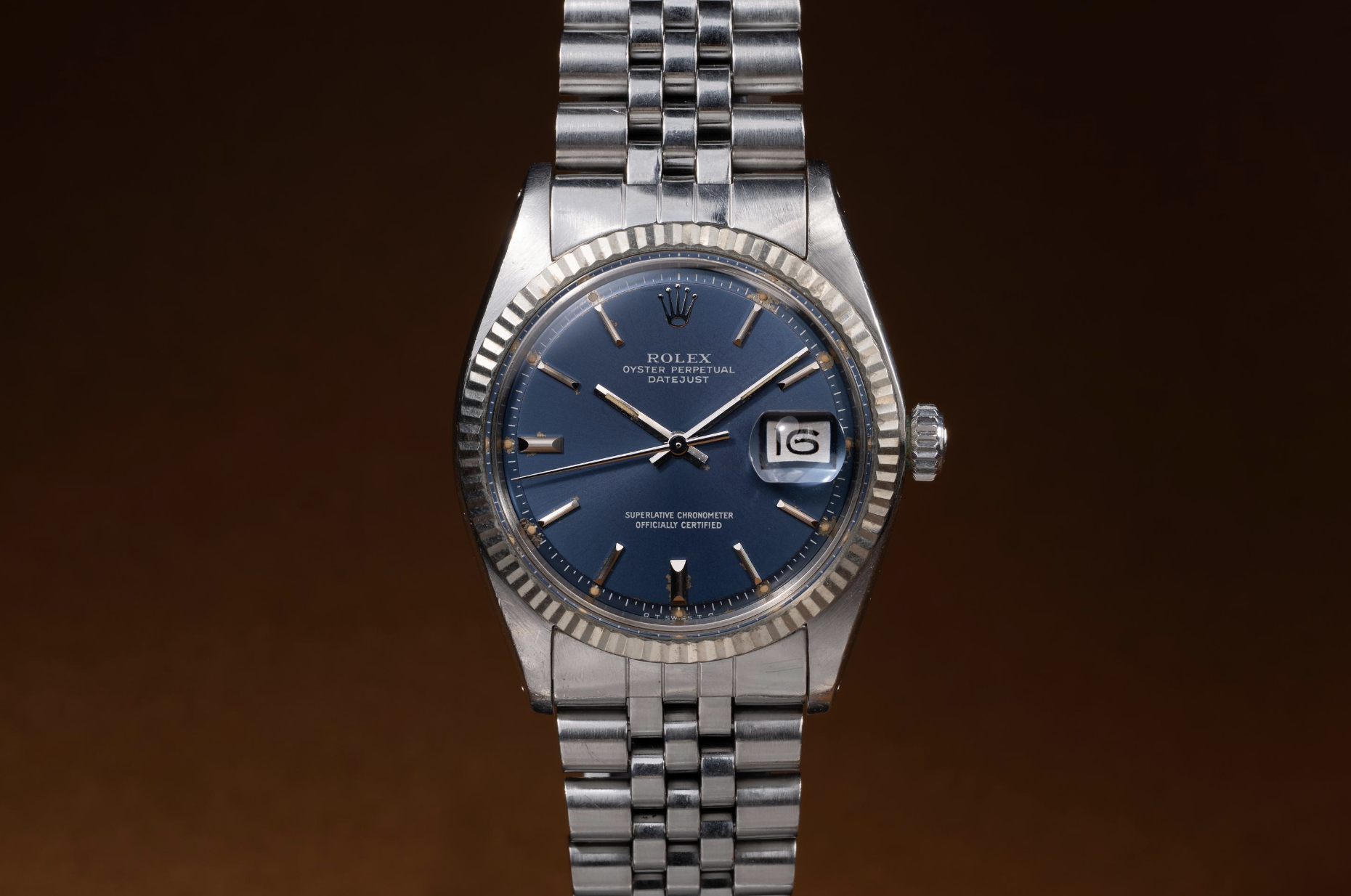
The Rolex Datejust has its own milestone to stand on. Introduced in 1945 to celebrate Rolex's 40th anniversary, it was the first self-winding wristwatch to display the date in a window on the dial. That alone secured its place in horological history. Over the decades, the Datejust evolved steadily without ever abandoning its core design language. The fluted bezel, the Cyclops lens magnifying the date, the Oyster case - these elements have been refined rather than reinvented. Today, the Datejust 41 is the flagship size in the current lineup, though the 36mm model remains popular for those who prefer a more classic proportion. It is a watch that has spent eighty years proving itself without needing to raise its voice.
Design and Aesthetic Differences
This is where the two watches diverge most clearly, and it matters more than people sometimes admit. The Santos is angular, graphic, and unmistakably French in spirit. The exposed screws on the bezel give it an almost industrial quality that feels intentional and self-assured. It reads as a fashion-forward choice without trying too hard. The Datejust, by contrast, is round, polished, and classically composed. It has the kind of elegance that does not announce itself in a room but is immediately recognized by those who know. If you tend to wear clothes with a strong graphic quality or lean toward contemporary design, the Santos fits naturally into that world. If you gravitate toward timeless, understated sophistication, the Datejust is a more intuitive match.
Movement and Technical Specifications
Both watches house serious movements, though they come from different traditions. The current Cartier Santos houses the caliber 1847 MC, an in-house quartz movement, while the higher-end Santos-Dumont models can be had with mechanical calibers depending on the configuration. The Santos 100 and larger variants have been offered with the caliber 1847 MC as well as more refined mechanical options. The Rolex Datejust runs on the caliber 3235, a modern in-house automatic movement with a 70-hour power reserve, Rolex's Chronergy escapement, and a Paraflex shock absorber. It is certified as a Superlative Chronometer, meaning it holds accuracy to plus or minus two seconds per day. From a pure movement standpoint, Rolex has invested heavily in proprietary technology that puts the Datejust in serious technical company.
Pricing and Market Value
Price is a real factor, and there is no reason to dance around it. The Cartier Santos in stainless steel typically retails between $6,000 and $9,000 depending on configuration, bracelet type, and dial choice. Two-tone and precious metal versions climb considerably higher. The Rolex Datejust 41 in stainless steel retails at approximately $7,300 at authorized dealers, though finding one at that price requires patience. Rolex's strong secondary market means that pre-owned Datejust models hold their value exceptionally well, and in some configurations, they appreciate over time. The Santos holds value too, but Rolex's resale performance is difficult to match across the board. If long-term value retention is a priority, the Datejust has a consistent track record that the broader market respects.
Wearability and Versatility
Day-to-day wearability is worth thinking through seriously. Here is how each watch performs across different contexts:
- Cartier Santos: Works exceptionally well with smart casual and contemporary professional attire
- Santos adapts easily across strap options, from the steel bracelet to leather to rubber
- The square case reads as more expressive and fashion-forward in casual settings
- Rolex Datejust: Transitions seamlessly from a formal boardroom setting to a weekend lunch
- The round case and classic proportions make it nearly invisible in its versatility
- The Oyster bracelet is among the most comfortable integrated bracelets in the industry
Neither watch is limited to a single lifestyle, but the Datejust edges ahead in raw versatility simply because its traditional design language offends no dress code or social setting.
Who Each Watch Is Really For
The honest answer is that these two watches attract different kinds of buyers, and that is not a criticism of either. The Santos appeals to someone who sees their watch as part of a considered personal aesthetic, someone who wants a conversation starter with a genuine story behind it. It suits the buyer who appreciates design heritage from a fashion and architecture perspective as much as a horological one. The Datejust appeals to someone who values permanence, who wants a watch that will look just as right in thirty years as it does today, and who finds the idea of Rolex's engineering legacy genuinely compelling. If you are buying your first serious luxury watch and want something universally recognized and enduringly relevant, the Datejust is a safer long-term investment in every sense of the word.
Pre-Owned Considerations for Both References
The pre-owned market for both watches is active and accessible, but they behave differently. Pre-owned Rolex Datejust references, particularly vintage models from the 1960s through the 1990s, have become seriously collectible. Certain dials, including tropical dials with natural patina, and specific bracelet configurations command strong premiums. Knowing your references, understanding what original components look like, and buying from a trusted source are non-negotiable steps in that process. Pre-owned Santos models are generally more straightforward to evaluate and often represent strong value compared to retail. That said, verifying authenticity, originality, and service history applies equally to both brands in the secondary market.
Why Tropical Watch Should Be Your Source for a Vintage Rolex Datejust
If this comparison has pointed you toward the Datejust, specifically toward the kind of vintage references that have a story built into every detail, then where you buy matters as much as what you buy. Tropical Watch has built a reputation on sourcing, authenticating, and presenting exceptional vintage Rolex timepieces with a standard of care that is genuinely rare in the secondary market. Whether you are searching for a specific dial variation, a particular case reference, or simply the most honest assessment of a watch's condition and value, the team at Tropical Watch brings the expertise to guide you through it properly. Collectors who are serious about acquiring a vintage Rolex Datejust with exceptional provenance and authenticated originality know that working with a specialist dealer makes all the difference between a purchase and an investment.
Frequently Asked Questions
Is the Cartier Santos better than the Rolex Datejust?
Neither watch is objectively better. The Santos is more expressive and design-forward, while the Datejust is more versatile and holds stronger resale value. The right choice depends entirely on your personal style, how you intend to wear the watch, and what you value in a long-term timepiece.
Which watch holds its value better, the Cartier Santos or Rolex Datejust?
The Rolex Datejust generally holds and appreciates in value more consistently than the Cartier Santos, particularly in vintage references. Rolex's global demand and strong secondary market make it one of the most reliable watch investments available at its price point.
What is the price difference between the Cartier Santos and the Rolex Datejust?
Both watches occupy a similar price tier at retail. The Cartier Santos in stainless steel typically starts around $6,000 to $7,000, while the Rolex Datejust 41 in stainless steel retails at approximately $7,300. Precious metal and two-tone versions of both watches increase significantly in price.
Is the Cartier Santos considered a dress watch or a sports watch?
The Santos was originally designed for active use in aviation and carries that sporty, utilitarian character in its design. Today it functions well as a smart casual and business watch. It is not typically classified as a formal dress watch, nor is it a true sports watch in the modern sense.
Can the Rolex Datejust be worn every day?
Yes. The Datejust is built to Rolex's Superlative Chronometer standard and features the Oyster case, which provides water resistance to 100 meters. It is designed for daily wear across all types of environments and activities, making it one of the most practical luxury watches available.
What makes the Cartier Santos historically significant?
The Cartier Santos is widely regarded as one of the first purpose-built wristwatches ever created. Louis Cartier designed it in 1904 for aviator Alberto Santos-Dumont so he could tell time hands-free during flight. That documented origin gives the Santos a legitimate place in the history of watchmaking beyond its aesthetic appeal.





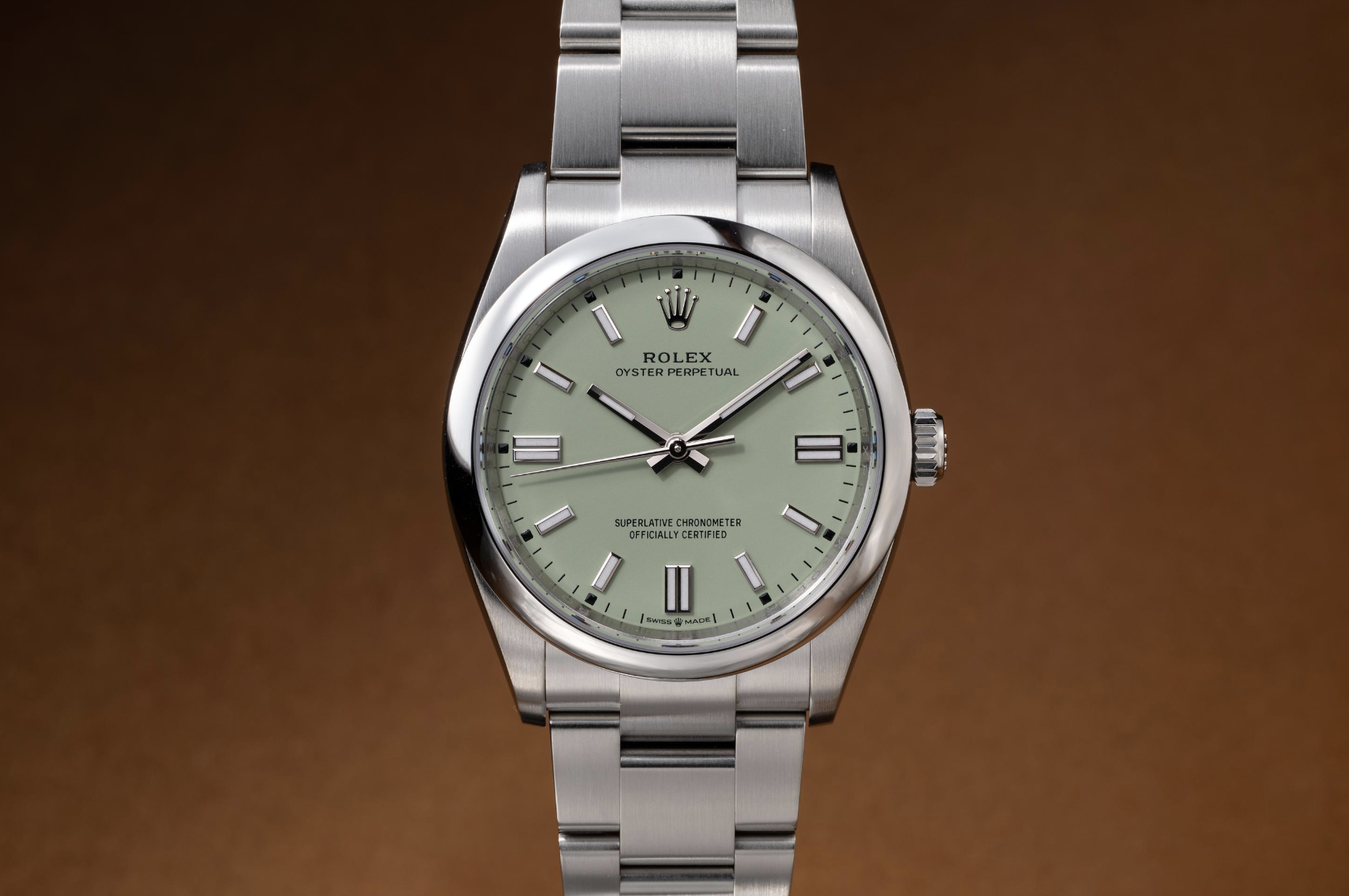




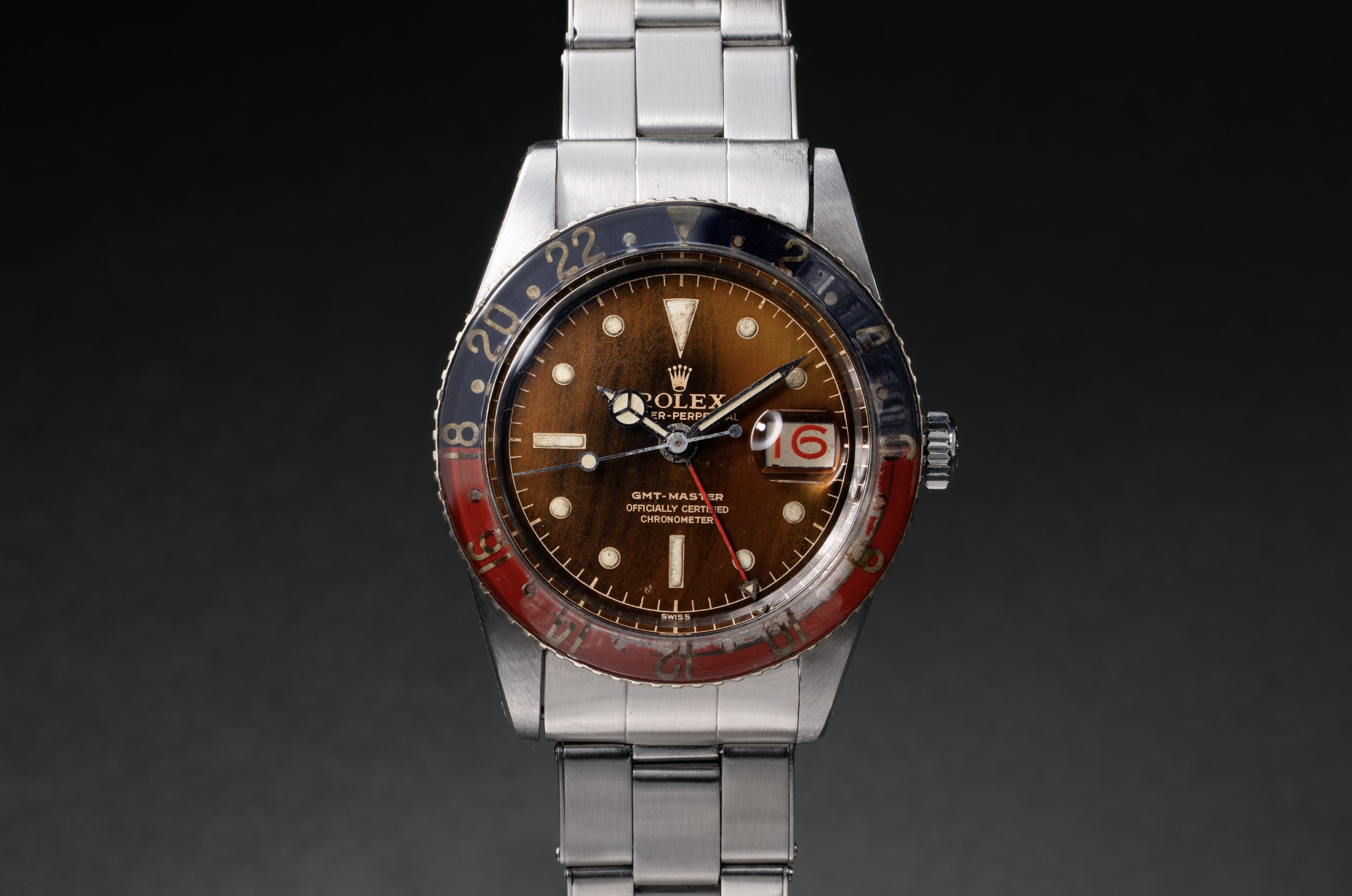













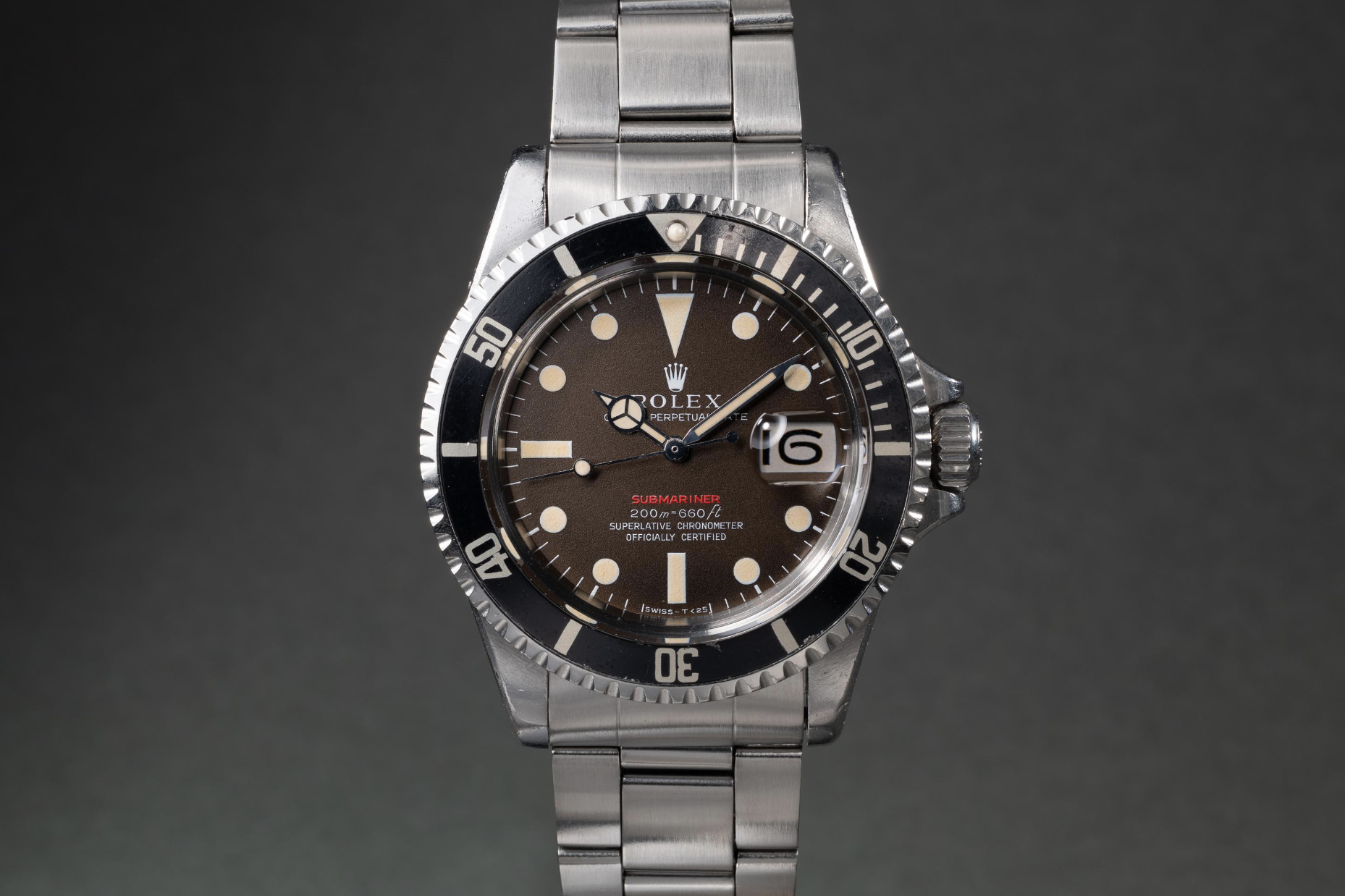


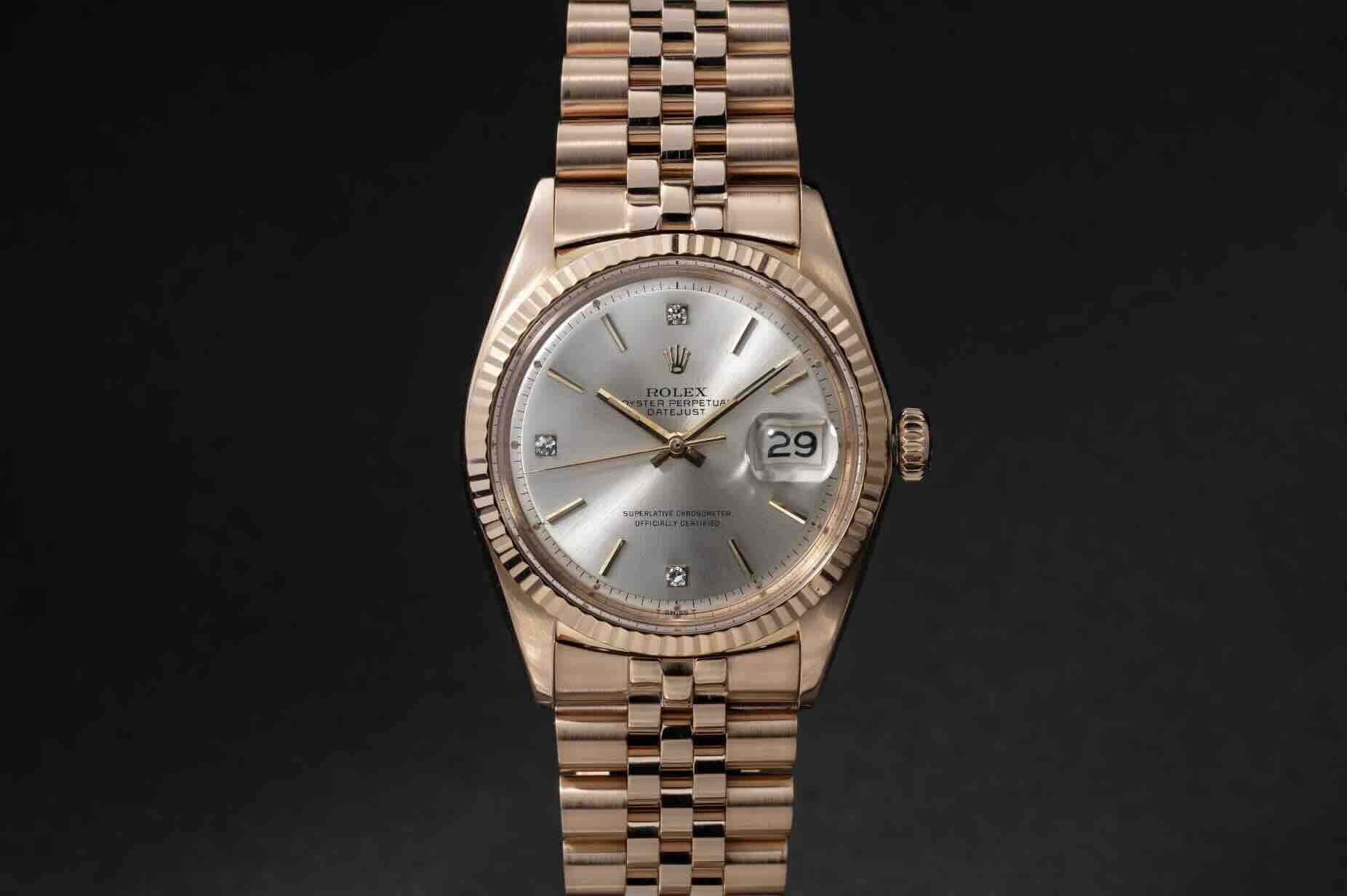





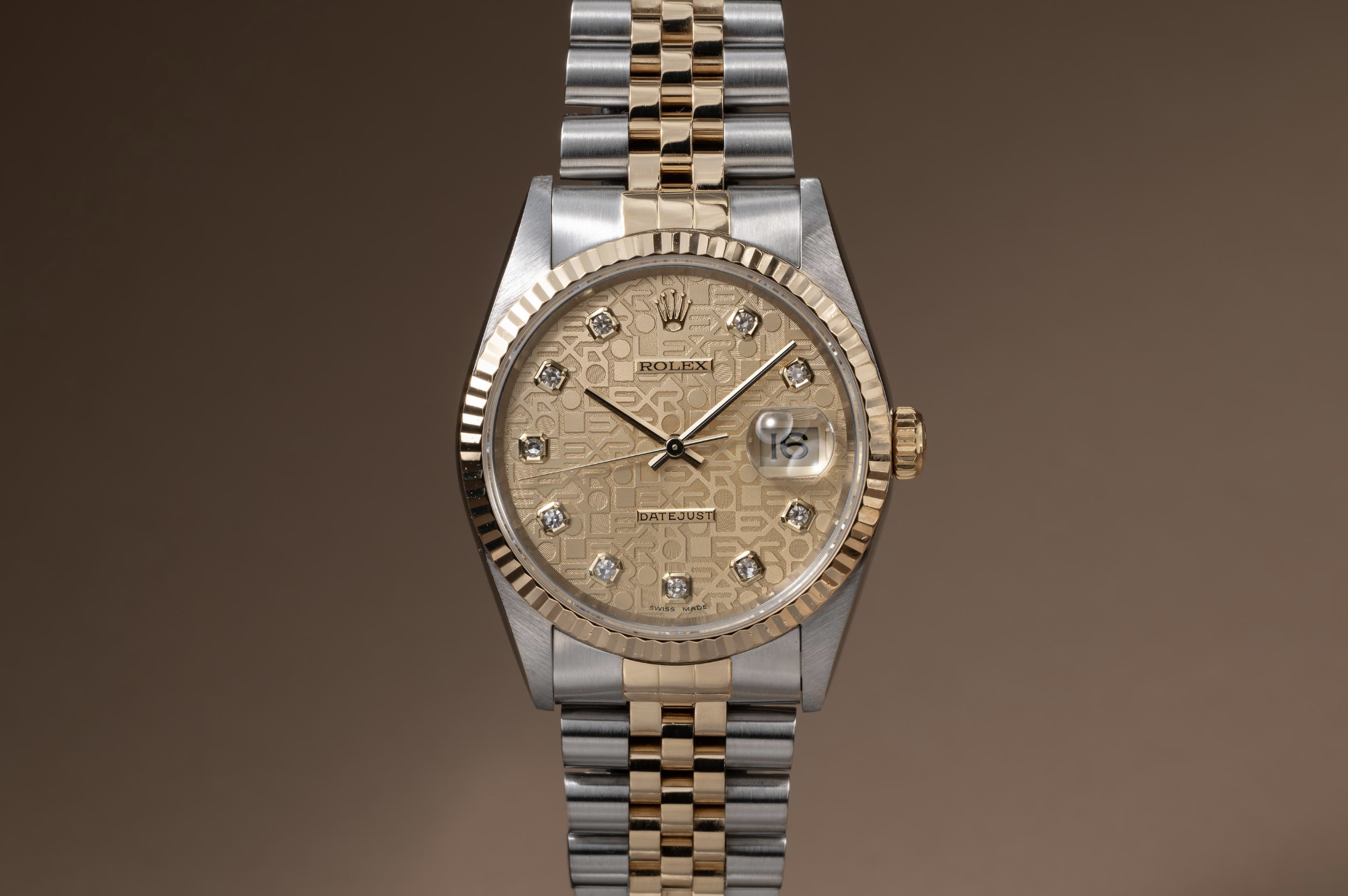
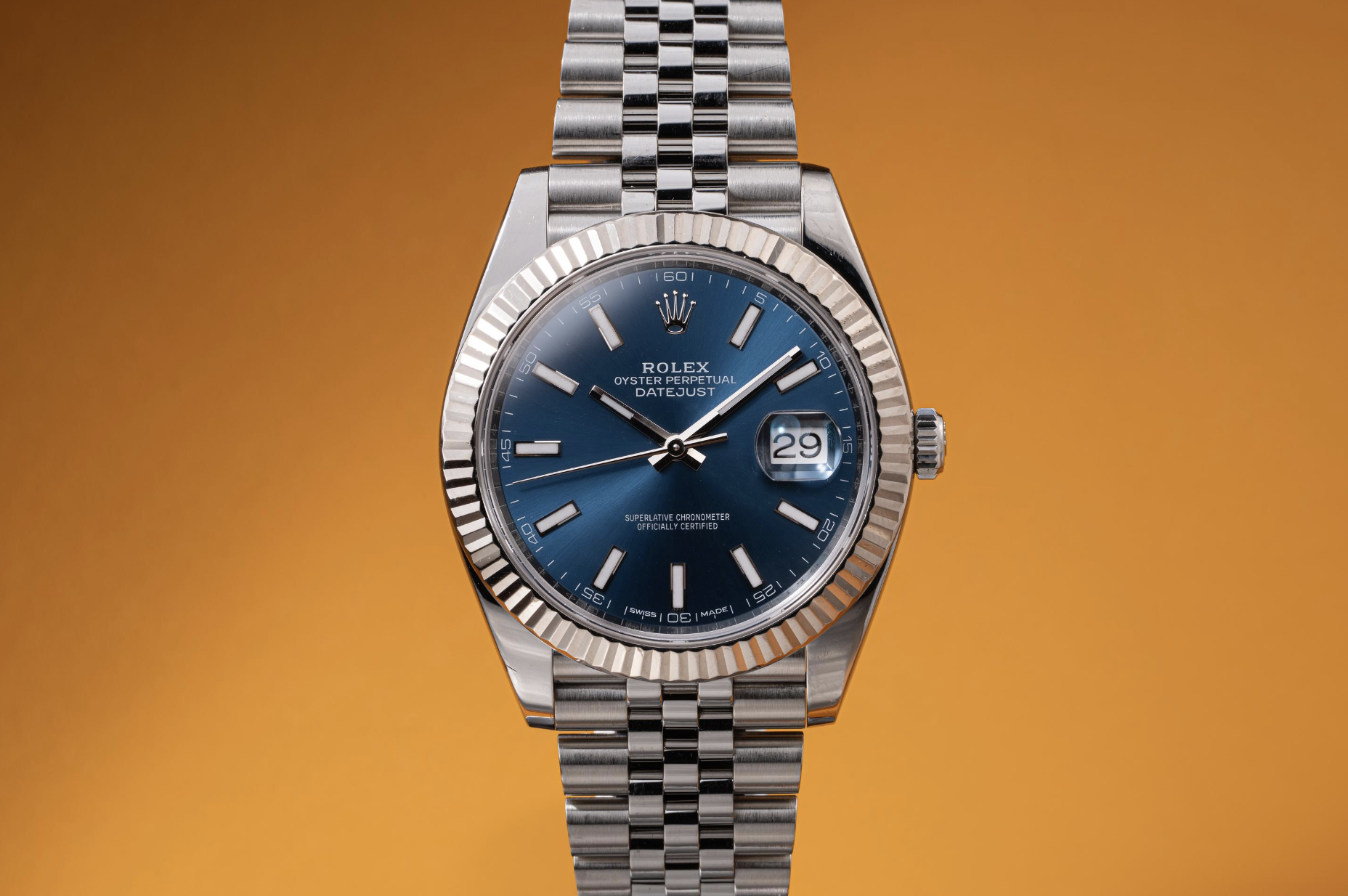





Table of Contents
Get More from the Journal