Rolex Perpetual Movement: History, Calibers & Why It Matters

Rolex Perpetual Movement: History, Calibers & Why It Matters

What Is the Rolex Perpetual Movement and Why Does It Matter?

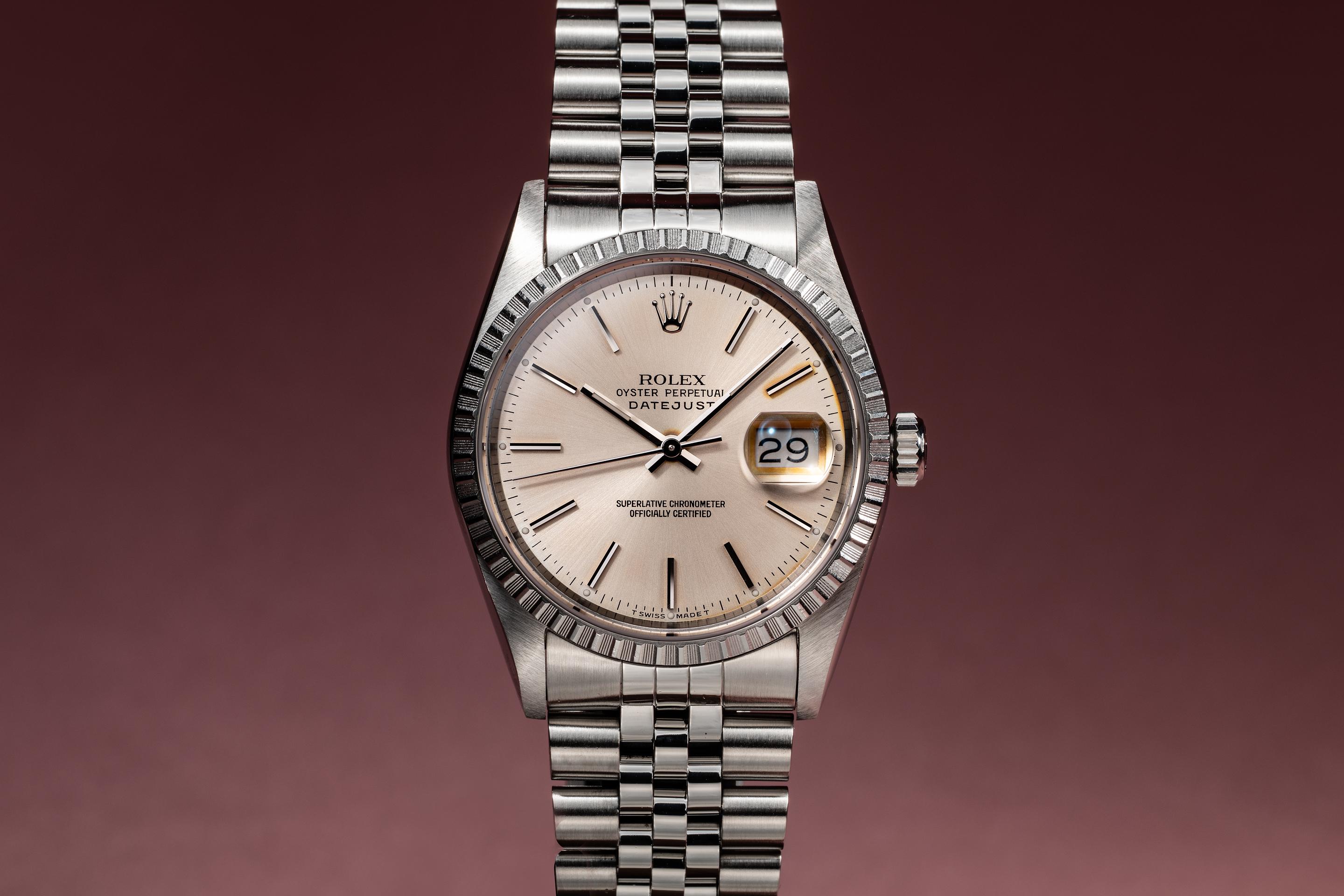
If you have spent any time researching Rolex watches, you have probably come across the word "Perpetual" printed right on the dial. It sits there quietly, almost like it belongs, but that word carries a lot of weight. The Rolex Perpetual movement is not just a marketing term. It refers to a specific and genuinely revolutionary type of automatic winding mechanism that changed the watch industry in a fundamental way. Understanding what it means, how it works, and why it matters is one of the best starting points for anyone exploring the world of luxury watches, whether you are buying your first piece or your fifteenth.

The History Behind the Rolex Perpetual Movement

The story starts in 1931. That was the year Rolex introduced the Perpetual rotor, a self-winding mechanism that used the natural motion of the wearer's wrist to keep the watch wound. The inventor credited with developing this system for Rolex was Emile Borer, working within the brand's technical team. What made this different from earlier self-winding attempts was the use of a freely rotating eccentric weight, what watchmakers call a rotor, that could spin a full 360 degrees in any direction. Earlier self-winding systems had limited movement or required specific wrist motions to function properly. The Rolex Perpetual rotor eliminated that limitation entirely. It was a cleaner, more efficient solution, and the Swiss Patent Office agreed, granting Rolex the patent that year. From 1931 onward, the term Perpetual became synonymous with Rolex's automatic movements, and eventually, it became part of the official model naming across the entire lineup.

How the Perpetual Movement Actually Works

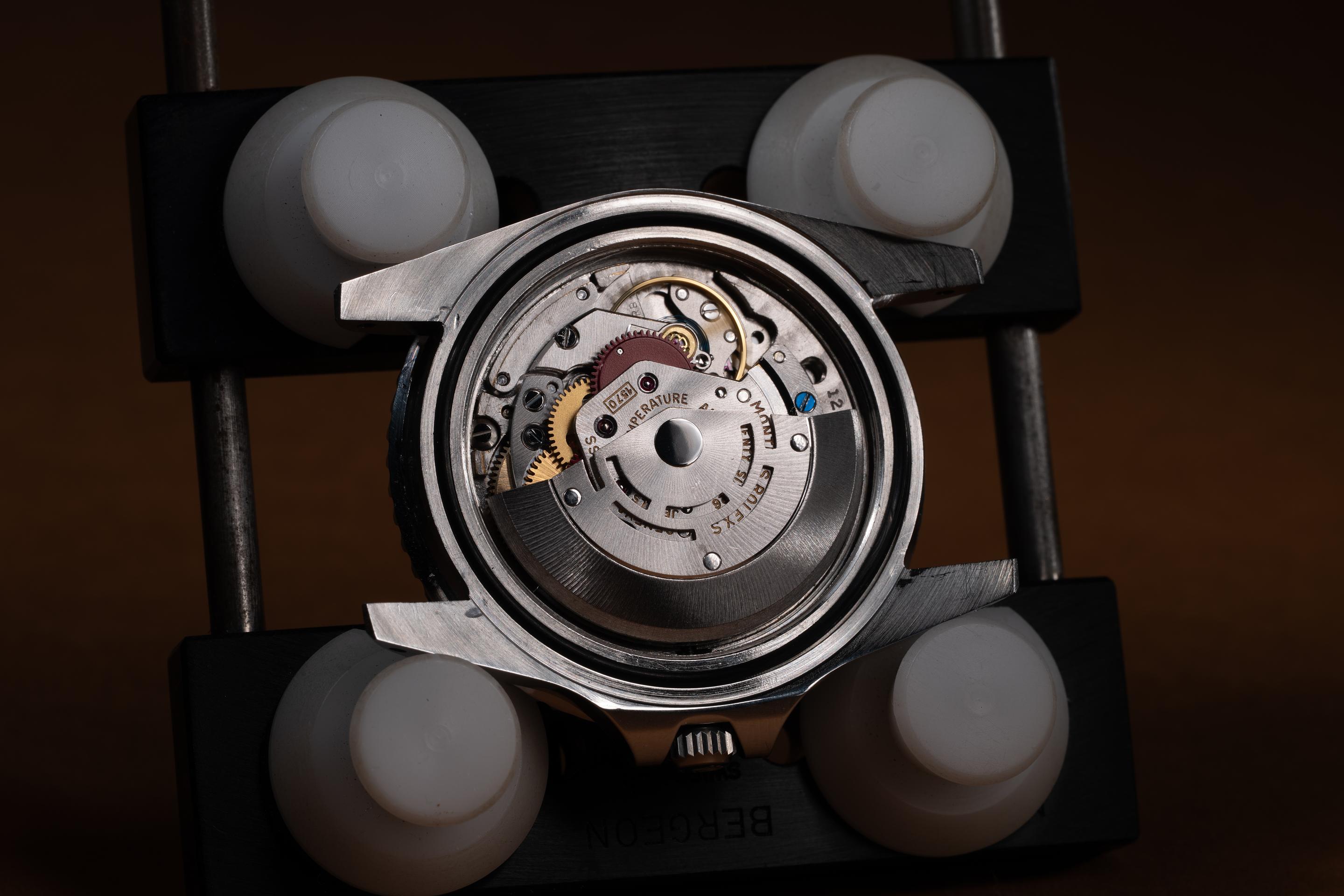
The mechanics are elegant once you understand them. Inside the case of any Rolex watch equipped with a Perpetual movement, there is a weighted rotor made from a dense metal alloy. As your wrist moves throughout the day, that rotor pivots around a central axis. Those rotations, regardless of their direction, transfer energy through a series of gears and a reversing mechanism into the mainspring, which is the coiled spring that powers the movement. The mainspring stores energy and gradually releases it in controlled increments to drive the gear train, escapement, and balance wheel. The balance wheel oscillates back and forth at a precise frequency, and that oscillation is what keeps time. Modern Rolex movements typically oscillate at 28,800 vibrations per hour, a rate that contributes to their accuracy. Rolex also incorporates a slipping clutch mechanism to prevent overwinding, which protects the mainspring from damage if the watch is worn for extended periods or manually wound when already fully charged.

What Makes Rolex Movements Different from Other Automatic Watches

Automatic movements exist across the entire watch industry, from affordable fashion watches to elite haute horlogerie. So what separates a Rolex Perpetual movement from the rest? A few things stand out. First, Rolex manufactures its movements entirely in-house. The brand operates its own foundry, fabricates its own components, and even produces its own lubricants, called Syloil and Chronoil, formulated for specific parts within the movement. Second, Rolex uses a paramagnetic blue Parachrom hairspring in most of its modern movements. This alloy, developed internally, is up to ten times more resistant to shocks than traditional hairsprings and is virtually unaffected by magnetic fields, a common enemy of mechanical watch accuracy. Third, Rolex movements are certified by the Controle Officiel Suisse des Chronomètres, more commonly known as COSC, and then tested further by Rolex itself after casing to a standard called Superlative Chronometer. That final standard requires an accuracy of plus or minus two seconds per day, which is tighter than COSC's requirement of minus four to plus six seconds per day.

The Calibers That Carry the Perpetual Name

Over the decades, Rolex has produced a significant number of movement calibers under the Perpetual designation. Each caliber corresponds to a specific generation of engineering and is typically associated with particular watch families or production eras. A few calibers worth knowing include the following:

  • Cal. 1030, introduced in 1950, one of Rolex's earliest modern automatic movements
  • Cal. 1560 and 1570, widely used during the 1960s and found in iconic Datejust and Explorer references
  • Cal. 3035, introduced in 1977, featuring a quickset date mechanism
  • Cal. 3135, a workhorse caliber introduced in 1988 and used for decades in the Datejust and Submariner
  • Cal. 3235, the current generation introduced around 2015, featuring a Chronergy escapement for improved efficiency
  • Cal. 3255, found in the Day-Date, representing one of Rolex's most advanced movements to date

Each caliber represents an iterative step forward. The progression from the 3135 to the 3235 alone was significant, delivering a 70-hour power reserve compared to the earlier 48-hour reserve, along with a more efficient escapement that reduced energy consumption without sacrificing accuracy.

The Perpetual Movement in Vintage Rolex Watches

For collectors, the Perpetual movement takes on an entirely different dimension when looking at vintage Rolex references. Watches from the 1950s, 1960s, and 1970s running on calibers like the 1030, 1530, or 1560 are sought after not just for their dials and cases but for the movements inside them. These calibers, when properly serviced, continue to run reliably decades after they were assembled. That kind of longevity is a testament to the quality of manufacture and the soundness of the engineering. Vintage collectors often reference the caliber number when discussing a watch's value, originality, and desirability. A matching movement to a specific reference adds authenticity, and knowing whether a movement has been replaced or heavily modified is a key part of evaluating any vintage Rolex purchase.

Servicing a Rolex Perpetual Movement

Even the most precisely engineered mechanical movement requires periodic maintenance. Rolex recommends servicing its watches approximately every ten years, though this can vary depending on usage, environmental exposure, and the specific reference. A full service typically involves disassembling the movement, cleaning each component ultrasonically, inspecting for wear, replacing worn parts, re-lubricating, reassembling, and timing the movement against a regulated standard. For vintage movements, sourcing original parts becomes part of the challenge, and working with a watchmaker experienced in vintage Rolex calibers is essential. Over-servicing or using improper lubricants can actually degrade a movement, so choosing the right professional matters as much as the service interval itself.

What to Look for When Buying a Rolex with a Perpetual Movement

Whether you are buying new or vintage, there are several things worth examining before committing to a purchase. On modern watches, confirming the specific caliber and ensuring the watch carries Superlative Chronometer certification is straightforward. For vintage references, the process requires a bit more diligence. Ask about service history and whether the movement is original to the case. Request to have the watch examined by a trusted watchmaker if purchasing from a private seller. Pay attention to how the watch winds and sets, as sluggish or inconsistent operation can signal a movement in need of service. Also note the rotor feel when wearing the watch. A properly functioning Perpetual rotor moves smoothly and quietly. Grinding, resistance, or unusual noise from the rotor mechanism is worth investigating.

Why Tropical Watch Is the Right Source for Vintage Rolex Perpetual Movements

Finding a vintage Rolex with an original, well-preserved Perpetual movement is not as simple as browsing a generic marketplace. It requires expertise, access, and a level of accountability that most sellers cannot provide. Tropical Watch is one of the few specialist dealers that approaches vintage Rolex with the depth of knowledge these watches deserve. Their inventory is curated with a clear focus on originality, condition, and authenticity, which matters enormously when the movement inside the watch is just as important as what you see from the outside. If you are looking for a trusted source to explore vintage Rolex watches with original Perpetual movements, Tropical Watch offers the kind of curated selection and transparent expertise that serious collectors rely on. Whether you are entering the vintage Rolex market for the first time or expanding an existing collection, working with a specialist who understands the movement, the history, and the nuances of each reference makes every difference.

Frequently Asked Questions About the Rolex Perpetual Movement

What does "Perpetual" mean on a Rolex watch?

The word Perpetual on a Rolex dial indicates that the watch is equipped with a self-winding automatic movement. The Perpetual rotor, patented by Rolex in 1931, winds the mainspring using the natural motion of the wearer's wrist, eliminating the need for manual winding during regular use.

How accurate is a Rolex Perpetual movement?

Modern Rolex Perpetual movements certified as Superlative Chronometers are accurate to within plus or minus two seconds per day. This is a stricter standard than the COSC chronometer certification, which allows a variance of minus four to plus six seconds per day.

How often should a Rolex Perpetual movement be serviced?

Rolex recommends a full service approximately every ten years, though the interval can vary based on usage and environmental conditions. A service includes cleaning, inspection, lubrication, and timing adjustment to restore the movement to proper function.

Are vintage Rolex Perpetual movements still reliable today?

Yes, when properly serviced, vintage Rolex Perpetual movements from the 1950s through the 1980s remain highly reliable. The quality of their construction means they can continue operating accurately for decades with appropriate care and periodic maintenance.

What is the difference between Rolex caliber 3135 and 3235?

The caliber 3235 is the successor to the 3135, offering a longer power reserve of approximately 70 hours compared to 48 hours, along with a new Chronergy escapement that improves energy efficiency. The 3235 also features several updated components for enhanced reliability and accuracy.

Does Rolex manufacture its own movements?

Yes, Rolex is a fully vertically integrated manufacturer. The brand produces its movements entirely in-house, including the hairsprings, escapements, and lubricants used during assembly and servicing. This level of control over manufacturing contributes directly to the consistency and quality of each Perpetual movement.

OMEGA Watch Terms Explained: A Buyer's Complete Guide
Audemars Piguet Buying Guide: What You Need to Know
Cartier Watchmaking Innovations That Shaped Horology
Omega Serial Numbers: Date & Authenticate Your Watch
Rolex Jubilee vs Oyster Bracelet: Which Is Right for You
Audemars Piguet Watch Prices: What You Should Know
How to Sell a Patek Philippe Watch and Get Top Dollar
Best Patek Philippe Watches: A Collector's Guide
The History of Cartier Watches: Icons, Legacy & Craft
Rolex Bubbleback History and Legacy in Automatic Watchmaking
Rolex Milsub 5517: The Iconic Military Submariner Unveiled
Iconic Movie Watches and the Swiss Legacy Behind Them
Decode Your Rolex: Serial Numbers, History, and Hidden Value
Mastering Speed: How the Tachymeter Scale Measures Time
Does Rolex Own Tudor? A Look at the Legendary Watch Duo
Omega Speedmaster 1969 Price and Legacy of the Moonwatch
Rolex COMEX Watch History and Rarity of a Deep-Sea Icon
Paul Newman Daytona: The Rolex That Redefined Collecting
Rolex Milsub 5513: The Legendary Tool Watch Uncovered
Inside the Domino’s Rolex: Where Fast Food Meets Fine Time
Rolex GMT-Master: The Astronaut’s Choice for Dual Time Precision
Rolex Service Cost Breakdown: What to Expect and Why It Matters
Rolex GMT-Master: The Astronaut’s Choice for Dual Time Precision
How to Change the Date on a Rolex Without Messing It Up
Celebrities and Rolex: Timepieces That Tell More Than Time
Why the Poor Man’s Rolex Is Actually a Smart Watch Move
Should You Insure Your Rolex Watch? Smart Protection Tips
Why Rolex Is So Popular in the Swiss Watch World
Why Rolex Sports Watches Feature Iconic Mercedes Hands
Rolex Daytona and Le Mans: A Legacy of Speed and Precision
Rolex Submariner Lug Width Explained: Fit, Style, Legacy
How Many Rolex Watches Are Made Each Year Really
How to Set the Time on a Rolex Without Messing It Up
Rolex Daytona 6239: The Chronograph That Changed the Game
Why the Rolex Daytona Is the Most Wanted Watch Alive
Rolex John Mayer Daytona: Green Dial Gold Icon Explained
Timeless Style: Female Celebrities Who Love Their Rolex
Is a Rolex Watch Worth It? Investment Value Explained
Rolex Green Sticker Meaning: History, Value, and Collectibility
Rolex Wimbledon Datejust 41: Timeless Style with a Green Edge
Rolex Oysterquartz Day-Date: Bold Design Meets Quartz Legacy
Mother of Pearl Rolex Dials: Elegance in Every Iridescent Glance
Grand Seiko vs Seiko vs Swiss Watches Craftsmanship Showdown
What Is an Automatic Watch and Why It Still Matters Today
Casino Royale’s Omega Seamaster: Bond’s Timeless Wrist Game
Omega Speedmaster Moonwatch: Swiss Craft Meets Space History
Omega x Ultraman: A Legendary Speedmaster Pop-Culture Pairing
How Much Is a Rolex in 2024? Real Talk on Swiss Luxury
Swiss GMT Watches That Master Time Zones in Style
Swiss GMT Watches: Timeless Craft for Global Travelers
Top Swiss Watch Brands That Define Time, Style, and Legacy
John Mayer Daytona Watch: The Gold and Green Grail Rolex
How Much Is a Rolex Watch Really Worth in 2025?
The Rolex Crown Logo and Its Legacy in Swiss Watchmaking
Chronograph Watches Explained: Style, History, and How They Work
Inside a Swiss Watch: Parts, Craft, and Precision Unveiled
Rolex Batman GMT-Master II Review: Style Meets Function
Rolex GMT Batman vs Batwoman: Icon Moves in Black and Blue
Rolex and Wimbledon: A Legacy of Precision and Prestige
Inside the Swiss Watch Legacy: Craft, Time, and Precision
Tom Brady’s Rolex Day-Date 40: Precision Meets Legacy
Where Rolex Watches Are Made: Inside Switzerland’s Finest Craft
Rolex Submariner Ultimate Guide: Dive Into Iconic Timekeeping
Rolex Datejust 31 Review: Timeless Elegance Meets Innovation
Rolex Caliber 655 Guide: Vintage Charm with Mechanical Grit
Rolex Sea-Dweller Review: Dive Deep into Iconic Precision
Who Owns Rolex and Why It’s Unlike Any Other Watch Brand
Rolex Datejust Watch Guide: Swiss Craft Meets Timeless Style
Rolex Watch Service Guide: When, Why, and What to Expect
Why Rolex Is Famous: Swiss Precision Meets Iconic Style
Inside Rolex Watch Repair: Craftsmanship, Precision, Legacy
The Rolex Fix: Keeping Time with Swiss Precision and Care
Rolex Watches and Prices Explained: Luxury, Craft, Legacy
Rolex Serial Number Lookup Guide for Age and Authenticity
Rolex Bracelet Types Explained: Craft, Legacy, and Innovation
Rolex Watch Prices Explained: Models, Features, and Value
Rolex Cosmograph Daytona History and Legacy Explained
How Much Does a Rolex Cost? Pricing Levels and Key Factors
Rolex Daytona History and Innovation in Swiss Watchmaking
How to Change the Time on a Rolex Watch with Precision
Rolex Watch Sizes Guide: History, Purpose, and Precision
Rolex GMT-Master History and Legacy of an Iconic Timepiece
Where Rolex Watches Are Made: Inside Swiss Manufacturing Mastery
Rolex Oyster Perpetual Datejust: A Legacy of Timeless Precision
Rolex and the Swiss Watch Legacy: Precision That Endures
Rolex Datejust: A Timeless Icon of Swiss Watchmaking Excellence
Ladies Diamond Rolex Watches: Iconic Craftsmanship and Elegance
Rolex Watch Prices in 2025: What Drives the Cost
Why Rolex Watches Are So Expensive: Craftsmanship and Prestige
Men with Rolex: Timeless Craftsmanship Meets Enduring Prestige
Gold Rolex Legacy: Swiss Craftsmanship and Iconic Design
Rolex Dive Watch Excellence Redefines the Depths of Timekeeping
Rolex GMT-Master History and Evolution of an Iconic Timepiece
Rolex Oyster Case: A Legacy of Waterproof Innovation Since 1926
Rolex GMT-Master II: A Legacy of Precision and Prestige
Rolex Bracelets: Timeless Design Meets Swiss Precision
Rolex Tiffany Blue Dial: Rarity, Design, and Collector Appeal
Where Rolex Watches Are Made: Inside the Swiss Craftsmanship
Rolex Datejust History and Innovation in Swiss Watchmaking
Rolex U Serial Numbers Explained: History, Value, and Legacy
Rolex GMT-Master II Review: Dual-Time Precision Refined
Previous Item
Previous
Next Item
Next

Shop Watches