Omega Watch Maintenance: Keep Your Timepiece Running Right
Omega Watch Maintenance: Everything You Need to Know to Keep Your Timepiece Running Perfectly
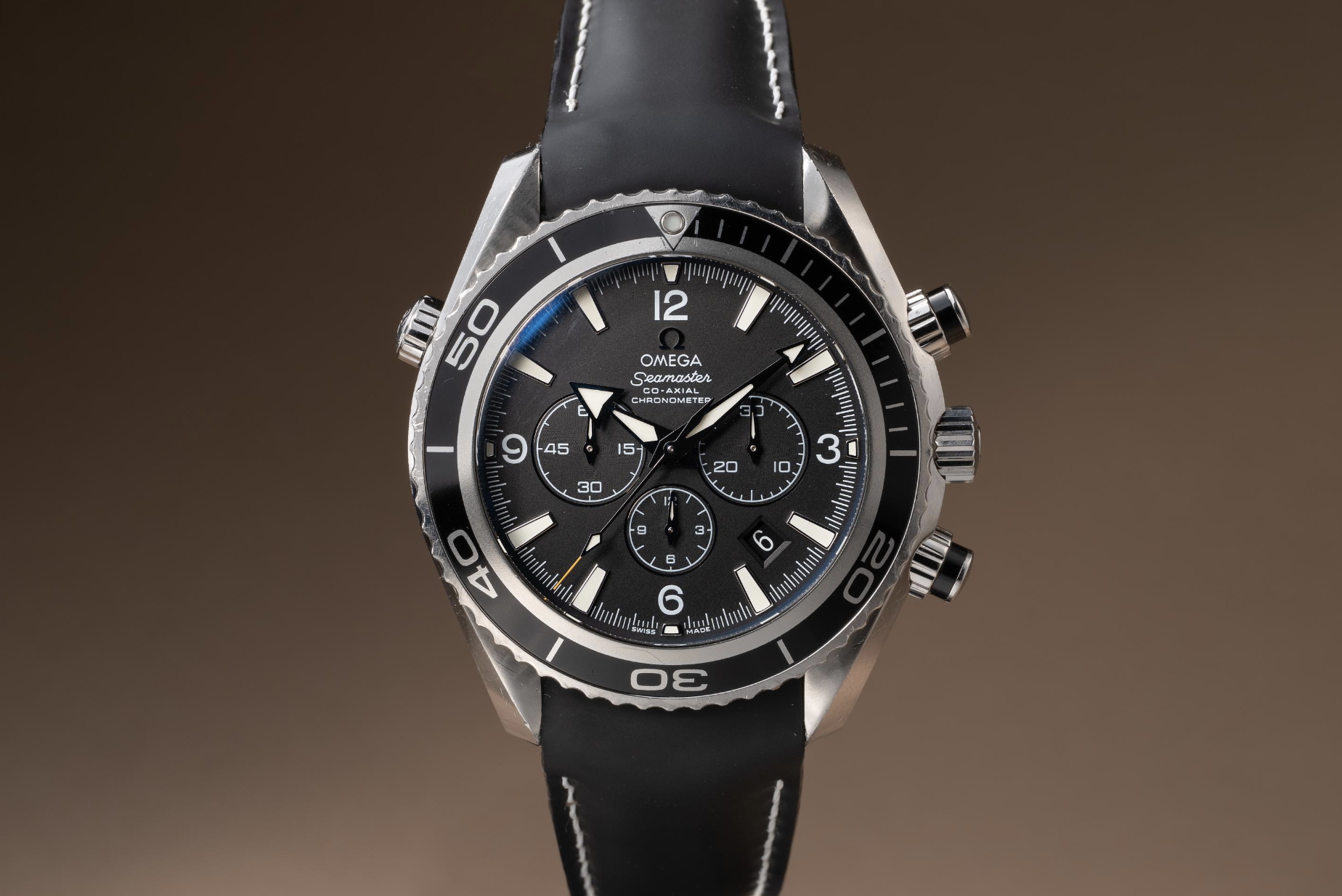
Owning an Omega watch is not a small thing. Whether it is a Seamaster sitting on your wrist every day or a Speedmaster that only comes out for special occasions, you are holding onto something that was engineered with serious precision. But here is what a lot of people do not think about until something goes wrong: a luxury mechanical watch requires regular care to keep performing the way it was designed to. Omega watch maintenance is not optional. It is part of the ownership experience, and understanding it properly can save you a lot of headaches and money down the line.
Why Omega Watch Servicing Is Not Optional
Mechanical movements are living, breathing systems in a sense. They rely on oils and lubricants that degrade over time, tiny gears and springs that experience wear, and seals that lose their integrity as years pass. Omega builds exceptionally durable movements, but that durability depends on the assumption that the watch will be properly maintained. Skipping service intervals does not just risk a slower or less accurate movement. It can lead to metal-on-metal contact inside the caliber, which causes real and sometimes irreversible damage. Think of it the same way you think about servicing a high-performance vehicle. You would not drive 80,000 miles without an oil change and expect everything to be fine.
How Often Should an Omega Watch Be Serviced
Omega officially recommends a full service every five to eight years, though this can vary depending on how often you wear the watch, the specific caliber inside it, and the conditions it is exposed to regularly. A Seamaster that gets worn diving or in saltwater environments may need attention more frequently than a Constellation that sits in a watch box most of the time. Watches with co-axial escapements, which Omega introduced prominently in the early 2000s, actually tend to require less frequent lubrication than traditional lever escapements, which is one of the reasons Omega pushed that technology so hard. That said, five to eight years is a reasonable baseline for most owners to work from.
What Happens During a Full Omega Service
A full service is a comprehensive procedure that touches essentially every component of the movement. Understanding what is involved helps you appreciate why the cost is what it is, and why you should not cut corners by taking a fine Omega to an unqualified watchmaker.
- The movement is fully disassembled and each component is inspected individually
- Every part is cleaned using ultrasonic equipment and specialized solutions
- Worn or damaged components are replaced with genuine Omega parts
- The movement is re-lubricated with manufacturer-approved oils at precise points
- Timing is regulated and tested across multiple positions
- The case and bracelet are cleaned and polished or brushed per your preference
- All seals and gaskets are replaced to restore water resistance
- The watch undergoes pressure testing before being returned
That entire process, done correctly, takes time and skill. It is not a quick turnaround job, and when you see shops offering suspiciously fast or cheap turnaround times, that should give you pause.
Omega Service Costs: What to Expect
Service pricing varies based on the complexity of the movement, the specific model, and where you take the watch. An official Omega service center will typically charge anywhere from $400 to $800 or more for a full mechanical service, with more complex movements like the Speedmaster caliber 321 running higher. Boutique independent watchmakers with Omega certification can sometimes offer competitive pricing, but always verify credentials. Avoid anyone who cannot explain exactly what they are doing or who cannot provide genuine Omega replacement parts. The cost of a proper service is always less than the cost of a botched one.
Water Resistance and Seal Maintenance for Omega Watches
One of the most overlooked aspects of Omega watch maintenance is water resistance. Omega produces some of the most iconic dive watches in the world, including the Seamaster Professional rated to 300 meters. But water resistance ratings are not permanent. The rubber and synthetic gaskets that create the seals around the crown, caseback, and crystal compress and degrade over time. Exposure to heat, chlorine, and even UV light accelerates that process. Any time your watch is opened for service, the gaskets should be replaced as a matter of course. And if you plan on swimming or diving with your Omega, have the water resistance tested after each service. Most service centers will do this as part of the process, but it is worth confirming.
Daily Care Tips to Extend the Life of Your Omega
Between service intervals, there are several practical habits that protect your watch and reduce unnecessary wear on the movement and case.
- Rinse your watch with fresh water after any exposure to saltwater or chlorinated pools
- Avoid exposing the watch to strong magnetic fields from electronics, speakers, or magnetic clasps
- Store the watch in a cool, dry place away from direct sunlight when not in use
- Avoid crown manipulation while the watch is submerged
- Have the crystal inspected if it sustains an impact, even a minor one
- Wind a manual-wind watch at the same time each day to develop consistent pressure habits
- Use a watch winder for automatic movements if you rotate between multiple pieces regularly
None of these habits are difficult, but they add up over time. A well-cared-for Omega can outlast multiple generations of owners.
Vintage Omega Watches and Maintenance Considerations
Vintage Omega calibers, such as the caliber 321 used in the original Speedmaster or the caliber 565 found in early Constellation models, require a level of expertise that not every watchmaker possesses. Spare parts for older movements can be scarce, and incorrect servicing on a vintage piece can permanently affect its originality and value. If you own a vintage Omega, seek out a watchmaker who has documented experience with that specific caliber. Ask about parts sourcing before any work begins. And be cautious about full polishing on vintage cases, since original surface finishing is a significant factor in collector value.
Choosing the Right Watchmaker for Omega Service
This decision matters more than most people realize. Your options generally fall into three categories: official Omega service centers, independent watchmakers with luxury watch credentials, and general jewelry or watch repair shops. Official service centers offer certainty around parts and procedures but tend to have longer wait times and standardized pricing. A skilled independent watchmaker can offer more personalized service, sometimes at a better price point, and may have deeper knowledge of specific vintage calibers. General repair shops, while fine for battery replacements on quartz watches, are typically not the right fit for a complex Swiss mechanical movement. Ask questions, check credentials, and never hand over a valuable watch without getting a written estimate first.
Why Tropical Watch Is the Right Partner for Your Luxury Watch Journey
Maintenance is what protects the value of your watch, but knowing where to find exceptional timepieces in the first place is just as important. Tropical Watch is a trusted destination for collectors and enthusiasts who take this seriously. Whether you are researching service history on a piece you already own or looking to add something extraordinary to your collection, working with a dealer who understands provenance, condition, and value is everything. If you are in the market for a pre-owned or vintage piece backed by real expertise, explore the curated inventory at Tropical Watch, your trusted source for expertly vetted luxury and vintage timepieces. Every watch in the collection reflects a standard of quality and authenticity that serious collectors demand, and the knowledge behind each listing goes well beyond surface-level descriptions.
Frequently Asked Questions About Omega Watch Maintenance
How do I know if my Omega watch needs servicing?
Common signs include a noticeable decrease in accuracy, a rotor that does not spin smoothly, a crown that feels stiff or gritty, moisture under the crystal, or simply the passage of five or more years since the last full service. If you are unsure, a qualified watchmaker can assess the movement without fully disassembling it.
Can I service my Omega watch myself at home?
This is not recommended unless you have professional watchmaking training and the appropriate tools. Modern Omega movements are highly complex, and even minor errors during reassembly can result in significant damage. The risk far outweighs any potential cost savings.
Does Omega service vintage watches at their official service centers?
Omega service centers can service many vintage calibers, but parts availability for older movements can be limited. In some cases, they may suggest replacing components with modern equivalents, which can affect originality. For purist collectors, a specialist independent watchmaker with vintage Omega experience is often the better choice.
How long does an Omega service typically take?
An official Omega service center typically requires four to eight weeks for a full service, sometimes longer depending on parts availability and volume. Independent watchmakers may turn work around faster, but quality should always take priority over speed.
Will servicing affect my Omega watch's value?
Proper servicing by a qualified professional generally preserves or supports the value of the watch. However, unnecessary polishing of a vintage case, replacement of original components with non-period-correct parts, or poor-quality service work can reduce collector value significantly. Documentation of service history from reputable sources adds value over time.
Is water resistance automatically restored after a service?
It should be, provided all gaskets and seals are replaced and the watch is pressure tested before return. Always confirm with your service provider that water resistance testing is included in the service. Never assume a serviced watch is water-resistant without verification.