Breitling vs Rolex: Which Watch Brand Suits You Best?
Breitling vs Rolex: Which Luxury Watch Brand Is Right for You?
Two names come up constantly when people start getting serious about luxury watches: Breitling and Rolex. Both are Swiss-made, globally respected, and carry decades of heritage behind every dial. But they are not the same watch for the same person, and that distinction matters more than most buyers initially realize. Whether you are buying your first serious timepiece or adding to an established collection, understanding the differences between these two brands will help you spend your money with confidence instead of regret.
A Brief History of Each Brand
Rolex was founded in London in 1905 by Hans Wilsdorf, then relocated to Geneva. It became the defining name in precision watchmaking almost immediately, achieving milestones that included the first waterproof wristwatch case in 1926 and the first self-changing date display in 1945. Rolex has spent over a century building the kind of brand recognition that transcends the watch world entirely. Breitling, founded in 1884 in Saint-Imier, Switzerland by Leon Breitling, took a different path. The brand focused heavily on the aviation and military sectors, developing precision chronographs and pilot tools that became essential instruments in cockpits around the world. By the mid-twentieth century, Breitling had carved out a reputation as the go-to watch for professionals who needed reliable, functional timekeeping under pressure.
Design Philosophy and Aesthetic Identity
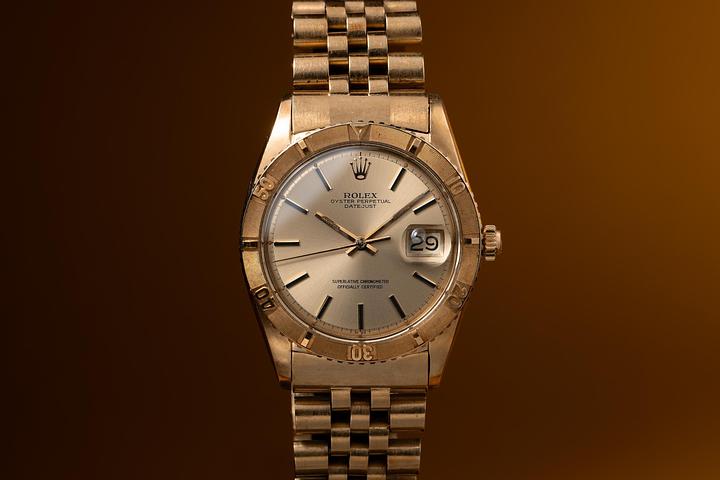
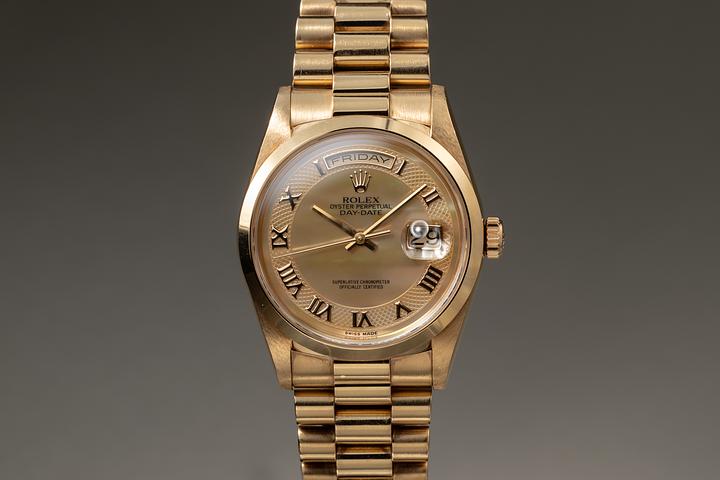
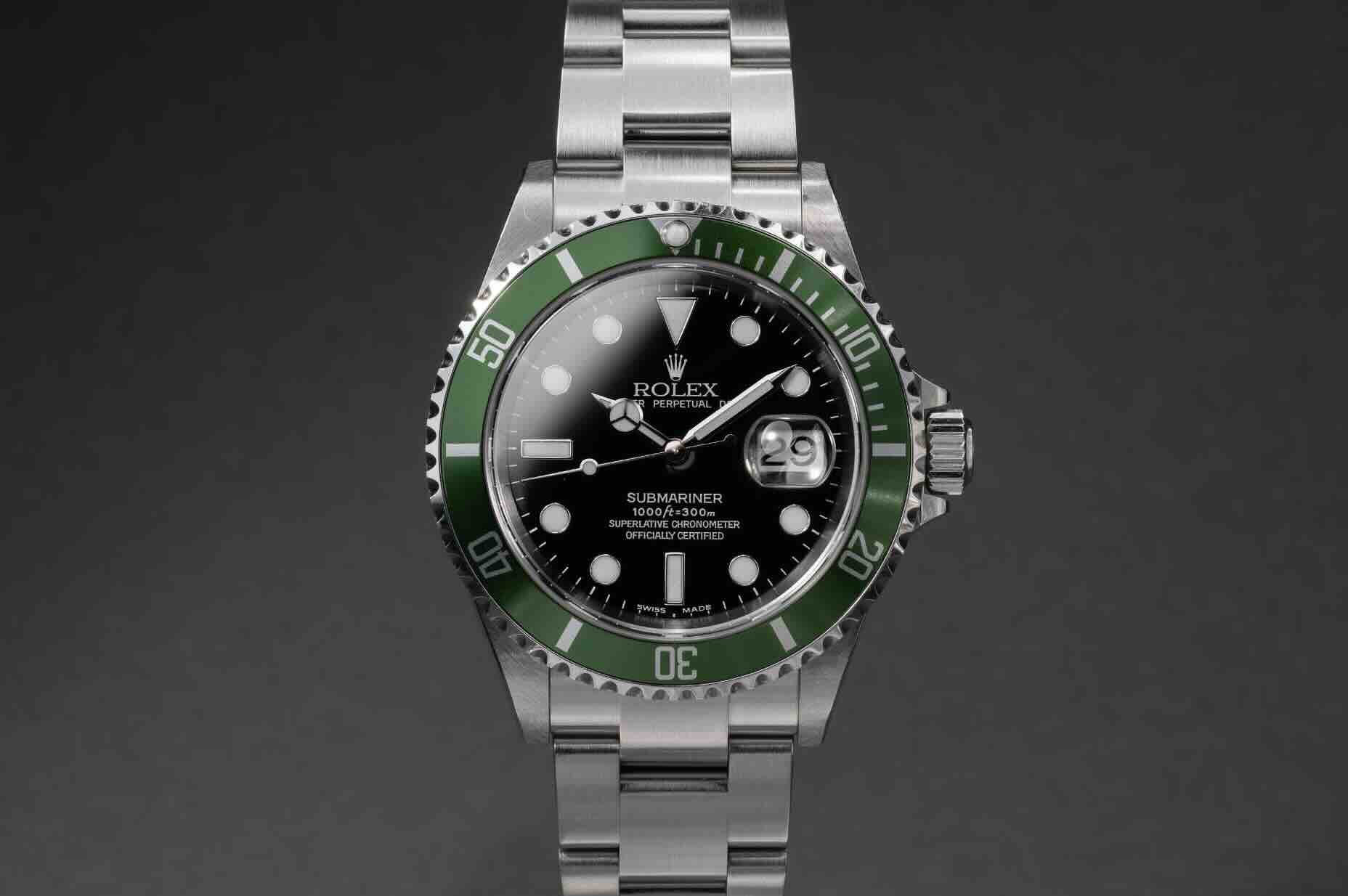
This is where the two brands diverge most noticeably. Rolex leans toward a refined, understated look. The Submariner, Datejust, and Day-Date are all examples of watches that communicate luxury through restraint. Clean dials, balanced proportions, and a quiet confidence define the Rolex aesthetic. Breitling goes the other direction entirely. Its watches are bold, instrument-forward, and unapologetically large. The Navitimer, for example, features a circular slide rule bezel that was originally designed for aviation calculations. The dials are detailed to the point of complexity. Breitling is not trying to be subtle, and that is part of the appeal for buyers who want a watch that makes a statement without needing a logo explanation.
Movement and Technical Performance
Both brands manufacture their own in-house movements, which matters when evaluating long-term reliability and serviceability. Rolex movements are COSC-certified chronometers and then further tested to Rolex's own stricter internal standards. The brand's Perpetual movements are known for their durability and accuracy over decades of continuous use. Breitling also uses COSC-certified movements across much of its lineup, and the brand has invested significantly in developing manufacture calibers since acquiring its own movement production in the early 2000s. The Breitling Manufacture Caliber 01, introduced in 2009, is widely regarded as one of the most reliable and well-finished in-house chronograph movements in the industry. For technical watch enthusiasts, Breitling's chronograph expertise is genuinely impressive.
Breitling vs Rolex: Price Comparison
Retail pricing is a practical consideration that shapes most purchasing decisions. Here is a general overview of where each brand sits in the current market:
- Rolex entry-level models such as the Oyster Perpetual start around $5,500 to $6,500
- Rolex Submariner retails at approximately $9,100 to $10,700 depending on configuration
- Rolex GMT-Master II and Daytona models range from $10,000 to well over $14,000
- Breitling Navitimer models start around $5,000 to $7,000
- Breitling Superocean and Avenger lines fall between $4,000 and $9,000
- Breitling Premier and Bentley collaboration pieces can reach $12,000 to $20,000 or more
Breitling generally offers more model variety at accessible price points, while Rolex commands a premium that reflects its brand positioning and extraordinary resale demand.
Resale Value and Investment Potential
Rolex has an almost unparalleled track record when it comes to holding and appreciating in value. Certain references, particularly the Daytona, Submariner, and GMT-Master, have traded on the secondary market at prices far exceeding retail for several years. Vintage Rolex watches represent one of the strongest segments in the entire luxury goods market. Breitling watches do retain value reasonably well, especially vintage chronograph references and limited editions, but they do not match the resale performance of Rolex across the board. If investment potential is a significant factor in your decision, Rolex is the more defensible choice historically. That said, watch collecting should first and foremost be driven by genuine appreciation for the piece itself.
Who Each Brand Is Designed For
Understanding the target audience of each brand helps clarify which one suits your lifestyle. Rolex built its identity around exploration, achievement, and understated success. It is a watch worn by heads of state, professional athletes, and executives who want precision without flash. Breitling built its identity around aviation, adventure, and technical mastery. It attracts pilots, divers, military enthusiasts, and anyone who values function as a form of expression. Neither profile is better than the other. They simply reflect different approaches to what a luxury watch is supposed to communicate about the person wearing it.
Iconic Models Worth Knowing
Every serious buyer should be familiar with the benchmark references from each brand before making a decision:
- Rolex Submariner: the defining luxury dive watch, introduced in 1953
- Rolex Daytona: the chronograph icon, a consistently sought-after collector piece
- Rolex GMT-Master II: designed for pilots and travelers, now a cultural staple
- Breitling Navitimer: introduced in 1952, the definitive aviation chronograph
- Breitling Superocean: a professional-grade dive watch with serious water resistance
- Breitling Chronomat: a versatile sport chronograph with broad appeal
Spending time with these references either in person at an authorized dealer or through trusted secondary market platforms gives buyers a real sense of how each brand feels on the wrist, which photographs rarely communicate accurately.
Making Your Decision: Practical Considerations
The Breitling versus Rolex question rarely has a universal answer because the right choice depends entirely on the buyer. If brand recognition and long-term resale value are priorities, Rolex is difficult to argue against. If you are drawn to aviation heritage, bold design, and chronograph complexity, Breitling delivers at a level very few brands can match. Consider how you plan to wear the watch. Consider what the dial and case size feel like on your wrist. Consider whether you are buying to wear, to collect, or both. A watch this well-made should be worn and enjoyed, not stored in a box waiting for an occasion that never arrives.
Why Tropical Watch Should Be Your First Stop for Luxury and Vintage Timepieces
If this comparison has clarified what you are looking for, the next step is finding the right piece through a source you can trust. Tropical Watch specializes in authenticated luxury and vintage watches, with particular depth in the vintage Rolex market where provenance, condition, and reference knowledge matter enormously. When you are ready to explore authenticated vintage Rolex watches and luxury timepieces from trusted specialists, Tropical Watch offers the kind of curated inventory and transparent expertise that serious buyers deserve. Whether your search leads you toward a classic Rolex reference or a bold Breitling chronograph, working with a knowledgeable source protects your investment and ensures you are getting exactly what you paid for.
Frequently Asked Questions: Breitling vs Rolex
Is Breitling considered as prestigious as Rolex?
Both brands carry genuine prestige in the luxury watch world, but Rolex holds broader mainstream recognition and consistently stronger resale value. Breitling is highly respected among aviation enthusiasts and serious collectors who appreciate its technical heritage.
Which brand holds its value better over time?
Rolex has a stronger historical track record for value retention and appreciation, particularly for models like the Daytona and Submariner. Breitling watches hold value reasonably well but do not typically match Rolex's performance on the secondary market.
Are Breitling watches good for everyday wear?
Yes. Breitling watches are built to professional tool watch standards, meaning they are durable, precise, and designed for regular use in demanding conditions. Many references are suitable and practical for daily wear.
What makes the Rolex Submariner so popular?
The Submariner combines clean, timeless design with genuine dive watch functionality and one of the most recognized silhouettes in watchmaking history. Its combination of style, durability, and brand cachet makes it consistently one of the most sought-after references in the market.
What is the Breitling Navitimer known for?
The Navitimer, introduced in 1952, is known for its circular slide rule bezel originally designed for aviation calculations. It is one of the longest continuously produced chronograph references in history and remains a benchmark piece for pilot watch collectors.
Should I buy a new or vintage luxury watch?
Both options have merit. New watches come with manufacturer warranties and the latest movements. Vintage watches offer historical significance, unique patina, and in the case of Rolex, significant appreciation potential. Buying vintage requires working with a reputable, knowledgeable dealer to verify authenticity and condition.


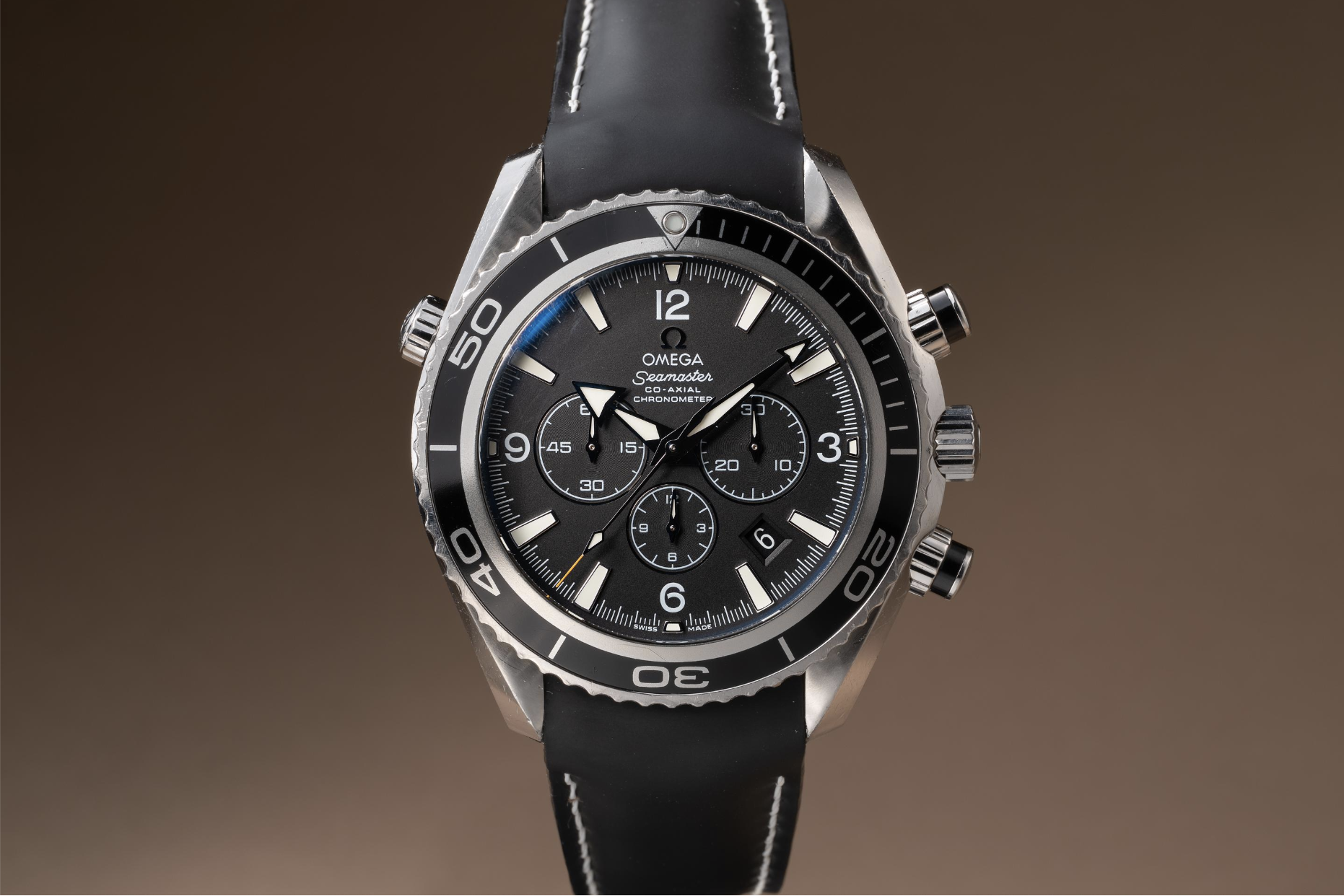



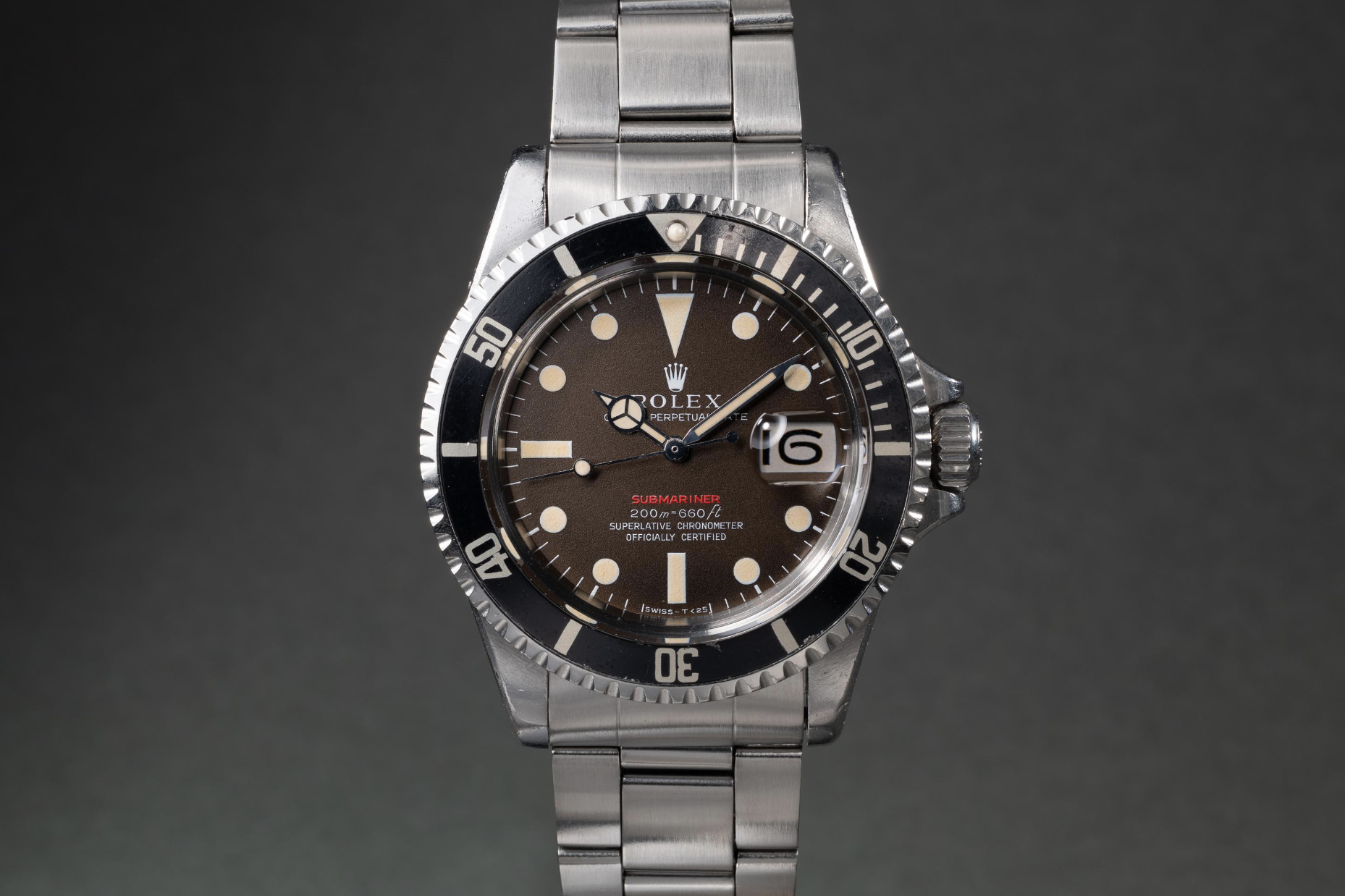


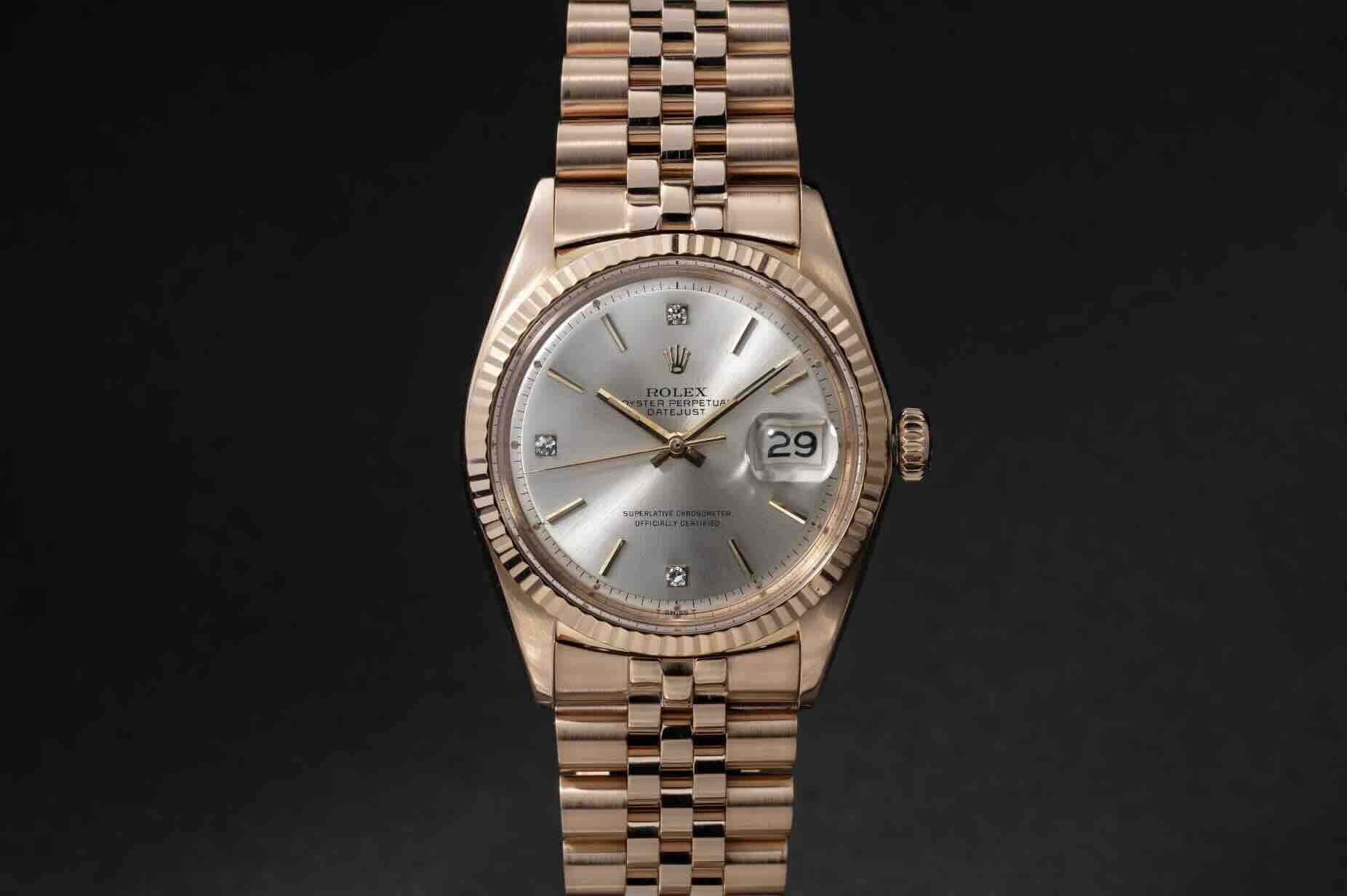



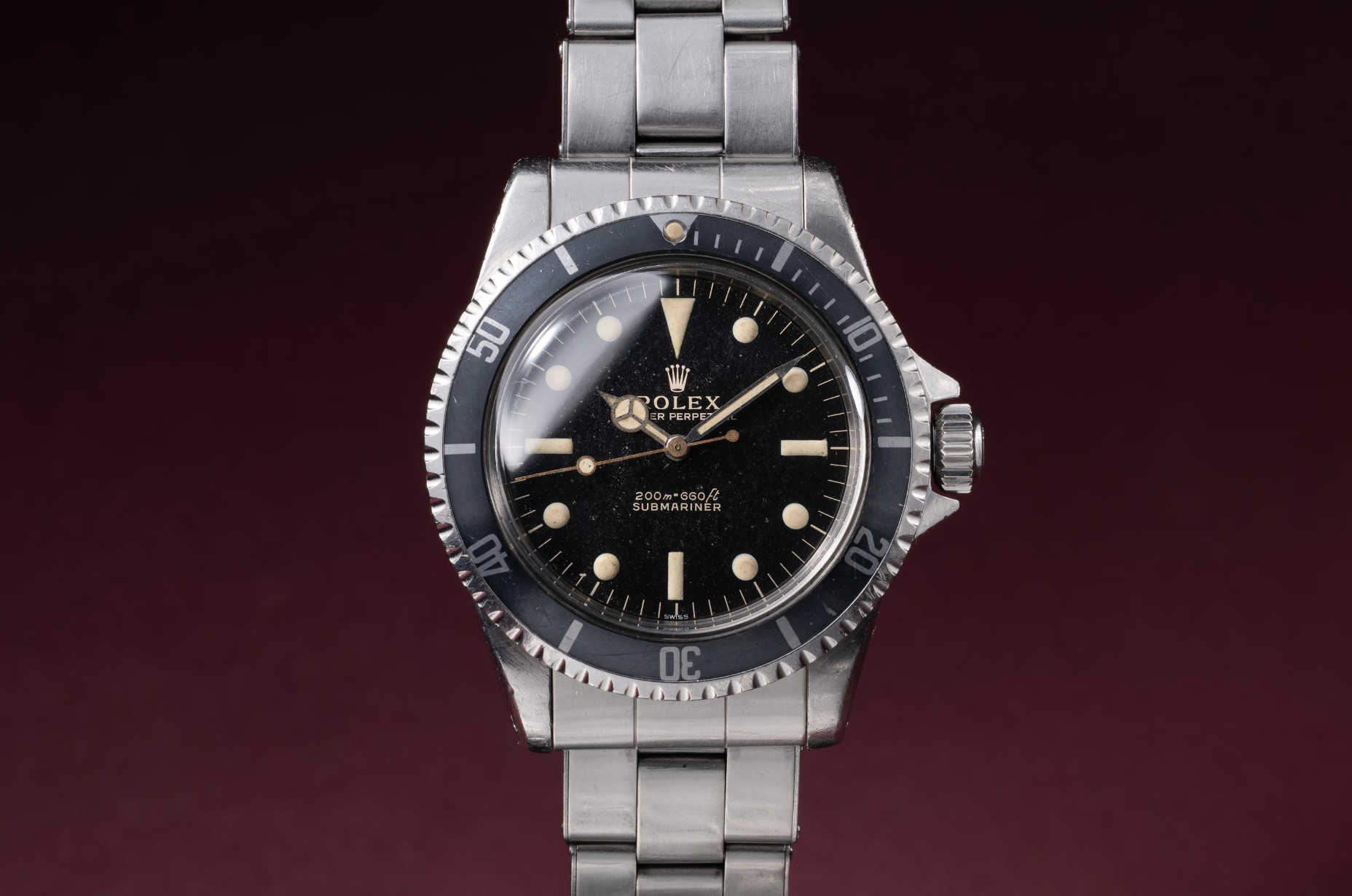

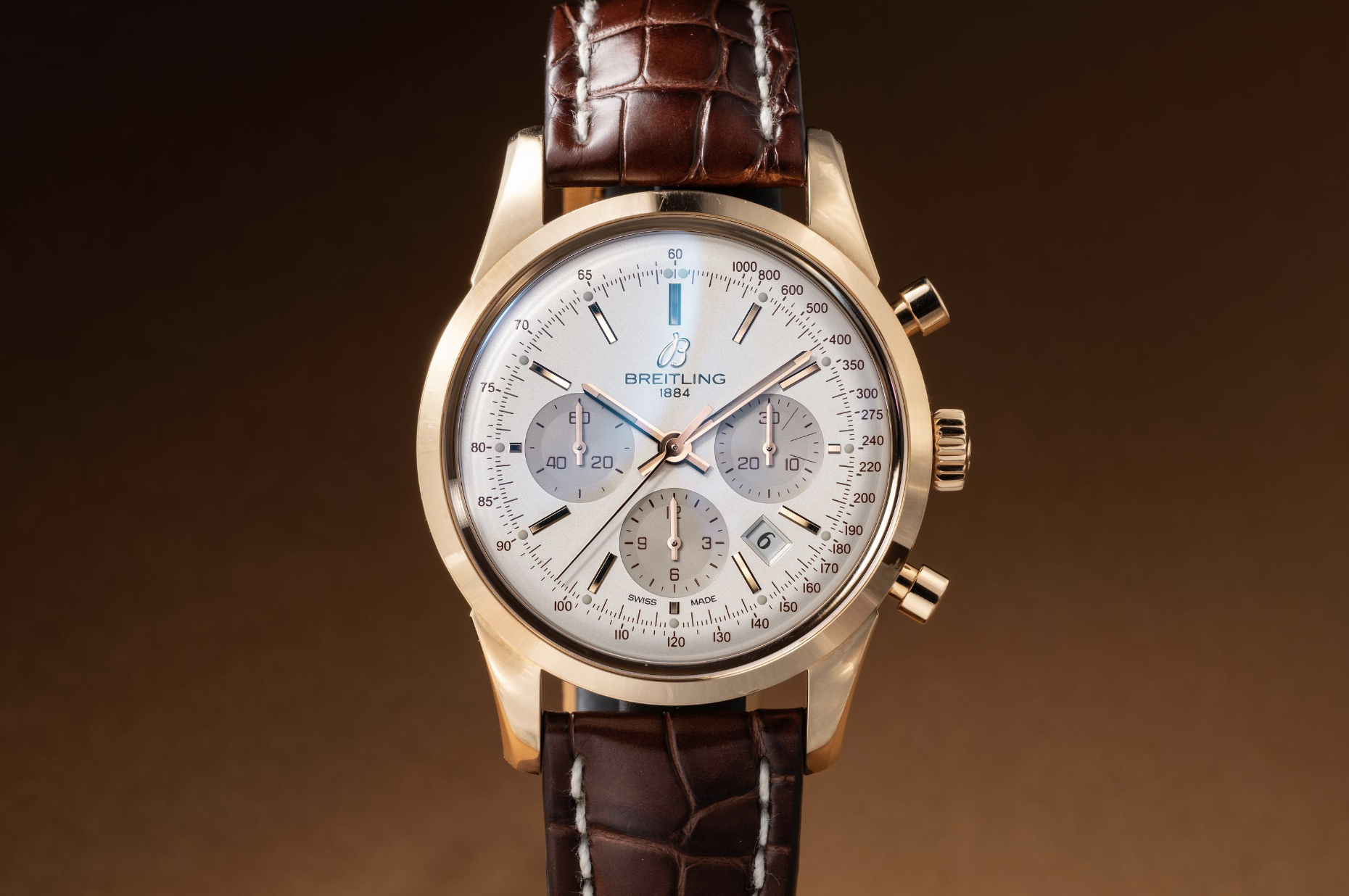


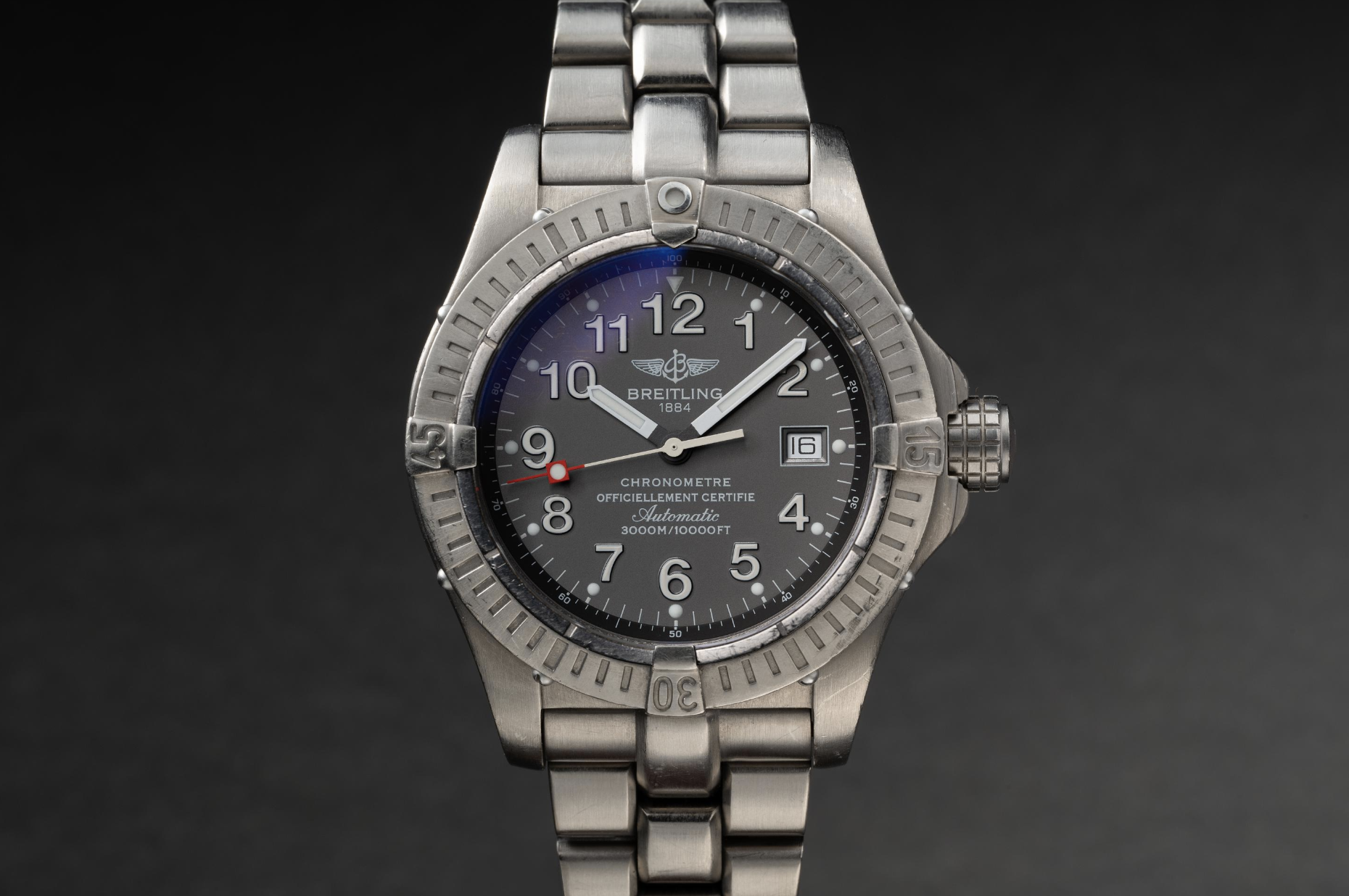
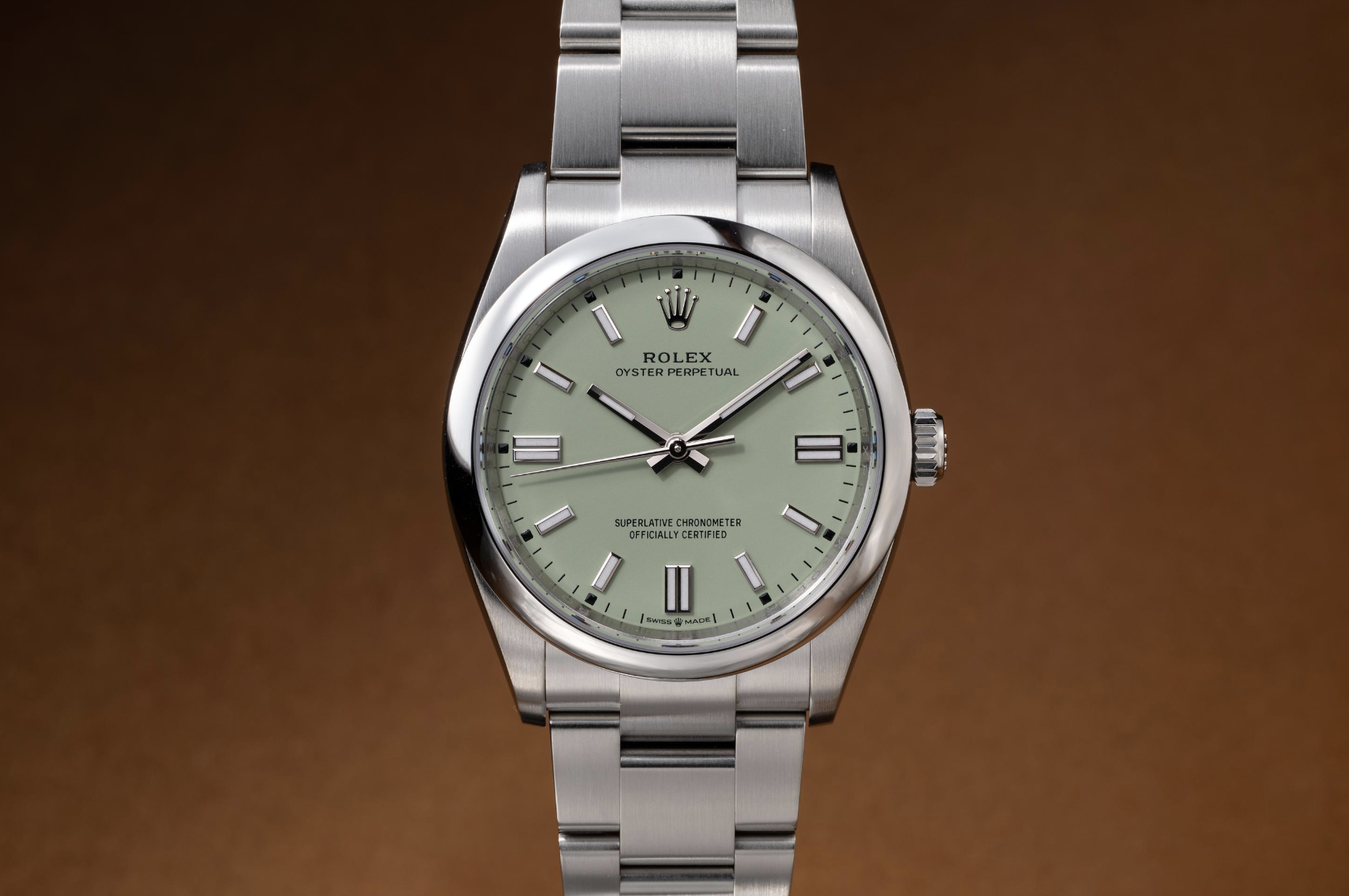
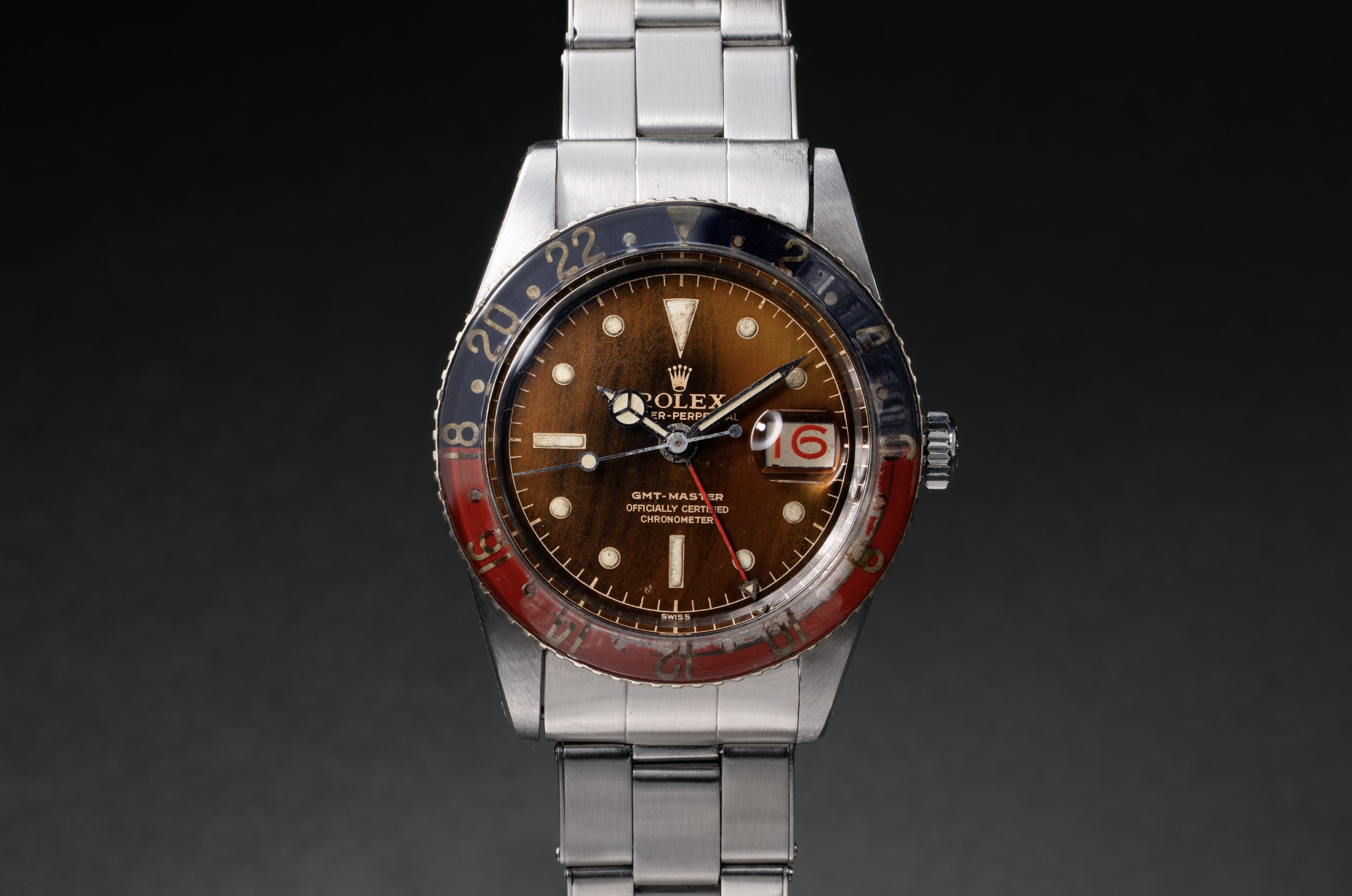
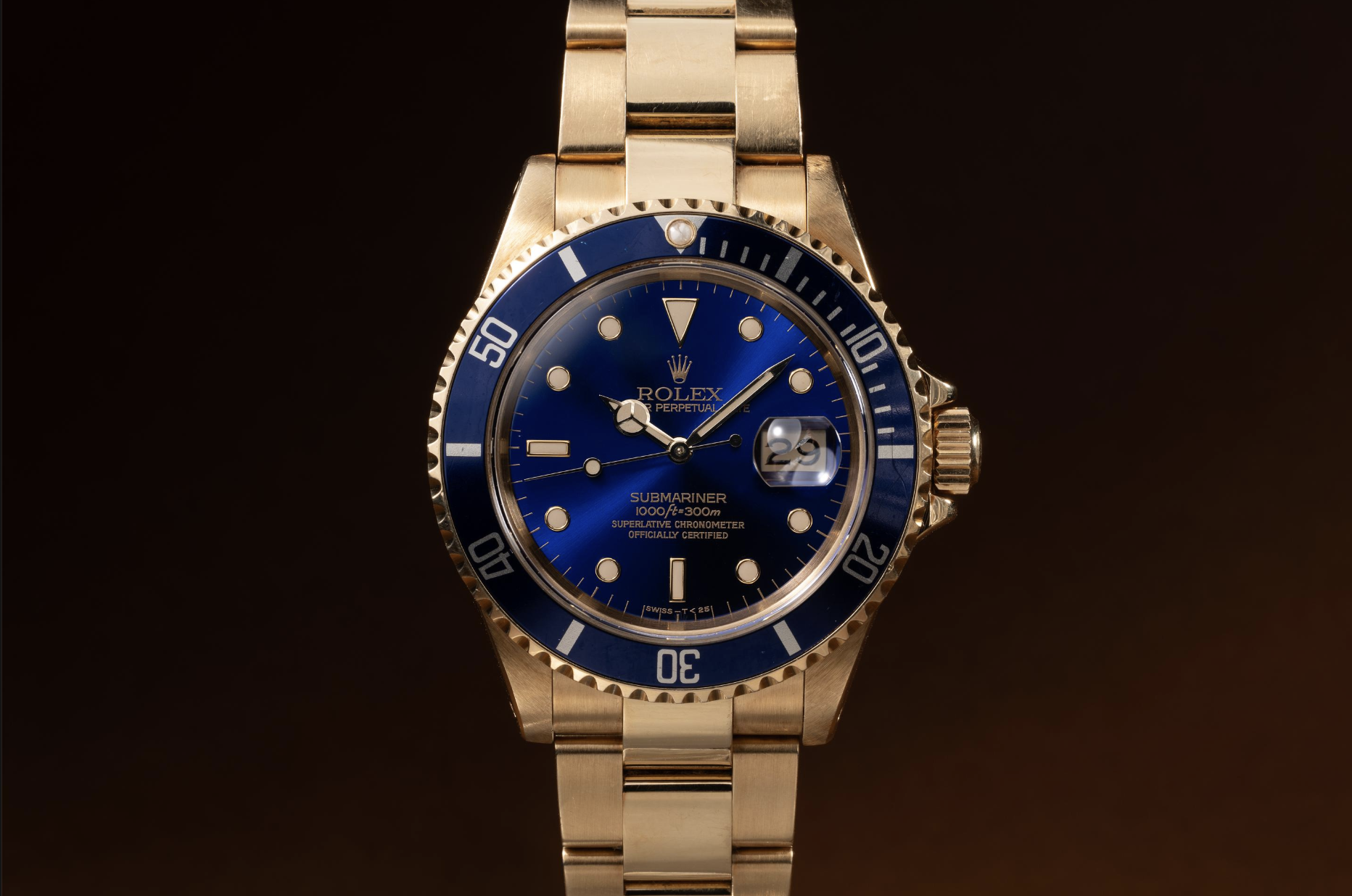

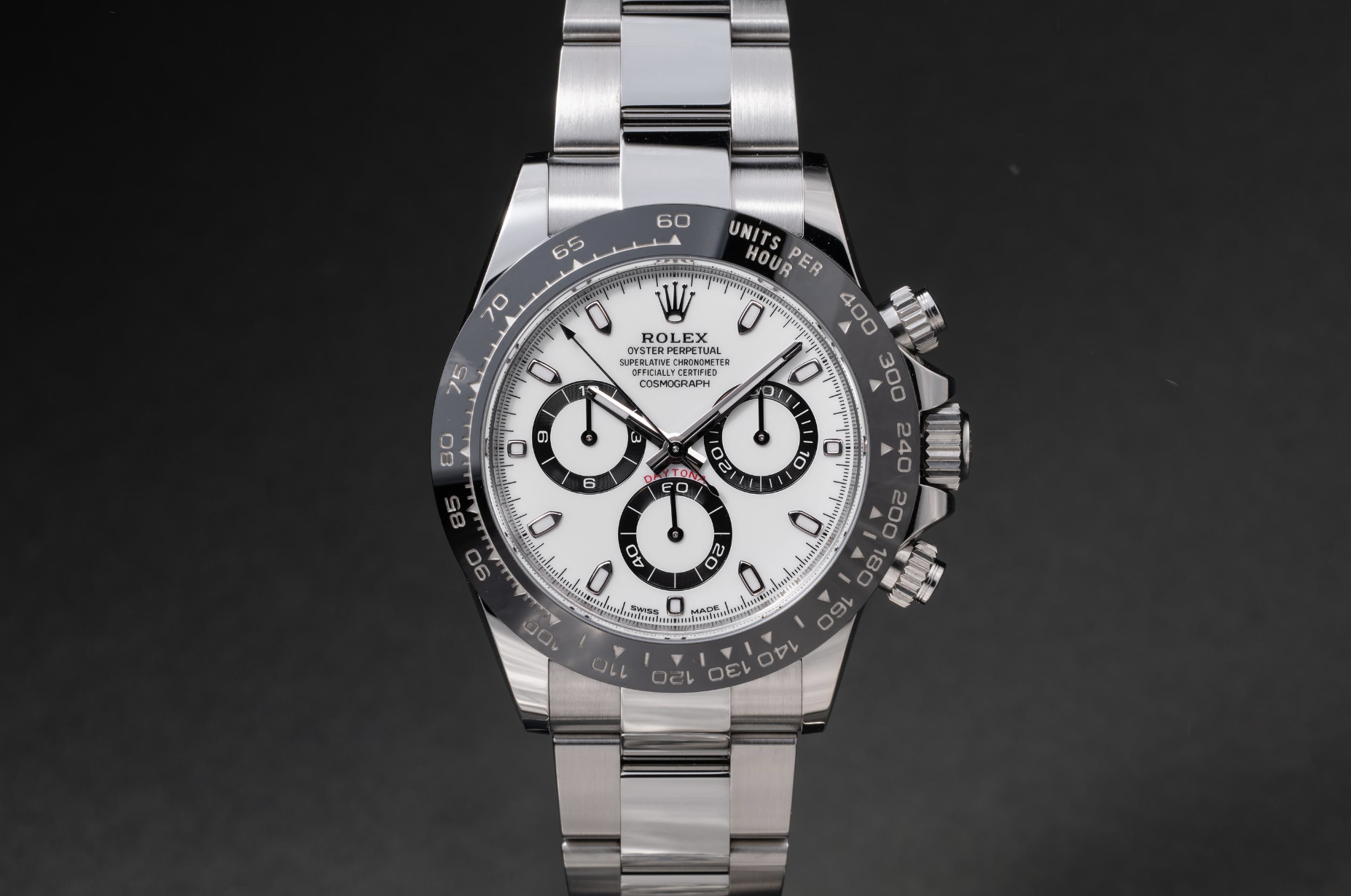

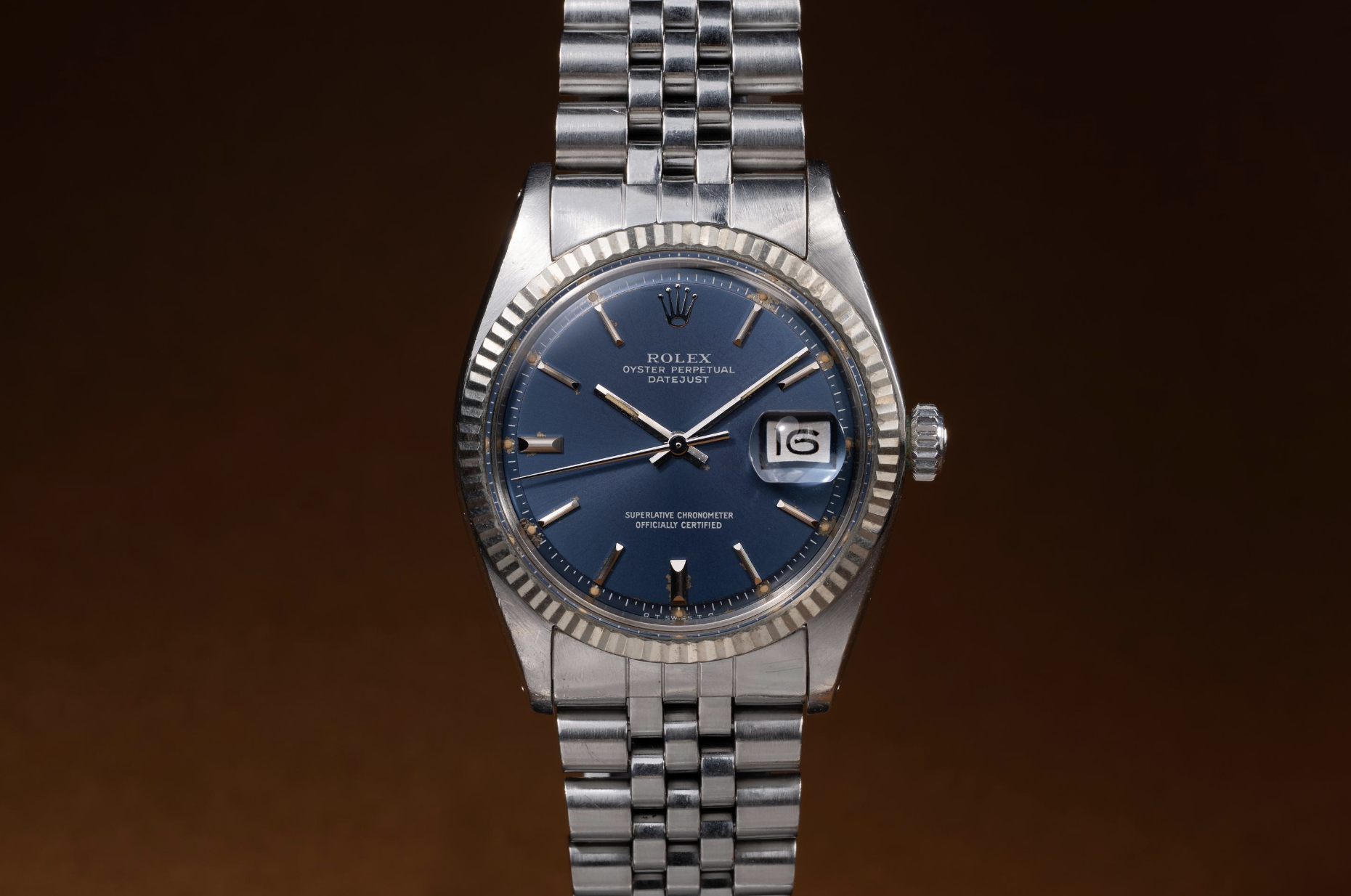
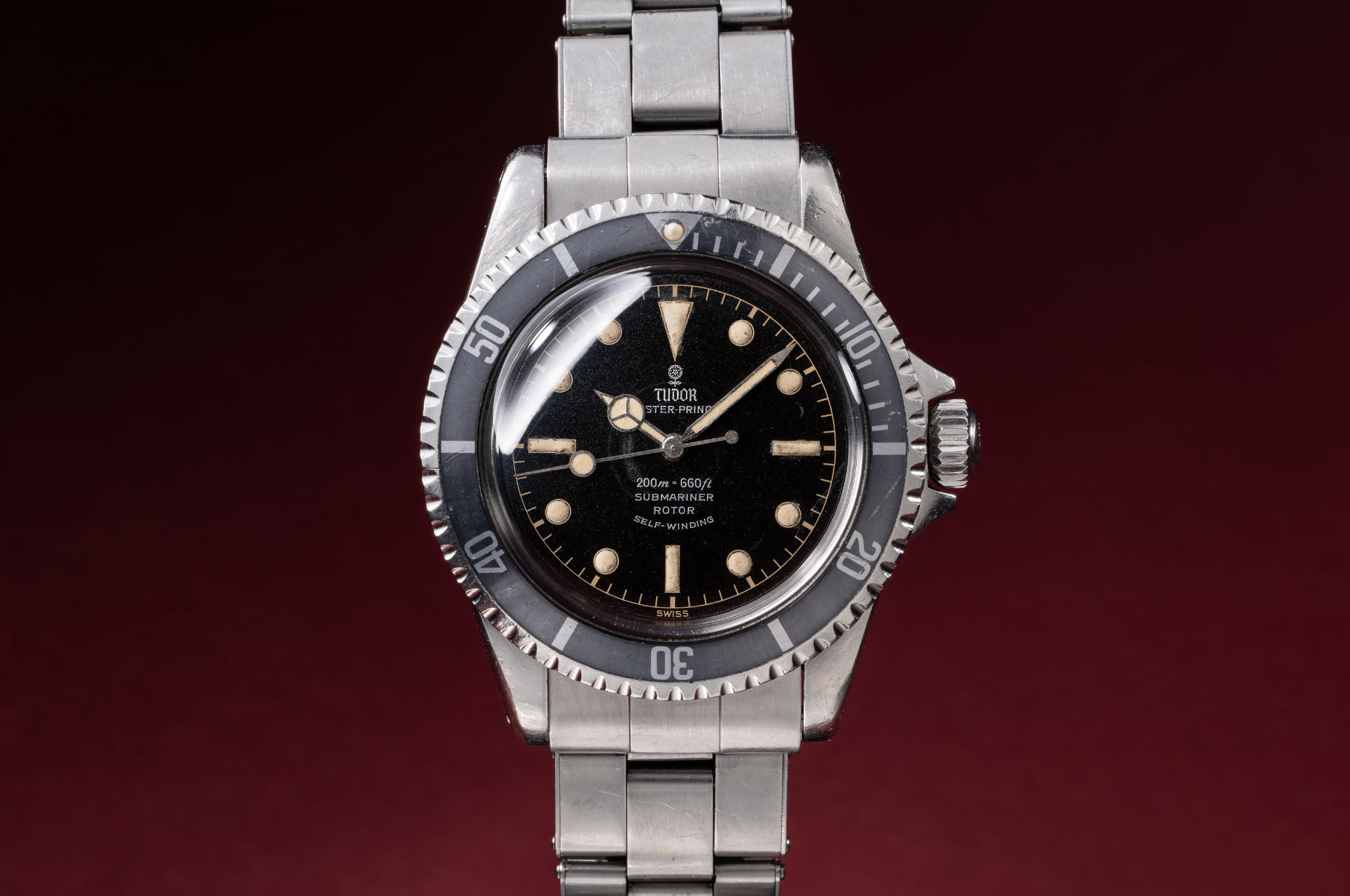
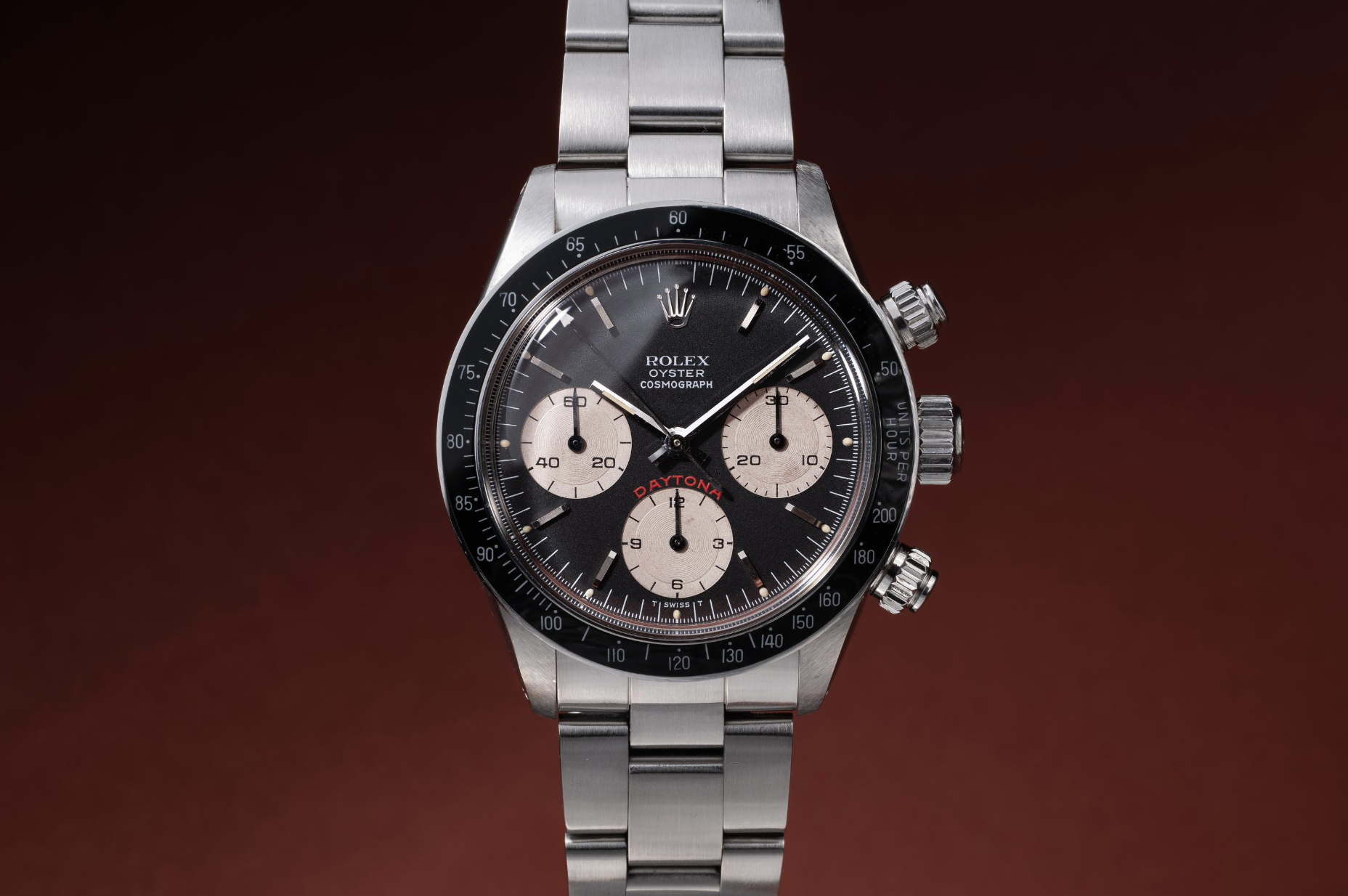
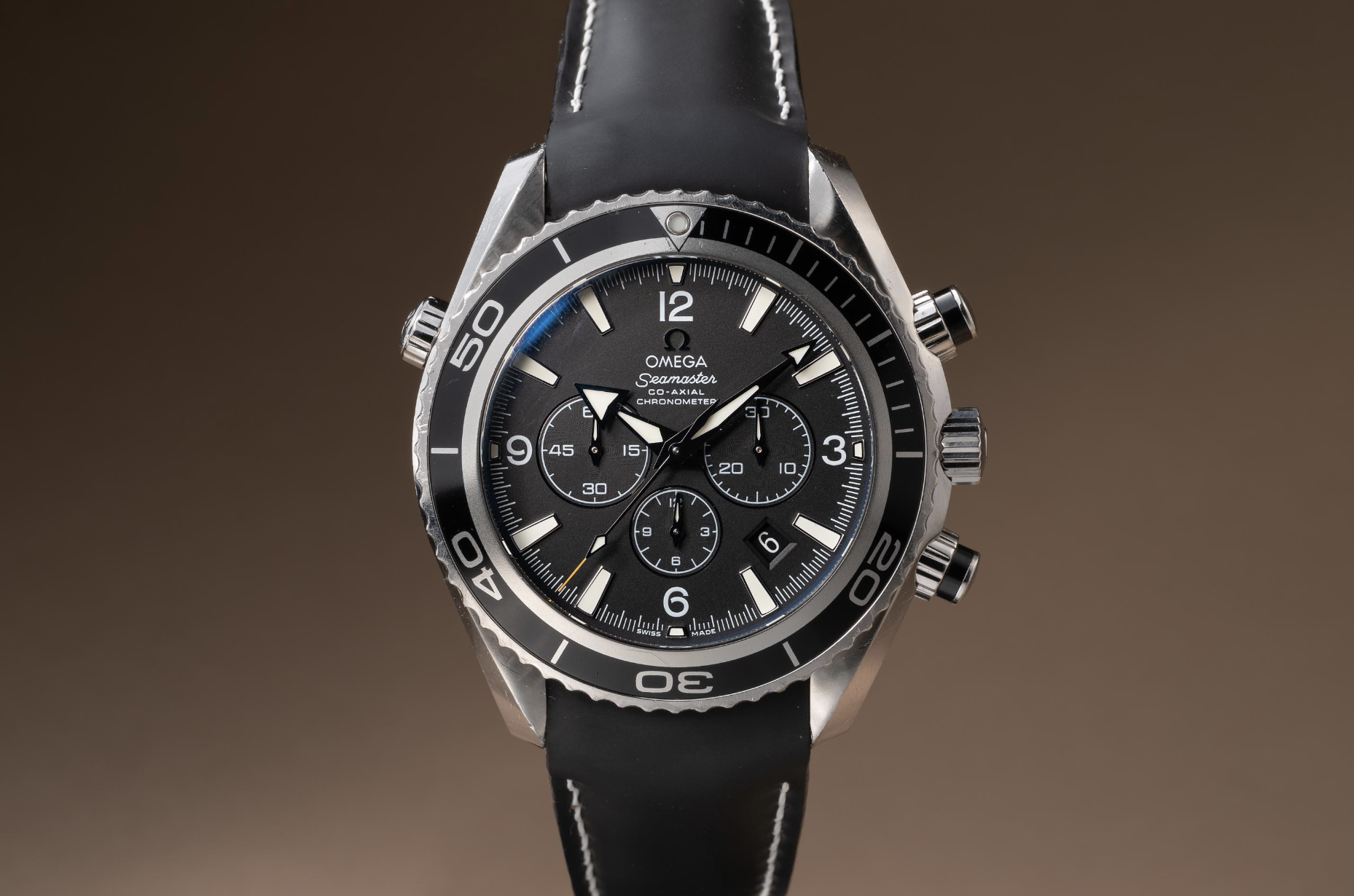
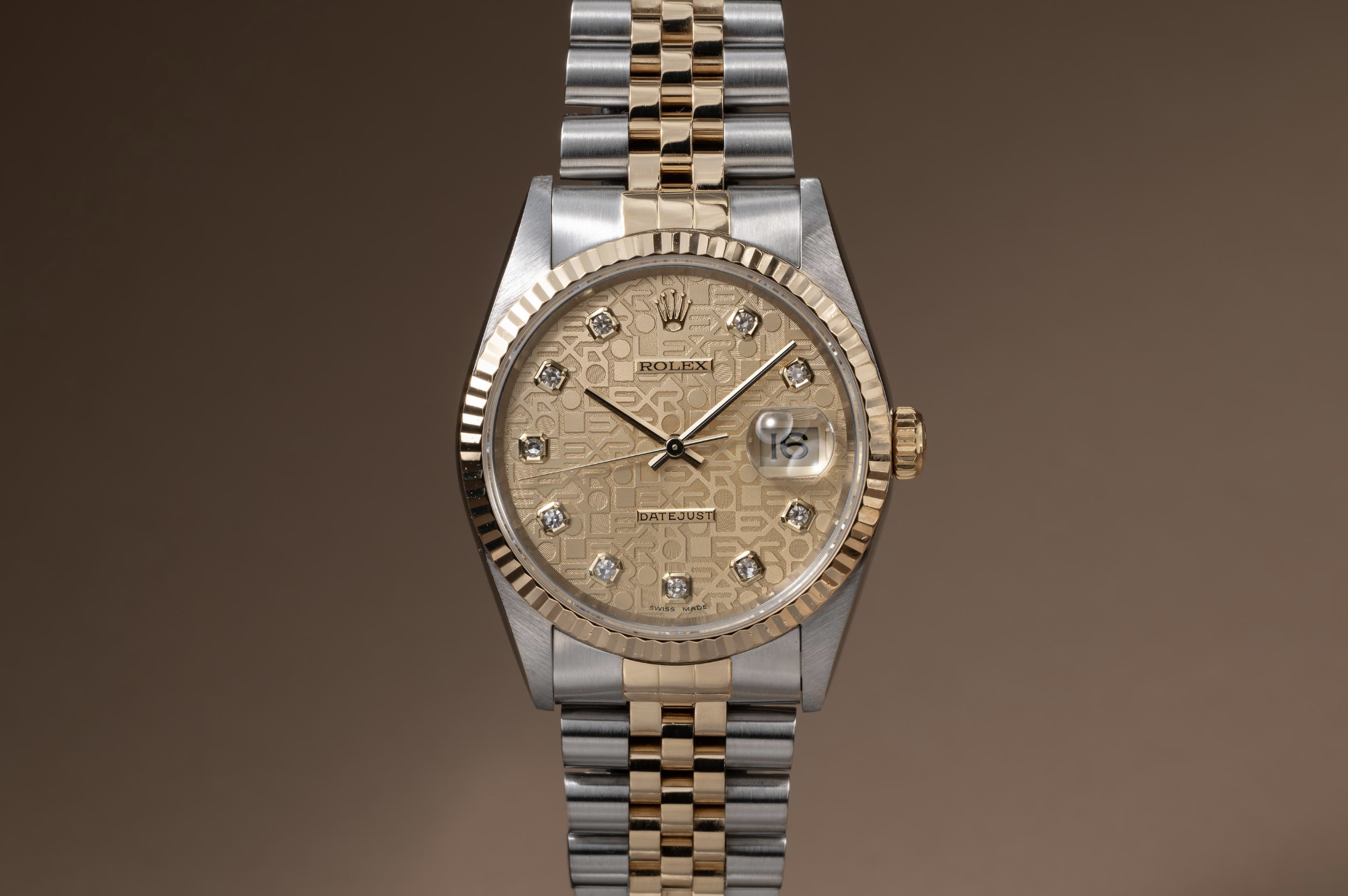
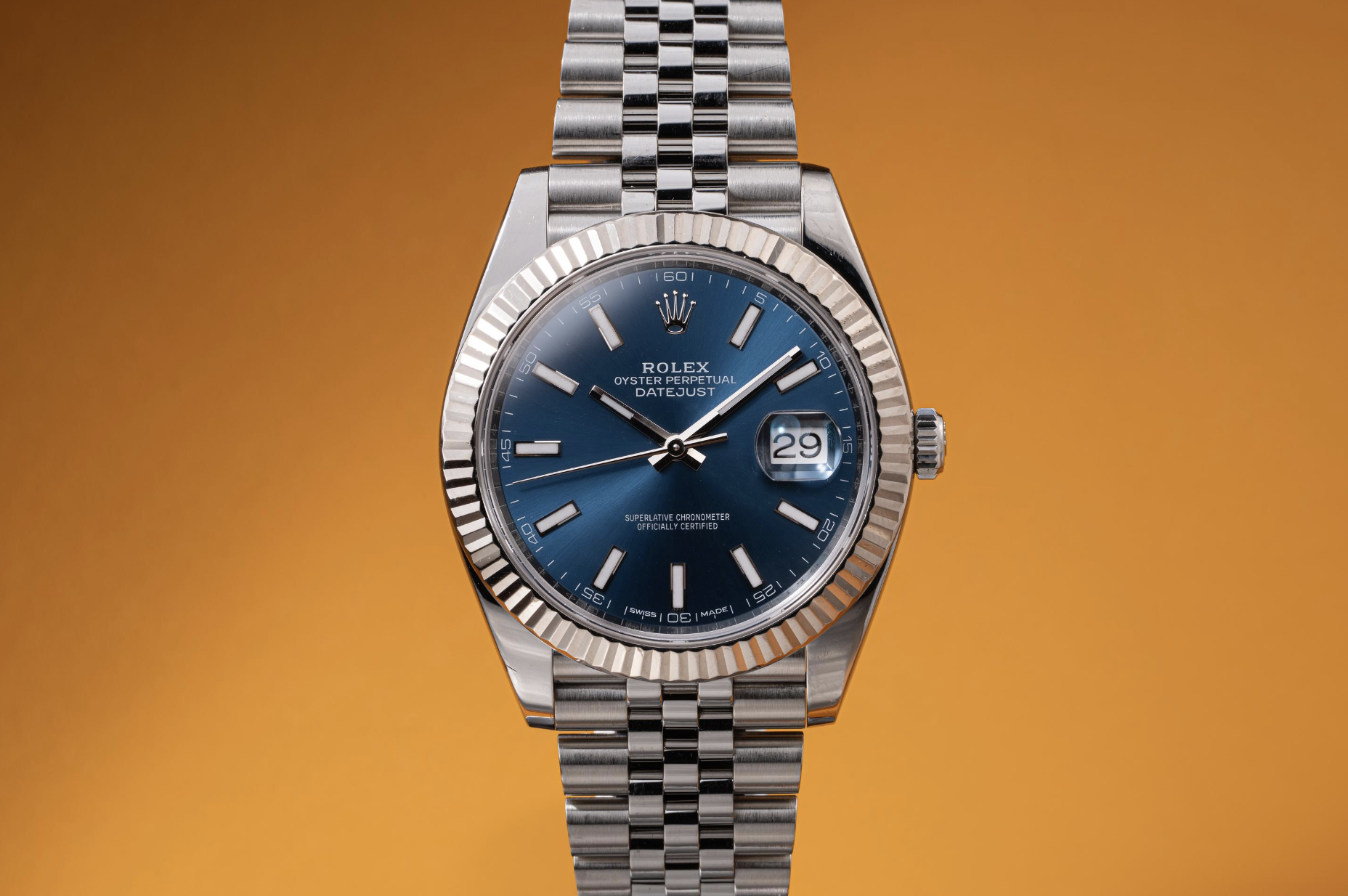
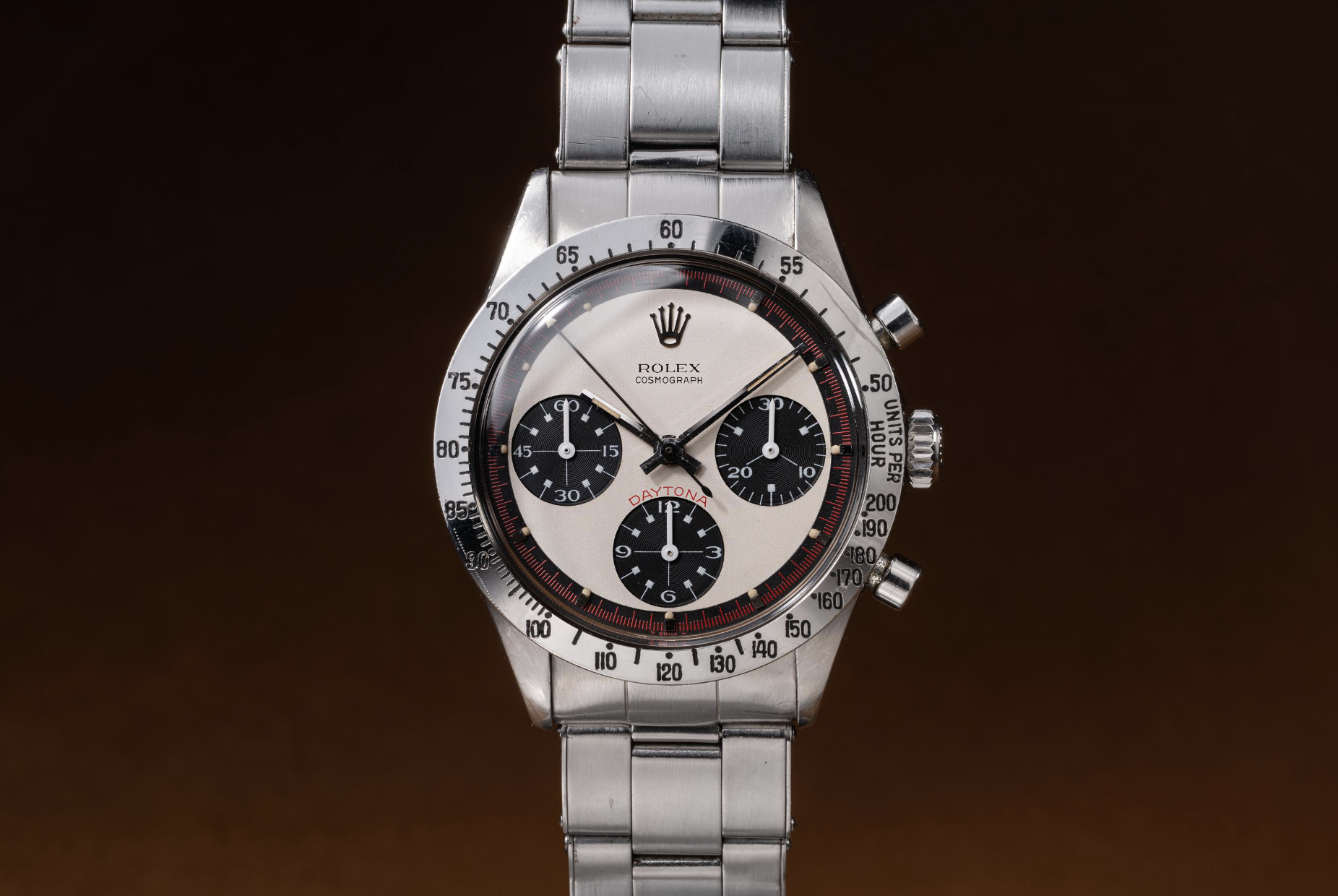
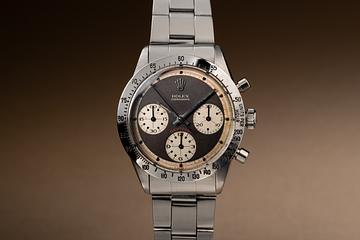


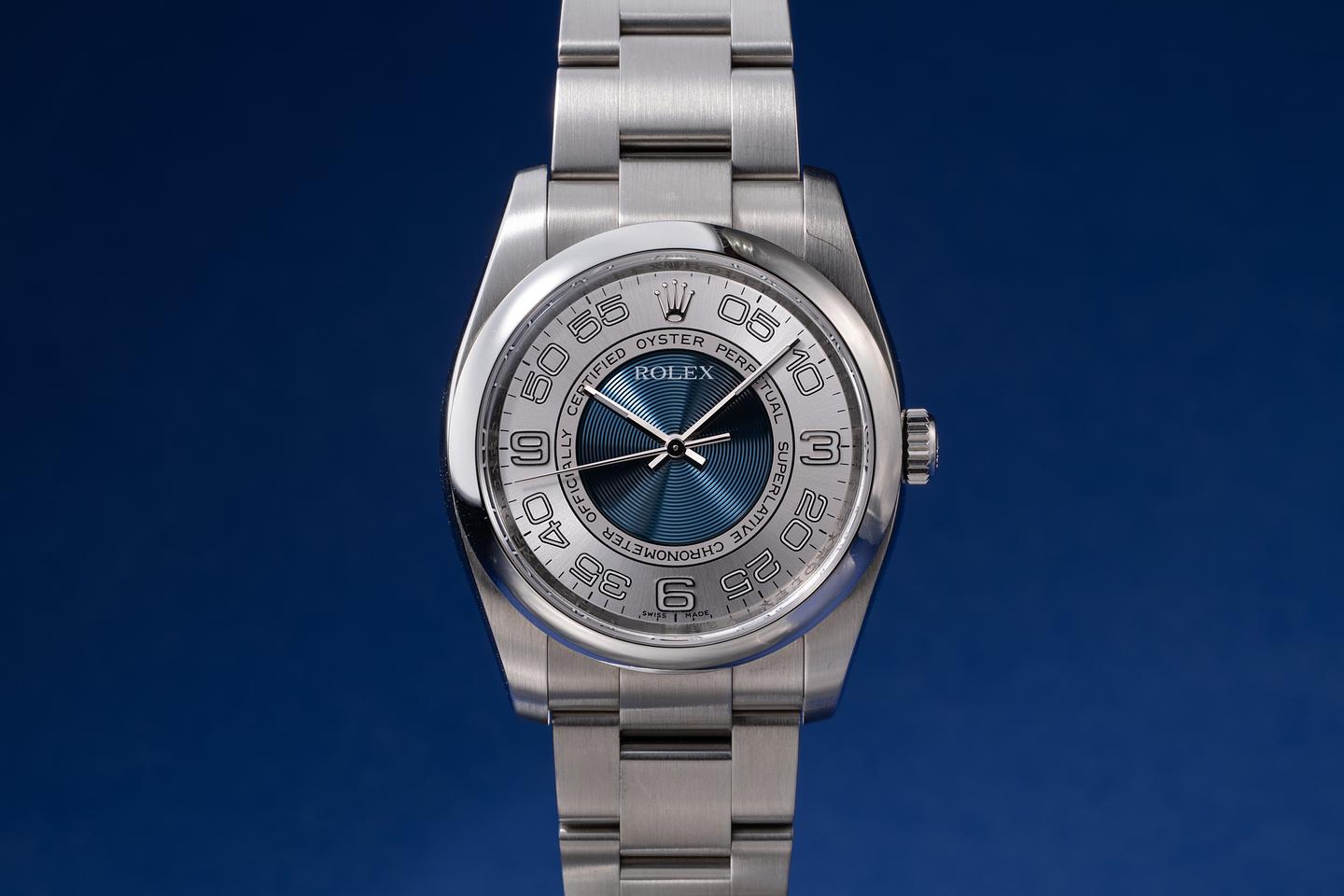


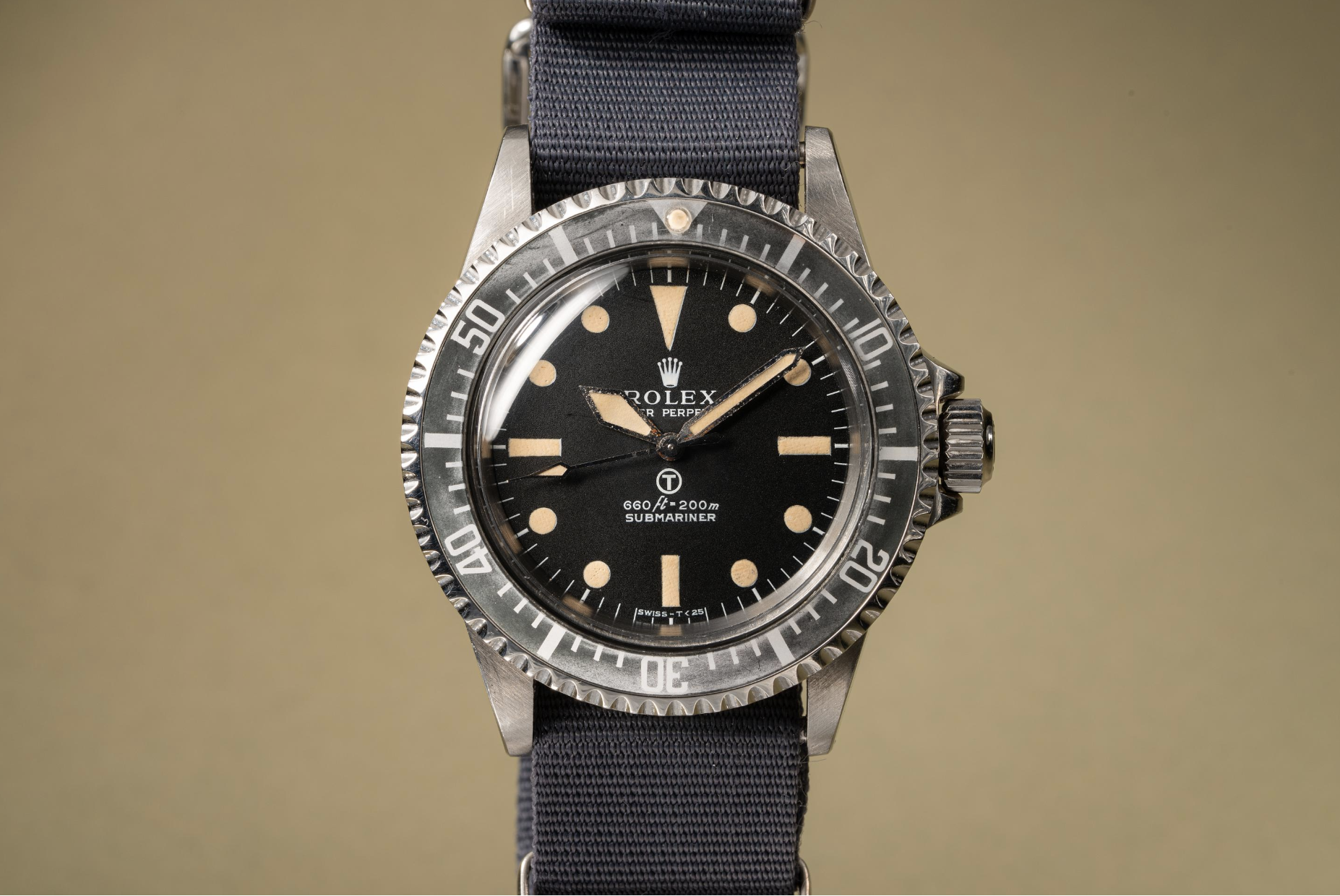
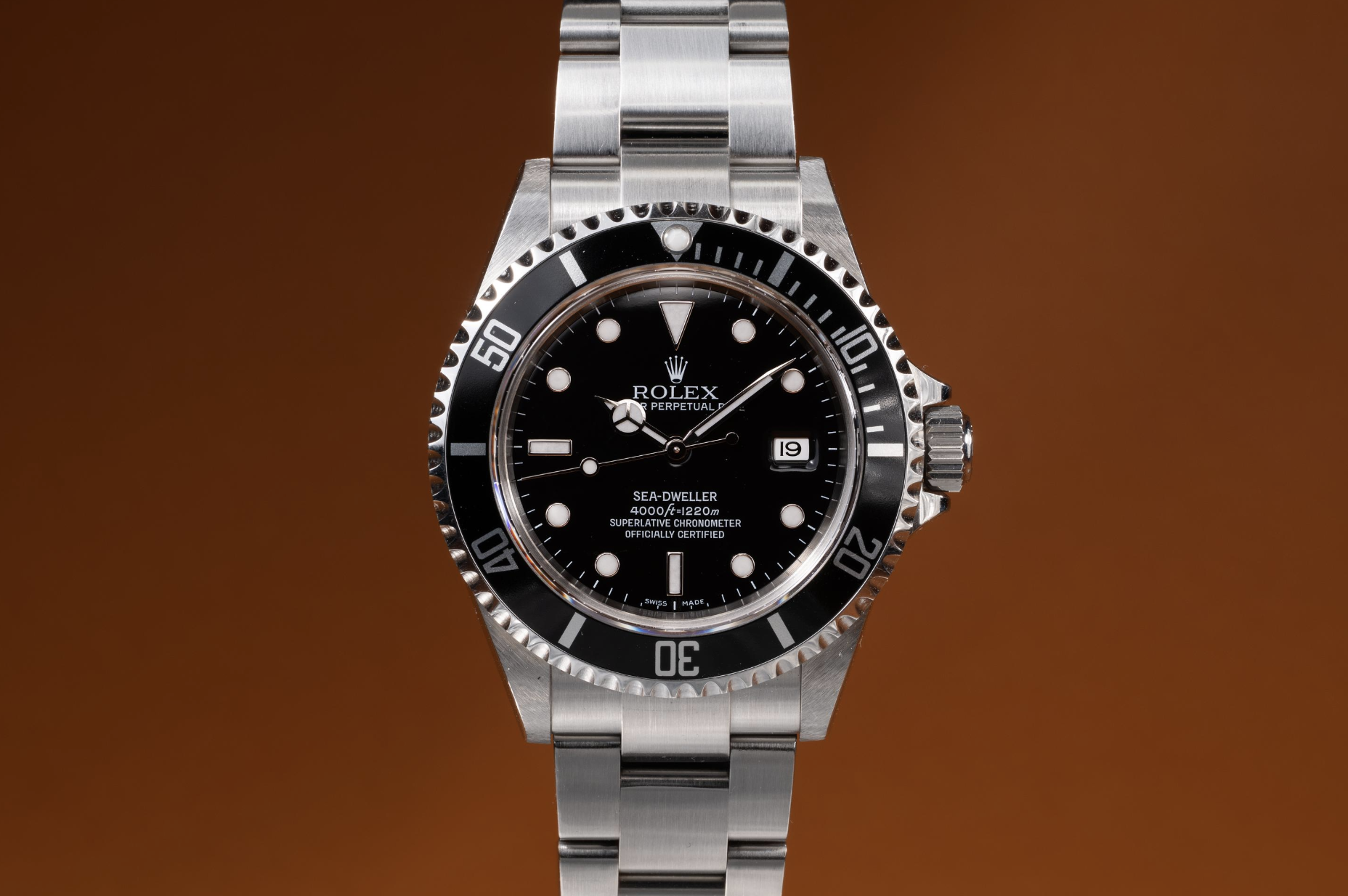
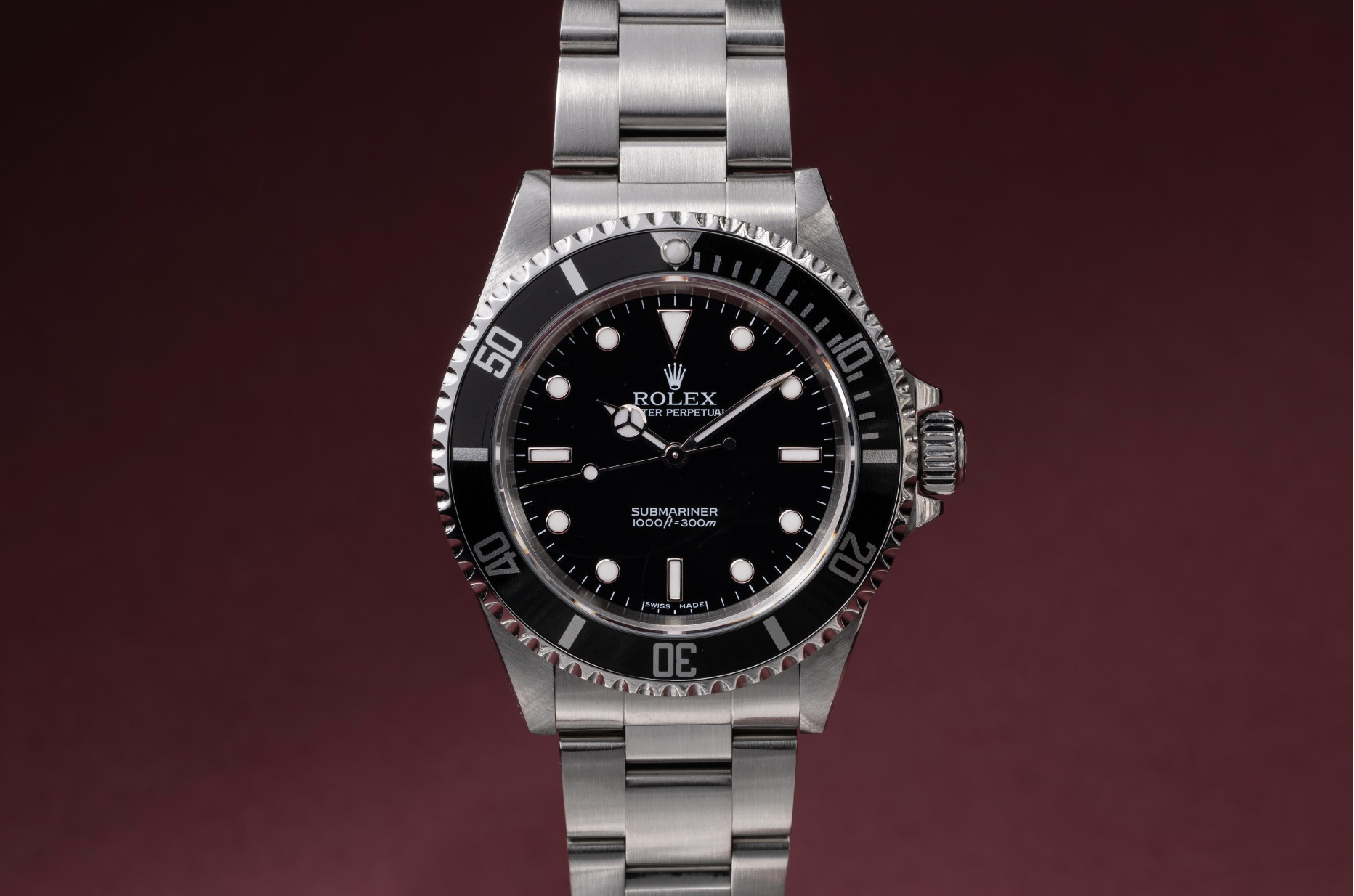
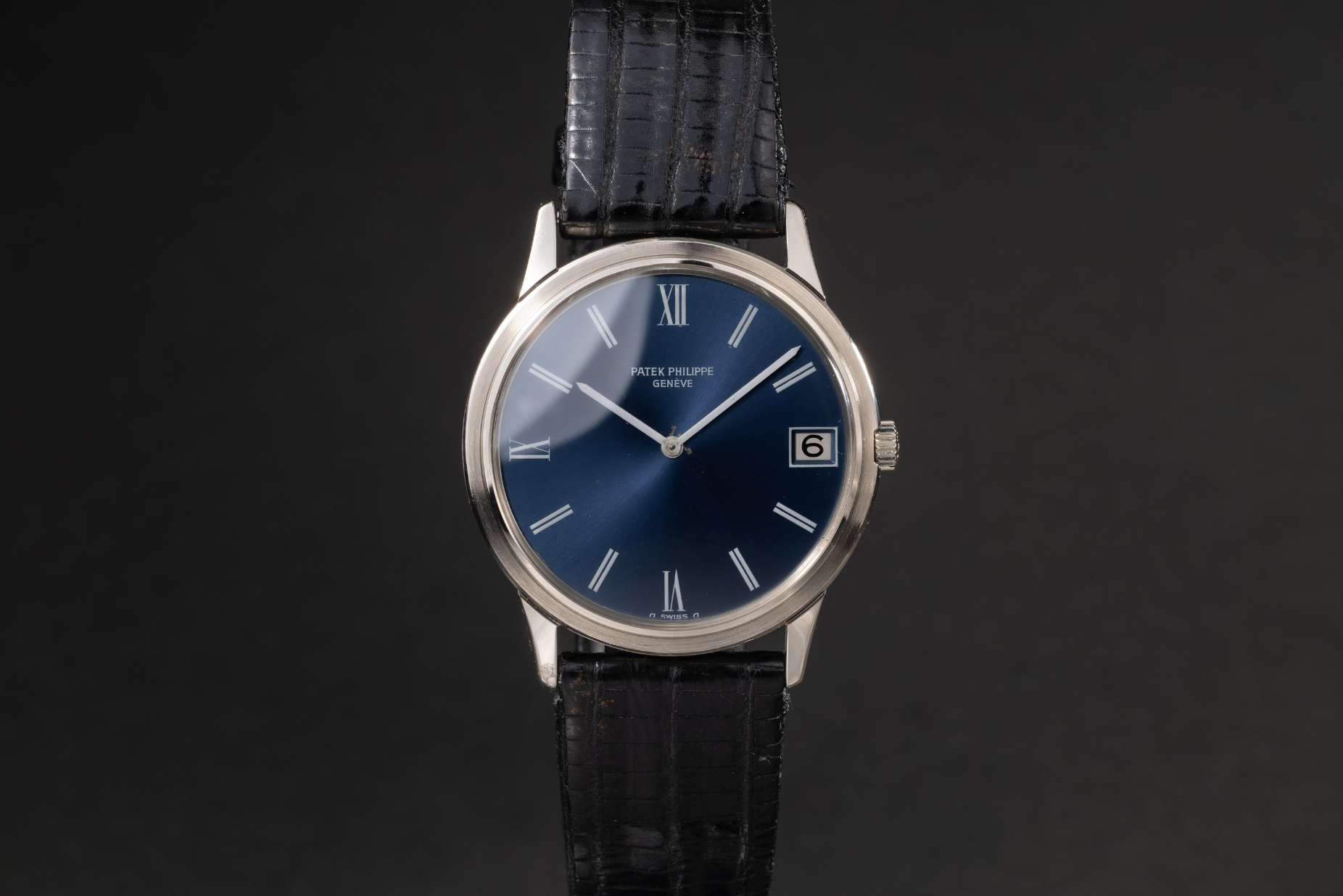
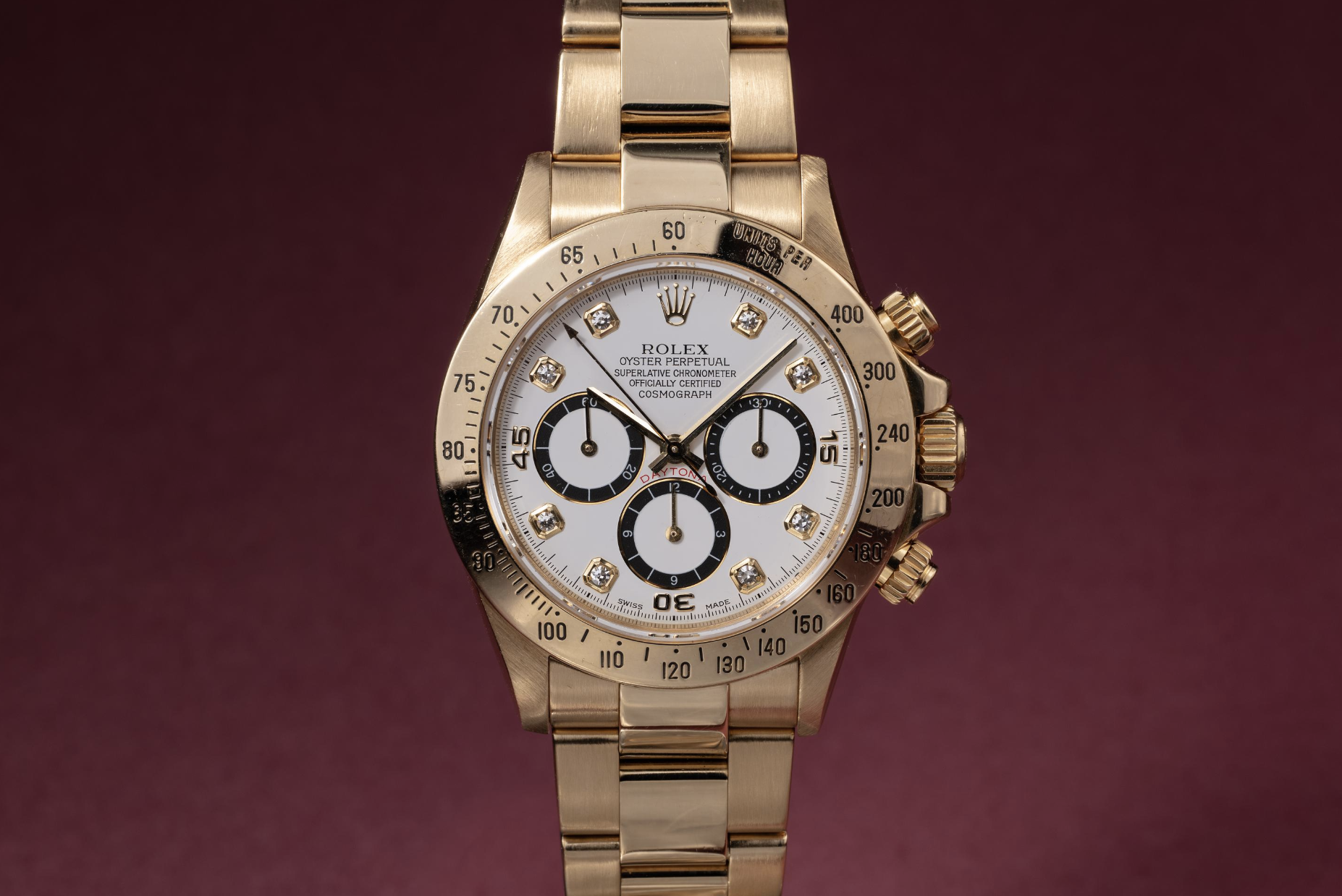


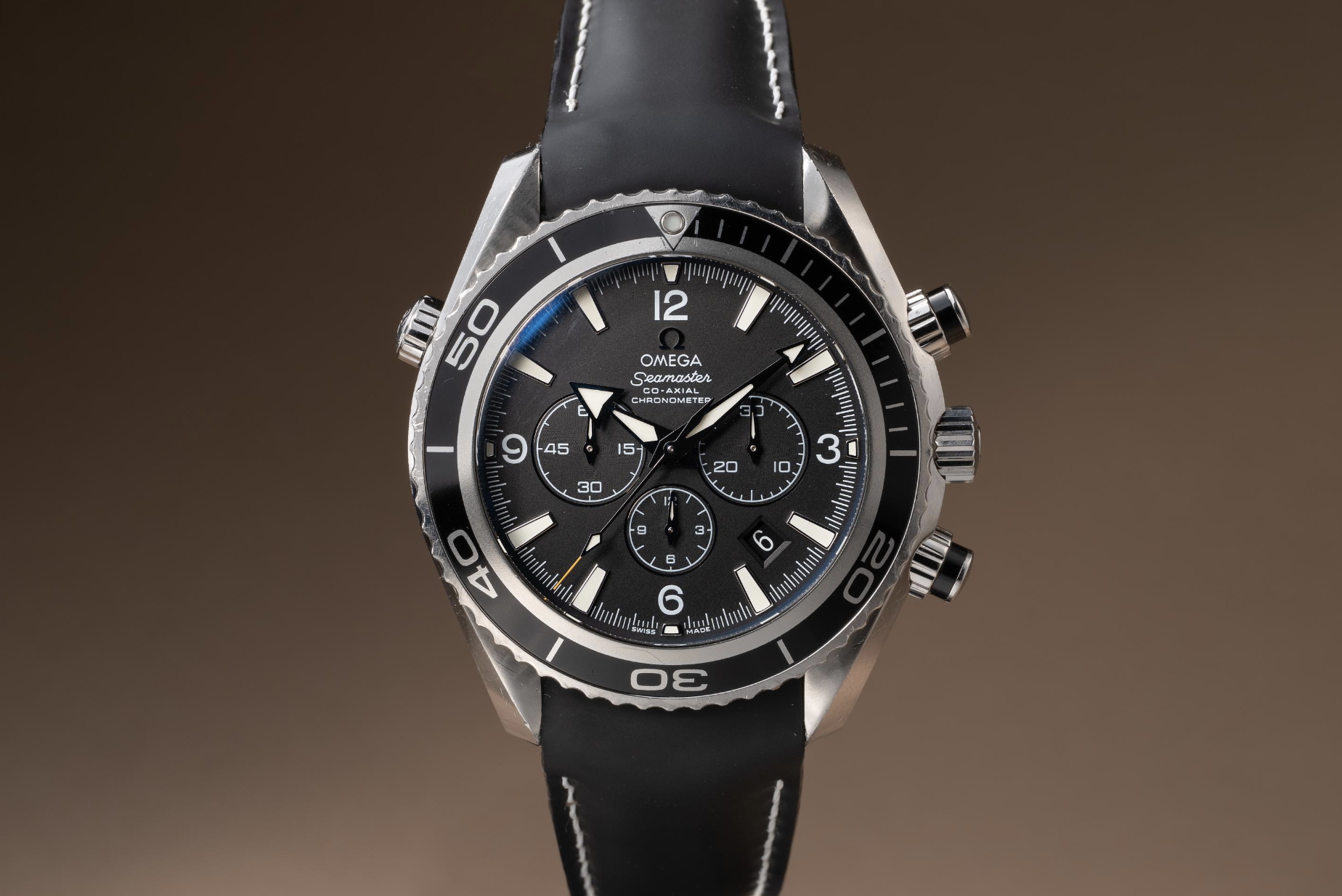

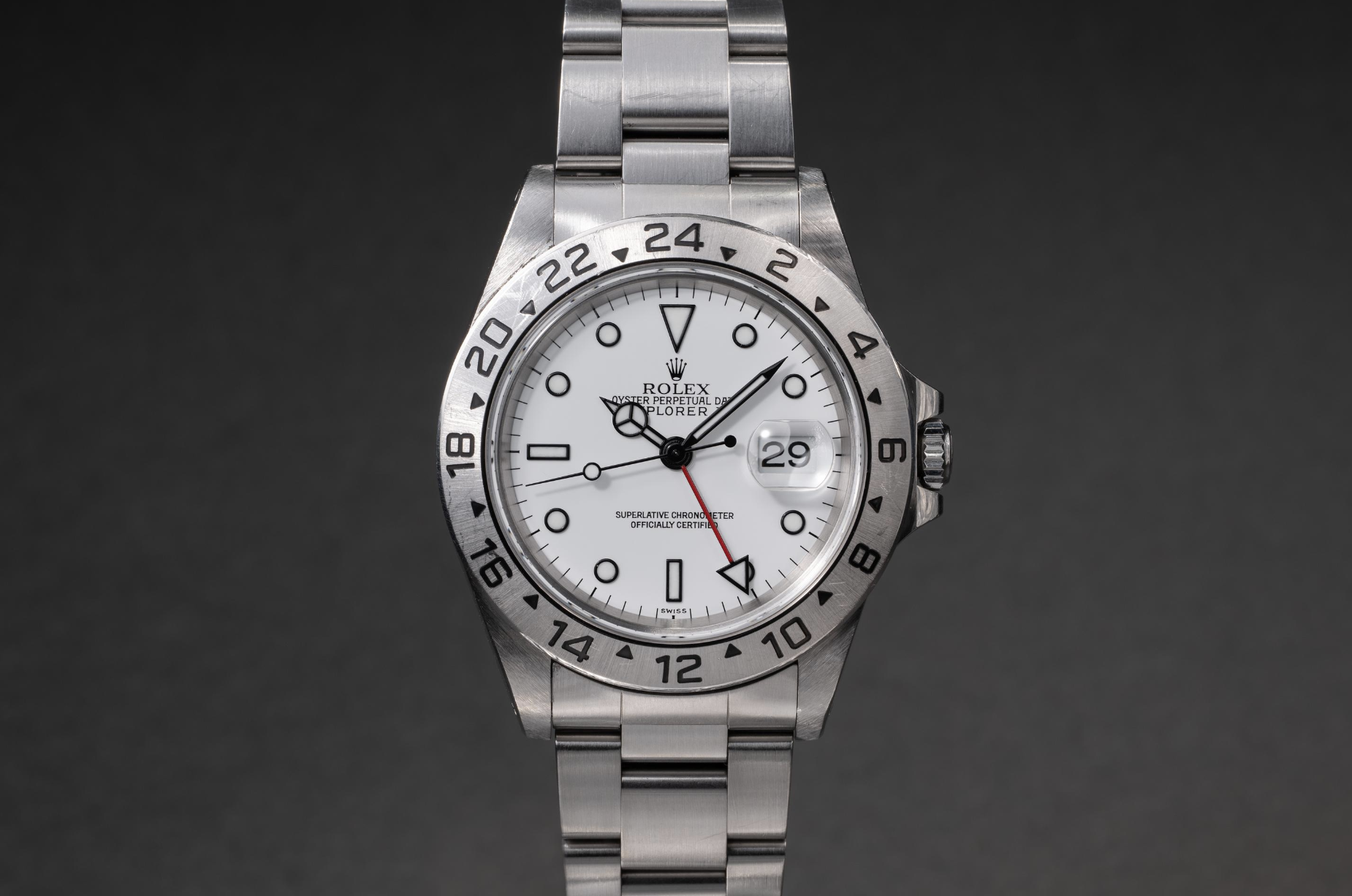



Table of Contents
Get More from the Journal