Patek Philippe vs Audemars Piguet: Which Wins?
Patek Philippe vs Audemars Piguet: Two Legends, One Decision
There are watch debates, and then there is this one. Patek Philippe versus Audemars Piguet has been a conversation happening in auction rooms, collector forums, and quiet conversations between enthusiasts for decades. Both houses sit at the very top of Swiss watchmaking. Both have produced pieces that defined entire categories. And yet, they are fundamentally different in personality, history, and what they represent to the person wearing them. If you are trying to decide between the two, or simply trying to understand what separates them, this breakdown covers everything you need to know.
A Brief History of Each Maison
Patek Philippe was founded in Geneva in 1839 by Antoni Patek and Adrien Philippe. The brand became synonymous with horological refinement over the centuries, earning a reputation built on technical mastery and quiet prestige. Some of the most important complications in watch history came out of this manufacture, and the brand has remained family-owned, which is genuinely rare at this level of the industry. That independence has allowed Patek Philippe to operate with a long-term vision that publicly traded luxury groups rarely maintain.
Audemars Piguet was founded slightly later, in 1875, in the small Swiss village of Le Brassus in the Vallee de Joux. Jules Louis Audemars and Edward Auguste Piguet built the company from the ground up in a region known for producing some of the most skilled watchmakers in the world. Like Patek Philippe, Audemars Piguet remains family-owned and operated, and that shared independence is actually one of the few things the two brands have in common philosophically. Everything else sets them apart quite sharply.
The Iconic References That Define Each Brand
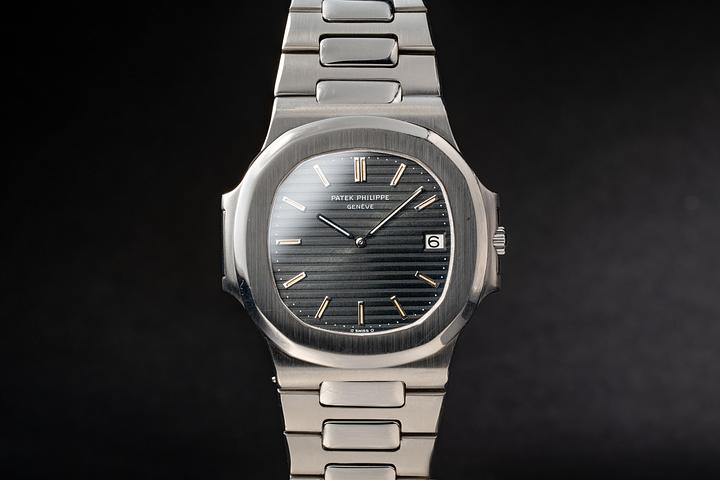
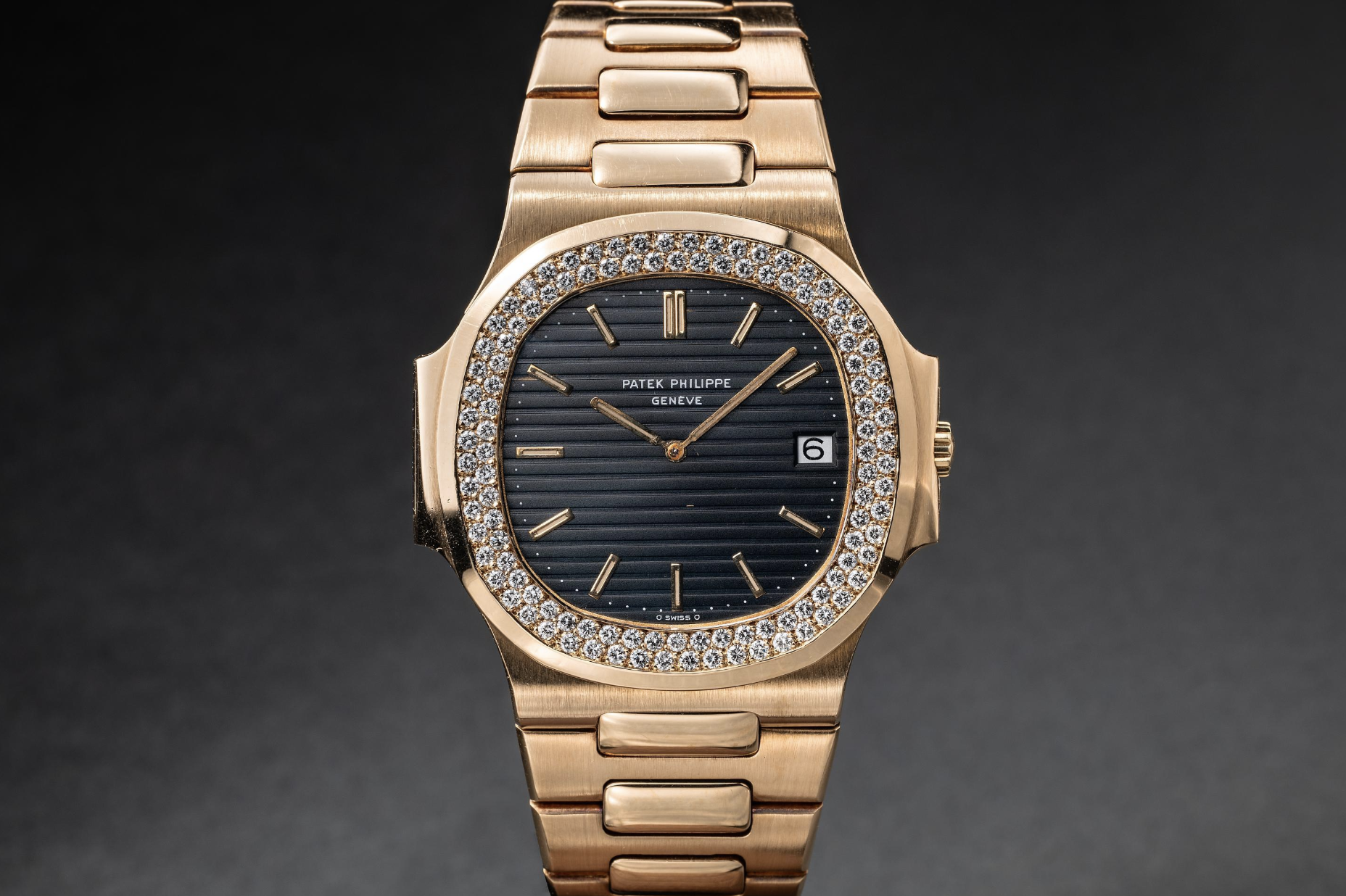
You cannot talk about Patek Philippe without talking about the Calatrava, the Nautilus, and the Perpetual Calendar references. The Calatrava, introduced in 1932, is perhaps the clearest expression of the brand's design language: restrained, elegant, and classical. The Nautilus, designed by Gerald Genta and released in 1976, surprised everyone by proving that Patek Philippe could play in the sports watch space. It now commands some of the highest resale premiums in the entire watch market.
Audemars Piguet's defining piece is, without question, the Royal Oak. Also designed by Gerald Genta, also released in 1972 and built in stainless steel, the Royal Oak was controversial at launch and became one of the most imitated watch designs in history. The Royal Oak Offshore, introduced in 1993, pushed the concept further into bold, oversized territory. Audemars Piguet also produces significant complications, including tourbillons and minute repeaters, but the Royal Oak family is what most people think of first.
Design Philosophy: Refinement vs. Bold Expression
This is where the two brands diverge most visibly. Patek Philippe leans toward tradition. The aesthetic is typically formal, polished, and built for longevity rather than trend cycles. There are exceptions, certainly, but the overall identity is one of timeless restraint. Wearing a Patek Philippe usually signals a deep appreciation for watchmaking history and an affinity for understated status.
Audemars Piguet takes a different position. The Royal Oak was, at its core, an act of provocation. Charging luxury watch prices for a steel sports watch in 1972 was considered almost absurd. That willingness to challenge convention has stayed in the brand's DNA. Audemars Piguet watches tend to be bolder, more architecturally complex in appearance, and more comfortable in casual or active settings. The brand has also been more aggressive in pursuing collaborations and cultural partnerships than Patek Philippe has ever been.
Movement Quality and In-House Calibers
Both brands manufacture their own movements in-house, and both are considered among the best in the world at doing so. Patek Philippe calibers are known for their finishing, their reliability over decades, and the depth of their complication work. The brand produces everything from simple three-hand movements to perpetual calendars, minute repeaters, and grand complications with multiple simultaneous functions.
Audemars Piguet is equally respected in this area. The manufacture in Le Brassus produces calibers that are technically outstanding, and the brand's work with ultra-thin movements has been particularly notable. The calibre 2120, introduced in 1967, remains one of the thinnest automatic movements ever made. Both houses invest enormously in hand-finishing, and both exceed most industry standards in terms of movement decoration and quality control.
Pricing, Availability, and the Secondary Market
Retail prices for both brands are significant. Entry-level Patek Philippe references typically start around $20,000 to $30,000 USD, while more complex or iconic references can reach hundreds of thousands. Audemars Piguet Royal Oak references in steel have historically started around $20,000 to $25,000 at retail, though availability at authorized dealers has been extremely limited for years.
On the secondary market, both brands perform exceptionally. The Patek Philippe Nautilus and certain perpetual calendar references have achieved values that far exceed retail. Audemars Piguet Royal Oak references, particularly the 15202 and early offshore models, have also climbed substantially. For collectors, both brands have historically held or increased in value, which is not a guarantee but has been consistent across many key references over the past two decades.
Who Each Brand Is Really For
Choosing between these two comes down to what you want a watch to express and how you intend to wear it. Patek Philippe tends to attract collectors who prioritize heritage, technical depth, and classical aesthetics. The brand has a famous tagline suggesting that you never actually own a Patek Philippe, you merely look after it for the next generation. That sentiment resonates with buyers who view watchmaking as a long-term relationship.
Audemars Piguet attracts a slightly different profile. The brand has significant crossover appeal with younger collectors, with enthusiasts who value design boldness, and with buyers who want something that feels current without abandoning Swiss craft tradition. The Royal Oak in particular occupies a space where fine watchmaking meets contemporary style, and that combination has proven to be enormously appealing across demographics.
Key Differences at a Glance
For those weighing both options carefully, here are the primary distinctions worth keeping in mind:
- Patek Philippe leans classical, Audemars Piguet leans architectural and modern
- Both brands are fully independent, family-owned manufactures
- The Nautilus and Royal Oak are the most recognized references from each house
- Patek Philippe complications tend to be more traditional; Audemars Piguet has prioritized ultra-thin and skeletonized work
- Secondary market performance has been strong for key references from both brands
- Patek Philippe typically appeals to traditional collectors; Audemars Piguet has broader contemporary appeal
Why Tropical Watch Should Be Your Starting Point for Either Brand
Whether you are drawn to the refined horological tradition of Patek Philippe or the bold architectural confidence of Audemars Piguet, finding the right piece at the right price from a trustworthy source is genuinely the hardest part of this process. Tropical Watch has built its reputation on doing exactly that. As a leading destination for authenticated luxury and vintage timepieces, the team at Tropical Watch brings serious expertise to every transaction. If you are exploring the world of rare and investment-grade watches, working with trusted dealers in authenticated vintage and luxury Swiss watches makes all the difference between a great acquisition and an expensive mistake. The inventory is curated, the provenance is verified, and the level of knowledge available to buyers is the kind you typically only encounter after years in the collector community.
Frequently Asked Questions
Is Patek Philippe considered more prestigious than Audemars Piguet?
Both brands sit at the top of the Swiss watchmaking hierarchy and are widely regarded as equals in terms of prestige. Patek Philippe has a longer history and is sometimes cited as the most prestigious watchmaker in the world, but Audemars Piguet is equally respected among serious collectors and commands comparable prices at auction.
Which holds its value better, Patek Philippe or Audemars Piguet?
Both brands have demonstrated strong value retention on the secondary market, particularly for iconic references. Patek Philippe Nautilus and perpetual calendar models have shown exceptional appreciation. Audemars Piguet Royal Oak references in steel have also performed very well. Results vary by reference, condition, and year of production.
What is the most iconic watch from each brand?
The Patek Philippe Nautilus and the Audemars Piguet Royal Oak are the most recognized and culturally significant references from each house. Both were designed by Gerald Genta and introduced as luxury sports watches in the 1970s, which makes the parallel between them particularly interesting to collectors.
Are Patek Philippe and Audemars Piguet good investments?
Certain references from both brands have historically appreciated in value, making them compelling for collectors who also consider resale potential. However, no watch purchase should be treated as a guaranteed financial investment. Buying references you genuinely appreciate tends to produce better long-term satisfaction regardless of market performance.
Which brand is better for a first serious luxury watch purchase?
This depends on personal style and budget. Audemars Piguet Royal Oak models offer a bold entry point with strong brand recognition and contemporary appeal. Patek Philippe entry-level references offer classical elegance and deep horological heritage. Both are excellent choices for a first significant acquisition.
How can I verify the authenticity of a Patek Philippe or Audemars Piguet watch?
Authentication requires physical inspection by a qualified expert who can examine the movement, case, dial, and documentation. Purchasing from reputable dealers who specialize in pre-owned and vintage luxury watches and who provide documented provenance is the most reliable way to ensure authenticity.