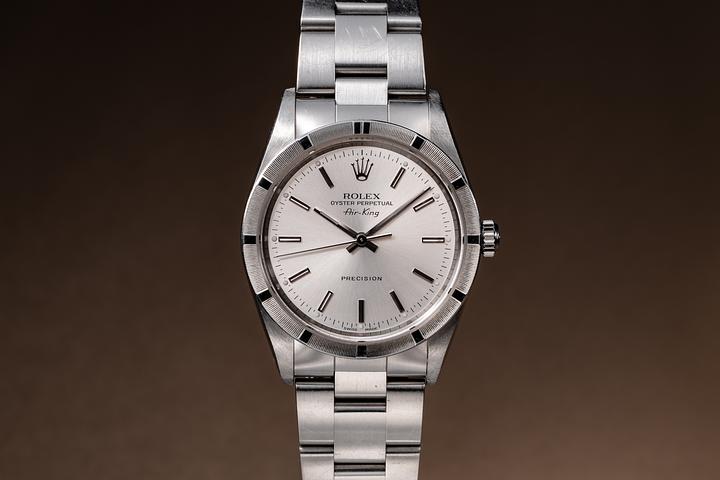
Omega Moonphase Watches: What Makes Them Worth It

What Makes the Omega Moonphase So Special in the Luxury Watch World
There are complications in watchmaking that serve a purpose, and then there are complications that serve a feeling. The moonphase falls squarely into the second category, and Omega has spent decades proving that it can do both. If you have been researching the Omega moonphase and trying to figure out what all the enthusiasm is actually about, you are in the right place. This is not a short answer kind of topic. The moonphase complication has a surprisingly rich history, a legitimate mechanical story behind it, and Omega has positioned its versions of this display at multiple price points and in multiple collections, which makes the whole subject a little more layered than it first appears.
A Brief History of the Moonphase Complication in Watchmaking
The moonphase complication goes back centuries, to a time when tracking the lunar cycle was genuinely practical, tied to tides, agriculture, and calendar systems that mattered to everyday life. Early pocket watches and complicated clocks featured moonphase displays as tools rather than decorative statements. Over time, as wristwatches evolved and timekeeping became far more precise through atomic and quartz technology, the moonphase lost its utilitarian purpose but gained something arguably more interesting, which is pure horological romance. It became a symbol of craftsmanship, a reason to appreciate what a mechanical movement can do beyond simply telling time. Swiss manufacturers including Patek Philippe, IWC, and Omega have each approached this complication in their own way, and Omega's interpretation tends to land somewhere between accessible and genuinely impressive, which is a harder balance to strike than most people realize.
How a Moonphase Display Actually Works
Understanding the mechanics behind a moonphase makes appreciating one considerably easier. The display typically consists of a rotating disc featuring two painted or engraved moons positioned 180 degrees apart. As the disc rotates beneath an aperture or dial cutout, one moon appears to wax and wane across the display over the course of approximately 29.5 days, mirroring the actual lunar cycle. Most traditional moonphase mechanisms require manual correction roughly every two and a half years, as the standard mechanical moonphase loses about one day every 2.5 to 3 years relative to the actual lunar cycle. Some high-end manufacturers engineer their moonphase displays to be accurate for hundreds of years, which is one of the markers that separates an entry-level moonphase from a genuinely sophisticated one. Omega sits in a range where accuracy and visual execution are both taken seriously, which keeps these watches competitive with brands that carry significantly higher price tags.
The Omega Seamaster Aqua Terra Worldtimer and Moonphase
One of the most widely discussed Omega moonphase references is found in the Seamaster Aqua Terra collection, particularly the Worldtimer variant that incorporates a moonphase display alongside a world time function. This combination is genuinely unusual and speaks to Omega's tendency to build layered complexity into a single, readable dial. The Aqua Terra Worldtimer Moonphase houses the Caliber 8938, a co-axial escapement movement that Omega developed as part of its ongoing push toward higher precision and reduced friction in its mechanical systems. The co-axial escapement, originally developed by independent watchmaker George Daniels and later adopted and refined by Omega in 1999, significantly reduces the need for lubrication and extends service intervals. That is a practical benefit that most moonphase watches from competing brands simply do not offer at the same price level.
The De Ville Tresor and the Romantic Side of Omega Moonphase Watches
If the Aqua Terra series represents Omega at its functional and technical best, the De Ville Tresor moonphase models reflect a different kind of ambition. These watches are thinner, more traditionally styled, and clearly aimed at a buyer who wants something that feels as at home with formal attire as it does on a weekend. The Tresor moonphase often features hand-guilloched dials, applied indices, and finishing quality that competes with watches priced considerably higher. It is the kind of watch that makes reviewers pause, not because it surprises them with a trick or a gimmick, but because the proportions and execution are just genuinely right. For collectors approaching moonphase watches from an aesthetic standpoint first and a technical standpoint second, the De Ville Tresor is consistently one of the more recommended Omega references in this space.
Omega Moonphase Accuracy and What Buyers Should Know
When evaluating any moonphase watch, accuracy is one of the first practical questions worth asking. Standard moonphase mechanisms deviate from the actual lunar cycle by approximately 44 minutes per month, which adds up to roughly one full day every 32 months. Omega's current moonphase calibers generally fall within this traditional accuracy range unless otherwise specified, which means periodic manual correction is part of ownership. This is not a criticism, it is simply how most mechanical moonphase watches function across the industry. Some key things to understand before purchasing an Omega moonphase watch are listed below.
- Most moonphase models require a small correction push approximately every two to three years
- The moonphase display is typically set during initial setup and only needs minor adjustments afterward
- Co-axial escapement calibers in Omega moonphase models extend service intervals and improve long-term reliability
- Master Chronometer certification, where available, confirms precision within minus two to plus two seconds per day and resistance to magnetic fields up to 15,000 gauss
How Omega Moonphase Watches Compare to Other Luxury Brands
Situating Omega moonphase watches within the broader luxury market requires a bit of honest context. Patek Philippe's moonphase complications, found in references like the 5270 or 5396, represent a different tier of execution and cost significantly more. IWC's Portuguese Perpetual Calendar with moonphase is another frequently cited benchmark. Where Omega tends to distinguish itself is in the combination of its co-axial escapement technology, Master Chronometer certification standards, and a retail price point that remains within reach of more buyers. An Omega moonphase typically retails between approximately seven thousand and twenty thousand dollars depending on materials, complications, and collection, which positions it well below Patek or A. Lange and Sohne but above most entry-level complications from brands like Frederique Constant or Tissot. For the buyer who wants serious mechanical quality and a compelling lunar display without committing to six-figure watch spending, Omega remains one of the most defensible choices in this category.
What to Look for When Buying an Omega Moonphase Watch
Whether buying new or pre-owned, several factors consistently separate a satisfying Omega moonphase purchase from a regrettable one. Condition of the moonphase disc itself is worth examining closely, as scratches or discoloration on the enamel or lacquered surface can affect both aesthetics and value. For pre-owned examples, service history matters and Omega's extended service intervals on co-axial models are a genuine advantage here. Consider also the dial variant, as some Omega moonphase references have been produced in limited quantities with specific dial colors or materials that carry stronger collector interest. Steel cases generally offer the most liquidity on the secondary market, while precious metal versions tend to appeal to a different buyer profile focused more on long-term holding.
Why Tropical Watch Is the Right Place to Explore Luxury and Vintage Timepieces
If the Omega moonphase has deepened your interest in the broader world of serious watchmaking, the natural next step is finding a trusted source for both education and acquisition. Tropical Watch has built a strong reputation as a destination for collectors and enthusiasts who take their purchasing decisions seriously. Whether your interest in moonphase complications has led you toward vintage Omega references or has opened a wider curiosity about classic Swiss horology, Tropical Watch offers access to an expertly curated inventory that makes the search considerably more enjoyable. For anyone interested in exploring pre-owned luxury and vintage watches with verified authenticity and collector-grade curation, Tropical Watch brings the kind of knowledge and sourcing that independent buyers rarely find elsewhere. The connection between understanding a complication like the moonphase and actually owning something meaningful is shorter than most people expect when the right dealer is involved.
Frequently Asked Questions About Omega Moonphase Watches
How accurate is the moonphase display on an Omega watch?
Most Omega moonphase calibers follow the standard mechanical moonphase accuracy of approximately 29.5 days per lunar cycle, deviating by about 44 minutes per month. This means a manual correction of roughly one day is needed every two to three years. Some high-precision variants offer improved accuracy, so checking the specific caliber is recommended.
Which Omega collection offers the best moonphase watch?
The best collection depends on the buyer's priorities. The De Ville Tresor suits those who value dress watch aesthetics and refined finishing. The Seamaster Aqua Terra Worldtimer Moonphase appeals to buyers who want multiple complications in one functional package. Both are well-regarded within the industry.
Does Omega use a co-axial escapement in its moonphase watches?
Yes, most current Omega moonphase models feature the co-axial or Master Co-Axial escapement, which reduces friction, extends service intervals, and improves long-term movement reliability compared to traditional lever escapements used by many competitors.
Are Omega moonphase watches a good investment?
Omega moonphase watches hold their value reasonably well, particularly in steel and limited edition configurations. They are not typically purchased purely for investment purposes, but clean examples with original documentation and service history tend to retain strong secondary market value over time.
What is the price range for an Omega moonphase watch?
Omega moonphase watches generally retail between approximately seven thousand and twenty thousand dollars depending on the collection, case material, and level of complication. Pre-owned examples can be found below retail through reputable dealers, often with significant savings compared to new pricing.
How do I set the moonphase on an Omega watch?
Setting the moonphase on an Omega watch typically involves using the crown or a pusher to advance the moonphase disc until the displayed moon matches the current phase of the actual lunar cycle. The specific procedure varies by reference, so consulting the movement's instruction guide or an authorized service center is advised for first-time setup.