Best Limited Edition Watches: Rarity, Value & History

What Makes a Watch a Limited Edition? Understanding the Basics
Before anything else, it helps to understand what actually qualifies a watch as a limited edition. In the luxury watch world, a limited edition timepiece is produced in a finite, pre-announced quantity. That number might be 25 pieces, 500 pieces, or occasionally a few thousand, but the defining characteristic is that production stops once that number is reached. No exceptions. No second runs. Some brands go further and tie limited editions to anniversaries, partnerships, or commemorative moments in horological history. That intentional scarcity is what separates a limited edition from a standard production model, and it is also what drives their reputation and value.
A Brief History of Limited Edition Watches and Why They Matter
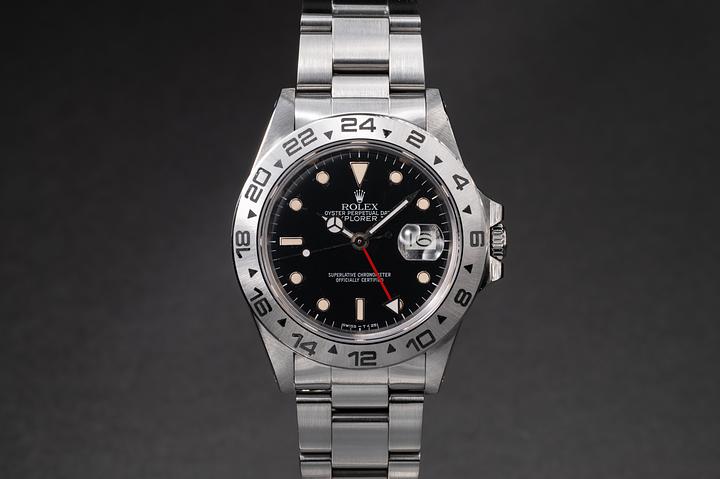
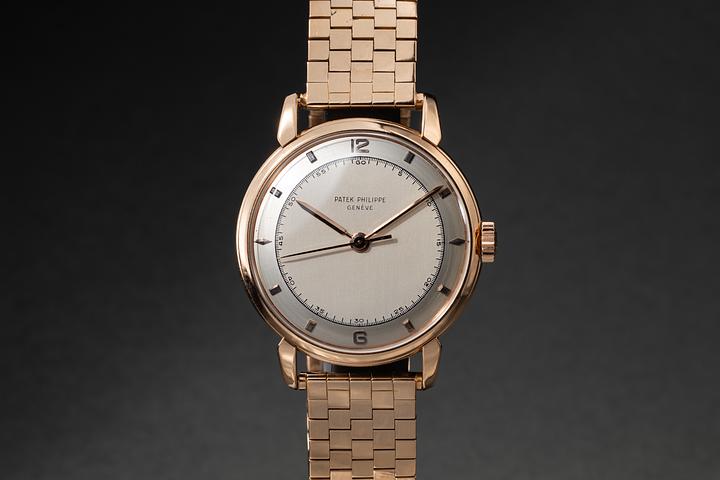
The practice of producing limited runs is not new. Watchmakers in Switzerland were producing special series pieces as far back as the early twentieth century, typically for royal families, military orders, or major world exhibitions. Patek Philippe, for instance, has a long tradition of one-of-a-kind and small-batch pieces created for collectors and patrons. Rolex produced commemorative editions tied to expeditions and sporting events that became legendary over time. By the time the 1970s and 1980s arrived, limited editions had become a calculated strategy across the industry. Brands recognized that scarcity created desire, and desire drove both prestige and market value. Today, limited editions are central to how most high-end watchmakers communicate their craft, creativity, and exclusivity.
The Most Iconic Limited Edition Watches in History
Certain limited edition watches have achieved legendary status. These are not just rare, they are genuinely significant pieces in the timeline of watchmaking.
- Patek Philippe Ref. 5016A-010 Steel Minute Repeater - Released at Only Watch 2015, it sold for over 7 million Swiss francs, shattering expectations for a steel complications watch.
- Rolex Daytona Reference 6239 "Paul Newman" - While originally a standard production model, certain dials gave it collector icon status, and limited auction availability has made it one of the most sought-after watches ever made.
- Audemars Piguet Royal Oak Ref. 15202ST "Jumbo" 50th Anniversary - Produced in a limited run to celebrate half a century of the Royal Oak's groundbreaking design.
- A. Lange and Sohne Tourbograph Perpetual Pour le Merite - Among the most mechanically complex German timepieces ever made, produced in tiny quantities for serious collectors.
- Omega Speedmaster "Silver Snoopy Award" 50th Anniversary - A bold, playful tribute to NASA's relationship with Omega, released in a limited run of 1,970 pieces.
These pieces share one quality beyond rarity. They each tell a story. That narrative dimension is part of what makes limited edition watches so compelling to serious collectors.
How Brands Decide on Production Numbers
Production quantities for limited edition watches are rarely arbitrary. Brands consider factors like movement availability, case complexity, material sourcing, and market demand. A watch featuring a hand-engraved dial or a rare meteorite face will naturally be produced in lower numbers than one with a more standard finish. Some numbers carry symbolic meaning. Omega has released editions in quantities like 1,957 to reference a founding year. Rolex limited anniversary pieces sometimes correspond to milestone years in the brand's history. In other cases, the limitation is purely supply-driven. Enamel dials, for instance, are notoriously difficult to produce without defects, and that alone can restrict output to under a hundred pieces per year.
Limited Edition Versus Special Edition: Knowing the Difference
These two terms are often used interchangeably, but they mean different things. A limited edition has a hard cap on production. Once it is sold out, it is gone. A special edition, on the other hand, may run indefinitely but features unique design elements that distinguish it from the standard catalog. A watch produced exclusively for a retailer's anniversary might be called a special edition but continue to be available as long as there is demand. For collectors, this distinction matters enormously. A true limited edition with a numbered certificate and a fixed production count carries far more weight in terms of long-term collectibility and resale value.
What to Look for When Buying a Limited Edition Watch
Purchasing a limited edition watch requires a different mindset than buying a standard luxury watch. There are several things worth evaluating carefully before committing.
- Provenance and documentation - Confirm that the watch comes with its original box, papers, numbered certificate, and any documentation related to its limited status.
- Production number and total run size - A watch numbered 7 of 25 has different implications than one numbered 412 of 500. Lower production counts generally signal higher collectibility.
- Brand reputation for limited editions - Some brands are consistent and credible in their limited edition programs. Others use the label loosely. Research the brand's history before purchasing.
- Secondary market performance - Review how similar limited editions from the same brand have performed at auction or on the gray market over time.
- Condition - For vintage limited editions especially, condition dramatically affects value. Original dials, hands, and cases with minimal service history are critical.
Taking time with these factors can be the difference between a smart acquisition and a costly mistake.
Limited Edition Watches as an Investment
The investment case for limited edition watches is real, but it is not guaranteed. Some pieces appreciate dramatically within months of release. Others plateau or decline if the brand over-produces or if market enthusiasm wanes. The watches that consistently perform well as investments tend to come from brands with impeccable reputations, feature complications or design elements that defined a moment in watchmaking history, and carry genuine scarcity. Vintage Rolex limited editions have shown remarkable resilience across economic cycles. Certain Patek Philippe limited pieces have set world auction records multiple times over. That said, buying a watch purely as a financial instrument is risky. The best approach is to buy what genuinely resonates and treat appreciation as a welcome possibility rather than a certainty.
Caring for and Storing Your Limited Edition Timepiece
A limited edition watch is an object of value that deserves proper stewardship. Keep it away from prolonged sun exposure, which can fade dials and degrade rubber or leather straps. Store it in its original box when not in use, ideally in a climate-controlled space with consistent humidity. Avoid exposing it to strong magnetic fields, which can disrupt mechanical movements. Service intervals vary by brand and movement type, but most fine mechanical watches benefit from a professional service every five to eight years. Crucially, retain all original packaging, papers, and accessories. These elements are part of the watch's identity and significantly affect its resale and collectibility profile over time.
Why Tropical Watch Is the Right Partner for Your Limited Edition Watch Journey
Navigating the world of limited edition watches takes more than enthusiasm. It takes access, expertise, and a network built on trust. Tropical Watch has spent years curating some of the rarest and most significant timepieces available, with a particular depth in vintage Rolex. Whether you are searching for a specific reference, exploring what is currently available, or looking to understand what your existing collection might be worth, the team at Tropical Watch brings the kind of informed perspective that only comes from years of hands-on experience in the market. For collectors who are serious about finding the best limited edition luxury watches and rare vintage Rolex references, Tropical Watch offers a level of curation and authenticity verification that is genuinely hard to find elsewhere. The inventory is thoughtfully selected, the provenance is documented, and the knowledge behind each listing is the real thing.
Frequently Asked Questions About Limited Edition Watches
What does it mean when a watch is numbered?
A numbered watch carries an individual engraving indicating its position within the total production run, for example 47 of 200. This number confirms authenticity, establishes rarity, and is typically recorded in documentation provided with the watch at the time of sale.
Do limited edition watches always increase in value?
Not always. Value appreciation depends on brand reputation, production quantity, demand at the time of release, and how the model is received by the collector community over time. Limited editions from historically strong brands with very low production numbers tend to perform best on the secondary market.
How can I verify that a limited edition watch is authentic?
Verification involves inspecting the movement, case, dial, and serial numbers against known references, confirming the numbered certificate matches the watch, and purchasing through reputable dealers who offer documented provenance. Professional authentication services are also available for high-value acquisitions.
Is a limited edition watch a good first luxury watch purchase?
It can be, provided the buyer understands what they are acquiring. For someone new to the category, starting with a reputable brand and a well-documented piece is advisable. Research and guidance from an experienced dealer are especially valuable for first-time buyers entering the limited edition segment.
Why are vintage Rolex watches considered among the best limited editions?
Vintage Rolex watches were often produced in relatively small batches with dial and case variations that were not intentionally limited but have since become highly collectible. References like the Paul Newman Daytona and the Explorer with specific dial configurations are pursued globally because of their historical significance and proven auction performance.
What is the difference between a boutique exclusive and a true limited edition?
A boutique exclusive is produced specifically for a single retailer and may continue as long as the partnership exists. A true limited edition has a fixed, publicly announced production ceiling that cannot be exceeded under any circumstances. The distinction affects both collectibility and long-term resale value.