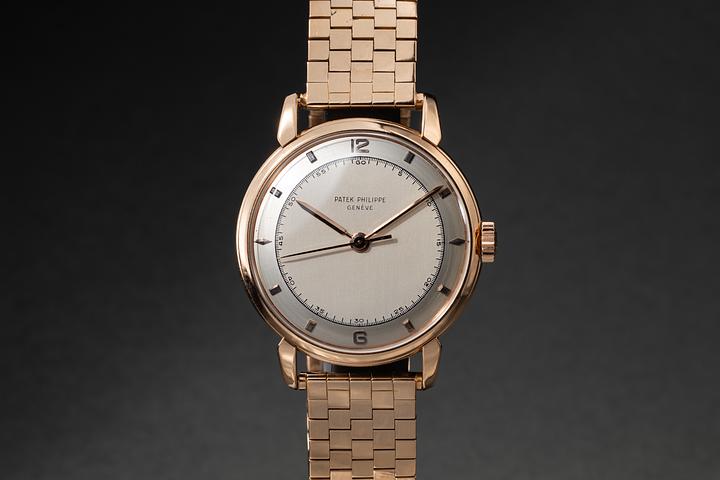
From Water Clocks to Luxury Watches: A Timekeeping History
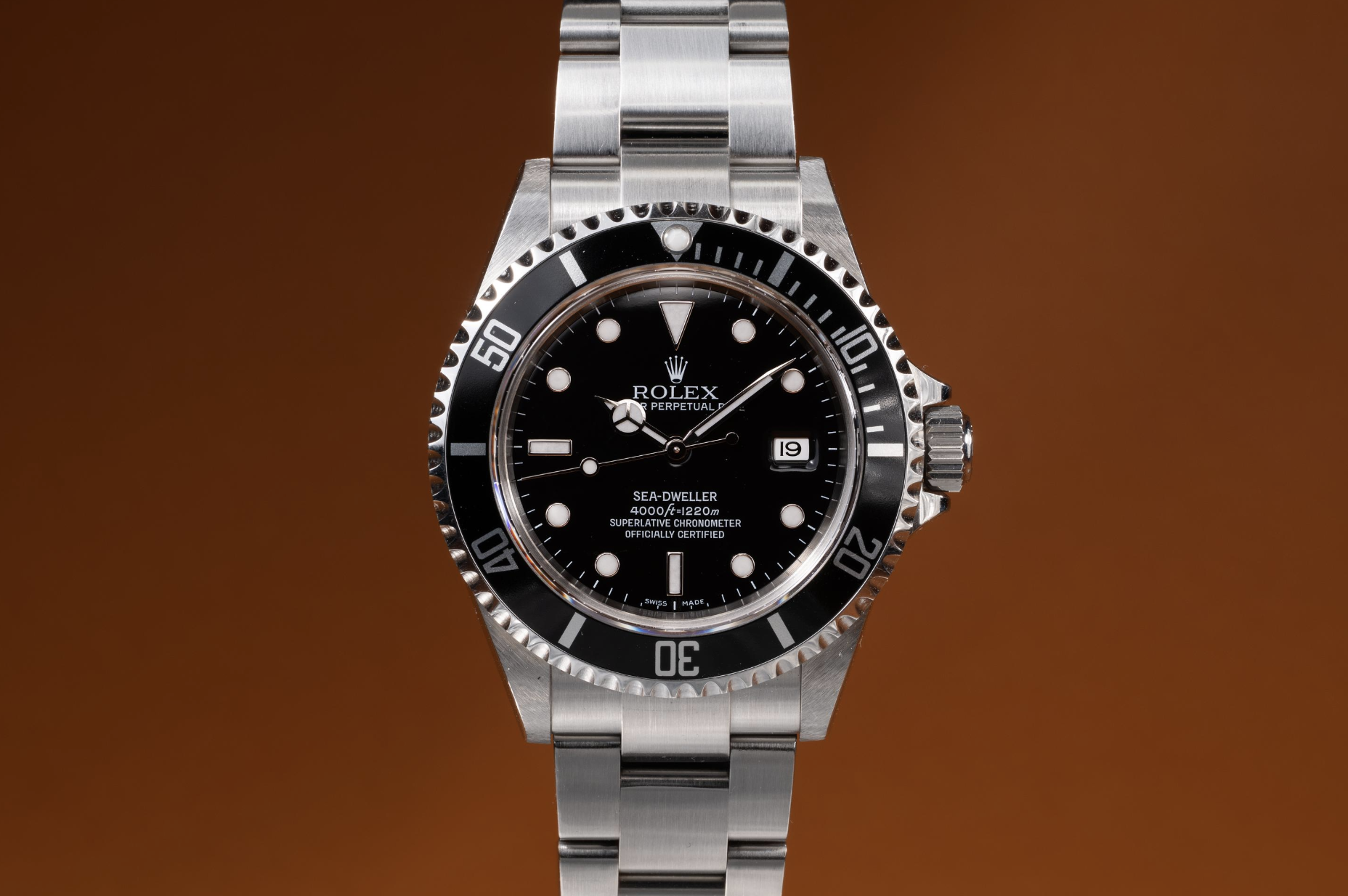
From Ancient Water Clocks to Luxury Wristwatches: A Journey Through Timekeeping History
Time has always mattered. Long before tourbillons and sapphire crystals, civilizations were building elaborate systems just to track the hours. The water clock, one of the oldest timekeeping devices ever created, laid the conceptual groundwork for what would eventually become the modern mechanical watch. Understanding where timekeeping started makes you appreciate where it has arrived, especially when you are considering a serious investment in a luxury timepiece. So let us start at the very beginning.
What Is a Water Clock and How Did It Work
A water clock, known historically as a clepsydra from the Greek words meaning "water thief," was a device that measured time through the regulated flow of water. The earliest known examples date back to ancient Egypt, around 1500 BCE, with a notable specimen discovered in the tomb of Pharaoh Amenhotep I. The basic principle was straightforward: water dripped from one vessel into another at a steady rate, and markings on the container indicated elapsed time. As simple as it sounds, constructing a device that kept consistent flow across varying temperatures and water pressures was genuinely difficult engineering. Greek and Roman civilizations refined the clepsydra considerably, and by the time ancient Greece was at its cultural peak, water clocks were being used in courts to limit the speaking time of orators and lawyers. China developed highly sophisticated water clock towers during the Song Dynasty, some reaching several stories tall with elaborate mechanical figures that marked the hours. These were not just functional instruments. They were statements of power, craft, and intellectual achievement, which sounds familiar if you know anything about what a Patek Philippe or a Vacheron Constantin represents today.
The Engineering Challenges That Shaped Timekeeping Innovation
One of the most fascinating things about water clocks is how their limitations directly pushed inventors toward better solutions. Temperature affected water viscosity. Evaporation changed water levels. Mineral deposits clogged outflow holes. Every flaw in the clepsydra created a demand for something more reliable, and that demand is what drove the invention of the mechanical clock in medieval Europe during the 13th and 14th centuries. The escapement mechanism, which is still found inside mechanical watches today, was essentially the answer to the question water clocks could never quite solve: how do you regulate motion with absolute consistency? When you look at a modern mechanical movement under magnification and see the balance wheel oscillating back and forth, you are seeing the direct descendant of every frustrated clockmaker who watched a water level drop too fast on a cold night.
The Evolution From Public Timekeeping to Personal Timekeeping
For thousands of years, time was a public resource. Town squares had clocks. Church bells rang the hours. The idea that an individual person could carry a timekeeping device on their body was genuinely radical. Pocket watches emerged in the 16th century, and by the late 19th and early 20th century, wristwatches transitioned from being considered a feminine accessory to a practical tool used by military officers who needed hands-free timing during operations. The shift from public water clocks to private mechanical wristwatches mirrors a broader cultural shift toward individualism, personal accountability, and the idea that your time belongs to you specifically. Luxury watch brands understood this instinctively. They were not just selling instruments. They were selling a philosophy about how a person values their time.
How Horological History Influences Luxury Watch Value Today
This historical depth is not just interesting background noise. It directly affects how collectors and enthusiasts assign value to luxury timepieces. A watch with a handcrafted mechanical movement, especially one with complications like a perpetual calendar or a minute repeater, carries within it thousands of years of accumulated engineering knowledge. The craft did not appear overnight. It evolved through clepsydras, through verge escapements, through lever escapements, through the marine chronometer, through the automatic rotor. Each generation of watchmakers absorbed what came before and improved upon it. This is why vintage watches, particularly those from the mid-20th century golden era of Swiss watchmaking, command such respect and such prices. They represent a specific moment in a very long continuum.
What to Consider When Buying a Luxury Watch With Historical Significance
If the history of timekeeping has led you to think seriously about acquiring a luxury watch, a few practical considerations matter considerably.
- Provenance and documentation are critical, especially for vintage pieces
- Movement condition tells you more than the case condition alone
- Originality of the dial is a major value driver in the vintage market
- Service history can reassure buyers about long-term reliability
- Reference numbers help establish authenticity and production era
- Reputable sourcing protects you from the significant risk of counterfeits
The vintage Rolex market in particular demands careful attention to detail. Dials can fade, redial jobs are common, and replacement parts from later production runs can quietly diminish the integrity of an otherwise exceptional piece. Knowing the history of your watch is not so different from knowing the history of timekeeping itself. Context is everything.
Rolex and the Democratization of Precision
Rolex occupies a unique position in the luxury watch world because the brand was genuinely innovative, not just aspirational. Hans Wilsdorf founded the company in 1905 with a specific mission: to prove that a small mechanical movement worn on the wrist could be as accurate as a precision clock. The Oyster case, introduced in 1926, gave the world the first waterproof wristwatch. The Perpetual rotor in 1931 created the first truly practical self-winding mechanism. These were not styling decisions. They were engineering milestones. When you understand that Rolex was building on centuries of horological problem-solving that started with leaking clay pots in ancient Egypt, the achievement feels even more significant. A vintage Rolex from the 1950s or 1960s is not just a watch. It is a chapter in one of the longest and most consequential engineering stories ever written.
Why Vintage Watches Are Having a Cultural Moment Right Now
The current enthusiasm for vintage timepieces is not difficult to explain. In a world where most consumer products are disposable and algorithmically designed to become obsolete, a watch made with genuine craft and mechanical integrity feels like a meaningful alternative. The same impulse that makes people fascinated by the clepsydra, the idea that human ingenuity can solve the problem of measuring time with physical materials and creative engineering, draws collectors toward watches that were built to last decades rather than seasons. Vintage Rolex references like the 1680 Submariner, the 5513, the 1665 Sea-Dweller, and the various iterations of the Daytona continue to appreciate in value precisely because they represent a period of manufacturing philosophy that prioritized durability, legibility, and mechanical excellence above trend cycles.
Why Tropical Watch Should Be Your Destination for Vintage Rolex and Luxury Timepieces
If this history of timekeeping has made you want to own a piece of that legacy, the sourcing matters as much as the selection. Tropical Watch has built a reputation in the vintage Rolex and luxury watch market by prioritizing authenticity, transparency, and genuine expertise. For collectors who understand that a dial, a movement, and a case each carry their own story, working with a specialist who can read those stories accurately is not optional, it is essential. Whether you are beginning your collection or adding a meaningful piece to an established one, exploring vintage Rolex watches with documented horological provenance through a trusted specialist gives you confidence that the investment you are making connects authentically to the long tradition of precision timekeeping that began thousands of years ago with water dripping through a small stone aperture. That continuity is worth something. Tropical Watch understands that deeply.
Frequently Asked Questions About Water Clocks and Luxury Watch History
What is the oldest known water clock in history?
The oldest known water clock is an Egyptian alabaster vessel dating to approximately 1500 BCE, discovered in the tomb of Pharaoh Amenhotep I at Karnak. It featured sloping interior walls and hour markings to account for the changing flow rate as the water level dropped.
How did the water clock influence the development of mechanical watches?
Water clocks revealed the core challenge of consistent timekeeping, which is regulating motion at a steady rate. The limitations of water-based timekeeping drove inventors toward mechanical solutions, culminating in the escapement mechanism that remains the functional heart of mechanical watches today.
Why are vintage Rolex watches considered valuable investments?
Vintage Rolex watches from the mid-20th century combine engineering innovation, historical significance, and limited availability. Their mechanical movements were built to exacting standards, and original examples with unrestored dials and cases have consistently appreciated in the collector market over time.
What should I look for when buying a vintage luxury watch?
Buyers should prioritize originality of the dial and hands, authenticity of the movement, documented service history, correct reference and serial numbers for the production era, and sourcing from a reputable dealer who can verify the piece thoroughly before purchase.
How long have humans been using devices to measure time?
Humans have been measuring time for at least 5,000 to 6,000 years, beginning with sundials and shadow clocks. Water clocks appeared around 1500 BCE, and mechanical clocks emerged in the 13th and 14th centuries CE, eventually leading to the portable timepieces we recognize today.
What makes a mechanical watch more significant than a digital one from a historical perspective?
A mechanical watch is the physical product of thousands of years of horological evolution, from water clocks to escapements to balance wheels. Each component solves a problem that earlier timekeeping devices could not. A digital watch keeps time accurately but does not carry that accumulated engineering heritage in the same tangible way.