The Best Everyday Watches for Serious Collectors
The Best Everyday Watches: What to Wear, What to Know, and Why It Matters
There is something quietly satisfying about strapping on a watch that works as hard as you do. Not a safe-in-the-display-case piece, but a real, functional, beautifully made timepiece that handles Monday morning meetings and Saturday errands with equal composure. The best everyday watches sit at a very specific intersection of durability, design, and long-term value. And once you understand what separates a truly great daily wearer from a merely decent one, it becomes a lot easier to spend your money wisely and wear your purchase confidently.
What Makes a Watch Truly Suitable for Everyday Wear
Not every watch belongs on your wrist at 7am before coffee. The best everyday watches share a handful of core qualities that make them genuinely practical without sacrificing character. Durability is the obvious one, but that goes deeper than just scratch resistance. Water resistance matters. Case construction matters. Movement reliability matters too, especially if you are not the type to send things in for service every eighteen months. A great everyday watch should also sit well at 36 to 42mm, a range that transitions naturally from a dress shirt to a casual jacket without demanding too much attention or too little. It should be legible in varied lighting, comfortable over long hours, and ideally powered by a movement with a solid, proven track record. The more boxes a watch checks across these categories, the more confidently it earns a spot in the daily rotation.
A Brief History of Watches Designed for Daily Life
The concept of an everyday watch is not new. Rolex introduced the Oyster case in 1926, the first waterproof wristwatch case, precisely because the watches of that era were fragile dress pieces that could not handle moisture or dust. That single engineering move essentially created the modern everyday watch category. From there, the evolution accelerated. Omega developed tool watches for military use in the 1940s and 1950s. Tudor emerged as a more accessible alternative to Rolex, built on similar principles of rugged functionality. IWC pushed durability further with antimagnetic and pilot-oriented designs. By the time the quartz crisis hit in the 1970s, mechanical watchmaking had already laid a robust foundation around watches that were meant to be worn, not stored. The brands that survived and thrived were, overwhelmingly, the ones whose watches people actually lived in.
The Most Recommended Everyday Watch References Across the Industry
Within the luxury segment, certain references come up again and again when collectors and professionals talk about daily wearers. These are not arbitrary choices. Each earns its reputation through a combination of movement quality, case durability, and an aesthetic that ages well.
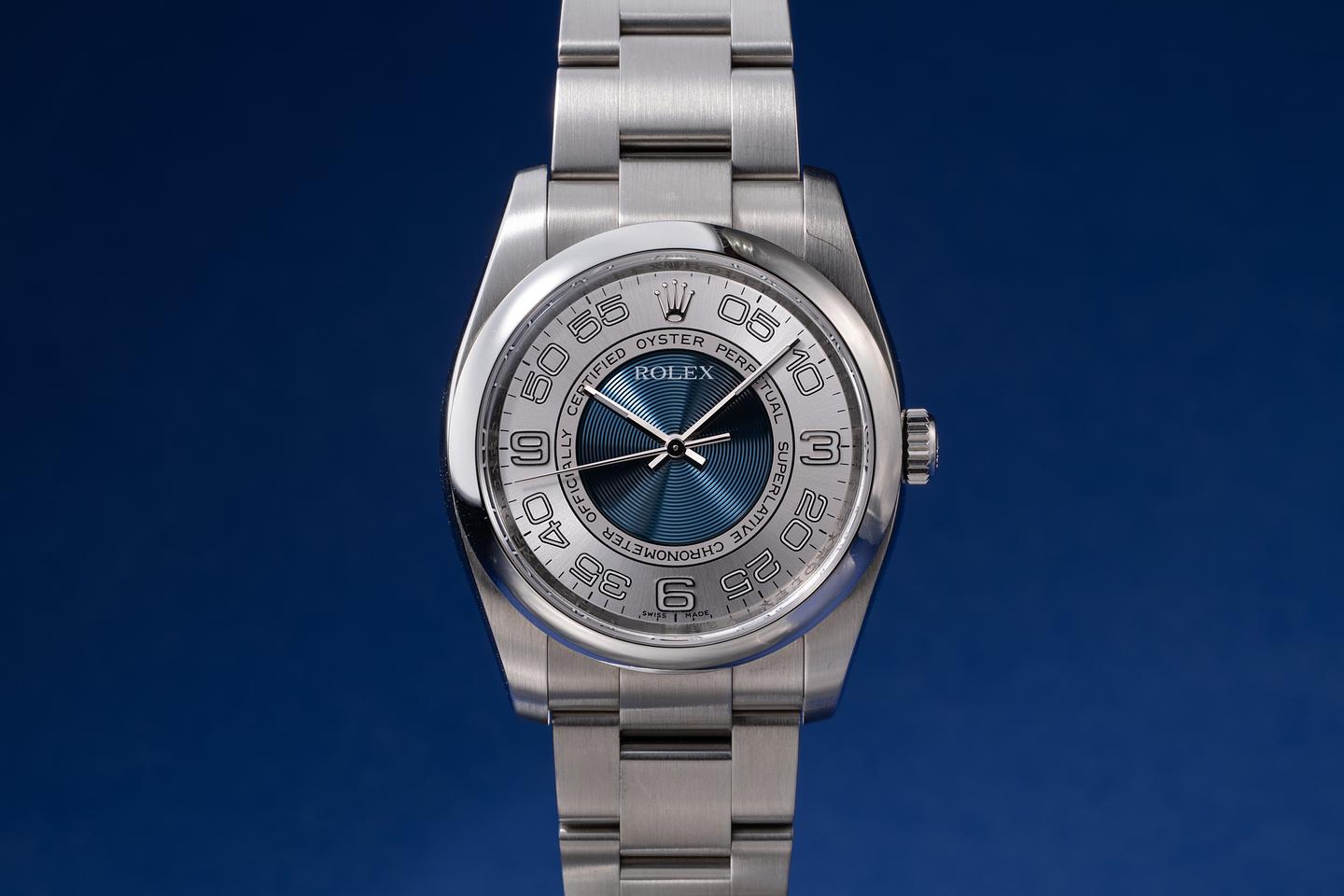
- Rolex Oyster Perpetual: clean, versatile, and built on one of the most reliable movements in production
- Rolex Submariner: the gold standard for sport-to-casual versatility, water resistant to 300 meters
- Tudor Black Bay: rugged vintage-inspired design with in-house movement at a more approachable price
- Omega Seamaster Aqua Terra: refined enough for formal contexts, durable enough for everyday demands
- IWC Pilot's Watch Mark XX: slim profile, antimagnetic resistance, exceptional legibility
- Longines HydroConquest: a serious value proposition in the sport watch segment
What these references share is a commitment to function first. The aesthetics are considered, but they were never the starting point. That design philosophy is exactly why they wear so well day after day without feeling like a statement or a compromise.
Mechanical vs. Quartz: Which Is Better for Daily Wear
This question comes up constantly, and the answer depends almost entirely on what you value. Mechanical movements, particularly automatic ones, require more care. They benefit from regular wear, need periodic servicing every five to seven years depending on caliber, and can be sensitive to magnetic fields if not shielded. But they reward the wearer with something difficult to quantify: a sense of craft and connection to the history of horology that a battery-powered movement simply cannot replicate. Quartz movements, on the other hand, are virtually maintenance-free, keep near-perfect time, and are indifferent to the conditions you put them through. Swiss quartz from ETA or in-house calibers from Grand Seiko sits at the top of that category and performs admirably. For most people shopping in the luxury segment, though, a well-serviced mechanical automatic is the preferred choice. It just feels right in a way that is hard to argue with.
Case Materials and How They Hold Up Over Time
Steel is the obvious starting point. 904L stainless steel, used by Rolex, and 316L steel, used across most of the industry, are both genuinely tough. They resist corrosion, take polish and brushing well, and develop a lived-in quality over years of wear that many collectors actively prefer. Titanium has gained significant ground in recent years because it is lighter and even more resistant to corrosion, which makes it exceptional for active daily wear. Ceramic bezels, now common across sport watch references, are nearly scratchproof and retain their color and finish almost indefinitely. What you want to avoid for daily wear are high-polish yellow gold and rose gold references without protective lacquer coatings, not because they cannot handle regular use, but because they show contact marks quickly and require more attentive care. If a precious metal everyday watch is the goal, two-tone references or gold with brushed finishing tend to hold up far more gracefully.
How to Build a Practical Everyday Watch Collection
Most people do not need more than two or three watches in their daily rotation. The goal is complementary coverage, not redundancy. A sport watch handles casual and active contexts. A dress watch or cleaner sport reference handles professional and formal settings. A vintage piece, worn selectively, adds depth and a personal dimension to the collection that modern watches cannot always provide. Starting with one strong, versatile reference and building deliberately from there is a far more satisfying approach than accumulating quickly without a clear strategy. Know what your life actually looks like, consider the wrist time each piece is realistically going to get, and let that guide the decision.
Vintage Everyday Watches: The Case for Wearing History
Vintage watches occupy a unique space in the everyday conversation. There is a persistent assumption that older watches are too fragile or too precious to wear regularly, but that assumption underestimates both the engineering of mid-century Swiss watchmaking and the appeal of a watch with genuine history on its dial. A serviced vintage Rolex Submariner or Date from the 1960s or 1970s, for example, is a remarkable everyday companion. The movements were built for use. The cases were designed to take impact. The dials, particularly tropical dials with their oxidized color variations, develop further character the more they are worn in natural light. Choosing vintage is not just a stylistic preference. For many collectors, it is the most personally meaningful form of everyday wear there is.
Why Tropical Watch Is the Right Destination for Your Next Everyday Timepiece
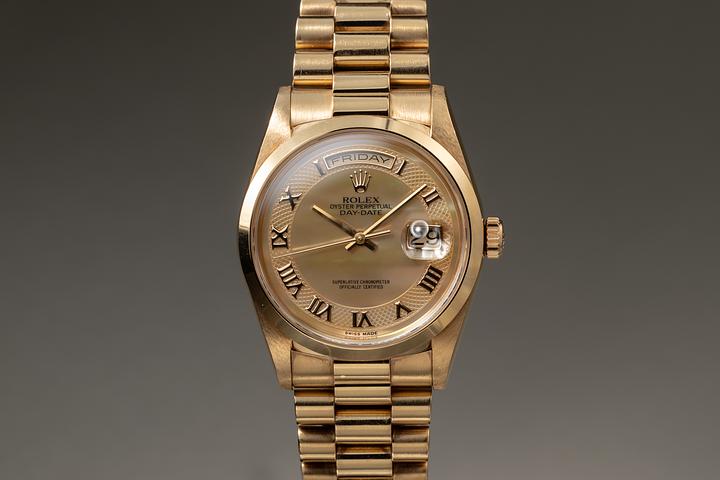
If the previous sections have made one thing clear, it is that the best everyday watches are the ones with real substance behind them: sound movements, proven durability, and a design philosophy rooted in function. That description fits vintage Rolex references almost perfectly, and no one curates that category with more care or depth than Tropical Watch. Whether you are entering the market for the first time or deepening a collection that already has strong bones, exploring the best everyday luxury watches for serious collectors through Tropical Watch means working with a team that understands provenance, condition grading, and long-term value in a way that generic marketplaces simply cannot match. Vintage Rolex watches are not just purchases. They are decisions that compound in meaning over time, and having the right partner in that process makes all the difference.
Frequently Asked Questions About Everyday Watches
What is the best water resistance rating for an everyday watch?
For most daily activities including hand washing, light rain, and occasional swimming, a minimum of 100 meters water resistance is recommended. Sport watches rated at 200 to 300 meters offer added peace of mind for more active lifestyles.
How often should an everyday mechanical watch be serviced?
Most manufacturers recommend a full service every five to seven years. Regular wear actually helps keep the movement lubricated, so a watch worn daily often runs more consistently than one that sits unused for extended periods.
Are vintage watches reliable enough for daily wear?
Yes, provided they have been recently serviced by a qualified watchmaker. Vintage Swiss movements, particularly those from Rolex and Omega, were engineered for sustained daily use and remain robust decades after production.
What case size works best for everyday wear?
A case diameter between 36mm and 42mm suits most wrist sizes and transitions well across casual, professional, and formal contexts. Personal proportion matters, so trying watches on before purchasing is always worthwhile.
Do everyday watches hold their value?
Iconic references from brands like Rolex, Omega, and Tudor have historically held or appreciated in value, particularly when kept in good condition with original parts and documentation. Vintage references in desirable configurations tend to perform especially well over time.
Is it worth buying a luxury watch for everyday use?
Absolutely. Luxury watches designed for daily wear are built to handle the demands of regular use. Over time, the cost per wear on a quality Swiss timepiece that lasts decades typically outperforms the cycle of replacing lower-tier watches every few years.