Big Ben Clock History and the Art of Luxury Watchmaking

Big Ben and the Birth of Precision Timekeeping
When the great bell of the Elizabeth Tower first rang out across Westminster on July 11, 1859, it did more than mark the hour. It established a cultural and mechanical benchmark for what timekeeping could mean to a civilization. Big Ben, the name most commonly used to describe the entire clock tower system, became a symbol of precision, reliability, and mechanical ambition. And while that 13.7-ton bell was doing its work above the Thames, a parallel revolution was quietly taking shape in the ateliers of Geneva and London: the birth of serious horology as both craft and status symbol. Understanding the history of Big Ben gives watch enthusiasts a surprisingly clear lens through which to understand what the best luxury timepieces are really chasing.
The History Behind Big Ben and Why It Matters to Watch Collectors
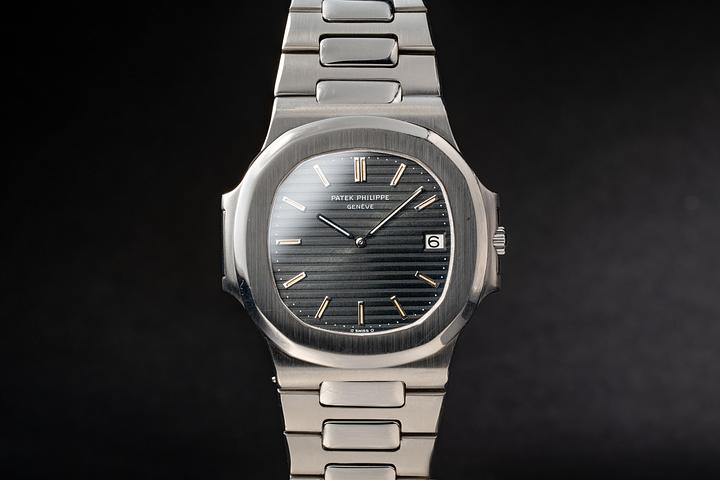
The clock mechanism housed within the Elizabeth Tower was designed by Edmund Beckett Denison, a lawyer with a genuine obsession for precision. Denison developed what became known as the double three-legged gravity escapement, a groundbreaking innovation that isolated the pendulum from external disturbances, including wind interference on the tower's hands. The clockmaker Edward John Dent and later his stepson Frederick Dent constructed the actual movement. What resulted was one of the most accurate large-scale public clocks ever built at that time, capable of keeping time to within one second per day. That level of obsession over a fraction of a second is something any serious watch collector will recognize immediately. It is exactly the same spirit that drove Abraham-Louis Breguet, Hans Wilsdorf, and Patek Philippe's founders to push mechanical watchmaking into territory most people considered unnecessary. Precision, when taken seriously, becomes an art form.
Victorian Engineering and the Luxury Watch Parallel
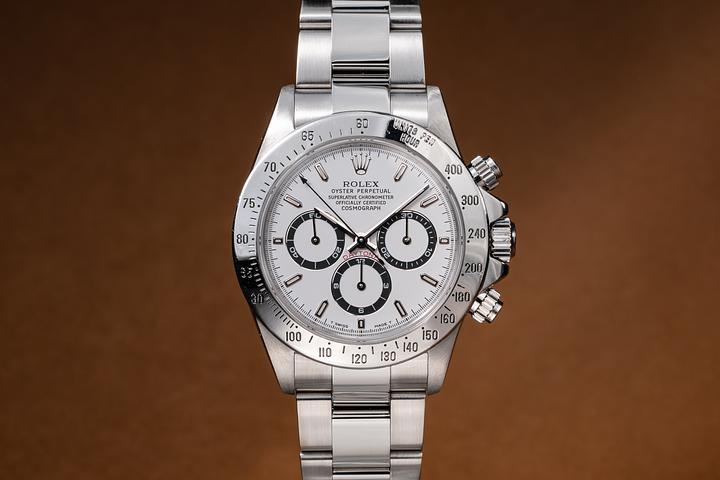
The mid-nineteenth century was a remarkable period for mechanical innovation. The same decade that produced Big Ben's movement also saw Swiss watchmakers beginning to refine lever escapements, improve balance wheel technology, and experiment with chronograph complications. There is something deeply satisfying about recognizing that both the clock towers of London and the pocket watch workshops of the Vallée de Joux were solving essentially the same problem: how do you build a mechanism so reliable that you can trust it entirely? Victorian engineering valued function as the foundation of beauty, and the best luxury watches have always operated from that same principle. A Rolex does not look like what it looks like by accident. Every dimension serves a purpose, just as every component of Denison's gravity escapement was engineered to solve a specific interference problem.
The Role of Iconic Timekeepers in Shaping Public Trust in Watches
Big Ben helped shape how ordinary people thought about time and the instruments used to track it. Before large public clocks became reliable, personal timekeeping was inconsistent and socially accepted as such. Once a clock like Big Ben demonstrated that a mechanical system could be trusted to keep accurate public time, attitudes shifted. People began to expect accuracy from their personal watches as well. This cultural shift created fertile ground for the luxury watch industry to flourish. Brands like Vacheron Constantin, which was already over a century old when Big Ben was installed, and newer names like Rolex, founded in 1905, were building watches for a public that had come to believe precision was achievable. Trust in mechanical timekeeping, once established by grand public monuments, became a commercial expectation.
What Big Ben Teaches Us About Movement Quality in Luxury Watches
One of the most instructive lessons from the Big Ben clock history is how the quality of the movement determines the longevity and reputation of the instrument. The Westminster clock mechanism has required ongoing maintenance since its installation, including the famous practice of stacking old pennies on top of the pendulum to adjust its rate. Small, deliberate, and knowledgeable interventions over time. This is remarkably similar to how serious watch collectors approach servicing their mechanical watches. A properly maintained mechanical movement, whether it lives in a Victorian clocktower or on your wrist, will outlast almost anything manufactured with less care. Key factors that matter in both contexts include:
- Quality of materials used in escapement components
- Accuracy of the regulation system
- Skill level of those performing ongoing maintenance
- Thoughtfulness of the original movement design
- Availability of replacement parts or equivalent expertise
Grand Complications and the Westminster Chime Connection
The Westminster chime, those four ascending and descending notes that ring before each hour strike, has become one of the most replicated sounds in horology. Luxury watchmakers have incorporated Westminster chime complications into some of their most prestigious and expensive creations. Patek Philippe, A. Lange and Sohne, and Jaeger-LeCoultre have all produced wristwatches that reproduce this specific chiming sequence using tiny hammers and gongs. This is not coincidence. The Westminster chime represents a direct mechanical homage to Big Ben's legacy. When a collector purchases a grand complication wristwatch featuring a Westminster chime, they are quite literally wearing a horological descendant of the tower clock that defined public timekeeping for over 160 years. That historical thread adds a layer of meaning that transcends the already impressive engineering involved.
Vintage Watches and the Preservation of Horological History
Big Ben has undergone several major restorations, with the most recent significant work completed around 2022. Each restoration effort raised questions familiar to any vintage watch enthusiast: how much do you restore before the object loses its original character? How do you preserve authenticity while ensuring the mechanism continues to function? These are not abstract questions in the vintage watch market. A Rolex Submariner from the 1960s with an original, unpolished case and intact tropical dial represents a different kind of value than a heavily restored example with replaced components. The patina, the honest wear, the untouched dial, these are the elements that connect a vintage timepiece to its own history. Preservation over restoration is a philosophy that both museum curators and serious vintage watch collectors share, and Big Ben's stewardship tells that story on an enormous scale.
How to Apply These Lessons When Buying a Luxury Watch
The history of precision timekeeping, from Denison's gravity escapement to modern COSC-certified movements, offers a clear framework for evaluating luxury watch purchases. Whether you are considering your first serious timepiece or adding to an established collection, the principles remain consistent:
- Prioritize movement quality and reputable caliber history
- Research the service history and available watchmaker support
- Understand the difference between restored and original condition examples
- Consider how the design serves the function rather than opposing it
- Look at brand heritage as evidence of sustained mechanical competence
- Evaluate how the watch has held or grown in value over documented periods
Why Tropical Watch Is Your Trusted Source for Historically Significant Timepieces
For collectors who appreciate the deeper story behind great timekeeping, from the mechanical ambition of Big Ben to the wrist-worn precision of a vintage Rolex, finding the right source matters enormously. Tropical Watch brings that same respect for horological history to every piece in its inventory. Specializing in rare and vintage Rolex watches, the team at Tropical Watch understands that what you are really acquiring is a piece of documented mechanical history, not just a watch. If the legacy of precision timekeeping that stretches from the Westminster tower to the workshops of Geneva resonates with you, then exploring a curated collection of vintage Rolex watches with historically significant provenance is a natural next step. Every watch offered through Tropical Watch is evaluated with the same philosophy that guided the great clockmakers: accuracy, authenticity, and an uncompromising standard for what a timepiece should be.
Frequently Asked Questions About Big Ben Clock History and Luxury Watches
What is the original name of the Big Ben clock tower?
The tower housing the Big Ben bell is officially called the Elizabeth Tower, renamed in 2012 to honor Queen Elizabeth II's Diamond Jubilee. Before that, it was simply known as the Clock Tower. The name Big Ben technically refers to the large bell inside the tower, though common usage applies it to the entire structure.
Who designed the movement inside the Big Ben clock?
The movement was designed by Edmund Beckett Denison, who developed the double three-legged gravity escapement specifically for this application. The physical clock was built by the firm of Edward John Dent and later completed by Frederick Dent after Edward's death in 1853.
How accurate is the Big Ben clock mechanism?
The original design targeted accuracy within one second per day, which was extraordinary for a clock of its scale in 1859. Timekeepers traditionally adjusted the rate by adding or removing old pennies from the pendulum, a low-tech but highly effective calibration method still referenced in horological circles today.
How does Big Ben's history connect to the luxury watch industry?
Big Ben's legacy shaped public expectations for mechanical precision during the same era that luxury watchmakers were refining their own movements. The Westminster chime specifically has been reproduced in grand complication wristwatches by brands including Patek Philippe and Jaeger-LeCoultre, creating a direct lineage between the tower clock and fine watchmaking tradition.
Why do vintage Rolex watches hold such strong collector value?
Vintage Rolex watches combine documented mechanical reliability with historical provenance and limited supply. Models from the 1950s through 1970s, particularly those with original dials and unpolished cases, represent both a functional timepiece and a tangible piece of horological history, which drives sustained demand and value appreciation.
What should I look for when buying a vintage watch inspired by horological history?
Focus on originality of the dial and case, documented service history, and the reputation of the dealer providing authentication. Movement condition and the availability of qualified watchmakers for future servicing are equally critical. Buying from a specialist source with deep category knowledge significantly reduces risk in the vintage market.