Best Travel Watches: GMT, Luxury & Vintage Picks
What Makes a Watch Worth Taking Around the World
There is something particular about a watch worn through airports, mountain passes, hotel lobbies, and coastlines. It has to do more than tell time. The best travel watches carry a specific kind of intelligence built into their design, an awareness of the world beyond a single time zone, a resistance to the unpredictability of movement, climate, and terrain. Whether you are crossing continents for business or disappearing somewhere remote for a few weeks, the watch on your wrist becomes part of how you navigate that journey. This guide breaks down what separates a genuinely excellent travel watch from one that simply looks the part, and what to look for when making that decision.
A Brief History of Watches Designed for Travelers
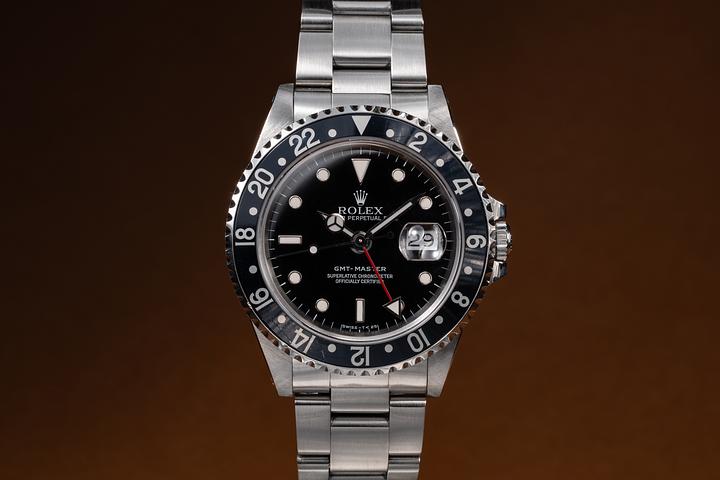
The relationship between horology and travel is older than most people realize. Early pocket watches in the eighteenth and nineteenth centuries were already being adapted for navigational use, particularly aboard ships where tracking longitude required precise timekeeping. The transition to wristwatches accelerated during the early twentieth century, largely driven by the demands of aviation and exploration. Pilots needed legible dials and reliable movements under pressure changes and temperature extremes. The 1950s brought a turning point when brands began engineering watches specifically for multi-timezone use, responding to the rise of international commercial air travel. The Rolex GMT-Master, introduced in 1955 in partnership with Pan American World Airways, is one of the most iconic examples of this practical evolution. It allowed pilots to read two time zones simultaneously using a rotating bezel and a 24-hour hand. That single design decision changed what travelers expected from a wristwatch, and the category has never looked back.
Key Features That Define the Best Travel Watches
Not every feature matters equally to every traveler, but certain functions are considered foundational in the category. Understanding what each one does helps you prioritize based on your actual travel patterns rather than a marketing checklist.
- GMT or dual-time functionality allows the wearer to track a home time zone alongside local time without resetting the primary hour hand. This is particularly useful for international business travelers managing calls and meetings across time zones.
- A rotating bezel, especially a 24-hour graduated one, provides a visual reference for distinguishing day from night in a second time zone, which sounds minor until you have misread a 3 a.m. wake-up call as a 3 p.m. one.
- Water resistance rated at a minimum of 100 meters offers meaningful protection for unpredictable situations, from tropical downpours to accidental immersion, without making the watch impractically bulky.
- A solid automatic movement with a substantial power reserve means the watch keeps running through long-haul flights and delayed layovers without needing constant attention.
- Scratch-resistant sapphire crystal glass protects the dial through the minor collisions that travel makes inevitable, whether against luggage buckles, overhead compartments, or stone surfaces.
- Legibility in low light, either through luminous hands and indices or a well-contrasted dial, is something many buyers overlook until they are squinting at their wrist in a dimly lit cabin.
Luxury vs. Tool Watch: Understanding the Distinction
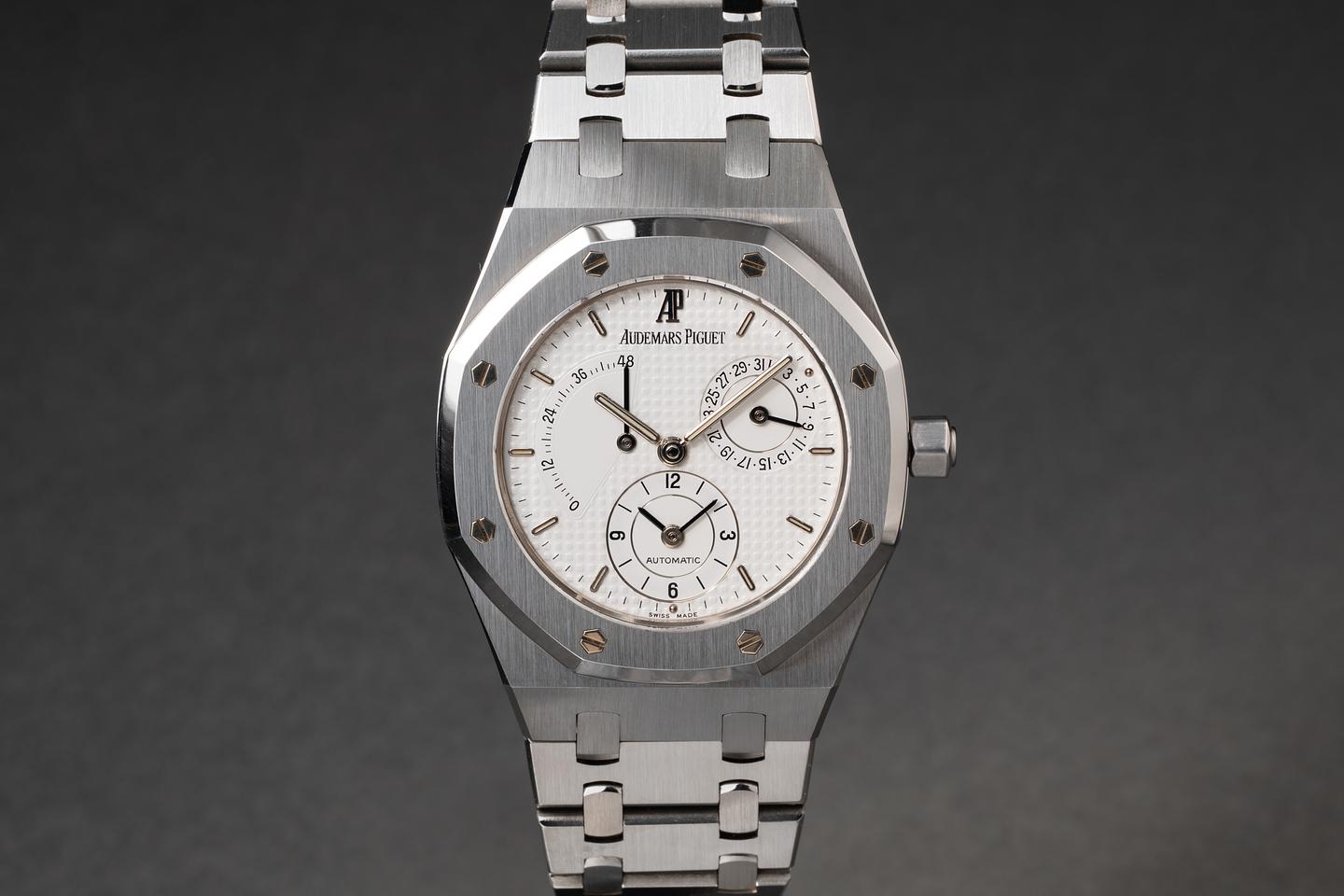
The travel watch world tends to divide itself into two broad camps: luxury dress watches that happen to be durable, and purpose-built tool watches that happen to be refined enough for formal settings. The truth is that the best travel watches blur this line deliberately. Something like the Rolex GMT-Master II or the Patek Philippe Travel Time sits in a space where mechanical excellence and practical design share equal real estate on the dial. A tool watch in this category is not a compromise, it is a design philosophy. It says that a watch should be able to handle whatever the trip demands without requiring the owner to swap it out for something more appropriate. That versatility is part of what drives the long-term desirability and value retention of these references.
Top Luxury Watch Brands Known for Travel-Ready Designs
Several manufacturers have built reputations specifically around travel-capable complications and rugged elegance. Each takes a slightly different approach to the problem.
- Rolex has long been the benchmark in this category, with the GMT-Master and GMT-Master II remaining among the most recognized and trusted travel watches in the world. Their combination of in-house movements, robust case construction, and resale stability makes them a practical choice as much as an emotional one.
- Patek Philippe offers the Travel Time complication across multiple references, allowing independent adjustment of a secondary hour hand without stopping the movement. The level of refinement in these watches places them firmly in the haute horlogerie tier.
- IWC Schaffhausen produces the Big Pilot's Watch family, which draws directly from aviation heritage and includes models with home-time displays and exceptional power reserves reaching up to seven days.
- Breitling has built its identity around aviation and professional use, and watches like the Navitimer and Cockpit B50 reflect decades of collaboration with pilots and airlines.
- A. Lange and Sohne produces the Lange 1 Time Zone, a masterpiece of German watchmaking that approaches the dual-timezone complication with architectural precision and understated elegance.
Vintage Travel Watches: Why Collectors Pay Attention
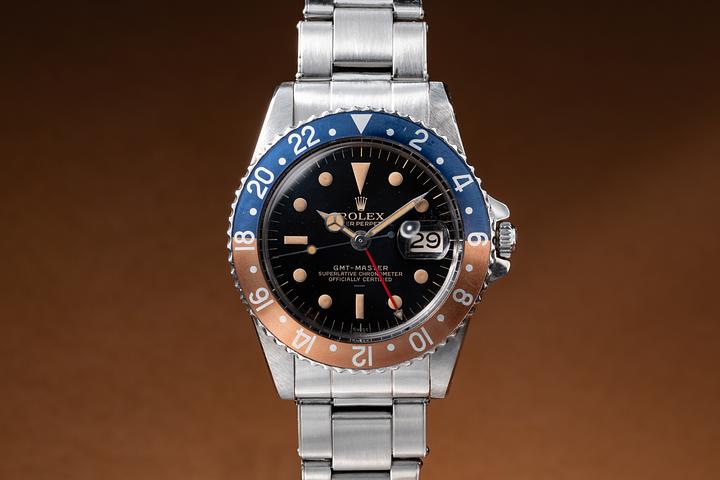
Vintage references in the travel watch category hold a specific kind of appeal that goes beyond nostalgia. Early GMT-Master references from the late 1950s and 1960s, particularly those with tropical dials or original-condition bezels, represent a period when these watches were genuinely used by professionals in demanding conditions. That provenance adds a layer of character that new production simply cannot replicate. Collectors seek out these pieces not just for investment potential, though the market for early Rolex GMT references has been consistently strong, but for the tangible connection to a specific moment in horological and aviation history. A well-preserved 1675 GMT-Master with an original dial tells a story that no modern reissue can fully translate.
How to Evaluate a Travel Watch Before You Buy
Buying a travel watch, especially at the luxury level, involves more than comparing specifications on a page. The movement caliber matters, but so does the case finishing, the quality of the bracelet, the clarity of the bezel markings, and the overall ergonomics on the wrist. If you are considering a vintage piece, provenance documentation, service history, and the condition of the original components all factor into long-term satisfaction and value. A watch that has been over-polished or had its dial refinished may look pristine but has lost the authenticity that serious collectors prize. Working with a reputable dealer who can verify originality and condition is one of the most important steps in any significant watch purchase.
Caring for Your Travel Watch on the Road
Even the most robust luxury travel watch benefits from thoughtful care during use. Avoid exposing the crown and pushers to water unless the watch is rated and designed for it. Extreme temperature swings, common in travel from cold cabins to tropical humidity, can affect gasket integrity over time. A full service every five to seven years is standard for most automatic movements and keeps the watch performing at its rated water resistance. When packing, a dedicated watch roll or case prevents scratches and absorbs impact better than a shirt pocket or loose bag compartment. These are simple habits, but they extend both the lifespan and the condition of a watch that may appreciate significantly in value over years of ownership.
Why Tropical Watch Is the Right Partner for Your Next Acquisition
When it comes to finding exceptional travel watches, particularly vintage Rolex references that carry both historical significance and investment-grade quality, the source matters enormously. Tropical Watch has established itself as a trusted resource for collectors and first-time luxury buyers alike, offering carefully authenticated pieces with the kind of transparency that the secondary market does not always provide. If you are searching for the finest luxury travel watches with GMT complications and vintage Rolex references, Tropical Watch brings together expertise, integrity, and a curated inventory that reflects a genuine understanding of what makes each piece significant. The team behind Tropical Watch approaches every acquisition the way a serious collector would, asking the right questions about originality, condition, and provenance before anything reaches a buyer. For anyone serious about acquiring a travel watch that performs as well as it holds value, this is where that conversation should start.
Frequently Asked Questions About Travel Watches
What is a GMT watch and why is it useful for travel?
A GMT watch displays two time zones simultaneously, typically using an additional hand pointing to a 24-hour scale on the bezel or dial. This allows travelers to track their home time zone alongside local time without resetting the primary hands, which is especially useful for managing international communication and scheduling.
Are luxury travel watches a good investment?
Certain luxury travel watches, particularly vintage Rolex GMT-Master references and limited production models from Patek Philippe and A. Lange and Sohne, have demonstrated strong long-term value retention and appreciation. Investment potential varies by reference, condition, and provenance, so working with an authenticated dealer is essential before purchasing with that intention.
What is the difference between a GMT-Master and a GMT-Master II?
The original GMT-Master, introduced in 1955, required the wearer to adjust the local hour hand by stopping the movement. The GMT-Master II, introduced in 1983, allows the local hour hand to be set independently in one-hour increments without interrupting the running of the movement, making time zone changes significantly more convenient.
How much should I expect to spend on a quality luxury travel watch?
Entry points for new luxury travel watches from established Swiss brands typically begin around five thousand dollars and rise considerably from there. Vintage references in excellent condition with original components can range from ten thousand to well over one hundred thousand dollars depending on the specific model, dial variation, and historical significance.
What should I look for when buying a vintage travel watch?
Condition of the original dial, hands, and bezel insert are primary considerations. Case sharpness, indicating minimal polishing, is also important to collectors. Documentation including service records and original papers adds value and authenticity. Purchasing from a dealer who specializes in vintage watches and provides detailed condition reports significantly reduces risk.
Can a travel watch also function as a dress watch?
Many of the finest luxury travel watches are designed with enough versatility to move between casual, business, and formal settings without looking out of place. References from Patek Philippe and Rolex in particular achieve this balance through refined case proportions, elegant dial design, and high-quality bracelet or strap options that adapt to different contexts.