Best Eco-Friendly Luxury Watches Worth Buying in 2025
Why Eco-Friendly Luxury Watches Are Having a Serious Moment
There was a time when sustainability and luxury felt like opposing ideas. One was associated with mass-market compromise, the other with heritage, exclusivity, and craftsmanship. That tension has mostly dissolved at this point. The luxury watch industry has undergone a quiet but meaningful shift over the past decade, and today some of the most respected brands in horology are rethinking everything from the materials in their cases to the energy powering their manufacturing facilities. If you are exploring eco-friendly watches and wondering whether quality has to be sacrificed for conscience, the short answer is no. The longer answer is worth understanding.
What Makes a Watch Eco-Friendly
Before getting into specific brands or models, it helps to understand what actually qualifies a watch as eco-friendly. The term gets used loosely, so it is worth breaking it down. Sustainability in watchmaking can refer to several different things, and a brand that excels in one area may still be catching up in another. The most commonly evaluated factors include the sourcing of raw materials, the energy used in production, the longevity of the product, and end-of-life recyclability. A watch made from recycled ocean plastic and powered by solar energy is operating on a very different sustainability footprint than a traditionally manufactured timepiece with a recycled steel bracelet. Both can carry the eco-friendly label, but the scope of their impact differs significantly.
The Materials Driving Change in Watchmaking
Material innovation is one of the most visible frontiers in sustainable watch design. Watchmakers are experimenting with and adopting alternatives to conventionally mined metals and synthetic materials with high environmental costs. Some of the most notable materials appearing in eco-conscious timepieces today include the following.
- Recycled stainless steel and titanium sourced from post-consumer or post-industrial waste
- Bioceramic, a composite of ceramic and bio-sourced materials with a lower production impact
- Reclaimed ocean plastic used in cases, bezels, and straps
- Recycled aluminum and repurposed aerospace-grade alloys
- Natural rubber, cork, and plant-based leather for strap alternatives
- Lab-grown or responsibly sourced gemstones for dial and bezel applications
Titanium deserves particular mention. It has been used in watchmaking for decades, but its environmental appeal is gaining renewed attention. It is lighter than steel, extremely durable, and requires less raw material per watch. Brands like IWC and Panerai have leaned into titanium as part of broader sustainability conversations. The durability factor matters enormously here too. A watch built to last decades is, almost by definition, a more sustainable product than anything designed for planned obsolescence.
Solar-Powered and Kinetic Movements
One of the clearest sustainability wins in watchmaking is the solar-powered movement. Citizen has been the most persistent and innovative force here. Their Eco-Drive technology, introduced in 1976, converts any light source into energy stored in a rechargeable cell. The technology has evolved significantly and now powers an enormous range of watches from casual to high-end. Seiko pioneered kinetic technology, which harvests energy from the wearer's wrist movement and stores it. Both approaches eliminate the need for disposable batteries, which represent a real and underappreciated environmental problem at scale. Millions of watch batteries are disposed of annually, and while individual impact seems small, the aggregate is substantial. Solar and kinetic movements sidestep that problem entirely.
Brands Leading the Sustainable Watch Conversation
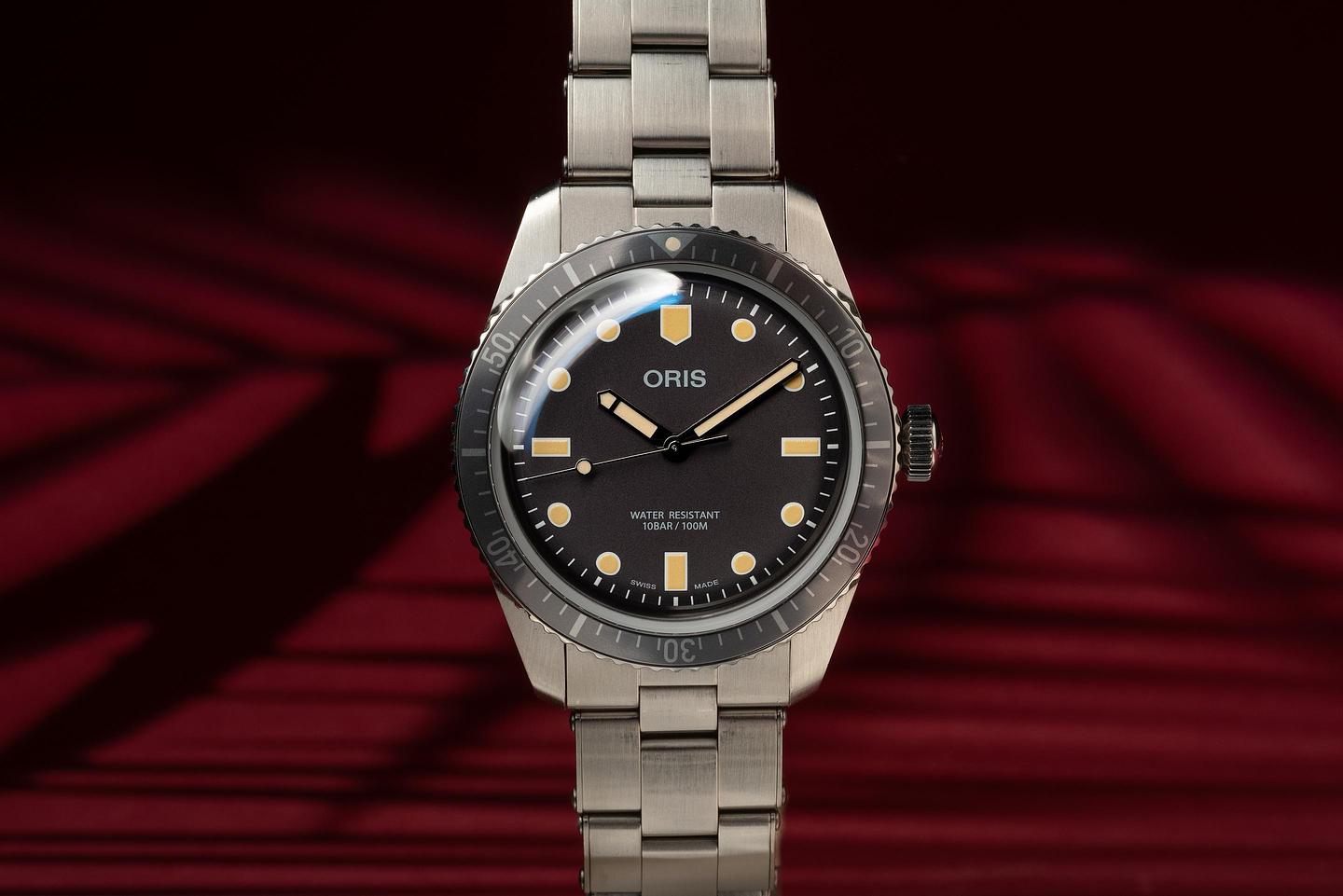
Several brands stand out for their genuine commitment to sustainable practices rather than surface-level marketing. Oris, the Swiss mid-range manufacturer, has built an authentic sustainability identity through long-term partnerships with ocean conservation organizations and a genuine shift in materials and production practices. Their Aquis Date Upcycle uses a recycled PET dial made from reclaimed plastic bottles, which sounds like a gimmick until you actually look at the execution. Panerai launched its Submersible eLAB-ID in 2021 with a case made from 98.6 percent recycled materials, which was a legitimate engineering achievement. IWC Schaffhausen has invested heavily in carbon-neutral production and responsible sourcing certification. Patagonia, while not a traditional watch brand, collaborated with sustainable watch producers in ways that influenced the broader market conversation. Even Rolex, not always associated with public sustainability statements, holds certification from the Swiss Federal Foundation for Quality and Innovation and invests significantly in renewable energy at its manufacturing campus.
The Role of Longevity in Sustainability
This point does not get enough attention. A well-made mechanical watch, properly serviced, can last generations. That fundamentally changes the sustainability calculus. When you compare the environmental cost of manufacturing a single Swiss mechanical watch against the cumulative impact of replacing a cheaper watch every few years, the numbers shift in favor of the heirloom piece. This is one reason vintage and pre-owned watches are increasingly understood as the most sustainable option available. No new raw materials are required. No new manufacturing emissions are generated. The watch already exists and simply needs a new owner. Pre-owned luxury watches, particularly those from brands with long-standing reputations for quality and serviceability, represent a genuinely low-impact way to participate in watch culture.
What to Look for When Buying an Eco-Friendly Luxury Watch
If you are ready to shop with sustainability as a real criterion, a few practical considerations will help you make a more informed choice.
- Look for brands that publish transparency reports or third-party sustainability certifications
- Prioritize watches with solar, kinetic, or mechanical movements over battery-dependent quartz
- Consider materials carefully and favor recycled, reclaimed, or responsibly sourced options
- Factor in serviceability since a watch that can be repaired and maintained for decades is more sustainable than one that cannot
- Consider the pre-owned market as a first option rather than a last resort
It is also worth noting that price does not always correlate with sustainability. Some of the most genuinely eco-forward watches come from mid-range brands like Citizen and Oris. Meanwhile, some heritage luxury brands are still working to catch up. Do the research rather than assuming that premium price equals environmental responsibility.
Certifications and Standards Worth Knowing
The Swiss watch industry operates under a patchwork of certifications and voluntary standards that can be confusing for buyers. The Responsible Jewellery Council certification covers ethical sourcing of precious metals and gemstones. The Swiss Better Gold Association promotes responsible gold mining practices. ISO 14001 is an internationally recognized environmental management certification that several watch manufacturers hold. The Carbon Trust Standard verifies carbon reduction claims. None of these certifications are perfect or exhaustive, but they represent meaningful benchmarks that distinguish genuine commitment from marketing language. When a brand references sustainability without any third-party verification, healthy skepticism is warranted.
Why Tropical Watch Is Worth Your Attention
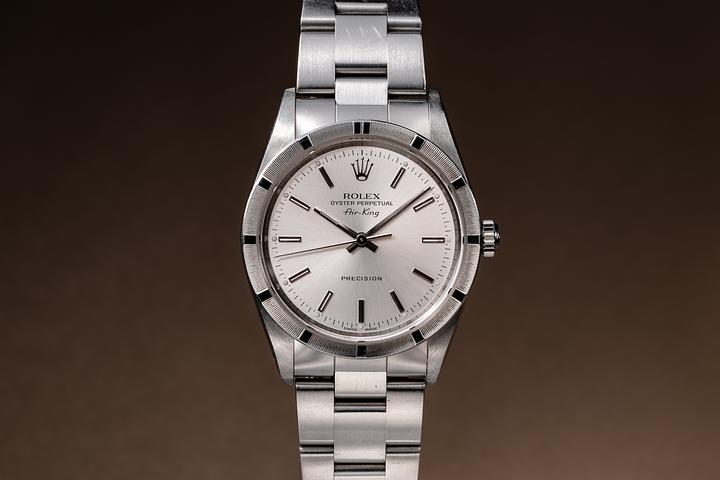
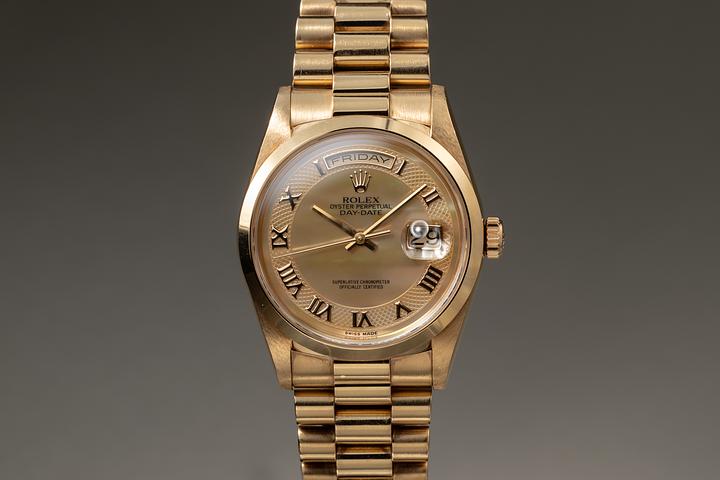
Given everything covered here, from the value of durable materials to the environmental logic of pre-owned ownership, Tropical Watch occupies a genuinely relevant position in this conversation. Specializing in rare and collectible timepieces, particularly vintage Rolex, the platform connects buyers with watches that have already absorbed their manufacturing footprint and are simply passing from one careful owner to the next. For anyone serious about sustainable luxury, that is a compelling argument. Buying a vintage Rolex through a trusted source is, in many ways, one of the most environmentally responsible decisions a watch collector can make. Tropical Watch brings expertise, authentication integrity, and a curated inventory that makes the process feel far less daunting than sourcing through auction or private sale alone. If you have been thinking about entering the vintage market responsibly, exploring eco-friendly luxury watches and sustainable vintage Rolex timepieces through Tropical Watch is a logical place to start.
Frequently Asked Questions About Eco-Friendly Luxury Watches
Are eco-friendly watches actually good quality, or is sustainability a compromise?
Sustainability and quality are not mutually exclusive. Many of the most durable and well-crafted watches on the market today are also the most eco-conscious. Brands like IWC, Panerai, and Oris demonstrate that sustainable practices can coexist with exceptional build quality and mechanical precision.
Is buying a pre-owned or vintage watch more sustainable than buying new?
Yes, in most meaningful ways. Pre-owned watches require no new raw material extraction, no new manufacturing emissions, and no new packaging waste. A well-maintained vintage watch simply changes hands, making it one of the lowest-impact luxury purchases available.
What is the most sustainable watch movement type?
Solar-powered and kinetic movements eliminate the need for disposable batteries, which makes them strong choices from an environmental standpoint. Traditional mechanical movements, while not battery-free in the same sense, are highly serviceable and built to last decades, which also carries significant sustainability value.
Which luxury watch brands are most committed to sustainability?
Oris, IWC Schaffhausen, and Panerai are consistently recognized for meaningful sustainability commitments backed by third-party certifications and material innovation. Citizen leads the solar-powered movement space. Rolex invests in renewable energy at its production facilities, though it tends to communicate less publicly about these efforts.
What certifications should I look for when buying an eco-friendly watch?
Look for ISO 14001 environmental management certification, Responsible Jewellery Council certification for sourcing ethics, and Carbon Trust verification for emissions claims. These third-party standards provide more reliable guidance than a brand's self-reported sustainability language.
Can a luxury watch really last long enough to justify its environmental cost?
Absolutely. A properly serviced mechanical watch from a reputable brand can function accurately for 50 years or more. When amortized over that lifespan, the manufacturing footprint per year of use becomes remarkably small compared to lower-quality alternatives replaced every few years.