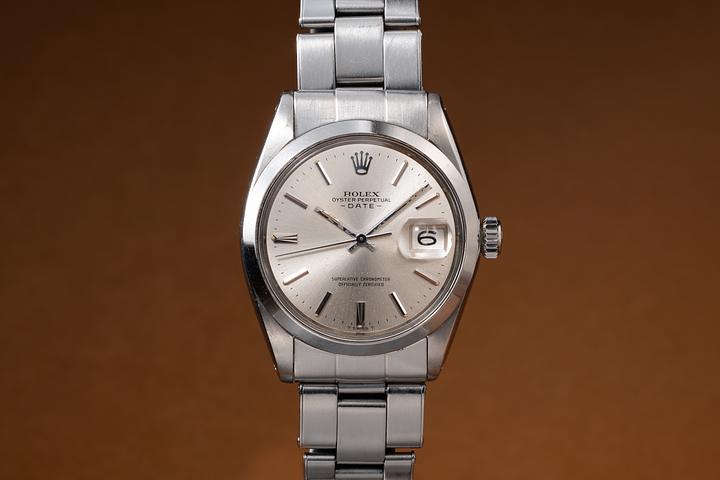
The Anatomy of a Watch: Every Component Explained

The Anatomy of a Watch: Understanding Every Component of a Luxury Timepiece
A luxury watch is not simply a device that tells time. It is a mechanical achievement built from dozens of individual components, each one serving a precise purpose and contributing to the overall performance, longevity, and beauty of the piece. Whether you are exploring the world of horology for the first time or refining your knowledge before making a significant purchase, understanding the anatomy of a watch gives you a genuine advantage. It helps you read specifications more accurately, appreciate craftsmanship more deeply, and communicate more confidently with dealers and collectors. This guide walks through every major part of a luxury watch from the case to the caliber so you know exactly what you are looking at.
The Watch Case: The Foundation of Every Timepiece
The case is the outer shell that houses and protects all internal components. In the luxury segment, cases are typically crafted from stainless steel, gold, platinum, or titanium, each material offering distinct properties in terms of durability, weight, and aesthetic character. Case construction involves three primary elements: the middle case, which forms the main body; the caseback, which seals the movement inside; and the bezel, which sits on top and frames the crystal. The case diameter, measured in millimeters, has significant influence on both wrist presence and market appeal. Vintage Rolex references, for example, often feature smaller case diameters in the 36mm to 40mm range, which many collectors now prefer for their refined proportions. Water resistance is also determined largely by the case design, including how tightly the crown screws down and how securely the caseback is sealed.
The Bezel: Function Meets Form at the Top of the Case
The bezel is the ring that surrounds the crystal and sits at the very top of the case. On dress watches, bezels are often smooth or set with diamonds and gemstones. On tool watches, the bezel performs a functional role. A dive watch bezel, like the unidirectional rotating bezel on a Rolex Submariner, allows divers to track elapsed time underwater safely. A tachymeter bezel, found on chronograph models, enables speed calculation. A GMT bezel, such as the 24-hour scale on a Rolex GMT-Master, allows the wearer to track a second time zone. The material and condition of the bezel are particularly important in the vintage market, where original aluminum insert bezels in good condition can dramatically affect a watch's value and authenticity.
The Dial: The Face That Tells the Full Story
The dial is arguably the most visually defining element of any watch. It is the surface on which the hands and indices sit, and it communicates the watch's function, identity, and personality at a glance. Dials are produced in a wide range of materials including lacquered metal, enamel, mother-of-pearl, meteorite, and textured gilt surfaces. Hour markers, also called indices, can be applied as raised metal pieces, printed numerals, or luminous plots. The term "tropical dial" holds a particularly revered place in vintage collecting. It refers to dials, most commonly found in vintage Rolex references, that have developed a warm brown or chocolate patina over decades due to chemical reactions from UV exposure or humidity. These dials are among the most sought-after and valuable in the entire collector market.
The Crystal: Protecting the Dial with Precision
The crystal is the transparent cover that protects the dial. Three materials dominate the watch industry. Acrylic, also called hesalite or plexiglass, was standard on watches through much of the twentieth century and is still used today for its lightweight quality and the warm, bubble-like dome it creates over vintage dials. Mineral glass is a harder, more scratch-resistant option used across mid-range watchmaking. Sapphire crystal, synthesized from corundum, is the industry standard for modern luxury watches due to its exceptional hardness and scratch resistance. Many collectors have a preference for acrylic crystals on vintage pieces because they retain the original aesthetic integrity of the watch and can be polished if scratched.
The Crown: The Gateway to the Movement
The crown is the small knob on the side of the case, typically at the 3 o'clock position, used to set the time and date and, on manual-wind movements, to wind the mainspring. On water-resistant watches, the crown is designed to screw down firmly against the case, creating a seal that keeps moisture out. Rolex developed and patented the Twinlock and Triplock crown systems, which remain benchmarks for water-resistance engineering. The crown is a small component, but its condition matters greatly in vintage collecting. Original signed crowns, meaning those bearing the manufacturer's logo, are important markers of authenticity and originality for serious buyers.
The Movement: The Heart of the Luxury Watch
The movement, also referred to as the caliber, is the engine that powers the watch. It lives inside the case and is responsible for all timekeeping functions. Movements fall into three broad categories. Manual-wind movements require the wearer to wind the crown regularly to tension the mainspring. Automatic movements, also called self-winding calibers, use a rotor that spins with wrist motion to wind the mainspring continuously. Quartz movements use a battery to send electrical pulses through a quartz crystal, regulating the timekeeping with high accuracy. In the luxury and collector market, mechanical movements, both manual and automatic, are held in the highest regard for their engineering complexity and the skill required to produce them. Key movement components include the mainspring, gear train, escapement, balance wheel, and jewels, each playing a specific role in regulating the release of energy that drives the hands.
The Bracelet and Strap: Comfort, Style, and Collectibility
The bracelet or strap connects the watch to the wrist and contributes significantly to both comfort and overall presentation. Integrated metal bracelets, such as the Rolex Oyster or Jubilee bracelet, are engineered to complement the case design and are often produced from the same material. Leather straps offer a dressier, more traditional aesthetic and are common on dress watches. Rubber and textile straps are favored on sports and diving references. In vintage collecting, the bracelet or strap is frequently a subject of serious scrutiny. Original bracelets with matching serial number stamps or intact end links are considerably more desirable and can contribute meaningfully to overall value. Stretch, condition, and whether the bracelet has been polished are all factors that informed buyers assess carefully.
Watch Terminology You Should Know Before You Buy
Navigating the luxury watch market is significantly easier when you understand the core vocabulary. Here are key terms every serious buyer should be familiar with before making a purchase decision.
- Caliber: the specific movement or engine powering the watch, designated by a manufacturer's reference number
- Complication: any function beyond basic timekeeping, such as a chronograph, moon phase, annual calendar, or tourbillon
- Lug: the protruding extensions from the case that hold the bracelet or strap in place
- Pusher: the external button on a chronograph used to start, stop, and reset the timing function
- Rehaut: the inner edge of the dial, often engraved with the brand name or serial number in modern Rolex references
- Tritium, Luminova, Chromalight: different luminescent materials applied to hands and indices across different production eras
- Power reserve: the duration a fully wound movement will run without additional winding
Why Tropical Watch Is the Right Place to Find Your Next Luxury Timepiece
Understanding the anatomy of a watch is one thing. Finding a piece where every component meets an exceptional standard is another matter entirely. Tropical Watch is a trusted destination for collectors and first-time buyers alike, specializing in authenticated, expertly curated vintage and pre-owned luxury watches with a deep focus on vintage Rolex. Every watch offered has been carefully vetted for originality, from the dial condition and movement caliber to the crown markings and bracelet integrity. If you have spent time studying what makes a luxury watch truly exceptional, you already know how rare it is to find pieces where all the details align. Browsing the collection at Tropical Watch, specialists in authenticated vintage Rolex and luxury watches, gives you access to inventory that reflects genuine expertise in the very details covered throughout this guide. Whether you are searching for a specific reference, a tropical dial, or simply the guidance of people who understand what originality really means in a vintage timepiece, Tropical Watch delivers exactly that.
Frequently Asked Questions About Watch Anatomy and Luxury Timepieces
What is the most important component of a luxury watch?
The movement is generally considered the most important component because it determines the watch's accuracy, longevity, and mechanical complexity. However, the dial and case are equally critical from a collecting and valuation standpoint, as their originality and condition significantly affect desirability and price.
What does the term caliber mean in watchmaking?
Caliber refers to the specific movement inside a watch, identified by a manufacturer's designation number. It communicates the type of movement, its complications, and its engineering specifications. For example, the Rolex Caliber 3135 is the automatic movement used in the Submariner and Datejust across several production decades.
Why do vintage watch dials turn brown or chocolate in color?
This phenomenon is known as a tropical patina and occurs when the lacquer or other dial materials react chemically to prolonged UV light exposure or humidity over decades. The result is a gradual shift in dial color from the original black or gray toward warm brown or chocolate tones. Tropical dials are highly prized in vintage Rolex collecting.
What is the difference between a manual-wind and automatic watch movement?
A manual-wind movement requires the owner to wind the crown regularly to tension the mainspring and keep the watch running. An automatic movement contains a rotor that winds the mainspring continuously through the natural motion of the wearer's wrist, eliminating the need for daily manual winding under normal wearing conditions.
Does the bracelet affect the value of a vintage luxury watch?
Yes, significantly. An original matching bracelet in good condition, particularly one with intact end links or a matching date code stamp, can meaningfully increase the overall value of a vintage watch. Replacement bracelets or bracelets that have been heavily polished typically reduce collector desirability and market value.
What is a watch complication?
A complication is any function built into a watch beyond basic hours, minutes, and seconds. Common complications include the chronograph, which measures elapsed time; the date display; the GMT function for tracking a second time zone; the moon phase; and the tourbillon, which counters the effects of gravity on movement accuracy. More complications generally indicate greater engineering complexity and often higher value.





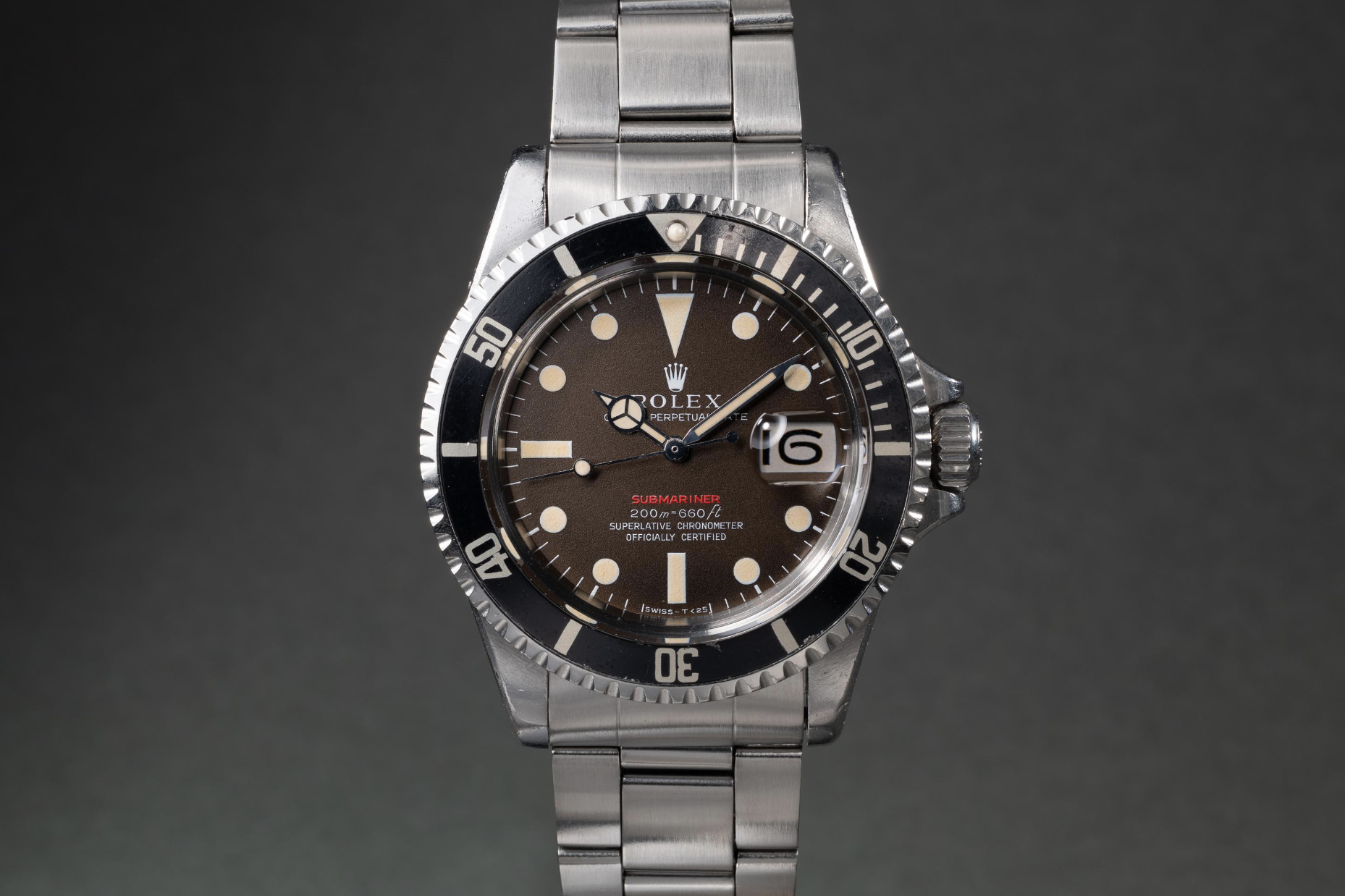


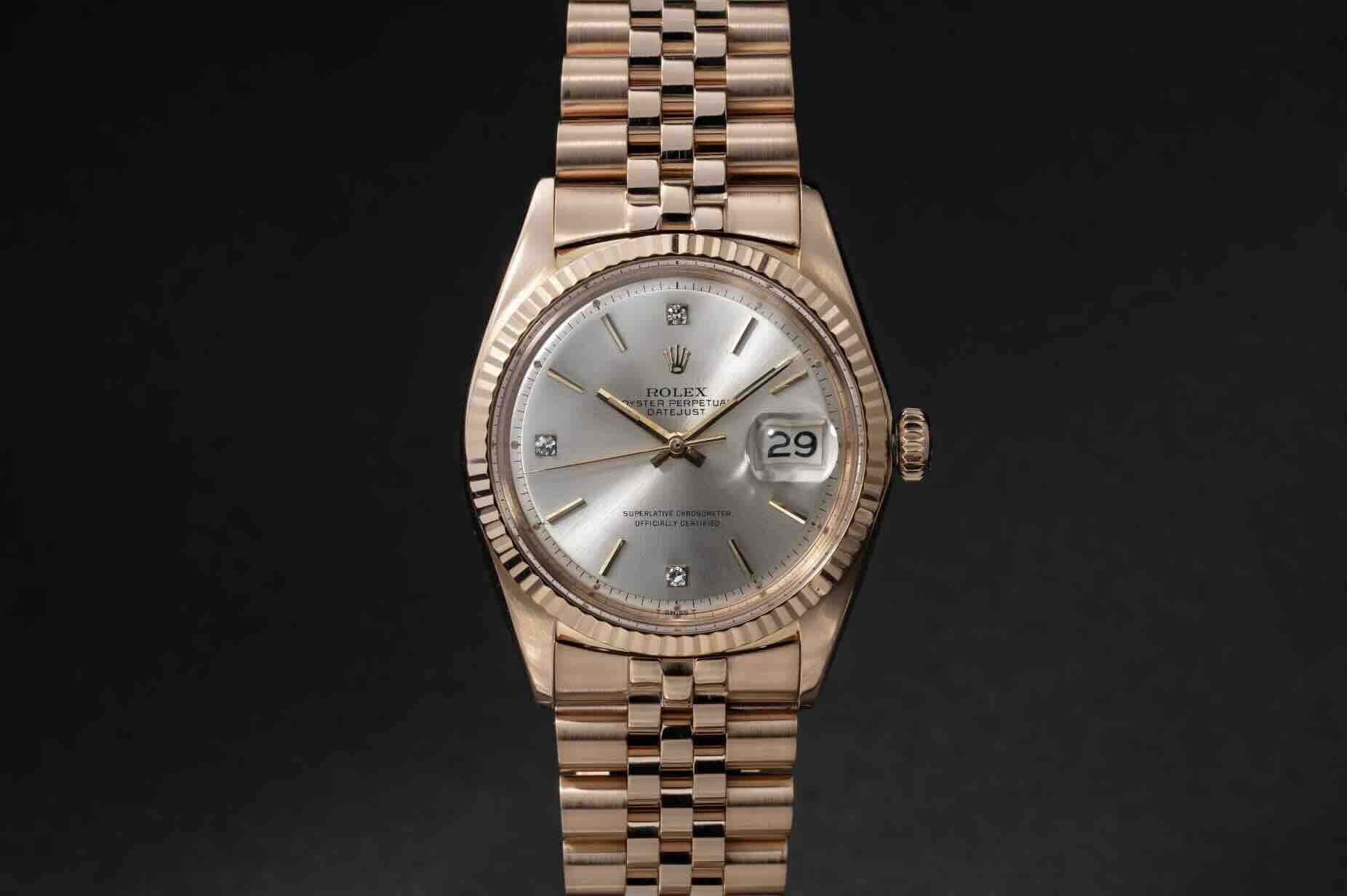


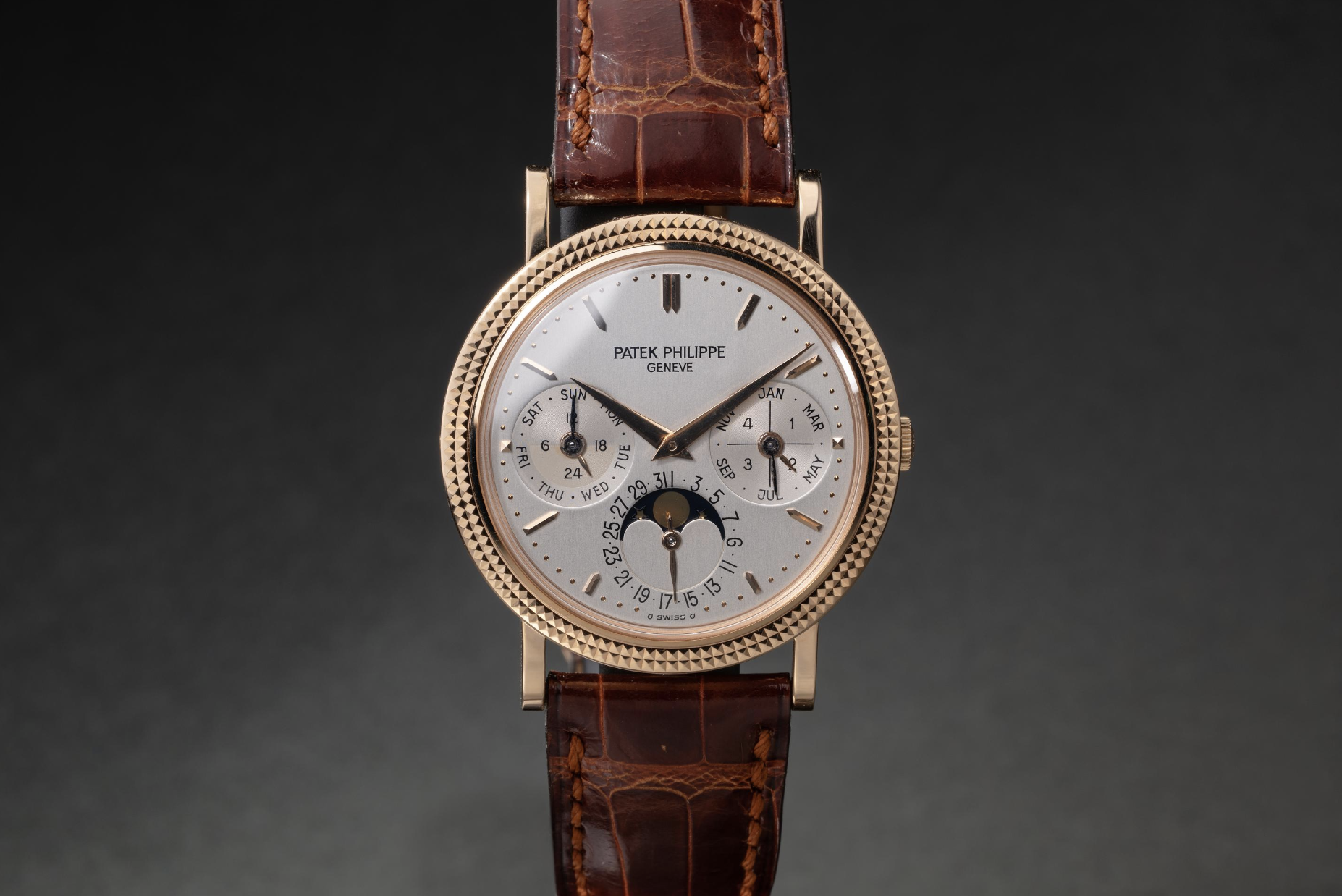

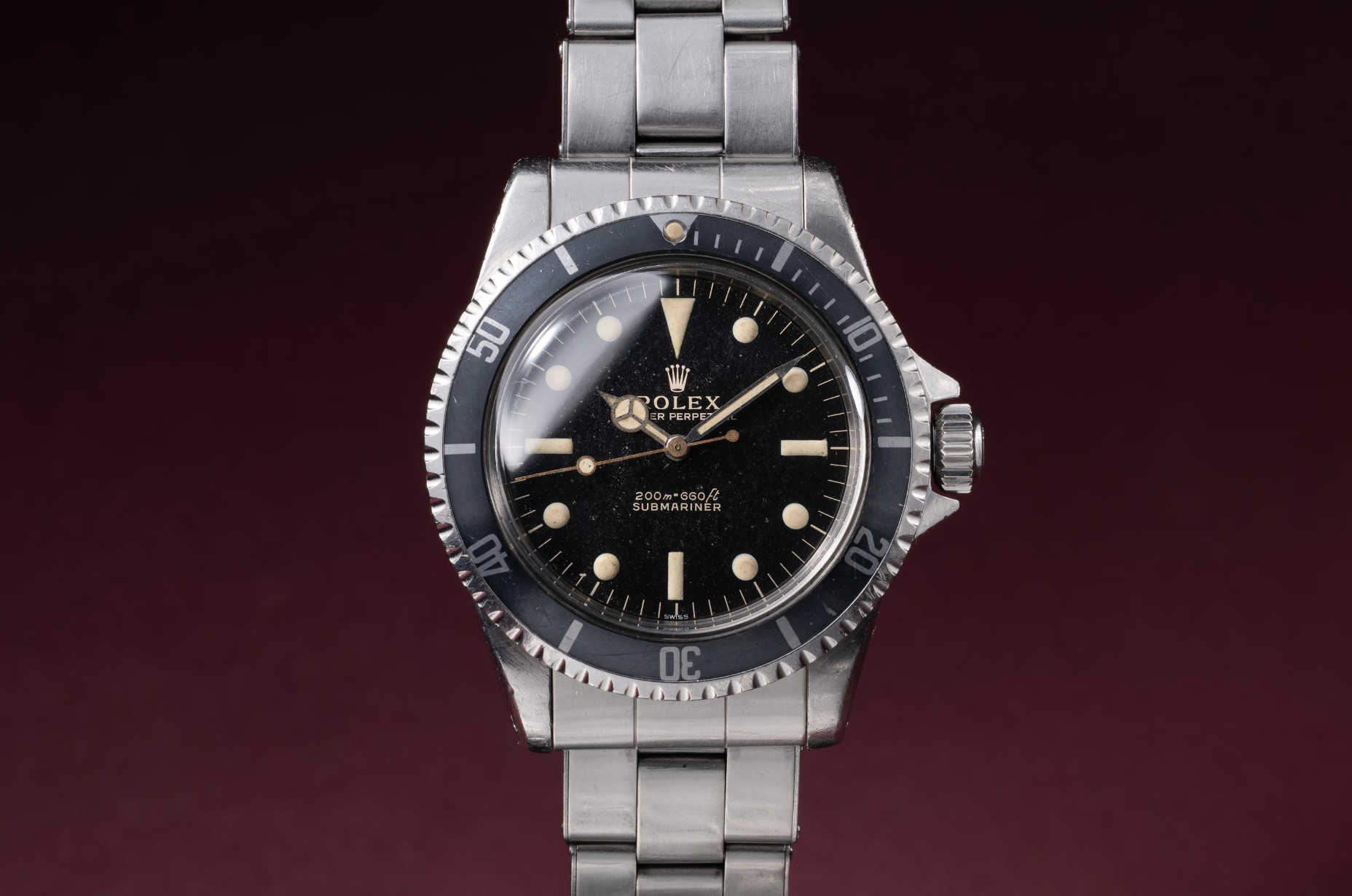
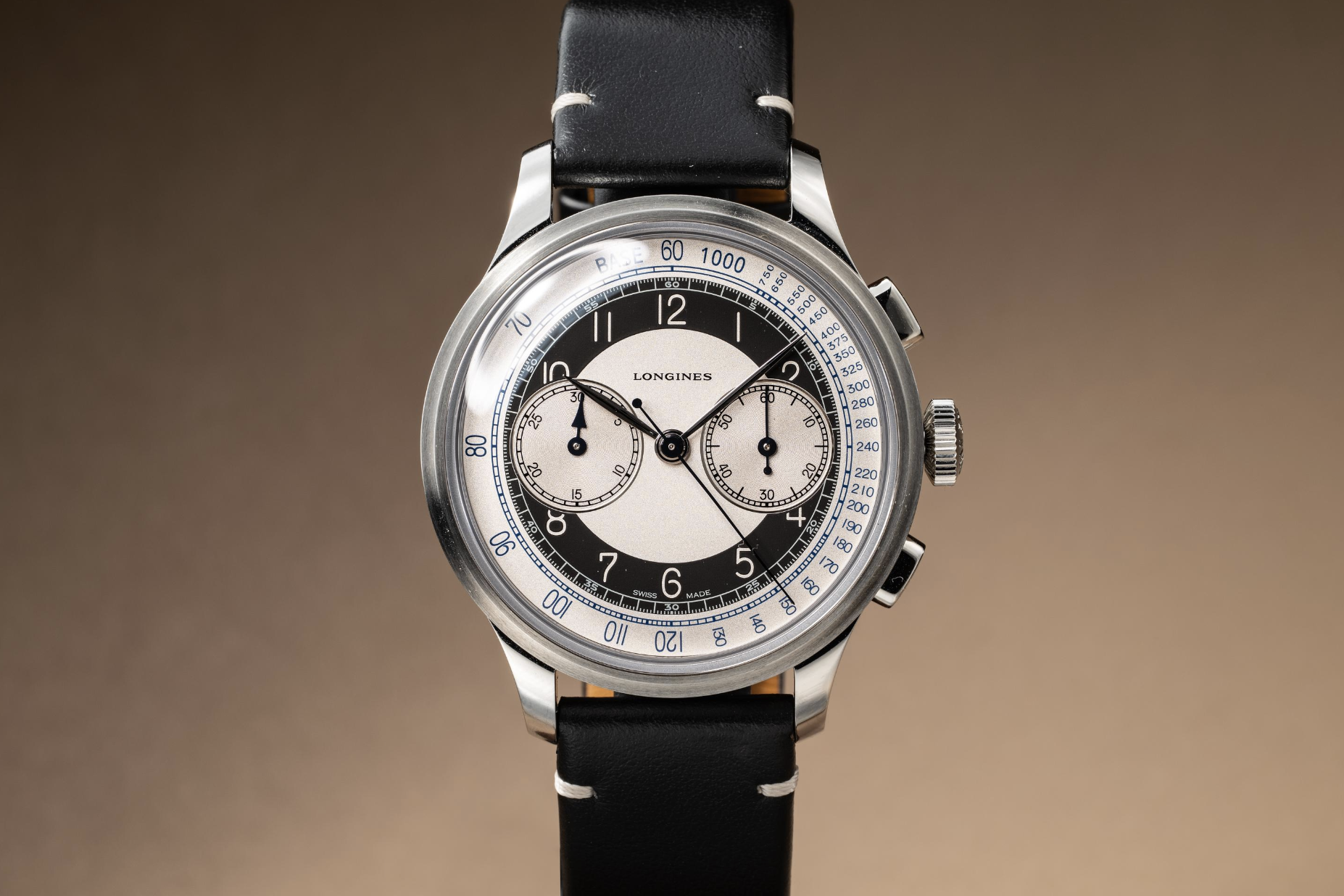

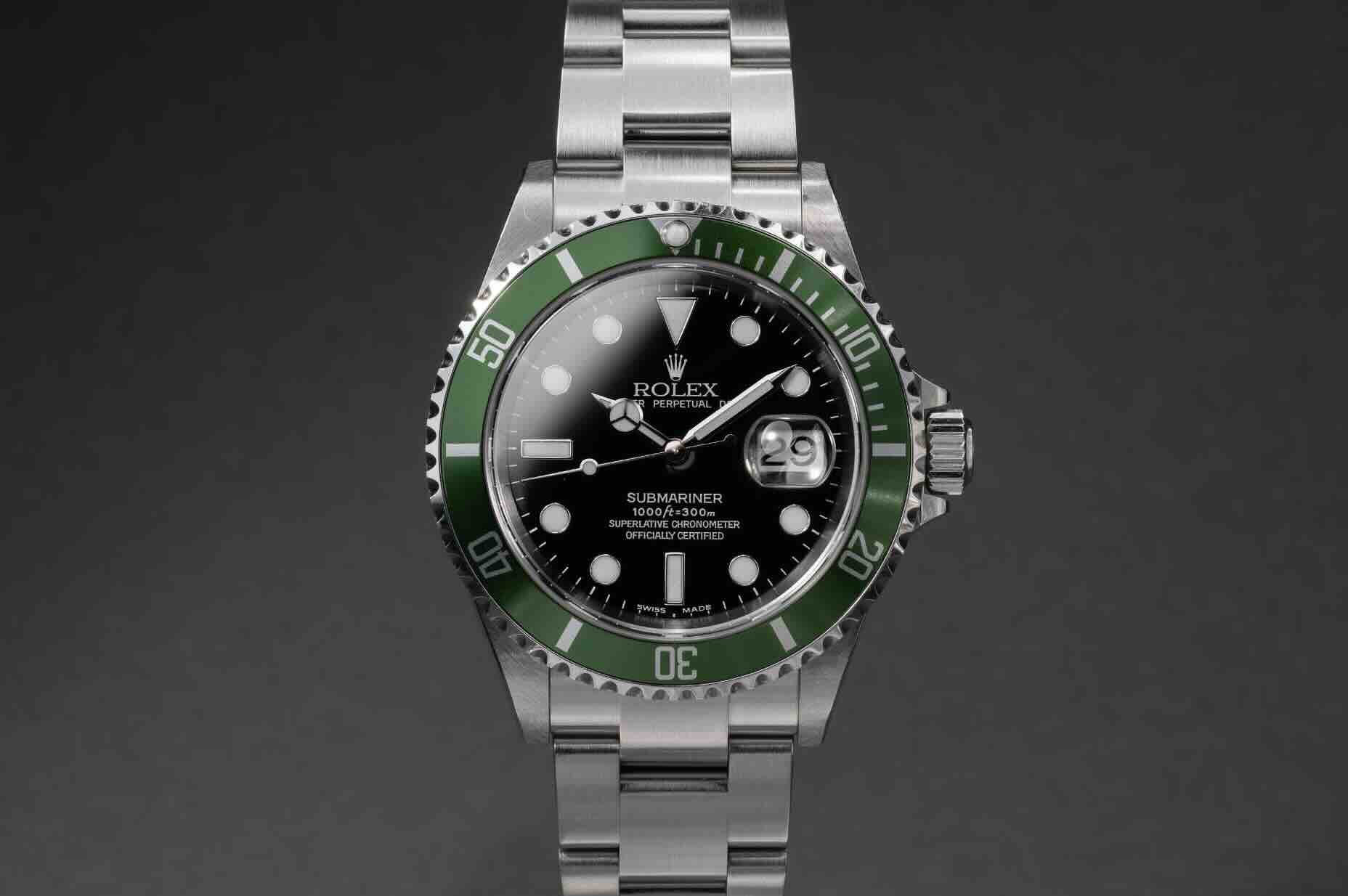
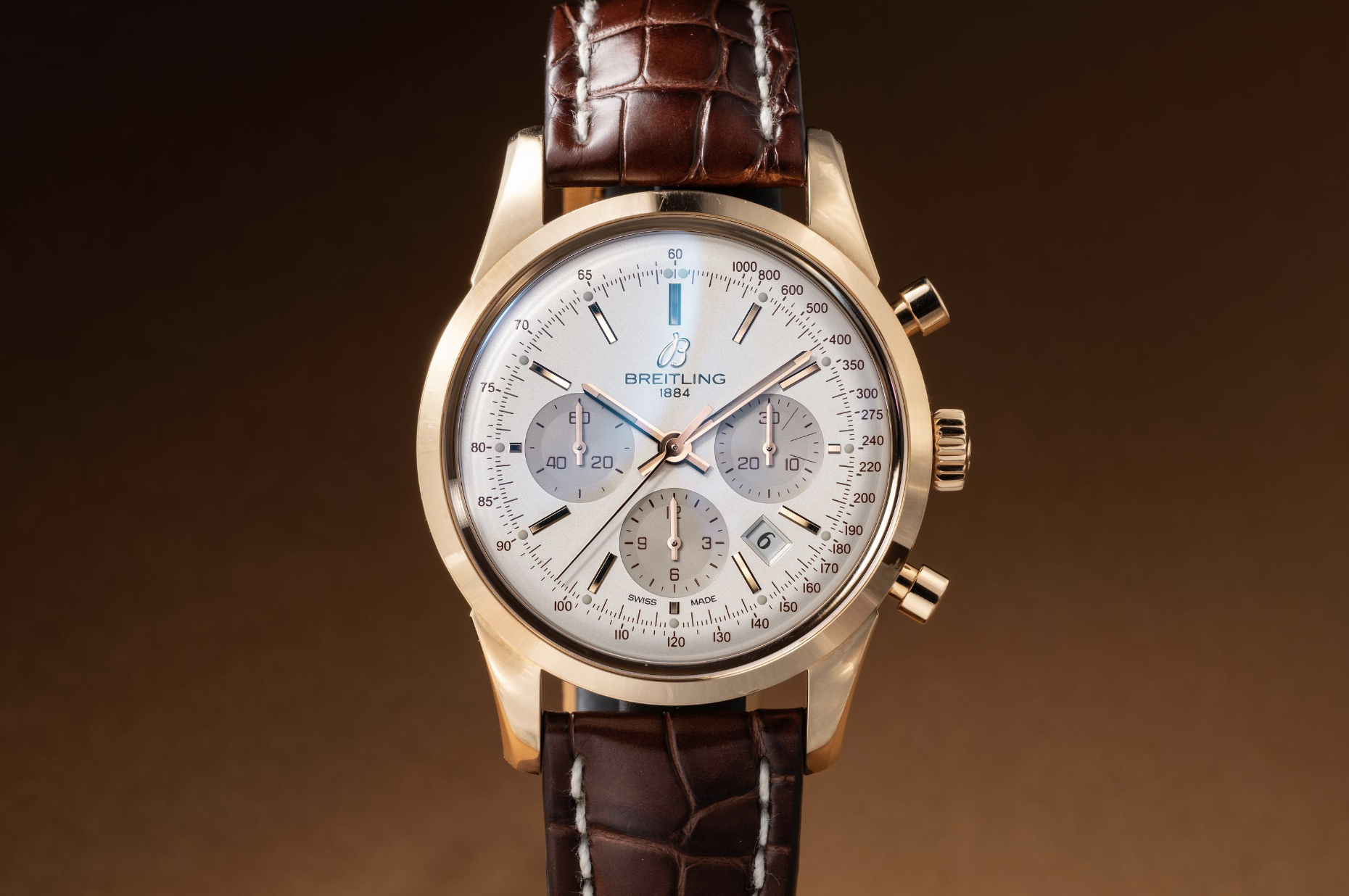


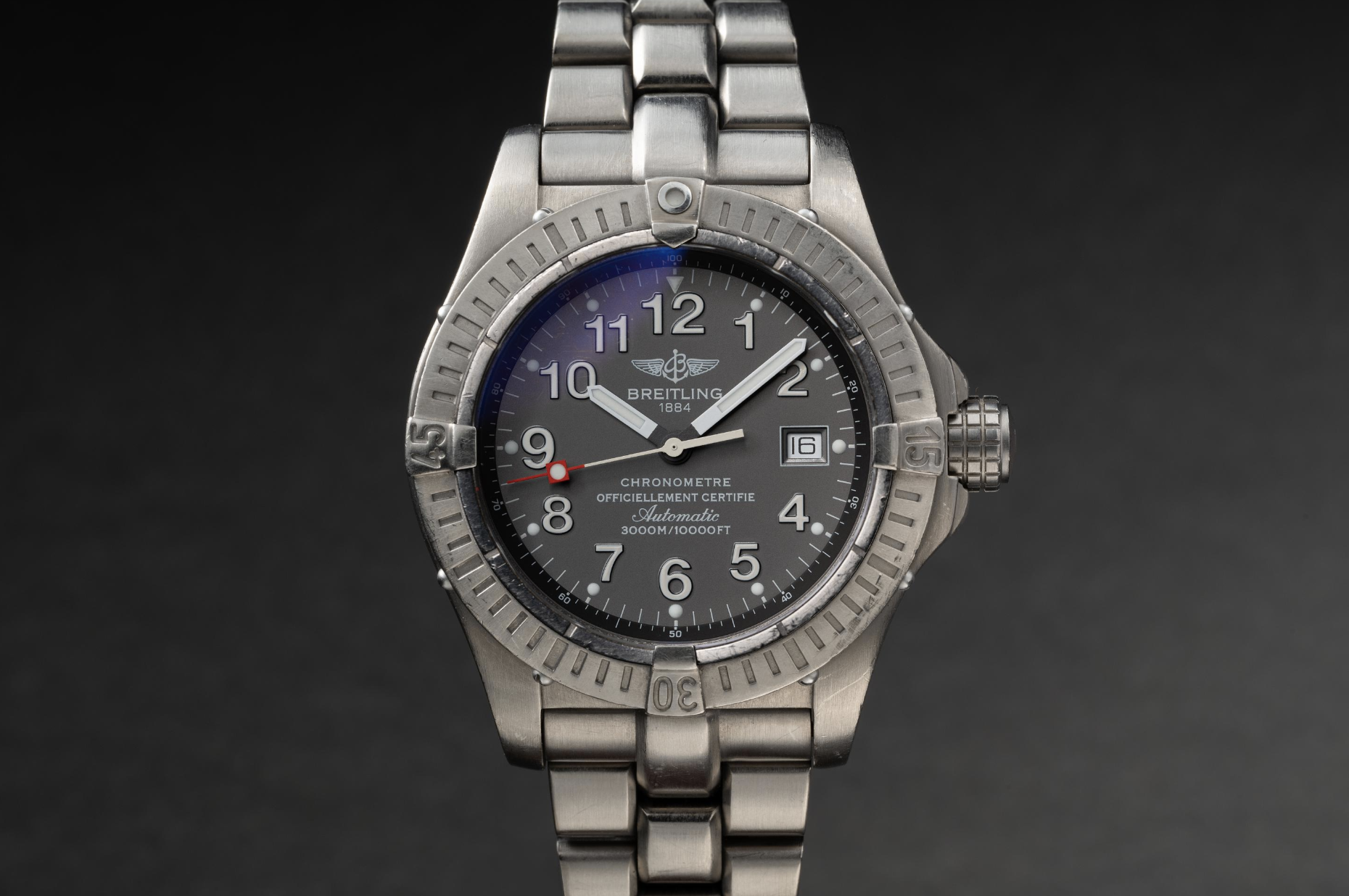
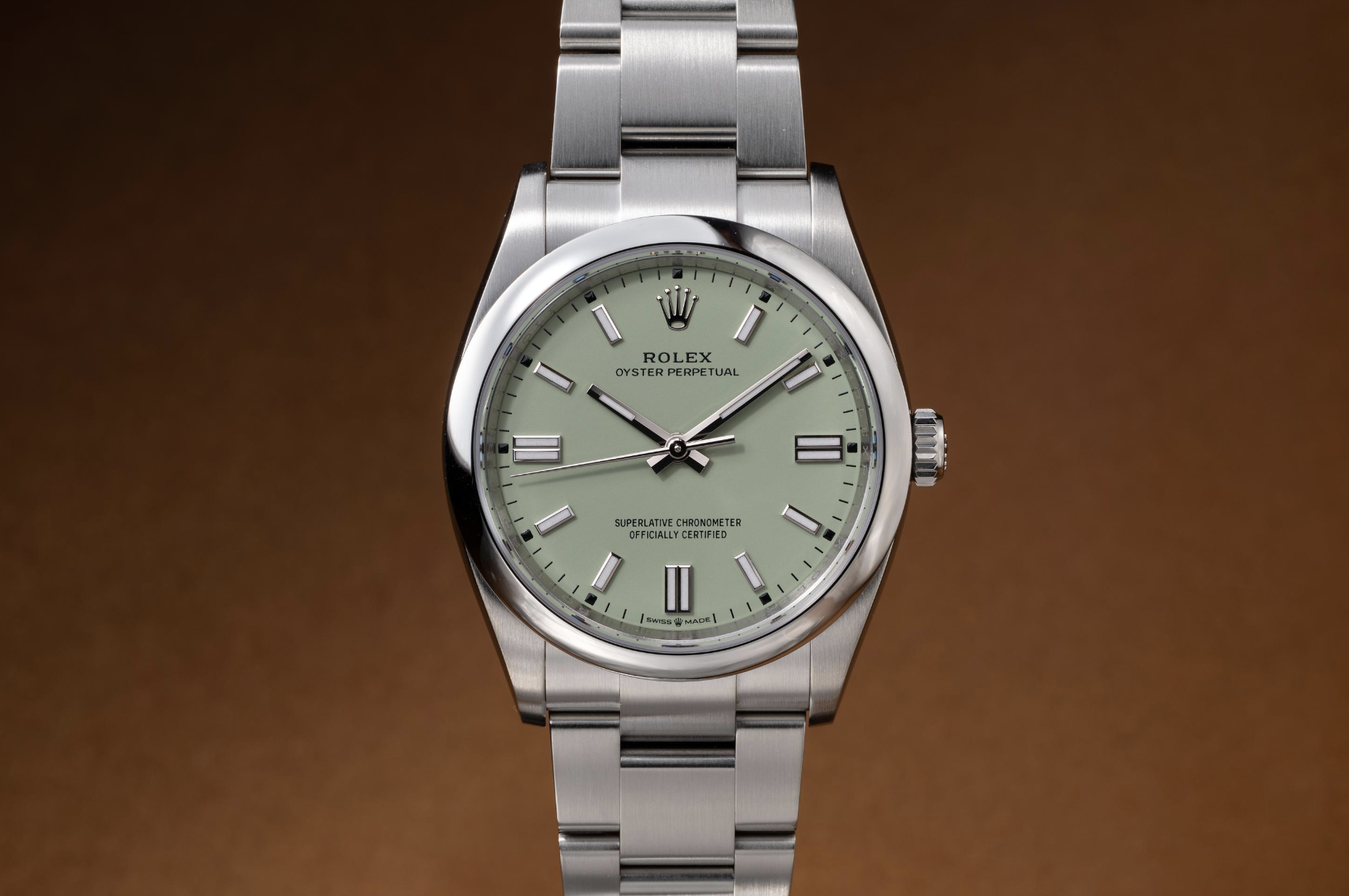
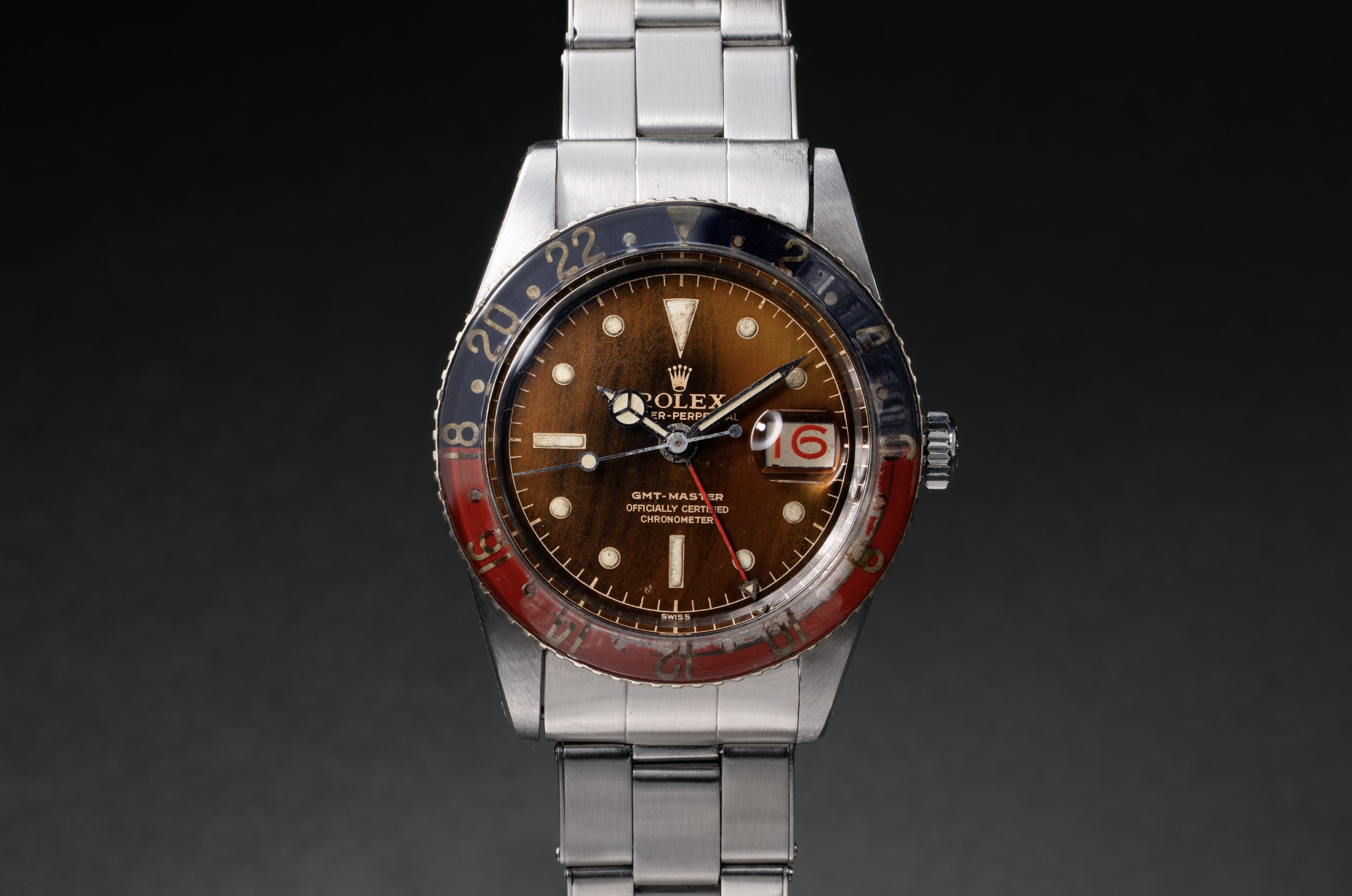
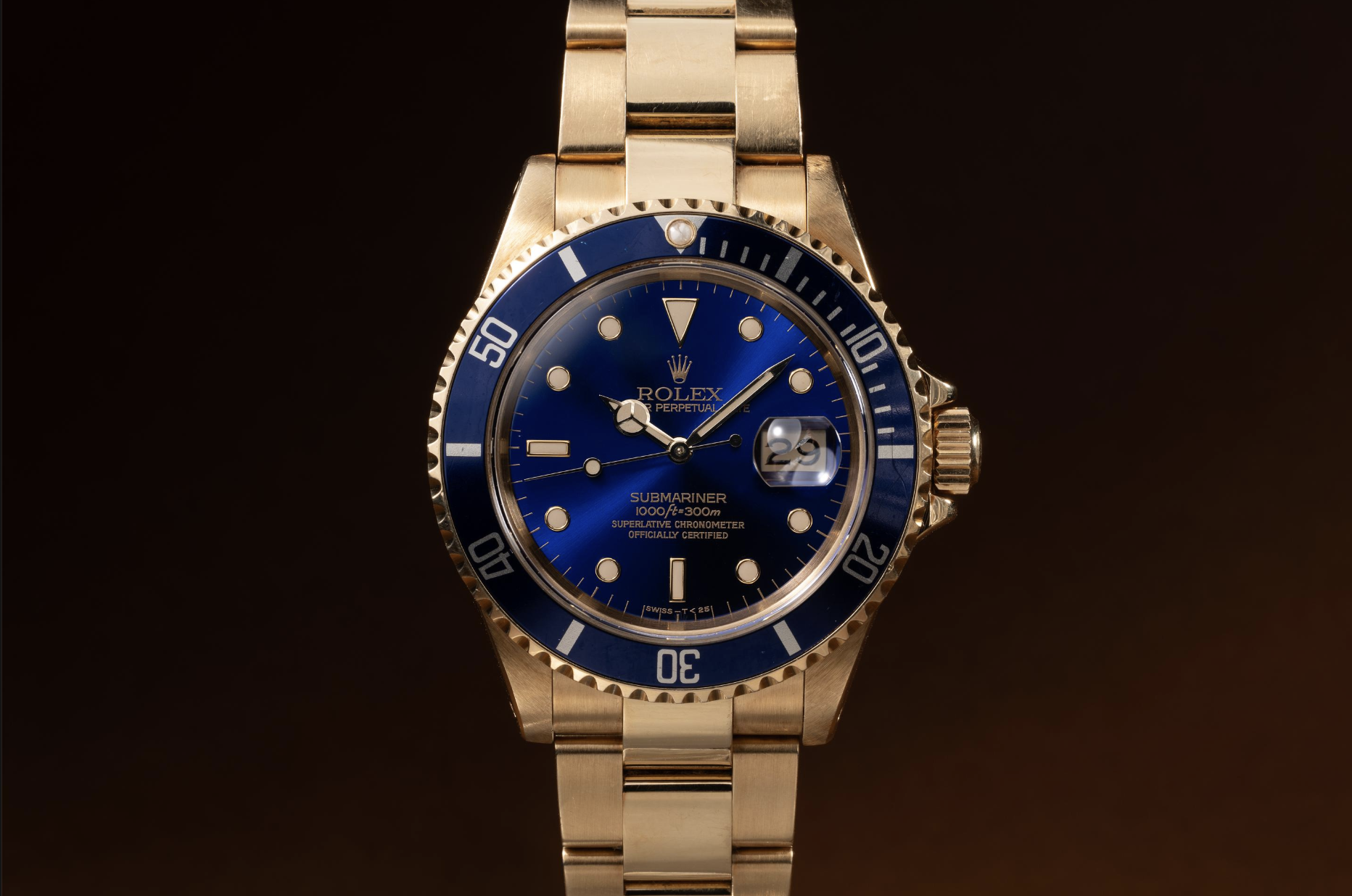
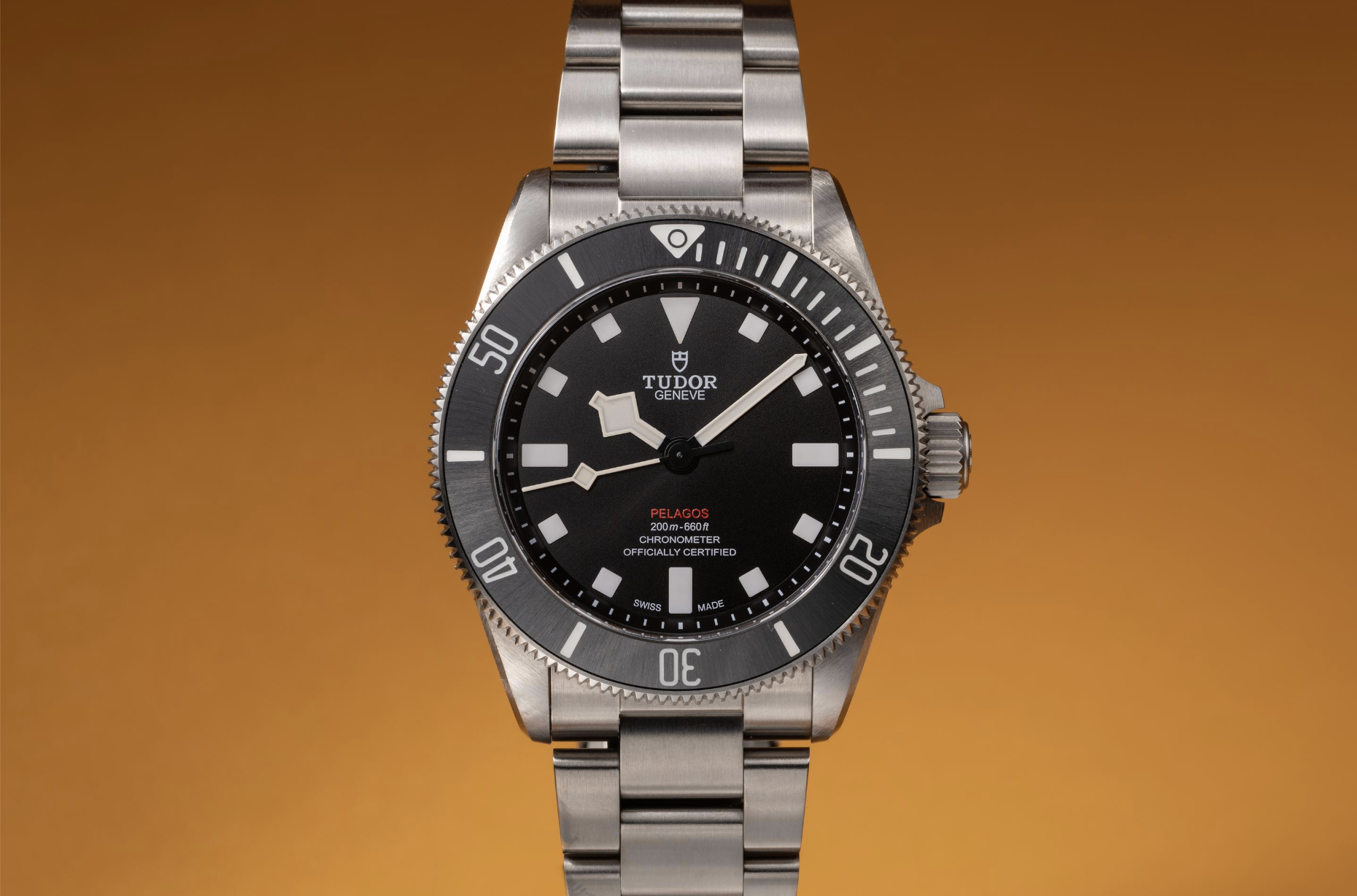
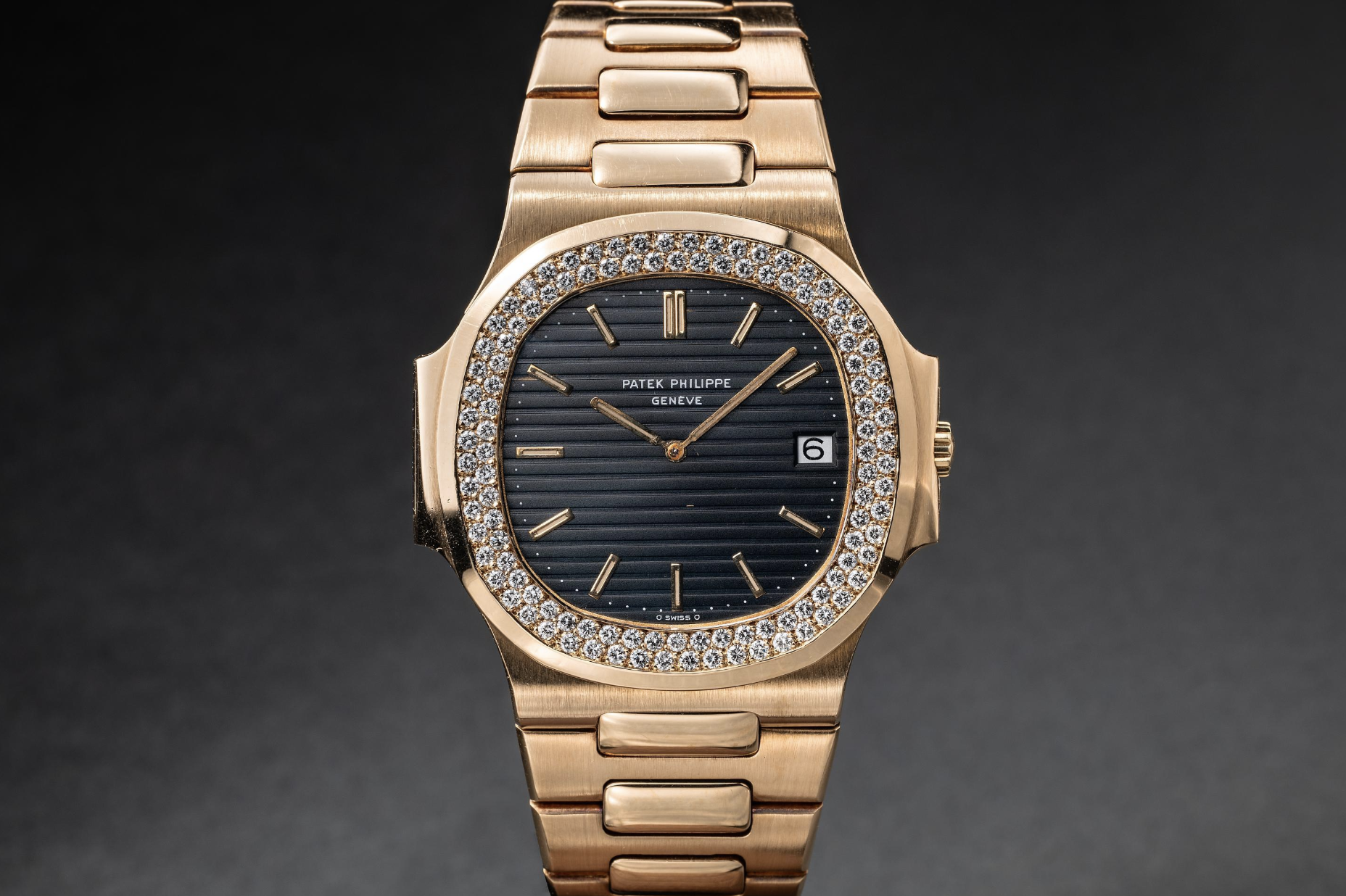

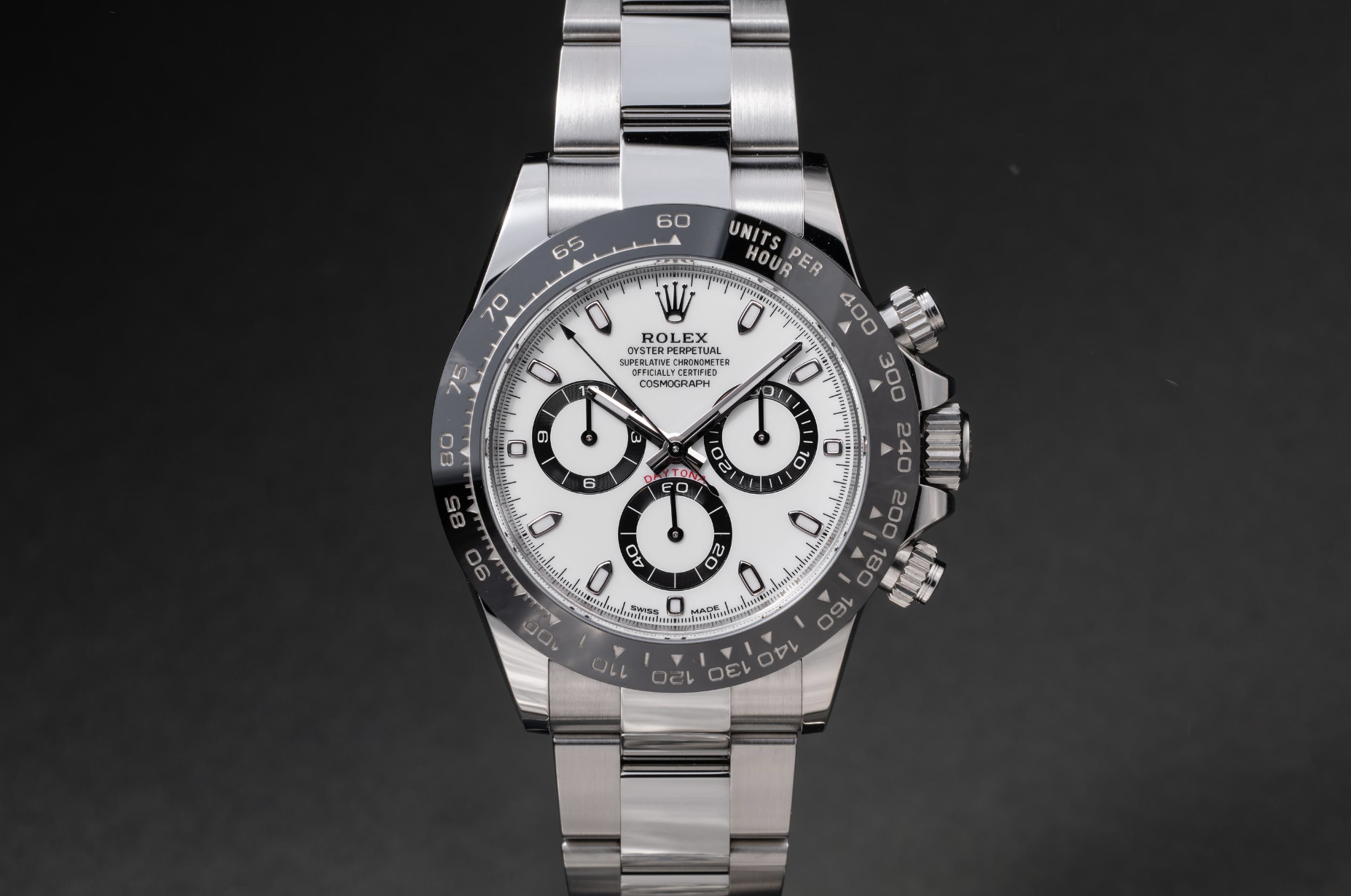

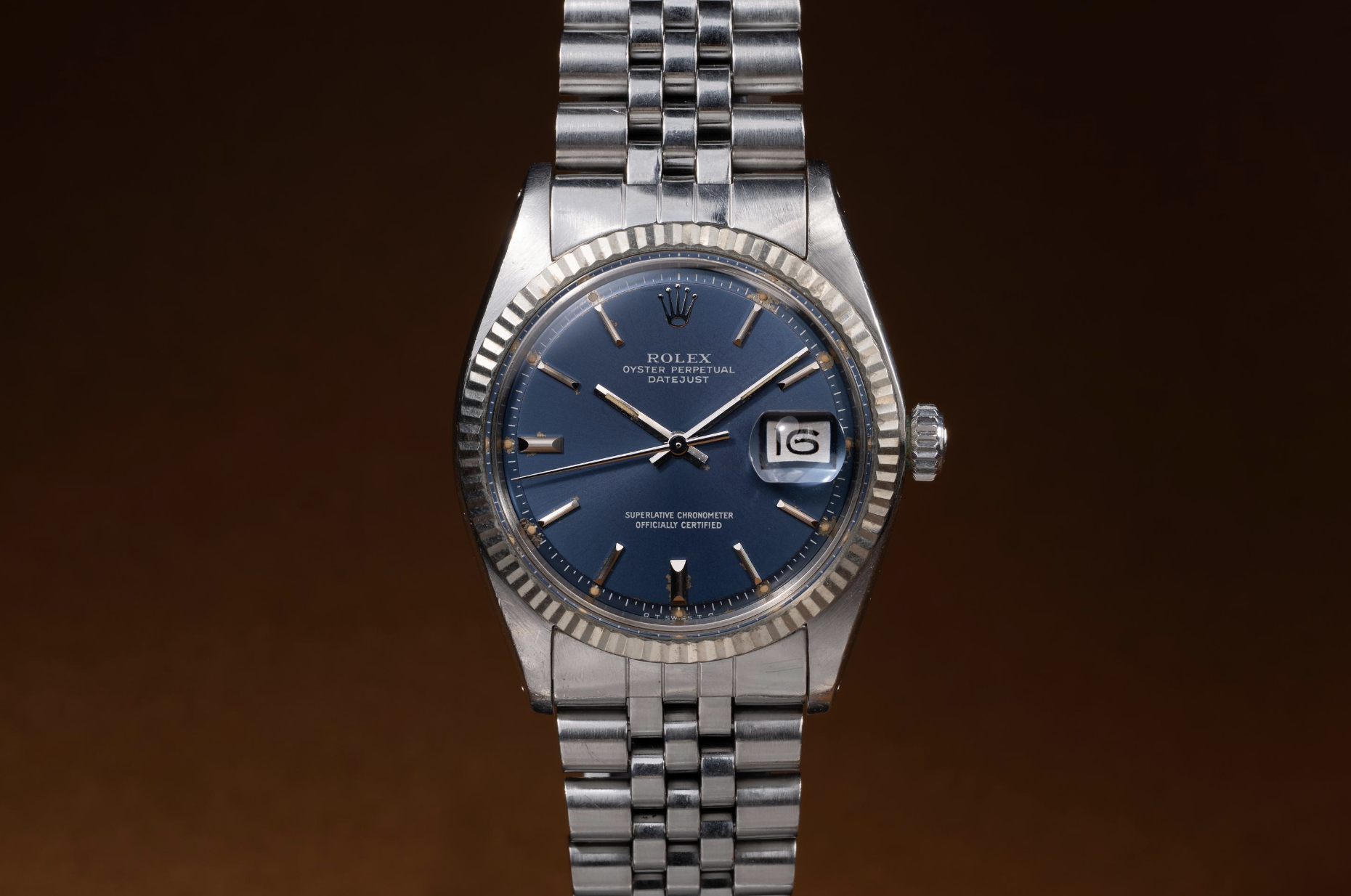
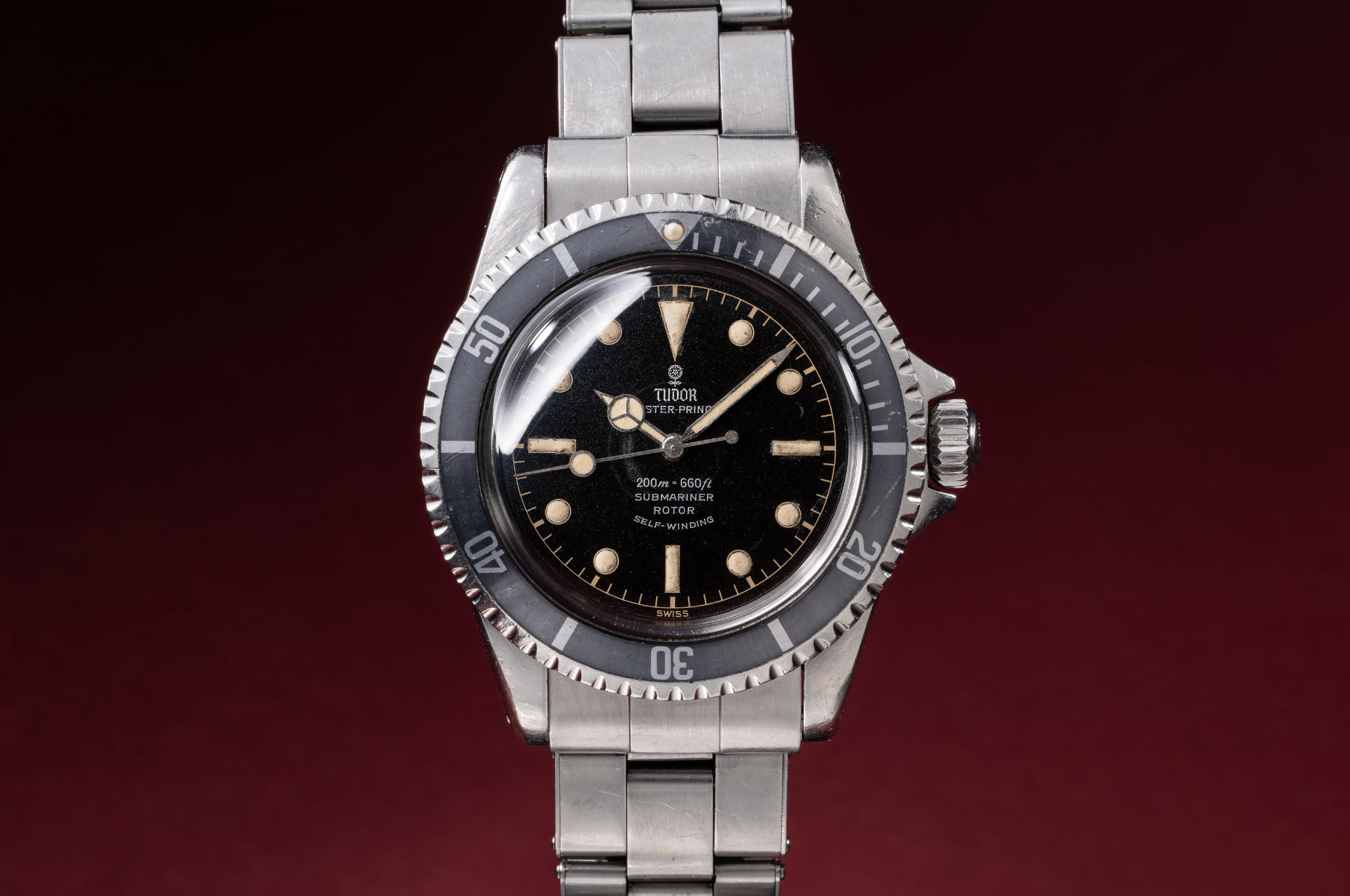
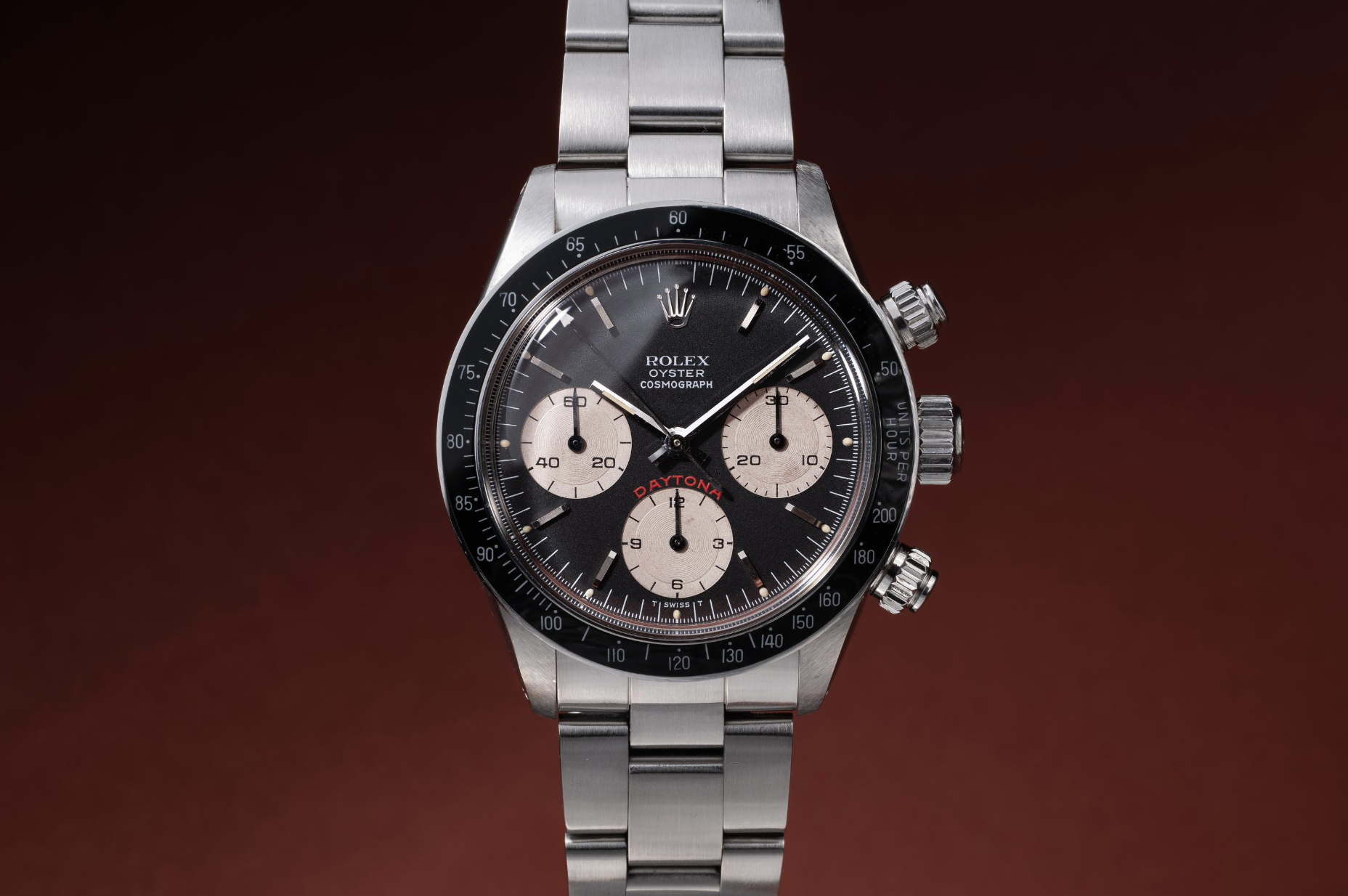
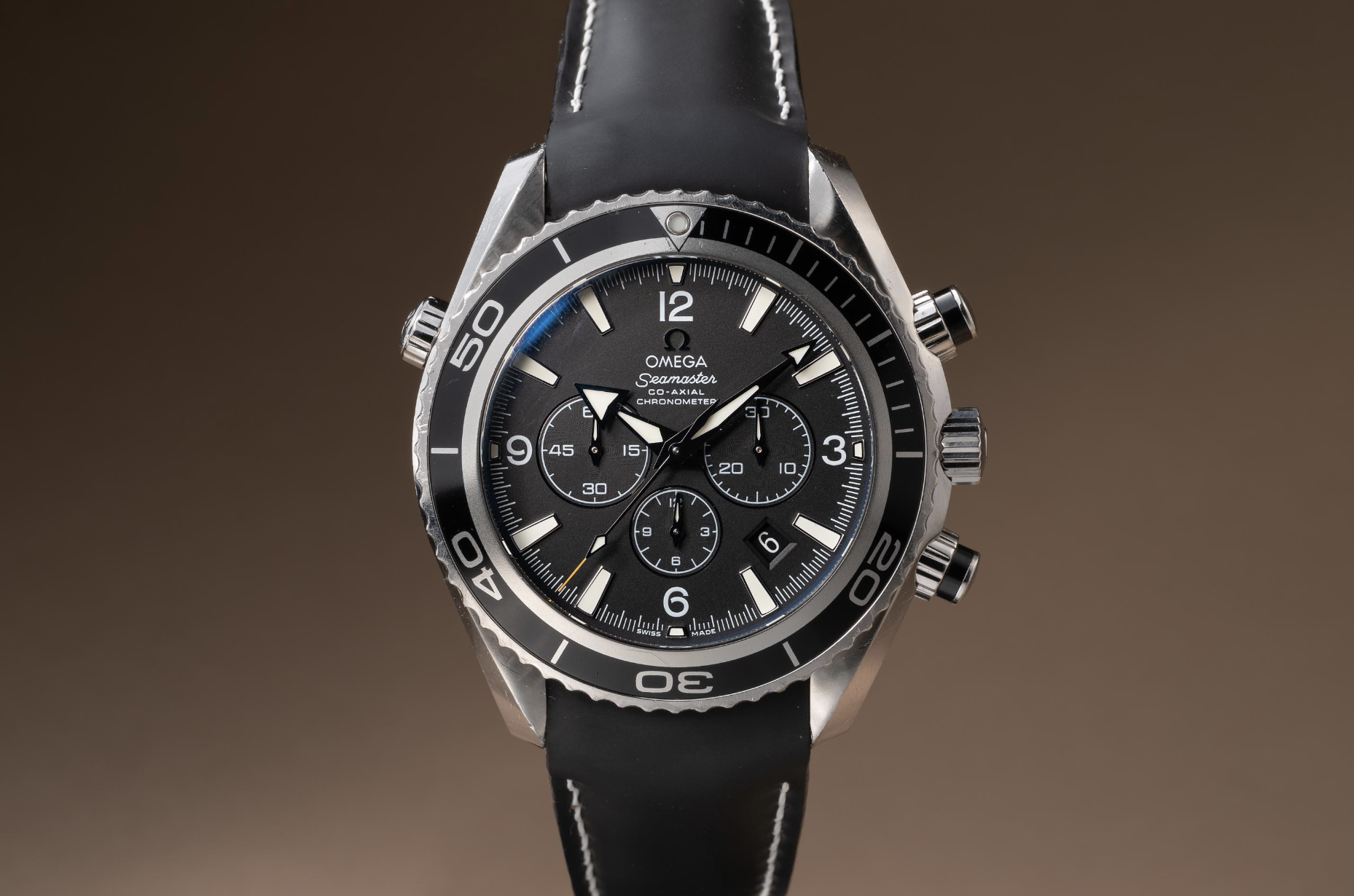
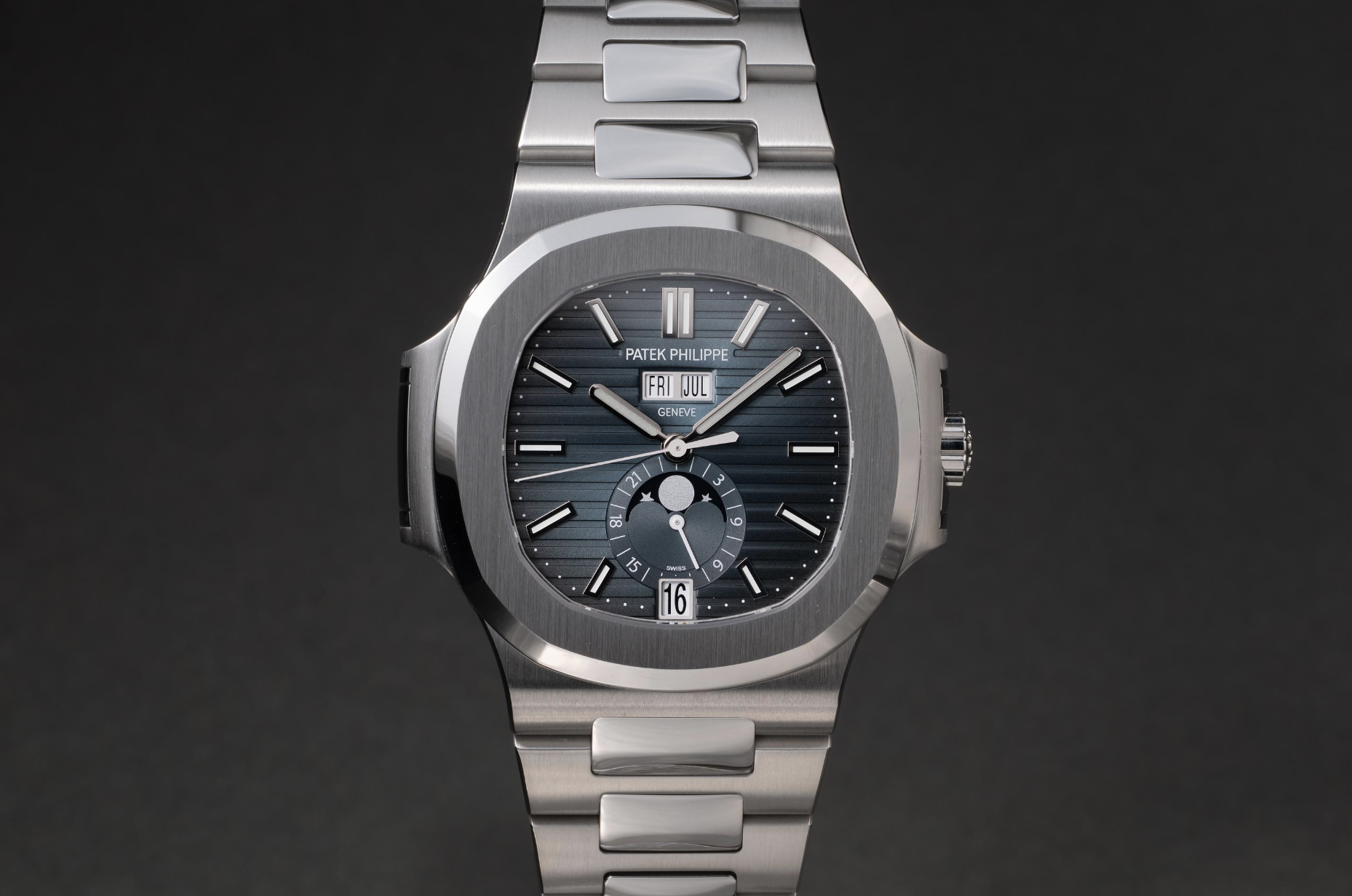
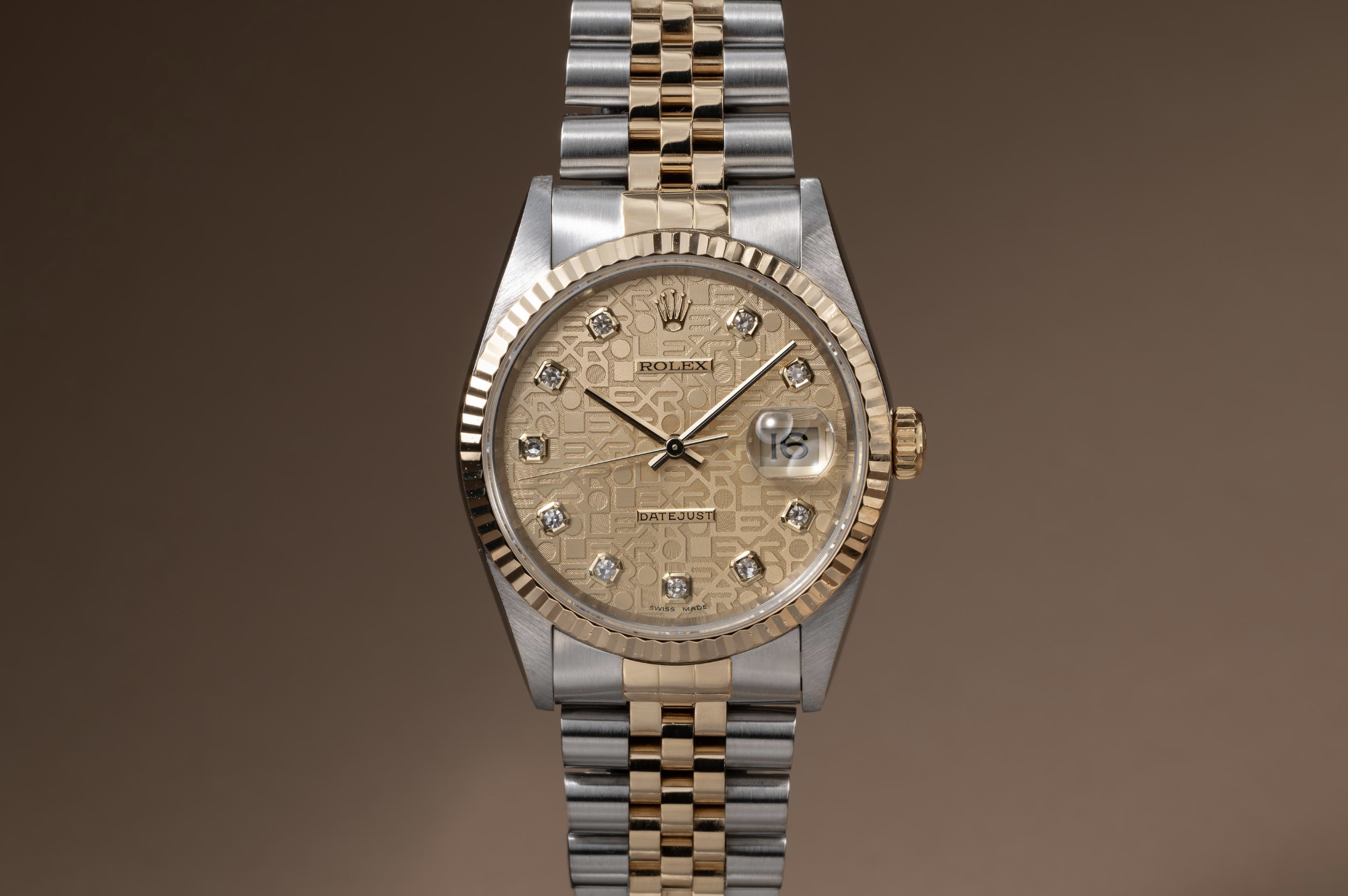
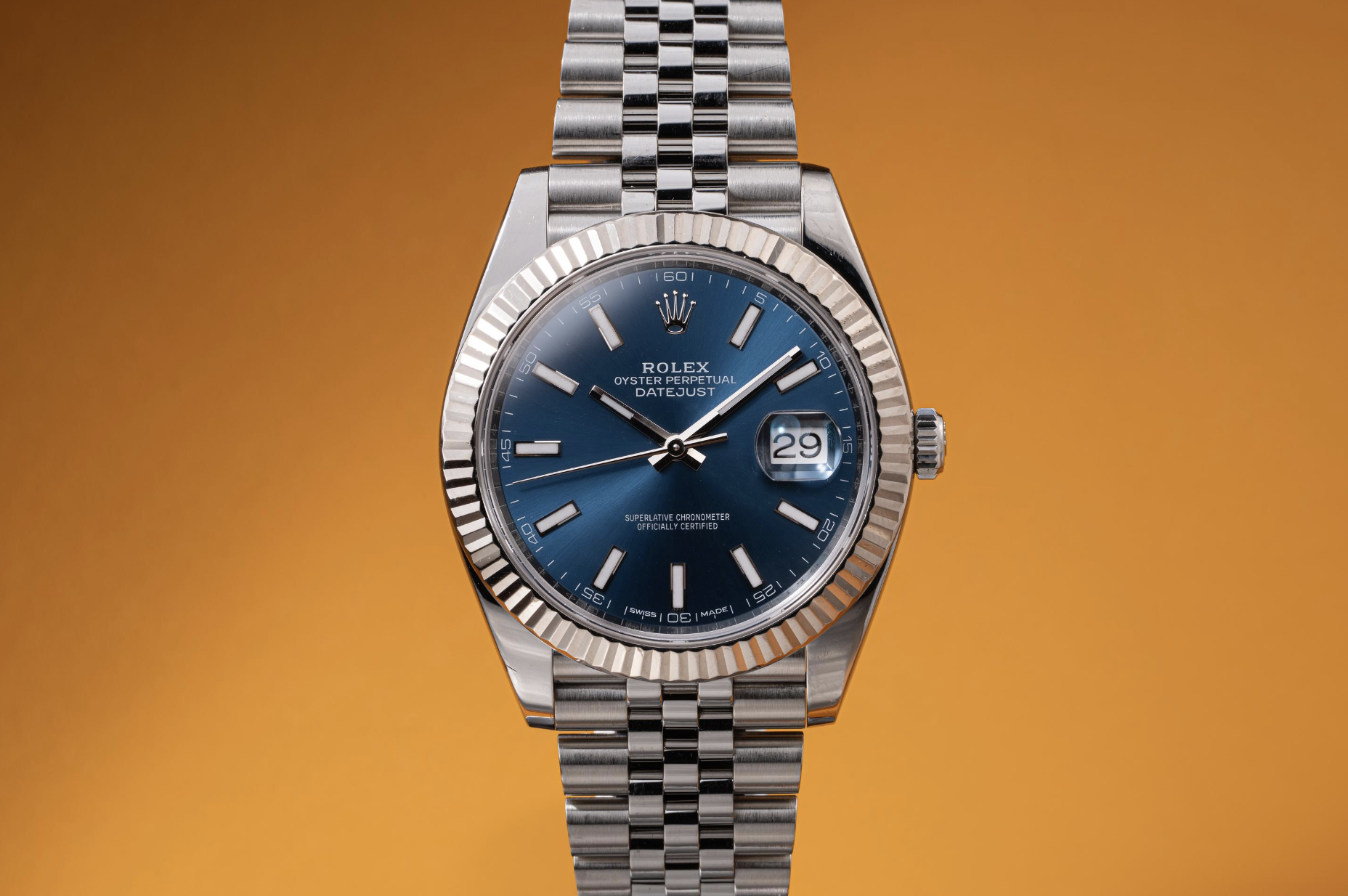
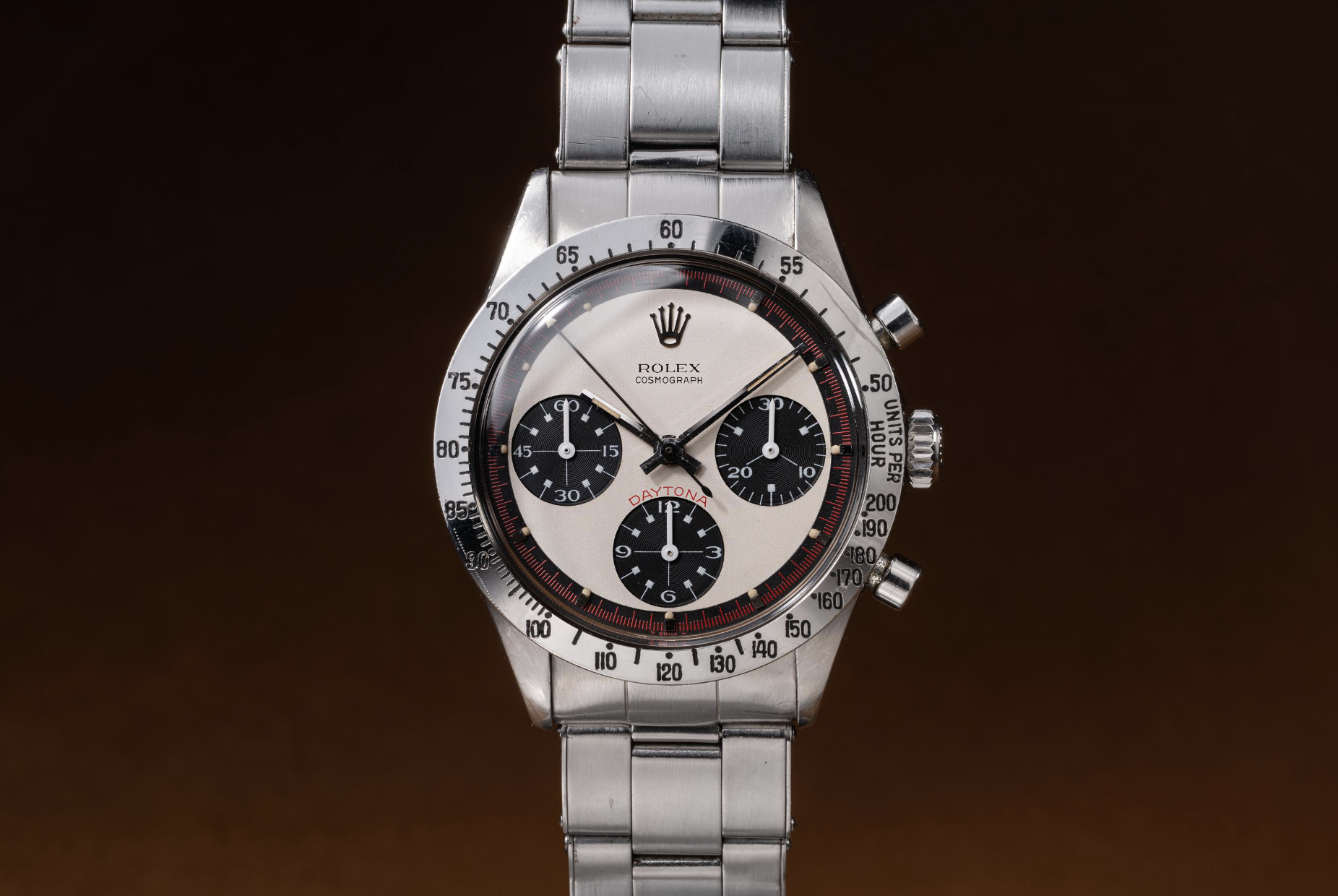
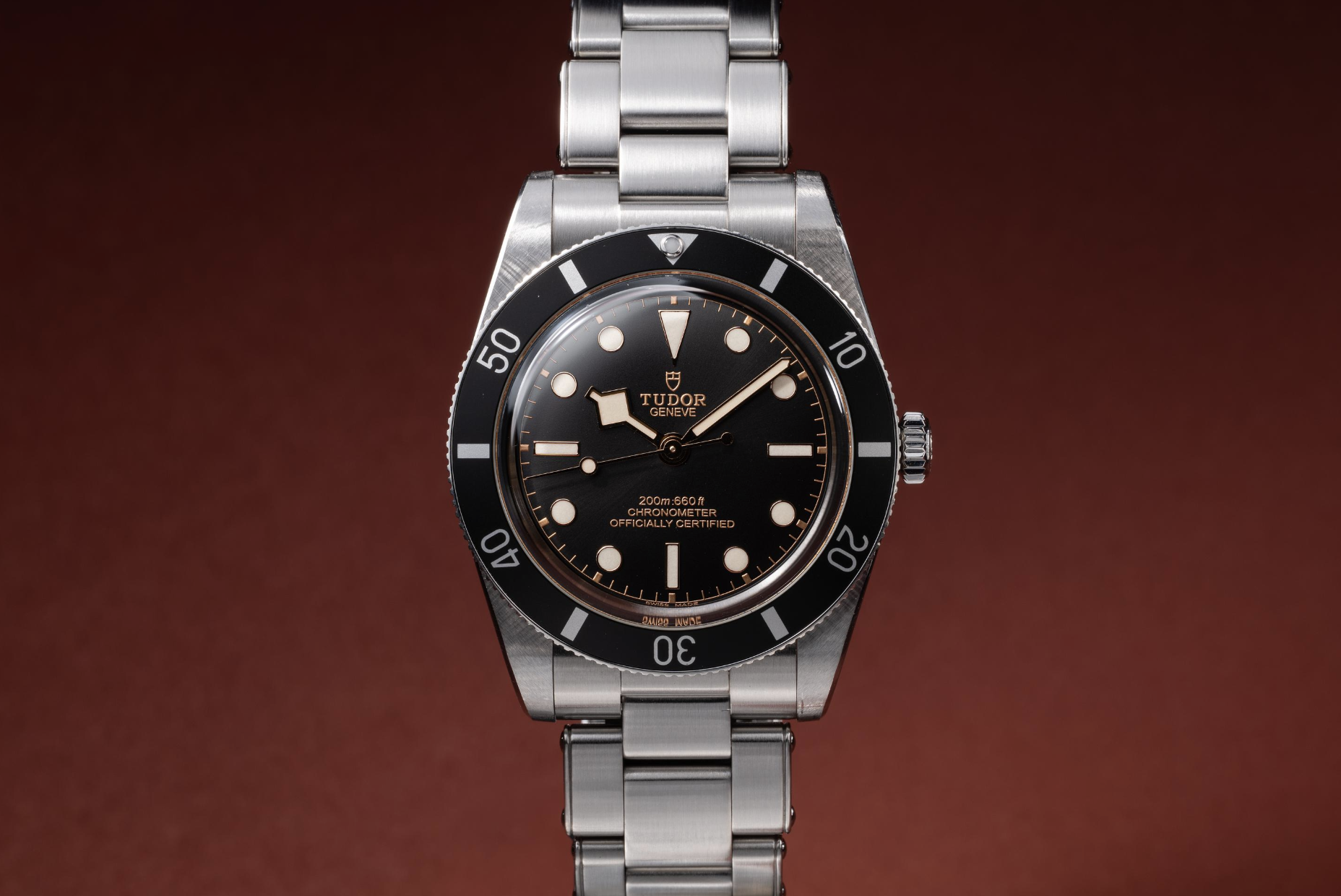




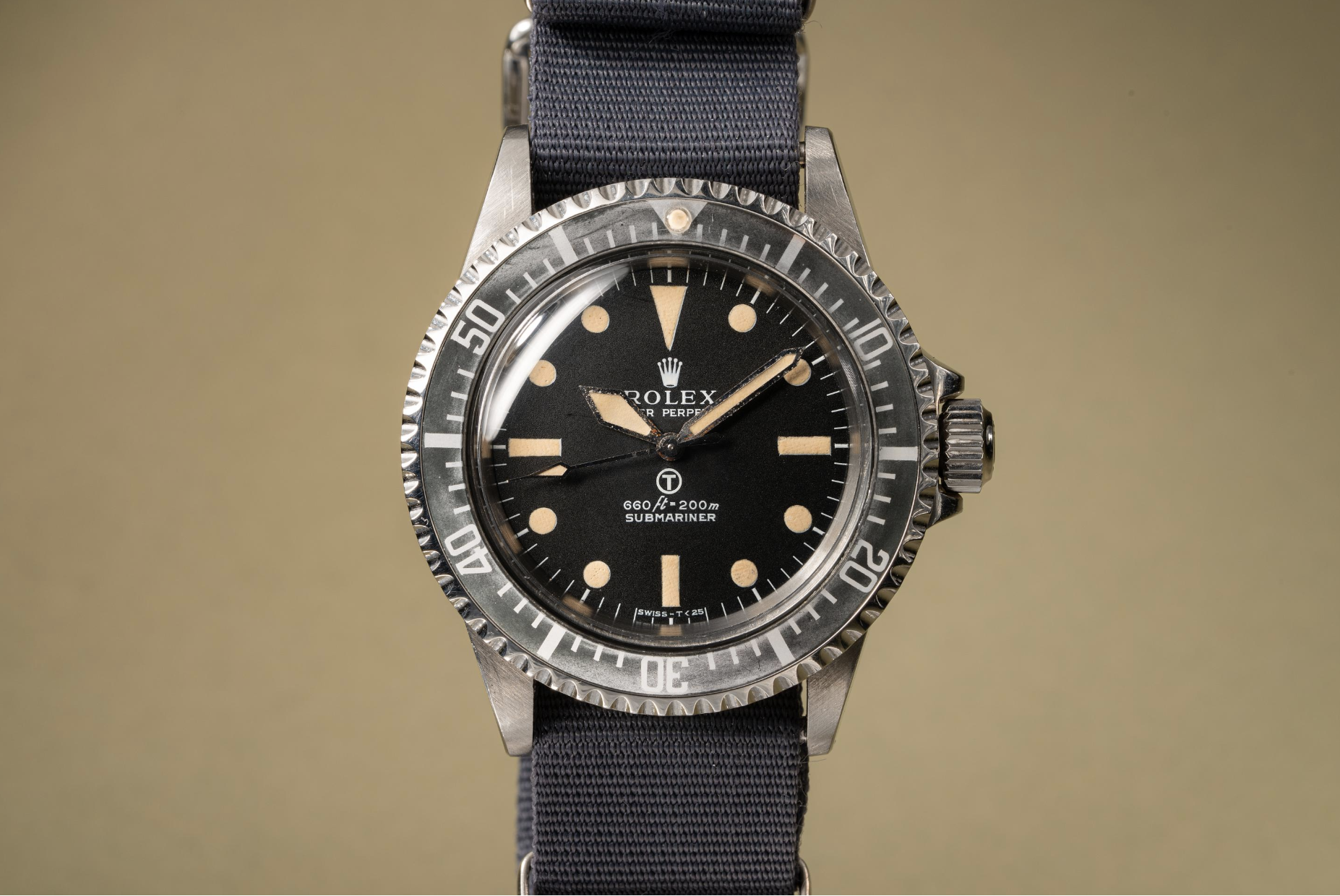
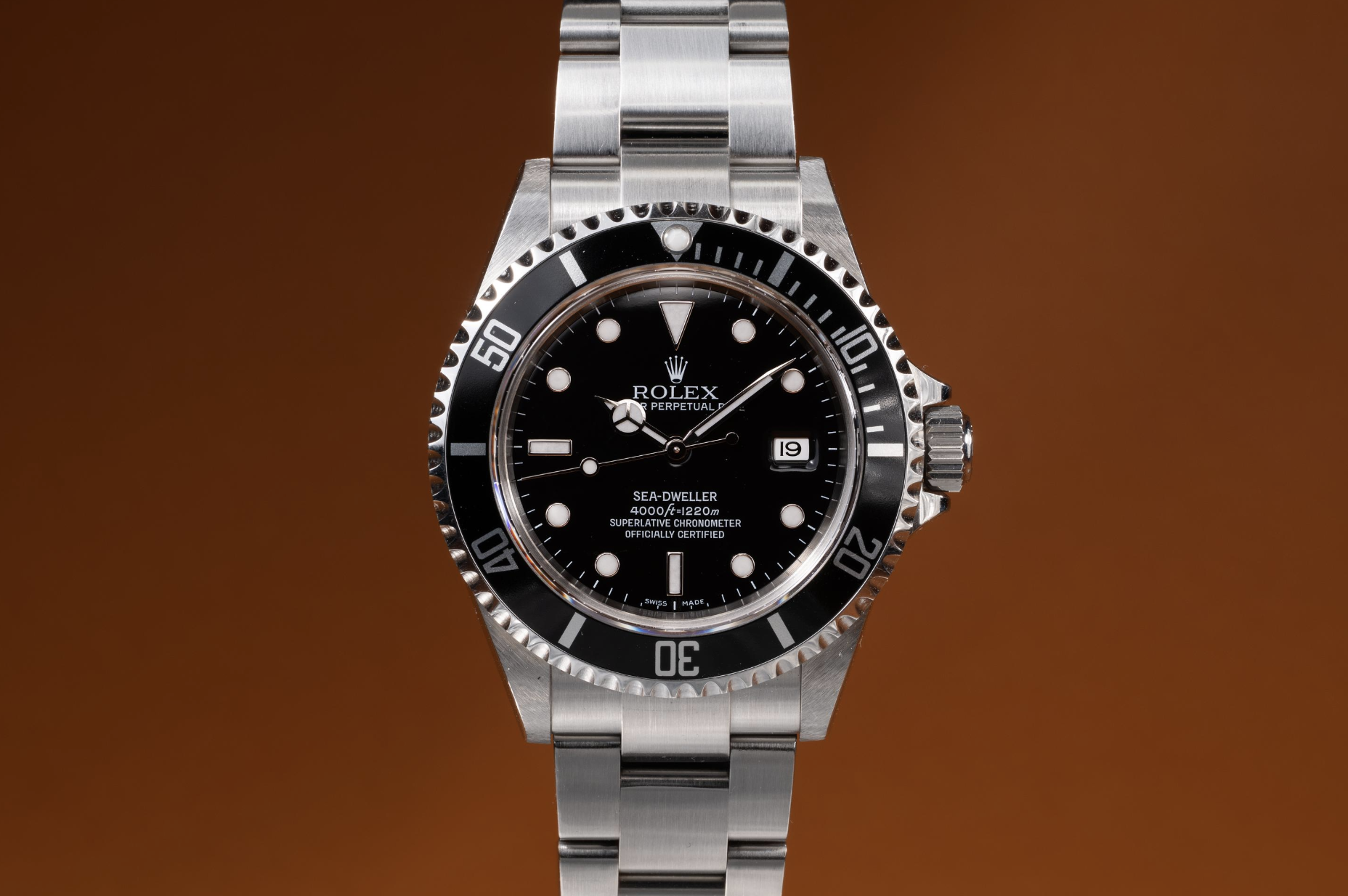
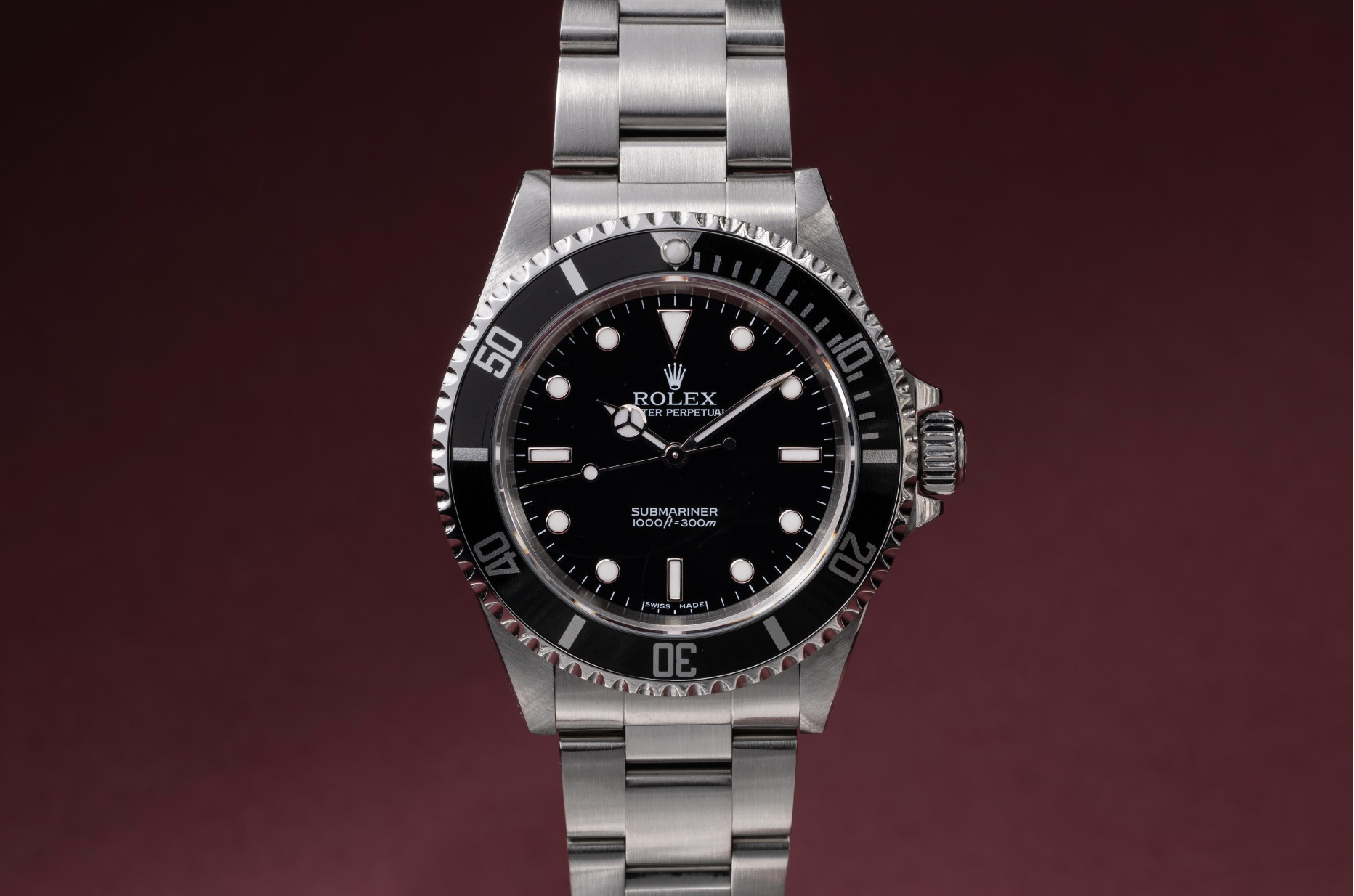
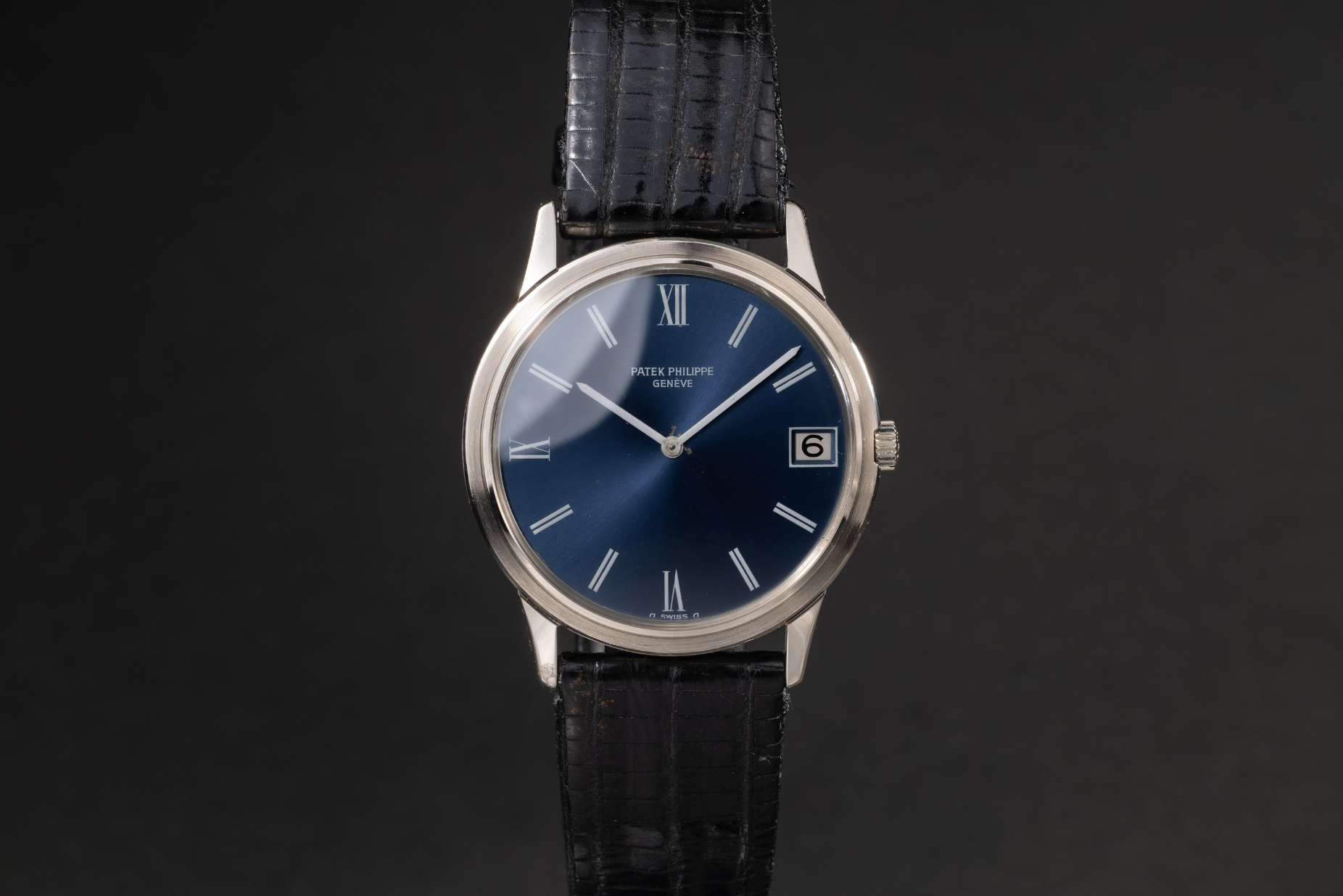
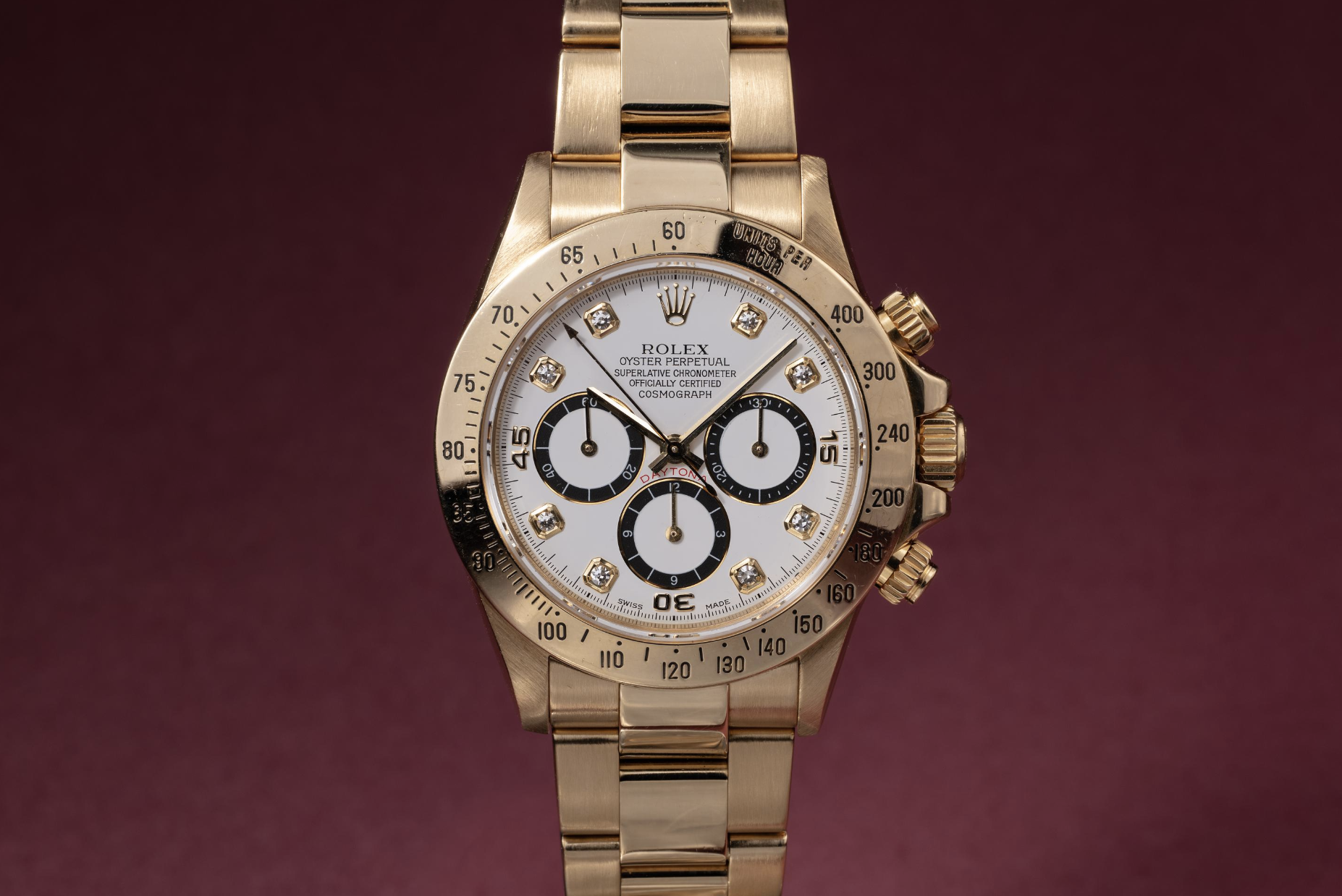


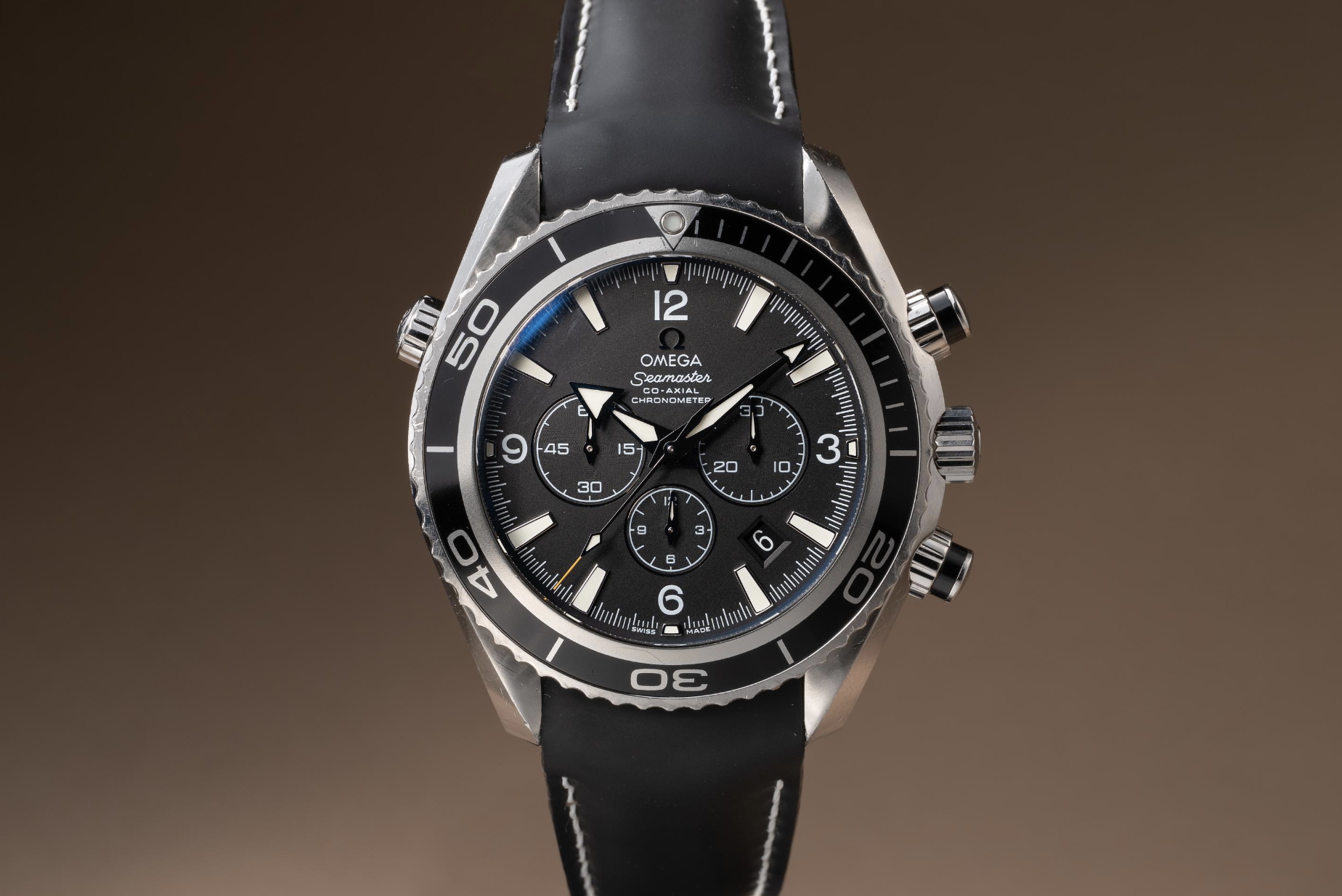

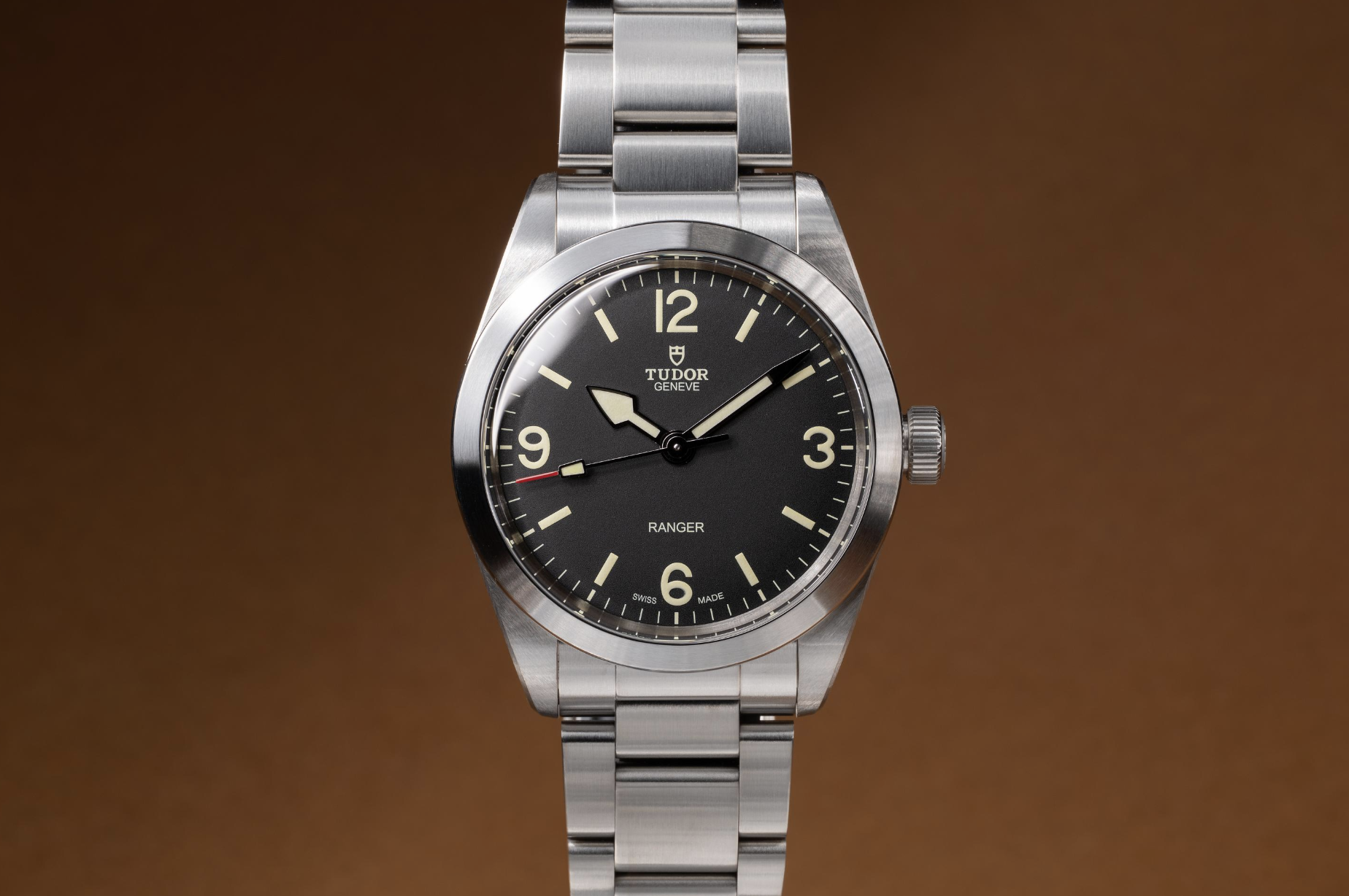
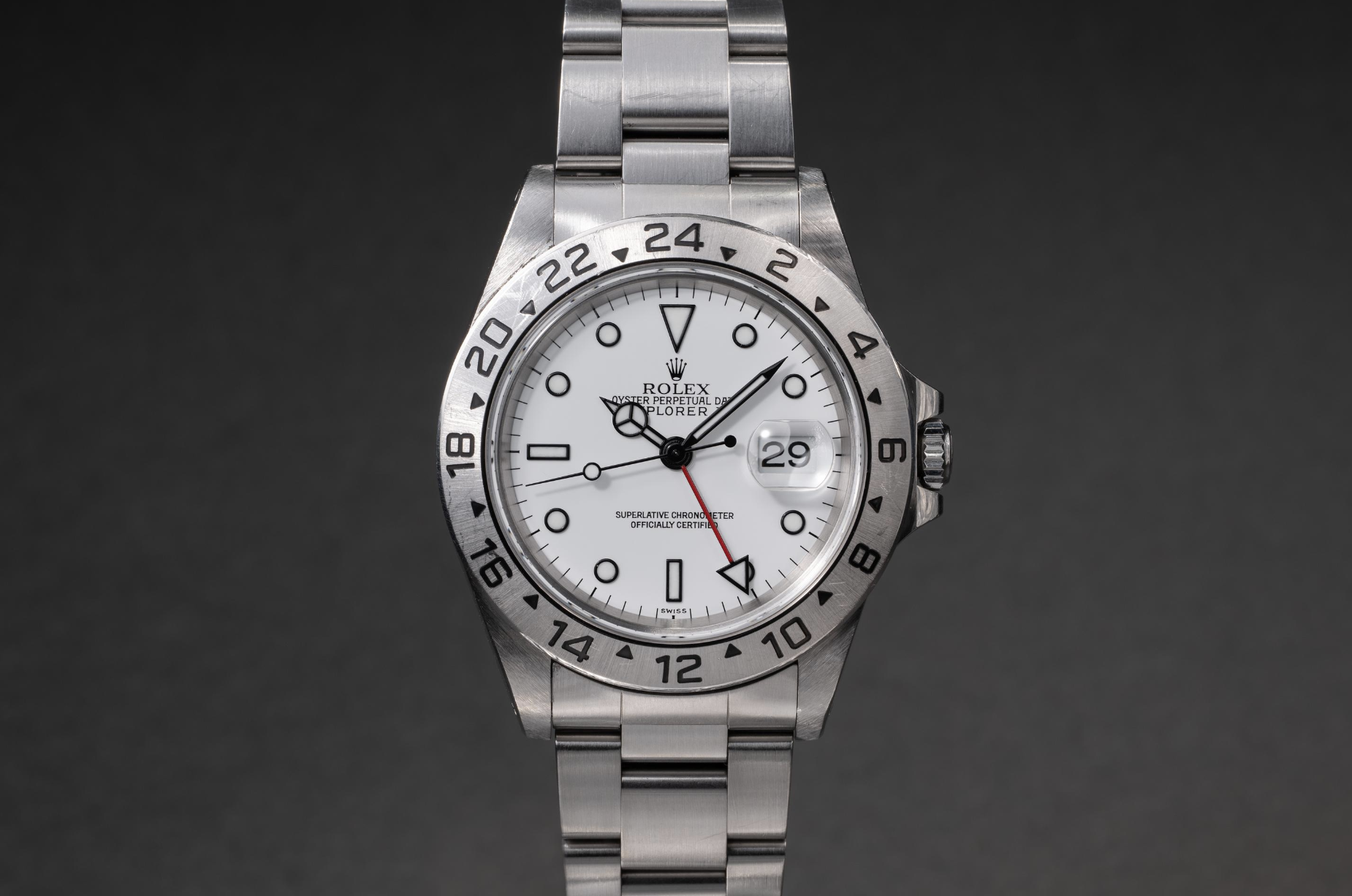


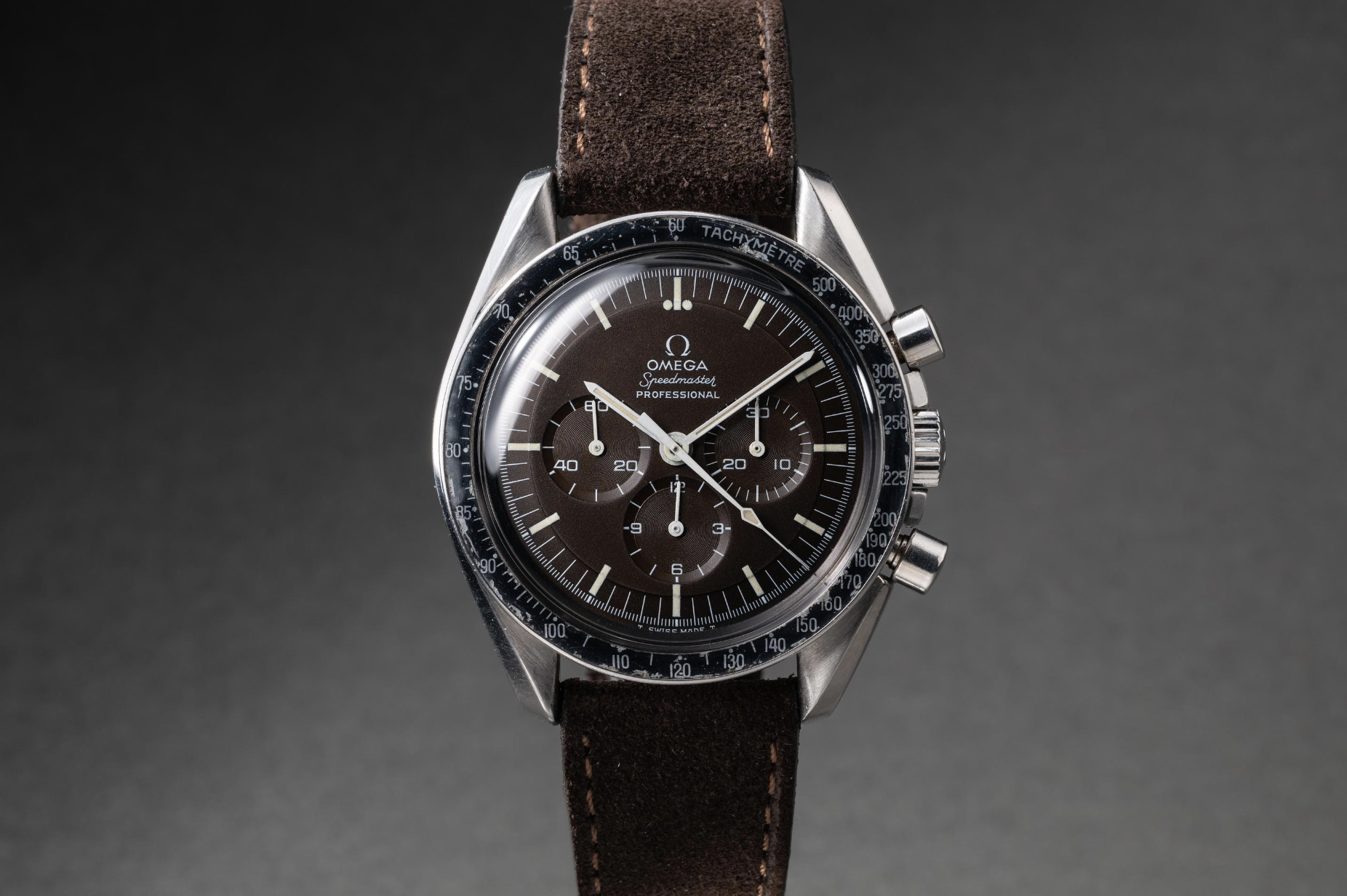


Table of Contents
Get More from the Journal