Rolex Serial Numbers: Date & Authenticate Your Watch
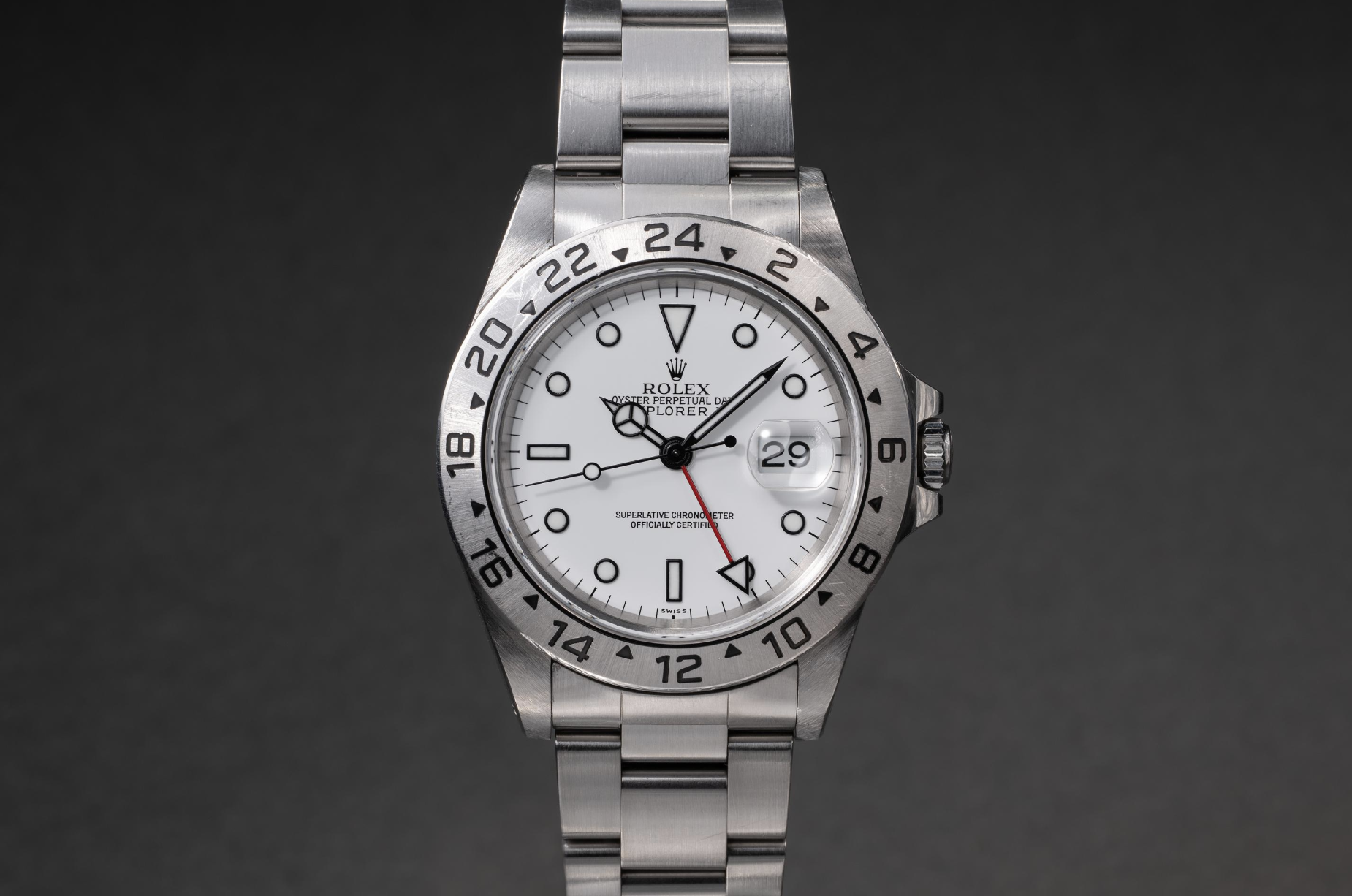
Understanding Rolex Serial Numbers: A Complete Guide to Dating and Authenticating Your Watch
If you have ever held a Rolex in your hands and wondered exactly when it was made, or whether it is the real thing, you are not alone. Rolex serial numbers are one of the most reliable tools available for dating a watch, verifying its authenticity, and understanding its place in horological history. Whether you are buying, selling, or simply curious about the timepiece on your wrist, knowing how to read and interpret these numbers is genuinely useful. This guide walks through everything you need to know, from where the numbers are located to what each sequence actually tells you.
What Is a Rolex Serial Number and Why Does It Matter
A Rolex serial number is a unique identifier assigned to each watch produced by the brand. It is not just a production code. It functions as a timestamp, a verification tool, and a key piece of provenance for any serious collector or buyer. When you are considering a pre-owned or vintage Rolex, the serial number can tell you roughly when the watch was manufactured, help confirm whether the case and movement belong together, and provide a basis for checking against stolen watch databases. For collectors focused on vintage references, the serial number is often the first thing examined because it anchors the watch to a specific era of production. A mismatched or suspicious serial number is one of the clearest red flags in authenticating a Rolex.
Where to Find the Serial Number on a Rolex Watch
The location of the serial number has changed over the decades, which is itself a useful detail to know. On most vintage Rolex watches produced before 2005, the serial number is engraved between the lugs at the 6 o'clock position on the case, meaning the lower end of the case where the bracelet attaches. To see it clearly, the bracelet usually needs to be removed or pulled back. Starting around 2005, Rolex began engraving the serial number on the inner bezel ring, visible when the crystal is removed or sometimes seen faintly through the crystal itself. For watches produced after approximately 2008 onward, Rolex moved the serial number to the rehaut, which is the raised inner ring of the dial. This makes it visible without disassembly. Understanding where to look based on the approximate age of the watch saves time and prevents unnecessary handling.
How Rolex Serial Numbers Are Formatted
Rolex serial numbers are purely numeric for most of the brand's history. Early watches from the 1920s and 1930s have relatively short numbers, sometimes just four or five digits. As production scaled through the mid-twentieth century, serial numbers grew longer and more structured. By the 1950s, six-digit serials were common. From the 1980s onward, Rolex began transitioning to letter-prefix serial numbers, combining a single letter with a series of digits. This letter-based system continued through the early 2000s before Rolex moved to a randomized serial number system starting around 2010. That shift was a deliberate anti-counterfeiting measure, making it significantly harder to predict or fabricate a plausible serial number. The randomized format still uses a combination of letters and numbers but without a consistent chronological pattern.
Decoding Rolex Serial Numbers by Era
Dating a Rolex by its serial number is straightforward once you understand the general production ranges. Keep in mind that these are approximate manufacturing dates, not necessarily the year a watch was sold, since unsold inventory could sit for a year or more before reaching a buyer.
- 100000 to 999999 covers roughly 1926 through the early 1950s
- 1000000 to 1999999 spans approximately 1952 to 1959
- 2000000 to 2999999 falls within the early 1960s
- 3000000 to 3999999 covers the mid to late 1960s
- 4000000 to 4999999 spans the early 1970s
- 5000000 to 5999999 covers the mid 1970s
- 6000000 to 6999999 falls within the late 1970s to early 1980s
- Letter prefix R through the alphabet covers 1987 through approximately 2010
- Randomized format begins around 2010 and continues through the present
The Letter Prefix System Explained
When Rolex introduced letter prefixes in 1987, they used a single letter followed by six digits. The letters progressed in approximate alphabetical order, though not every letter in the alphabet was used. For example, R prefix watches date to around 1987 to 1988, L prefix to around 1988 to 1989, E prefix to around 1990 to 1991, and so on. Certain letters were skipped entirely to avoid visual confusion. This system remained in use until Rolex transitioned to a fully randomized approach. Collectors who specialize in references from this period, such as the Submariner 16610 or the Daytona 16520, rely heavily on letter prefix knowledge to place a watch within a specific production window and match it against known dial and bracelet configurations from that time.
Serial Numbers and Watch Authentication
One of the most practical uses of a Rolex serial number is authentication. Counterfeiters have become increasingly sophisticated, but serial numbers remain a meaningful checkpoint in the verification process. A genuine Rolex serial number engraving is sharp, deeply struck, and fine in detail. Fakes often show soft edges, shallow depth, or uneven spacing. The font used by Rolex is also distinctive and consistent across legitimate examples. Cross-referencing the serial number with the reference number, which is found at the 12 o'clock position between the lugs on older watches, helps confirm that the case, movement, and dial are from the same period and consistent with each other. If those numbers tell conflicting stories about when a watch was made, that is worth investigating further.
Using Serial Numbers in the Pre-Owned Market
For anyone navigating the secondary market for Rolex watches, serial numbers are essential research tools. Before committing to a purchase, running the serial number through available resources and cross-referencing it with known production data for the specific reference is a basic due diligence step. It is also worth checking whether the serial number appears on any database of stolen or missing watches. Original documentation such as warranty cards, which include the serial number, significantly adds to the collectibility and value of a vintage piece. A matching card and case number is considered a strong provenance point among collectors, particularly for references from the 1950s through the 1980s where paperwork survival rates are lower.
Why Vintage Rolex Serial Numbers Carry Extra Significance
In the vintage collector world, serial numbers are more than just a dating tool. They help establish whether a watch is what is known as a "tropical" example, referring to dials that developed a distinctive brown or chocolate patina over decades in warm climates. Pairing a known serial date with a dial's aging characteristics can support or raise questions about authenticity. Certain serial ranges also correspond to transitional production periods where dial fonts, chapter rings, or case finishing changed. A 4-digit serial from the late 1920s on a Bubbleback, for instance, carries completely different context than a Y prefix serial from the mid-2000s. Knowing the difference makes a real impact on what a watch is worth and why.
Why Tropical Watch Is the Right Source for Vintage Rolex
When it comes to buying vintage Rolex watches with confidence, provenance and expertise matter enormously. That is exactly where Tropical Watch stands apart. Specializing in rare and collectible timepieces, Tropical Watch brings deep knowledge of Rolex serial numbers, production history, and dial authentication to every watch offered. If you are searching for a vintage Rolex watch with verified serial numbers and documented provenance, working with a trusted source that understands what those numbers actually mean is not optional, it is essential. Every detail, from the depth of the serial engraving to the consistency of the reference number with known production data, is part of how Tropical Watch evaluates and presents each piece to its buyers. Whether you are a first-time collector or an experienced enthusiast adding to a curated collection, that level of attention is exactly what the vintage Rolex market demands.
Frequently Asked Questions About Rolex Serial Numbers
Can a Rolex serial number tell me the exact date my watch was made?
Not to the exact date, but it can narrow the manufacturing window to an approximate one to two year range based on known production data. Rolex produces watches in large batches and does not publicly release precise per-unit production records, so serial number dating is always an estimate based on documented ranges.
Where is the serial number on a modern Rolex?
On Rolex watches produced after approximately 2008, the serial number is engraved on the rehaut, which is the inner ring of the dial visible between the dial edge and the crystal. Earlier models have the serial number between the lugs at the 6 o'clock position or on the inner bezel ring.
What does a randomized Rolex serial number mean?
Starting around 2010, Rolex shifted to a randomized serial number system as an anti-counterfeiting measure. These serials do not follow a predictable chronological sequence, making it significantly harder to fabricate a plausible number for a fake watch.
How do I verify that a Rolex serial number is genuine?
Examine the engraving quality closely. Genuine Rolex engravings are precise, deeply struck, and consistent in font. Cross-reference the serial number with the reference number to ensure both are consistent with the same production period. Consulting an authorized dealer or qualified watchmaker for hands-on inspection is always recommended.
Does a mismatched serial and reference number mean a watch is fake?
Not necessarily fake, but it does warrant closer inspection. A mismatch can indicate a replaced case, a movement swap, or a watch assembled from mismatched parts. It may still be a genuine Rolex but one that has been altered, which affects its collectibility and value significantly.
Do Rolex serial numbers appear in the warranty card?
Yes. Original warranty cards, known as green cards for older vintage examples and now as chronometer certificates, include the serial number and reference number. A matching card and case are considered an important part of a vintage Rolex's documentation and can positively affect its value in the collector market.










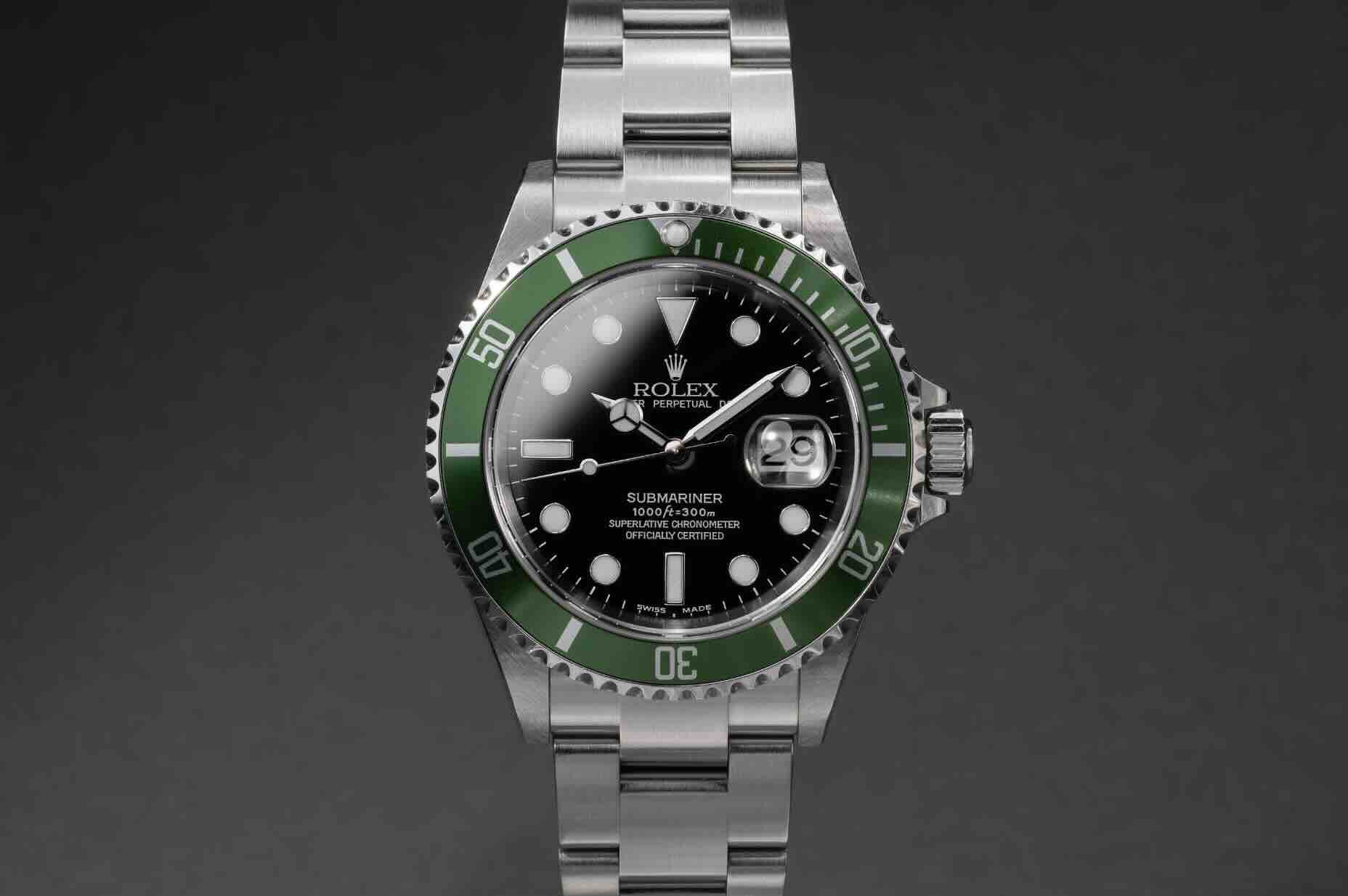


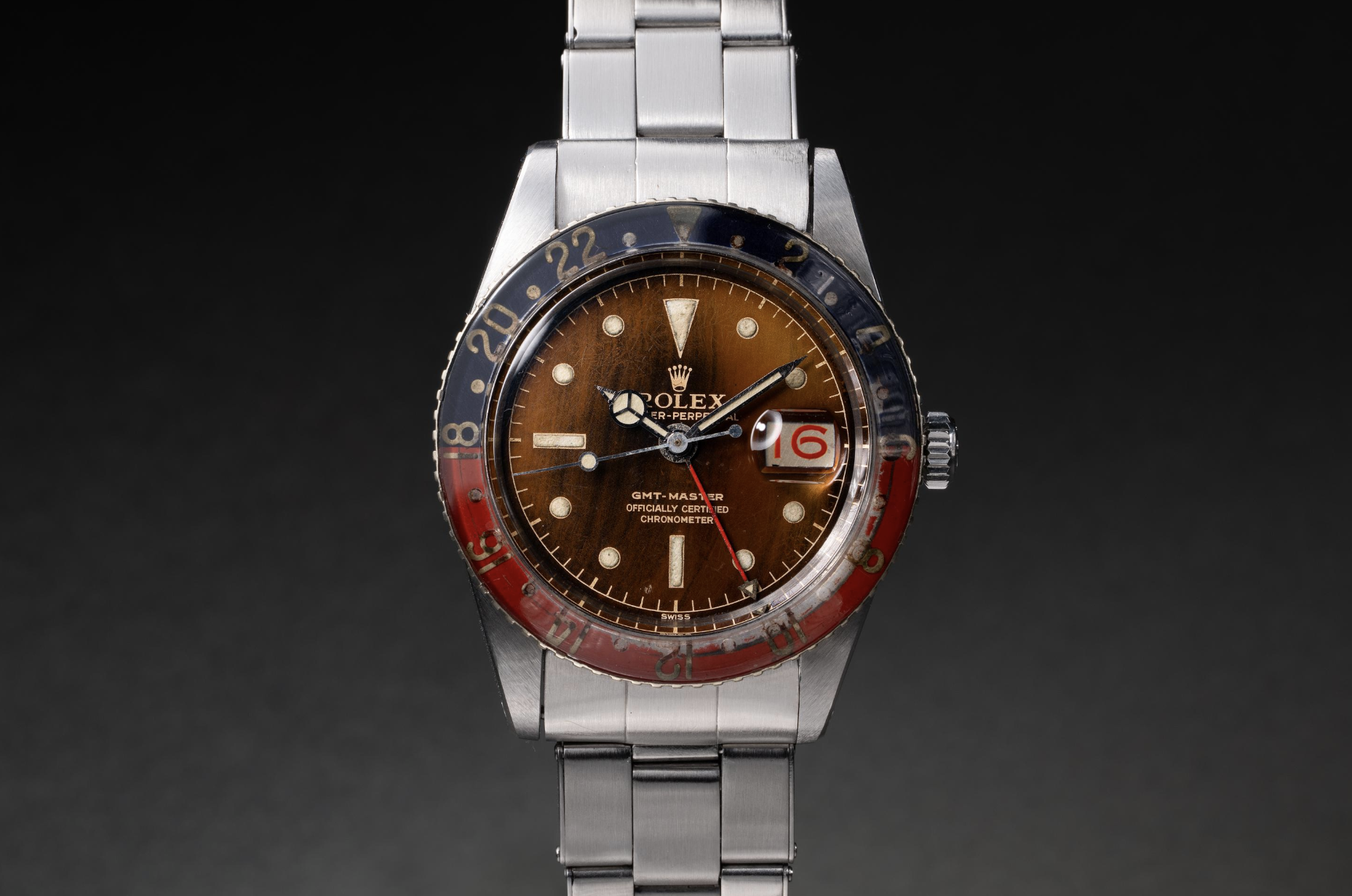









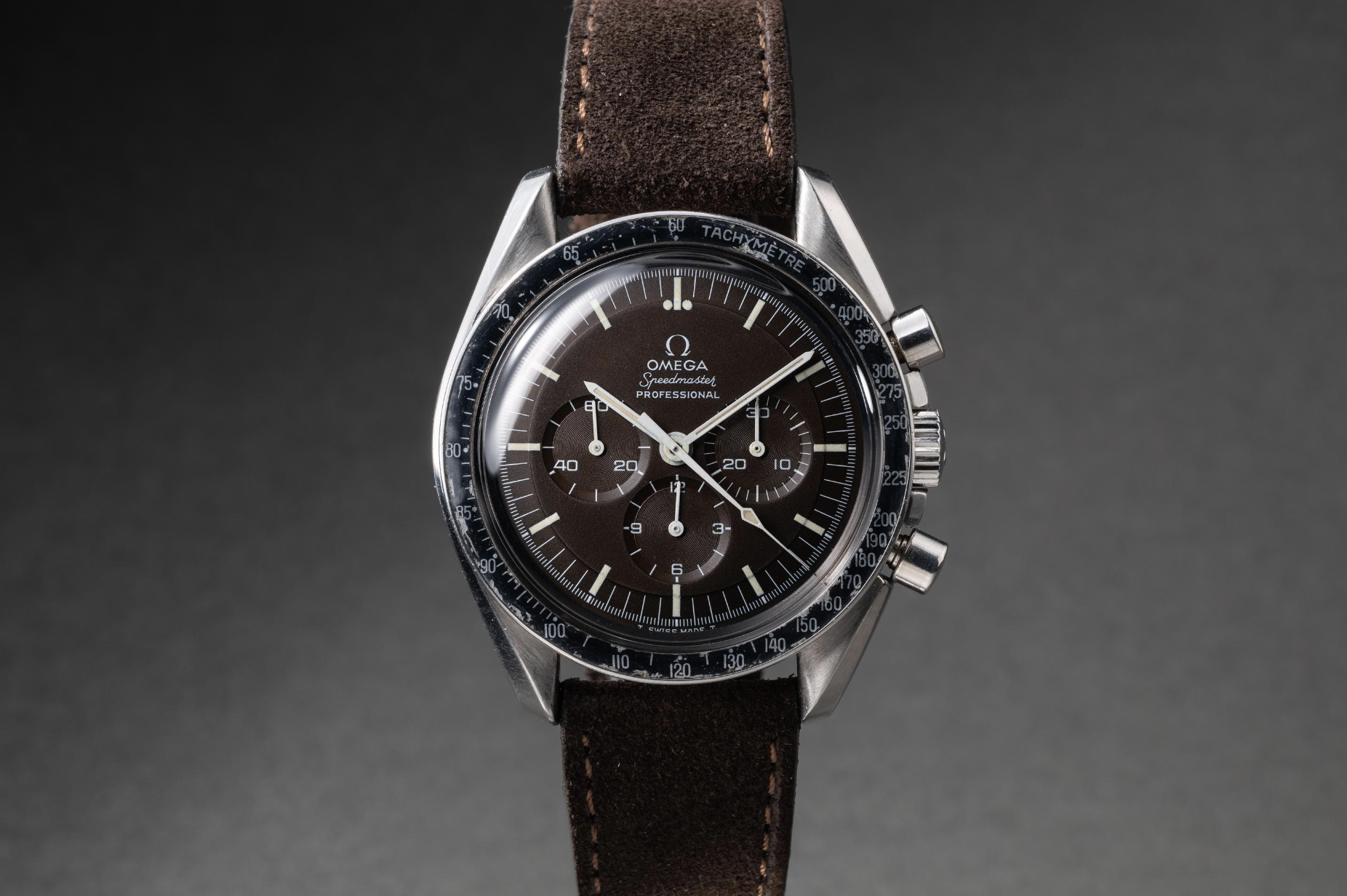




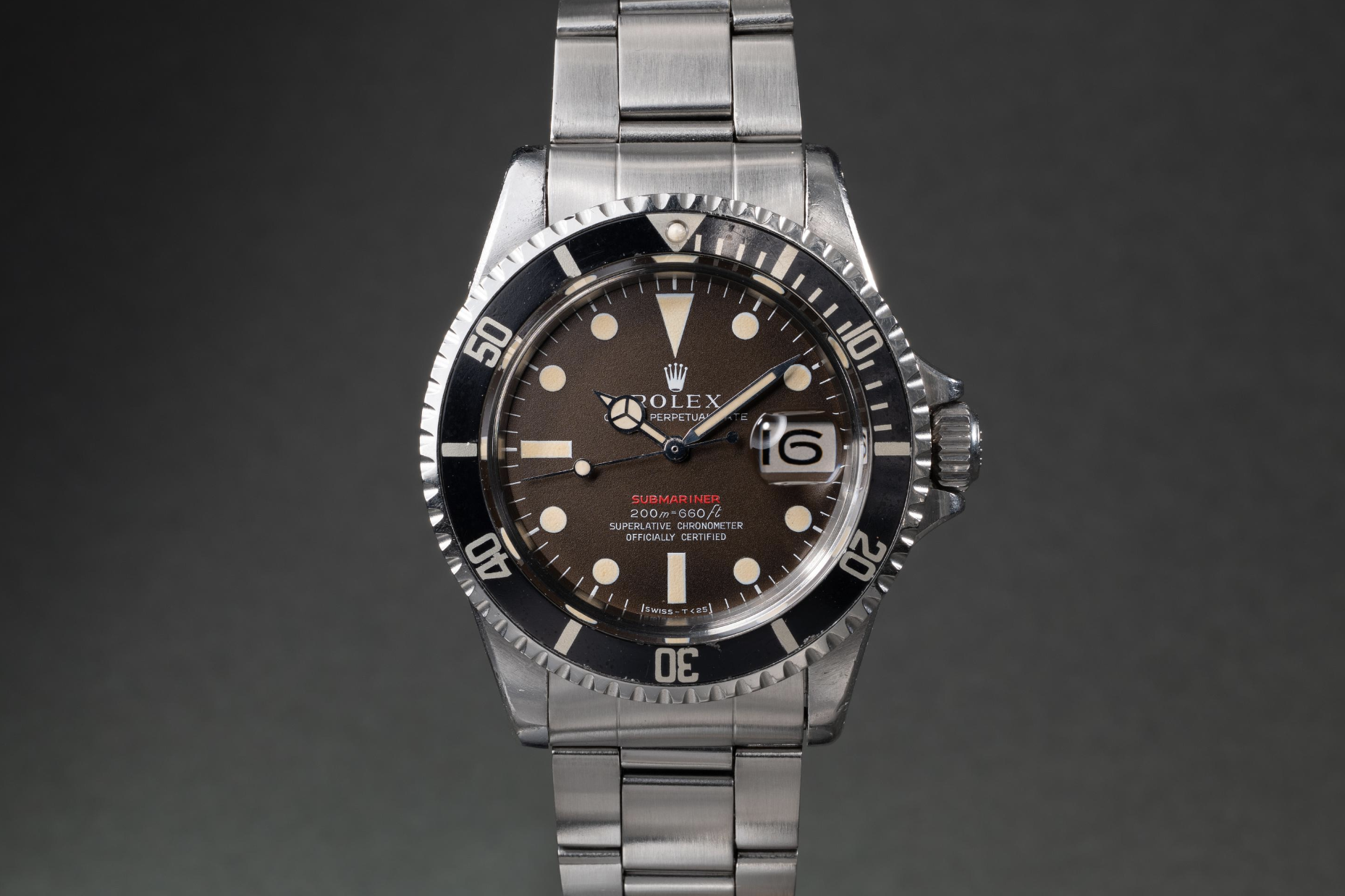








Table of Contents
Get More from the Journal