Learn to Tell Time and Explore Luxury Watch Collecting
Why Learning to Tell Time Starts With Understanding the Watch
There is something quietly profound about the moment a child first understands how to read a clock. That circular face, those moving hands, the numbered dial, it all suddenly clicks into something meaningful. Time becomes real in a way it never quite was before. Now take that foundational experience and apply it to the world of luxury watchmaking, and you begin to see that reading a watch is not just a childhood skill. It is the first step into an entire universe of horological appreciation. Understanding how a watch displays time, and why certain watches display it the way they do, connects directly to what makes a luxury timepiece worth owning in the first place.
The Anatomy of a Clock Face and Why It Still Matters
When children learn to tell time, they typically start with an analog clock. The round face. The short hand for hours. The long hand for minutes. Sometimes a sweeping seconds hand. These are not arbitrary design choices. They trace directly back to centuries of mechanical innovation. The circular clock face became the standard format in the 15th century as clockmakers in Europe developed portable mechanical movements. The hands move clockwise because early sundials in the Northern Hemisphere cast shadows that moved in that direction across the dial. Every element a child learns today has a historical root. Luxury watch brands understand this deeply, which is why so many of them preserve the traditional dial format even as technology evolves around them.
How Analog Time Reading Connects to Mechanical Watchmaking
Learning to read an analog clock is the entry point to understanding mechanical watchmaking. Analog dials require a person to interpret position, not just read a number. The hour hand at the 3 means it is exactly 3 o'clock. Between the 3 and the 4 means the hour is somewhere in the 3 o'clock range. That interpretive reading is exactly what a luxury mechanical watch demands of its wearer. Unlike a digital display, a mechanical watch shows time as a position in space. This is part of why collectors find mechanical watches so compelling. The watch is not just reporting time. It is demonstrating time. That distinction, simple as it sounds, is everything in the world of fine horology.
A Brief History of Timekeeping and the Wristwatch
Timekeeping as a human obsession goes back thousands of years. Sundials appeared in ancient Egypt around 1500 BCE. Water clocks, known as clepsydrae, followed. Mechanical tower clocks emerged in medieval Europe. Pocket watches became fashionable in the 16th century. The wristwatch, which now defines luxury horology, only rose to dominance in the early 20th century. Military necessity during World War I accelerated the shift from pocket to wrist. Soldiers needed to read time quickly without removing a watch from a pocket. By the 1920s, the wristwatch had become the standard. Rolex, founded in 1905 by Hans Wilsdorf, was among the first brands to champion the wristwatch as a serious precision instrument. That commitment to accuracy, durability, and wearability shaped what we now recognize as the modern luxury watch.
What Makes a Luxury Watch Different From a Basic Timekeeper
On the surface, a basic quartz watch and a luxury mechanical timepiece both tell time. But the differences beneath that surface are extraordinary. A luxury mechanical watch contains anywhere from 100 to over 600 individual components, depending on the complication. The movement, which is the engine of the watch, is assembled by hand. Each component is finished with a level of precision measured in microns. The dial itself may be crafted from exotic materials including lacquer, enamel, meteorite, or hand-guilloche textured metal. Complications, which are any functions beyond simple timekeeping, can include perpetual calendars, moon phase displays, chronographs, and minute repeaters. These are not additions made to justify a price. They are technical achievements that reflect generations of accumulated knowledge. When a child learns that the long hand points to minutes, they are learning the starting vocabulary for all of this.
Reading Complications: Beyond Hours and Minutes
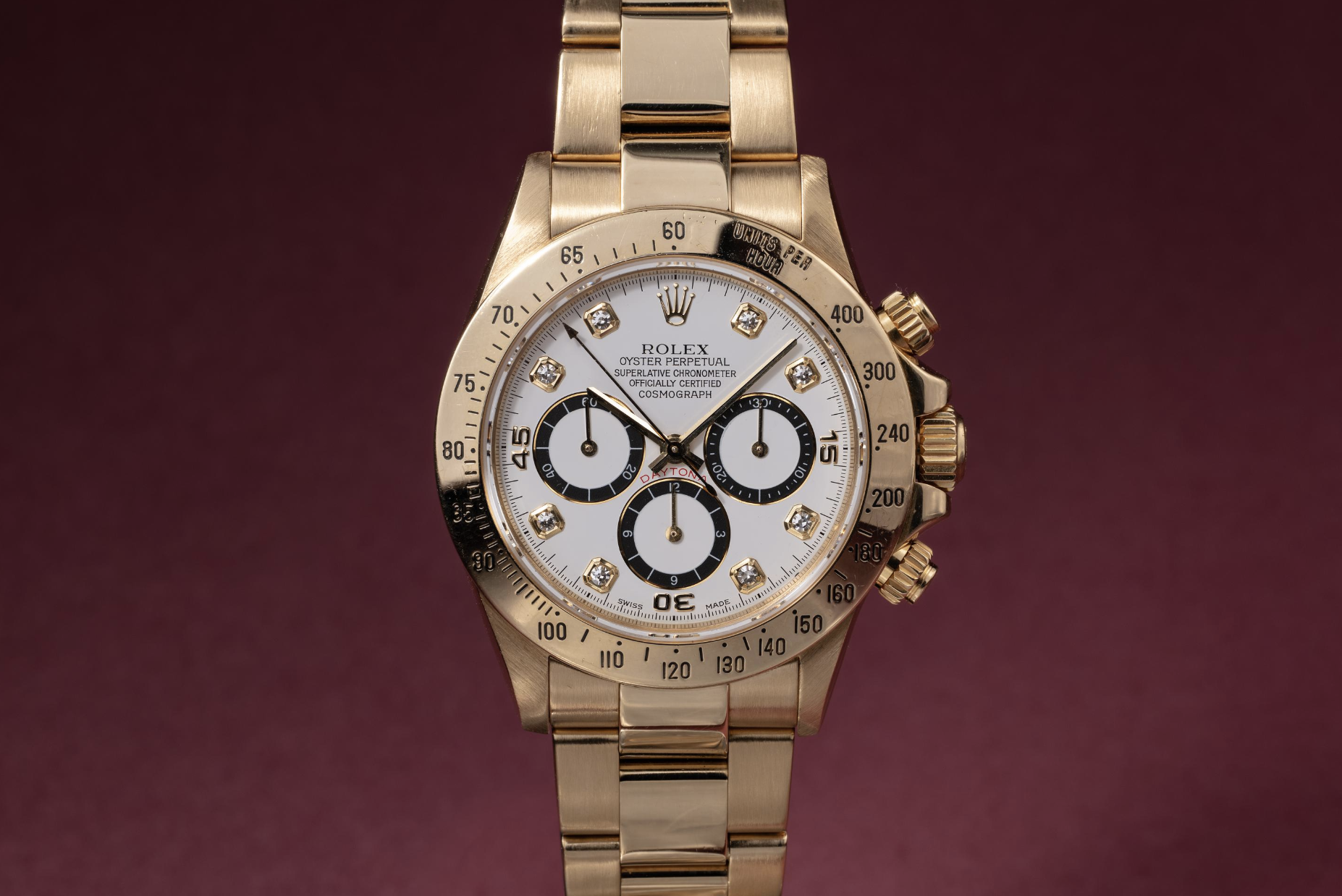
Once the basics of hour and minute reading are in place, the luxury watch world introduces additional layers. Chronographs add pushers on the side of the case and sub-dials on the face that track elapsed time independently of the main timekeeping function. A date window, often found at the 3 o'clock or 6 o'clock position, adds calendar function. GMT complications display a second time zone, critical for travelers and frequently featured in iconic tool watches. Moon phase displays show the lunar cycle through an aperture in the dial, often rendered in extraordinary artistic detail. Each complication adds to the reading experience of the watch. Understanding what each element does and how to read it is part of what makes owning a complex timepiece so satisfying. It rewards attention. It rewards the kind of careful observation that begins the very first time a child works out where the hands are pointing.
Vintage Rolex and the Timeless Dial
Few things in the watch world illustrate the relationship between simplicity and sophistication better than a vintage Rolex dial. Early Rolex dials from the 1950s through the 1970s were designed to be highly legible. Large indices, bold hands with luminous fill, and clean layouts made reading the time effortless. Yet the same dials that prioritized legibility also developed extraordinary character over time. Patina on the lume plots. Tropical dials, a term collectors use to describe dials that changed color through aging to a warm brown or chocolate hue, became among the most coveted in the vintage market. A reference like the Rolex 1680 Submariner or the 5513 tells time the same way any clock does. But the history embedded in the dial, the way light catches aged lacquer, turns that simple act of reading time into something closer to an experience.
Teaching Time Through a Watch: Tips for Parents and Educators
If you are helping a child learn to tell time, using a real analog watch rather than a digital one makes the process more tactile and intuitive. Here are practical approaches that connect the lesson to the broader world of watches:
- Start with the hour hand only. Cover the minute hand and ask the child to identify the nearest number.
- Introduce the minute hand as counting by fives. Each number on the clock represents five minutes.
- Use a transparent or open-faced clock model so the child can see the gears or mechanism beneath the dial.
- Point out real watches on family members or in photographs and let the child practice reading them.
- Visit a watch retailer or museum exhibit to see movements in motion. The connection between mechanism and display makes time reading more meaningful.
These steps not only build a foundational skill, they plant the seed for a lifelong appreciation of craft and precision. Many collectors trace their love of watches back to a formative experience with a clock or watch that made time feel tangible and real.
Why Tropical Watch Is the Right Place for Your Luxury Watch Journey
Whether you are just beginning to explore the world of fine timepieces or you have been a collector for years, where you buy matters as much as what you buy. Tropical Watch has built its reputation on sourcing exceptional vintage and pre-owned luxury watches with an emphasis on authenticity, provenance, and condition. For anyone drawn to the intersection of horological history and investment-grade collecting, their inventory of vintage Rolex watches with original tropical dials and rare dial variations represents one of the most carefully curated selections available in the current market. The team at Tropical Watch understands that a watch is not just a time-telling instrument. It is a document of craft, history, and sometimes, personal memory. From the iconic Submariner to the Daytona and everything between, they approach each piece with the same level of care that went into making it. If the story of time, from a child learning to read a clock to a seasoned collector appreciating an aged dial, resonates with you, then Tropical Watch is a name you should know.
Frequently Asked Questions About Learning Time and Luxury Watches
What age should a child start learning to tell time on an analog clock?
Most children begin learning to read analog clocks between ages 6 and 8. By around second grade, many children can read both hours and minutes on a standard clock face. Starting with whole hours before introducing minutes makes the process more manageable and builds confidence early.
Why do luxury watches use analog dials instead of digital displays?
Analog dials are central to mechanical watchmaking tradition. They reflect the physical movement of the watch's internal gears and springs directly onto the dial surface. Many luxury brands also believe analog reading requires engagement from the wearer, which is part of the experience they design for. Digital displays are associated with quartz and electronic movements, which operate on entirely different principles.
What is a tropical dial on a vintage Rolex watch?
A tropical dial refers to a vintage Rolex dial that has changed color over decades due to chemical reactions in the original lacquer or printing materials. These dials shift from their original black or dark tone to warm shades of brown, chocolate, or cinnamon. They are highly sought after by collectors because the color change is unique to each watch and cannot be replicated.
What is a watch complication?
A complication is any function on a mechanical watch beyond basic hours and minutes display. Common complications include the date, chronograph, GMT second time zone, moon phase, and annual or perpetual calendar. More complex complications like the tourbillon or minute repeater represent the highest levels of mechanical watchmaking achievement.
How is a mechanical watch different from a quartz watch?
A mechanical watch is powered by a wound spring called the mainspring, which releases energy through a series of gears and escapements to move the hands. A quartz watch is powered by a battery that sends electrical pulses through a quartz crystal to regulate timekeeping. Mechanical watches require more skill to produce and maintain, which is why they are prized in the luxury segment.
Is a vintage Rolex a good investment?
Certain vintage Rolex references have demonstrated strong value appreciation over time, particularly those with desirable dial variations, original components, and documented provenance. However, the watch market can fluctuate and individual results vary. Collecting should be driven first by genuine appreciation for the timepiece, with investment potential considered as a secondary factor rather than the primary motivation.


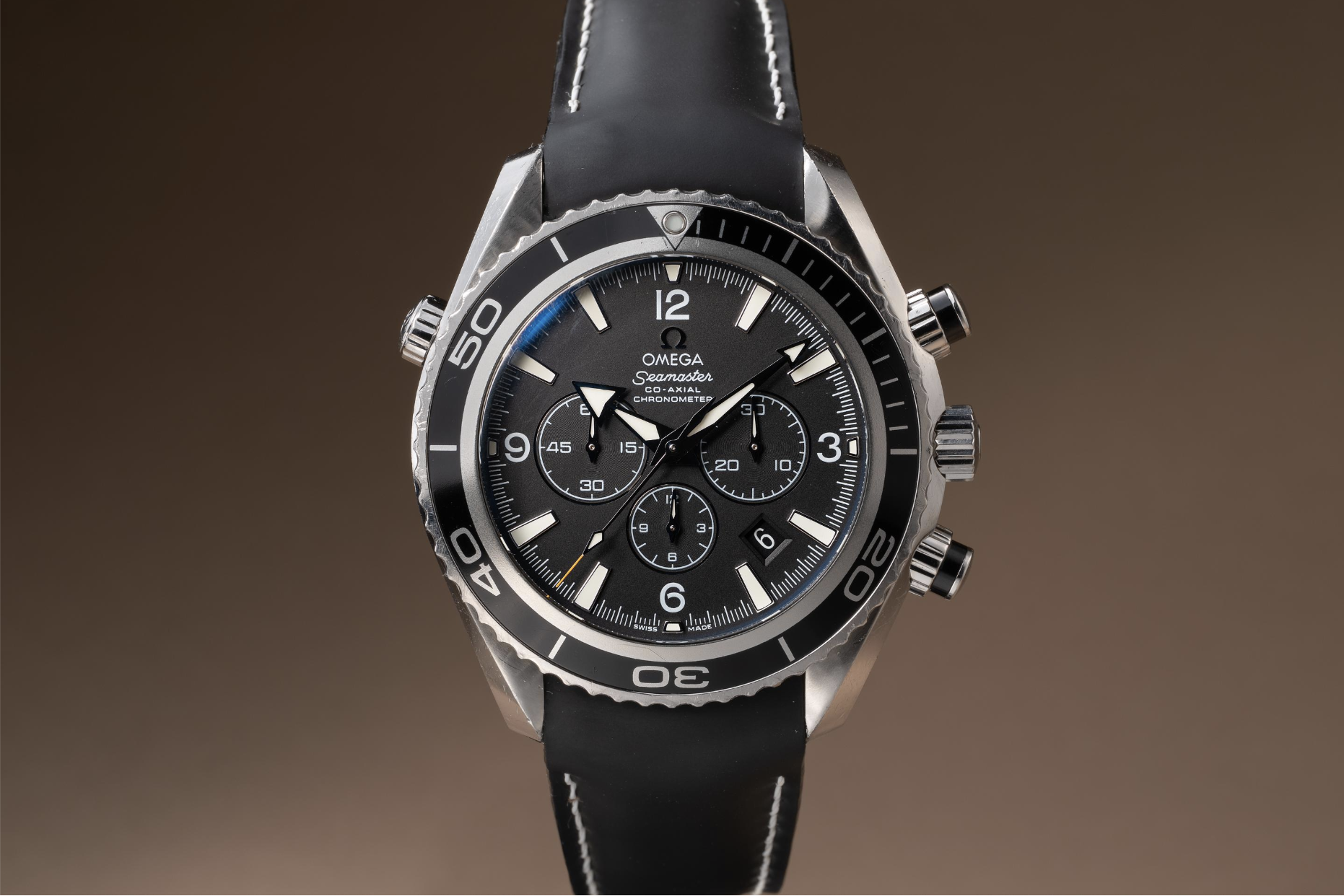

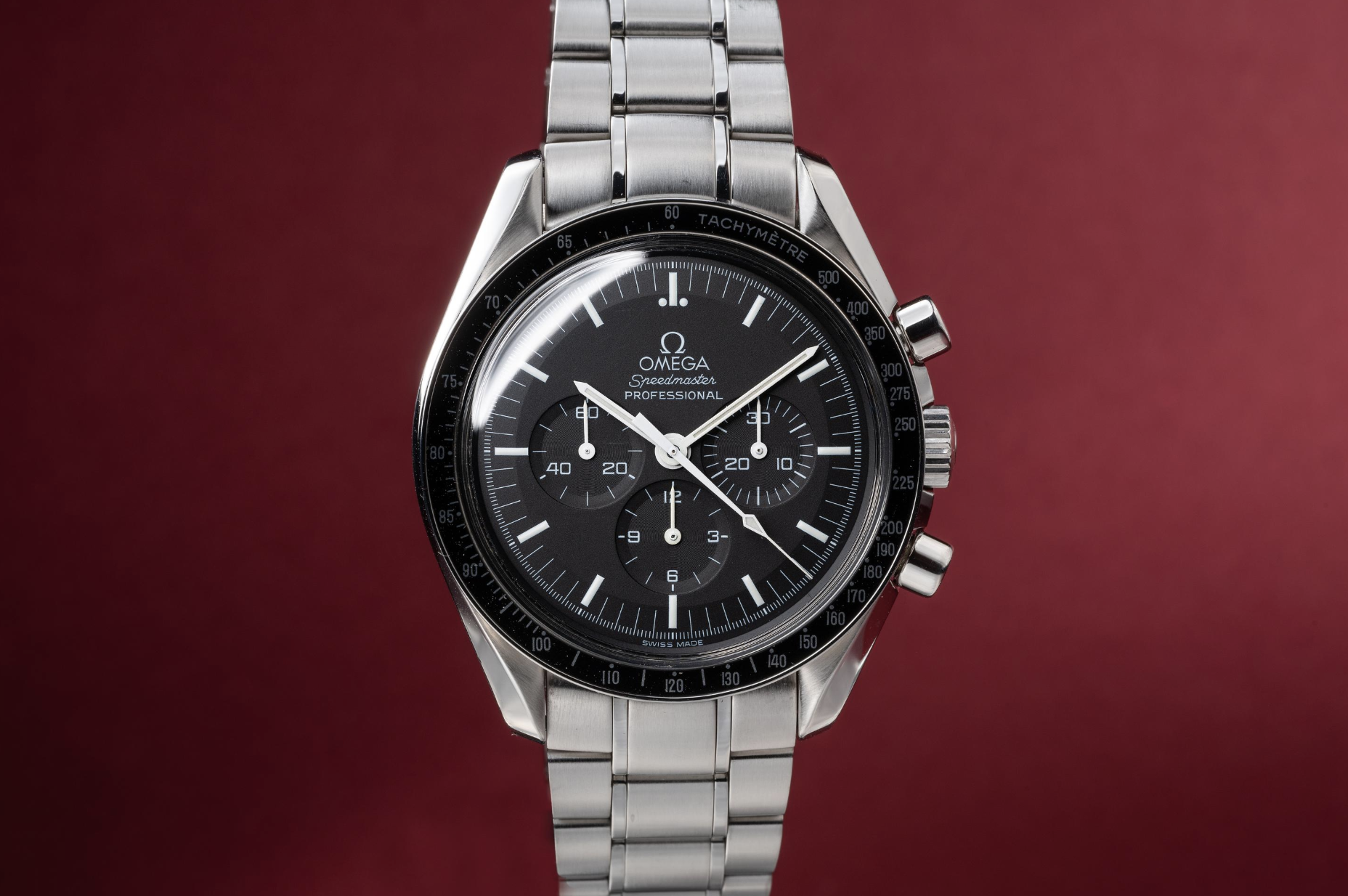


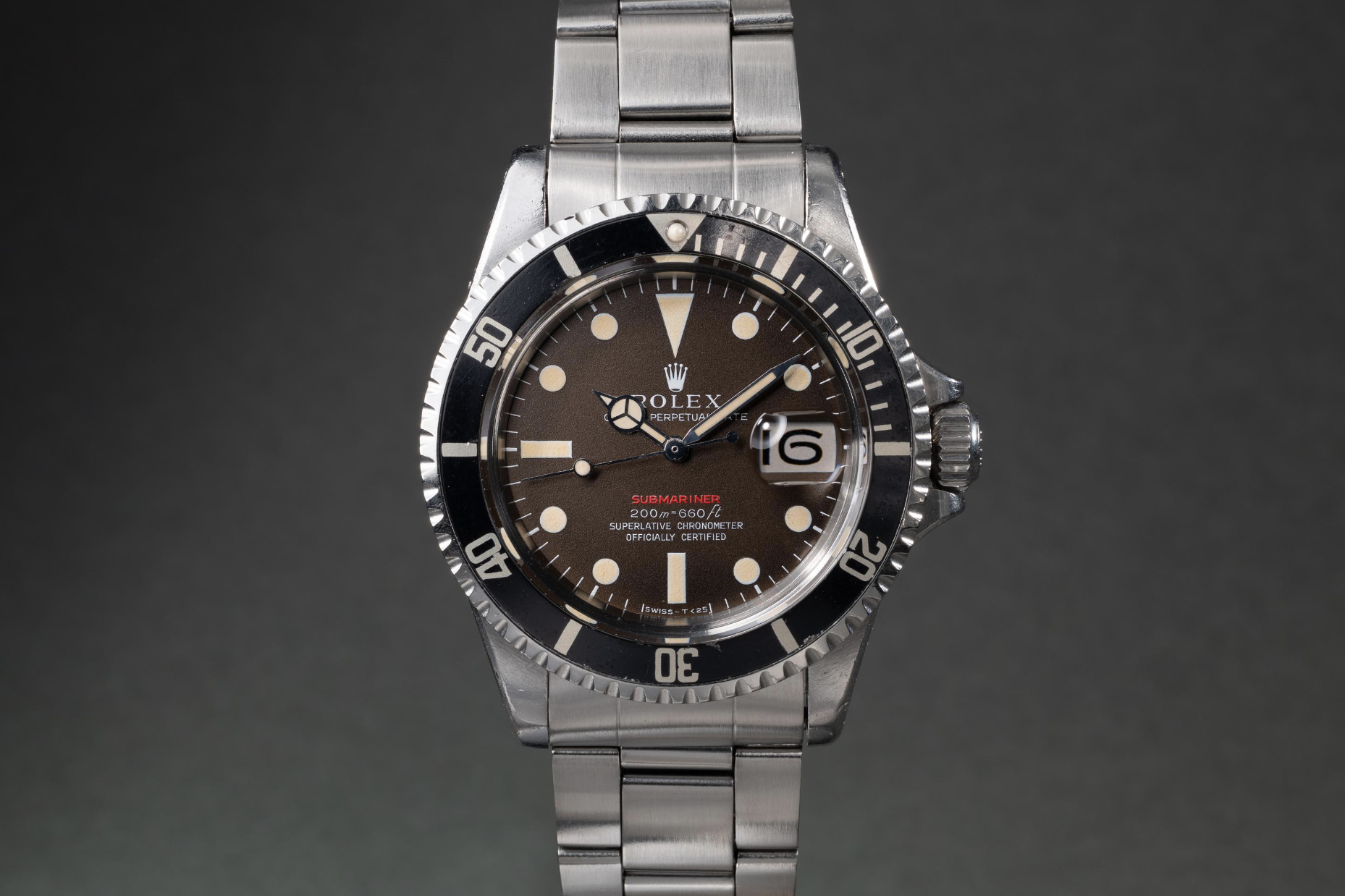


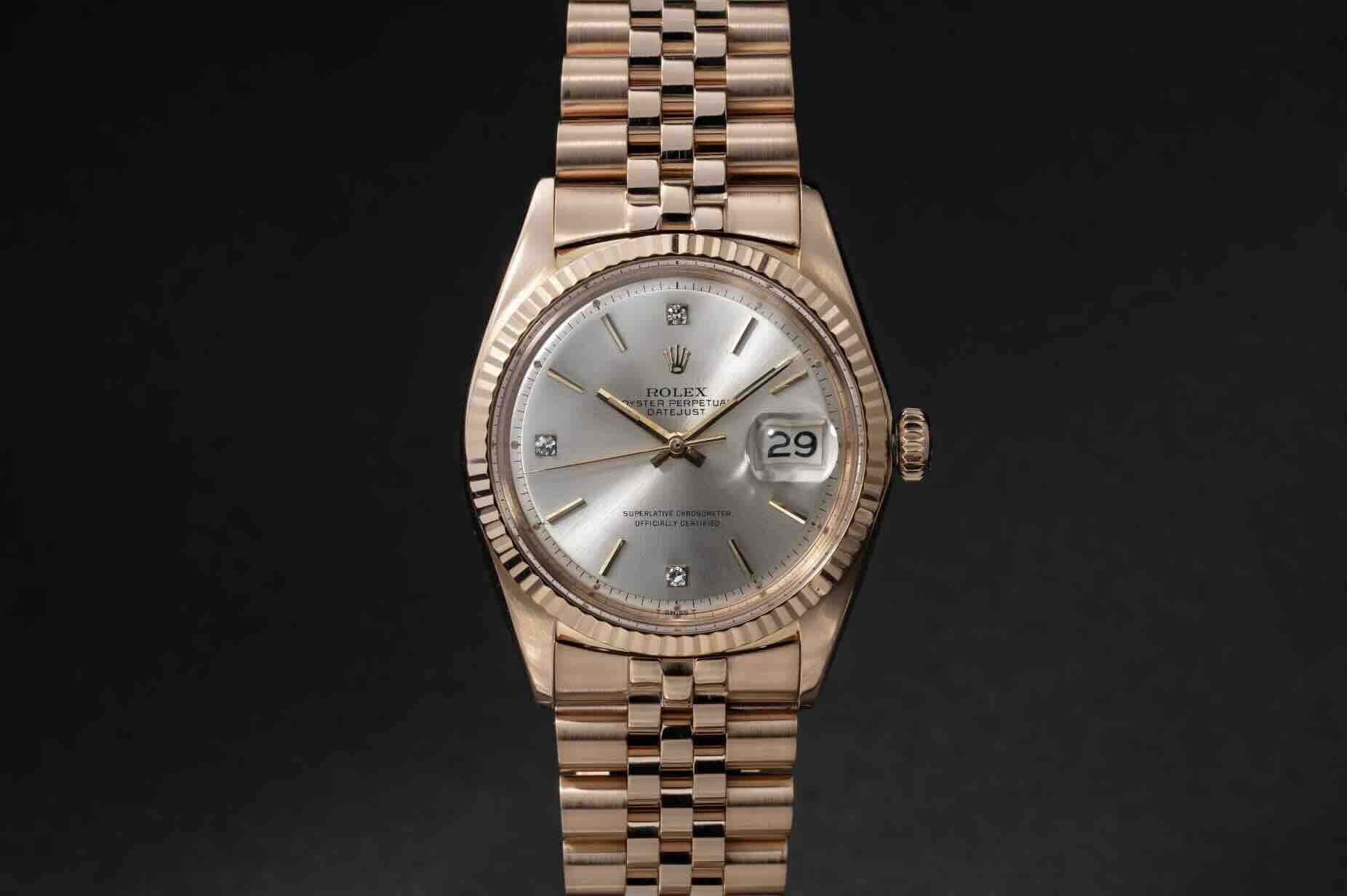


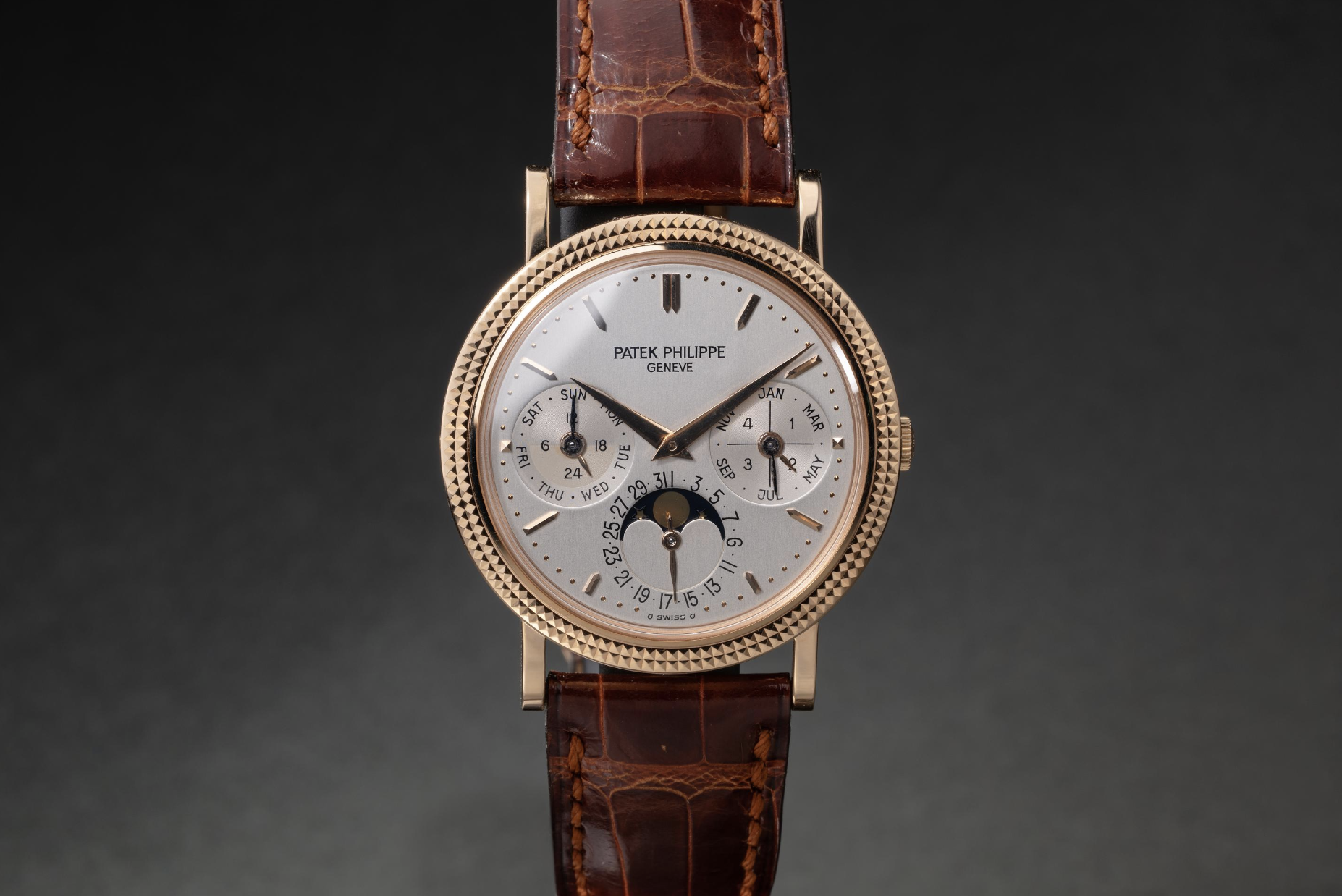

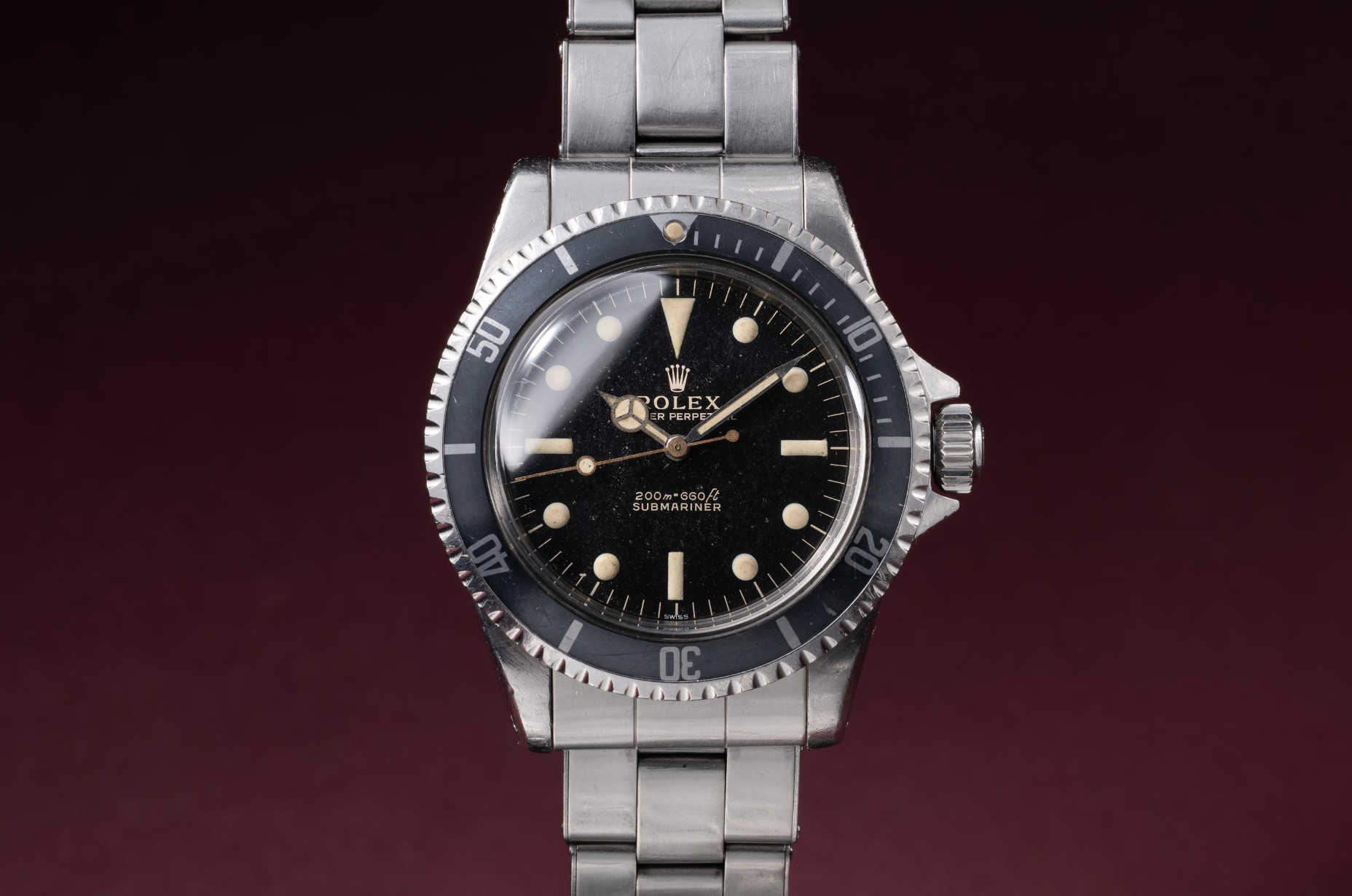
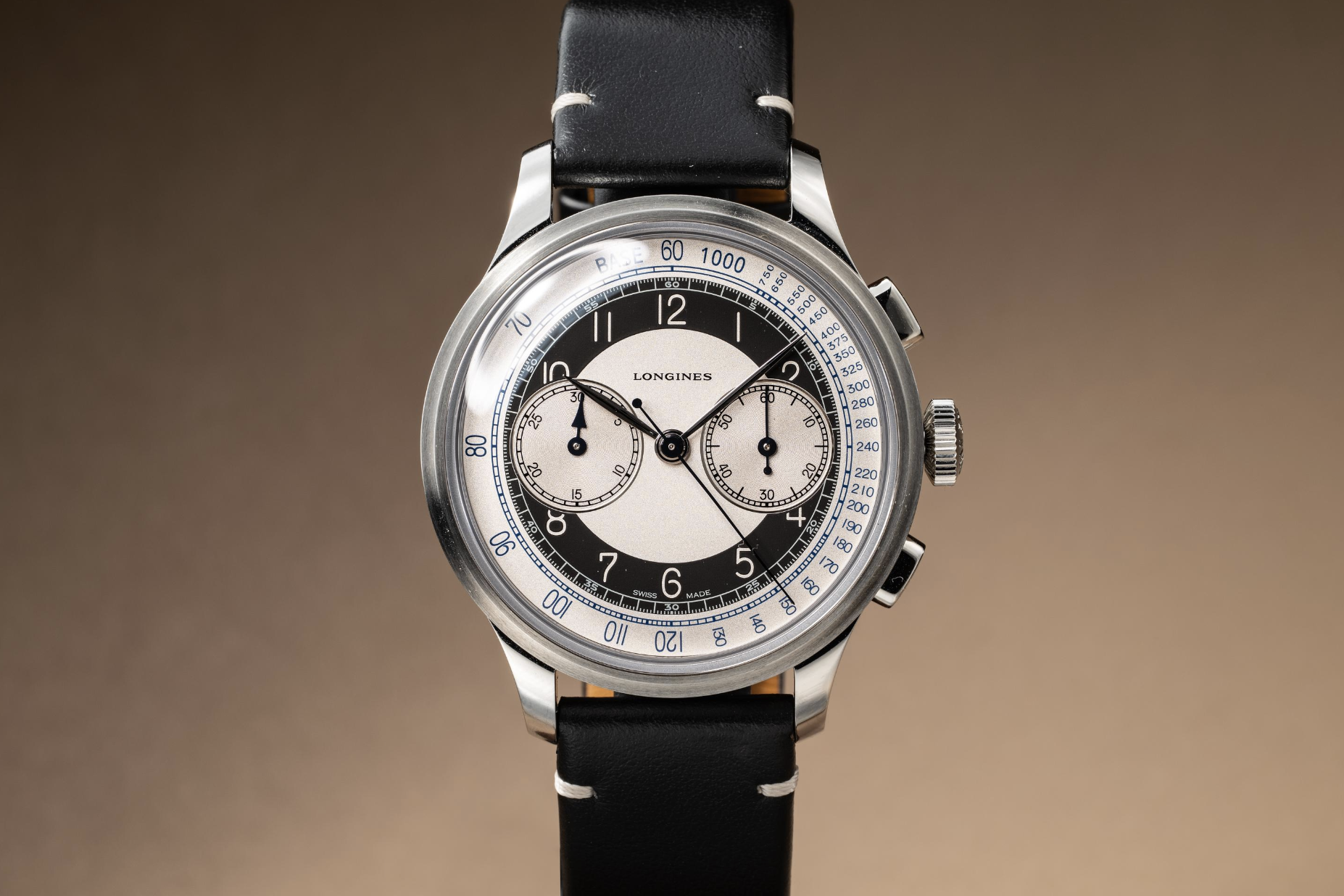

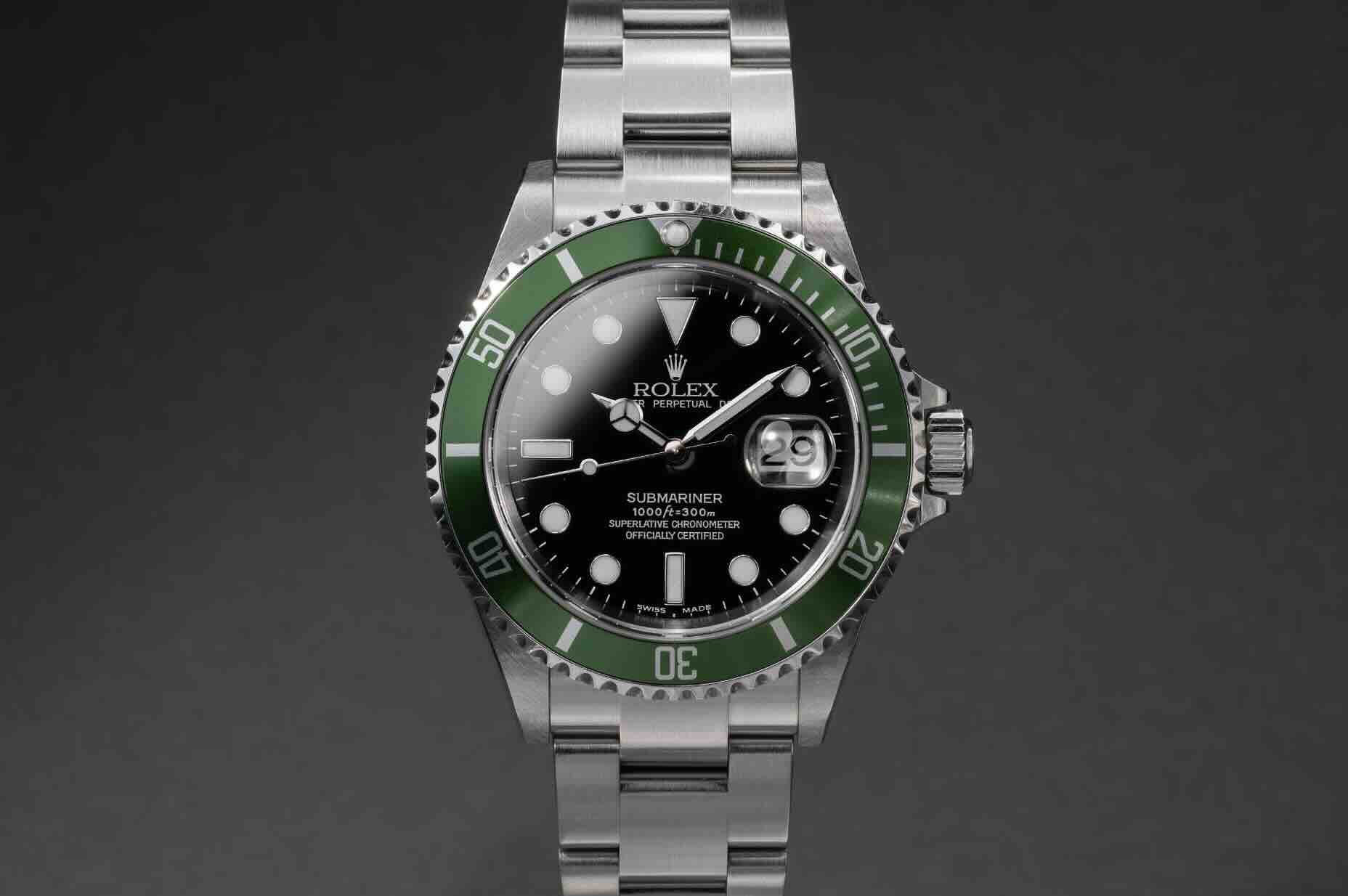
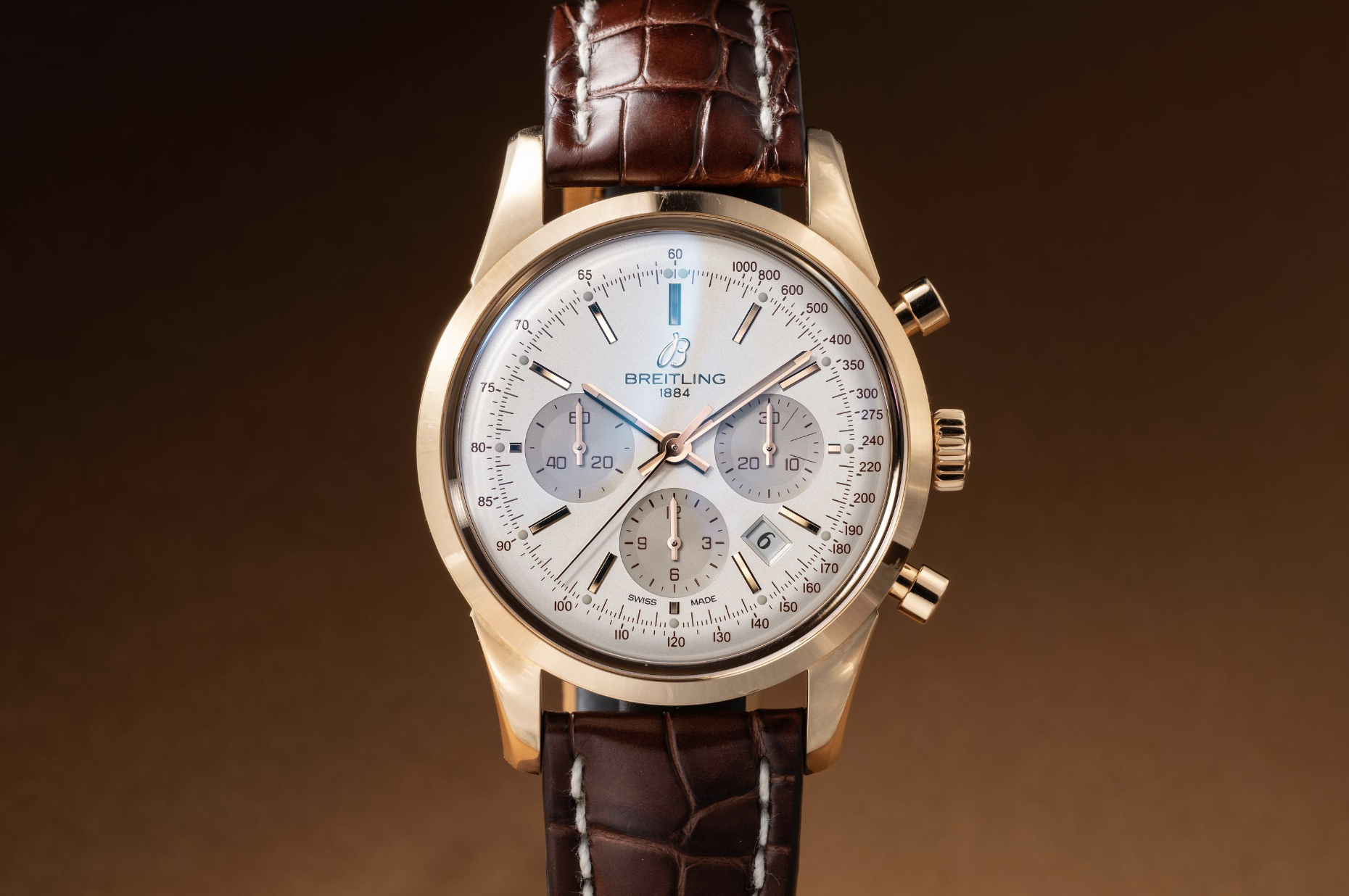


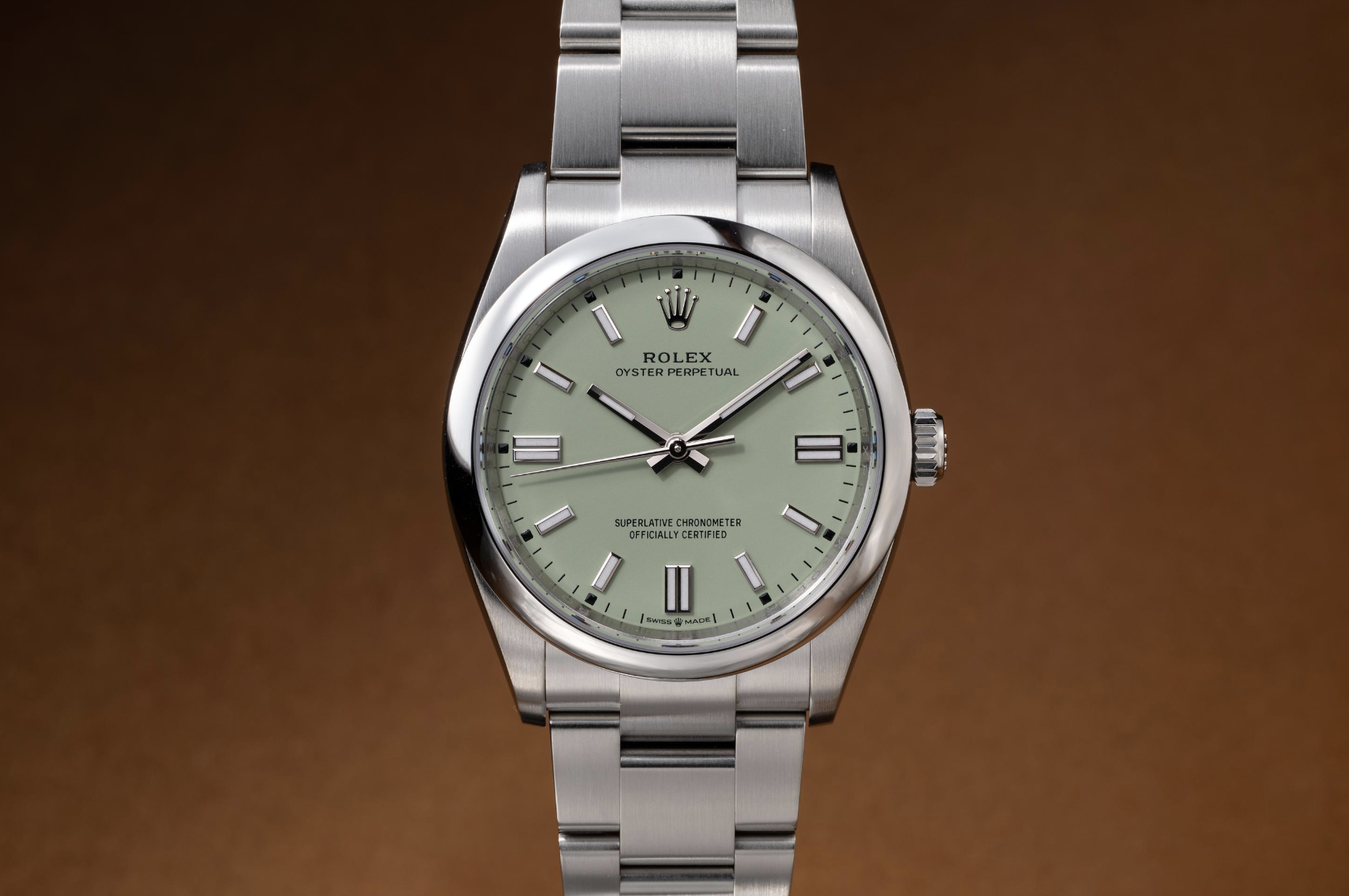
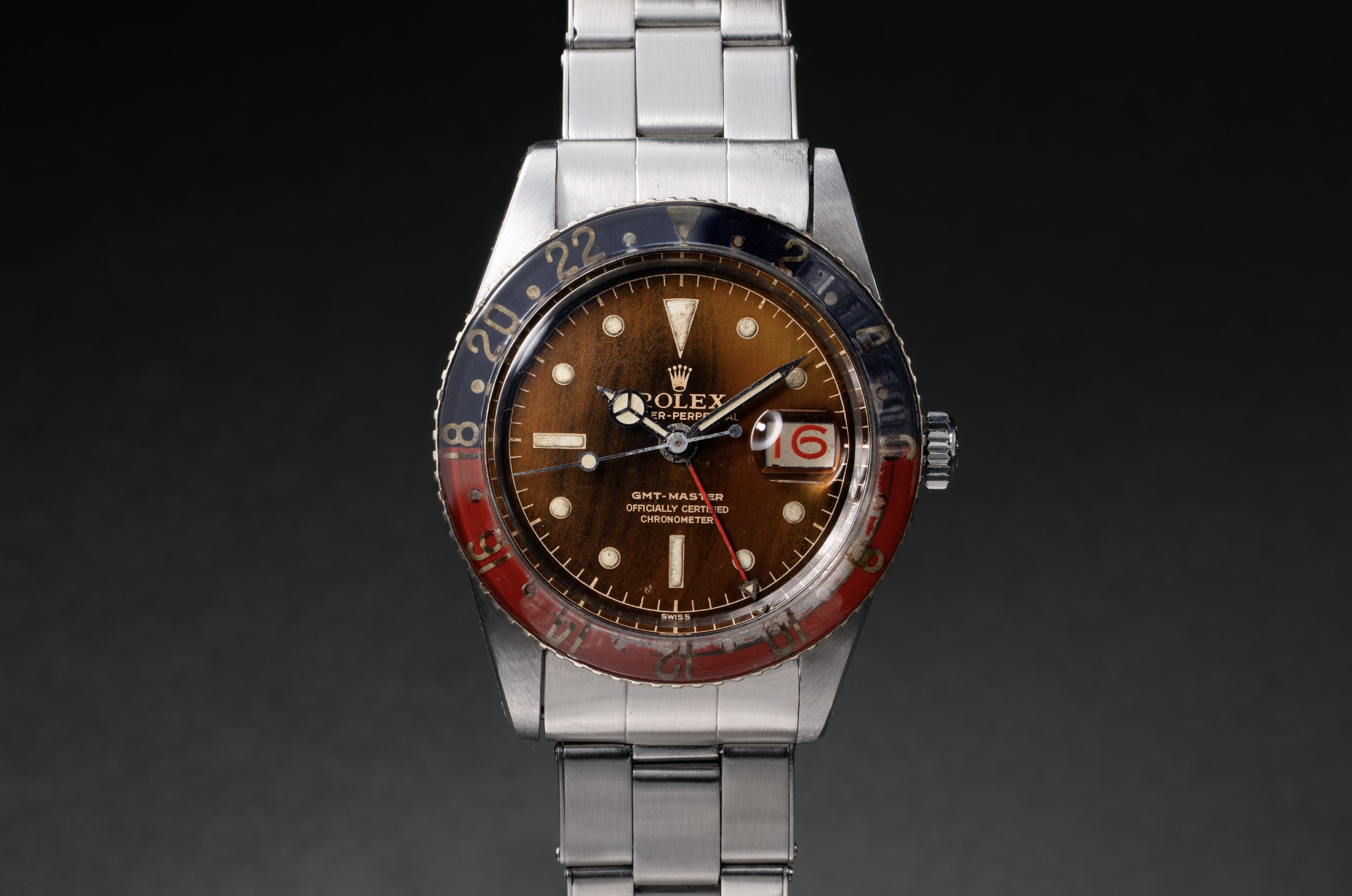
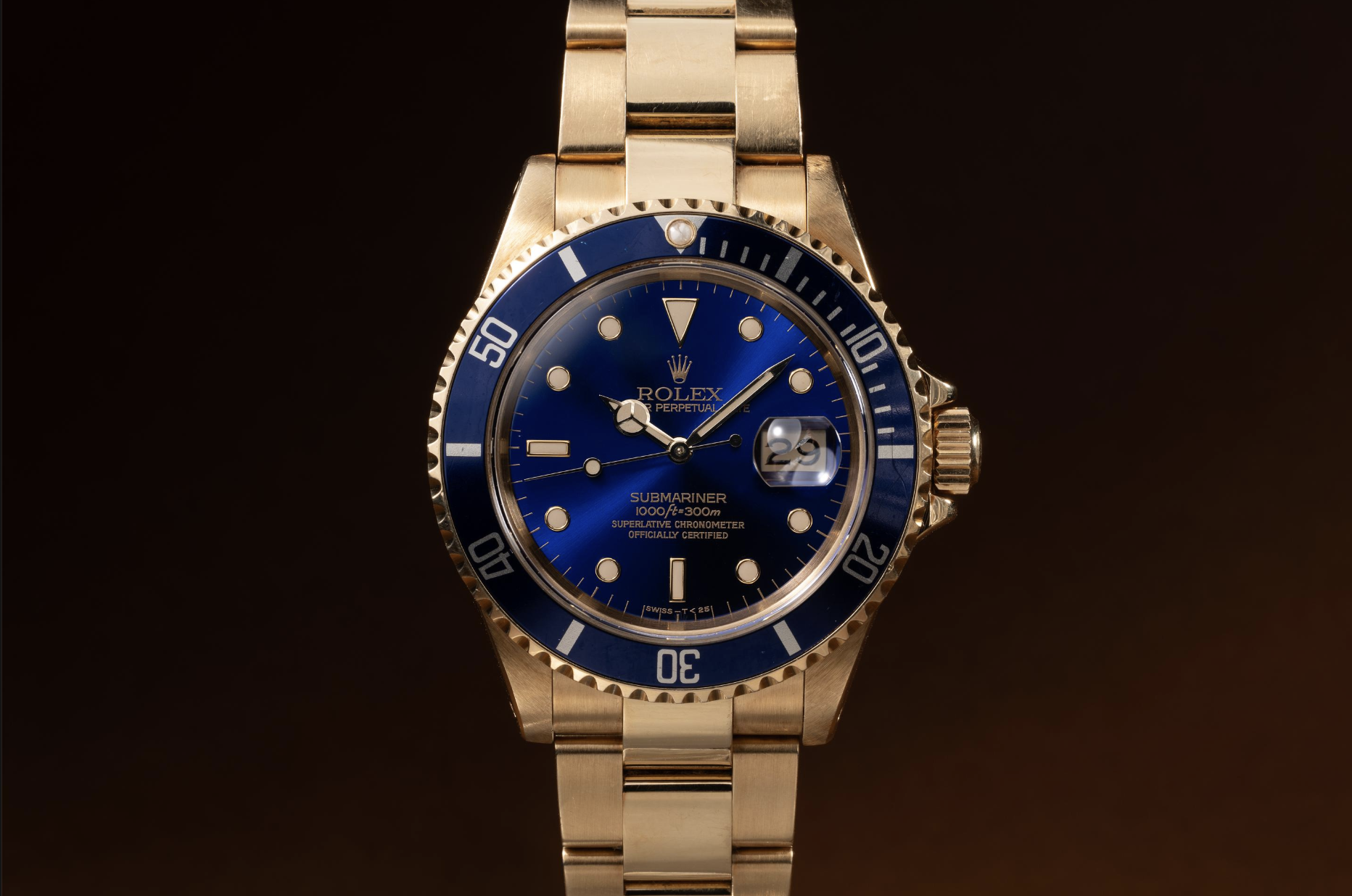

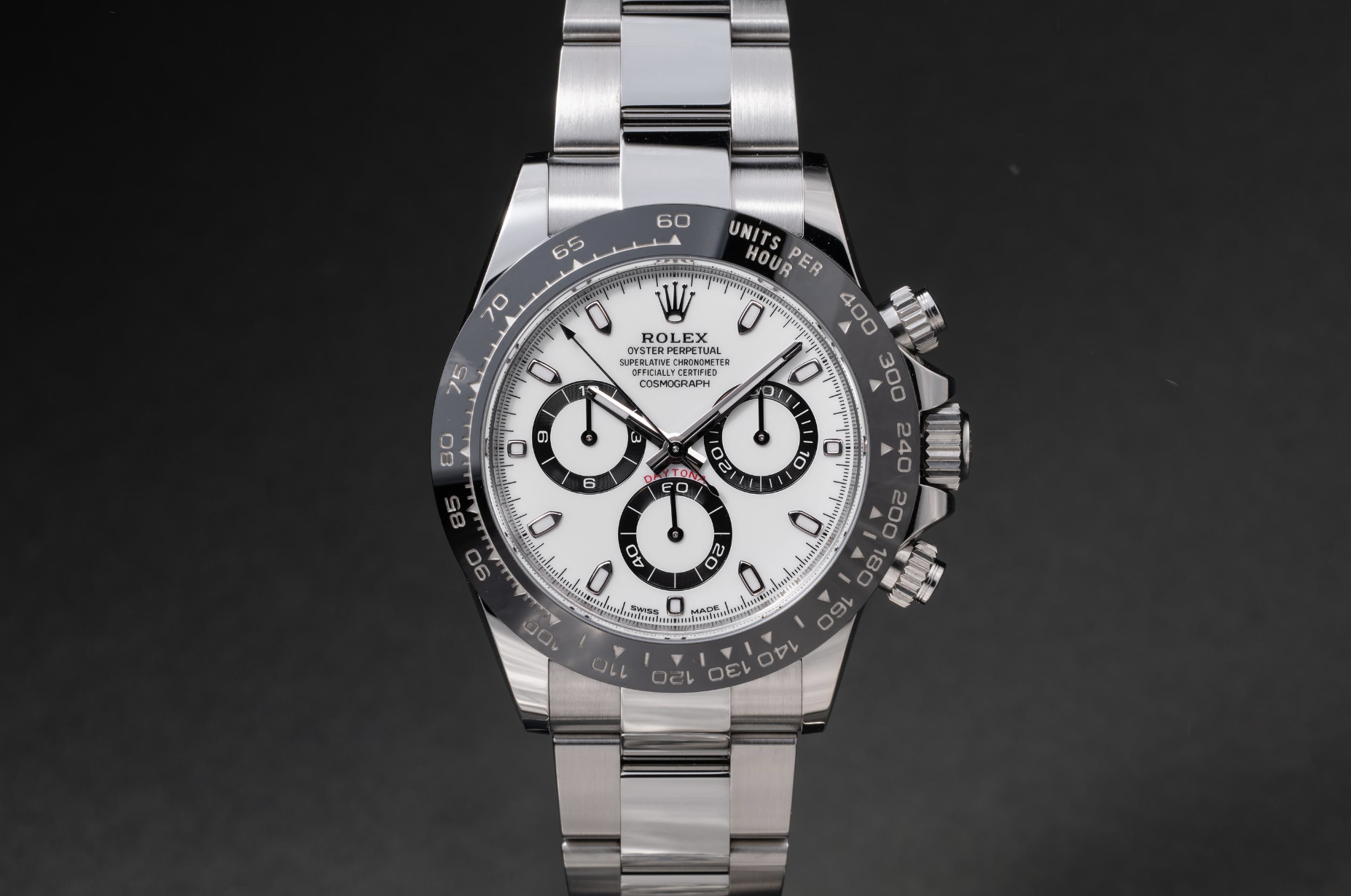

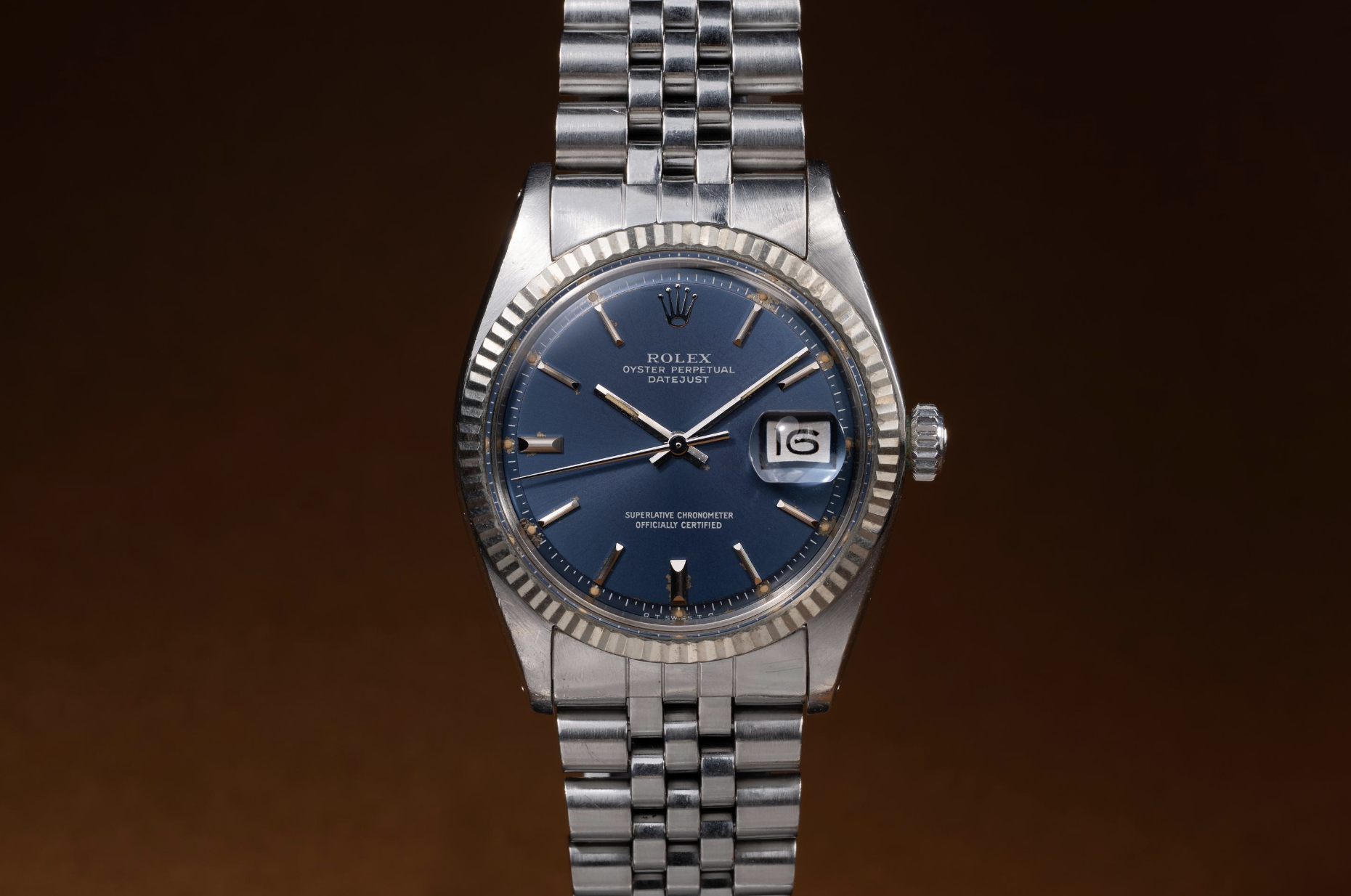
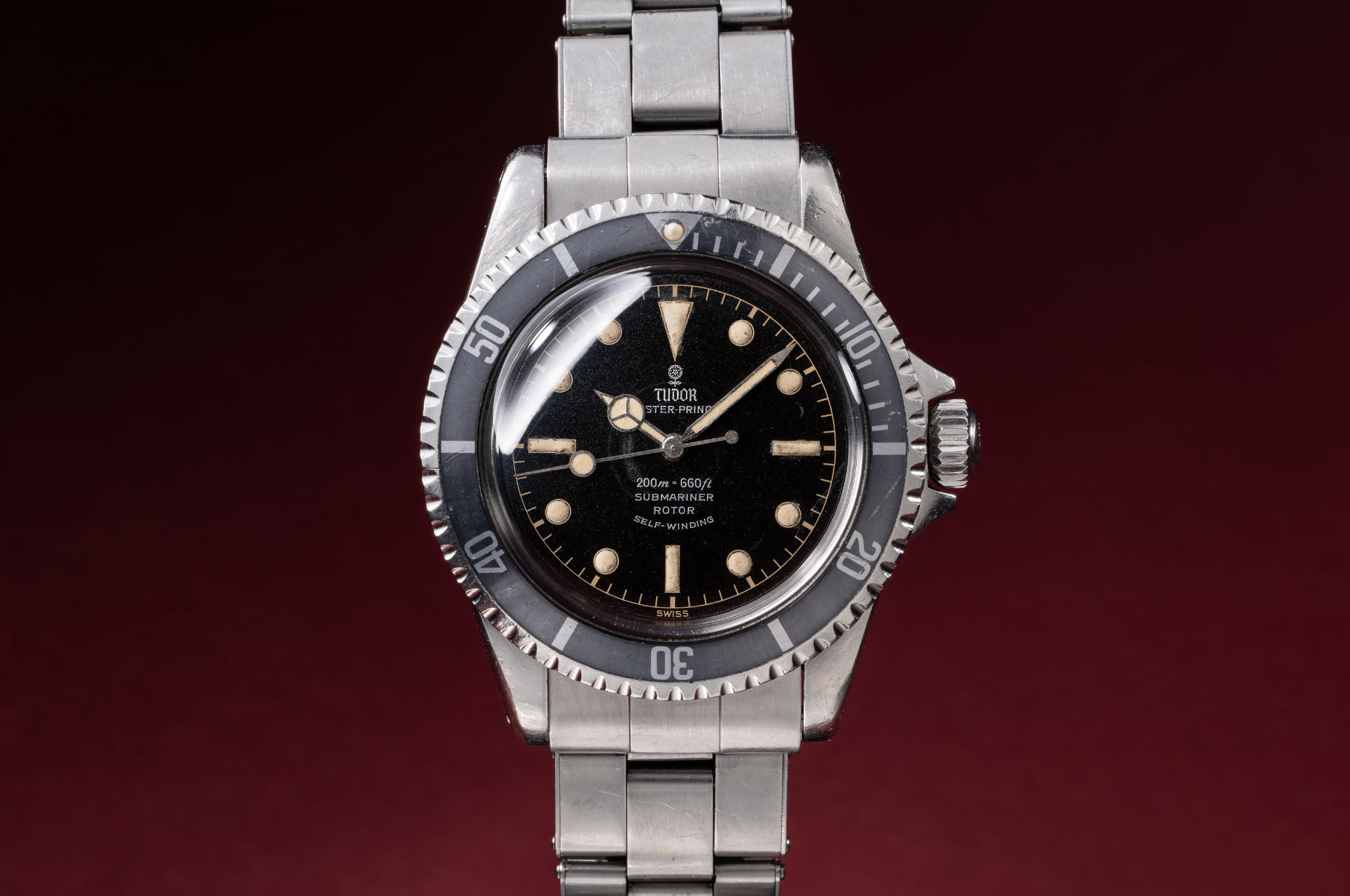
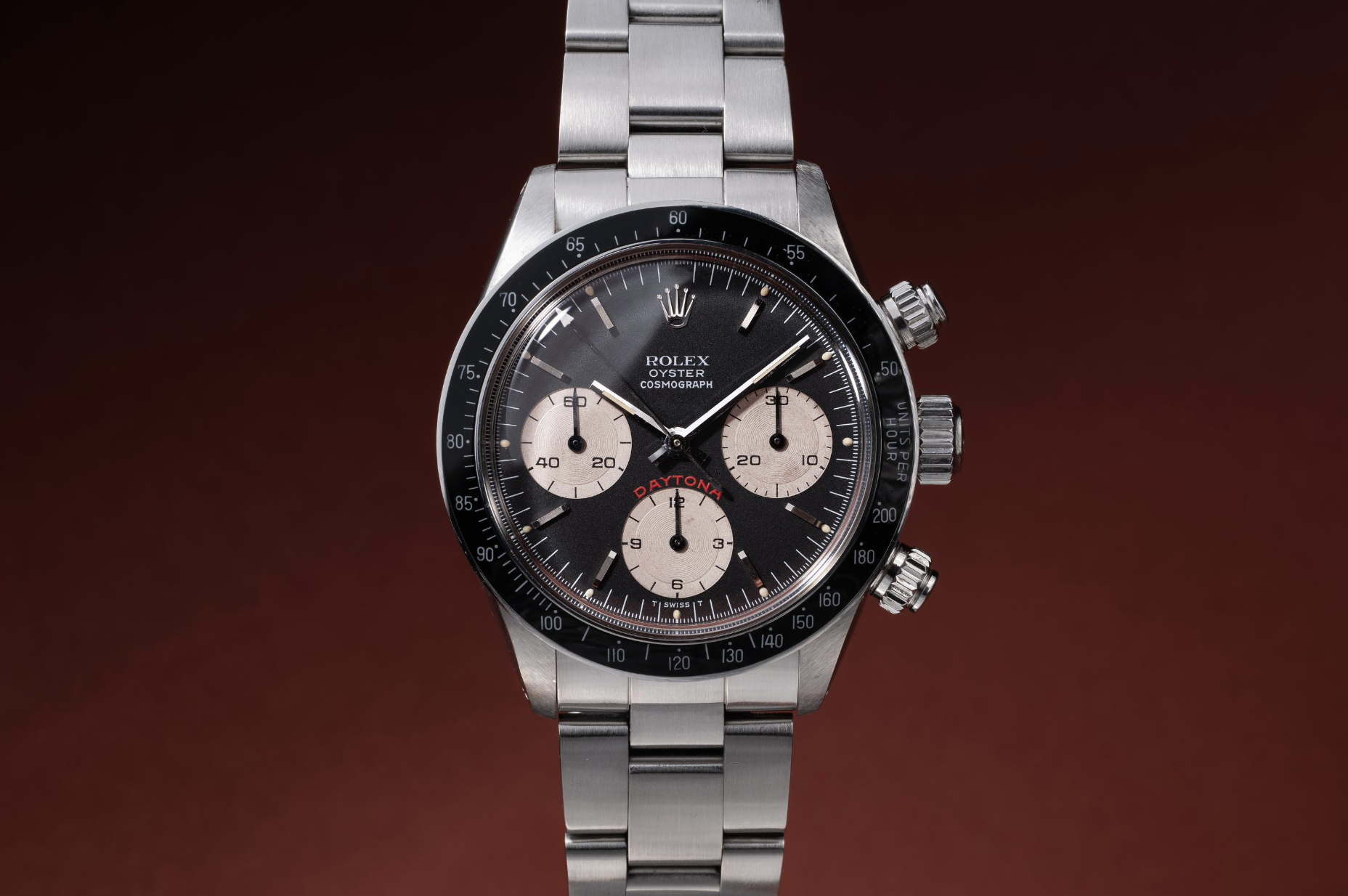
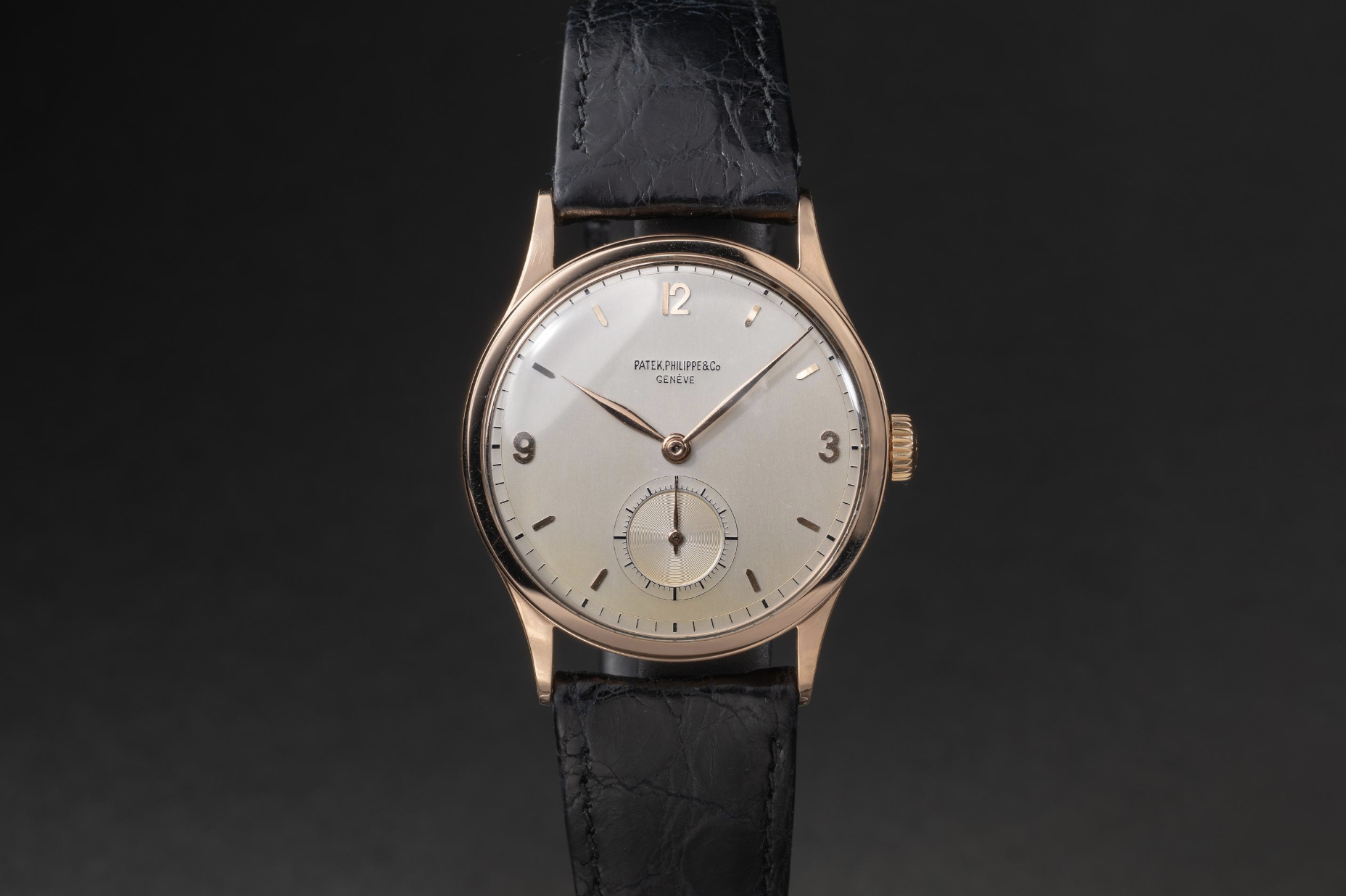
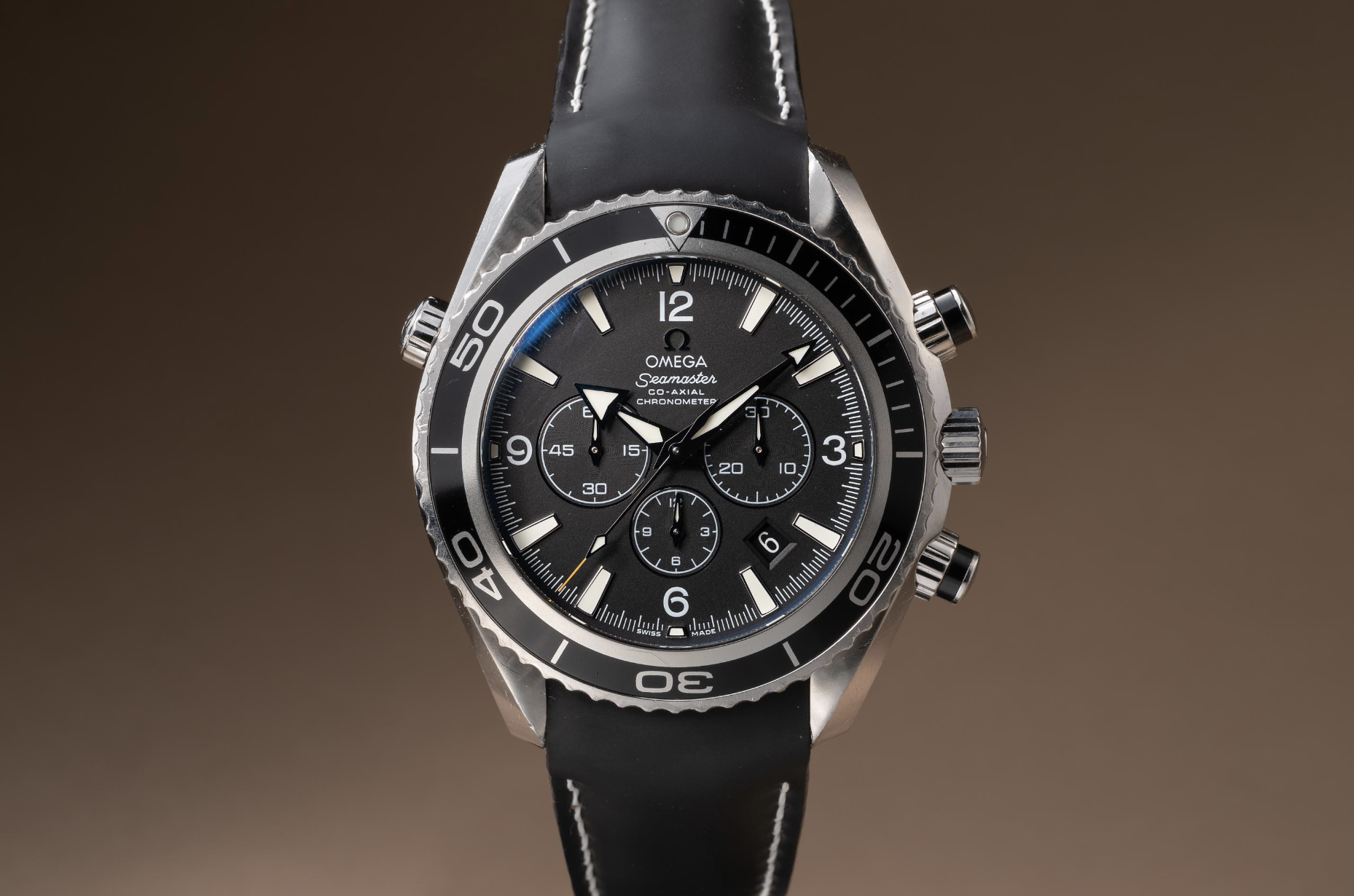
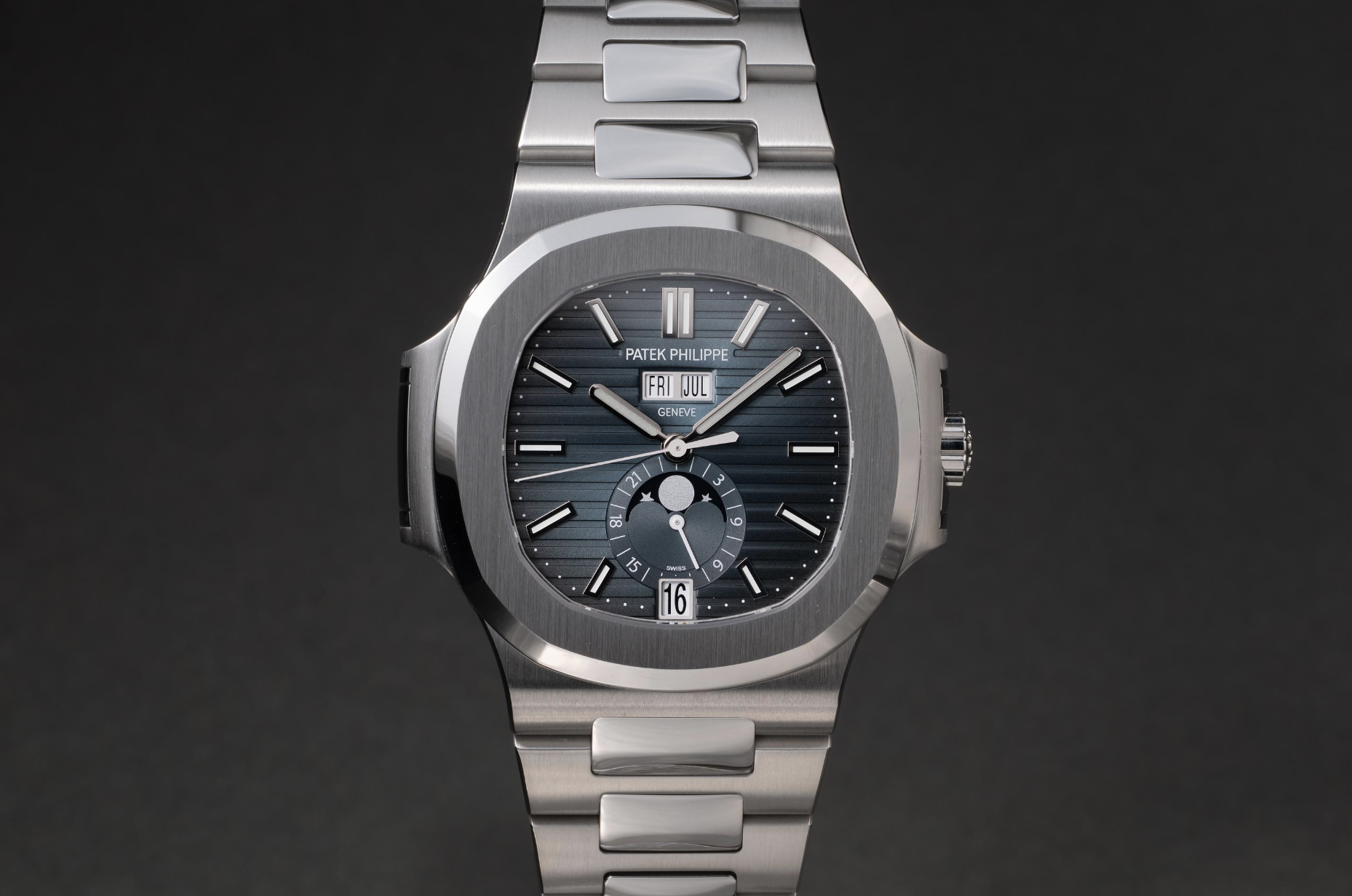
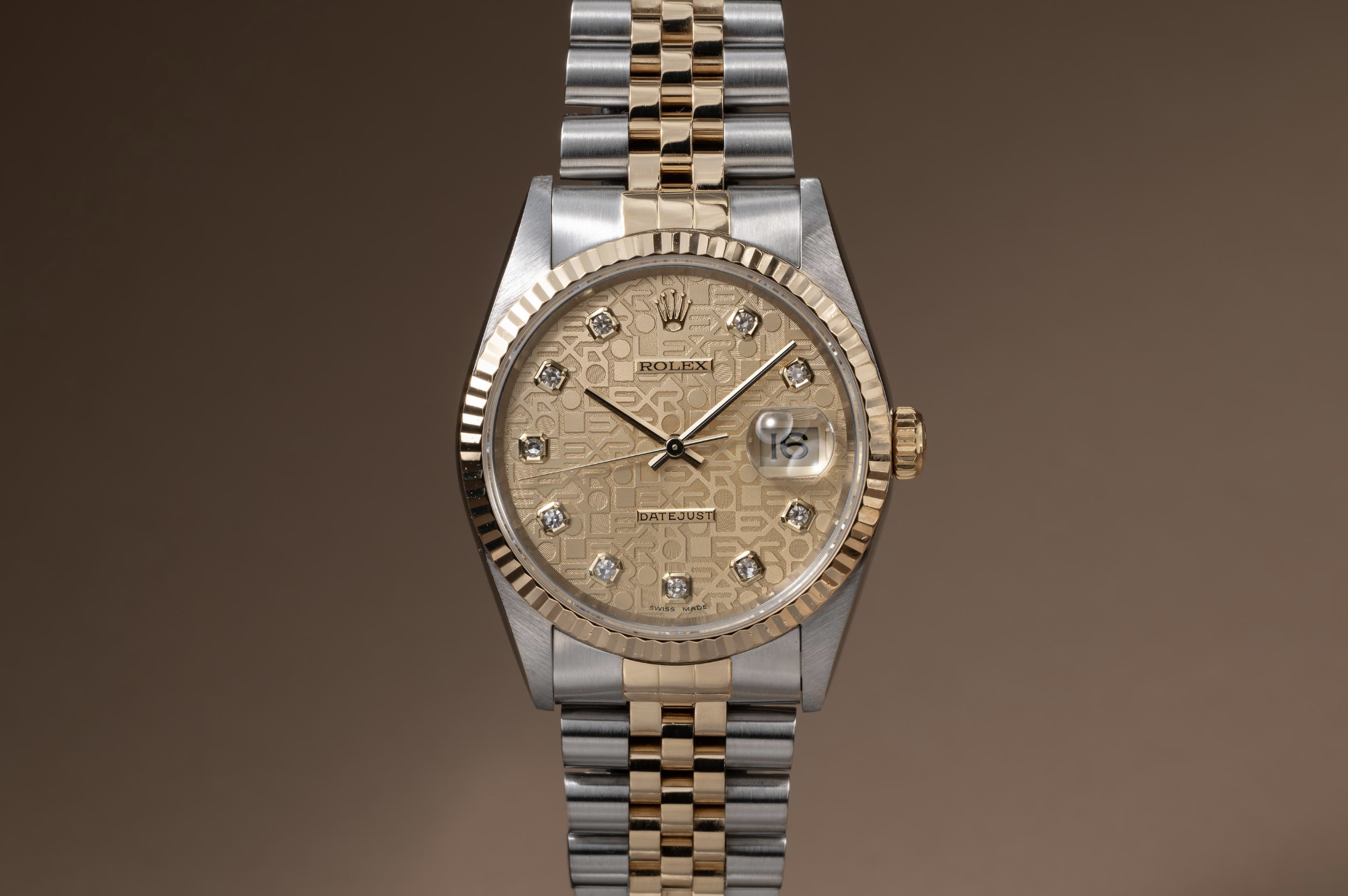
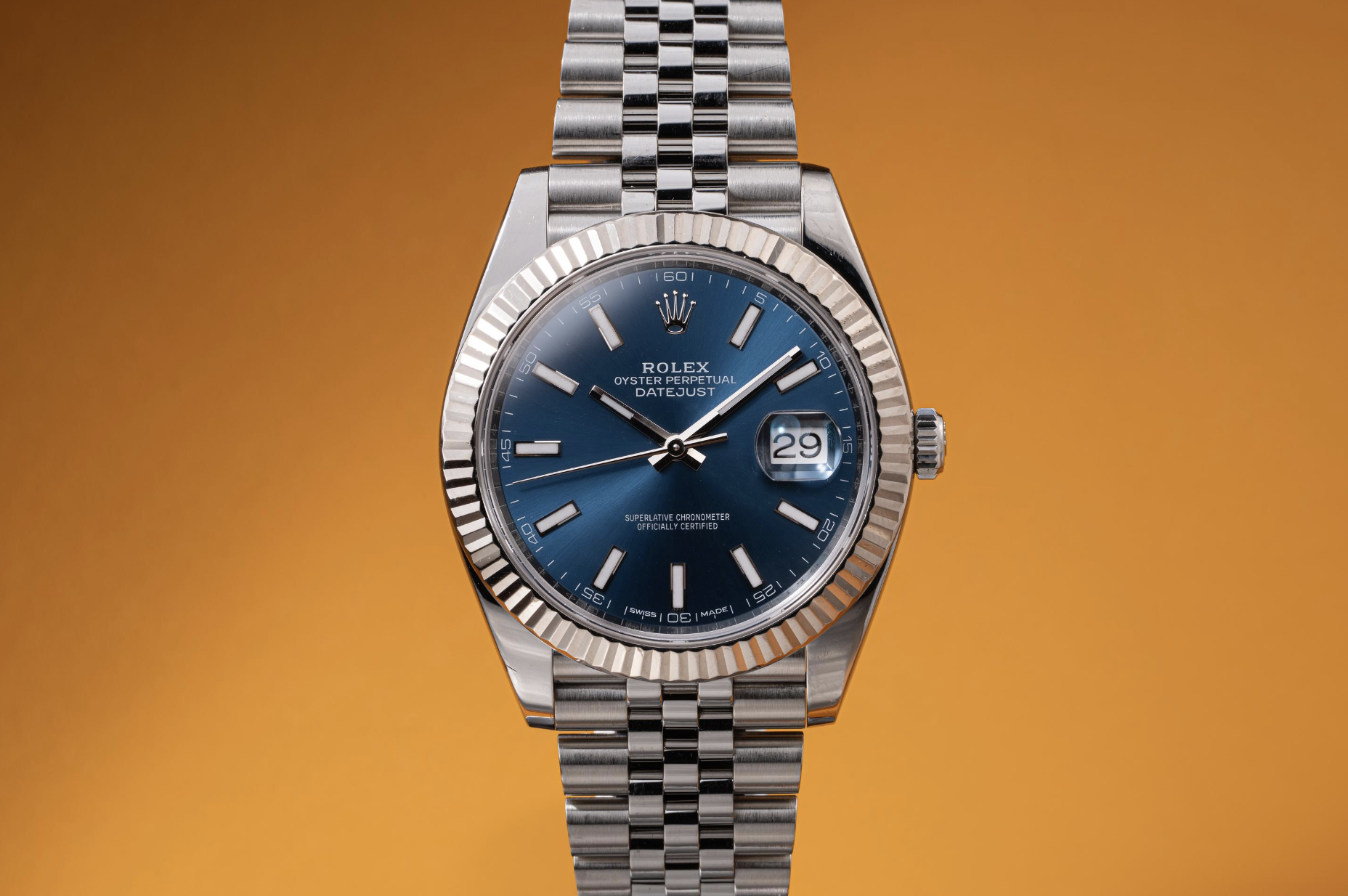
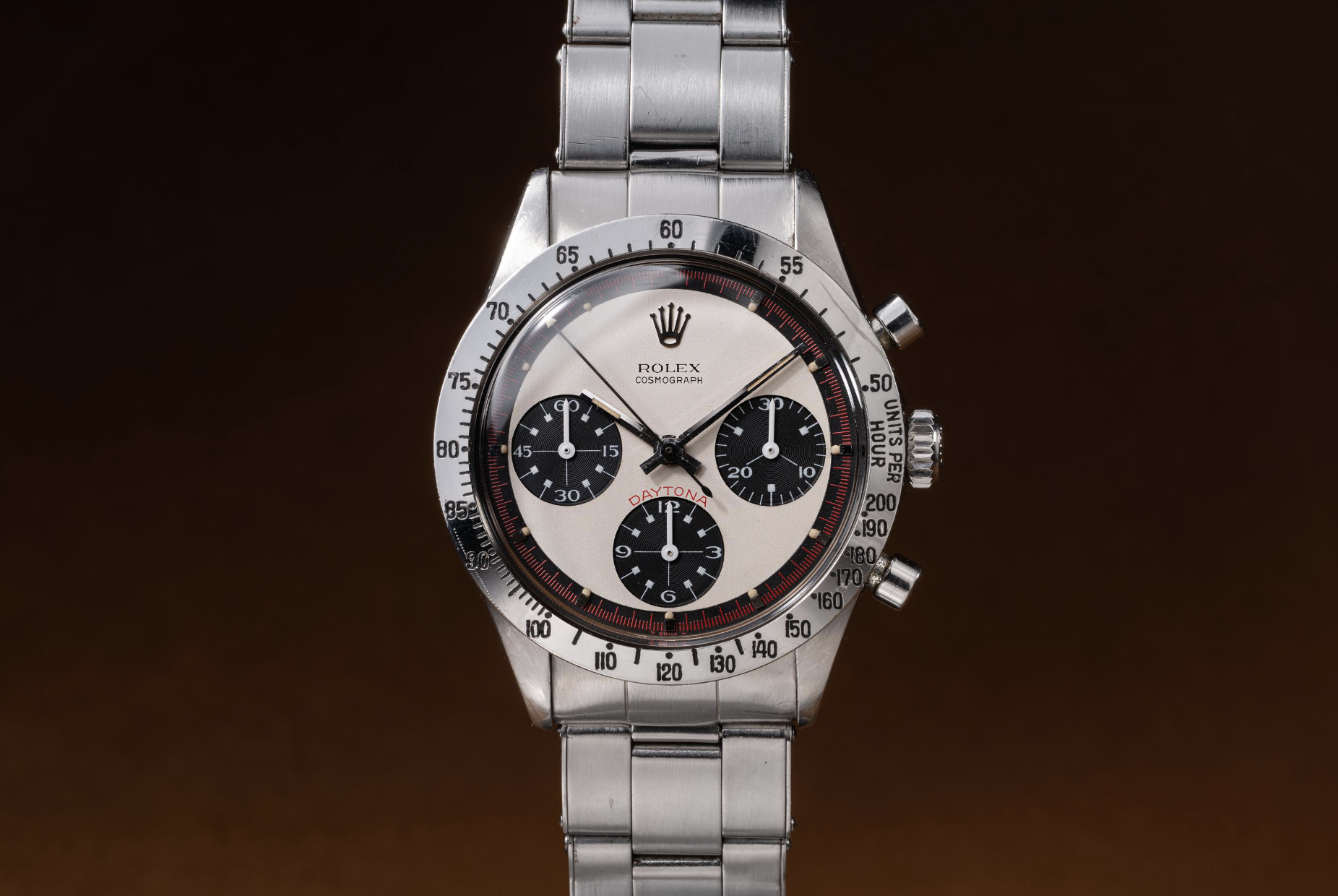
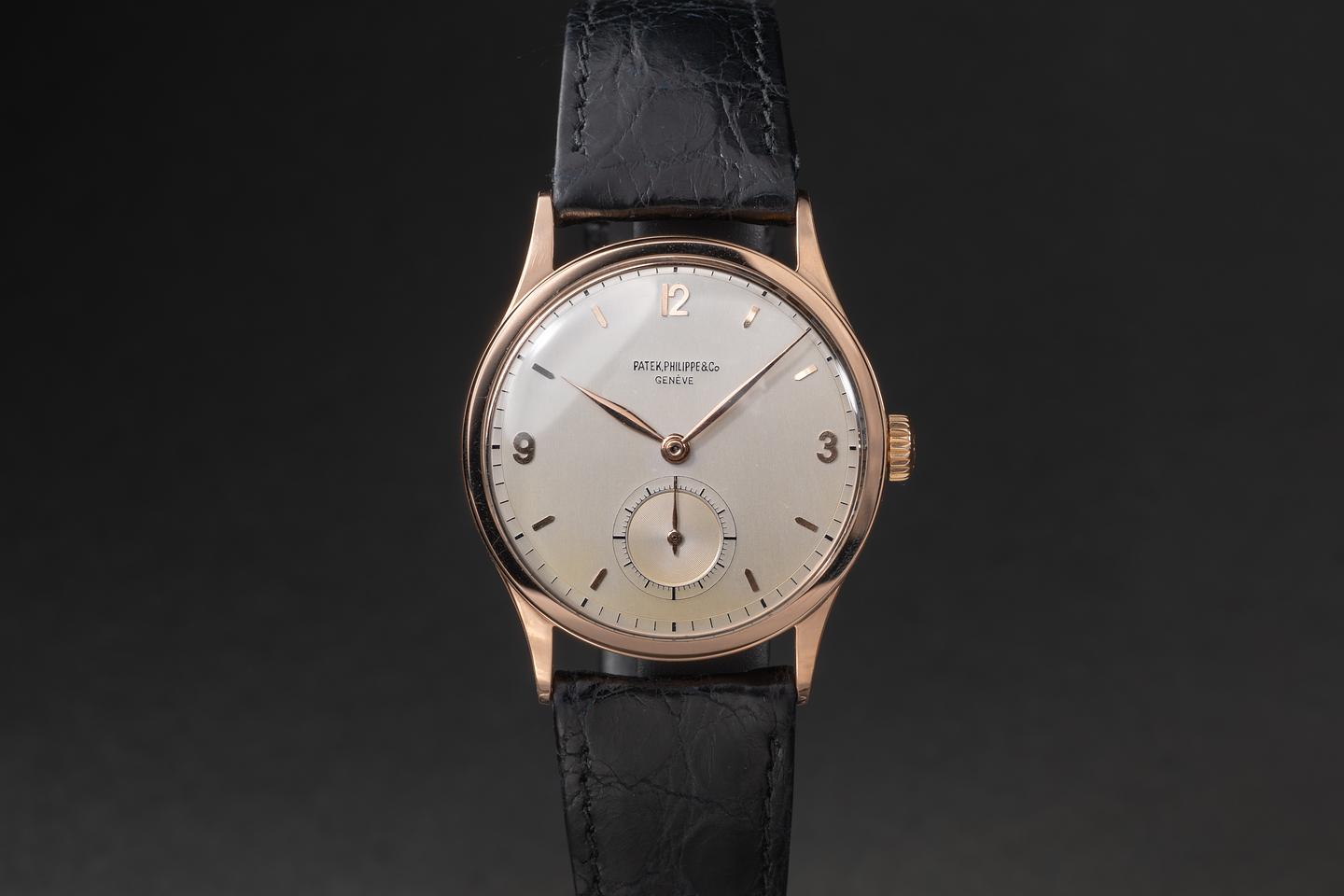
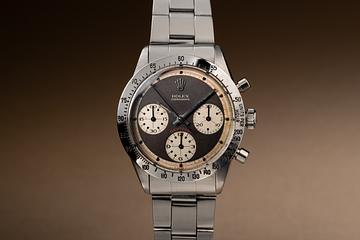




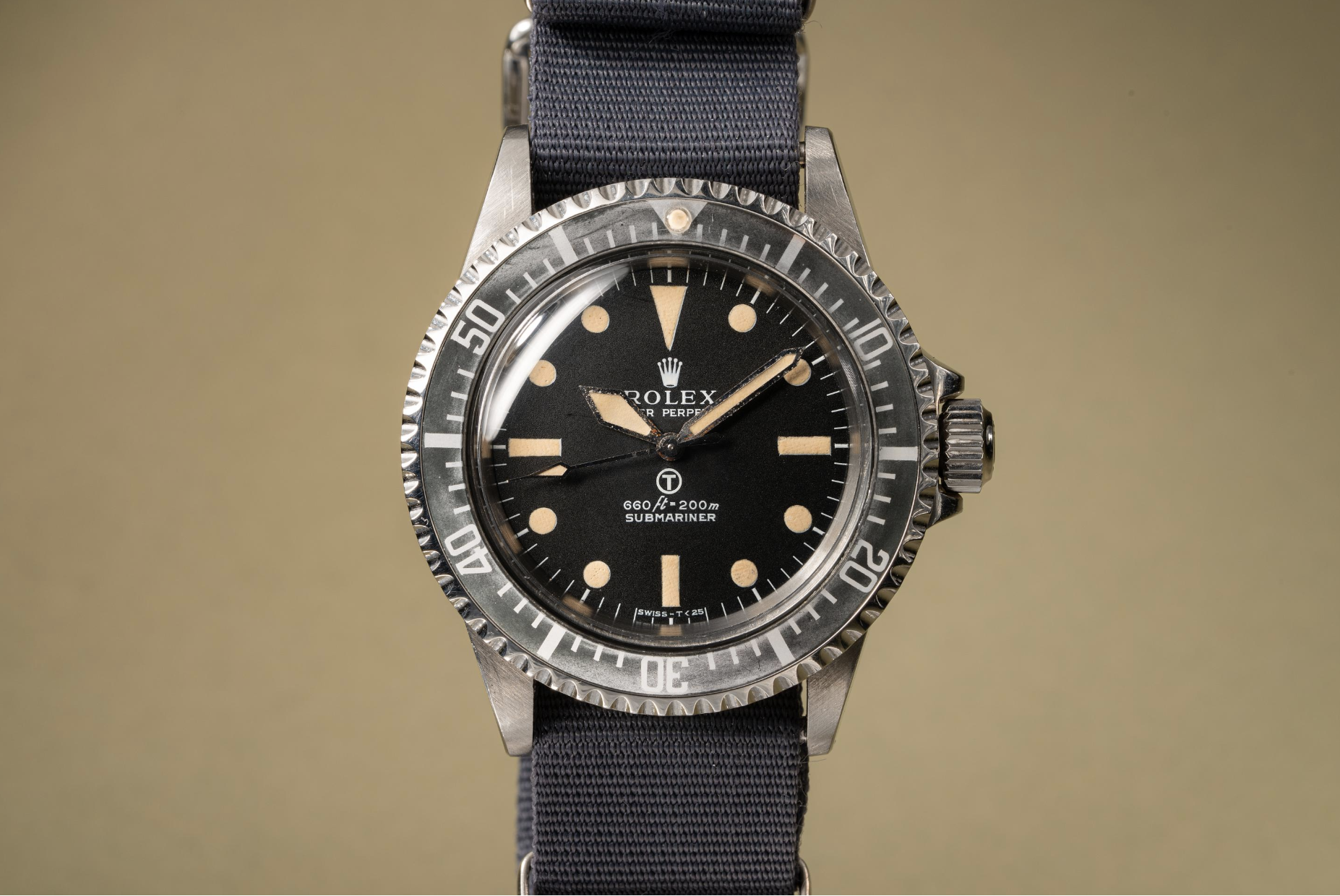
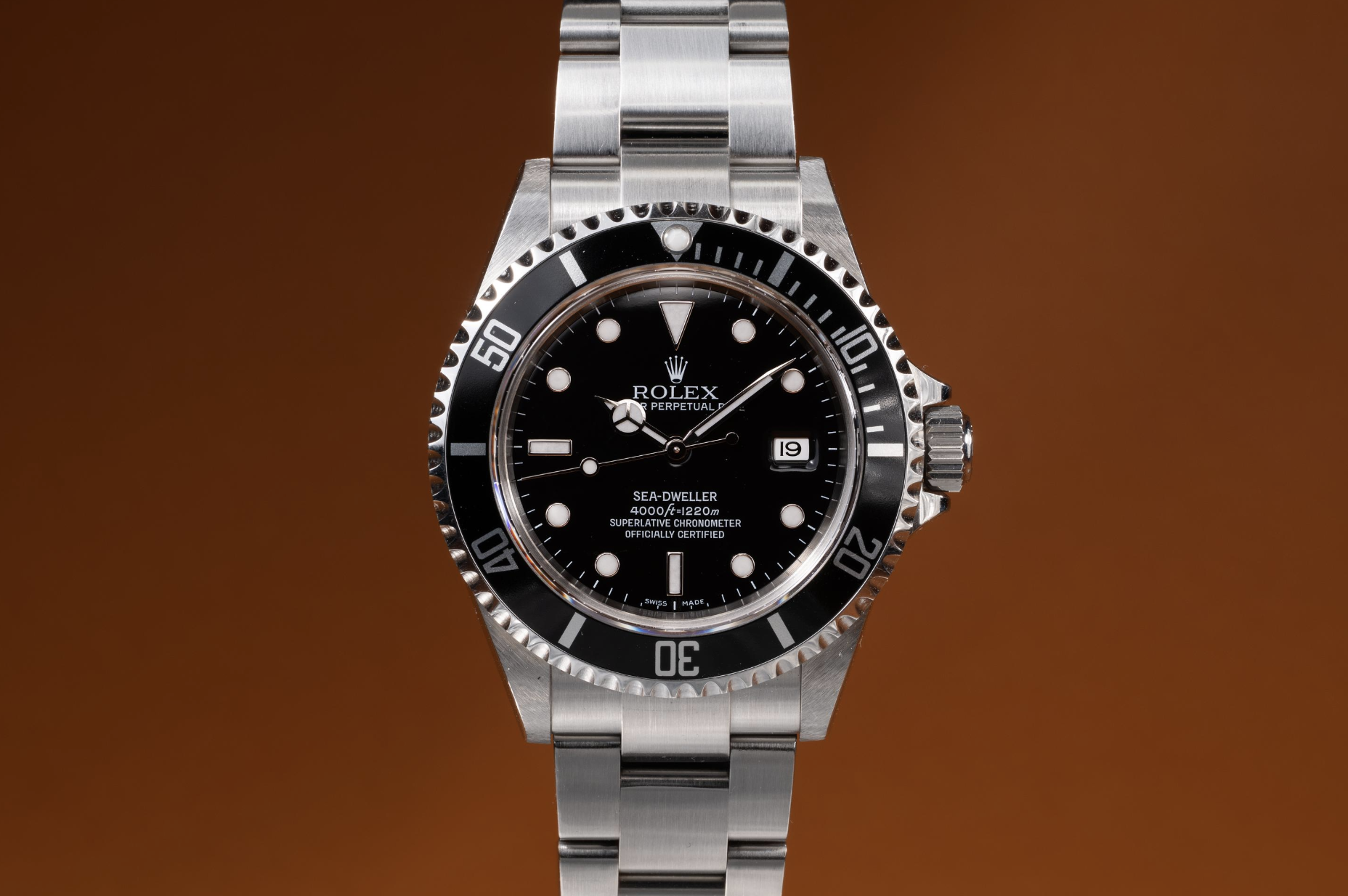
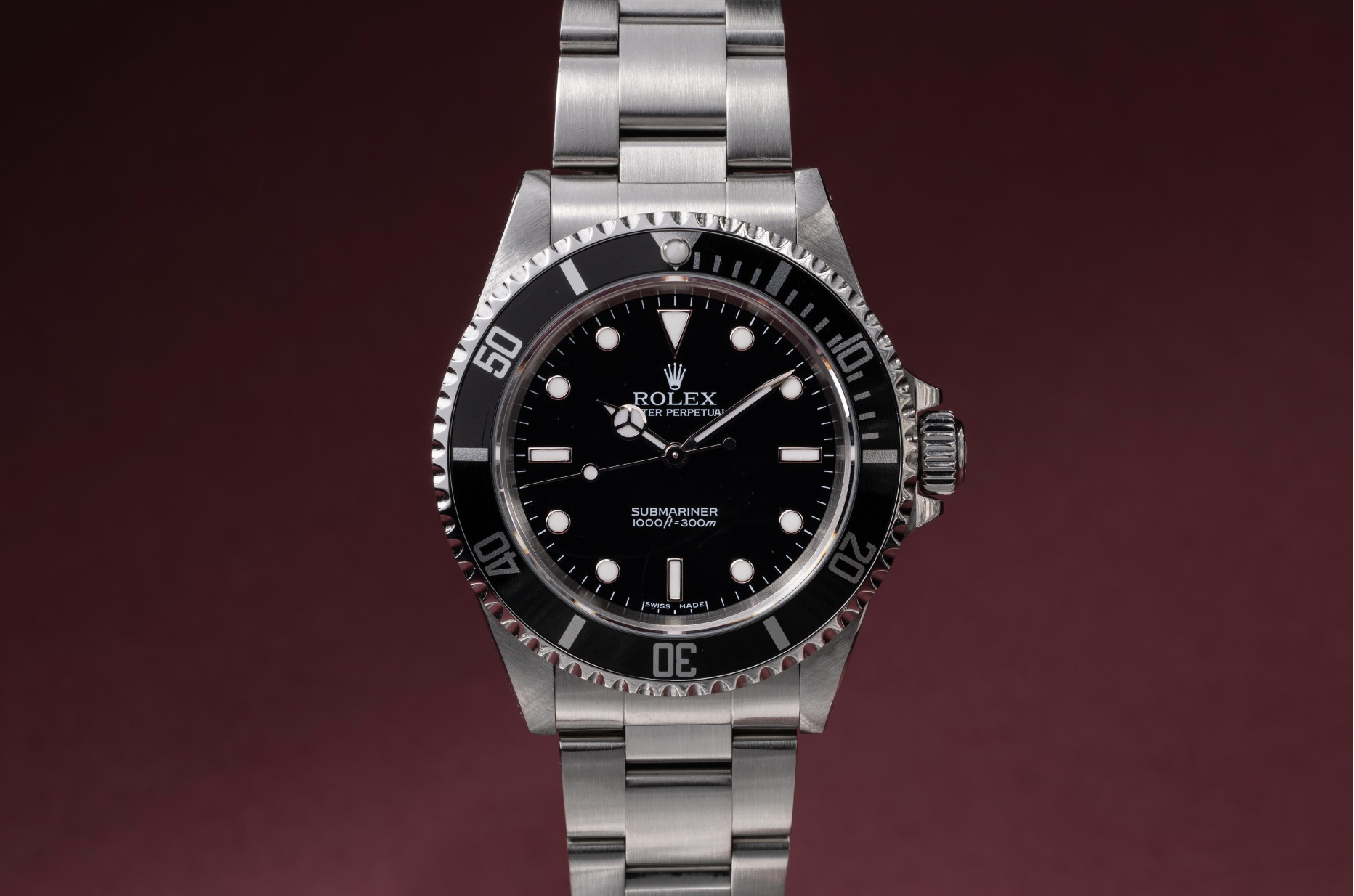
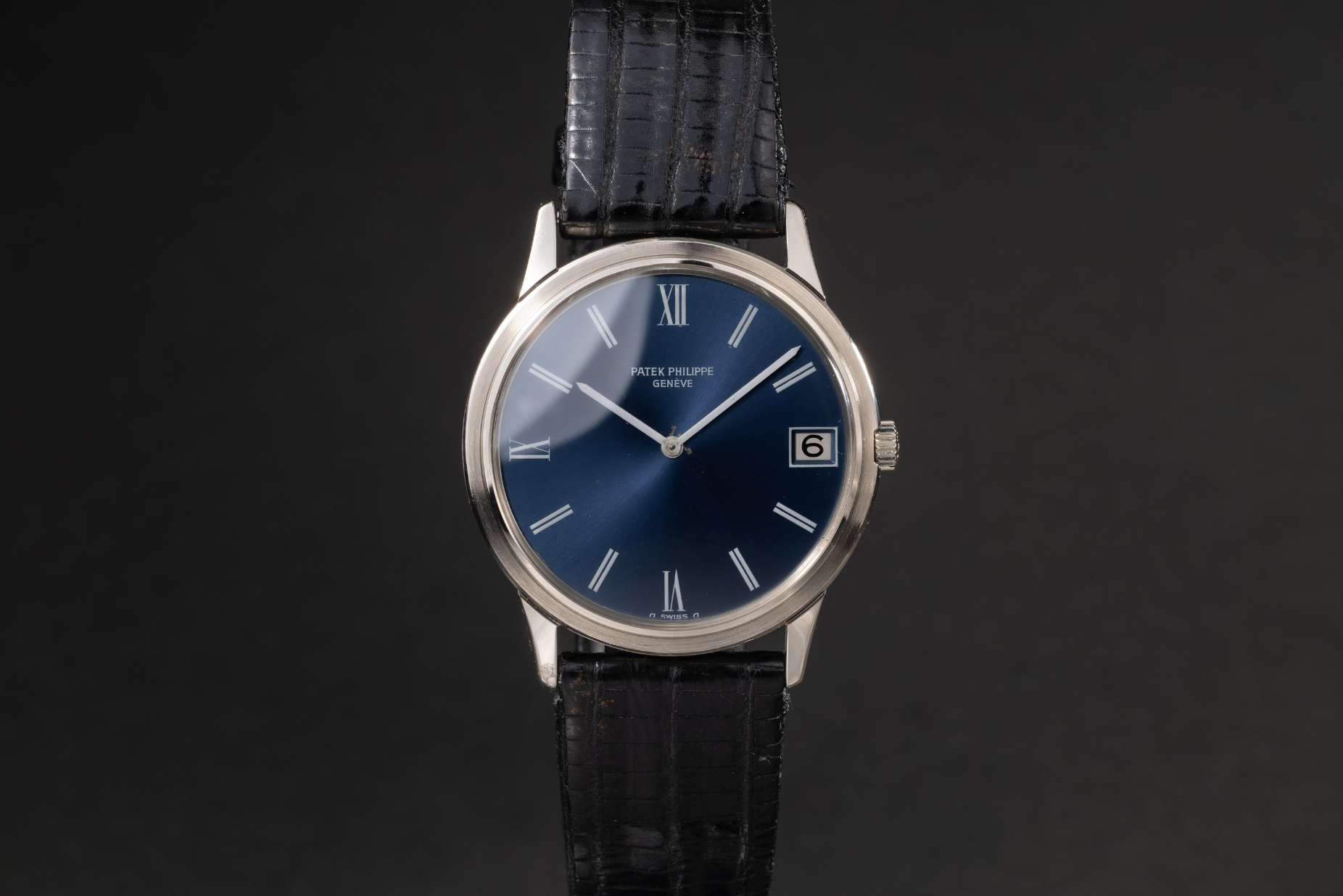


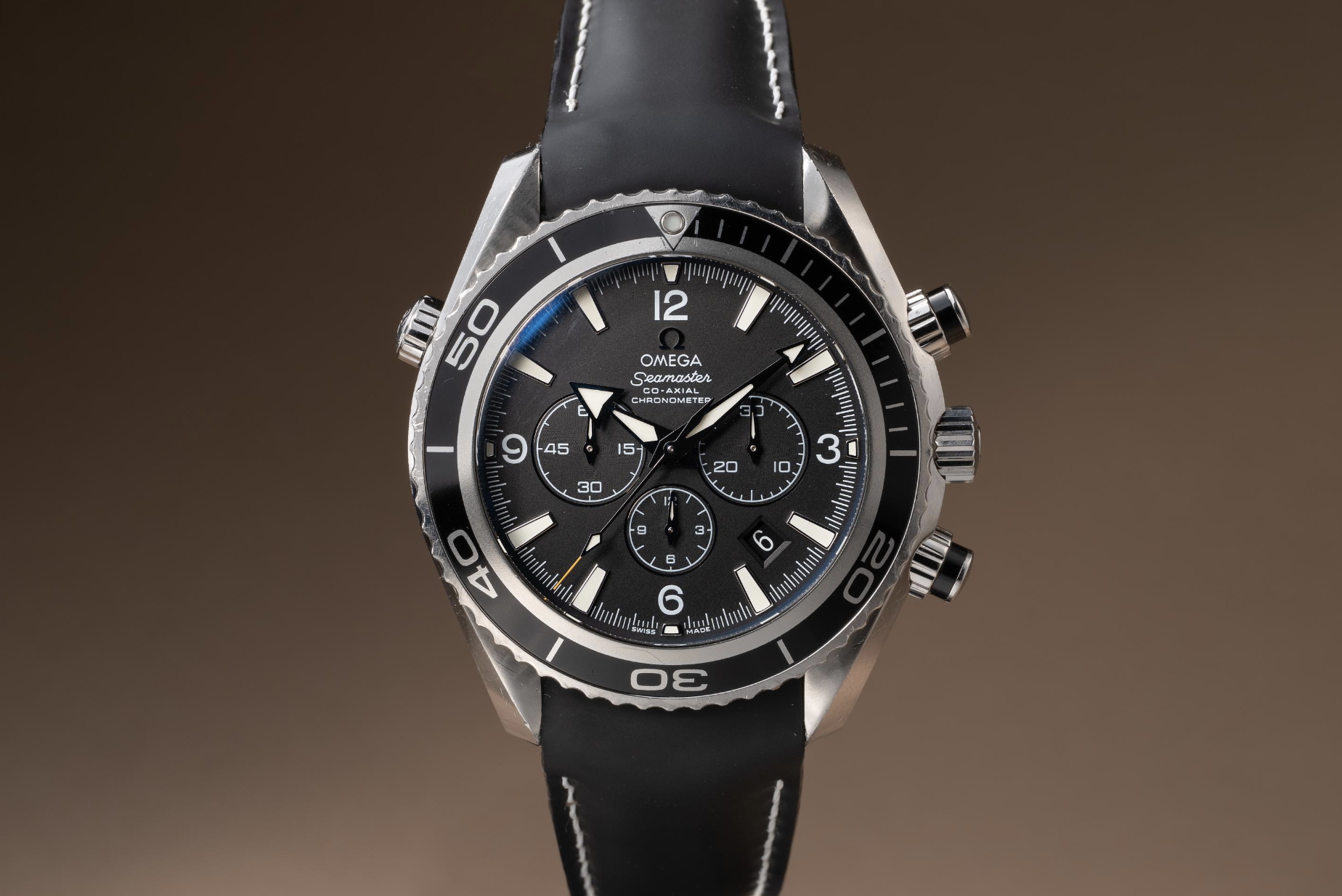

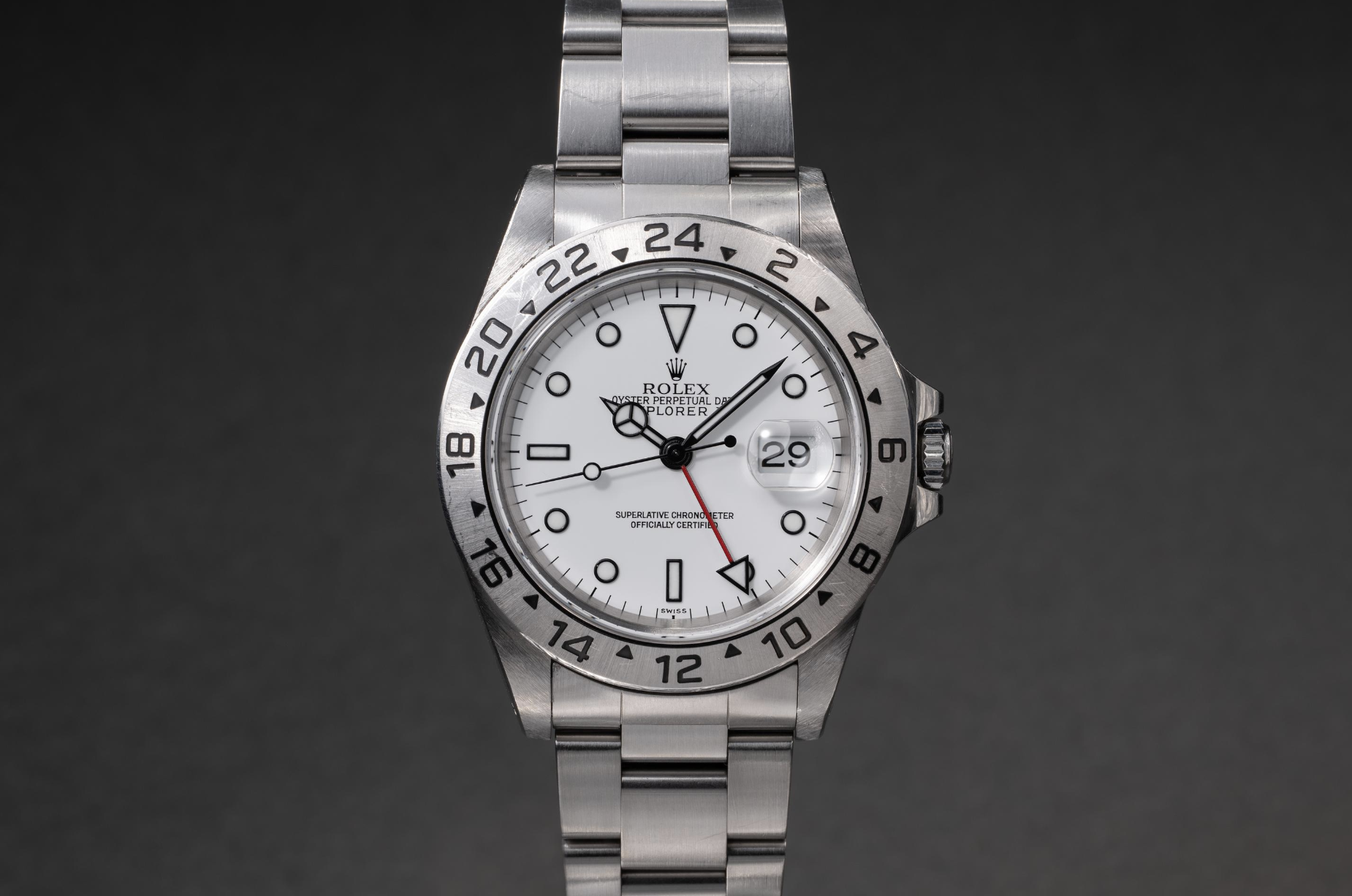


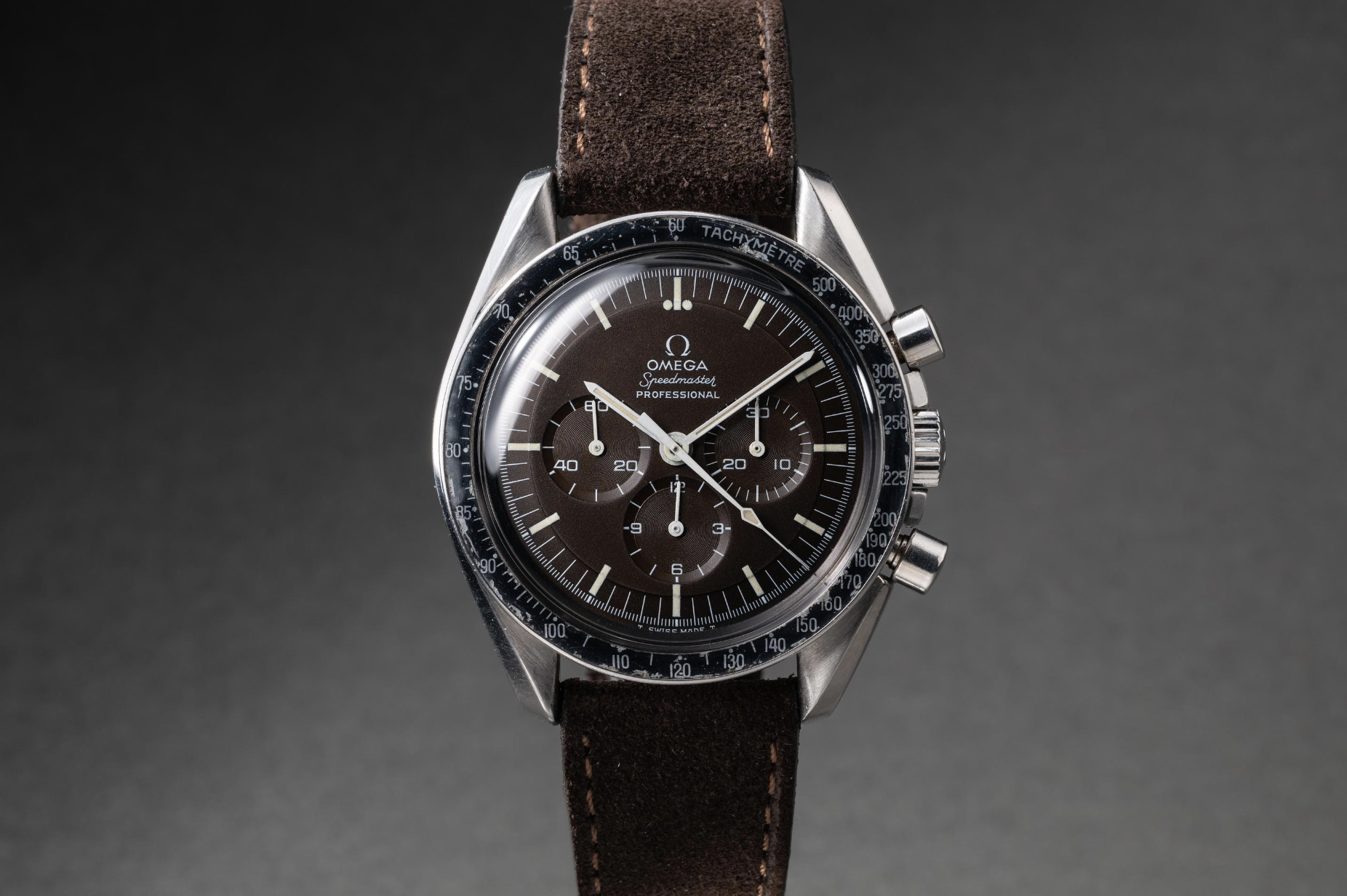

Table of Contents
Get More from the Journal