Best Tech Watches: Innovation Engineered for Your Wrist
The Best Tech Watches: Where Innovation Meets Wrist-Worn Engineering
There is something quietly fascinating about a watch that does more than tell time. The category of tech watches has expanded dramatically over the past two decades, pulling in consumers from all corners, from fitness enthusiasts and outdoor adventurers to serious horology collectors who want both tradition and function on their wrist. But sorting through the options can feel overwhelming. What actually makes a watch a tech watch? Which ones are worth serious consideration? And how does this category intersect with the world of luxury watchmaking? This article breaks it all down clearly, so you can make a genuinely informed decision.
What Exactly Is a Tech Watch?
The term tech watch gets used loosely, and that is part of the confusion. In the broadest sense, a tech watch refers to any timepiece that incorporates advanced technology beyond basic timekeeping. This includes smartwatches with full operating systems, GPS-enabled sport watches, dive computers built into watch cases, solar-powered or kinetic movement watches, and high-precision mechanical watches that use modern materials like silicon escapements or carbon composites. The category is wide. A Garmin Fenix and an Apple Watch are both tech watches. So is a TAG Heuer Connected or a Casio G-Shock with atomic timekeeping. The defining feature is that the watch uses some form of elevated or contemporary technology to extend its utility beyond a simple dial and hands.
A Brief History of Technology in Watchmaking
Watchmakers have always chased precision, and that pursuit has always been a form of technology. The lever escapement introduced in the late 18th century was genuinely revolutionary engineering for its time. The quartz crisis of the 1970s was not just a market disruption, it was a technological earthquake. Japanese manufacturers, led by Seiko, introduced battery-powered quartz movements that were more accurate than most mechanical watches available at any price. The Swiss industry nearly collapsed under the pressure. What followed was a fascinating split: the Swiss doubled down on mechanical watchmaking as an art form and luxury status symbol, while a new wave of technology-focused brands built watches around accuracy, durability, and digital utility. Both paths produced remarkable results, and today they occasionally converge in ways that are genuinely exciting.
Smartwatches vs. Luxury Tech Watches: Understanding the Divide
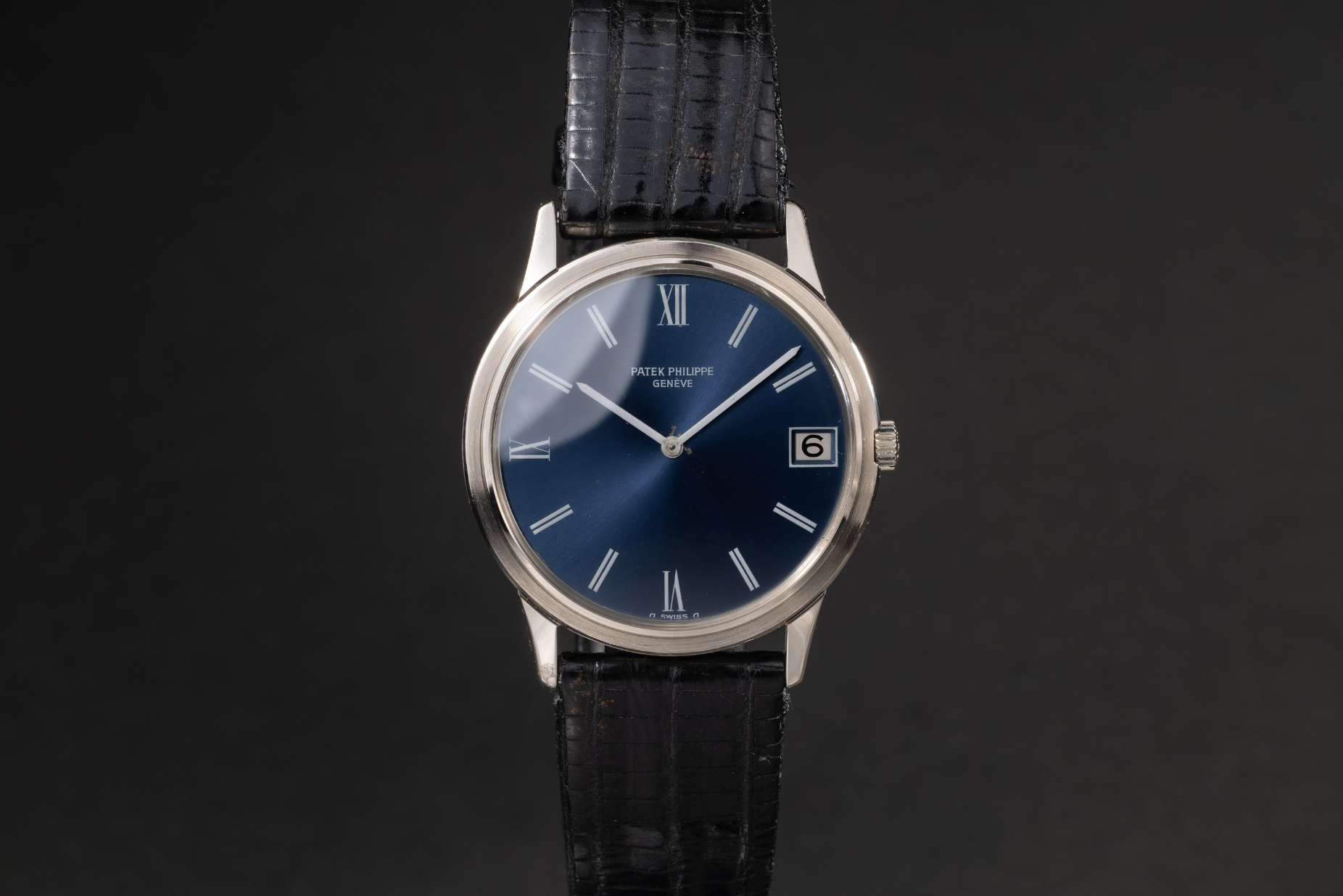
This is the distinction that matters most for anyone spending serious money. Consumer smartwatches like the Apple Watch or Samsung Galaxy Watch are extraordinarily capable devices. They monitor heart rate, track sleep, receive messages, and run third-party apps. But they operate on a product cycle that mirrors smartphones, meaning last year's model is functionally obsolete within a few years, and resale value is essentially nonexistent. Luxury tech watches operate differently. A Rolex with a modern silicon balance spring retains its value. A Patek Philippe with a gyromax balance and spiromax hairspring is a technical achievement that appreciates over time. Even hybrid smartwatches from brands like Frederique Constant or Montblanc blend traditional mechanical movements with connected features while maintaining the craftsmanship that underpins long-term value. The question is not which is better. The question is what you actually need the watch to do.
Top Categories of Tech Watches Worth Knowing
The market organizes itself into a few clear segments, and understanding them helps narrow the search considerably.
- GPS and multisport watches from brands like Garmin, Suunto, and Polar are purpose-built for performance. They offer altitude, depth, pace, navigation, and health metrics in rugged housings.
- Smartwatches from Apple, Samsung, and Google focus on connectivity and app ecosystems, functioning as wrist-worn extensions of your smartphone.
- Luxury connected watches from TAG Heuer, Montblanc, and Frederique Constant merge Swiss craftsmanship with smart features, targeting buyers who want prestige alongside function.
- High-tech mechanical watches from Rolex, Patek Philippe, Omega, and Audemars Piguet use advanced materials and engineering to improve precision and longevity while maintaining traditional aesthetics.
- Solar and kinetic watches from Seiko, Citizen, and Casio eliminate the need for battery changes through energy harvesting technology, combining practicality with modern design.
What to Look for When Buying a Tech Watch
Before purchasing, it helps to be specific about your priorities. Battery life is a significant differentiator. Some GPS watches last weeks on a single charge while smartwatches often need daily charging. Durability matters too, particularly water resistance ratings, case materials, and crystal type. Sapphire crystal is standard on serious luxury pieces and significantly more scratch-resistant than mineral glass. Movement type, whether quartz, mechanical, or electronic, affects both maintenance requirements and long-term value. For anyone considering a tech watch as an investment or collectible, the mechanical segment is where long-term appreciation happens. Smartwatches, however impressive technically, do not hold value the way a well-chosen Swiss mechanical timepiece does.
The Role of Materials in Modern Watch Technology
One area where the tech watch category genuinely impresses is materials science. Brands are now using ceramic, titanium, carbon fiber, and even forged carbon to reduce weight while increasing scratch and impact resistance. Omega introduced its co-axial escapement and later partnered with METAS to achieve Master Chronometer certification, a testing standard more rigorous than COSC. Rolex developed its own proprietary alloys, including Oystersteel and Everose gold, engineered specifically for durability and corrosion resistance. Silicon has replaced traditional steel components in the escapements of many high-end movements, reducing friction, eliminating the need for lubrication in certain areas, and improving long-term accuracy. These are not marketing claims. They represent genuine advances in horological engineering that justify the price premiums attached to them.
Tech Watches and Their Surprising Connection to Vintage Collecting
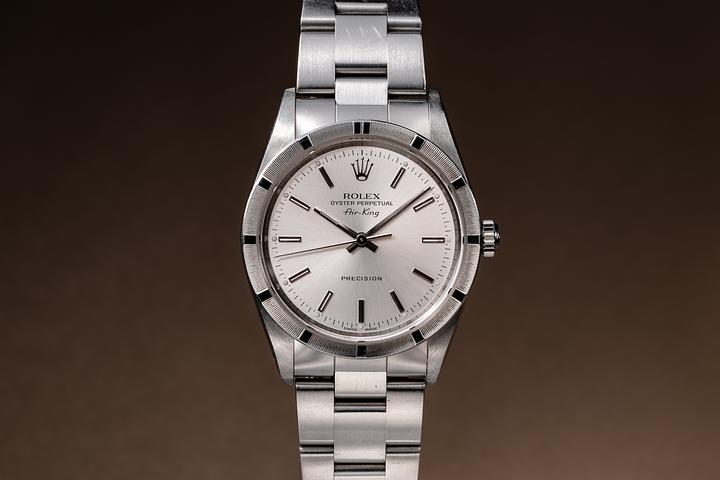
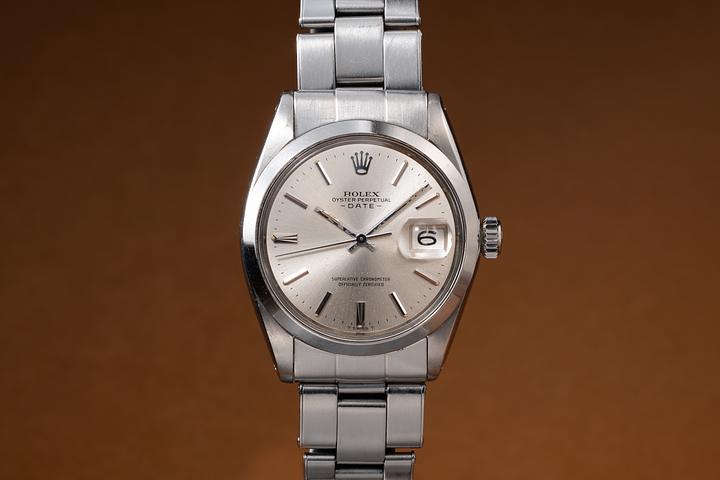
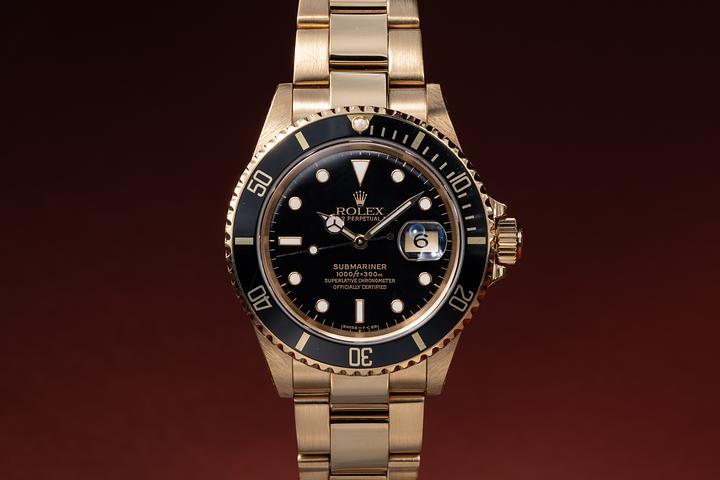
Here is something that does not get discussed enough. The same interest in precision, innovation, and mechanical ingenuity that draws people to modern tech watches often leads them, eventually, toward vintage horology. A collector who starts with a Garmin or an Apple Watch frequently develops an appreciation for what it means to engineer something without a battery or a processor. The jump from admiring a smartwatch to wanting a vintage Rolex Explorer or a Submariner from the 1960s is not as strange as it sounds. Both represent the pinnacle of what was technically possible in their respective eras. Vintage watches carry that history on the dial, in the patina of the hands, and in the caliber ticking inside the case. That intersection of technology appreciation and historical reverence is a powerful combination for collectors.
How to Decide What Is Right for You
The honest answer is that most serious watch enthusiasts end up owning more than one category. A fitness-focused GPS watch for training, a smartwatch for connectivity, and a mechanical luxury piece for occasions and long-term investment cover all bases without overlap. If the budget allows for only one watch, define your priorities clearly. Daily utility and health tracking point toward smartwatches or GPS sport models. Prestige, craftsmanship, and value retention point firmly toward Swiss mechanical timepieces. If you want technology embedded in a mechanical watch, brands like Rolex and Patek Philippe offer movements that represent the highest expression of horological engineering available today, and they hold their value in ways that no consumer electronic device ever will.
Why Tropical Watch Is the Right Source for Your Next Luxury Timepiece
If this journey into tech watches has sparked an appreciation for fine mechanical engineering, then the natural next step is exploring the world of vintage and pre-owned luxury watches with a trusted specialist. Tropical Watch has built a reputation as one of the most respected destinations for collectors and first-time buyers alike, with a curated inventory that reflects genuine expertise and passion for horology. Whether you are drawn to the technical brilliance of a modern Rolex movement or the historical significance of a vintage reference, working with specialists who understand both the market and the mechanics makes an enormous difference. For anyone ready to explore what is possible, vintage Rolex watches and luxury timepieces for serious collectors are available through Tropical Watch, where provenance, condition, and authenticity are never an afterthought. The expertise behind each listing is the kind that only comes from years of handling, studying, and selling watches at the highest level of the market.
Frequently Asked Questions About Tech Watches
What is considered a tech watch?
A tech watch is any timepiece that incorporates advanced technology beyond standard timekeeping, including GPS, smartwatch connectivity, solar power, atomic synchronization, or high-precision mechanical innovations like silicon escapements and modern alloys.
Do tech watches hold their value like luxury mechanical watches?
Consumer tech watches such as smartwatches typically depreciate quickly due to short product cycles. Luxury mechanical watches, including those from Rolex, Patek Philippe, and Omega, often retain or increase in value over time, making them a more compelling long-term investment.
Which tech watch has the longest battery life?
GPS sport watches from brands like Garmin and Suunto tend to offer the longest battery life in the tech watch category, with some models lasting several weeks in standard mode and up to 60 hours or more in full GPS tracking mode.
Can a luxury watch also be a tech watch?
Yes. Many Swiss luxury watches incorporate advanced technology in their movements, including silicon balance springs, antimagnetic alloys, co-axial escapements, and modern manufacturing techniques that place them firmly in the category of high-tech mechanical timepieces.
Is a vintage Rolex considered a tech watch?
Vintage Rolex watches represent the peak of mechanical engineering from their respective eras and were technically advanced for their time. While they do not offer smart features, they remain highly regarded for their precision movements, proprietary materials, and enduring mechanical design.
What should I prioritize when choosing between a smartwatch and a luxury mechanical watch?
Prioritize daily utility and health tracking if a smartwatch is the right fit, or choose a luxury mechanical watch if craftsmanship, long-term value, and horological heritage matter more. Many collectors ultimately own both for different purposes.


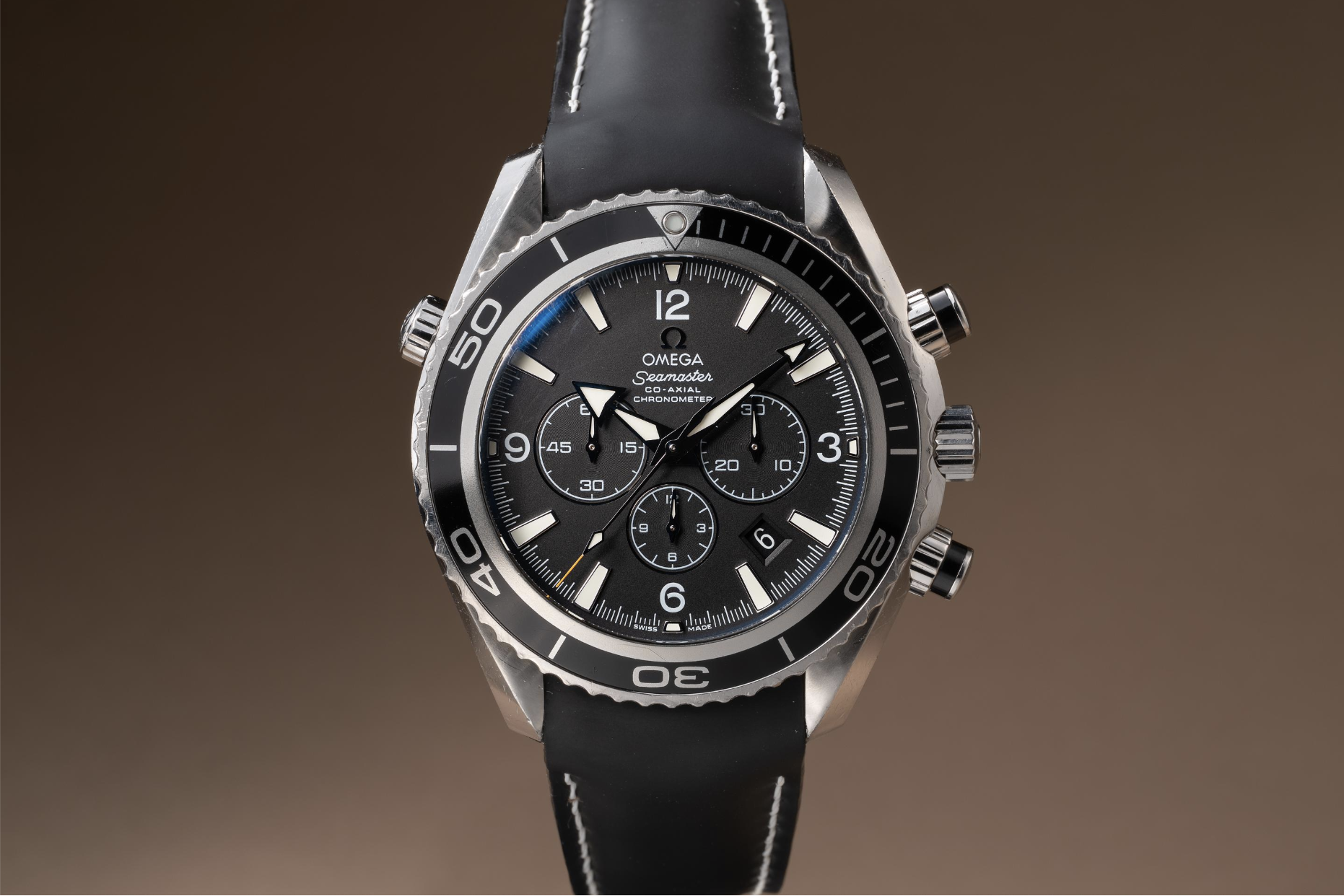

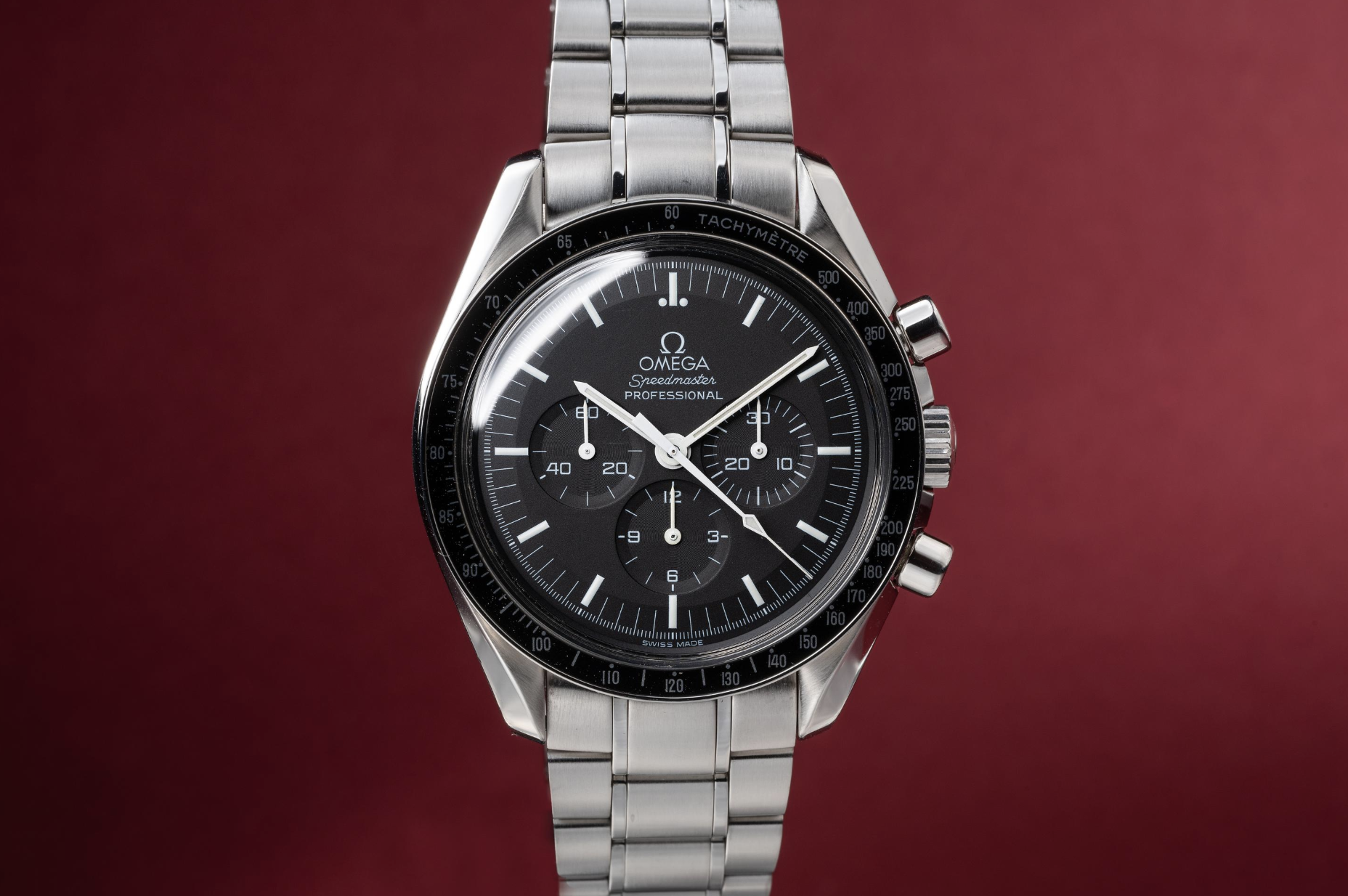


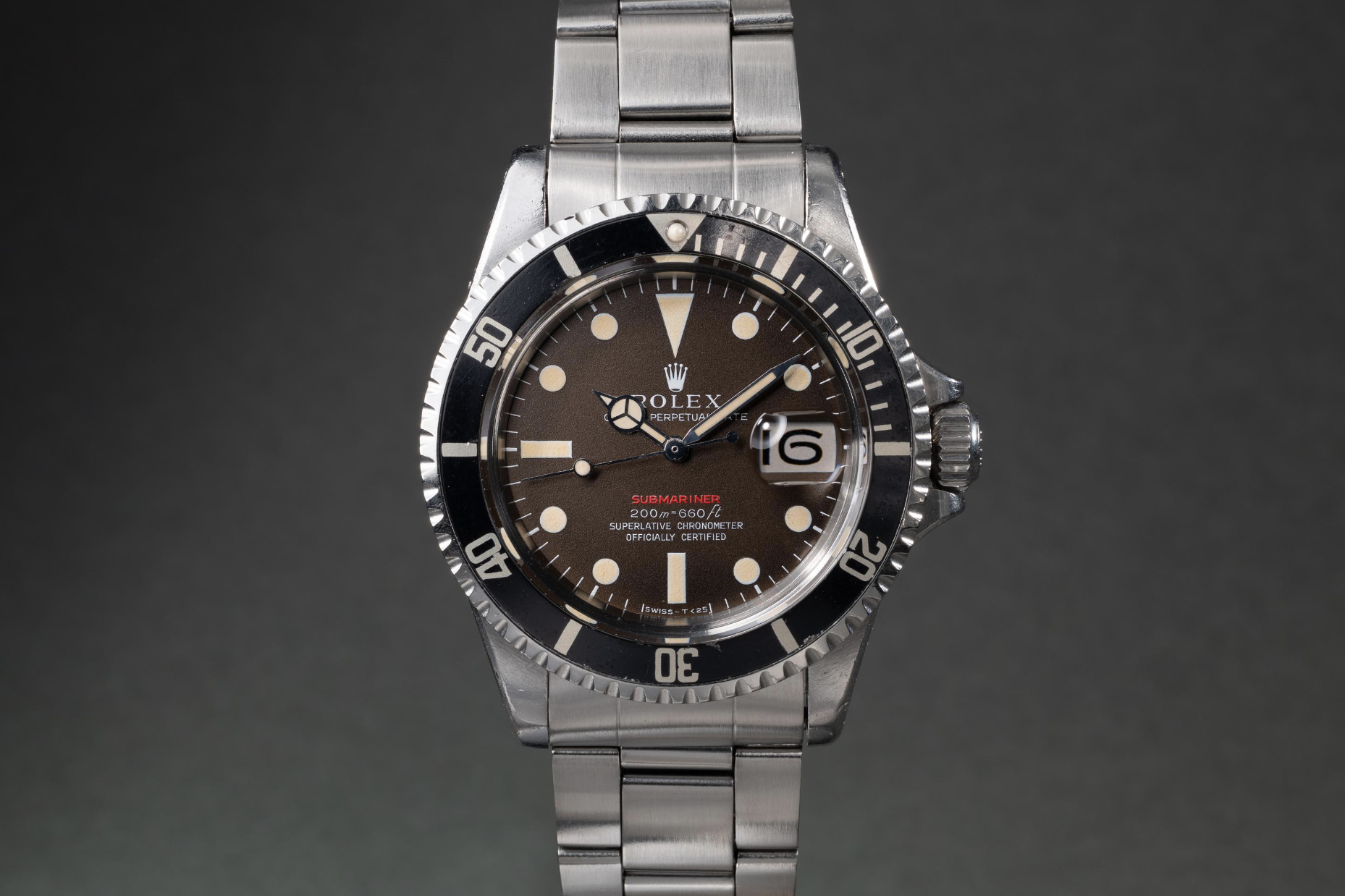


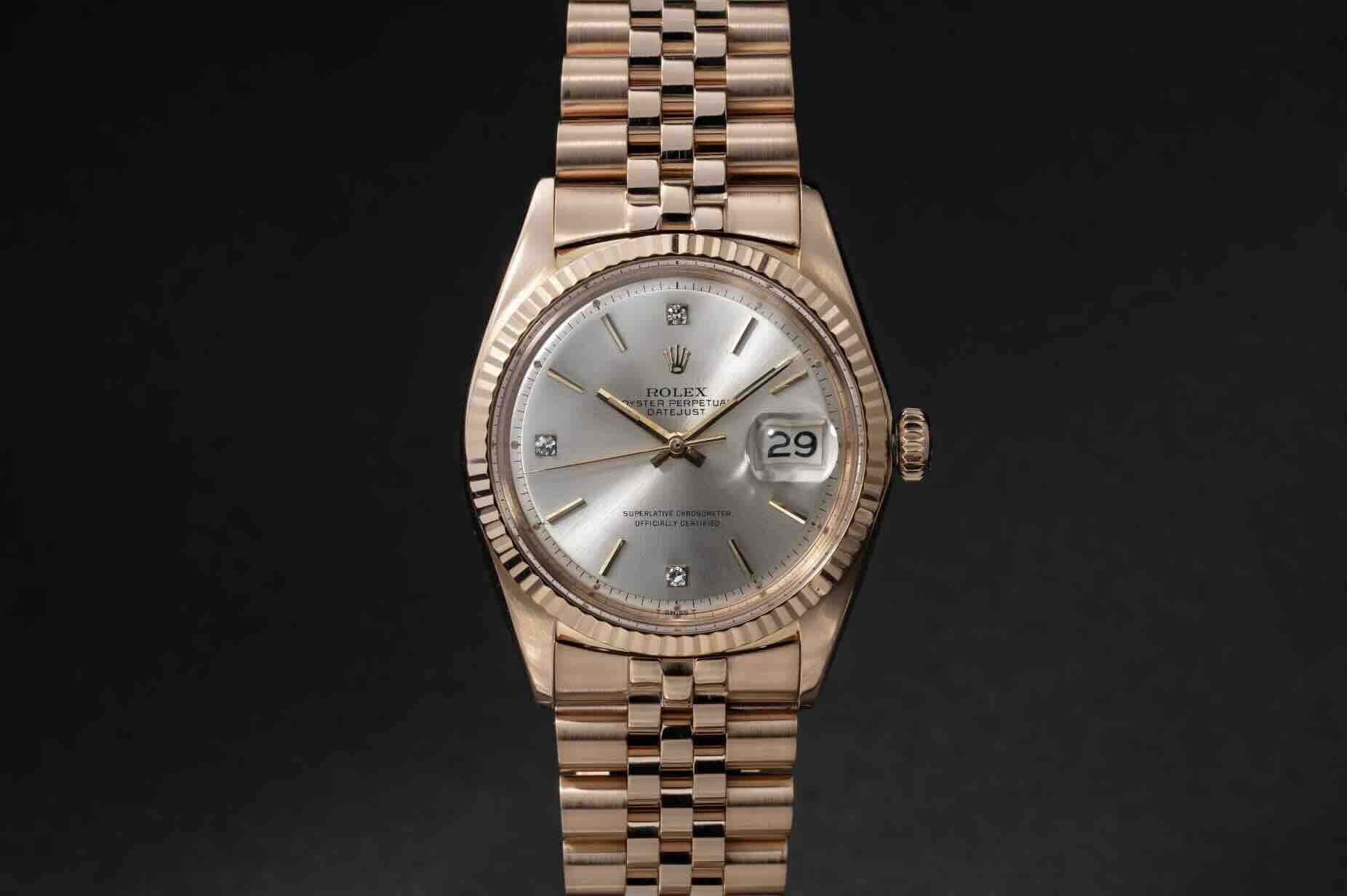


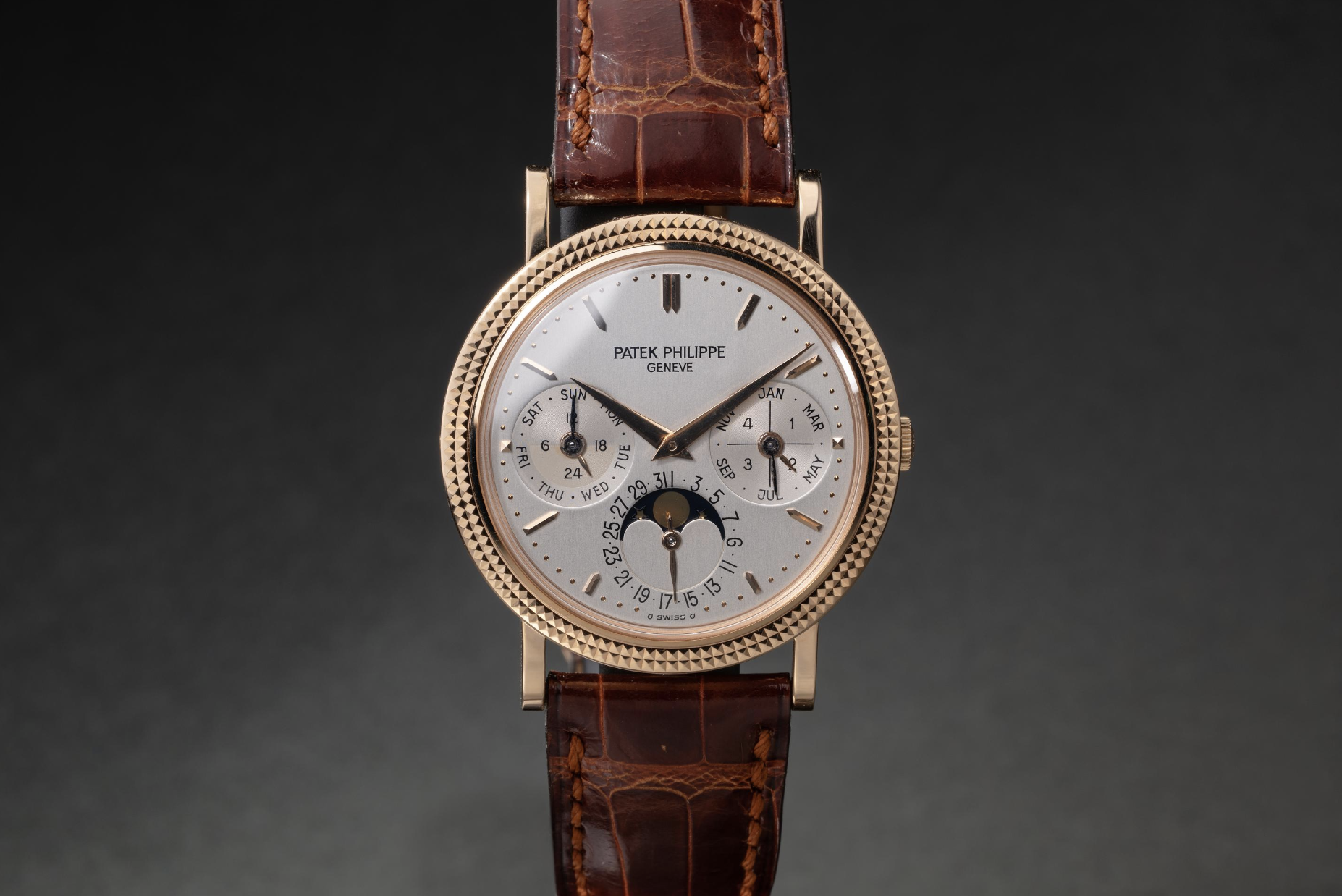

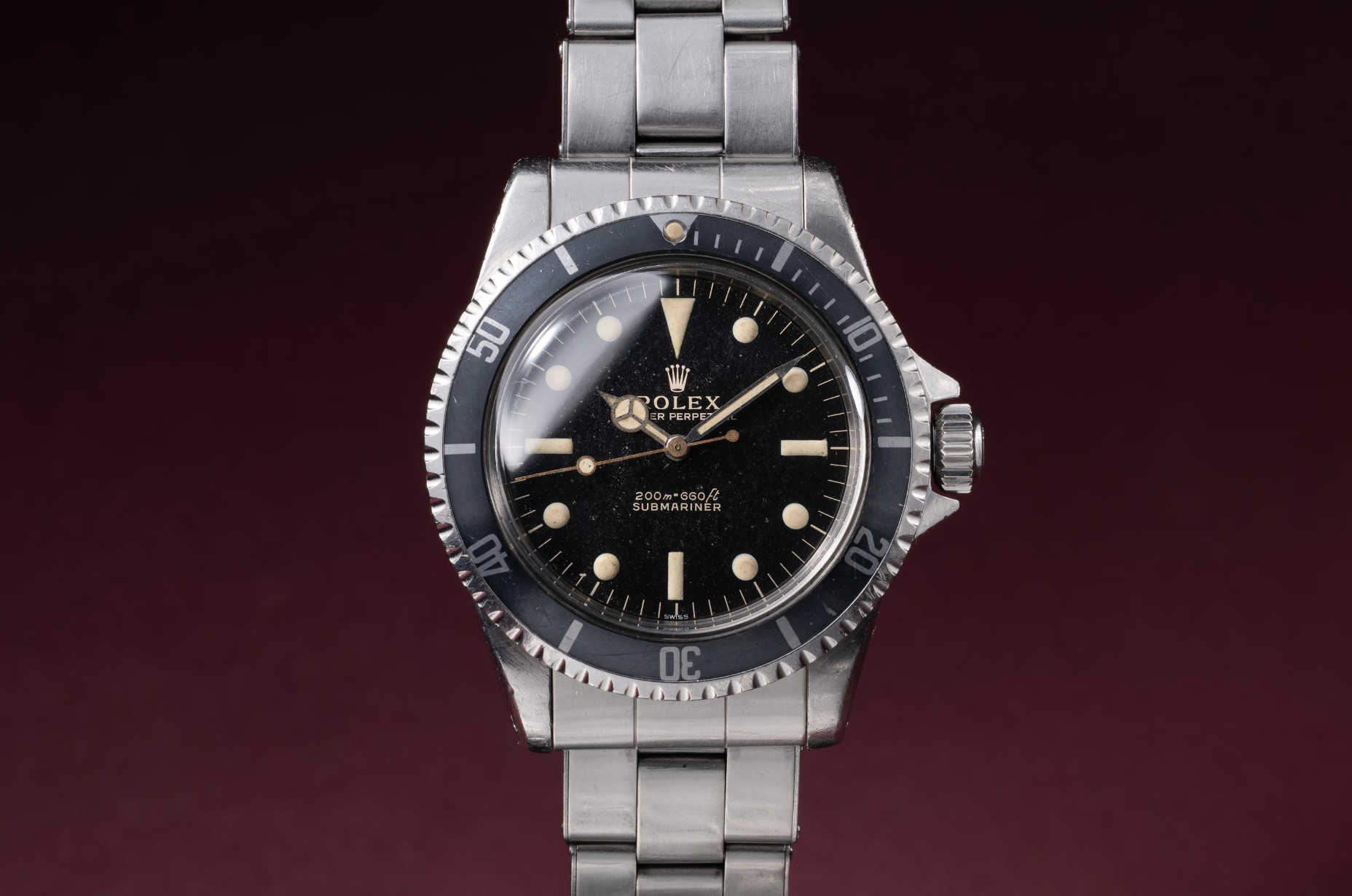

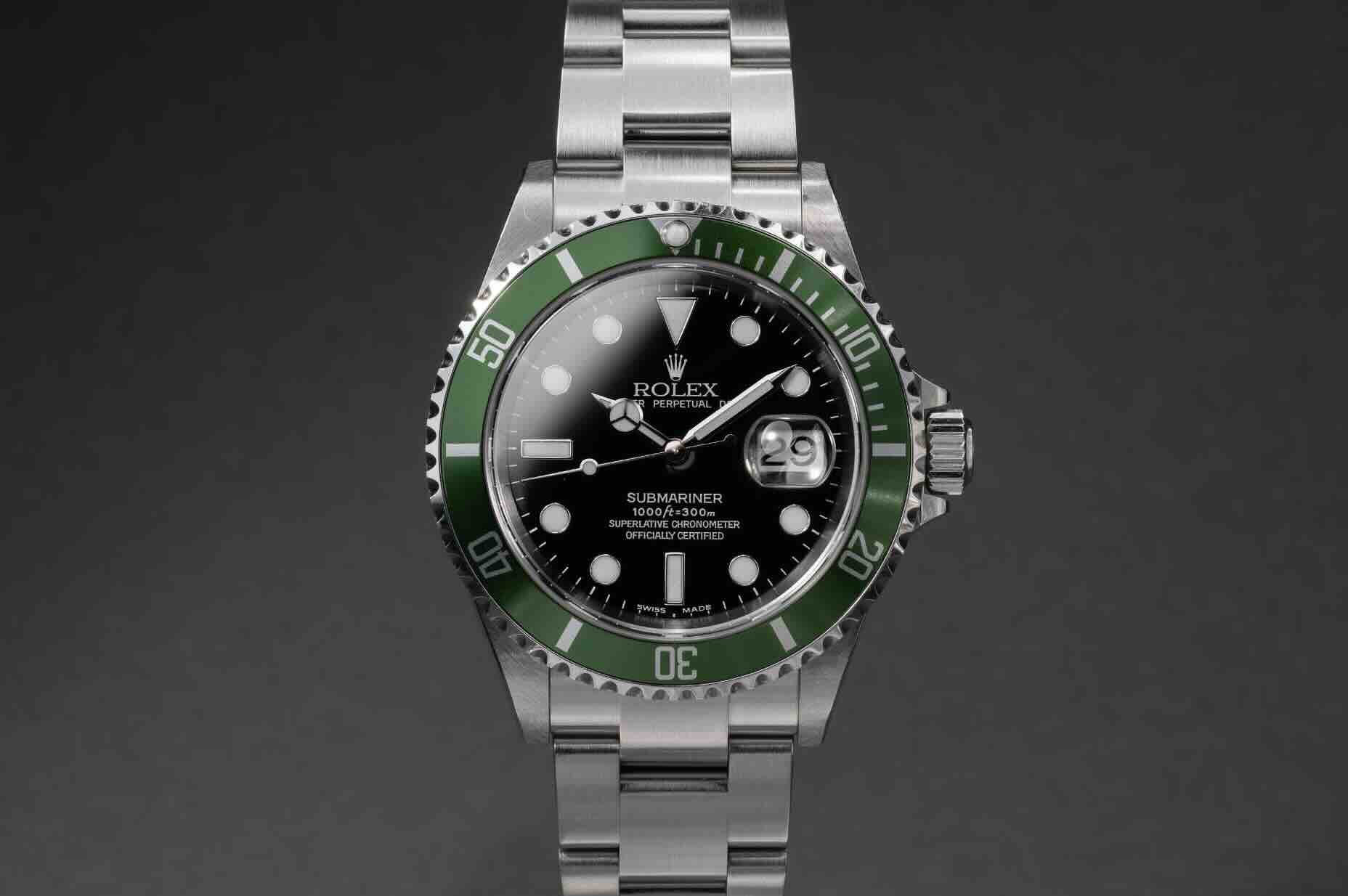


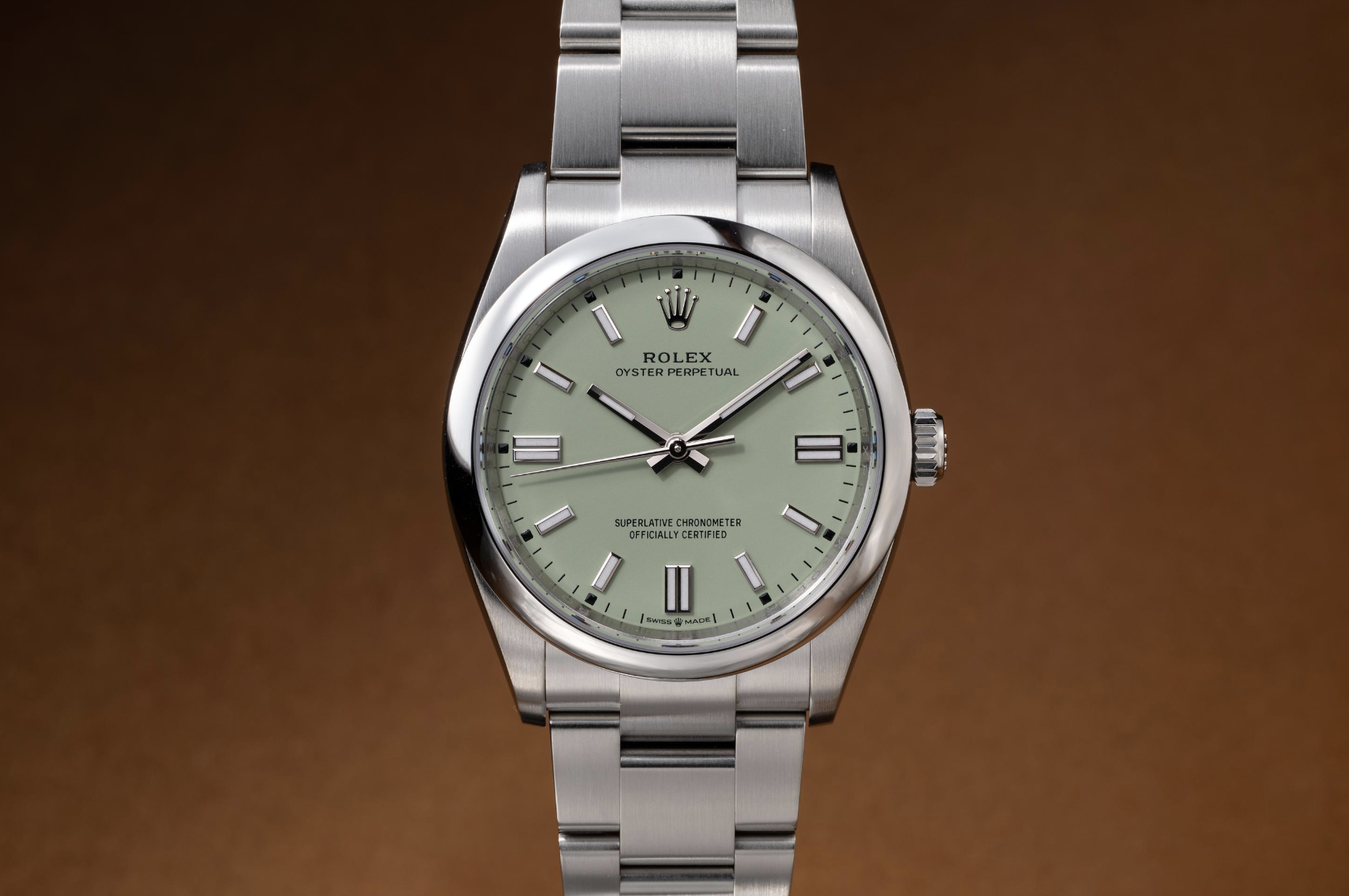
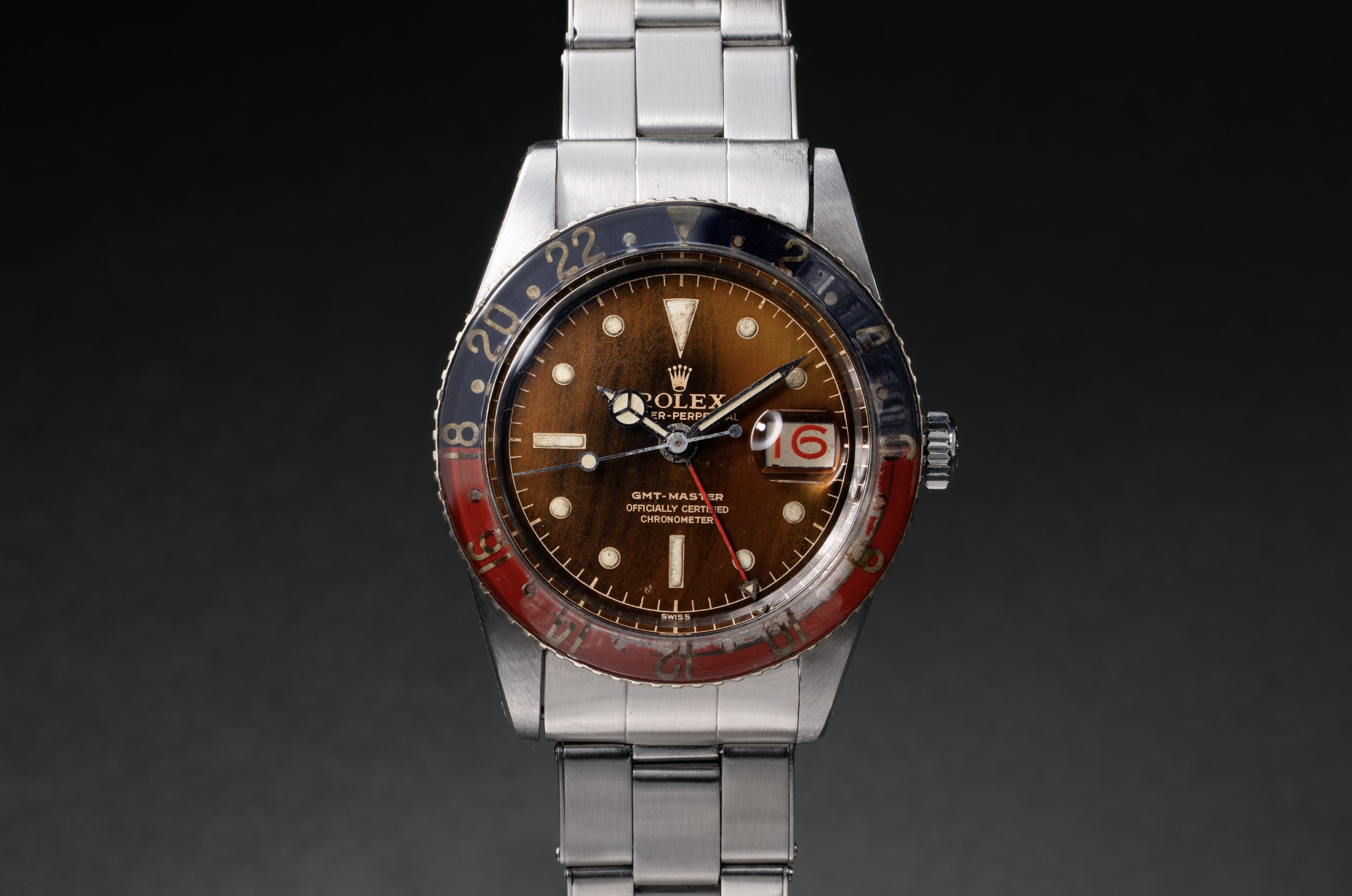
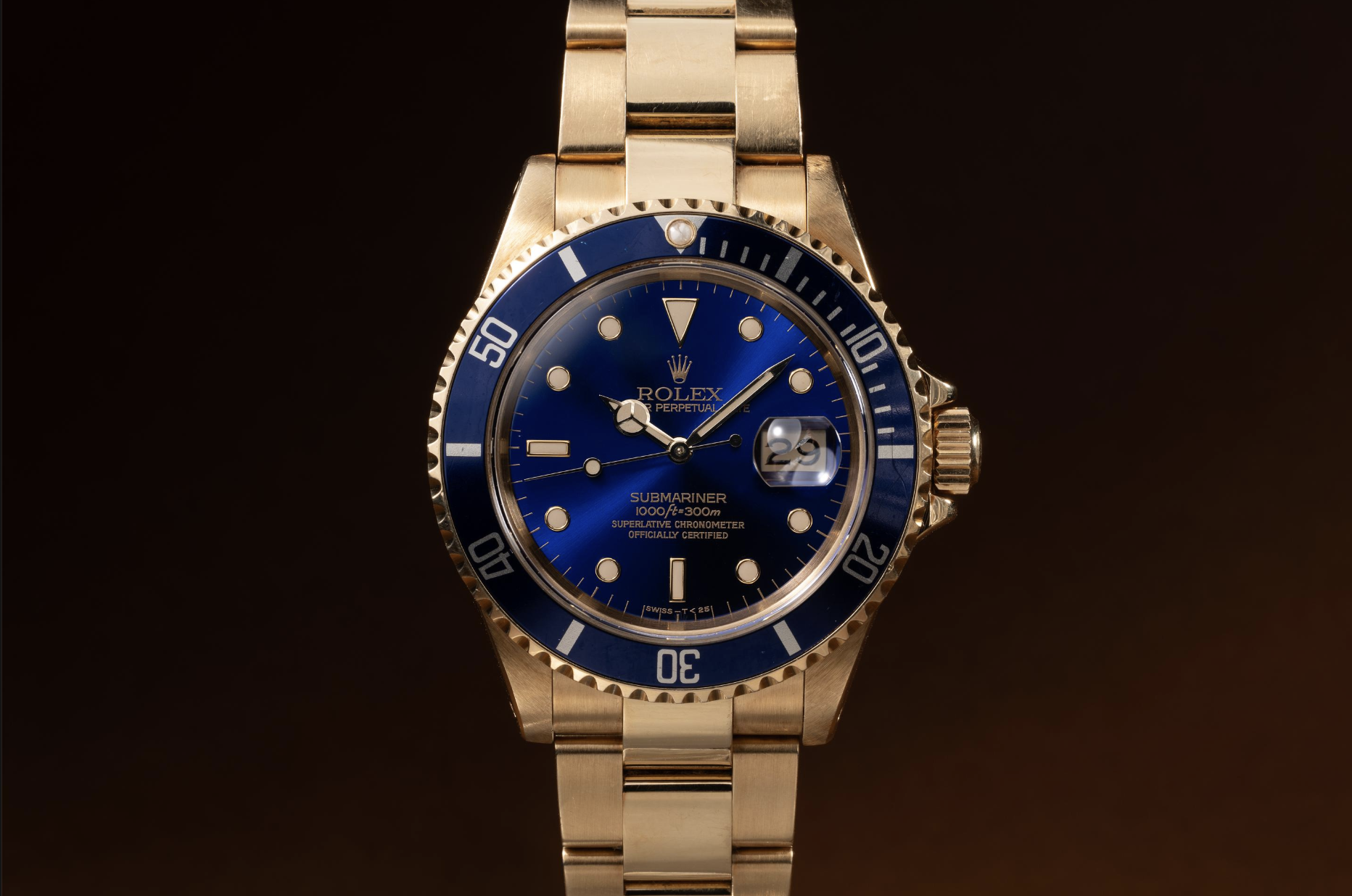
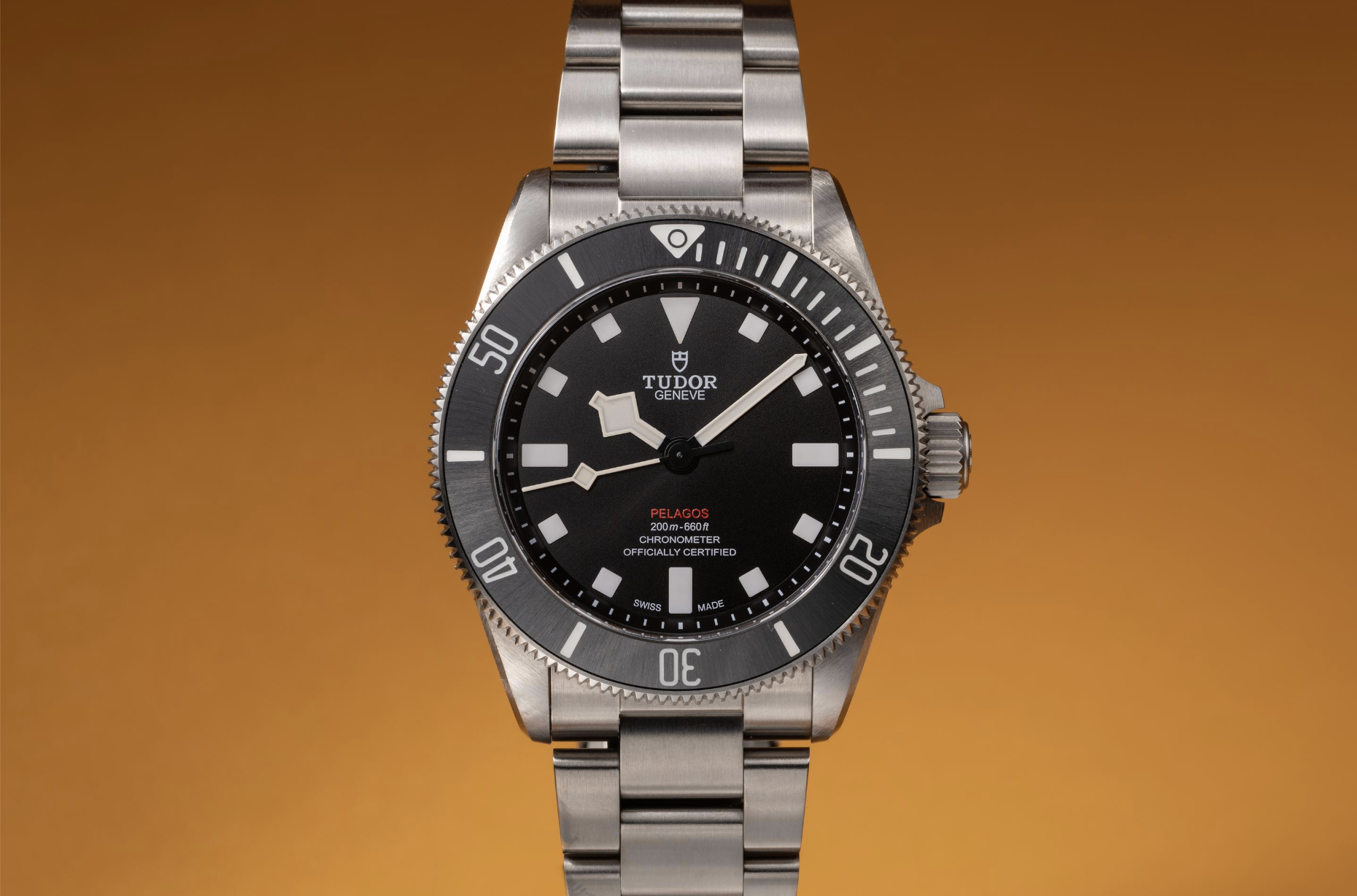
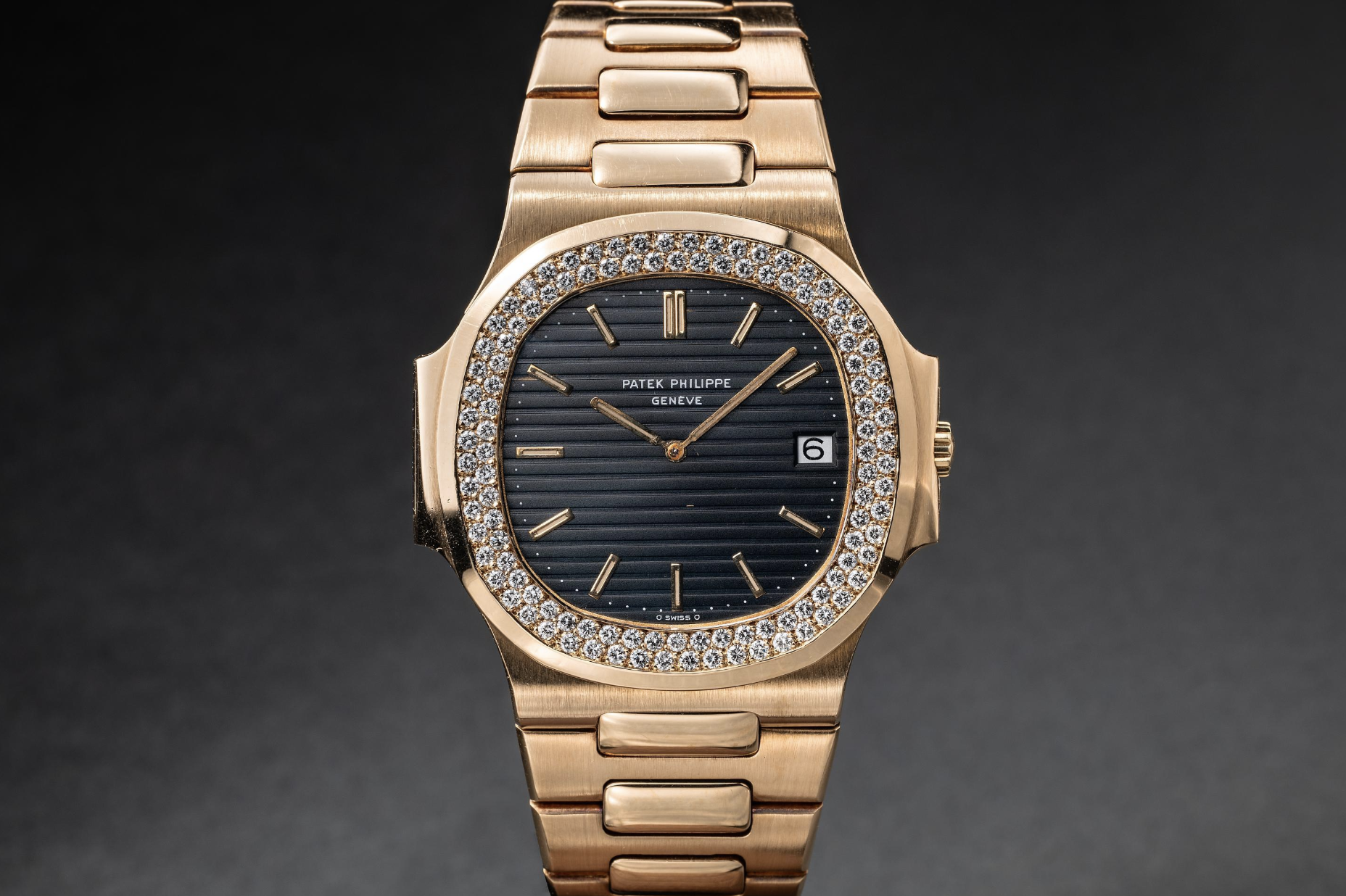

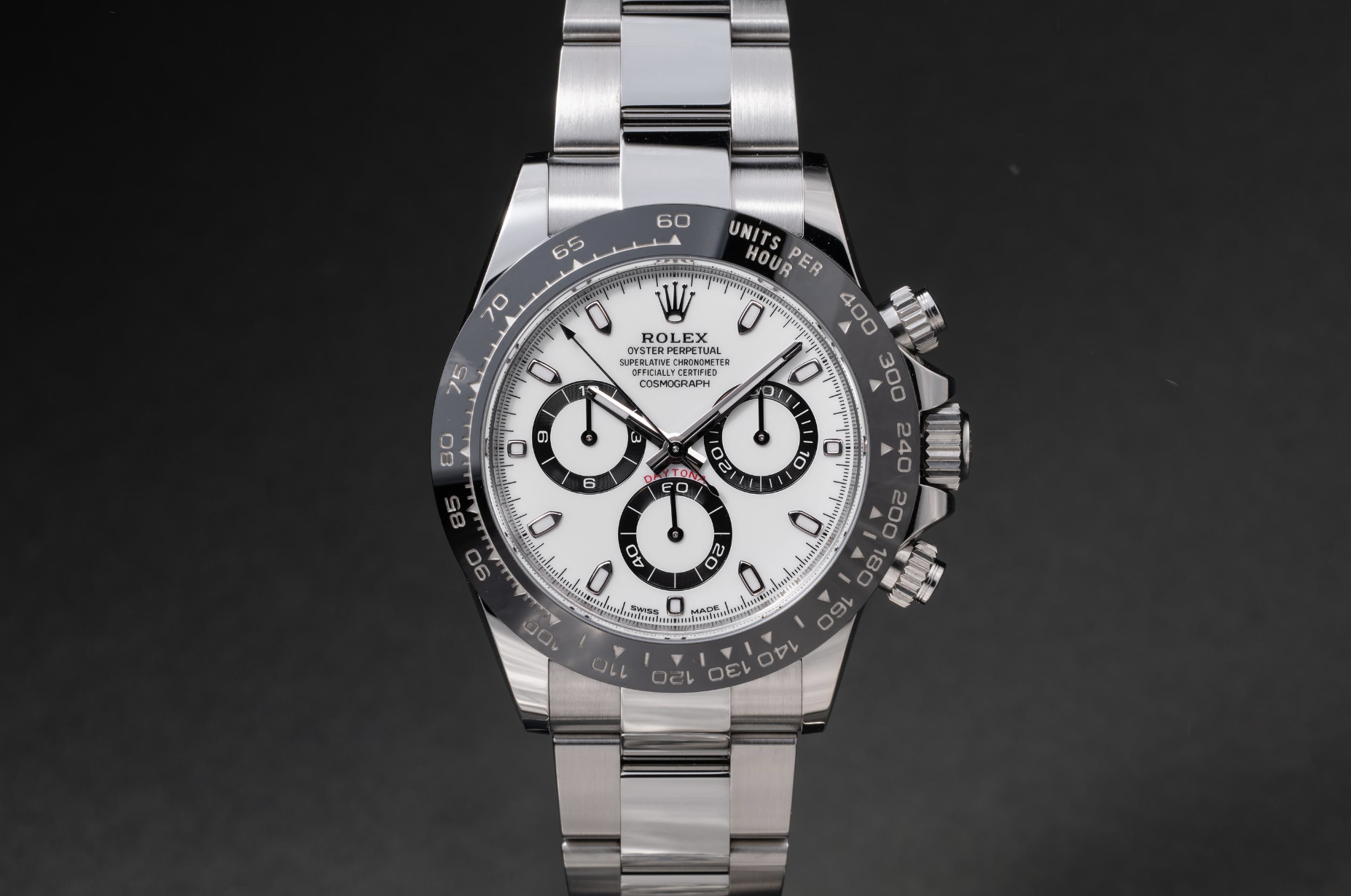

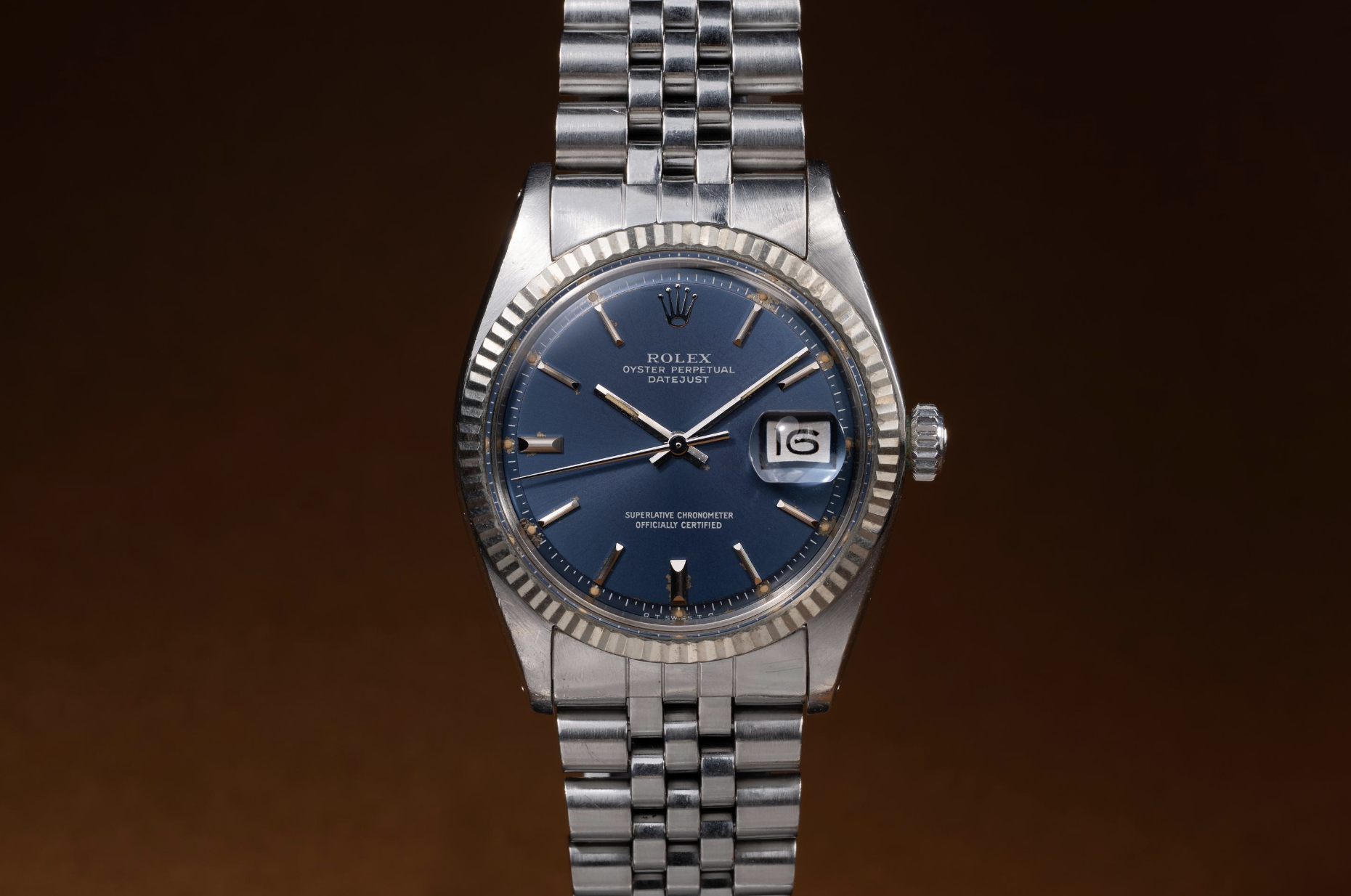
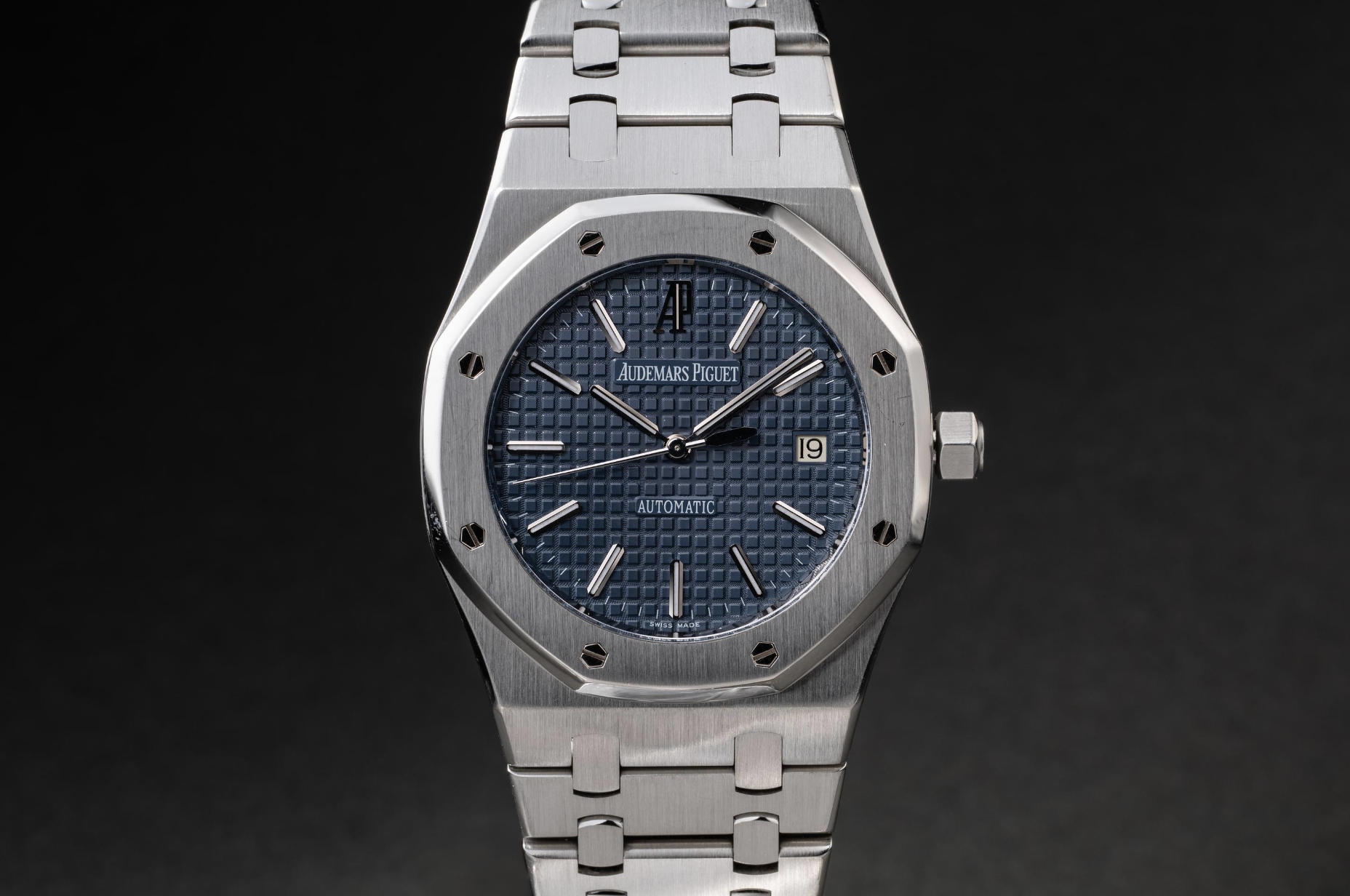
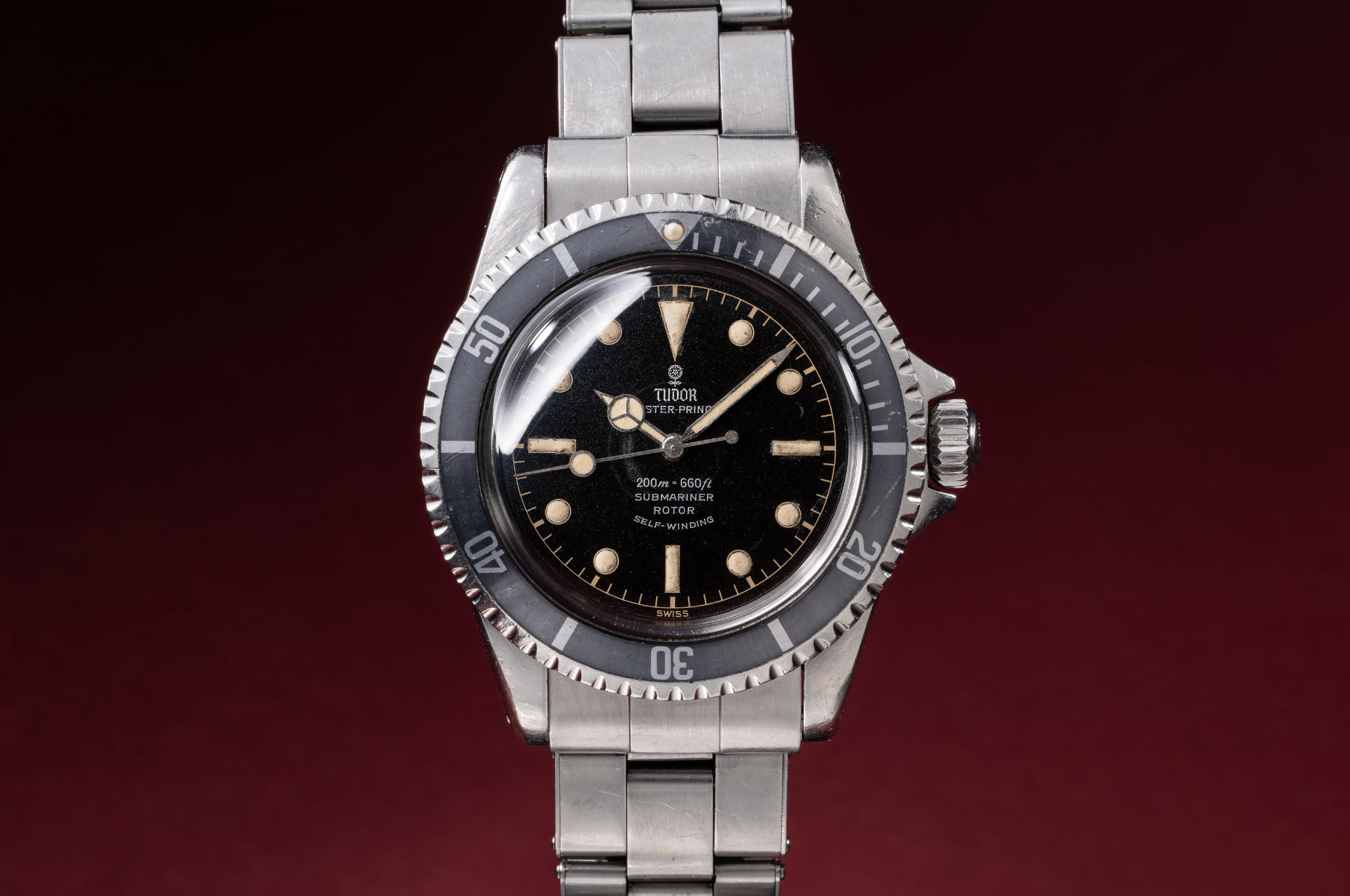
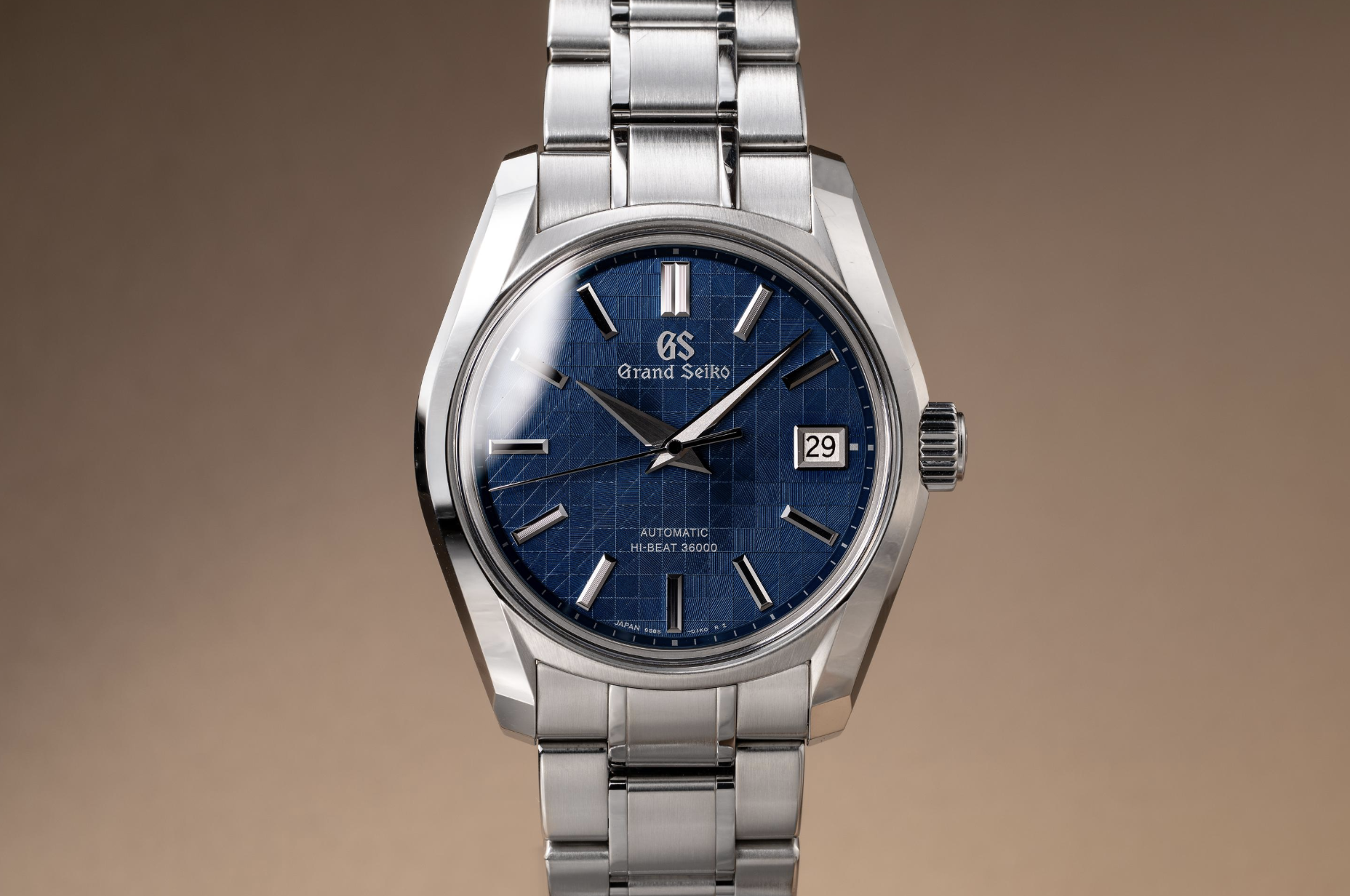
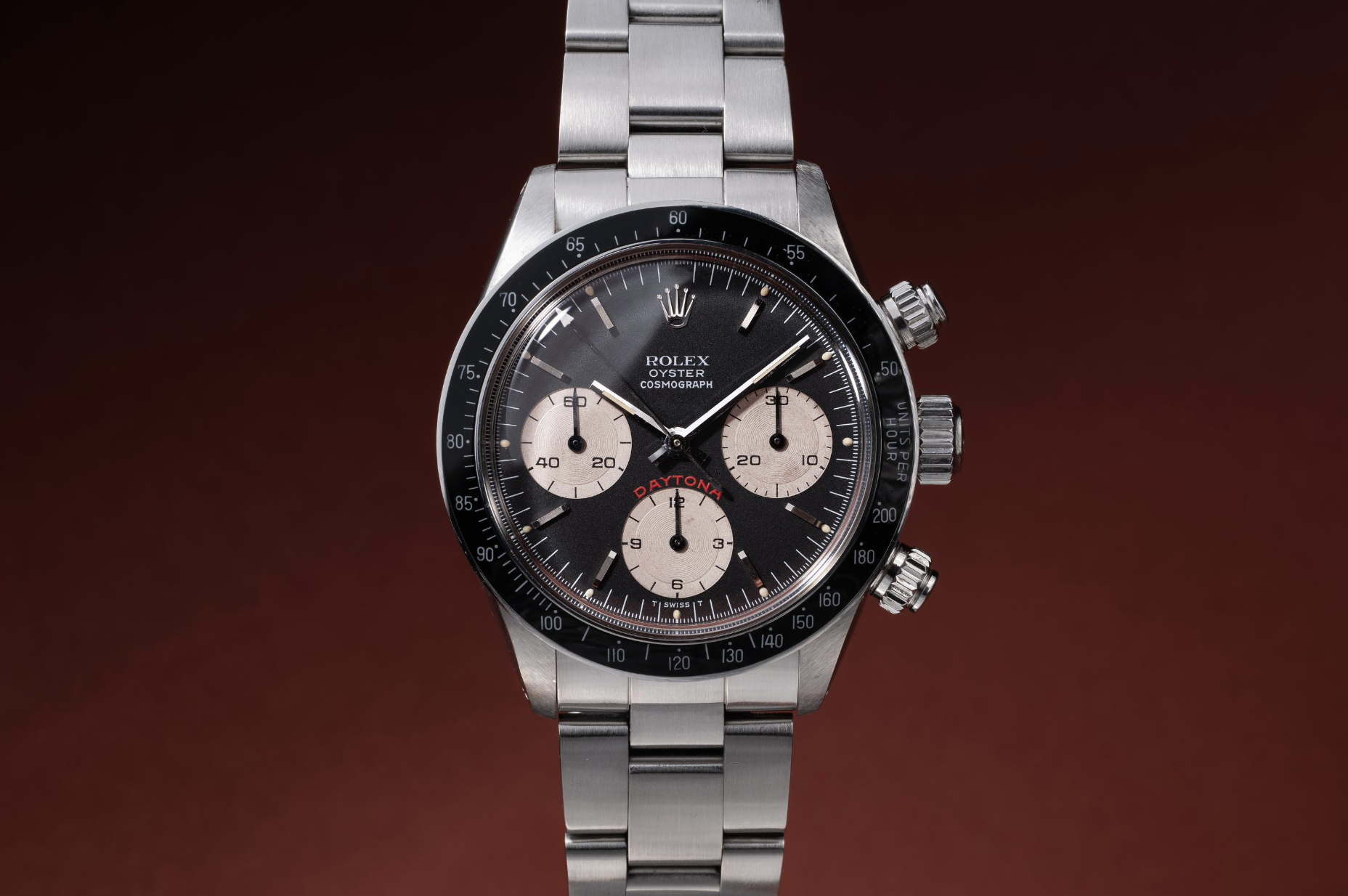
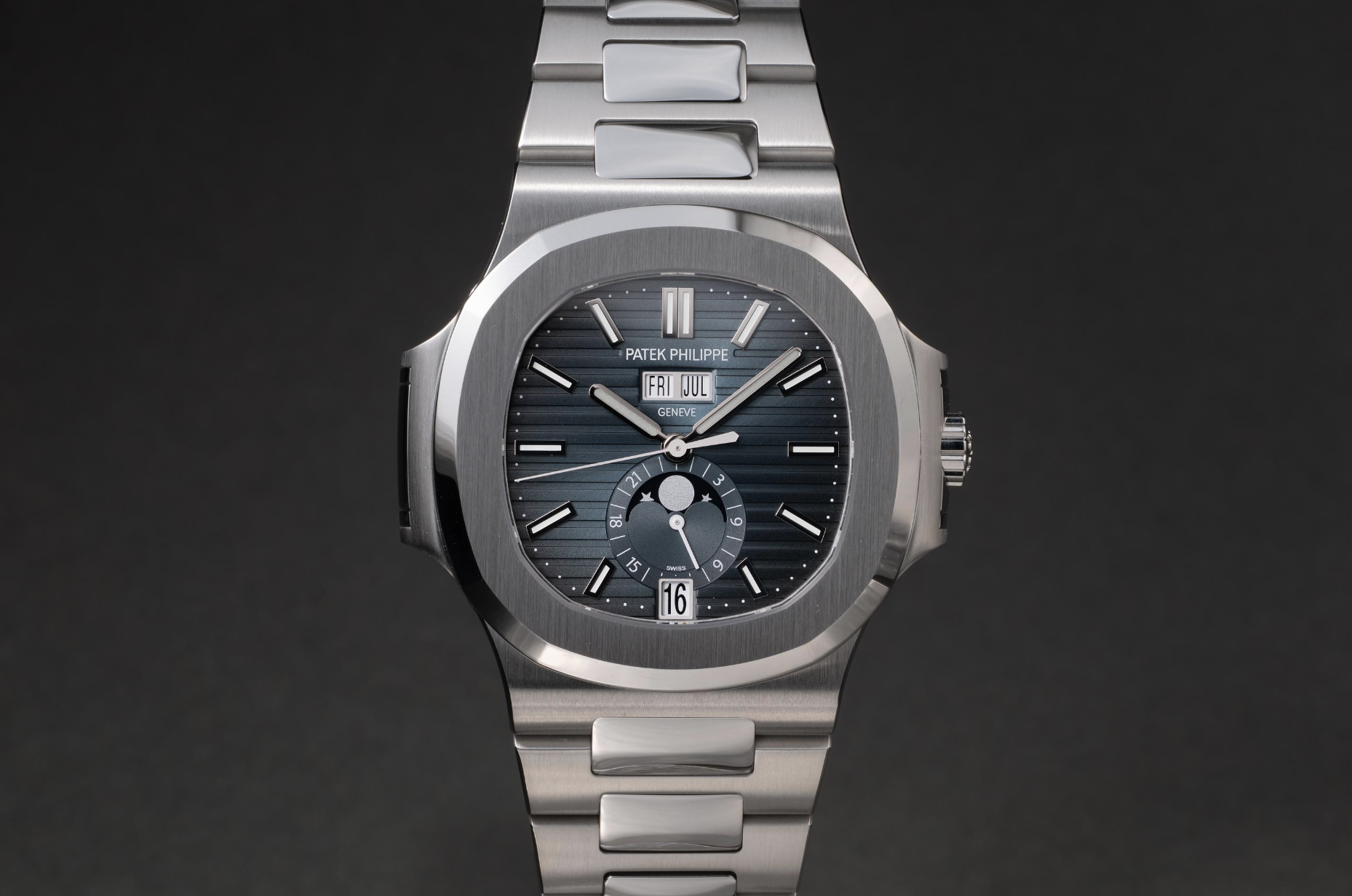
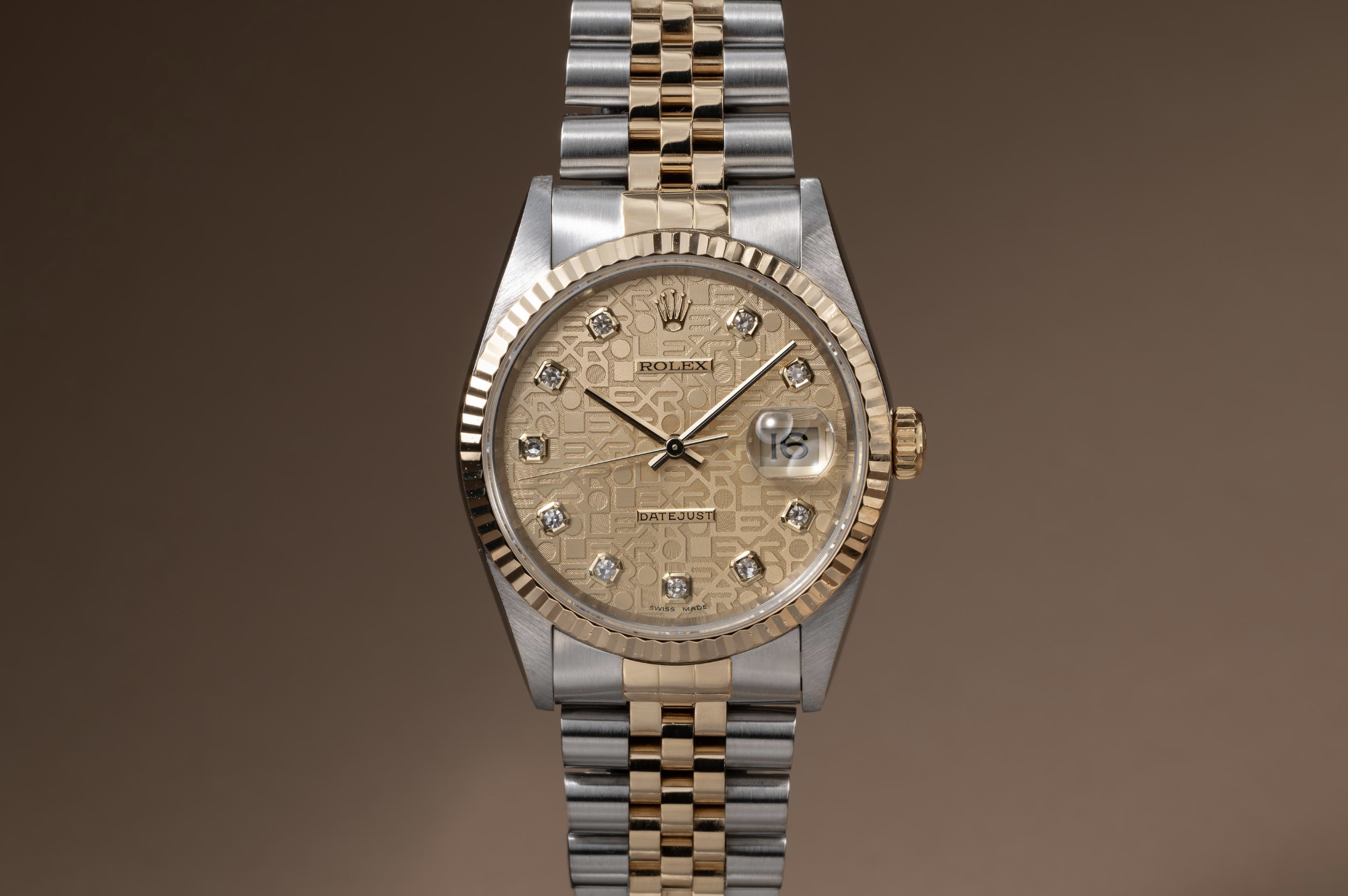
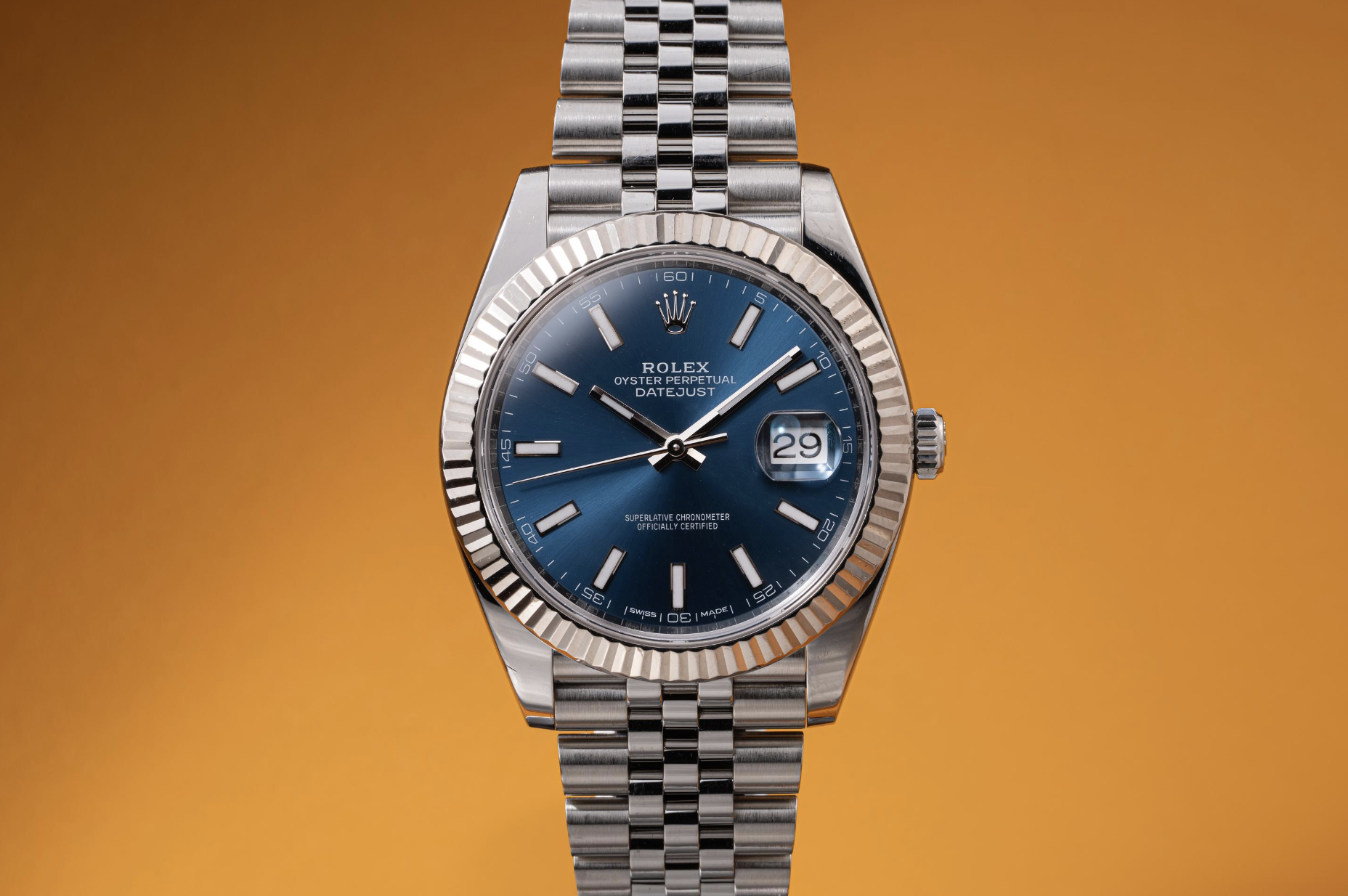
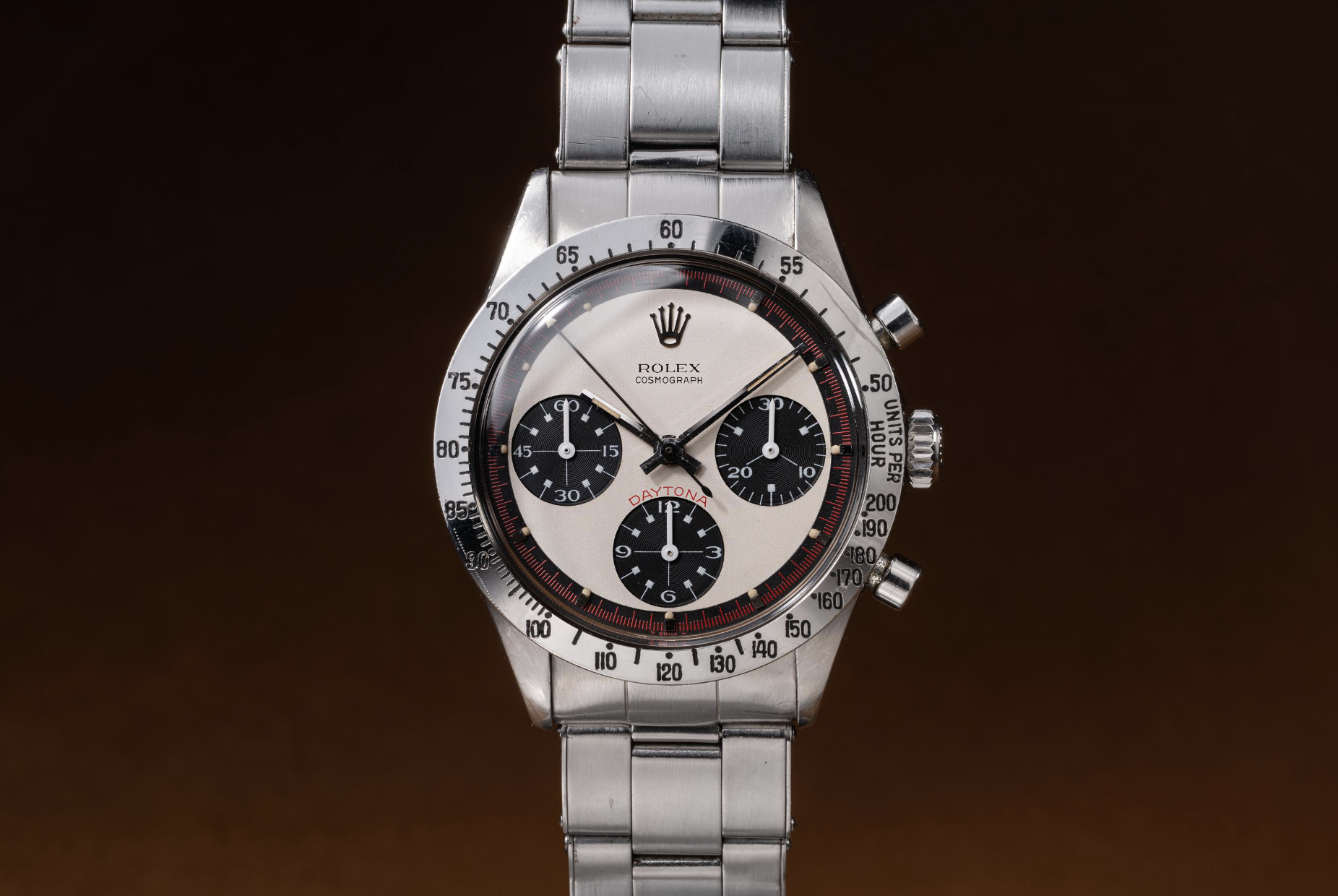



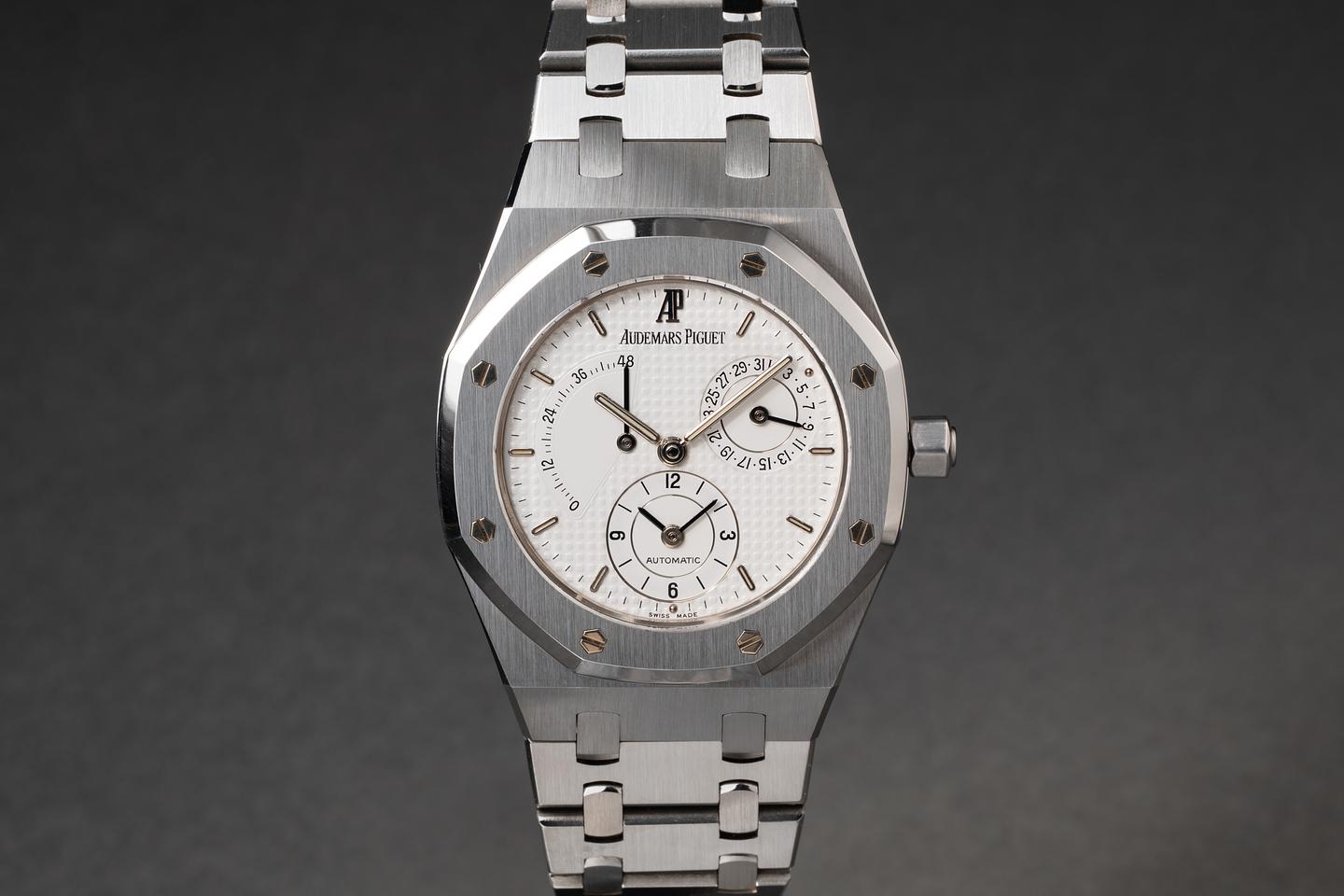

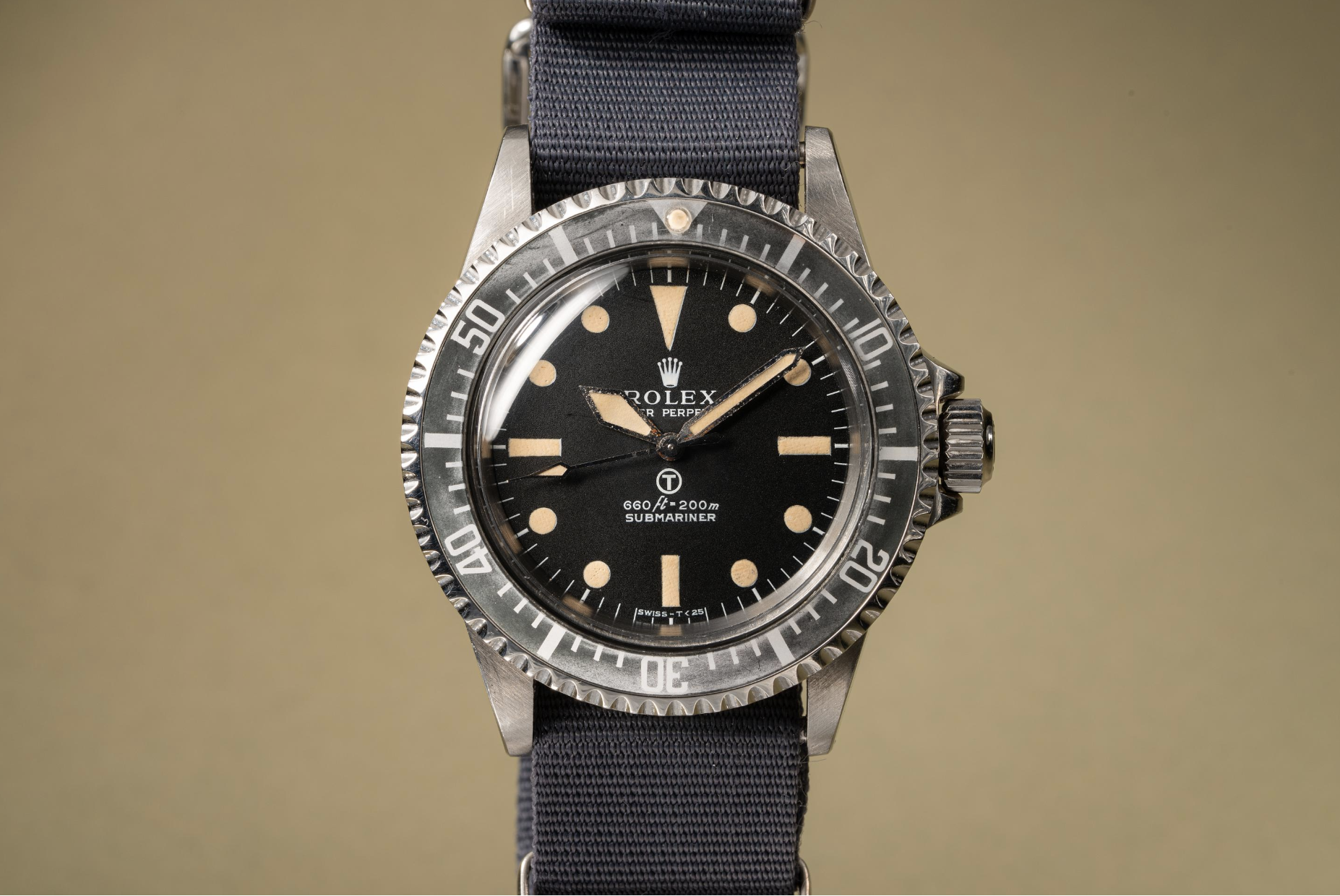
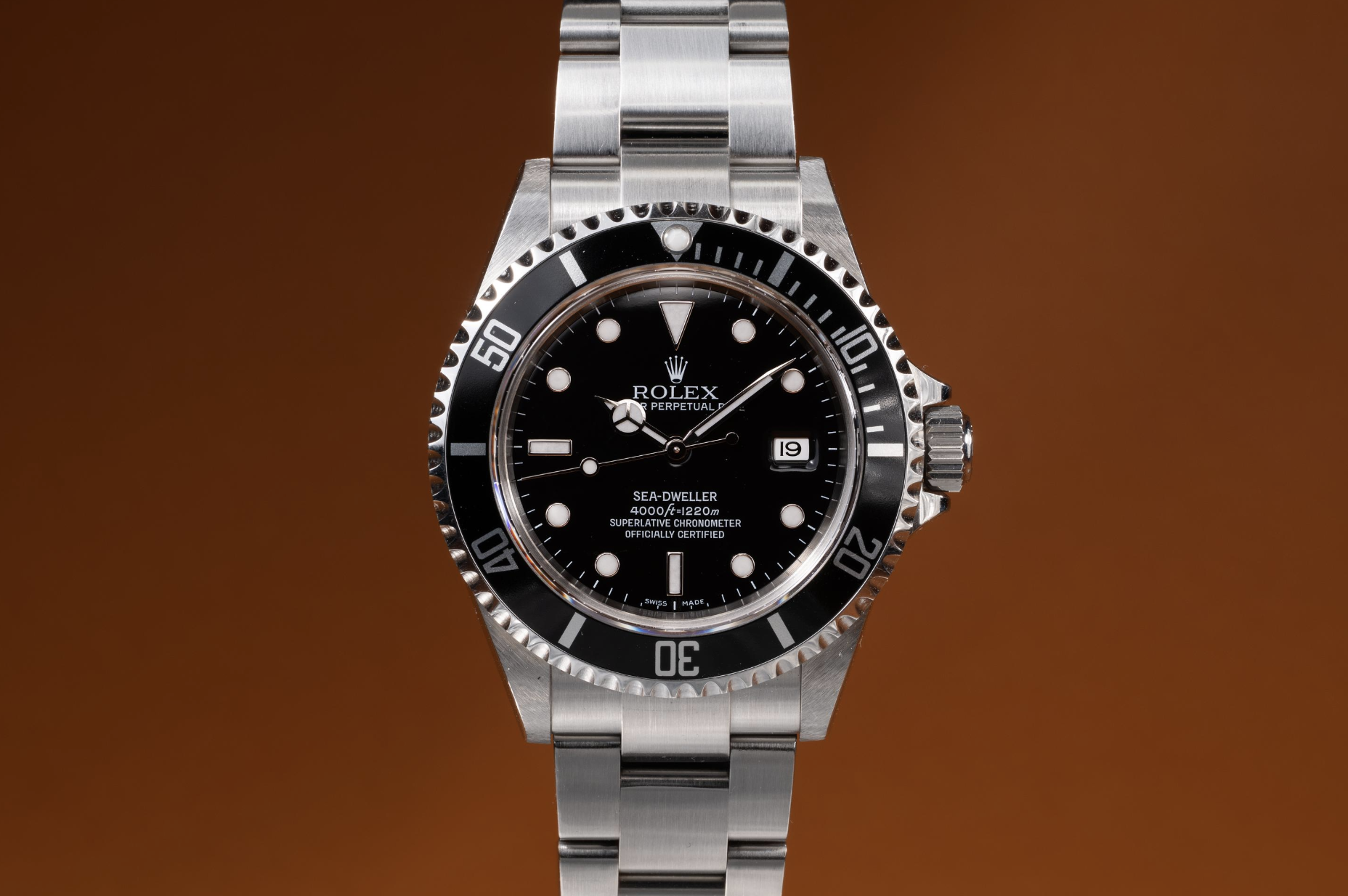
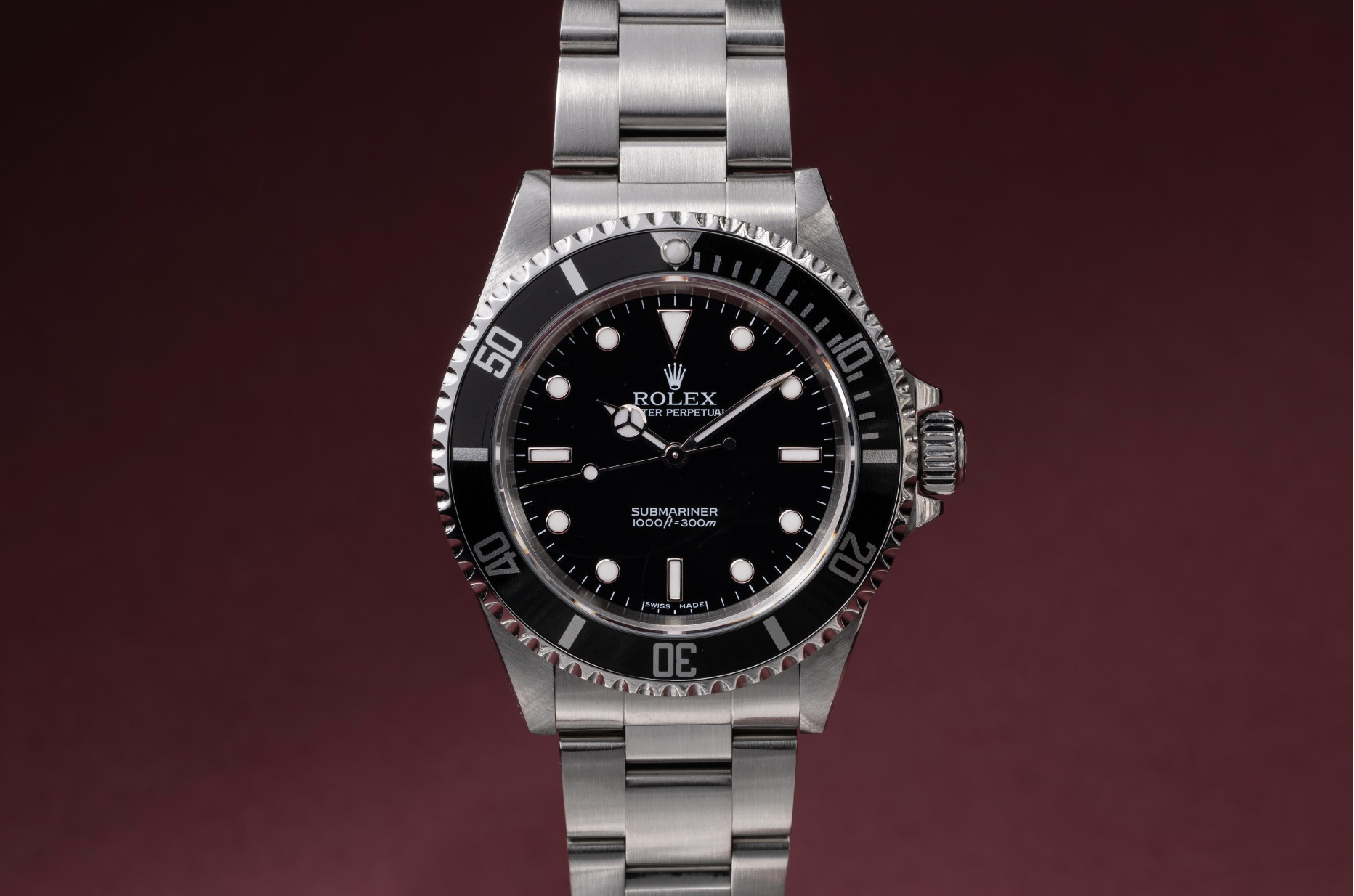
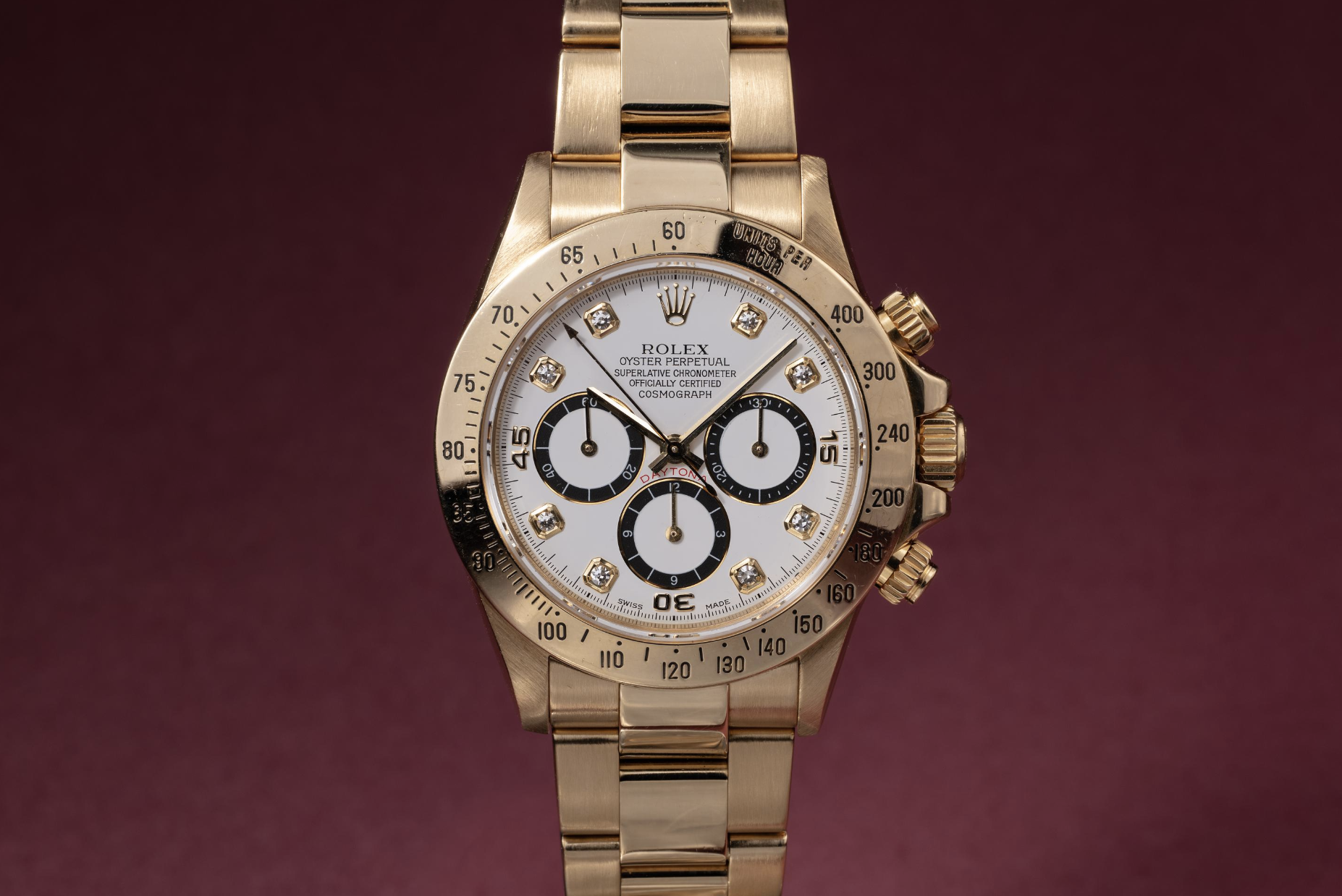


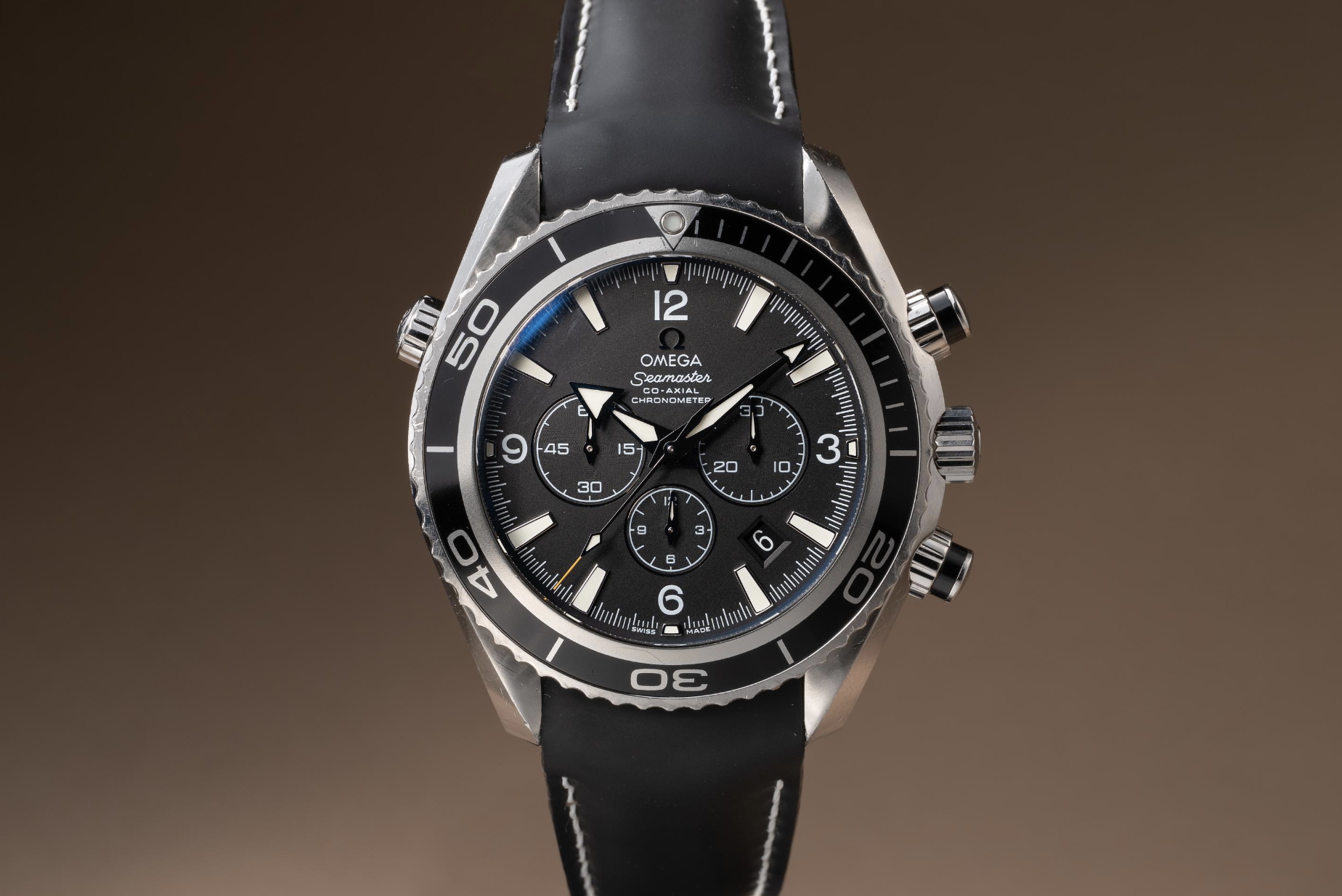

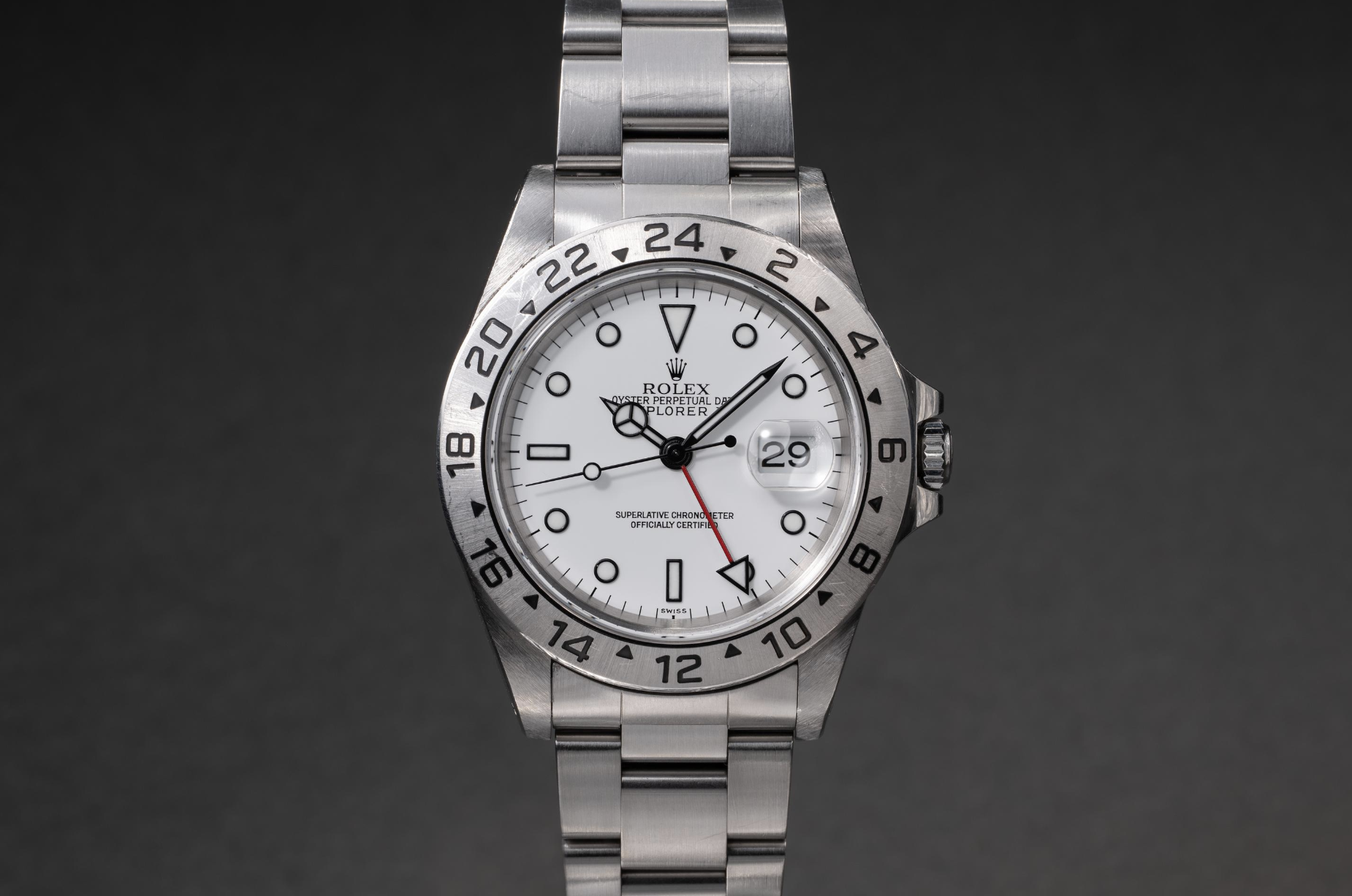


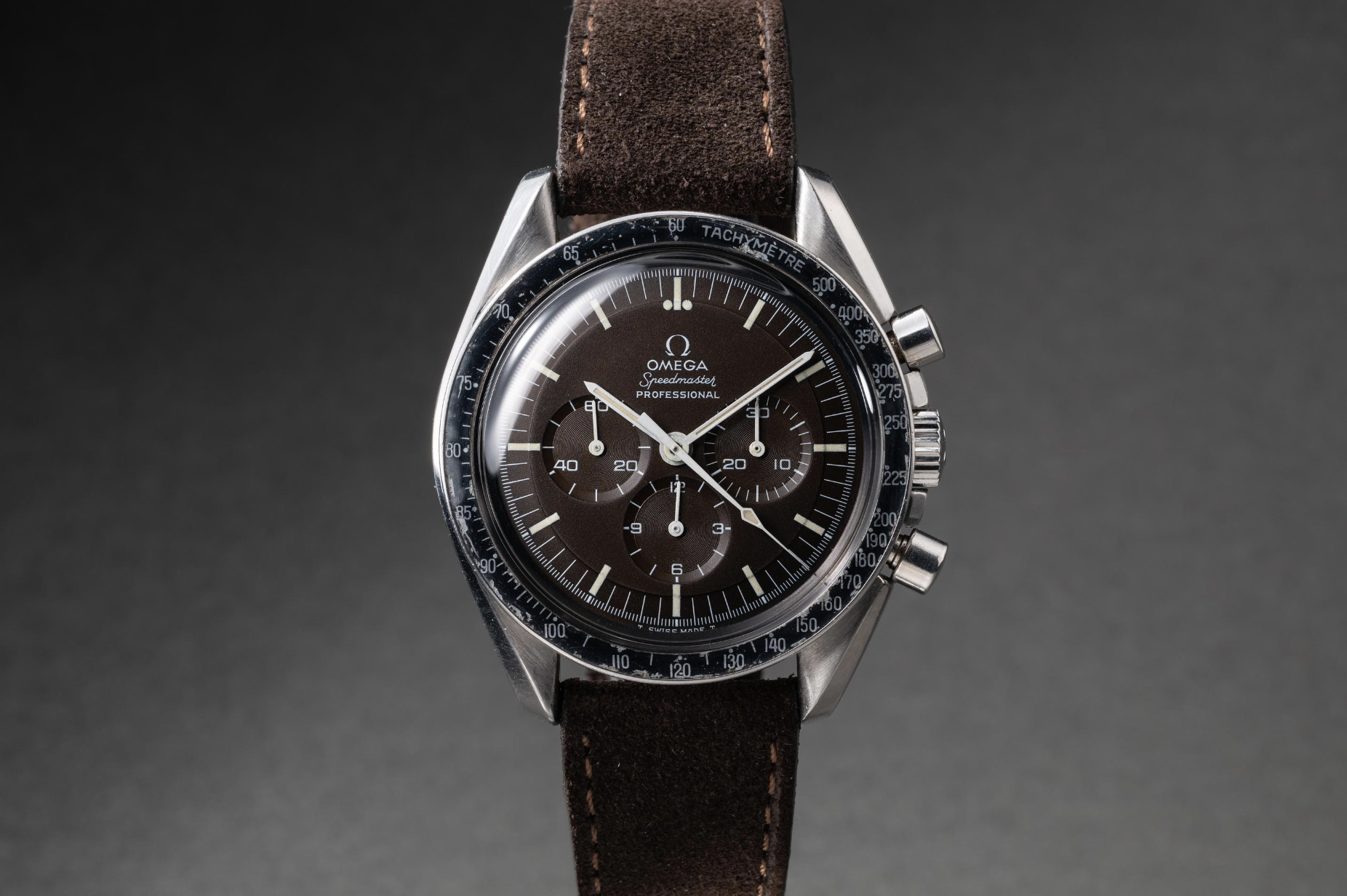

Table of Contents
Get More from the Journal