Best Luxury Watches: A Collector's Complete Guide
What Makes a Luxury Watch Truly Luxurious?
Not every expensive watch is a luxury watch. That distinction matters more than most people realize. Luxury watches occupy a very specific space in the world of horology, one defined by hand-finished movements, exceptional materials, meticulous quality control, and decades, sometimes centuries, of accumulated craftsmanship. These are timepieces built to last generations, not just lifetimes. When someone asks what the best luxury watches are, the honest answer is that it depends on what you value. But the conversation always starts in the same place: understanding what separates a genuinely great watch from one that simply carries a high price tag.
A Brief History of Fine Watchmaking
Switzerland has dominated fine watchmaking since the 16th century, when craftsmen in Geneva began producing pocket watches of extraordinary precision. The Vallée de Joux region in Switzerland became known as the intellectual center of the craft, with independent watchmakers developing complications like tourbillons, perpetual calendars, and minute repeaters. By the 20th century, brands like Rolex, Patek Philippe, and Audemars Piguet had established themselves as the standard-bearers of what a luxury watch could be. Rolex, founded in 1905 by Hans Wilsdorf, pioneered wearable precision. Patek Philippe, founded in 1839, built its legacy around mechanical complexity. Each house developed its own identity, its own technical obsessions, and its own devoted following. That heritage is not just marketing. It is the foundation on which trust and value are built.
The Most Respected Luxury Watch Brands in the World
When collectors and enthusiasts discuss the best luxury watches, certain names surface consistently. These brands have earned their reputations through consistent excellence across decades.
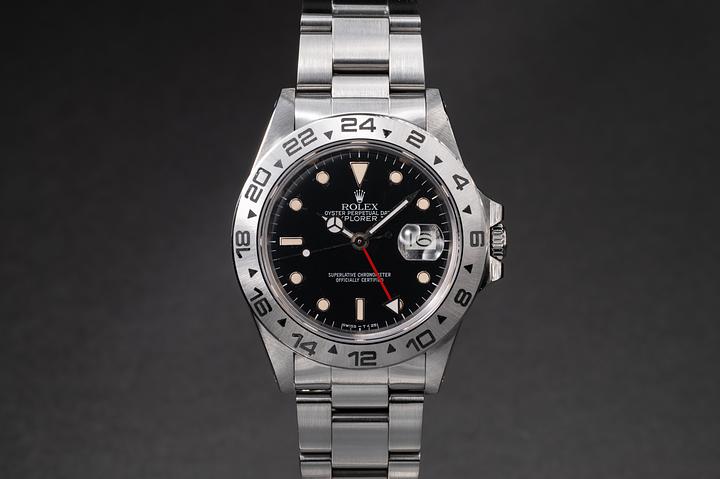
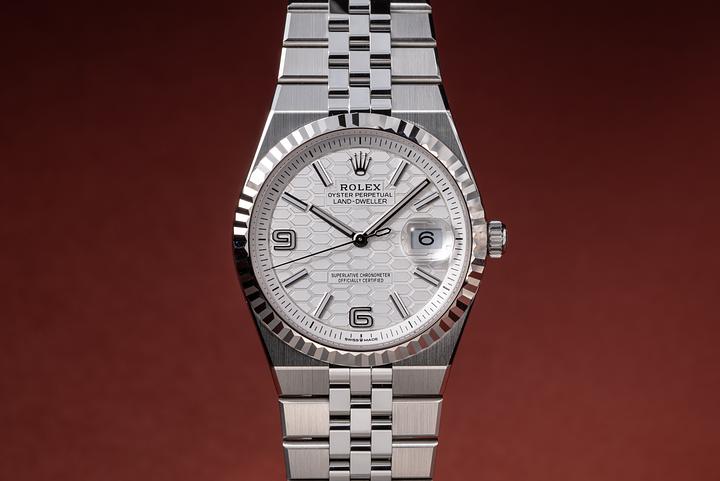
- Rolex is the most recognized luxury watch brand on the planet, known for its durability, refinement, and strong resale value.
- Patek Philippe represents the pinnacle of mechanical watchmaking, with complicated movements and limited production numbers that make each piece exceptional.
- Audemars Piguet introduced the Royal Oak in 1972, designed by Gerald Genta, and essentially created the luxury sports watch category.
- A. Lange and Sohne brings German precision to haute horlogerie, with movements finished to a standard that rivals anything Switzerland produces.
- Vacheron Constantin, founded in 1755, holds the distinction of being the oldest watchmaker in continuous production.
- Jaeger-LeCoultre is known as the watchmaker's watchmaker, supplying movements and expertise to many other prestigious houses.
Each of these brands produces watches that function as both functional instruments and investments. Understanding their individual strengths helps narrow the choice significantly.
Key Features to Look for in a Luxury Watch
Buying a luxury watch is a significant decision, and knowing what to evaluate makes the process far less overwhelming. The movement is the heart of everything. In-house movements, meaning calibers designed and built entirely within the brand, are generally considered superior to outsourced options. They reflect deeper technical capability and greater brand integrity. Case finishing is another important marker. True luxury watches will show a combination of polished and brushed surfaces, each edge razor-sharp, each surface intentional. Dial quality deserves close attention too. Whether it is a guilloche pattern on a Patek Philippe, a sunburst lacquer on a Rolex, or an enamel finish on a Jaeger-LeCoultre, the dial tells you everything about the level of care invested in the piece. Finally, consider the bracelet or strap. The way a watch wears on the wrist says a great deal about its overall engineering quality.
New Versus Vintage: Which Should You Buy?
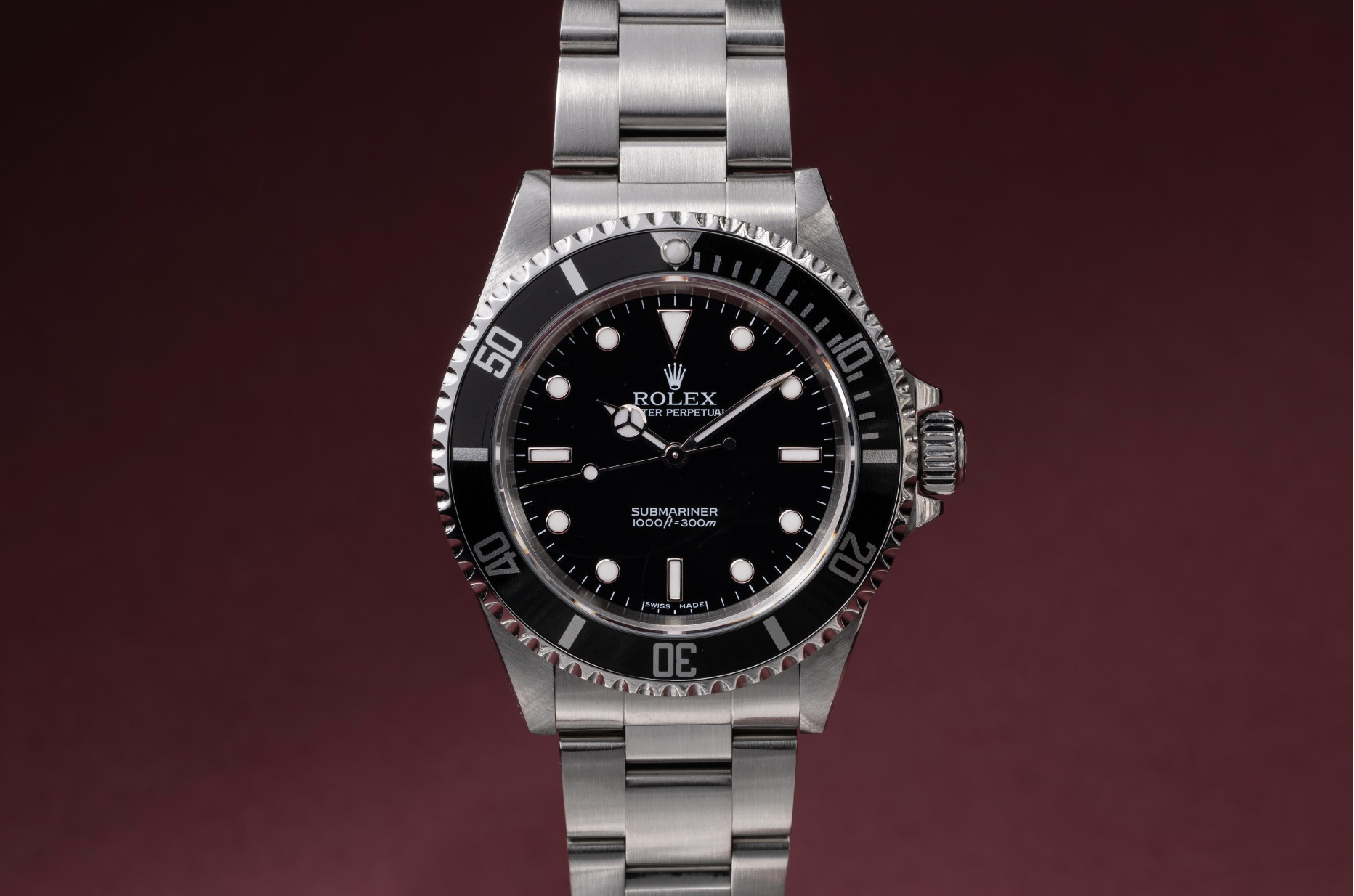
This is one of the most debated questions in the watch world, and honestly, both sides have strong arguments. New watches offer manufacturer warranties, contemporary finishing, and the satisfaction of owning something pristine. Vintage watches offer something else entirely: character, history, and often greater investment potential. A vintage Rolex Submariner from the 1960s carries a patina, a personality, and a story that no new production model can replicate. Vintage Patek Philippe references command extraordinary sums at auction because their rarity is finite and their mechanical quality has been proven across decades. For many collectors, vintage is not just a preference, it is a philosophy. The watch tells you something about time in a way a new piece simply cannot.
Understanding Watch Complications and Why They Matter
A complication is any function on a watch beyond basic timekeeping. This includes chronographs, which measure elapsed time, perpetual calendars that account for the varying lengths of months and leap years, moon phase displays, world time functions, and the tourbillon, a rotating cage designed to counteract the effects of gravity on the escapement. Complications matter for two reasons. First, they demonstrate technical mastery. A rattrapante chronograph or a minute repeater represents hundreds of hours of hand assembly and adjustment. Second, they add functional value and long-term collectibility. Watches with rare or complex movements often appreciate significantly over time, particularly those from Patek Philippe, Lange, and Breguet. Understanding what a complication actually does, rather than simply admiring it, helps you make a more considered purchase.
How to Assess the Investment Value of a Luxury Watch
Not every luxury watch is a reliable investment, and it is worth being honest about that. The watches that hold and grow in value consistently share a few common characteristics. They come from brands with limited production, strong heritage, and sustained collector demand. Reference numbers matter enormously in the vintage market. Certain Rolex references, like the 1675, 5513, or the 6241, carry significant premiums depending on their condition and originality. Condition is critical. A watch with its original dial, hands, and case in unpolished condition will always command more than a heavily serviced example with replaced parts. Documentation, meaning original box, papers, and service history, adds measurable value. Buying from reputable dealers who can authenticate provenance is not optional when serious money is involved.
Caring for Your Luxury Watch
Owning a great watch comes with responsibility. Proper care extends the life of the movement, preserves the case and dial, and protects long-term value.
- Service your watch according to manufacturer guidelines, typically every five to seven years for mechanical movements.
- Store watches away from magnetic fields, which can disrupt accuracy in non-antimagnetic movements.
- Avoid exposing watches to extreme temperature changes, as this affects lubricants within the movement.
- Keep original packaging and documentation stored safely, as these significantly affect resale and auction value.
- Have the watch pressure-tested periodically if it carries water resistance ratings, as gaskets degrade over time.
A well-maintained luxury watch will outlast its owner with proper attention. That longevity is part of what makes these pieces generational.
Why Tropical Watch Is the Right Destination for Serious Collectors
When you are ready to invest in a luxury timepiece, the source matters as much as the watch itself. Tropical Watch has built a reputation as one of the most trusted platforms for collectors seeking authenticated vintage and pre-owned luxury watches, with a particular depth of expertise in the vintage Rolex market. Whether you are searching for a classic sports reference or a rare dress watch, working with specialists who understand provenance, originality, and market value is essential. For anyone serious about acquiring the best luxury watches with confidence and expert guidance, authenticated vintage Rolex watches from trusted collectors are available through a curated inventory that reflects genuine connoisseurship. The team understands that every piece has a story, and every buyer deserves to know exactly what they are purchasing.
Frequently Asked Questions About Luxury Watches
What is considered the best luxury watch brand in the world?
Patek Philippe is widely regarded by collectors and industry experts as the most prestigious luxury watch brand, known for its in-house movements, complicated calibers, and exceptional long-term value. Rolex is the most recognized globally, particularly for its durability and investment performance.
Are luxury watches a good investment?
Certain luxury watches from brands like Rolex, Patek Philippe, and Audemars Piguet have demonstrated strong appreciation over time, particularly vintage references in original, unpolished condition. Not all luxury watches increase in value, so research and expert guidance are essential before purchasing with investment intent.
What is the difference between a luxury watch and a regular watch?
Luxury watches are distinguished by in-house or high-grade movements, superior materials, hand-finishing, rigorous quality control, and established brand heritage. They are built to last generations and often carry significant resale value, unlike standard consumer watches.
How often should a luxury watch be serviced?
Most manufacturers recommend servicing a mechanical luxury watch every five to seven years. Regular servicing ensures movement accuracy, preserves internal components, and protects the long-term value of the piece.
Why are vintage Rolex watches so valuable?
Vintage Rolex watches are highly valued due to their finite supply, proven durability, historical significance, and strong collector demand. Specific reference numbers with original dials, unpolished cases, and complete documentation command substantial premiums at auction and through specialist dealers.
What should I look for when buying a pre-owned luxury watch?
Prioritize originality, including unmodified dial, hands, and case. Verify authentication through a reputable dealer, check for complete documentation such as box and papers, confirm service history, and assess the overall condition of the movement and case before purchasing.



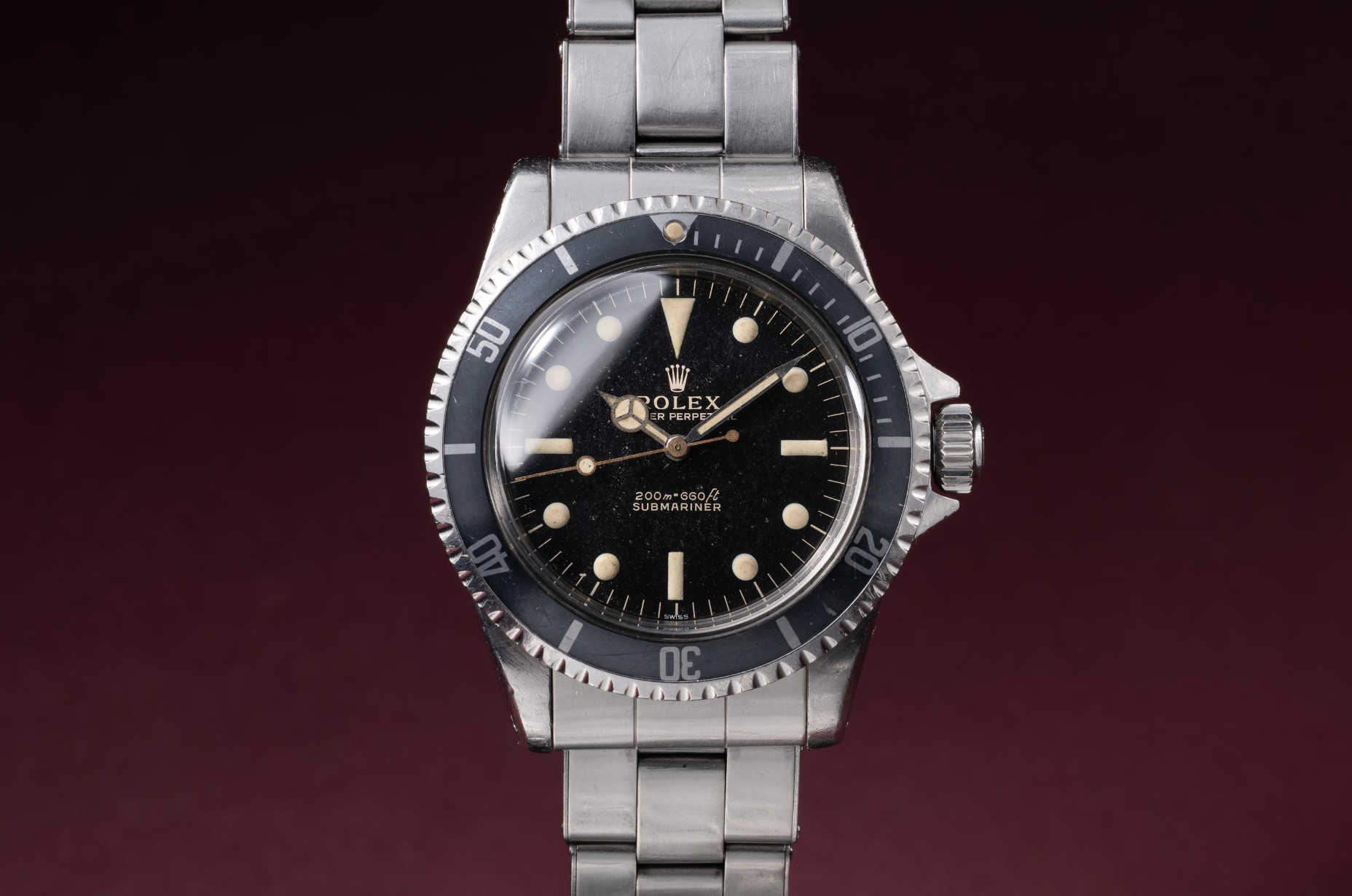


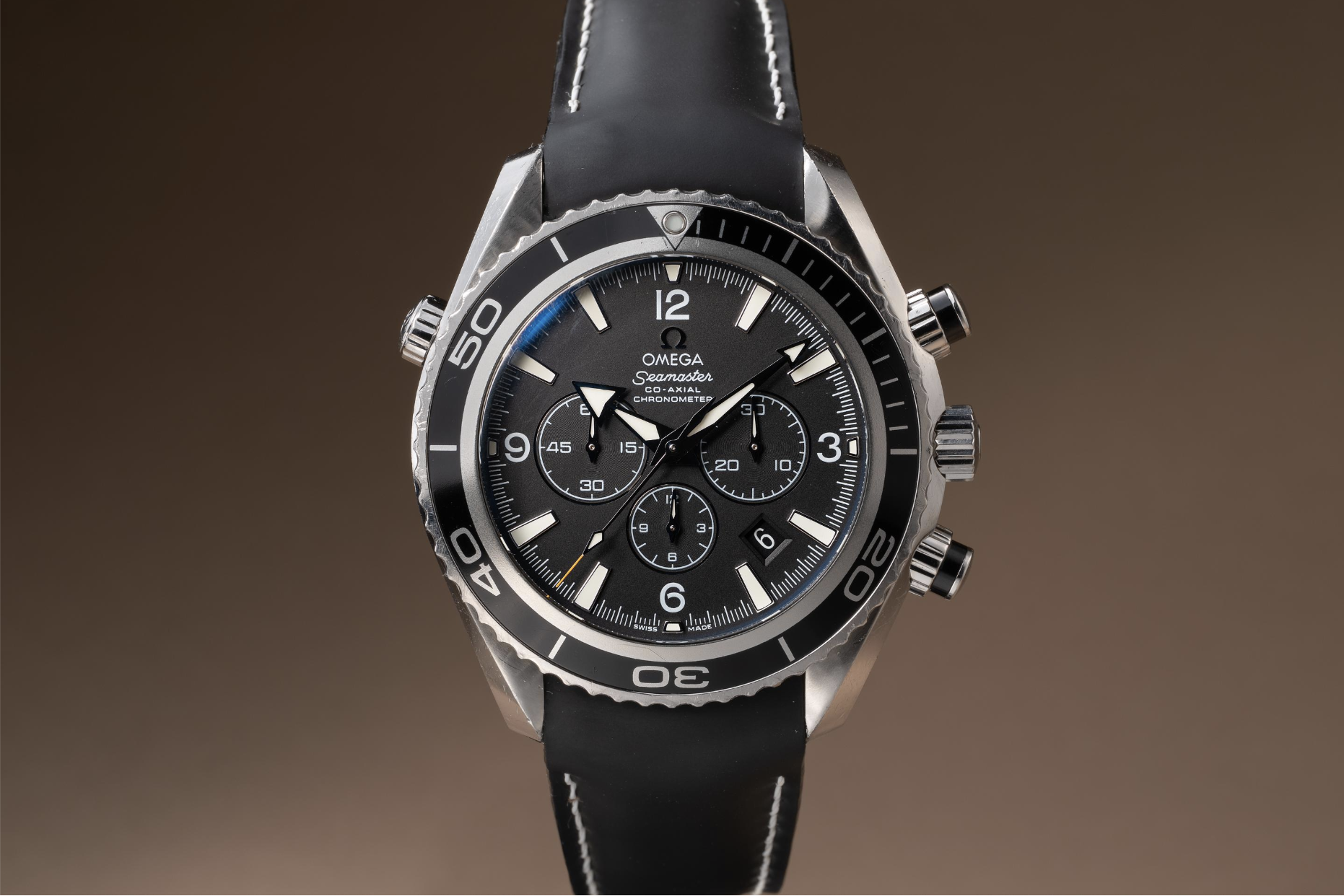

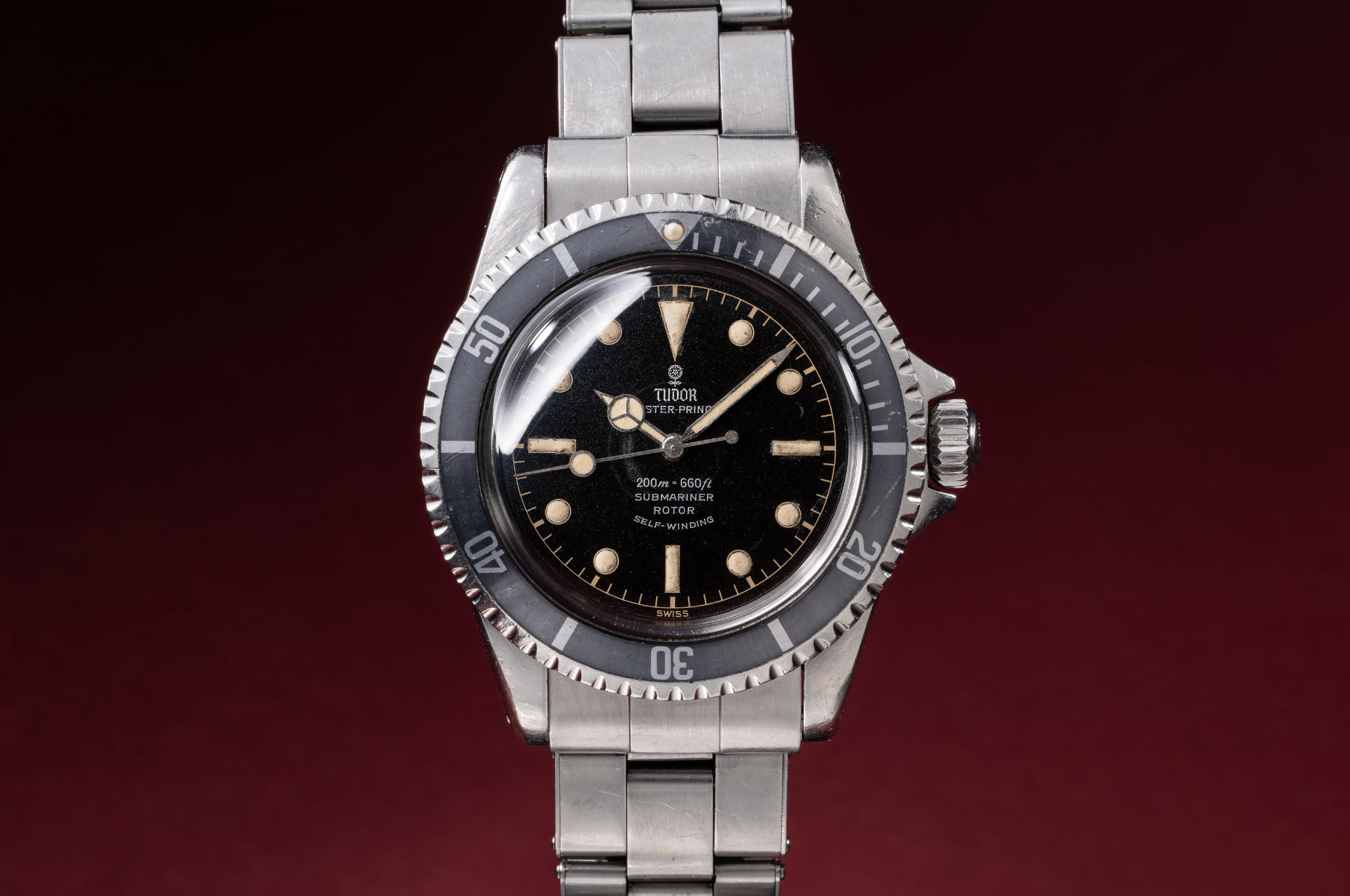
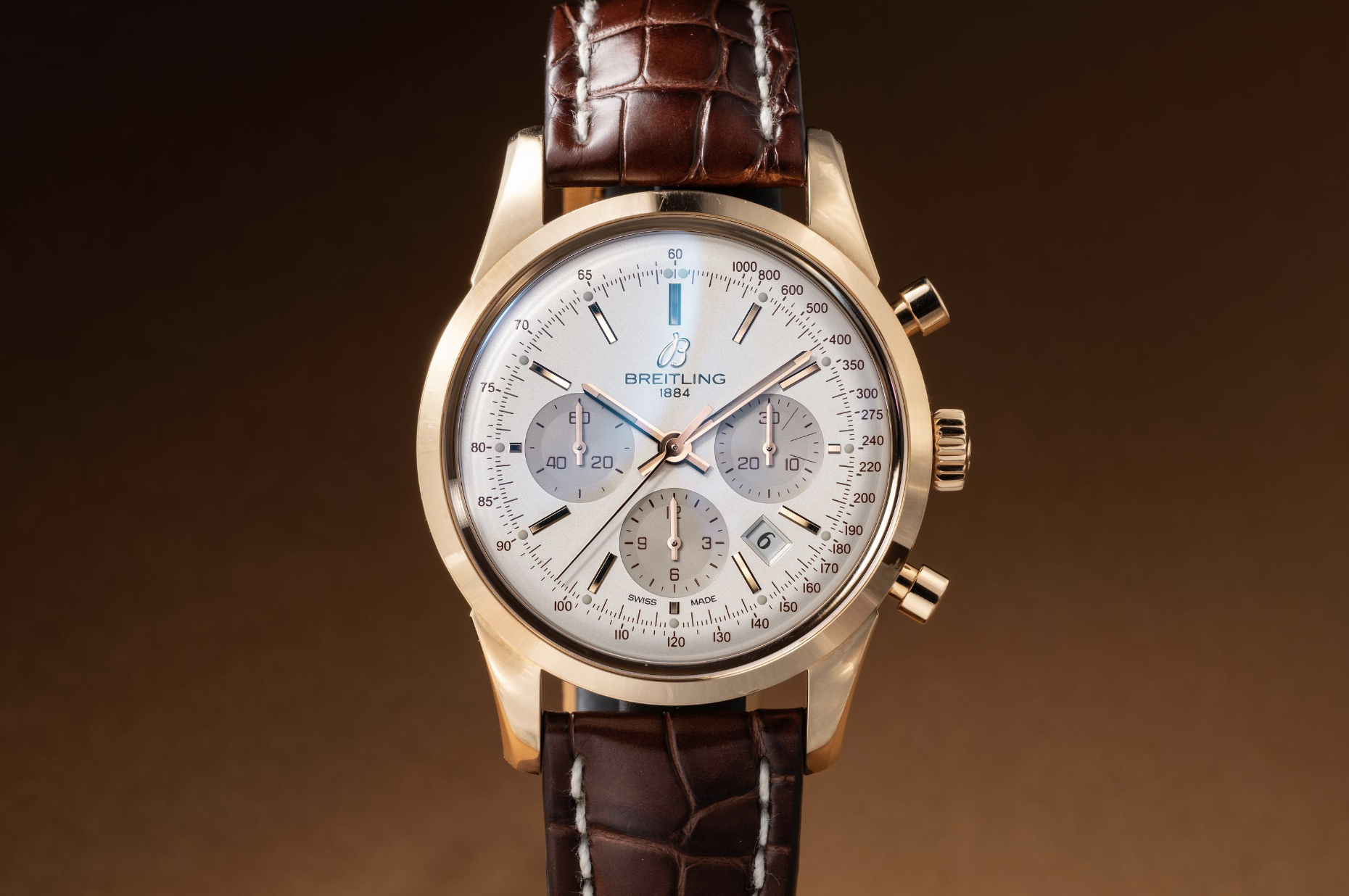

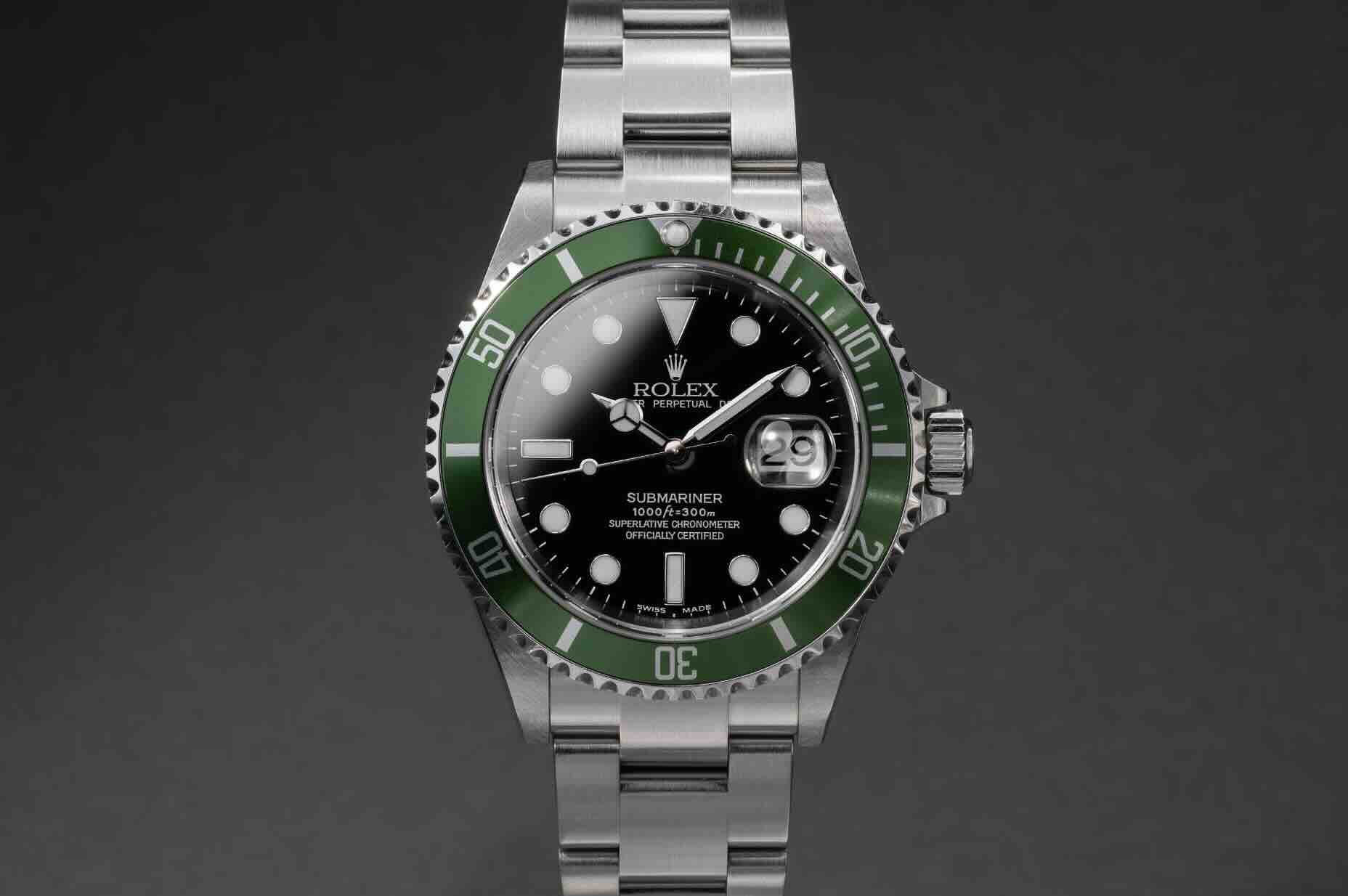


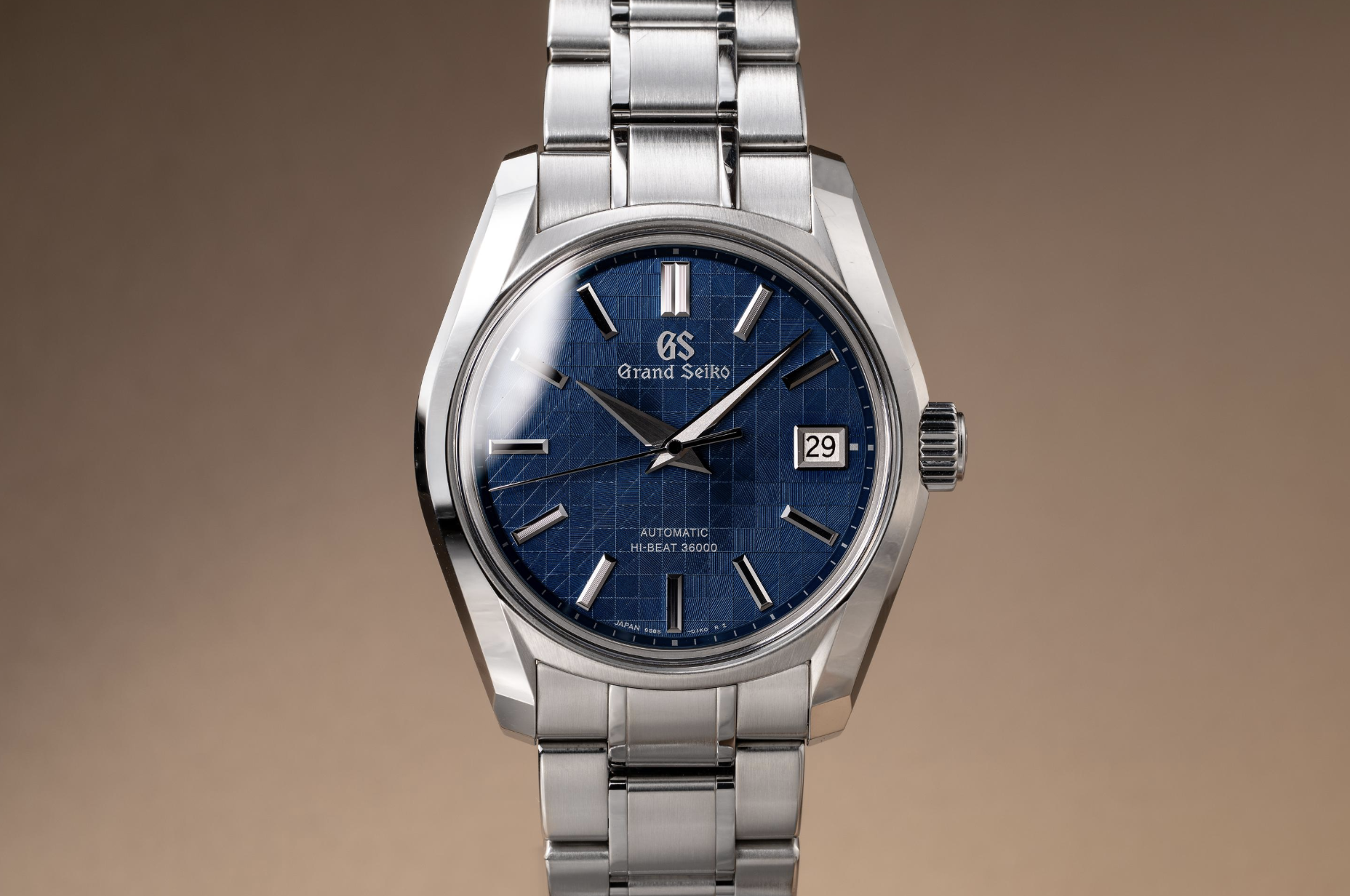
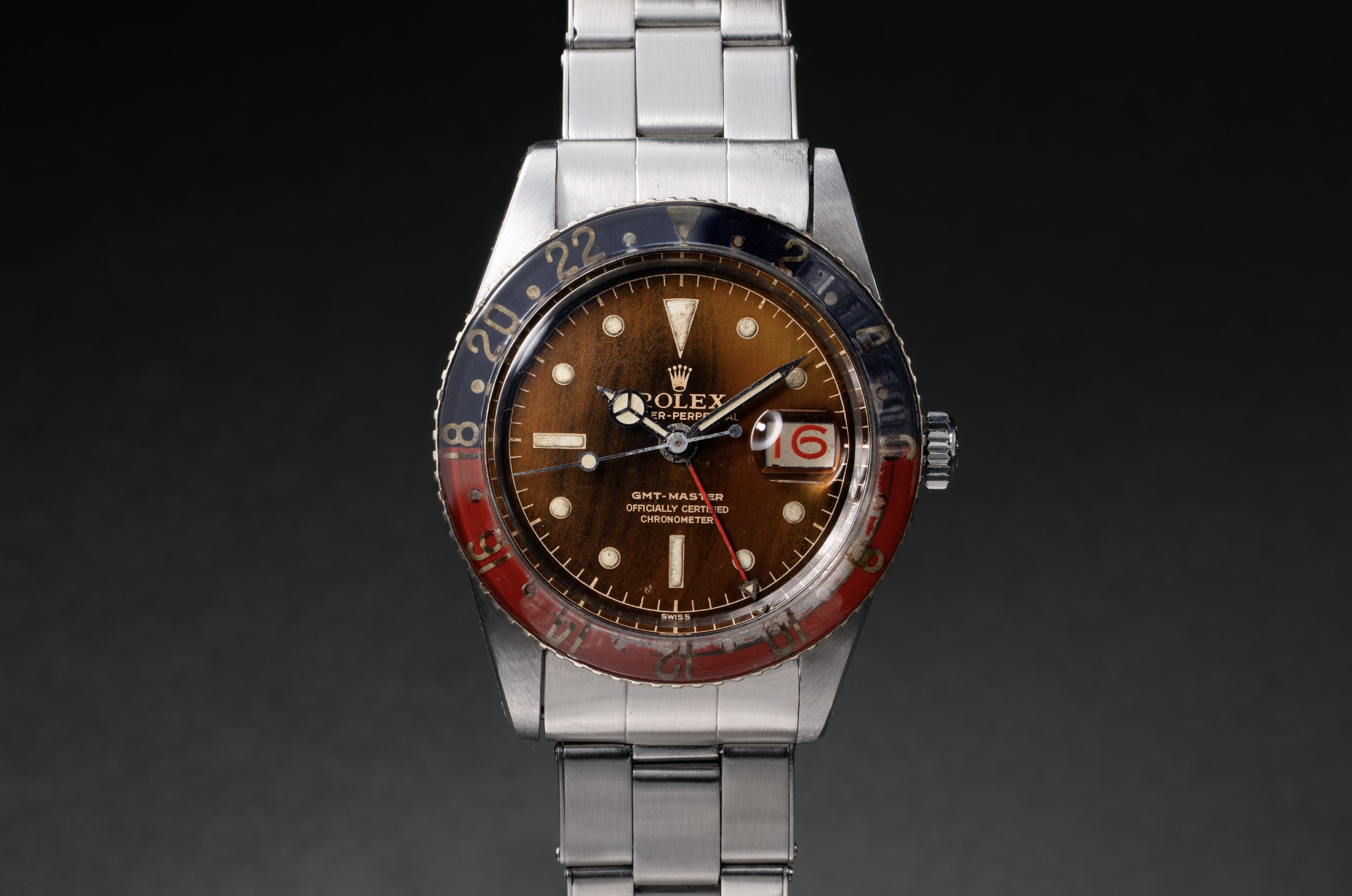




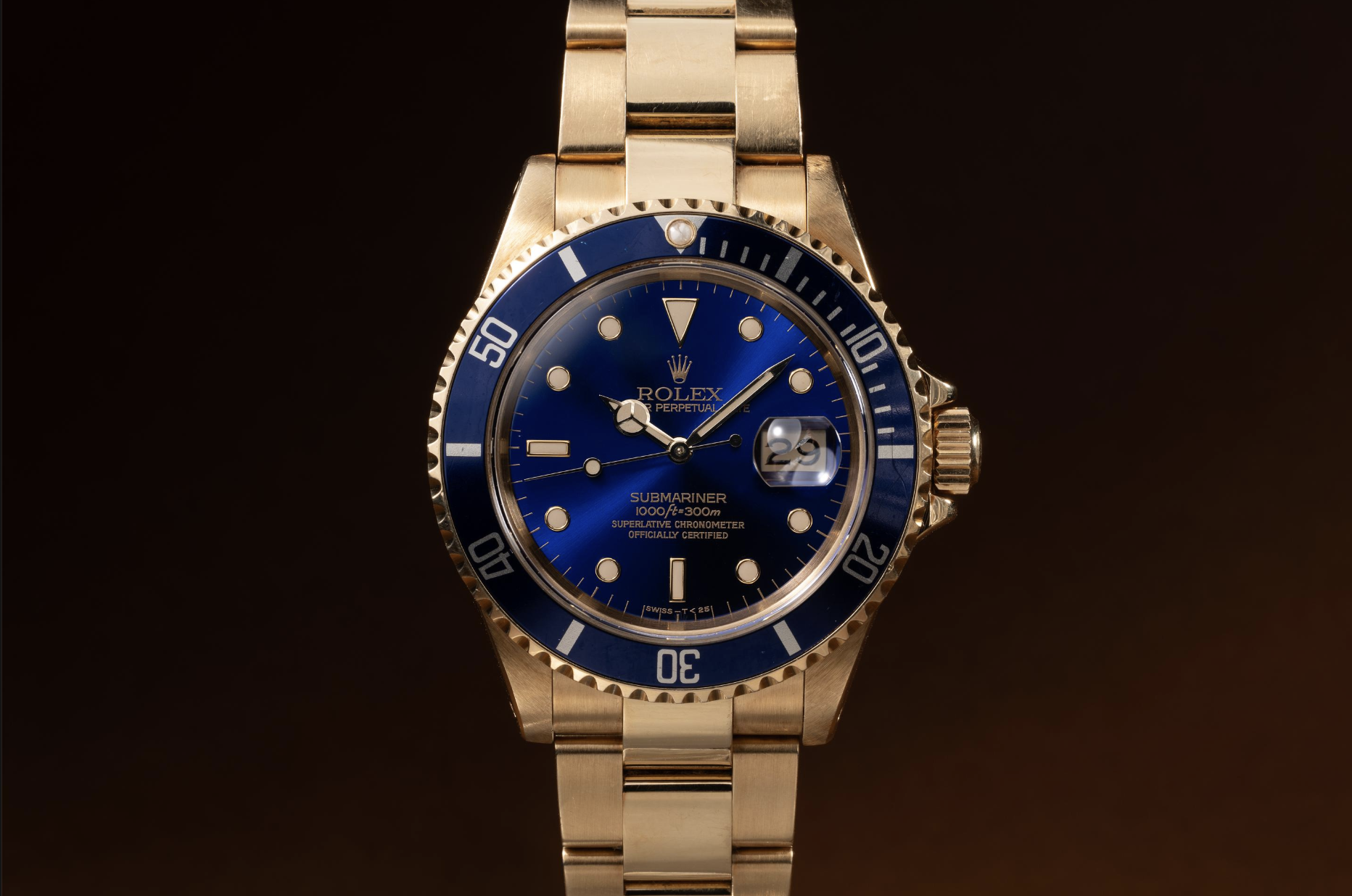




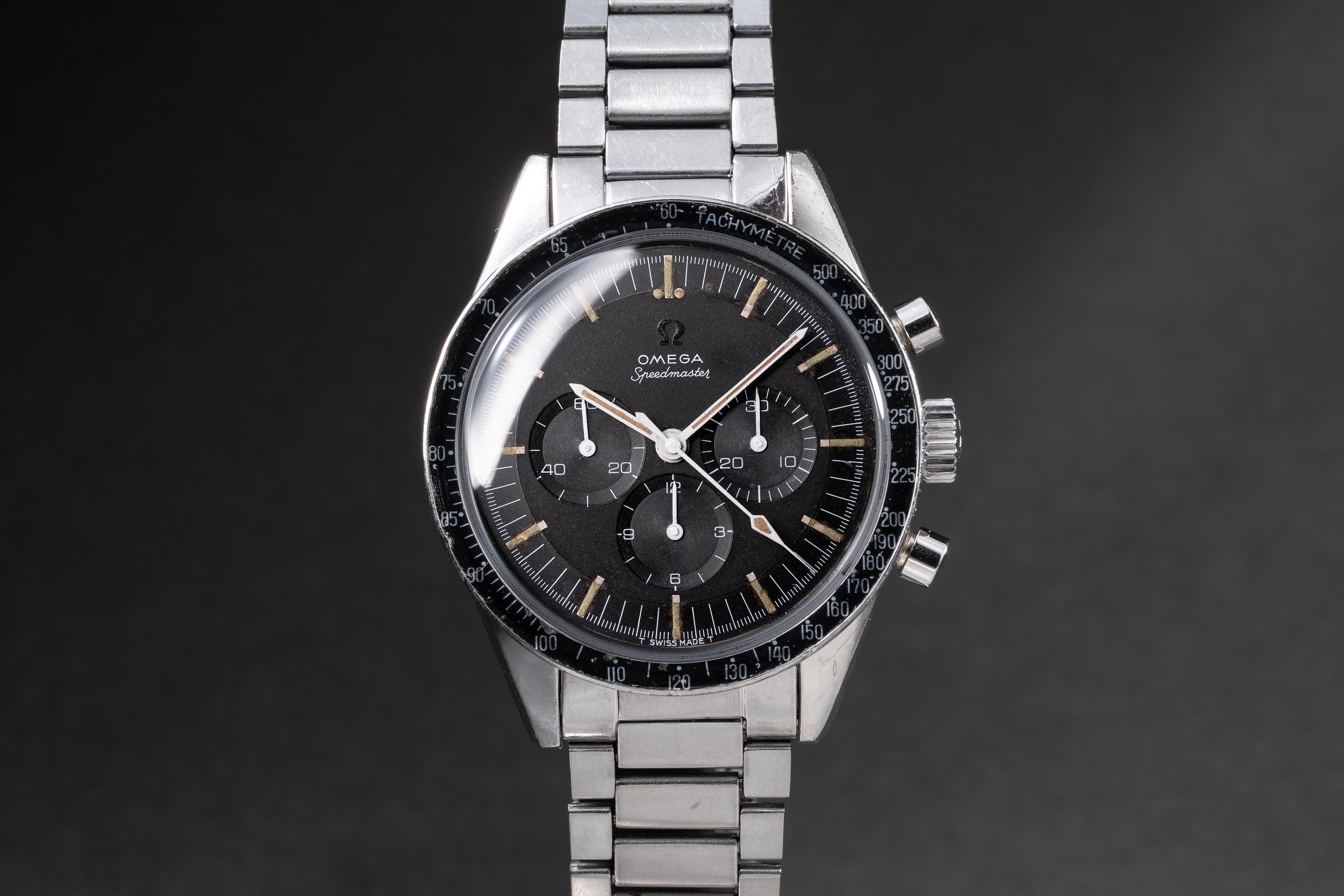


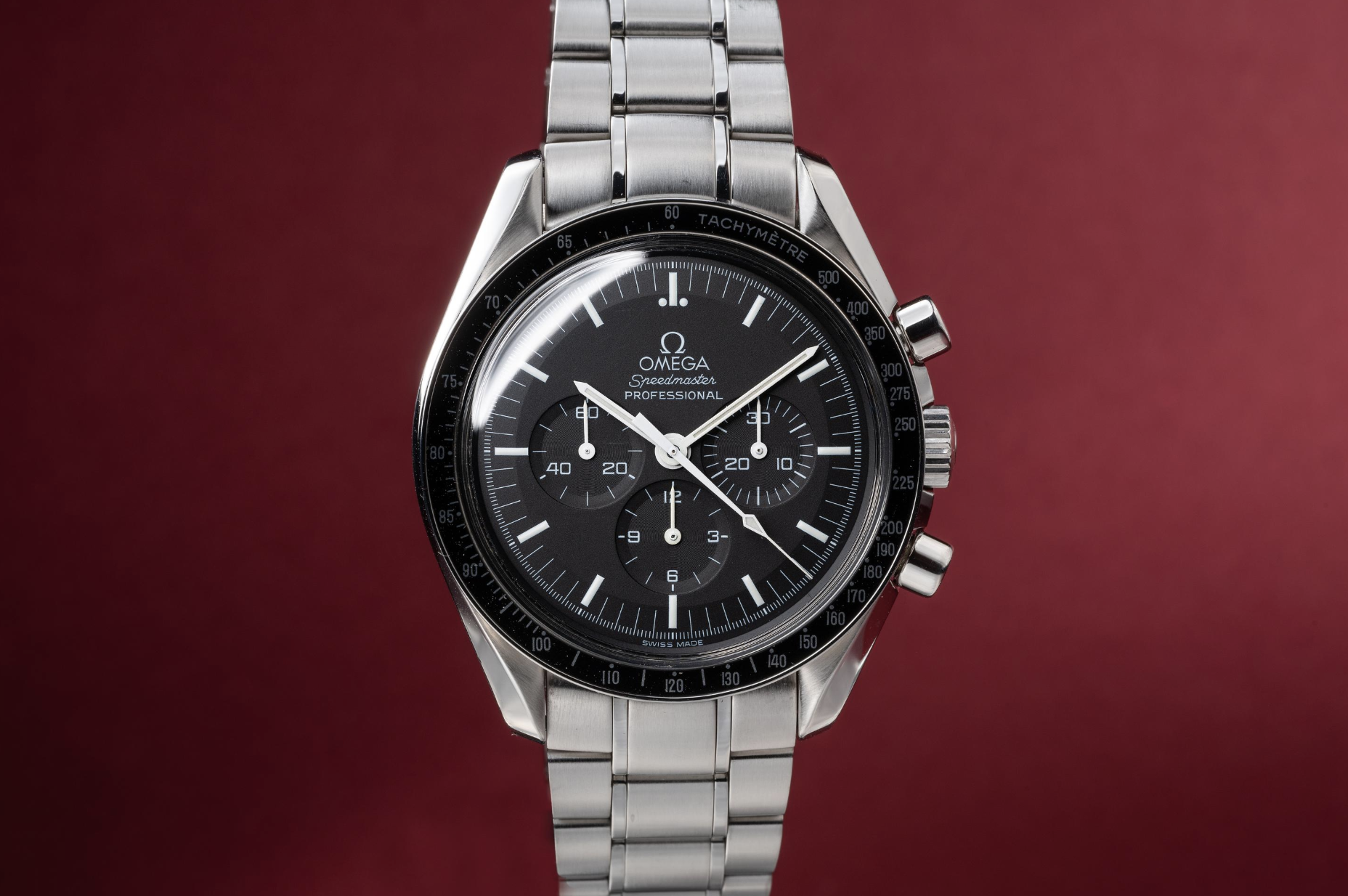


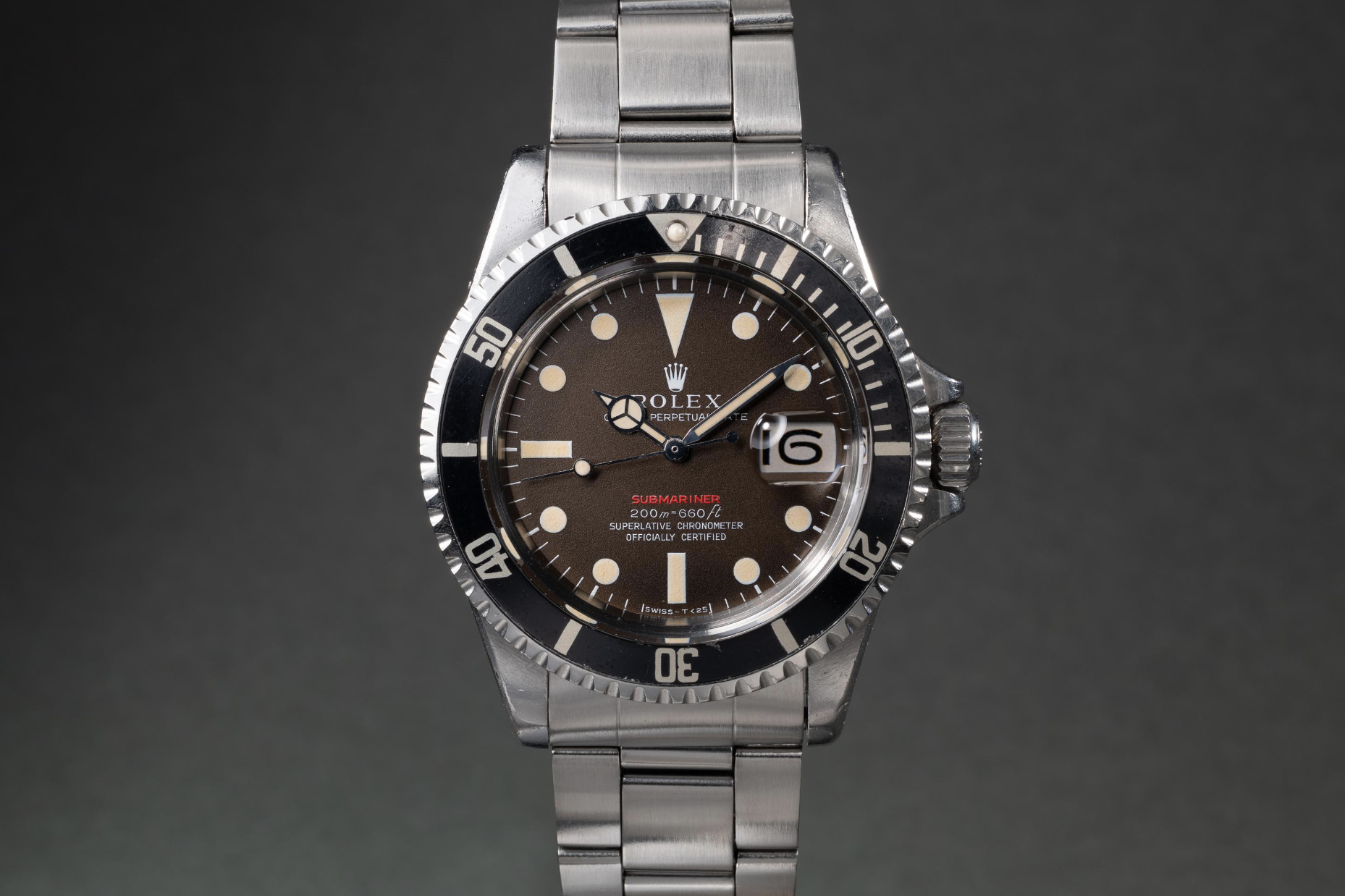


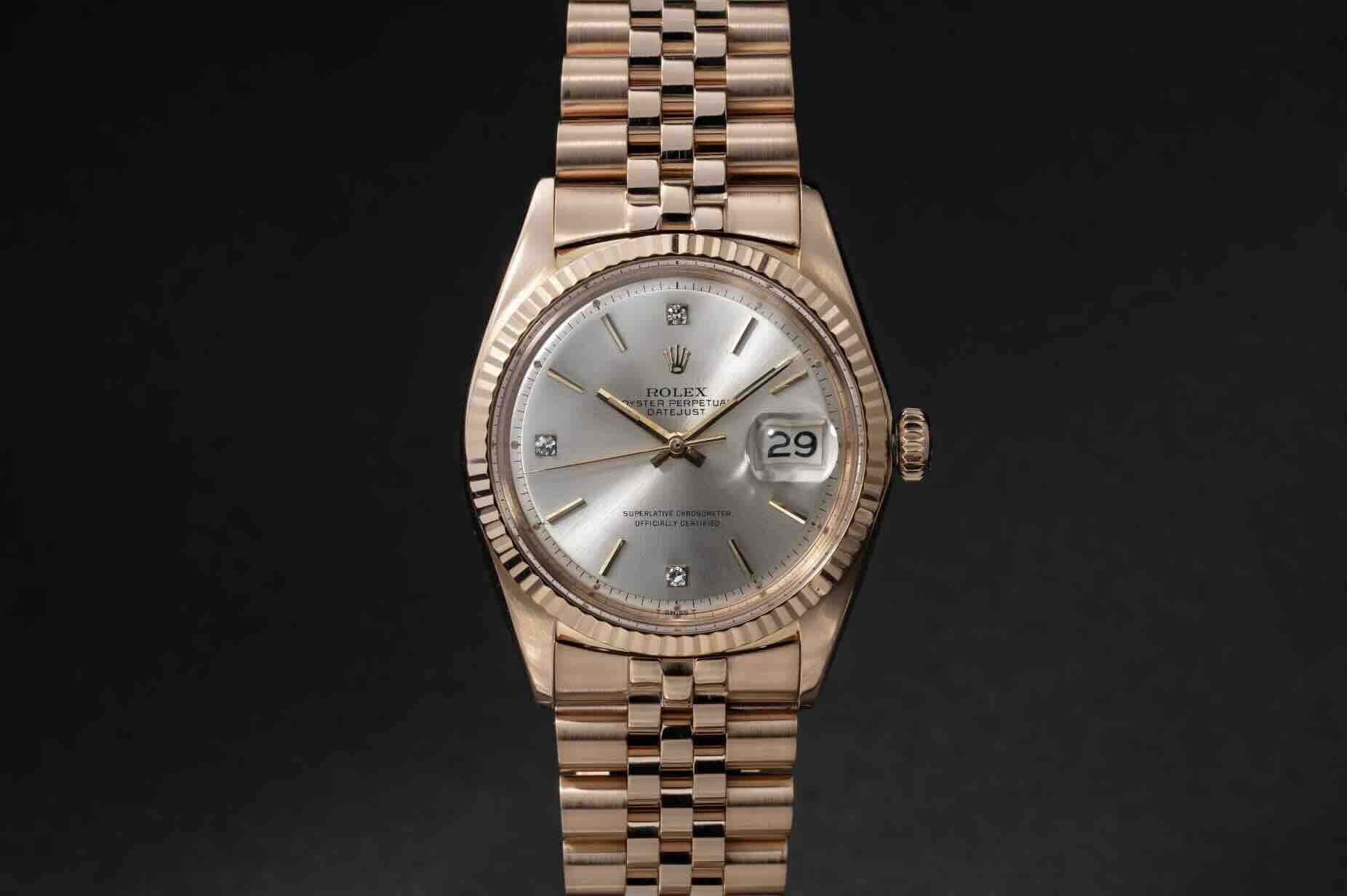


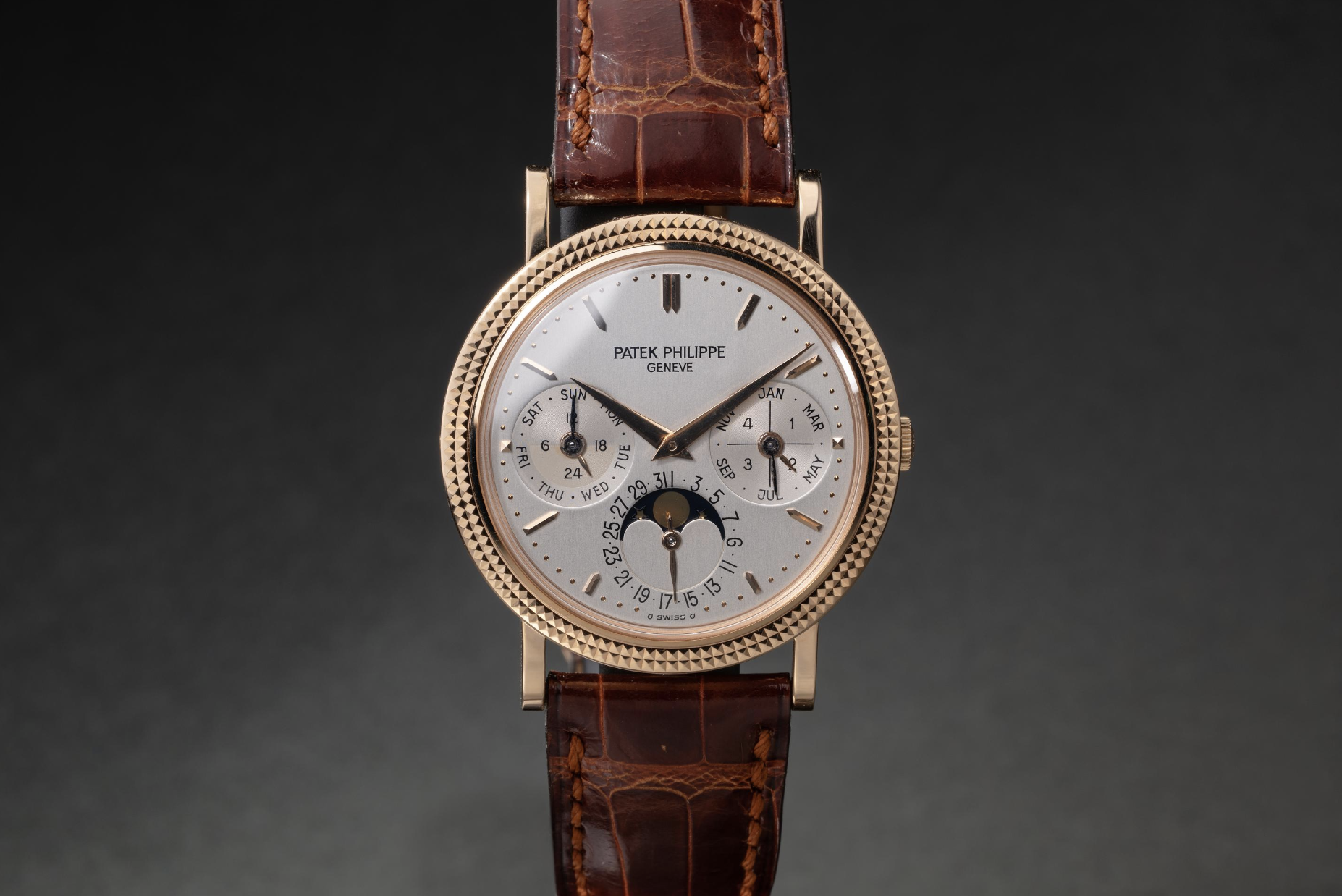

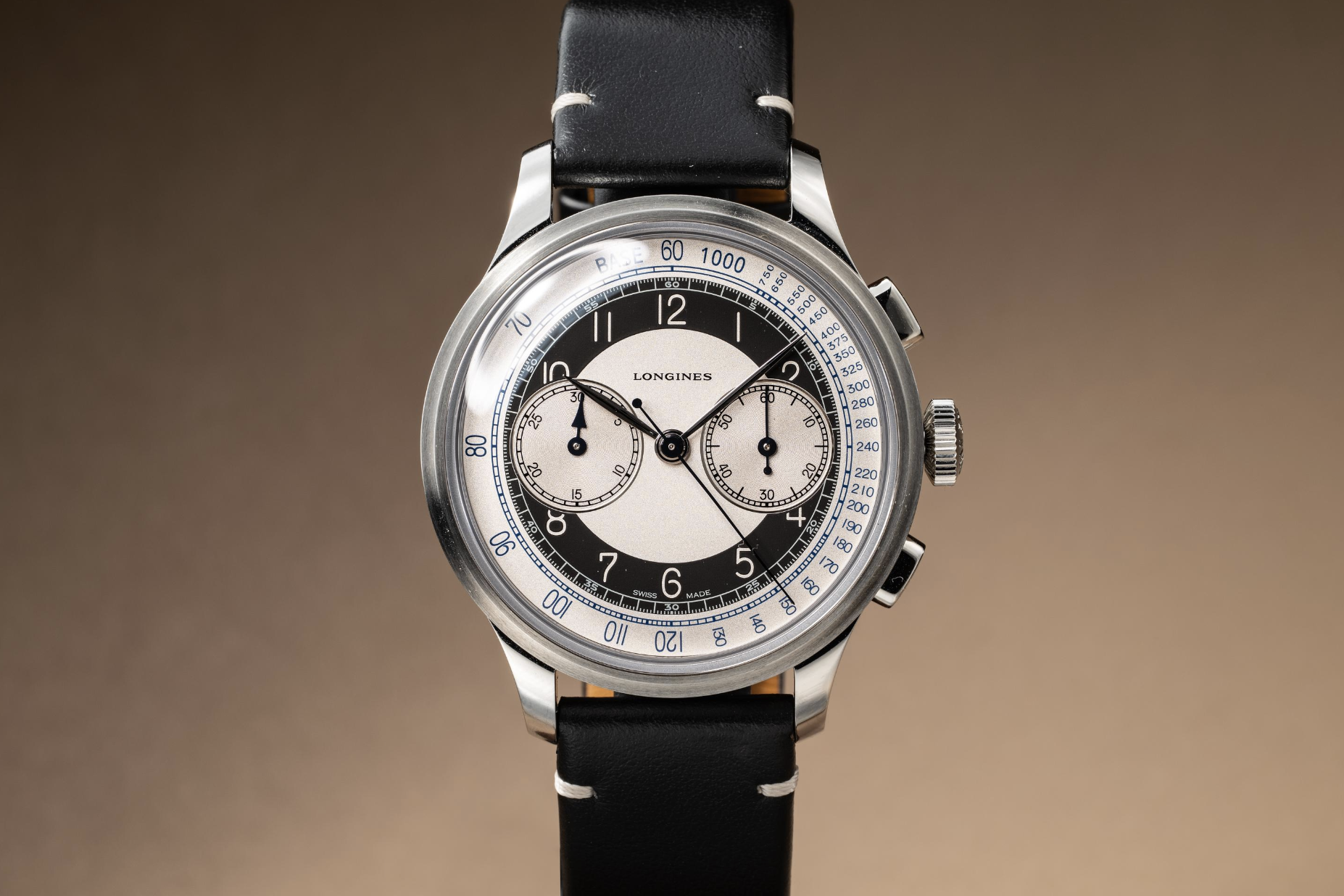


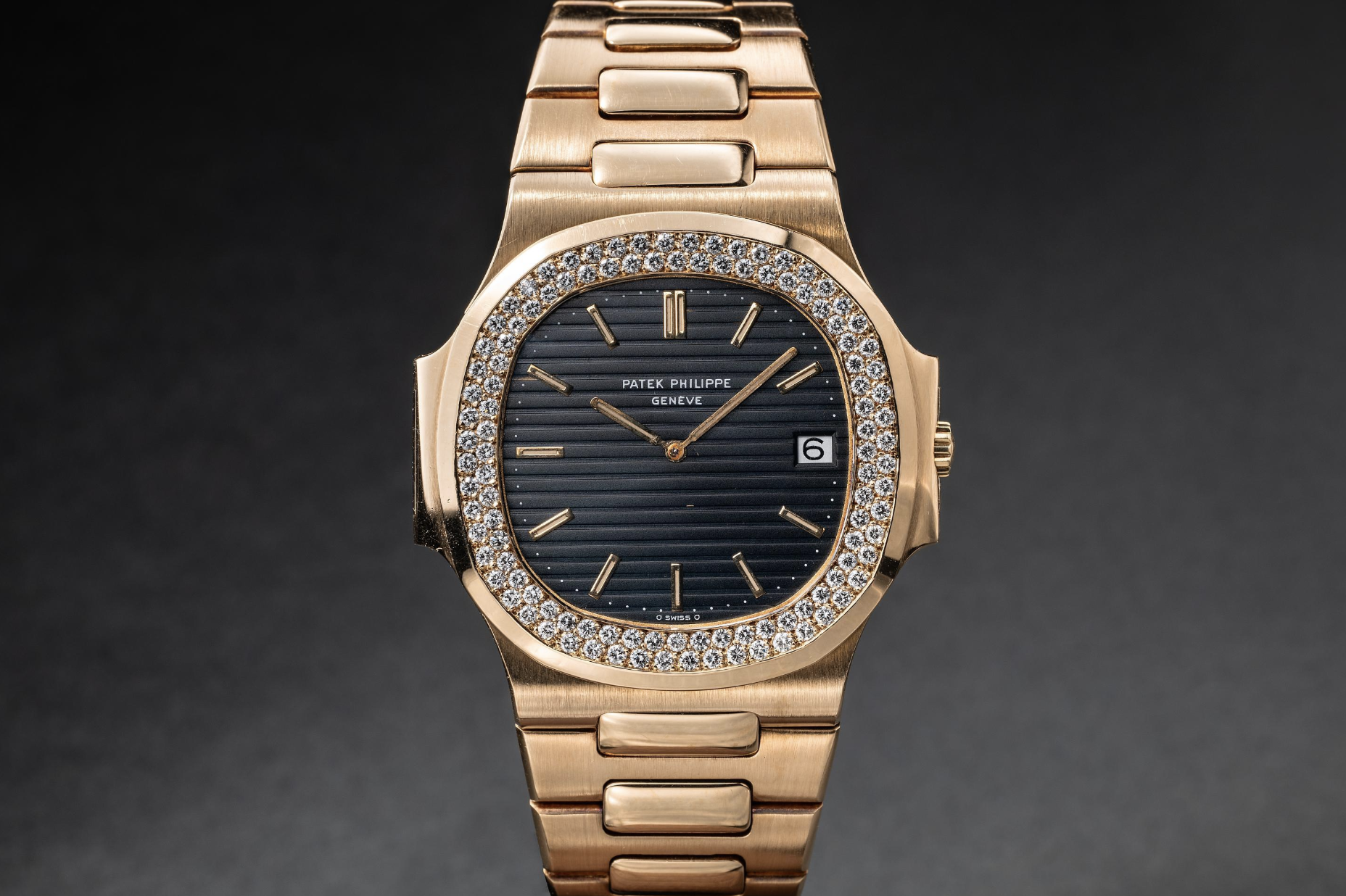
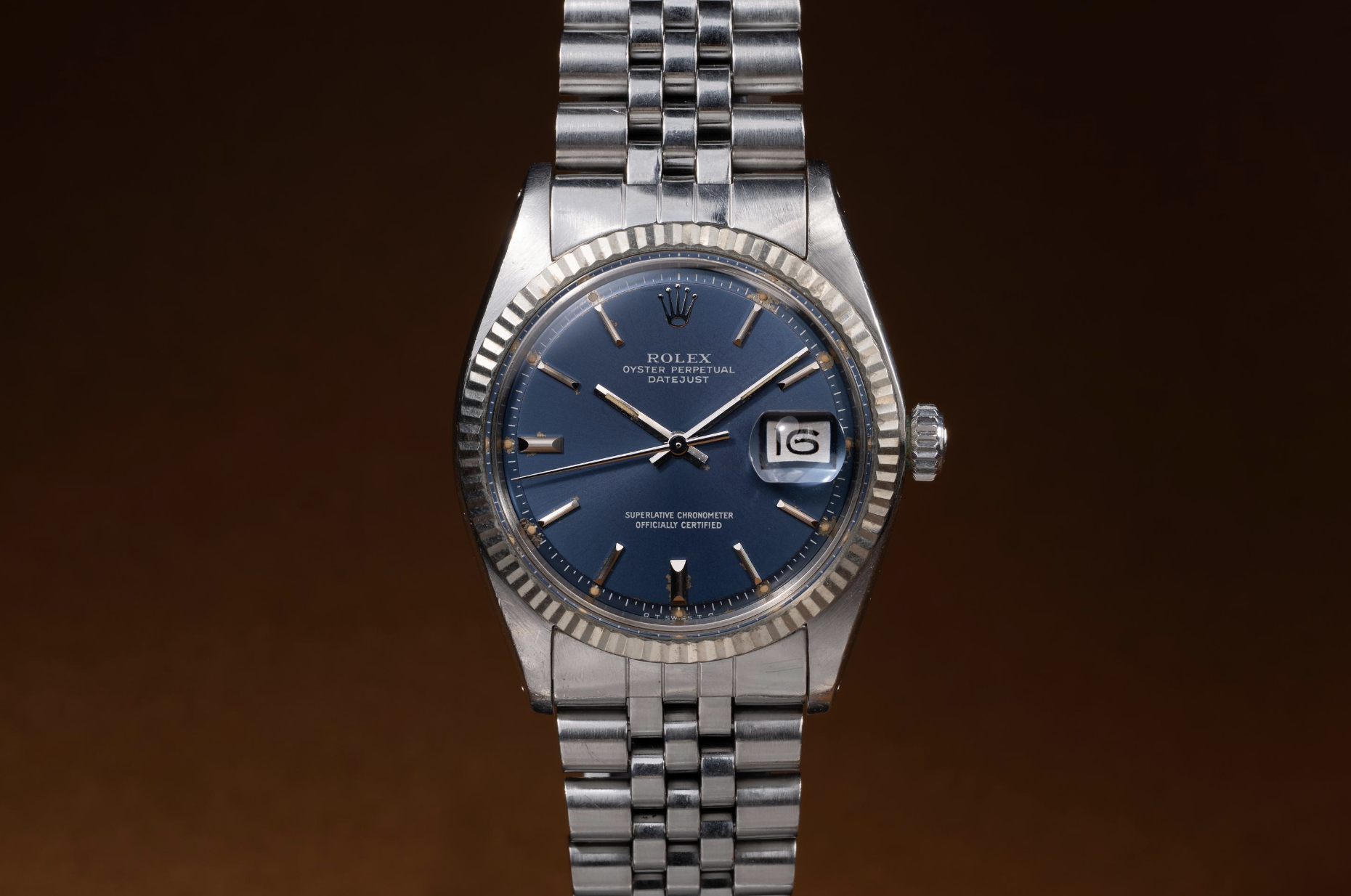
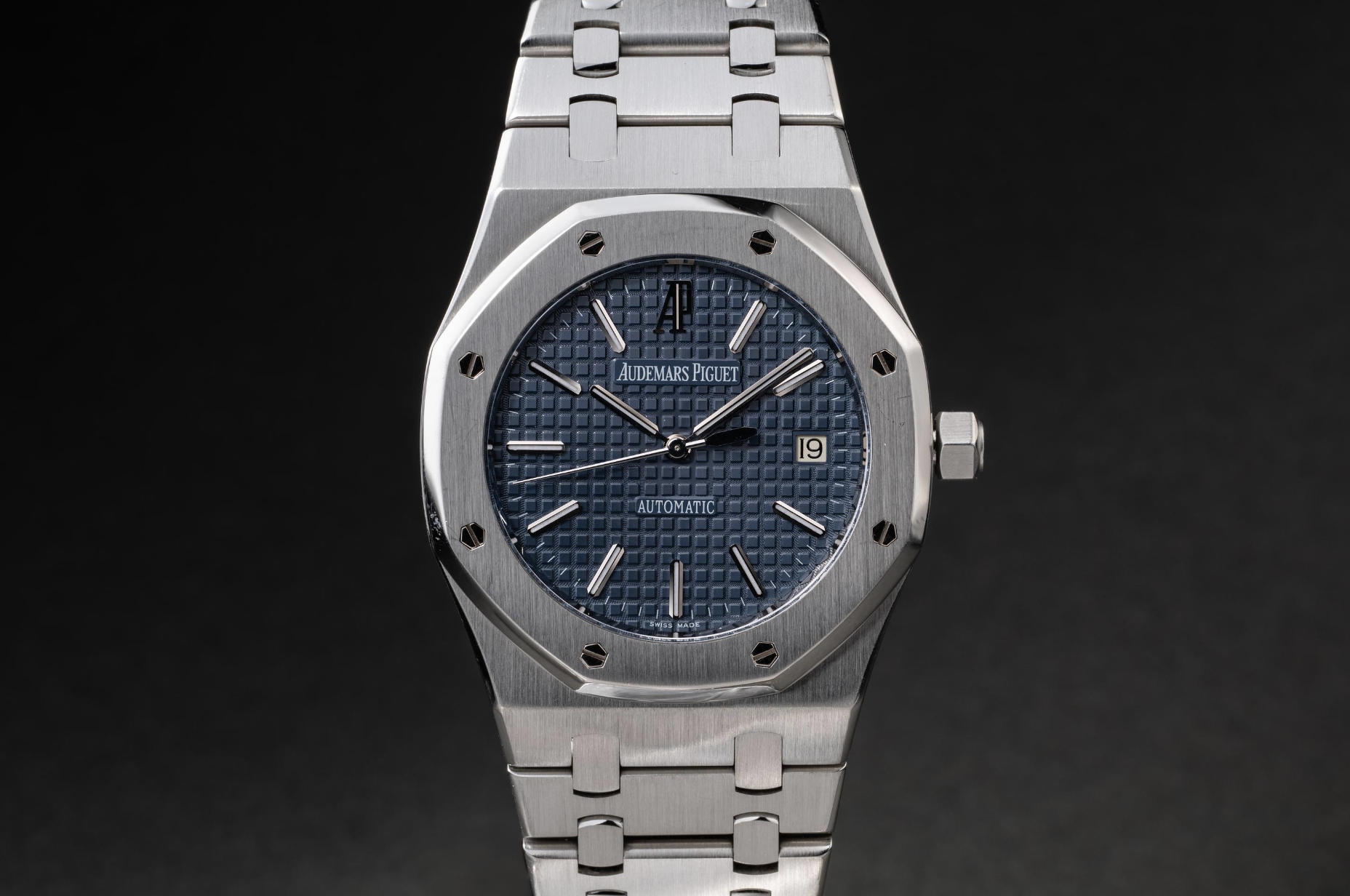
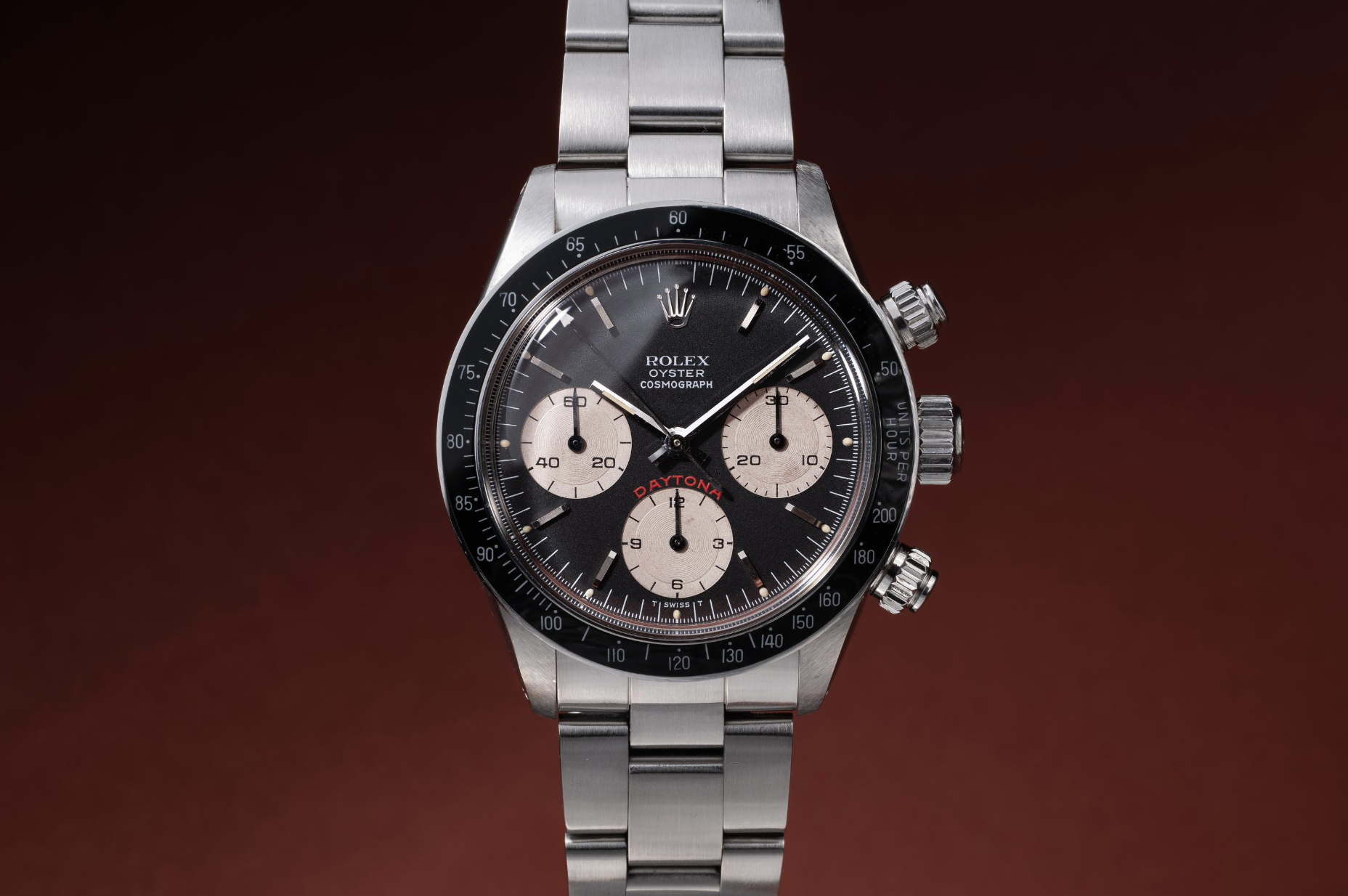
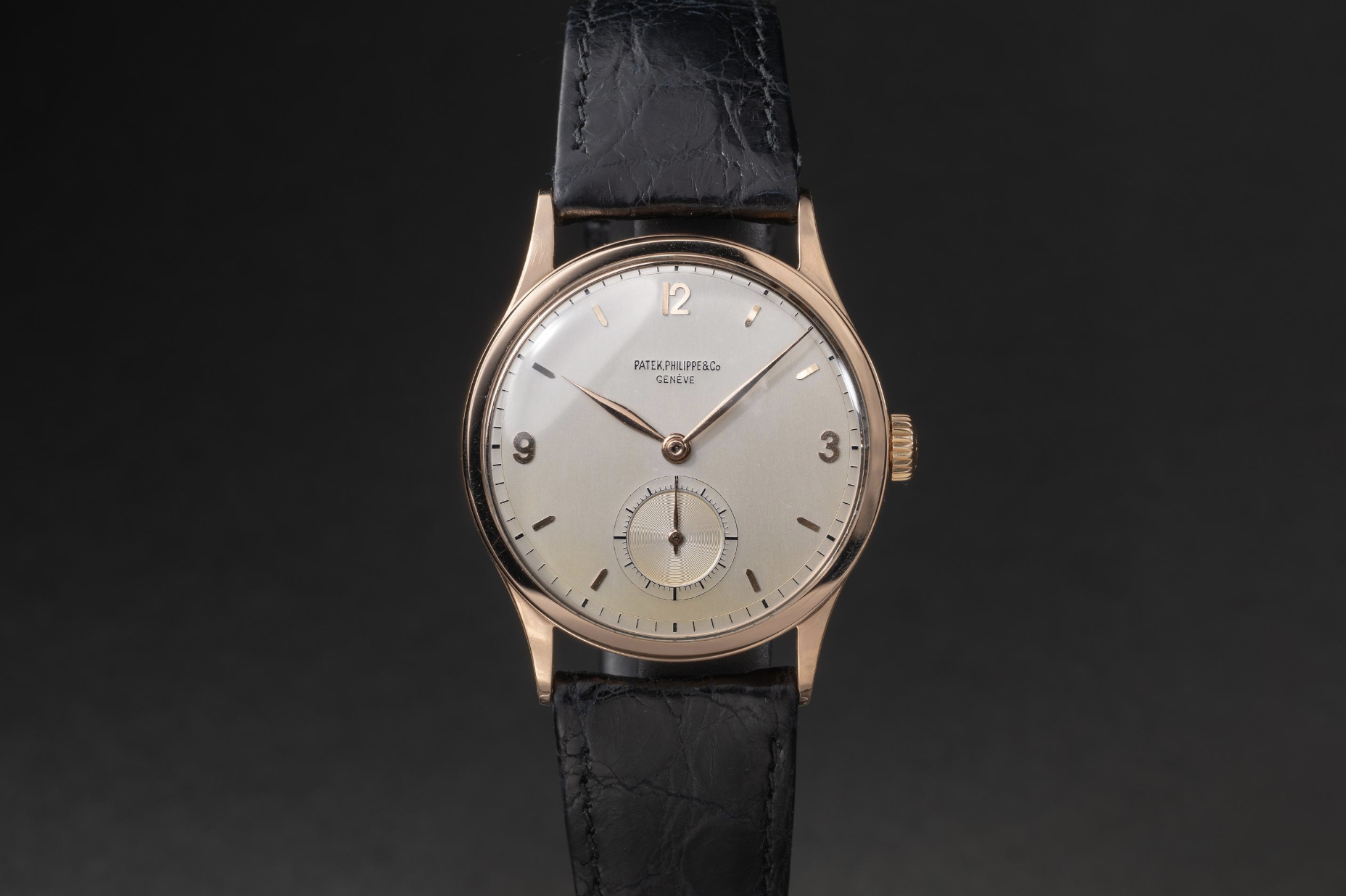
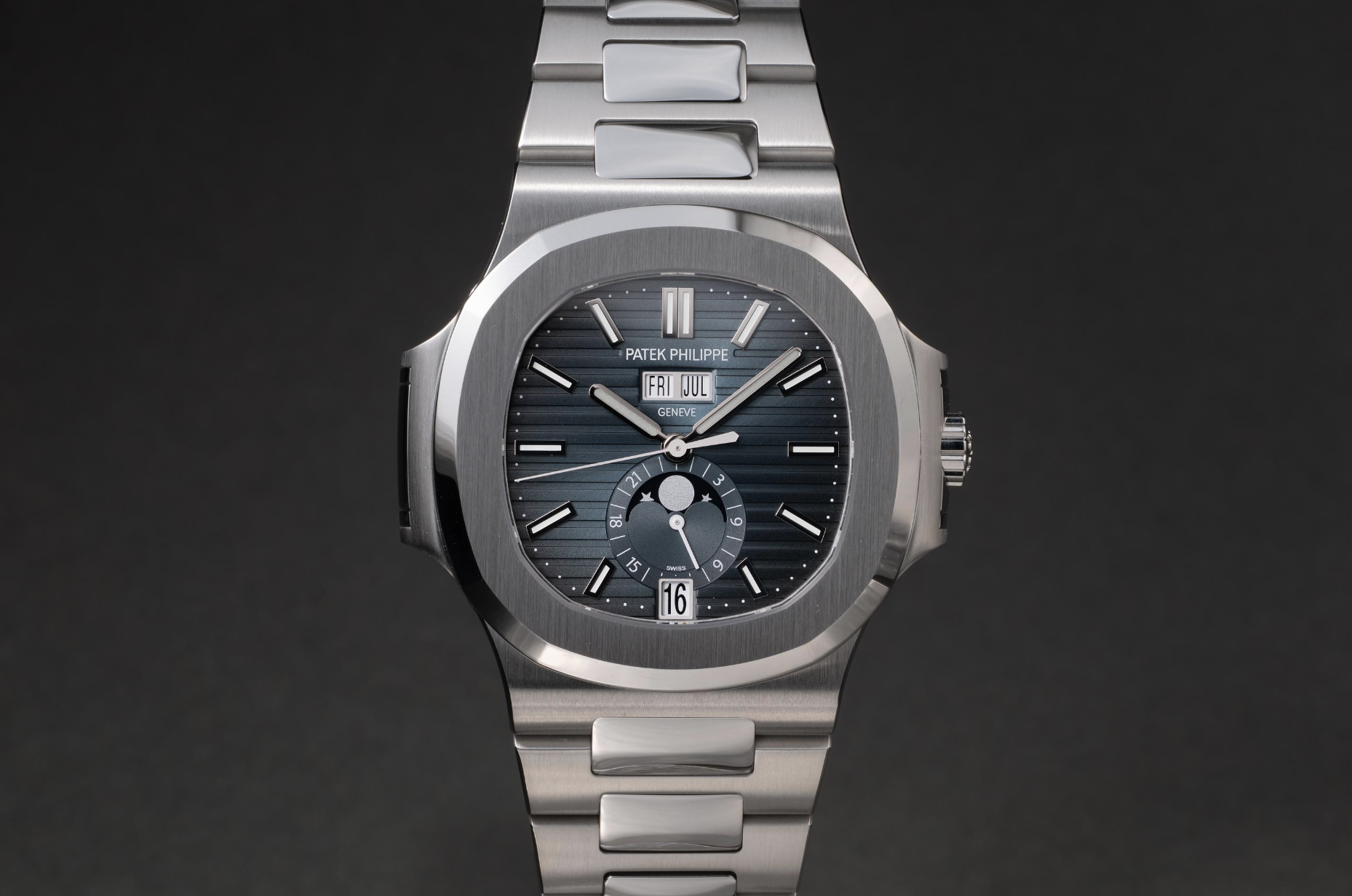
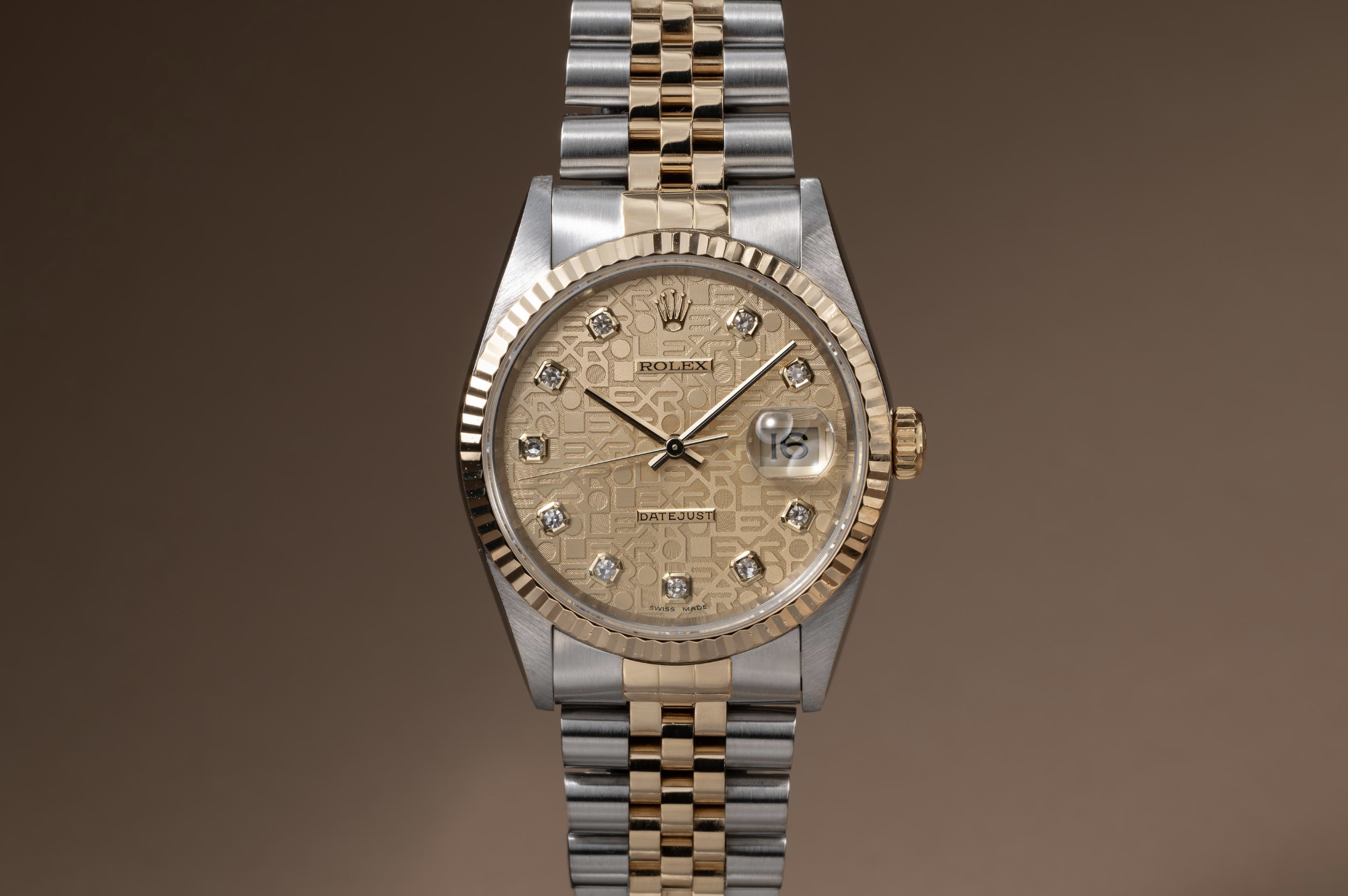
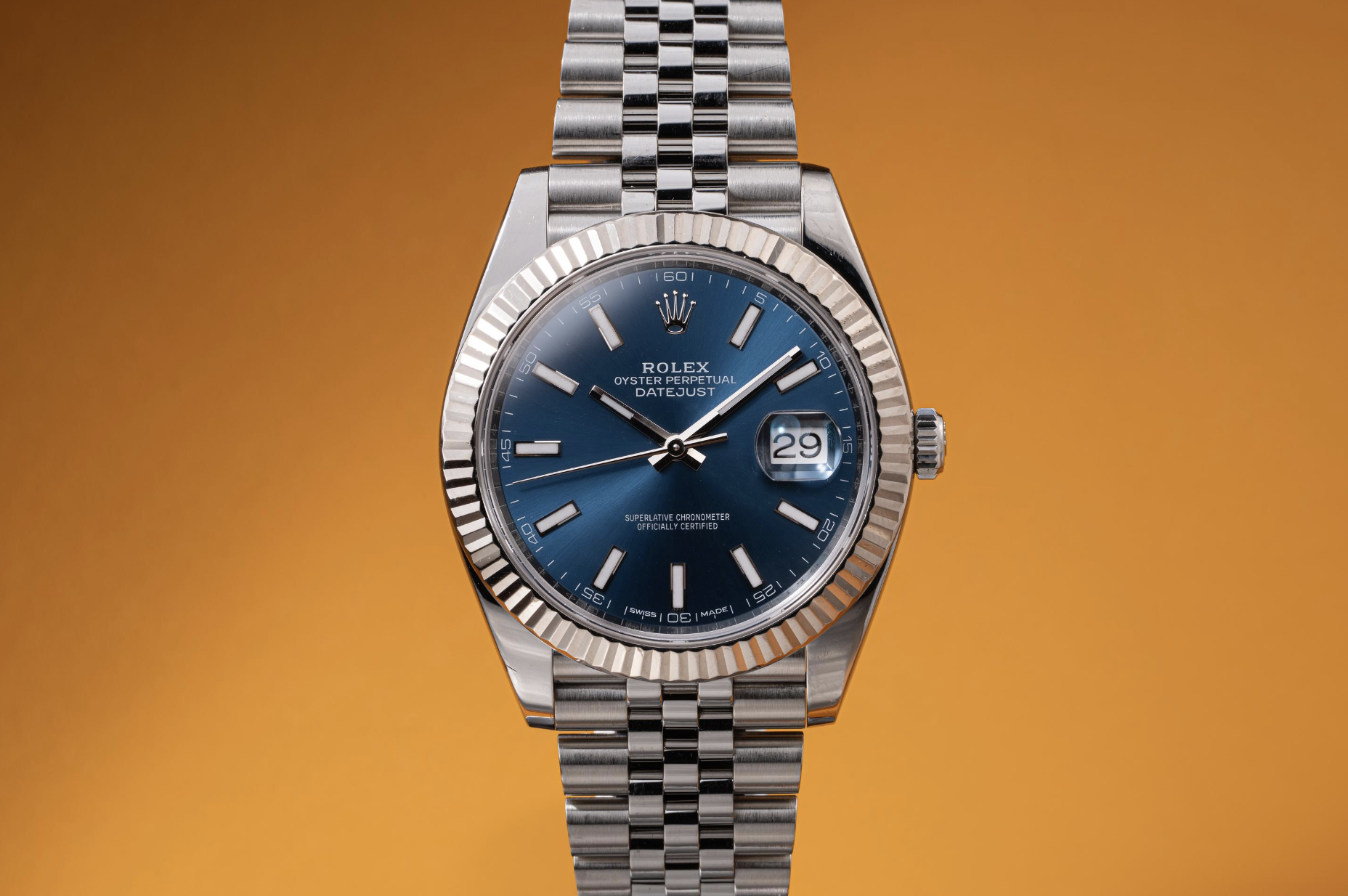
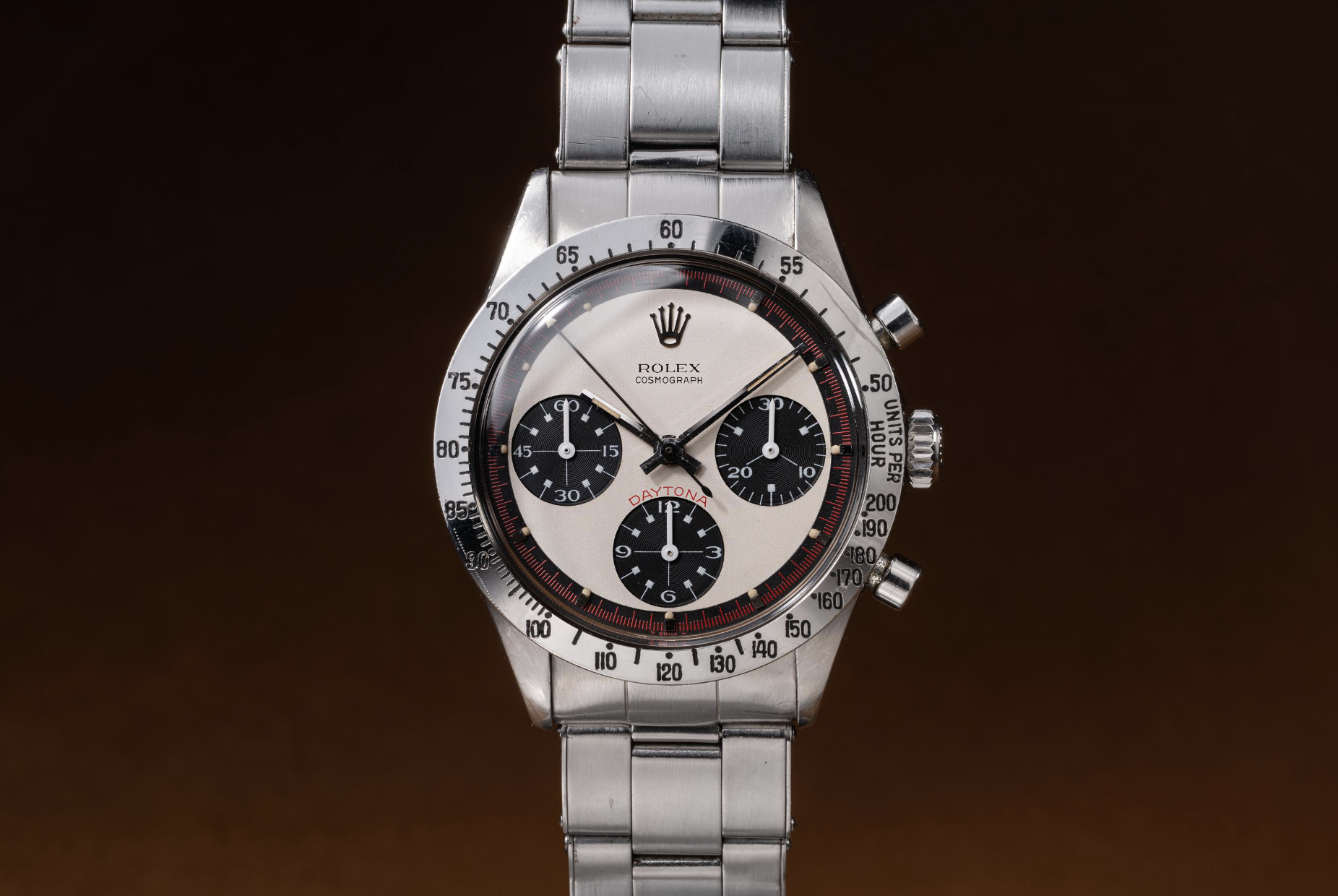
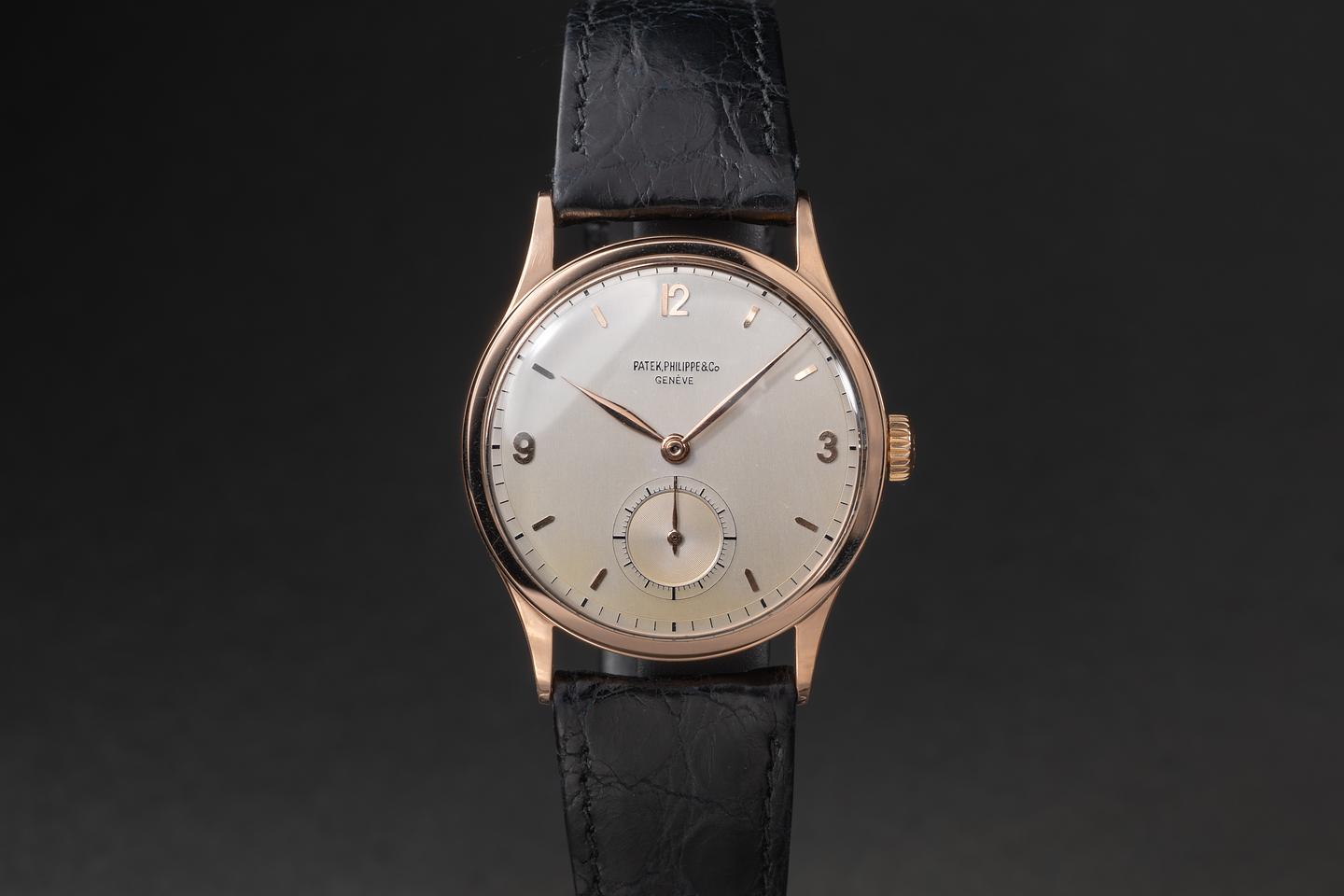
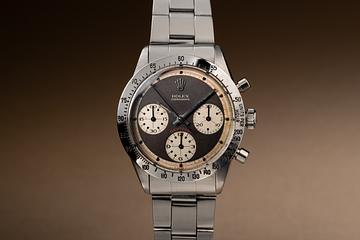


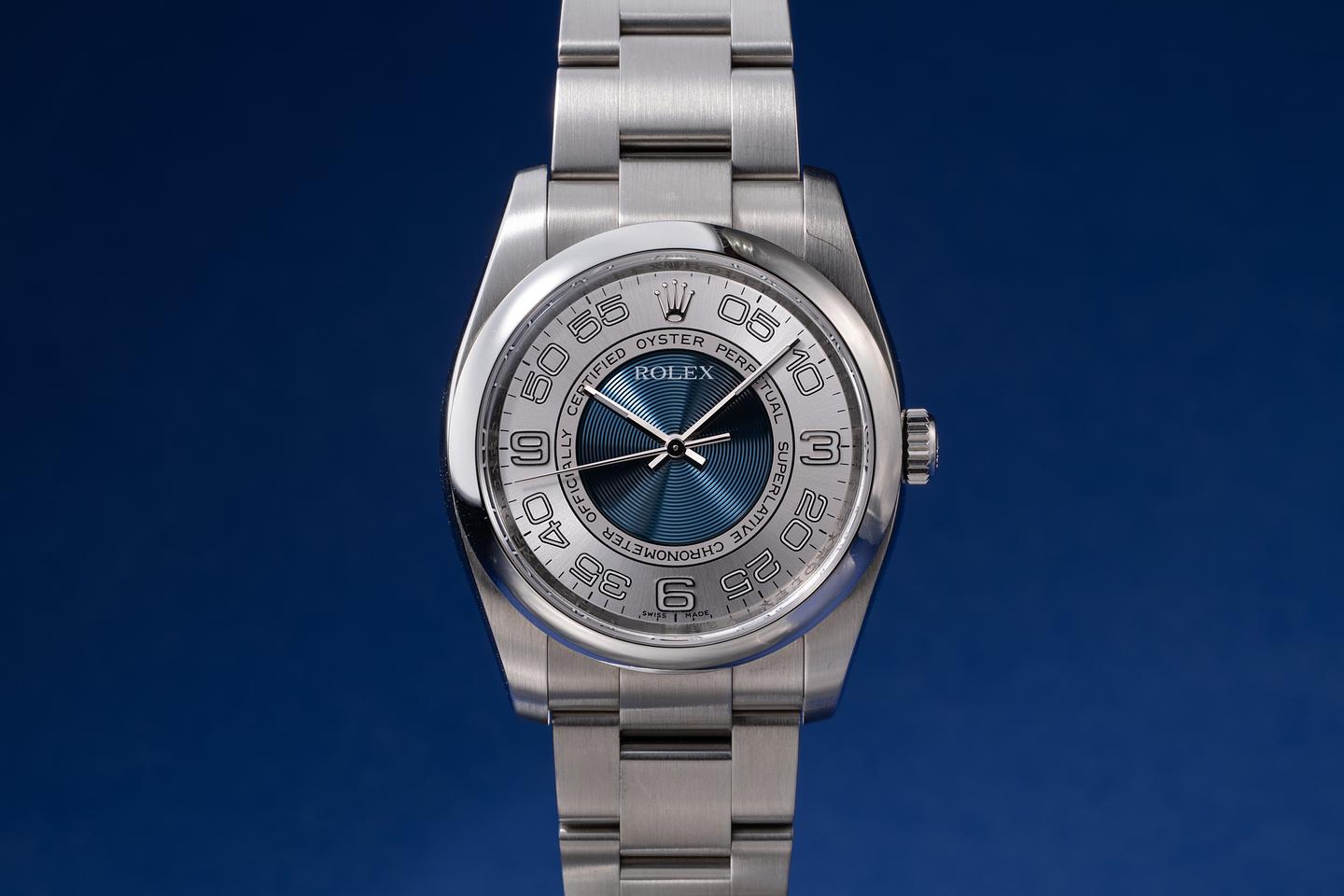

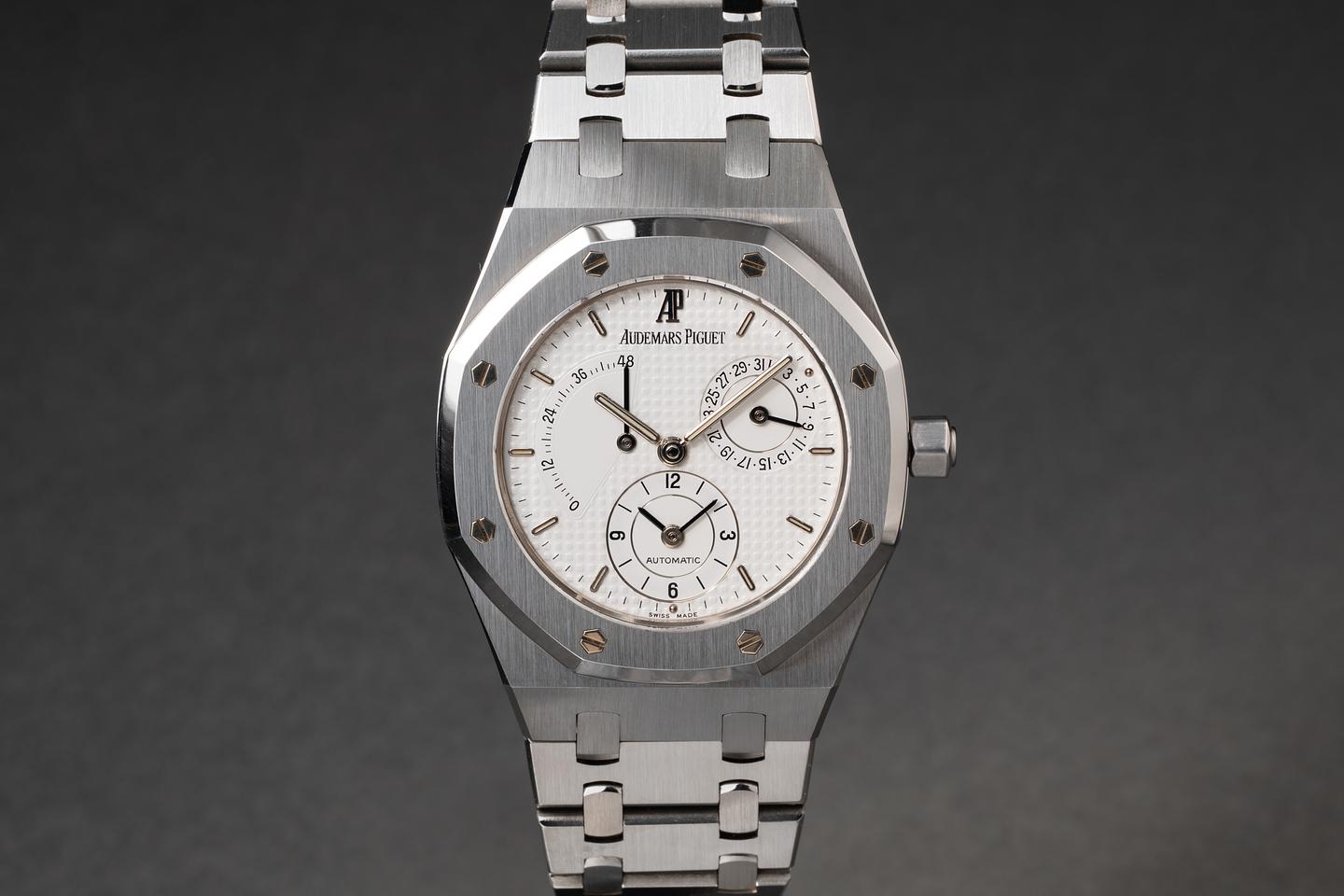

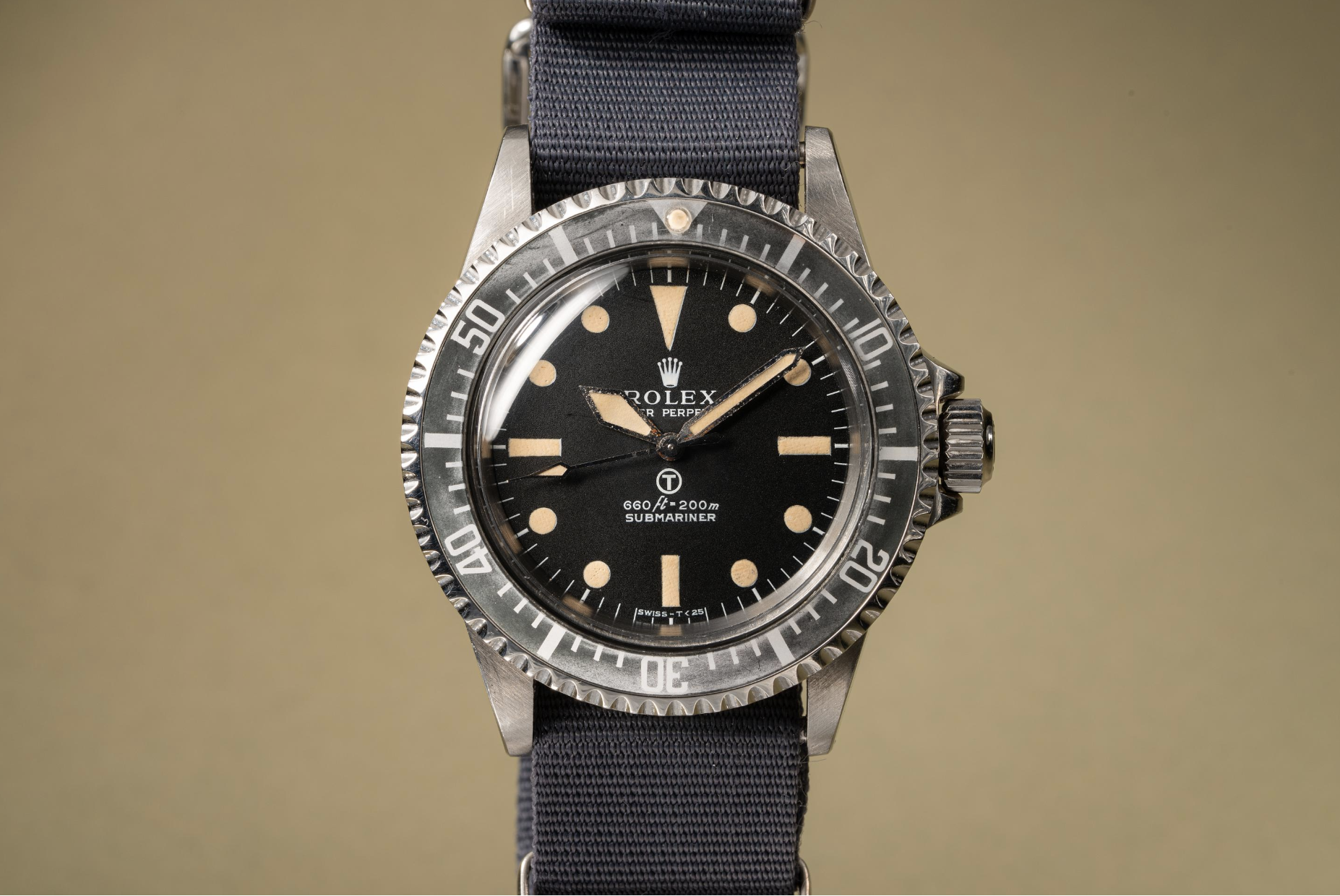
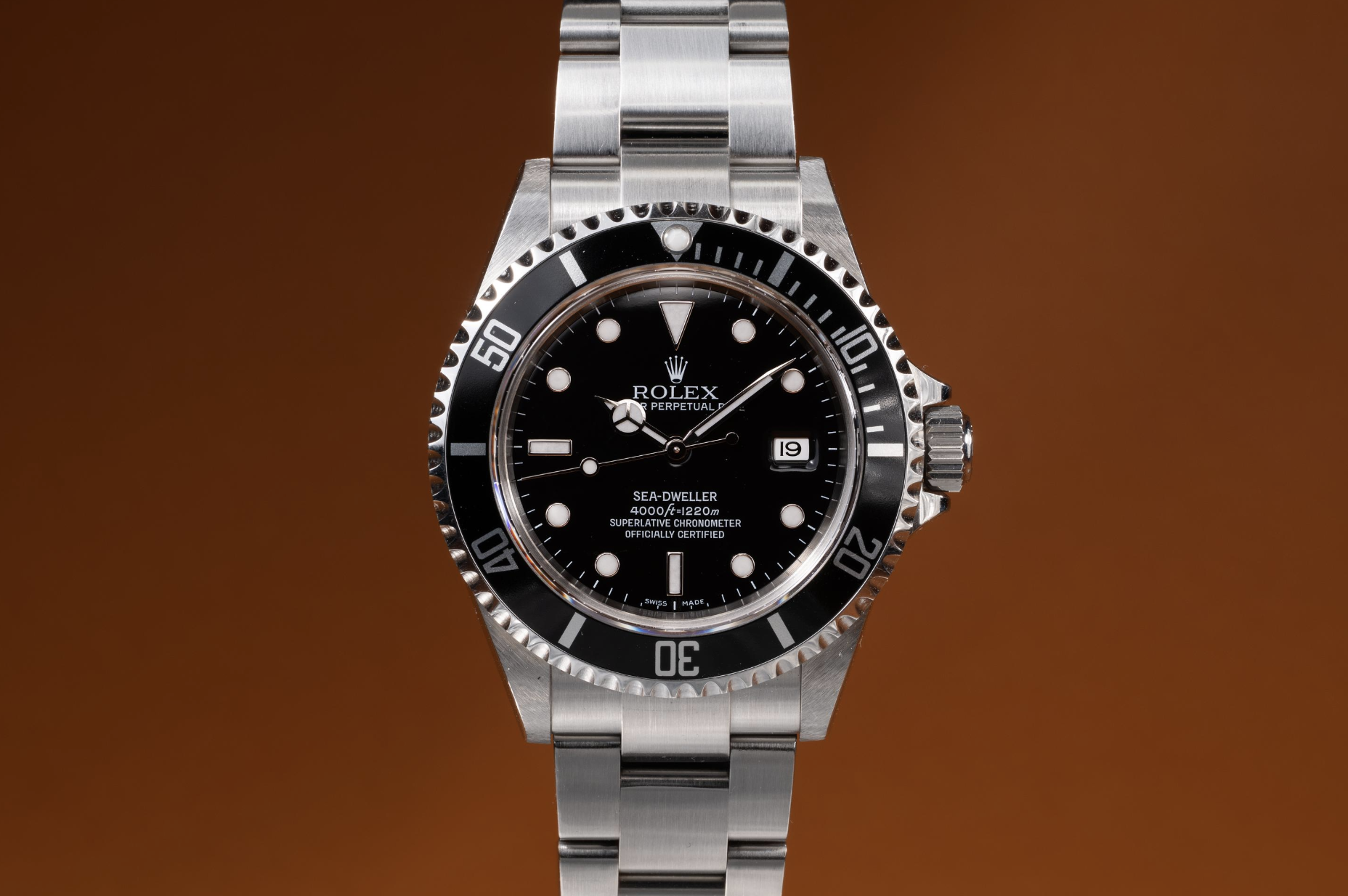

Table of Contents
Get More from the Journal